REVIEW · FUJIKAWAGUCHIKO MACHI
Ramen Cooking Class at Lake Kawaguchiko (Short Course)
Book on Viator →Operated by Japan food entertainment Ltd · Bookable on Viator
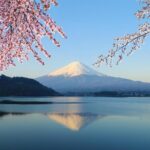
Mt. Fuji and ramen in one hour. This short class at Lake Kawaguchiko puts you hands-on with fresh noodle making and lets you customize everything from seasoning tare to toppings, then you sit down to enjoy your bowl with a Mt. Fuji view.
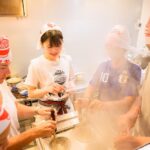
I really like how structured it is for first-timers: you knead and cut the dough, boil your noodles in a noodle cooker, and finish by assembling your ramen with the toppings you choose. English-speaking guidance is built in, with instructors such as Kimmy, Hiro, and Mae showing up in different sessions. The main drawback to plan for is that it’s only about 1 hour, so you’ll be learning fast and eating right after rather than lingering for a long meal.
In This Review
- Key highlights (what makes this class worth your time)
- Ramen at Lake Kawaguchiko: a Fuji-view food workshop in 60 minutes
- Price and value: what $39.14 covers (and what it doesn’t)
- The class flow: kneading, cutting, boiling, then building your bowl
- 1) Making your noodles: dough to machine-cut ribbons
- 2) Choosing your soup base: selecting the tare
- 3) Boiling your handmade noodles to perfection
- 4) Topping your ramen: customize, including chasiu
- 5) Certificate presentation and the bandana souvenir
- Mt. Fuji view: why it changes the feeling of a food class
- How the instruction feels: English-speaking help and small-group momentum
- What’s included for eating: food tasting, not just cooking
- Where you meet and how the experience runs
- Practical tips so your ramen goes smoother
- Who should book this ramen class at Kawaguchiko
- Should you book this ramen class? My honest take
- FAQ
- How long is the ramen cooking class?
- How much does it cost?
- Is the class taught in English?
- What group size should I expect?
- What’s included in the price?
- Are drinks included?
- Where do I meet, and does it end nearby?
- What’s the cancellation policy?
Key highlights (what makes this class worth your time)
- Real ramen process: you knead, roll, cut, and cook your own noodles, not just watch.
- Tare choice affects everything: pick your seasoning base and feel the difference in flavor.
- Noodle cooker included: your handmade noodles go into a proper cooking setup.
- Chasiu and toppings: you customize the bowl and finish it your way.
- Keep the bandana: you get a souvenir, plus an official completion certificate per group.
Ramen at Lake Kawaguchiko: a Fuji-view food workshop in 60 minutes
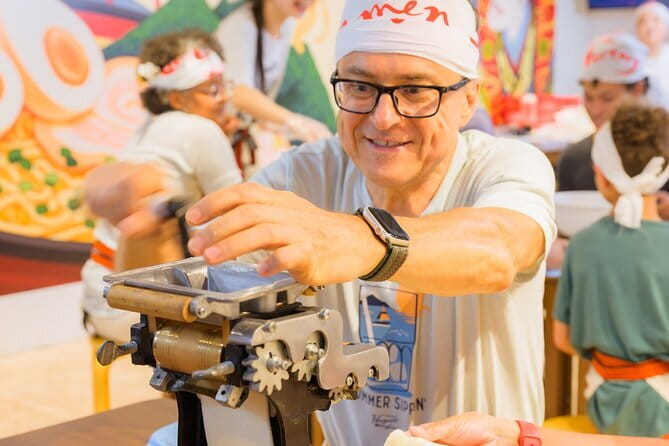
This is a practical hands-on ramen class built around making a bowl you can actually call yours. The big hook is the setting: Fujikawaguchiko-machi at Lake Kawaguchiko, where the experience includes time to enjoy what you made while looking toward Mt. Fuji.
The class format keeps things focused. You’re not getting stuck in a long lecture. Instead, each step moves your noodle project forward, from dough to cooked noodles to a finished bowl with toppings.
If you’re the type who likes to learn by doing (and you don’t want to spend half a day), this short course fits nicely. You’ll leave with a clearer idea of how ramen construction works: noodles, seasoning tare, broth base logic (as chosen through your tare), and the role of toppings.
You can also read our reviews of more cooking classes in Fujikawaguchiko machi

Price and value: what $39.14 covers (and what it doesn’t)
At about $39.14 per person for an experience that runs around an hour, the value mostly comes from what’s included. You get everything needed to make your ramen, an English-speaking instructor, and the food tasting part of the experience. Local taxes are included too, which helps keep the total from creeping upward.
You also get two tangible take-home items:
- An original bandana souvenir for all participants
- One official completion certificate per group
That combination is a small detail, but it matters. A lot of food classes are memorable in the moment and forgettable the next day. Here, you’re walking away with proof you did it.
What isn’t included is simpler: drinks are not part of the price, and there’s also a private transportation fee if you choose to arrange that on your own. Since drinks aren’t listed as included, plan on having water or ordering separately if you need it.
The class flow: kneading, cutting, boiling, then building your bowl
Think of this as one continuous ramen build, with you doing the key work at each stage. There’s no guessing what comes next, because the steps are laid out as a clear flow.
1) Making your noodles: dough to machine-cut ribbons
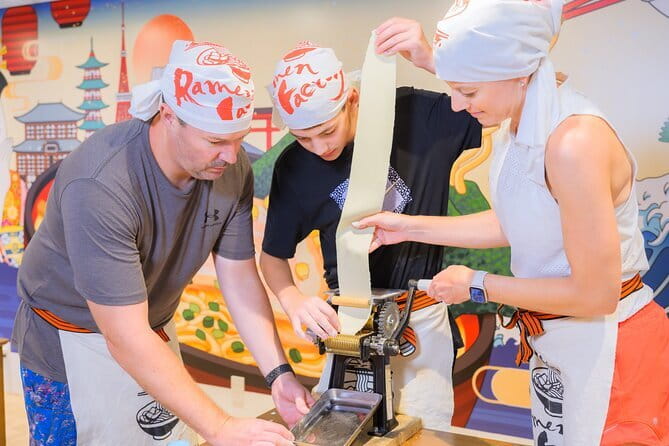
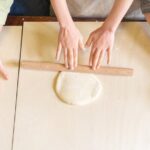
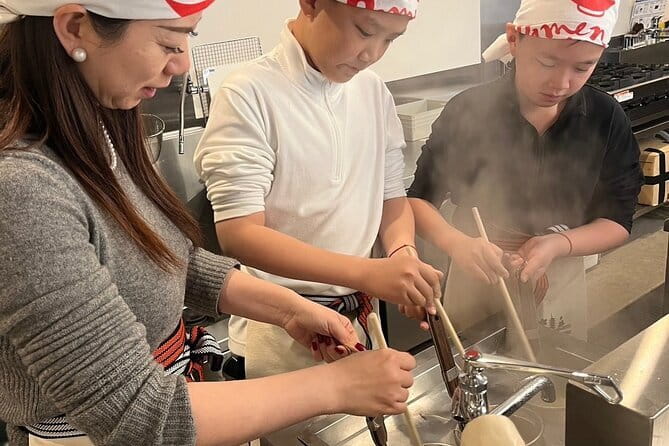
You start with kneading the dough, then you roll it out and cut it using a noodle-making machine. This part is usually where the biggest learning happens because you can feel the texture changes as you work.
For first-timers, the main win is confidence. You’re not just watching someone else handle the dough. You’re learning what the dough should feel like before it becomes noodles you can cook.
2) Choosing your soup base: selecting the tare
Next you pick your preferred tare (seasoning) to create your ramen base. This is more important than it sounds. Tare is what brings identity to your bowl. Even before you think about toppings, you’re shaping the flavor direction through the seasoning choice.
You’re also actively involved here, not passive. You get to make a decision, then see how it all comes together once the noodles are cooked and the bowl is assembled.
You can also read our reviews of more tours and experiences in Fujikawaguchiko machi
3) Boiling your handmade noodles to perfection
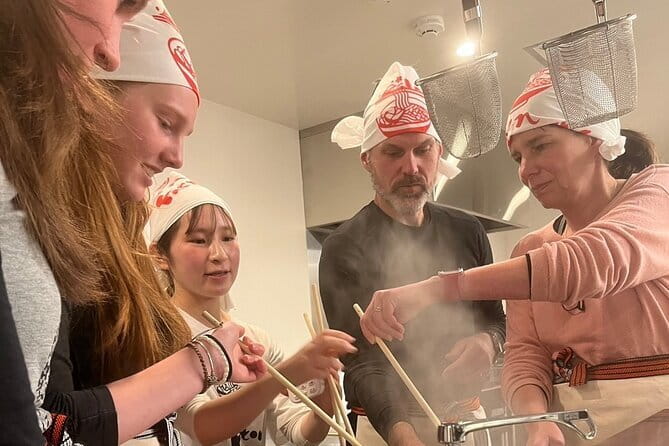
Then comes the moment most people care about: cooking the noodles. Your handmade noodles get boiled in a real noodle cooker setup, and you’ll cook them to the finished stage you need for eating.
This step turns all your earlier effort into something you can taste. It’s also where you can pick up a practical understanding of ramen timing: if you undercook or overcook, the texture changes fast. With you cooking in the class flow, you learn by comparison.
4) Topping your ramen: customize, including chasiu
Now you build the bowl. You’ll customize with toppings, including chasiu. The class format gives you a real sense of balancing elements: noodles and seasoning are only part of the experience. Toppings add texture, richness, and that finishing touch that makes ramen feel complete.
If you’re picky or love a specific ingredient style, this is your moment. You’re not stuck with a single pre-set bowl.
5) Certificate presentation and the bandana souvenir
After the cooking and eating, each group receives one official certificate of completion. Everyone also gets an original bandana souvenir.
I like this ending because it turns the class into something you can remember long after the last spoonful. It’s quick, but it gives closure.
Mt. Fuji view: why it changes the feeling of a food class
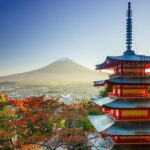
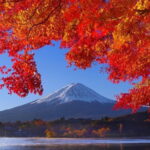
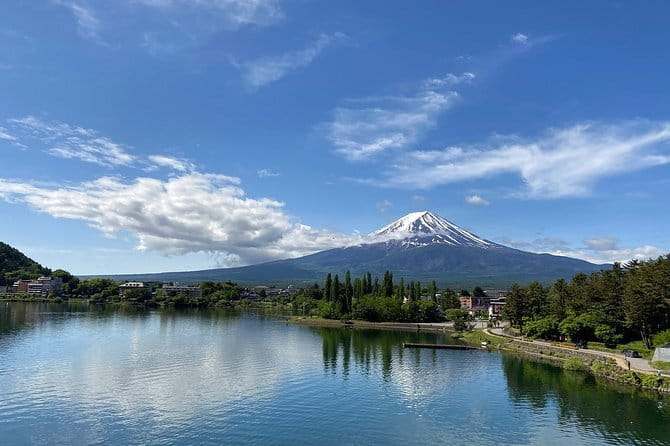
Most cooking classes are about technique. This one adds a setting cue that makes the meal feel like an event. The experience specifically includes time to enjoy what you made with a view of Mt. Fuji, and that matters for how you experience the food.
Even if you don’t consider yourself a scenery person, eating ramen with that backdrop shifts your brain into travel mode. The food isn’t only dinner; it’s part of your Lake Kawaguchiko day.
One practical point: the class is short. That means you’ll want to arrive on time so you get your full window to cook and eat without rushing.
How the instruction feels: English-speaking help and small-group momentum
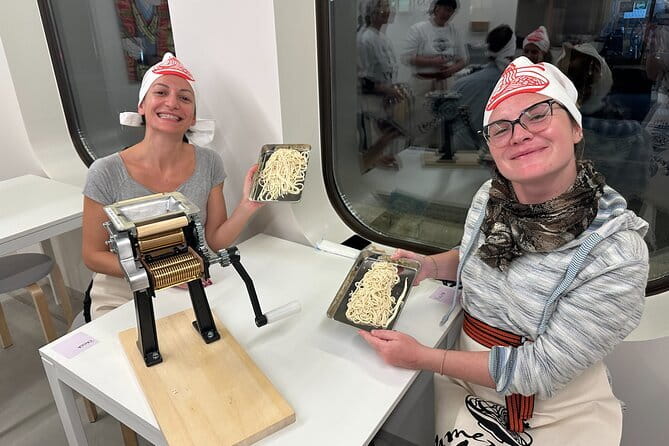
This class is capped at a maximum of 20 travelers, which keeps it from turning into a chaotic demo. Instruction is English-speaking, and you’ll likely work through the steps with clear guidance as you knead, roll, cut, cook, and assemble.
From the way the experience is described and how instructors are named across sessions (including Kimmy, Hiro, and Mae), the teaching style seems geared toward getting you functional fast. You’re not expected to already know how ramen dough behaves or how noodle cooking timing works.
In some sessions, the class size can be very small, which tends to mean more direct coaching and less waiting. That’s the best-case version of this kind of class: you feel like you’re learning in real time, not repeating steps for the group.
What’s included for eating: food tasting, not just cooking
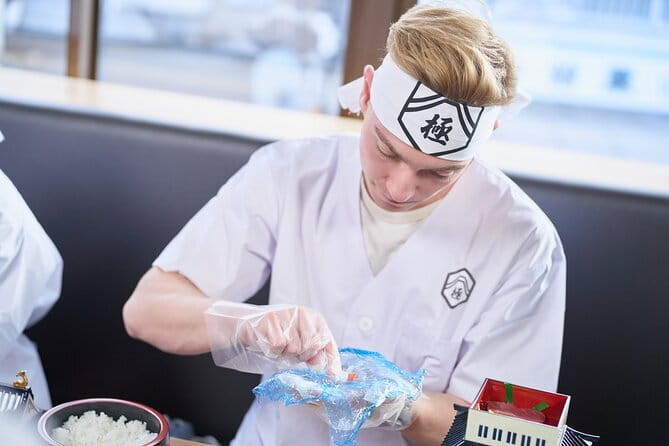
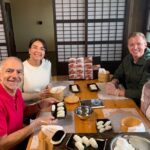
A lot of classes say you’ll eat what you made, but the details matter. Here, food tasting is included, and the flow clearly ends with you enjoying the ramen you created.
That’s one of the most important value points for me. If the tasting isn’t meaningful, a cooking class becomes a chore with a small snack at the end. This one builds toward a full moment of eating, with the toppings you selected and the tare you chose.
Just remember: drinks are not included. If you like to pair food with something specific, you’ll need to bring your own or plan to buy separately.
Where you meet and how the experience runs
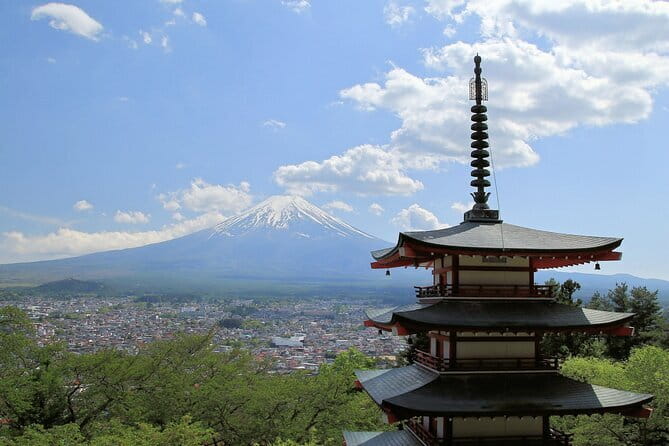
You start at the Fuji Activity Reservation Center: 3487-15 Funatsu, Fujikawaguchiko, Minamitsuru District, Yamanashi 401-0301, Japan. The activity ends back at the meeting point, so you’re not dealing with complicated after-class transfers.
It’s also described as near public transportation, which is useful because Kawaguchiko is one of those places where getting around efficiently can make or break your day. A mobile ticket is provided, which usually makes the check-in process easier and faster.
Duration is listed as about 1 hour, so treat it as a tight block in your schedule. I’d avoid stacking it right next to something time-critical unless you’re confident about your travel pace in the area.
Practical tips so your ramen goes smoother
A short ramen class is fun, but it still has “hands get messy” reality. Here are the practical things that matter based on what’s provided.
- Tell them about allergies or dietary restrictions in advance. The experience specifically asks you to let them know ahead of time, which gives you the best chance at an appropriate setup.
- Plan for no included drinks. If you want a specific drink with your meal, budget for it or plan to grab it elsewhere.
- Arrive early enough to settle in. With only about an hour, being late shrinks your time and can add stress.
- Go in curious, not perfect. You’re learning. If your noodle cutting or topping choices aren’t identical to everyone else’s, that’s part of the point.
- Save your bandana and certificate. You’ll get both, and it’s a nice souvenir for a Lake Kawaguchiko day.
Who should book this ramen class at Kawaguchiko
I think this works especially well for:
- Food lovers who want hands-on practice, not a passive meal
- Travelers who like short, well-timed activities near a famous destination
- Couples and small groups who want something fun they can do together
- First-time cooks who want guided technique without a huge time commitment
If you’re the kind of person who hates being rushed, you might still enjoy it, but you’ll want to protect your schedule so the hour feels relaxed rather than frantic. Also, if you drink a lot with meals and don’t want to think about it, remember that drinks are not included.
Should you book this ramen class? My honest take
Yes, you should book this if you want a high-value, hands-on food experience with English instruction, a structured ramen-making flow, and a Mt. Fuji moment built into the meal. The $39.14 price makes sense here because you’re not only learning—you’re also eating what you made, plus taking home the bandana and an official certificate.
Skip it or think twice if you want a long sit-down meal, unlimited beverages, or a slow-paced cooking lesson. This is a short course by design. Done right, that’s exactly why it’s fun: you leave with real skills, real ramen, and a souvenir you can point to later.
FAQ
How long is the ramen cooking class?
It’s listed as about 1 hour.
How much does it cost?
The price is $39.14 per person.
Is the class taught in English?
Yes. An English-speaking instructor is included.
What group size should I expect?
The activity has a maximum of 20 travelers.
What’s included in the price?
Included are local taxes, food tasting, everything necessary to make your own ramen, English-speaking instruction, and an original bandana souvenir.
Are drinks included?
No. Drinks are not included.
Where do I meet, and does it end nearby?
You meet at the Fuji Activity Reservation Center in Funatsu, and the activity ends back at the meeting point.
What’s the cancellation policy?
Free cancellation is available up to 24 hours in advance for a full refund.