REVIEW · TOKYO
Graffiti in Tokyo Walking Tour: Shibuya and Harajuku
Book on GetYourGuide →Operated by Elena Calderon/ Totemo · Bookable on GetYourGuide
Tokyo’s walls talk back fast. This Shibuya and Harajuku graffiti walk turns street marks into real stories, guided by Elena Calderon (Totemo), a graffiti researcher and art curator.
I love that the focus stays on what you’d normally miss at walking speed: small tags, throw-ups, and bigger pieces tucked into side streets. I also love the context Elena brings—how Tokyo’s street art culture connects to language, symbols, and the people who make it.
One drawback to note: it’s an outdoor walking tour, so wear comfortable shoes and be ready for weather.
Key things that make this tour worth your time
- Expert street-art guide (graffiti researcher for 10+ years) plus an art curator’s eye
- Hidden graffiti spots, not just the obvious “photo angles”
- Shibuya-heavy route, with a short Harajuku stop
- Insider pointers on Tokyo street art culture and art galleries
- Discounts at partner art galleries and restaurants
- Camera time on the move, since you’ll want to photograph what you learn to spot
In This Review
- Why a Shibuya–Harajuku Graffiti Walk Beats a Typical Sightseeing Loop
- Meeting at Manhattan Records and the Route Rhythm You’ll Feel
- Shibuya City: Tags, Throw-ups, and the Art You Have to Train Your Eyes For
- Harajuku in a Quick Hit: Fashion Streets Meet Street Marks
- The Elena Calderon Effect: Stories, Crew Logic, and Real Urban Art Perspective
- Hidden Spots and the Art-World Extras You’ll Actually Use
- Value Check: Is $38 for 2 Hours a Good Deal?
- What to Bring (and What to Leave Alone)
- Who This Tour Fits Best
- Should You Book the Graffiti in Tokyo (Shibuya and Harajuku) Tour?
- FAQ
- Where is the meeting point for the graffiti walking tour?
- How long is the tour?
- What neighborhoods does the tour cover?
- How much does the tour cost?
- What language is the guide?
- What’s included in the price?
- What is not included?
- What should I bring?
- Is the tour suitable for everyone?
- Can I cancel and get a refund?
Why a Shibuya–Harajuku Graffiti Walk Beats a Typical Sightseeing Loop
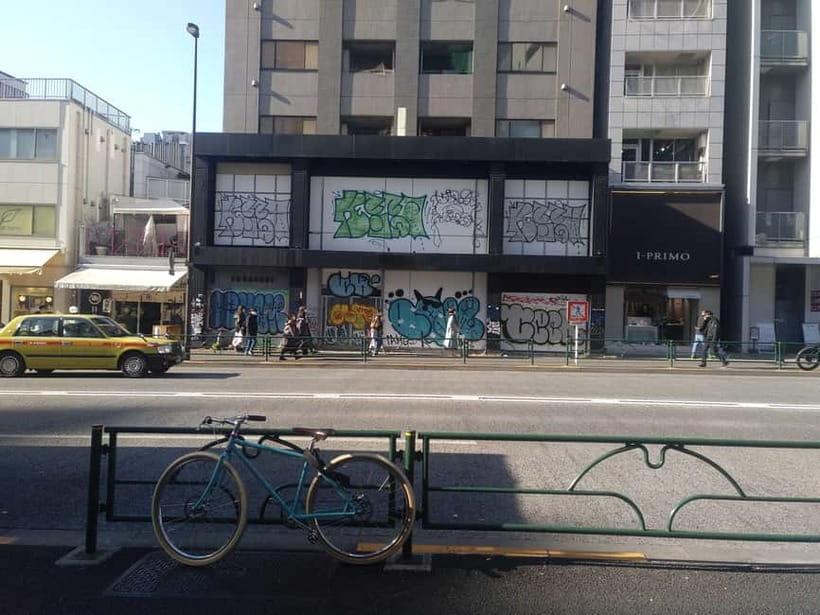
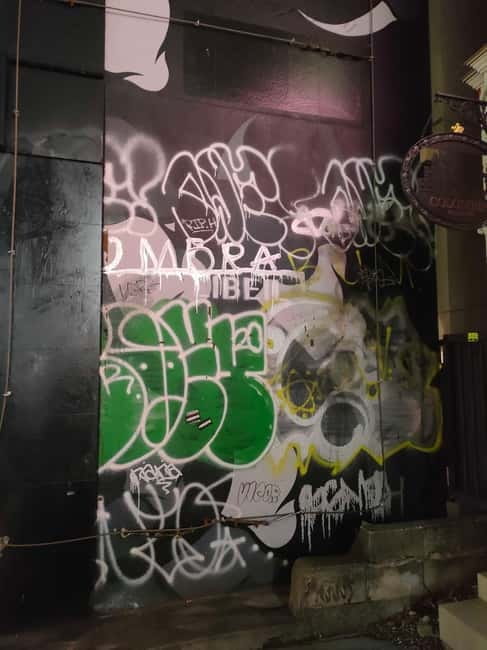
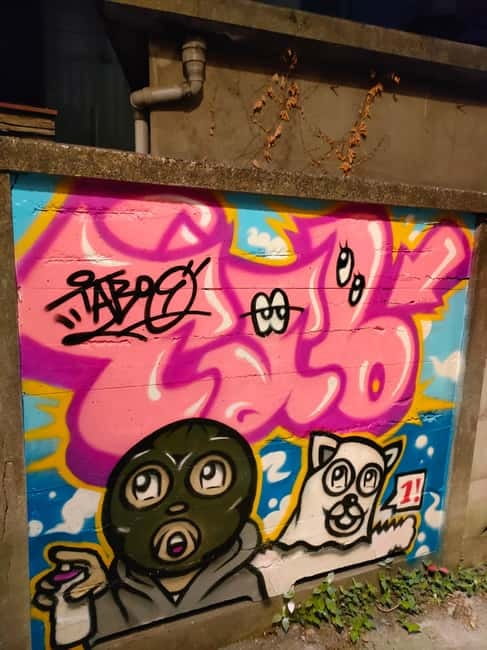
Tokyo looks polished from far away. Get closer and you’ll see the city has another layer—labels, tags, stickers, and murals layered into everyday surfaces. This tour is built for that closer look.
Instead of treating graffiti as random vandalism or just street decoration, you get the stories behind the marks: what different styles communicate, how crews and writers build reputations, and how the urban art scene fits into daily life. It’s not about collecting “cool pics.” It’s about learning how to read the city.
Shibuya and Harajuku are the obvious neighborhoods to visit. The trick is that most people only see the surfaces that tourists notice. This walk pushes you toward the spots locals are more likely to talk about—the corners where the art feels accidental, but never random.
Meeting at Manhattan Records and the Route Rhythm You’ll Feel
The tour meets at Manhattan Records Shop (Shibuya). It’s an easy start point because it’s recognizable and central to the Shibuya rhythm. From there, you’re set up for an active, feet-on-the-ground experience.
The tour info also references Kifune Bldg. as the starting/ending point. In practice, that means you’re not doing some endless loop back to nowhere—you finish near the same Shibuya area where you started. It’s a format that helps if you want to keep your day moving afterward.
Expect a route that moves at city-walking pace. You’ll be stopping often enough to look closely, but not so much that you spend the whole time standing around. This matters because graffiti is visual detail. If you rush, you miss it. If you stop too long, you lose the flow.
You can also read our reviews of more walking tours in Tokyo

Shibuya City: Tags, Throw-ups, and the Art You Have to Train Your Eyes For
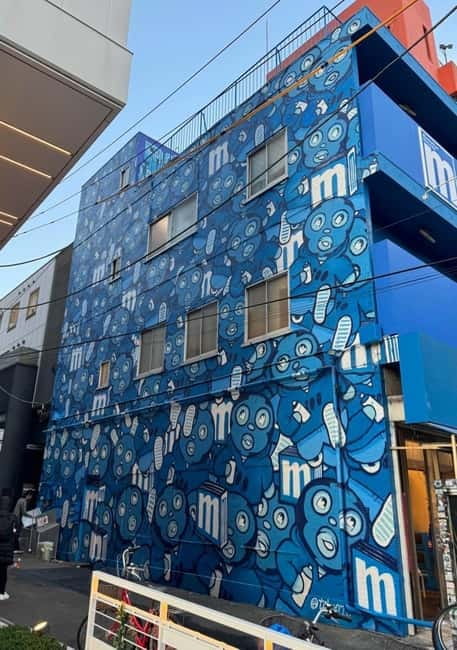
Most of the time is spent in Shibuya City. That’s the smart choice. Shibuya gives you density: more surfaces, more styles, and more chances to spot layered work.
Here’s what I’d watch for as you go. Elena’s whole value is that she teaches you how to look:
- You start noticing how tags sit in places people don’t usually look—at eye level, sure, but also at the “in-between” areas.
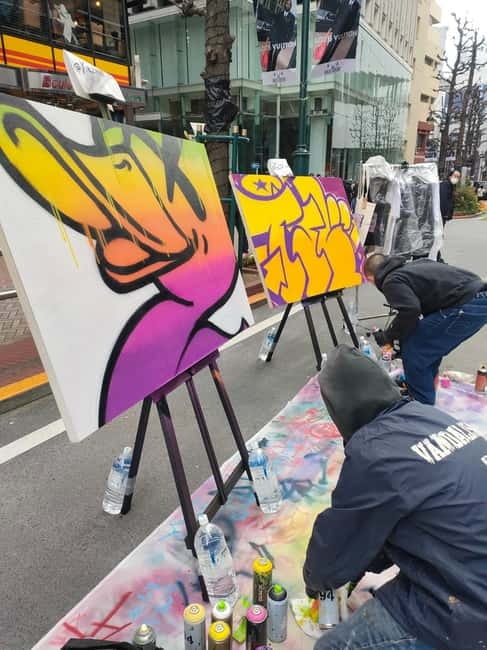
- You see how throw-up styles read quickly from a distance, while larger works reward slow attention.
- You begin to understand that “graffiti” in Tokyo isn’t one thing. It can be bold, fast, layered, and sometimes—depending on the location—treated differently.
The tour also highlights the idea of legal walls and underground spots. That’s important. Tokyo’s street art world doesn’t follow one rulebook. Some walls are treated as acceptable canvases; others are riskier, more secretive, and more about reputation. By pointing out both sides, the walk helps you understand the scene without pretending it’s all the same.
And the best part: you’re not just shown things. You’re given the why. Several people in the feedback singled out that Elena didn’t just point; she explained the role of graffiti in Japanese urban culture. That’s what turns a “look at this wall” moment into something you can remember later.
Harajuku in a Quick Hit: Fashion Streets Meet Street Marks
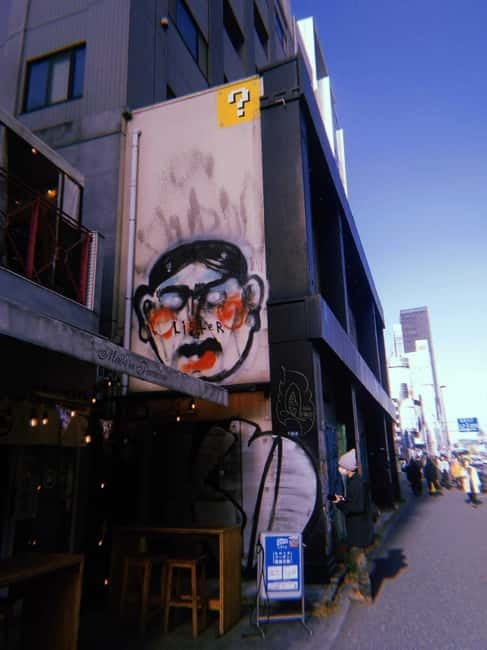
Harajuku is visited briefly—about 10 minutes—so don’t expect this neighborhood to get the same attention as Shibuya. But that short stop can be useful if you treat it like a contrast.
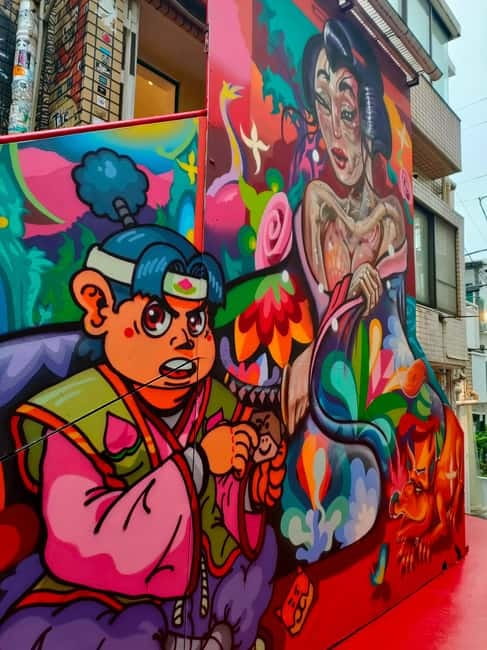
Harajuku is known for style, youth culture, and visual identity. Graffiti fits naturally into that environment, and even a short walk can show you how street art blends with the area’s look-and-feel.
In that short timeframe, you’ll likely focus on a few key pieces and the surrounding context—how the art sits in the flow of crowds and storefronts, and how it communicates in a high-visual environment. You’ll also get practical camera thinking. People highlighted that Elena helped them find murals they wanted to photograph again after the tour. That’s exactly the kind of benefit a short stop can still deliver.
The Elena Calderon Effect: Stories, Crew Logic, and Real Urban Art Perspective
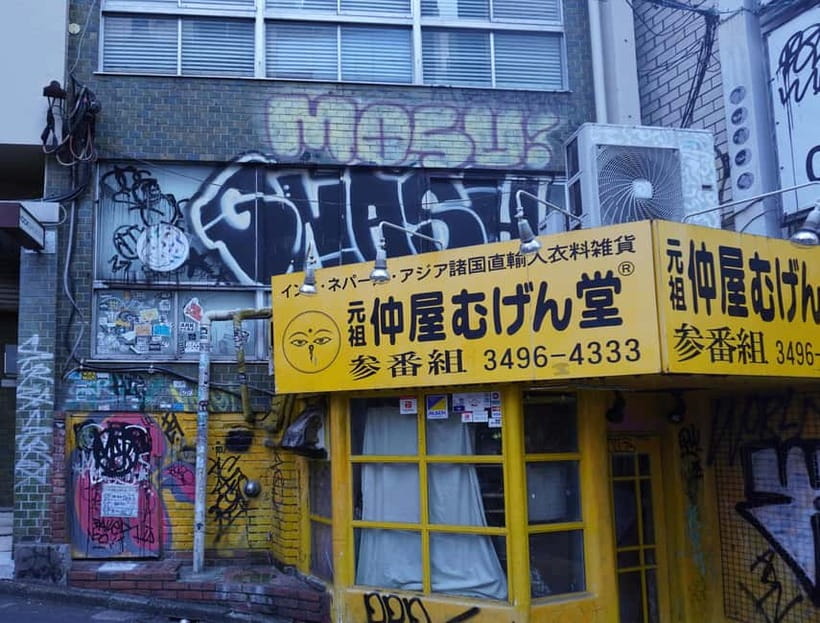
Elena Calderon (Totemo) is listed as both a graffiti researcher (10+ years) and an art curator. That combo matters, because it changes how the tour feels.
A researcher mindset helps with the details: you learn how styles work, why certain marks appear where they do, and what meanings might be behind recurring symbols. A curator mindset helps with the bigger view: how street art fits into the wider art world, not just the street-level world.
In the feedback, what came up again and again was her enthusiasm and the breadth of what she can explain—how to notice, what to ask yourself while looking, and how Tokyo’s street art culture differs from what you might expect if you’ve only seen graffiti overseas. People also praised her ability to make the tour fun, not lecture-y. That balance is hard to pull off, and it’s a big reason the rating is so high.
Hidden Spots and the Art-World Extras You’ll Actually Use
This tour isn’t framed as a generic “street art overview.” It promises exclusive access to hidden graffiti spots and insider knowledge you won’t find in a typical guidebook.
That matters because the difference between a good and great street art experience is not how many murals you see. It’s whether you find the pieces that are easy to miss:
- Art that’s partially blocked by signage
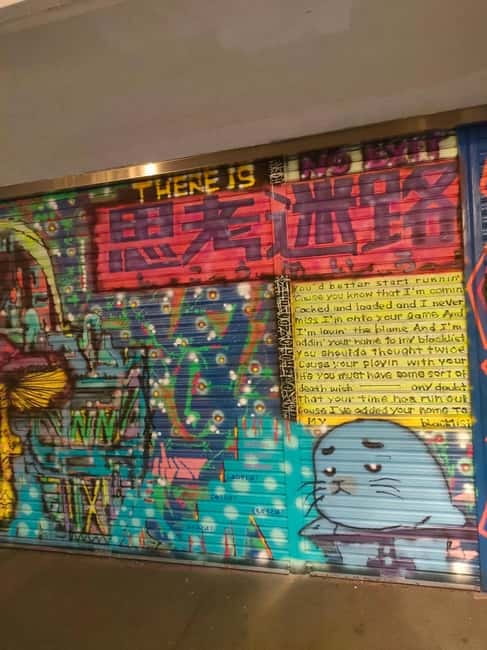
- Pieces tucked into less obvious alleys
- Work that looks like background until someone tells you what to look for
The tour also includes insider knowledge on top art galleries, plus discounts in art galleries and restaurants associated with the experience. Those discounts aren’t a small detail. If you’re already interested in Tokyo’s art scene, they can turn the walking tour into a launchpad for what you do next.
Also worth noting: the info says most art galleries/museums you’ll encounter are free of charge. That makes the overall value look better because you aren’t forced into extra paid entry just to keep exploring.





Value Check: Is $38 for 2 Hours a Good Deal?
At $38 per person for a 2-hour walking tour, the price is pretty reasonable—if you care about street art enough to want context and access.
Here’s how I’d judge value:
- You’re paying for an expert guide with specialized experience (graffiti research plus curatorial work).
- You’re not just watching; you’re being taught how to spot work you’d likely miss on your own.
- You’re getting exclusive/hidden spots and discounts afterward, which can add practical savings.
Is it “cheap”? Not exactly. But it’s not priced like a museum ticket either. For a short, focused tour that’s built around street-level discovery, it’s a smart spend—especially if you only have a day (or a half-day) to explore Shibuya and want more than the usual highlights.
What to Bring (and What to Leave Alone)
Bring the basics and you’ll enjoy the walking more:
- Comfortable shoes (seriously)
- Camera (you’ll want it)
- Water
- Cash
The “cash” detail is useful because you may run into small purchases or discounts depending on what you choose to do after. The tour doesn’t include meals and drinks, so having water sorted helps keep you comfortable through the time outside.
Rules are straightforward:
- No smoking
- No alcohol or drugs
- No littering
Also keep local laws in mind. This tour is about seeing and understanding graffiti culture, not doing anything that creates a problem. The best kind of street art respect is quiet, observant, and law-abiding.
Who This Tour Fits Best
This is a great match if you:
- Like street art but want more than surface-level “pretty walls”
- Enjoy walking cities and spotting details
- Want an insider lens on Tokyo’s urban art culture
- Care about Japanese culture context, not just street-style aesthetics
It may not be the best fit if you:
- Have mobility impairments (it’s a walking tour)
- Have a baby under 1 year
- Are over 95 years (age limit is listed)
If you’re the type who likes to wander responsibly with a guide who can “read the city,” you’ll probably get a lot out of this. If you want only iconic landmarks with minimal walking, you might feel it’s too detailed and street-focused.
Should You Book the Graffiti in Tokyo (Shibuya and Harajuku) Tour?
Yes, I’d book it if graffiti and urban art are on your interest list and you want a guide who can explain what you’re seeing. The standout strengths—clear explanations, the ability to find hidden work, and Elena Calderon’s passion—are exactly what turn a 2-hour walk into a lasting Tokyo memory.
Skip it if:
- You hate walking in the open air
- You’re expecting lots of major museums or long indoor gallery time
- You want a broad “Tokyo highlights” day instead of a focused street art experience
If you’re curious about the side of Tokyo that lives in alleys and side streets, this one is a strong bet.
FAQ
Where is the meeting point for the graffiti walking tour?
The tour meets at Manhattan Records Shop (Shibuya).
How long is the tour?
It lasts 2 hours.
What neighborhoods does the tour cover?
You’ll focus on Shibuya and make a short visit to Harajuku.
How much does the tour cost?
The price is $38 per person.
What language is the guide?
The live guide offers English and Spanish.
What’s included in the price?
You get an expert guide (graffiti researcher for 10+ years and art curator), exclusive access to hidden graffiti spots, insider knowledge about Tokyo’s graffiti scene and top art galleries, and discounts at art galleries and restaurants.
What is not included?
Meals and drinks are not included, and transportation to the meeting point is not included. Entrance to art galleries/museums is noted as usually free, but entry details are not included as a guaranteed paid item.
What should I bring?
Bring comfortable walking shoes, a camera, water, and cash.
Is the tour suitable for everyone?
It’s not suitable for people with mobility impairments, babies under 1 year, or people over 95 years.
Can I cancel and get a refund?
Yes. The tour offers free cancellation up to 24 hours in advance for a full refund, and you can also reserve now and pay later.