REVIEW · TOKYO
Tokyo: Edo Kiriko Traditional Glass Carving Class
Book on GetYourGuide →Operated by LINKTIVITY Inc. · Bookable on GetYourGuide
Tiny cuts, big craft pride. This Edo Kiriko glass carving class turns a famous Japanese tradition into a hands-on, take-home souvenir you actually made yourself. I love that you pick your own pattern and glass colors, then get guided practice so your final carving has a real shot at looking sharp. The one thing to watch: the carving takes patience, and accuracy is the tricky part.
You’ll meet at Sokichi, a short walk from Asakusa Station, and step into a quieter space above a glass shop where the work stays calm and focused. I also like how beginner-friendly the teaching is, since you can match your carving approach to your comfort level. If you’re hoping for a totally hands-off experience, you might find the precision part demanding—yet that’s also where the satisfaction comes from.
Key takeaways before you go
- Pick from multiple glasses and dozens of patterns, then commit to your own design.
- Blue, pink, and yellow colored glass options help your carving show up clearly.
- Start with practice before carving your final artwork, so you build control fast.
- Small-group feel means you can get corrections instead of rushing alone.
- English and Japanese instruction keeps the steps clear even if your Japanese is rusty.
In This Review
- Edo Kiriko Glass Carving: Why It Works So Well in 90 Minutes
- Finding Sokichi Near Asakusa Station Without Stress
- Choosing Your Glass and Pattern: Blue, Pink, Yellow, and Your Own Design
- How the Cutting Lesson Runs Step by Step (And Where Beginners Gain Confidence)
- Taking Home Your Own Edo Kiriko Glass Artwork
- Skill Level and Accuracy: What the Class Teaches You (Even If It Gets Awkward)
- Instructor Support in English and Japanese (And the Difference It Makes)
- Price and Value: Is $30 Worth It?
- What to Bring, What to Wear, and Simple Prep Tips
- Best Way to Fit This Into a Tokyo Day
- Who Should Book This Edo Kiriko Class (and Who Might Pass)
- Should You Book It? My Practical Advice
- FAQ
- Where is the meeting point?
- How long is the class?
- What’s included in the price?
- What colors of glass can I choose from?
- Do I need to know Japanese?
- What level is the class for?
- What should I bring?
- Is there any flexibility with booking?
Edo Kiriko Glass Carving: Why It Works So Well in 90 Minutes

Edo Kiriko is known for its sharp, faceted look—cut glass that catches light and gives patterns a crisp edge. What makes this class work is the structure. In 90 minutes, you’re not just watching. You’re doing enough handwork to understand how the tool, the glass, and the pattern choices actually connect.
You also get a real sense of why Edo Kiriko became such an iconic craft. The “magic” isn’t mystical. It’s repeatable technique: scoring and cutting with control, plus knowing how a pattern changes depending on the glass you choose. That’s the sort of detail you can’t learn from a photo. Here, you feel it in your wrist and eyes while you’re working.
And yes, you’ll leave with something you can put on a shelf right away: your own carved glass artwork. For Tokyo, that’s a strong value play. Souvenirs are often either too generic or too fragile to feel worth the money. This one earns its place because you made it.
Finding Sokichi Near Asakusa Station Without Stress

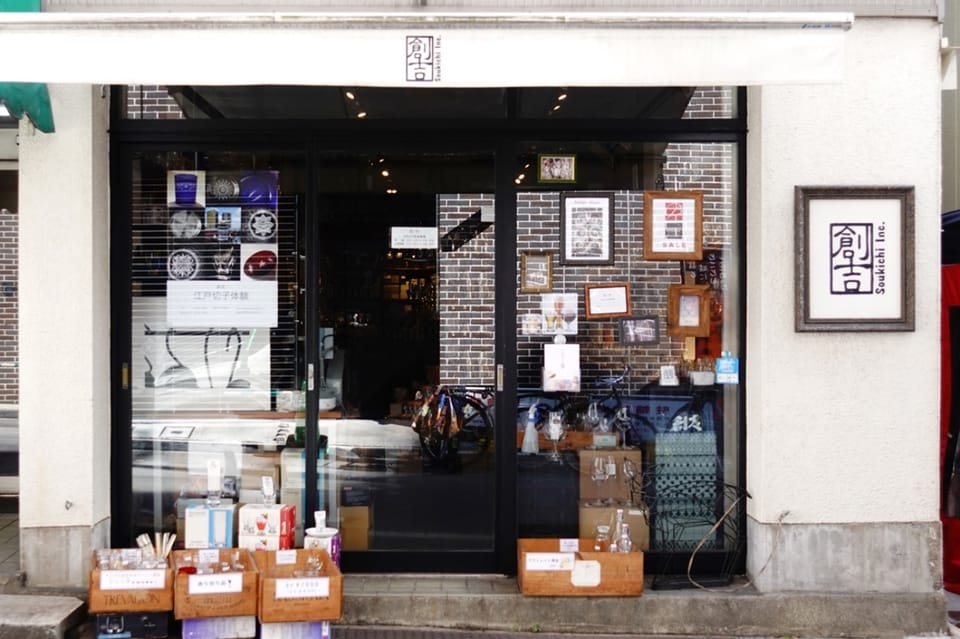
The meeting point is Sokichi, and it’s about a 30-second walk from Asakusa Station. That matters more than you’d think. Asakusa can be wonderfully chaotic, and you don’t want to spend your class time hunting down the right doorway.
The store is on a side street, but it’s easy to find once you’re on the correct block. When you arrive, speak with staff and they’ll escort you to the room for the class. You’re not waiting around in a busy storefront—your work time is protected.
Practical location perks: the area is close to major sights like Senso-ji and the Skytree, so you can pair this with sightseeing before or after. The class itself is set up in a quiet space away from the busiest parts of the neighborhood, which makes the carving feel more focused and less rushed.
You can also read our reviews of more tours and experiences in Tokyo


Choosing Your Glass and Pattern: Blue, Pink, Yellow, and Your Own Design

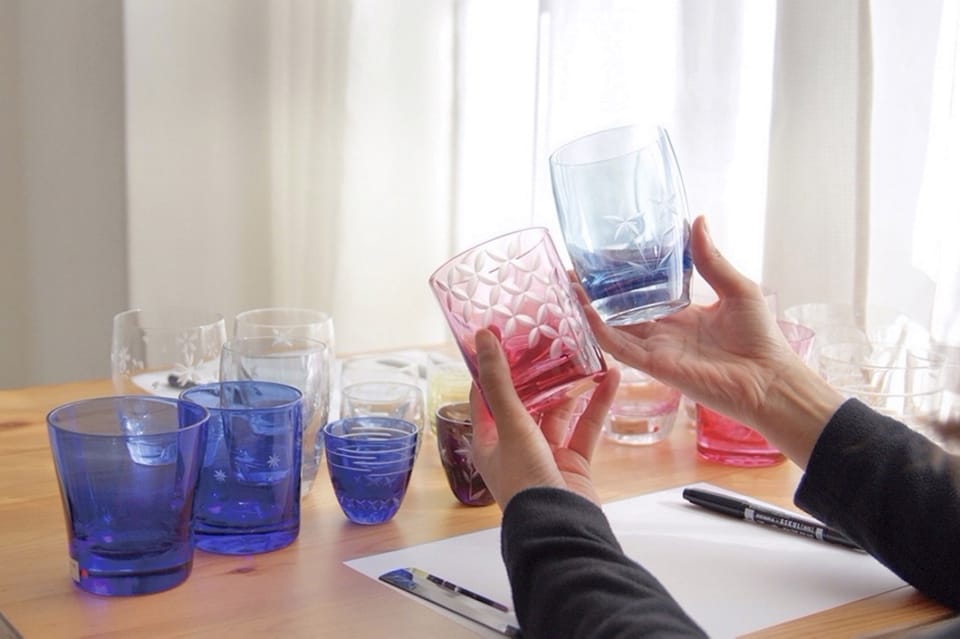
One of the best parts is that you don’t start with a blank slate. You choose. The class lets you select from more than 20 types of glasses and dozens of pattern samples. You’ll also have six types of clear and colored glass to work with.
The colored options are blue, pink, and yellow. These aren’t just decorative. Color changes how well the pattern reads after carving. Clear glass shows cuts differently than tinted glass, and the colored base can make your etched lines look cleaner from a distance—especially when light hits the surface.
Here’s a smart way to pick: choose a glass color based on the pattern’s line density. If your pattern has lots of fine elements, a color that gives good contrast can make your work look crisp. If your design is bolder with larger cuts, clear glass can be equally striking because the facets create their own shine.
Also, you’re not boxed into one level of difficulty. The class supports different approaches, so if you want something simpler, you can aim for a cleaner, controlled result. If you want to challenge yourself, you can choose more complex detailing.
How the Cutting Lesson Runs Step by Step (And Where Beginners Gain Confidence)
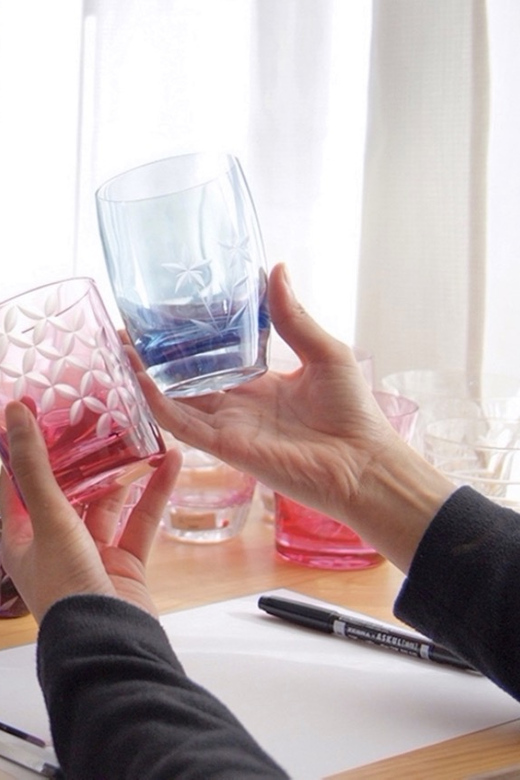
This class isn’t just about the final cut. You start with instruction by a lecturer and move into a hands-on rhythm with guidance right beside you. The goal is that you learn the technique, not just finish an item.
Most importantly, you begin by practicing before committing to your own design. In real terms, that means you get time to build control—learning how the cutting action feels, how the tool interacts with the glass, and how small corrections can improve accuracy. A common approach here is practicing with simple starter patterns first, so you can understand spacing and line direction.
Then you transition to your chosen glass and pattern. At that moment, the details matter: staying consistent with your strokes, keeping edges aligned, and avoiding crooked or uneven lines. This is where the instructor’s role becomes huge. They can refine your technique on the spot—often correcting small issues while you’re still working, so you don’t lose the whole design to one early mistake.
If you’re tempted to rush because you’re excited, don’t. The cutting technique rewards calm focus. Even when your first attempts feel imperfect, practice helps you adjust quickly, and you can still end up with a result you’re genuinely proud to take home.
Taking Home Your Own Edo Kiriko Glass Artwork
You’ll create an original piece of carved glass during the class, and it’s yours to keep. This is the difference between a workshop that feels like a lesson versus one that feels like a ticket to a handmade souvenir.
Because you choose the glass type, color, and pattern, the final look reflects your decisions. That personalization is more valuable than it sounds. It turns a craft technique into a memory with weight—something you can hold, clean, and display.
Also, the artwork isn’t just a flat decorative item. Edo Kiriko cuts create facets that interact with light. When you take it home, you’ll notice how the reflections shift as you move it. That gives you a daily reminder of the class, not a one-time photo moment.
If you’re buying for someone else, this is a strong gift idea too. It feels thoughtful because it’s not mass-produced. It has your pattern choice in it.
Skill Level and Accuracy: What the Class Teaches You (Even If It Gets Awkward)
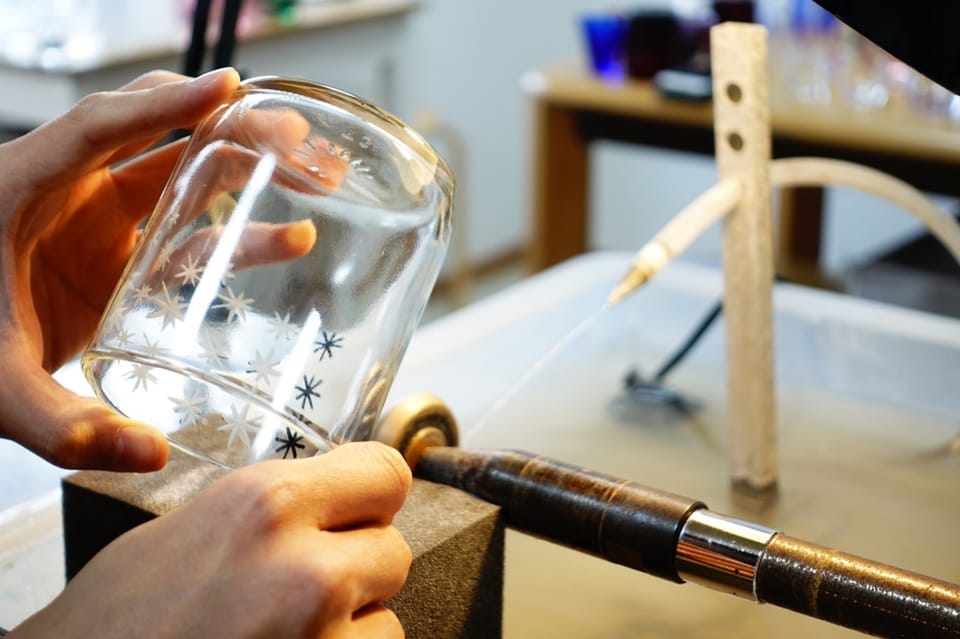
The class is designed to be beginner-friendly, but it’s not so easy that it feels meaningless. Glass carving is one of those crafts where the basics are accessible, yet refinement takes time.
You’ll likely experience two phases:
- Early on, your lines might feel a bit shaky, and you’ll notice how easy it is to lose perfect alignment.
- Later, once you adjust your pressure and control your hand movement, things start to click.
This is why the practice time matters. You’re learning the technique while you still have room to correct course. The instructor support helps too. You can get coaching for issues like uneven cuts or lines that drift off-plan. More than once, people leave feeling that even if their early attempts weren’t perfect, the final outcome was still something they made themselves and were happy with.
One simple tip: bring a hair tie if you have longer hair. The work requires attention and steady posture, and keeping hair out of the way is genuinely helpful.





Instructor Support in English and Japanese (And the Difference It Makes)
Instruction is offered in English and Japanese. That matters for comprehension, but it also shapes how you feel during the class. When steps are clearly explained, you can focus on the craft rather than guessing what you’re supposed to do next.
Some classes run with an instructor who speaks English very well and gives calm, constructive guidance. You can expect patience and thorough instruction, including critiques aimed at improving your accuracy while protecting your momentum. If your design needs small refinements to look cleaner, you’ll usually get those adjustments while you’re still working, not after the fact.
That one-on-one attention in a short workshop is a big reason the experience scores so well. When you’re learning a hand-skill, having someone close by makes a measurable difference.
Price and Value: Is $30 Worth It?
At $30 per person for a 90-minute workshop, this is priced like a true activity, not like a souvenir shop transaction. And it includes the core cost drivers: the glass carving class, the lecturer, and the colored glass.
What’s not included is transportation, but in Tokyo that’s normal. The real value comes from materials and instruction. You’re not paying extra for your glass, and you’re not paying extra for support. That’s why the price feels fair.
Also, your alternative options in Tokyo for spending $30 often look like:
- buying a small item with no learning time
- joining something where you mostly watch, not do
- taking a photo with little lasting payoff
Here, you get skill practice plus a take-home object. That combo tends to feel better later, when you see your carved glass and remember exactly how you made it.
What to Bring, What to Wear, and Simple Prep Tips
The only specific item you’re told to bring is a hair tie. Beyond that, you’ll want to dress comfortably. The class is calm, but you’re working with your hands and concentrating closely. Wear something you can move in easily, and keep accessories minimal so nothing gets in the way.
If you’re planning this after sightseeing, give yourself a small buffer for walking and settling in. You want to arrive ready to focus, not still mentally processing the crowd on the street outside.
Best Way to Fit This Into a Tokyo Day
Because the class starts close to Asakusa Station, it slots in nicely between nearby sights. If you’re doing a classic Asakusa route, you can often fit this before or after a temple visit without needing complicated planning.
A practical rhythm that works well:
- Morning or early afternoon: do the workshop while the day still feels fresh
- Later: head to nearby landmarks like Senso-ji or the Skytree area
The class itself is 90 minutes, so check availability for your exact start time. Once you know your schedule, you can build around it instead of rushing across town at the last second.
Who Should Book This Edo Kiriko Class (and Who Might Pass)
This class is a great fit if you want:
- a hands-on craft in Tokyo with a take-home result
- clear instruction in English or Japanese
- a chance to create something tied to Edo-era glass carving technique
- a workshop that stays focused rather than turning into a long performance
It may feel less ideal if you hate precision tasks. The cutting process requires careful alignment. You might also prefer a looser activity if you want to chat constantly and avoid concentrating on fine hand movements. But if you can handle a small learning curve, the support from the instructor helps you stay on track.
Should You Book It? My Practical Advice
Book this if you want a real souvenir with real effort behind it. Edo Kiriko carving is a recognizable craft tradition, and this class turns it into an experience you can finish with your own hands, not just your camera.
It’s also smart for people traveling as a pair or solo. You get instruction while making choices—color, glass type, and pattern—so you come away with something personal.
If you’re the kind of person who enjoys learning a technique step by step, this workshop is exactly your speed. If you’re worried about doing something wrong, don’t. The teaching is built to keep beginners moving forward, and practice time helps you adjust fast.
FAQ
Where is the meeting point?
You start at Sokichi. The store is about a 30-second walk from Asakusa Station. Staff escort you to the room for the class.
How long is the class?
The experience lasts 90 minutes.
What’s included in the price?
The class includes the glass carving workshop, a lecturer, and colored glass. Transportation is not included.
What colors of glass can I choose from?
You can choose from clear and colored glass options. The colored glasses are blue, pink, and yellow.
Do I need to know Japanese?
No. Instruction is available in English and Japanese.
What level is the class for?
The class can be adapted for different skill approaches, and it’s beginner-friendly.
What should I bring?
Bring a hair tie.
Is there any flexibility with booking?
The experience offers free cancellation up to 24 hours in advance for a full refund, and there is a reserve now & pay later option.