REVIEW · TOKYO
Tokyo: Tsukiji Fish Market Sushi Making Class with Pro Chef
Book on GetYourGuide →Operated by Japan Wonder Travel · Bookable on GetYourGuide
Tokyo’s fish market teaches with your hands. In this Tsukiji sushi-making class, an English-speaking host and a sushi master guide you through shaping nigiri and rolling maki, often with teams like Satoko with chef Tanaka (and other instructor combinations on different days). It’s a smart way to experience Japan’s sushi culture in the place where the ingredients actually come from.
I especially like two things: the opening fish disassembly show, where you learn why sushi starts with the right cuts, and the fact that you cook with fresh market-sourced ingredients and proper tools instead of generic class supplies. You’ll see the steps, you’ll get hands-on practice, and you’ll eat what you make without the usual “watch only” feeling.
One consideration: the classroom sits on the third floor of a traditional building with only stairs. If you have knee or mobility issues, this is the one part to plan around before you book.
In This Review
- Key takeaways before you go
- Tsukiji Outer Market: why this setting matters
- Meet your English host and sushi master (and how the teaching works)
- Fish disassembly and knife basics: where sushi really begins
- Making nigiri: the rice, the shape, and the timing
- Rolling maki: turning instruction into a clean bite
- Dashi soup, green tea, and the wasabi moment
- What’s included (and what you’ll spend extra on)
- Price in Tokyo: is $63 worth it?
- Who this class suits best (and who should rethink it)
- Timing and practical details that can make or break your day
- Should you book this Tsukiji sushi-making class?
- FAQ
- Where does the class take place?
- How long is the sushi-making class?
- Is there an English-speaking instructor or host?
- What sushi will I make?
- Do I eat what I make?
- What drinks and soup are included?
- Is the class suitable for vegetarians or vegans?
- Can you handle halal or Kosher gluten-free needs?
- Is it wheelchair accessible?
- Do they include hotel pickup or guidance through the market?
Key takeaways before you go
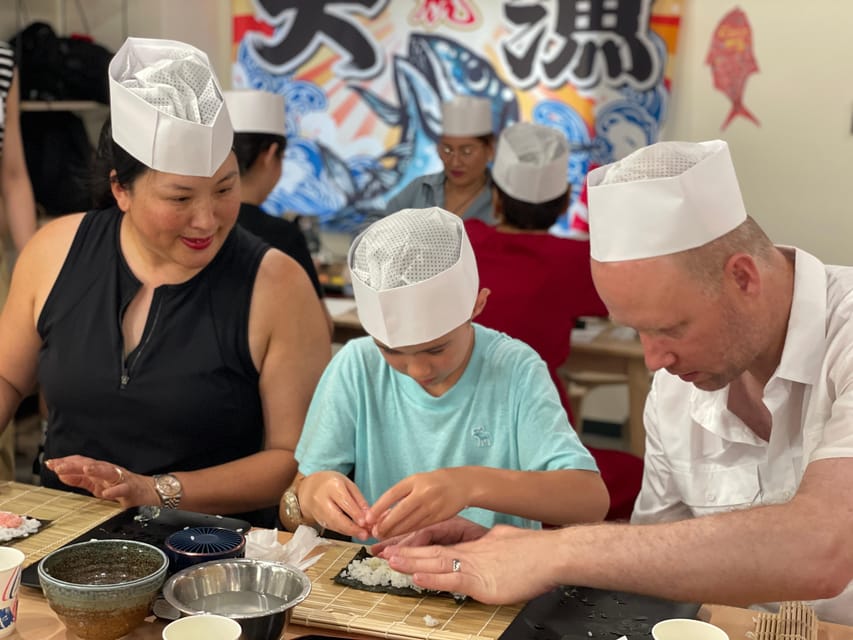
- Pro chef starts with fish prep, so you understand the process before you touch rice
- You make 4 nigiri and 1 maki, not just a couple of bites
- True Tsukiji location, so you can explore the outer market before or after easily
- Wasabi and tea are handled properly, with wasabi prepared by the master and dashi soup plus green tea
- English host + chef instruction, with time for questions during the hands-on portion
- Small, classroom-style setup, held in a hidden local building inside the market area
Tsukiji Outer Market: why this setting matters
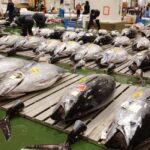
Tsukiji can feel like an eating maze from street level, but this class puts you in the middle of it. The workshop location is in the center of the Tsukiji outer fish market area, and the classroom itself is in a traditional-style Japanese building that’s tucked away inside the bustle.
That location isn’t just convenient. It changes the whole experience because you’re not learning sushi as a disconnected “cooking activity.” You’re learning it where fish is sourced and handled as part of daily work, so the ingredients and techniques feel grounded.
After class, you’re also positioned well if you want to keep exploring on foot. The outer market is built for wandering, and having your class set nearby helps you link the training to real food sights right away.
You can also read our reviews of more shopping tours in Tokyo


Meet your English host and sushi master (and how the teaching works)
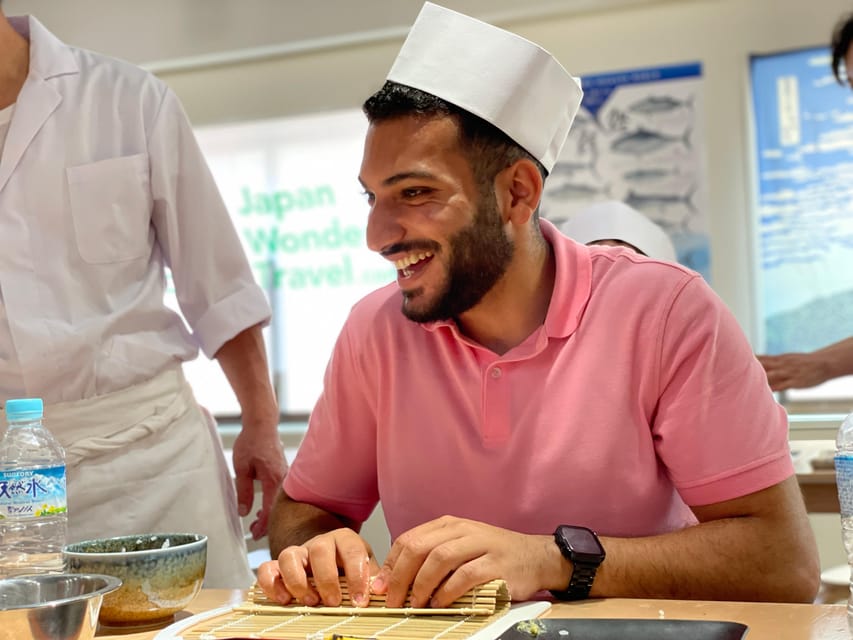
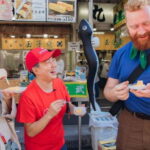
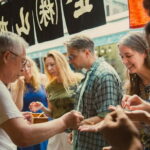
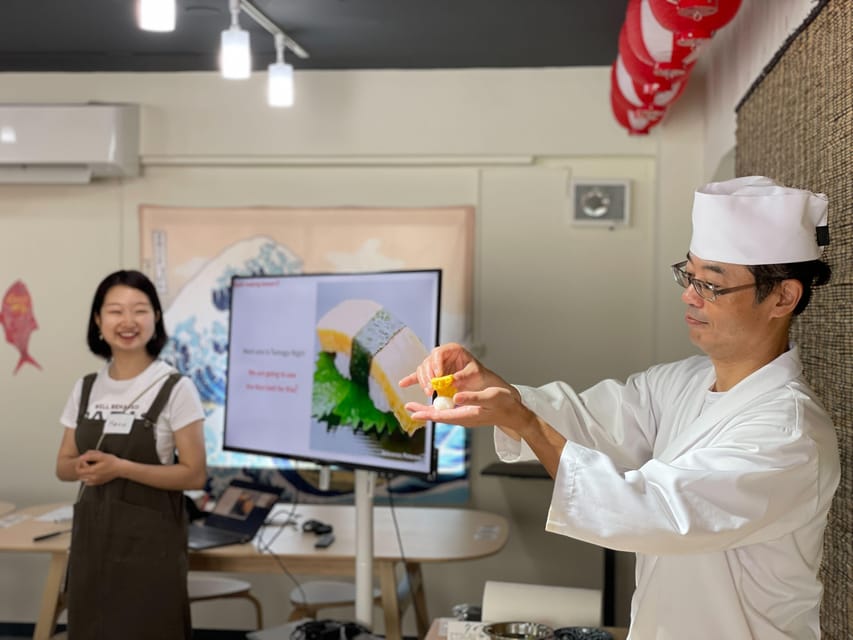
This isn’t a big, lecture-style group. You’ll have an English-speaking host guiding and interpreting throughout, plus a professional sushi master leading the hands-on instruction.
In many sessions, the host is part guide, part translator, and part “keep everybody on track” person. You’ll hear explanations in clear English, and when you need help shaping nigiri or rolling maki, the staff can adjust for different skill levels.
You’ll also notice how the chef teaches. Names shift by date and schedule, but you might see teams like Satoko with chef Tanaka, or guides such as Yuko, Shoko, AJ, Hiro, Yugo, and staff/helpers like Kayo, Kana, or Koro mentioned in different sessions. The common thread is that the chef isn’t performing; they’re coaching.
One practical bonus: the class is designed so you can ask questions. Several people emphasized how patient the staff were and how they could get feedback while cooking, not just afterward.
Fish disassembly and knife basics: where sushi really begins
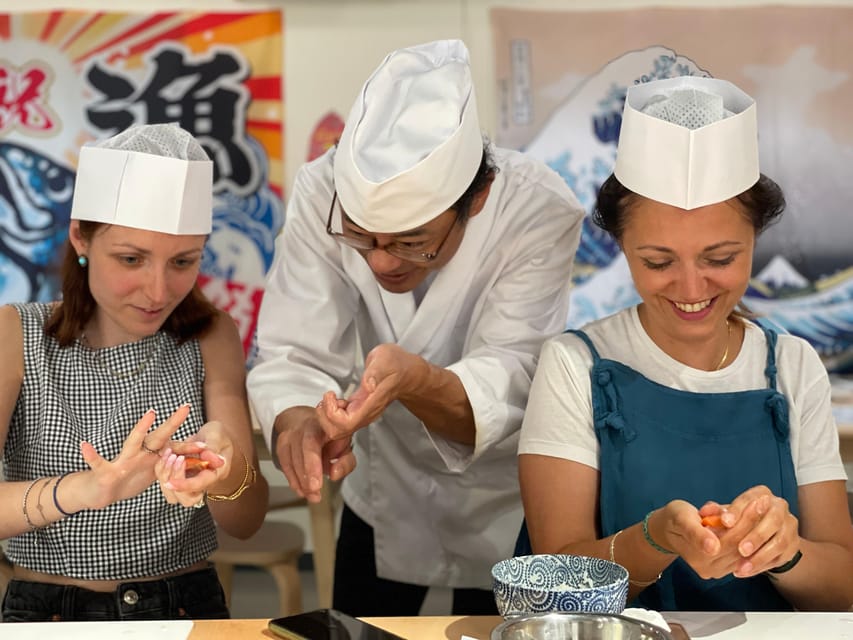
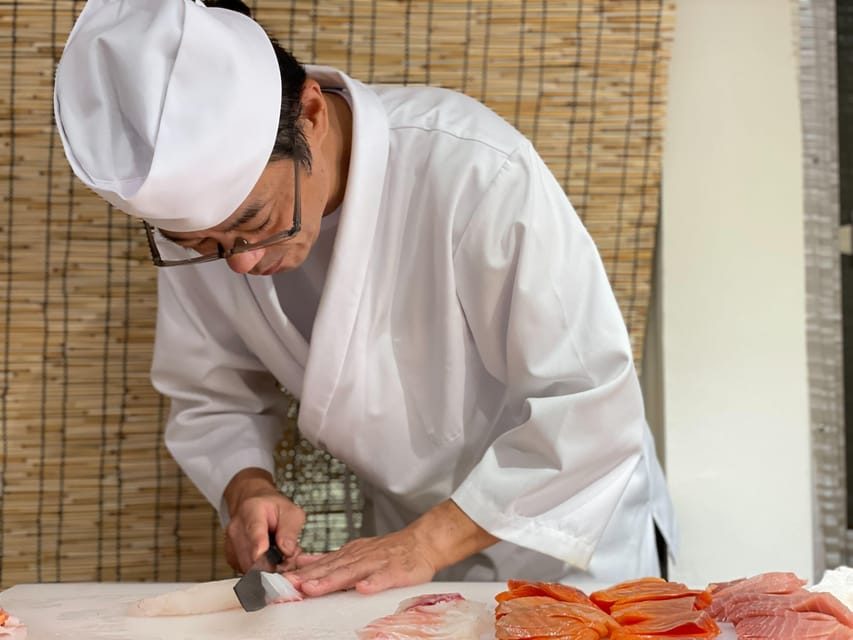
The best way to understand sushi is to see the “before” part. Most sessions start with a fish disassembly show by the pro chef, and that’s where you get the sequence that most casual sushi eaters never think about.
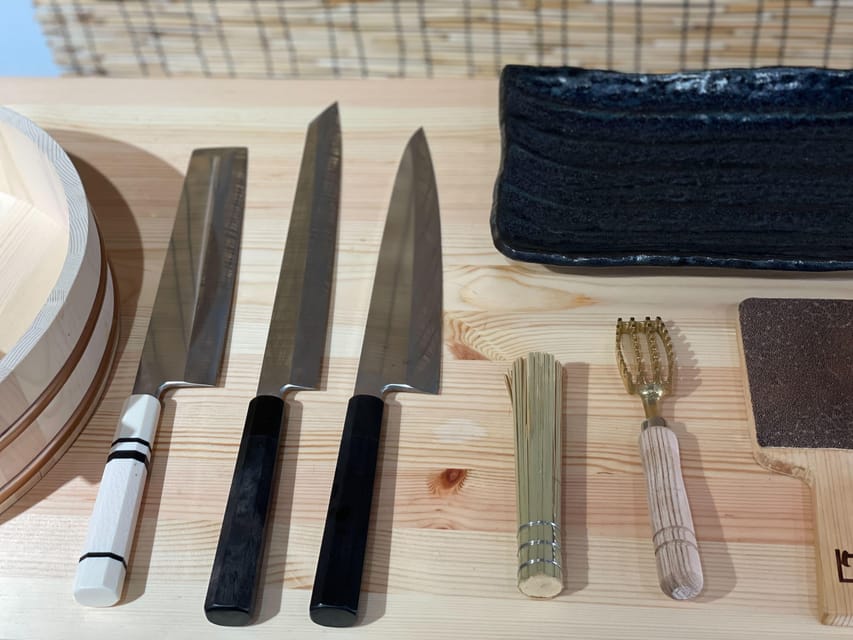
You’ll watch the chef break down fish and learn the steps involved in preparing fish for sushi. You’ll also get an explanation of Japanese knives, which matters more than it sounds. With sushi, the cut affects texture, bite, and how the fish behaves under rice.
This isn’t about memorizing seafood trivia. It’s about understanding that sushi is craft, not just raw fish and rice.
If you’re the kind of person who normally orders sushi and moves on, this section gives you a new mental model. You start to notice why certain pieces are suited to nigiri, why some are better for specific cuts, and why chefs care about control and cleanliness in every step.
Making nigiri: the rice, the shape, and the timing
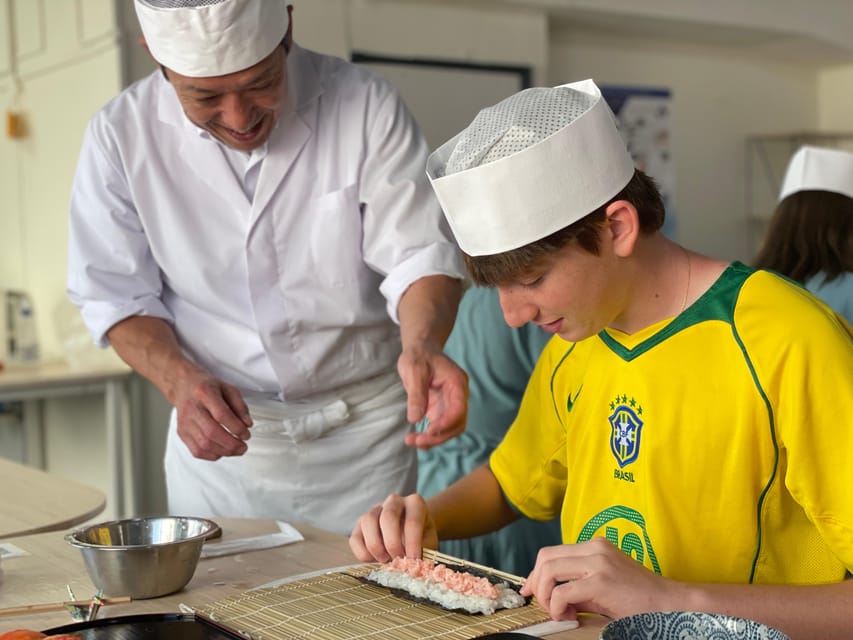
Once the prep is done, you shift from watching to doing. You’ll learn what exactly sushi is, and then you’ll go through the process of making nigiri sushi step by step.
Nigiri looks simple, but it’s deceptively technical. The chef instruction focuses on technique: how to handle rice, how to position the fish, and how to apply just enough pressure to get a neat form without squashing the texture.
You’ll also learn the logic behind the workflow. Even if your hands aren’t as fast as the chef’s, the training helps you understand what you should do first, second, and third—so you can make something that looks like sushi instead of a science experiment.
The hands-on part is where the class earns its price. You’re not just learning theory or watching someone else cook. You’re producing your own nigiri, piece by piece.
And yes, speed is part of the sushi culture too. In the classroom, you’ll likely see the chef work quickly and cleanly while staff assist you with feedback.
Rolling maki: turning instruction into a clean bite
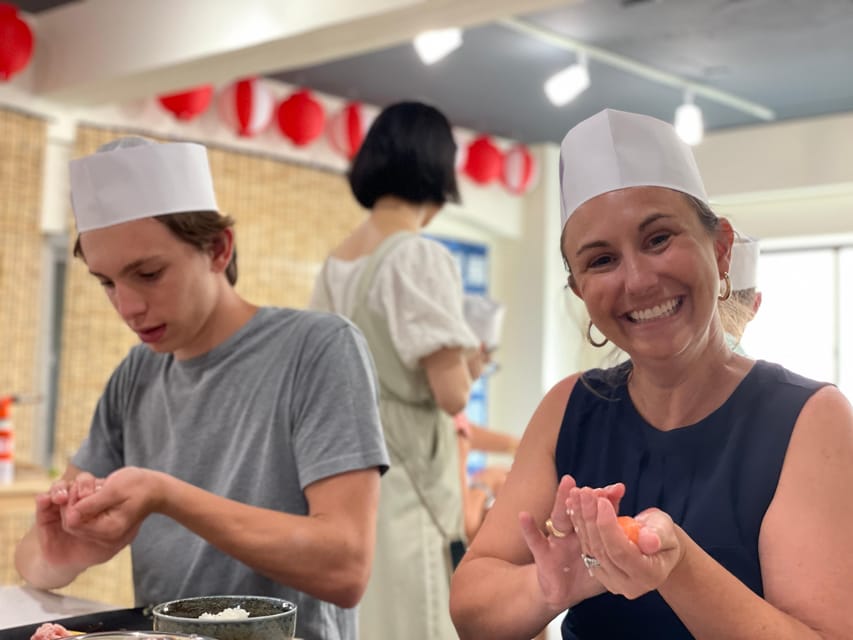
Then comes rolled sushi, maki, where technique meets patience. You’ll learn the proper steps for rolling, including how to manage the fillings and keep the roll tight enough to slice neatly.
This part is great if you’re a beginner or if you usually avoid “hands-on rice cooking.” Rolling is physical work, and it forces you to slow down just enough to do things correctly.
You’ll also be set up with proper utensils and tableware, sourced through the local market area. That detail matters because the tools influence your rhythm and results. With the right setup, you’re more likely to end the class with sushi that looks tidy and tastes cohesive.
If you care about eating with chopsticks back home, the roll practice is useful. It gives you a familiar format for making and sharing, not just a chef-only style piece.
You can also read our reviews of more tours and experiences in Tokyo

Dashi soup, green tea, and the wasabi moment
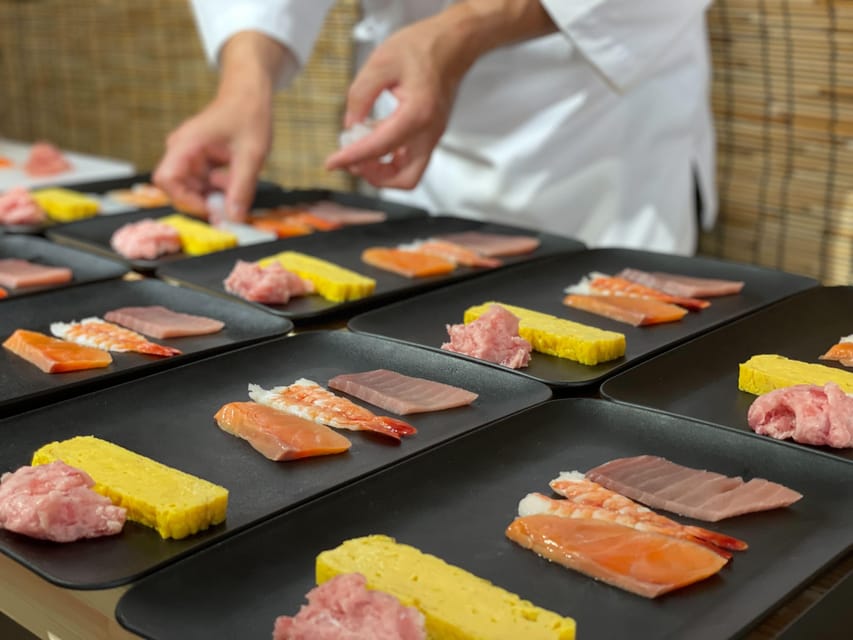
Eating is built into the lesson. When you sit down to eat your own sushi, you’ll also get additional sushi prepared by the master.
Two details stand out for me when I think about value here. First is that wasabi isn’t treated like a side garnish. The chef prepares it with focus, and you get to experience the difference that fresh preparation brings.
Second is the pairing: traditional dashi soup and fine green tea. This isn’t random “snack service.” It’s part of how Japanese meals balance flavors. The dashi helps reset the palate, and the tea fits the clean, slightly savory vibe of sushi.
Food is served in a classroom setting, so it feels comfortable and structured. You’ll eat what you make—4 different nigiri pieces plus the 1 maki you create—then you get extra pieces from the chef, which lets you compare your effort with master-level technique.
Some classes also include small cultural touches like a blessing before eating, mentioned in the way the lesson is framed. These moments take almost no time, but they make the meal feel intentional.
What’s included (and what you’ll spend extra on)
Your ticket covers the heart of the experience:
- English-speaking host
- Professional sushi master
- Fresh ingredients from the Tsukiji market area
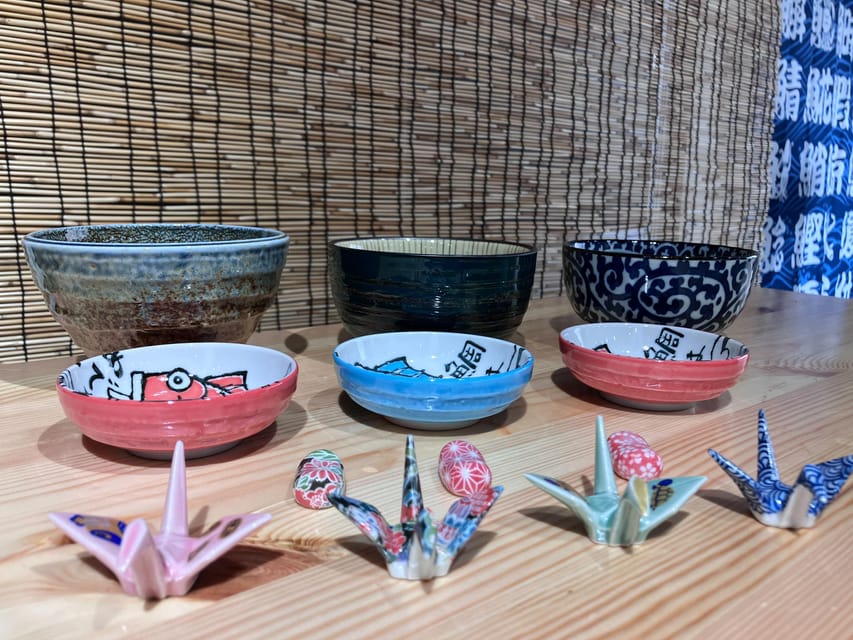
- Proper utensils and tableware
- The sushi you make: 4 nigiri + 1 maki
- Additional sushi made by the master
- Tea and soup
- A hat
What’s not included is anything extra you might want beyond the meal they serve. That typically means if you decide to snack around Tsukiji after class, you’ll pay for that separately. Hotel pickup and drop-off also aren’t included, so you’ll want to plan your own way there.
Also note: guidance through the market is not included as a formal service. You can still explore on your own, and your host may help with practical directions, but this isn’t sold as a full guided market tour package in every format.
Price in Tokyo: is $63 worth it?
For Tokyo, $63 sounds like a “cooking class” price until you look at what you get: actual fish preparation instruction, hands-on nigiri and maki making, and a meal that includes tea and dashi soup. You’re also learning from a professional sushi master rather than a general cooking instructor.
If you only planned to eat sushi, you’d likely pay similar money for a meal—yet you’d come away with no technique. Here, you’re buying repeatable skills: how nigiri is assembled, how maki is rolled, and why sushi depends on cuts, rice handling, and clean execution.
Duration can vary from 90 minutes to 4 hours, depending on the option you choose. That’s important for value. If you opt for the longer format, you should expect more time practicing and learning, not just waiting for service.
One more value lever: the setting. Tsukiji’s outer market location means the class is tied to a real food ecosystem. That authenticity is hard to replicate when the same workshop is moved to a generic kitchen outside the city core.
Who this class suits best (and who should rethink it)
This is a strong fit if you:
- Want a hands-on food experience in Tokyo, not just a meal
- Like learning craft skills you can practice later
- Eat sushi (or at least want to understand it better)
It’s also family-friendly, with a common theme in guidance that it’s designed for participants old enough to focus. The class is not suitable for children under 4.
It’s not a fit if you need a different diet approach. The class unfortunately does not accommodate vegetarian, vegan, halal, or Kosher gluten-free requests. They may try to accommodate allergy-related needs, but that isn’t guaranteed—so you should disclose allergies when you reserve.
And if you have mobility concerns, the third-floor stairs limit matters. The classroom has stairs only, and it isn’t set up for wheelchair users or people with mobility impairments.
Timing and practical details that can make or break your day
Because class durations can range up to 4 hours, plan your schedule with breathing room. Some sessions may even run beyond the scheduled ending point, especially if instruction takes longer or questions push the group pace. If you have an appointment right after, tell the team in advance.
Also keep in mind that this is a third-floor traditional building classroom. You’ll want shoes that handle stairs comfortably and a mindset that says, yes, you will walk and climb a bit in the market area.
If you’re traveling with a group, it helps to know that your experience is designed around the classroom workflow. People often comment that small group energy makes it easier to get feedback, so don’t expect a “production line” where you just copy steps without interaction.
Should you book this Tsukiji sushi-making class?
I think you should book it if you want a real craft lesson in Tokyo, paired with a proper meal. The combination of fish prep instruction, hands-on nigiri and maki practice, and chef-level touches like wasabi and dashi is a strong value mix for the price.
Pass or consider another option if you’re dealing with dietary restrictions like vegetarian or vegan, or if the third-floor stairs are a problem for you. Also, if you expected a full Tsukiji guided walk as part of the package, this format focuses more on the sushi workshop itself.
If you fit the requirements, this is one of those experiences where the payoff isn’t just what you eat. It’s what you can do next time you’re back home, with your own hands shaping sushi like you learned it in Tsukiji.
FAQ
Where does the class take place?
It’s held in the center of the Tsukiji outer fish market area, in a hidden local Japanese building.
How long is the sushi-making class?
Duration varies by option, from 90 minutes up to 4 hours.
Is there an English-speaking instructor or host?
Yes. The experience includes an English-speaking host who guides and interprets during the class.
What sushi will I make?
You’ll make 4 different nigiri sushi and 1 maki sushi.
Do I eat what I make?
Yes. You eat the sushi you make, plus additional sushi prepared by the master.
What drinks and soup are included?
Tea and traditional dashi soup are included.
Is the class suitable for vegetarians or vegans?
No. It does not accommodate vegetarian or vegan requests.
Can you handle halal or Kosher gluten-free needs?
The class does not accommodate halal or Kosher gluten-free requests.
Is it wheelchair accessible?
No. The classroom is on the third floor and requires stairs only, so it isn’t suitable for people with mobility impairments or wheelchair users.
Do they include hotel pickup or guidance through the market?
No hotel pickup/drop-off is included, and guidance through the market is not included.
![[Seasonal Limited] Mt. Fuji 5th Station &Hot Spring Day Tour - Getting Started in Tokyo: Pickup Options and the Bus Reality](https://b.tokyosights.com/wp-content/uploads/seasonal-limited-mt-fuji-5th-station-hot-spring-day-tour-400x225.jpg)