REVIEW · TOKYO
Tokyo: Traditional Tea Ceremony with a Tea Master
Book on GetYourGuide →Operated by Sunrise Adventure · Bookable on GetYourGuide
Matcha in an hour, Tokyo-style. At Ocharu Tea Ceremony you’ll learn the flow of Japanese tea culture while tasting several classic styles, including rare wakocha, and then you’ll whisk matcha yourself with expert guidance across from Tokyo University. Two things I really like here are the hands-on matcha step and the smart way the tasting moves from tea to tea so you can actually notice differences. One drawback: the session room is not suitable for wheelchair users.
This is a relaxed, English-led experience run in a dedicated tea room with a real sense of calm. In recent sessions, guides such as Ekiko, Aikiko, and Shinichi-san are mentioned by name, and they do a good job making the process clear without acting like tea is too serious for you to understand. You’ll also end with a completion certificate and a group photo, plus there’s often a chance to browse a small downstairs café for matcha and tea you can take home.
In This Review
- Key highlights you’ll remember
- Ocharu Tea Ceremony: A fast, real taste of Japan near Tokyo University
- Wakocha welcome tea and cake: a bright start you can taste instantly
- Gyokuro sencha tasting: where grade and technique show up
- The matcha moment: whisking your own with guided etiquette
- Genmaicha finale: a comforting finish that resets your palate
- Certificate, group photo, and small extras that add up
- Getting there and finding the room: OCHARU is your clue
- Who should book this tea ceremony in Tokyo
- Price and value: is $38 worth 60 minutes of tea?
- Should you book Ocharu Tea Ceremony or skip it?
- FAQ
- How long is the Tokyo tea ceremony at Ocharu?
- What do you make during the ceremony?
- Which teas and sweets are included?
- Is the ceremony taught in English?
- Is this activity suitable for wheelchair users?
- Where is the meeting point?
- Should you book it?
Key highlights you’ll remember
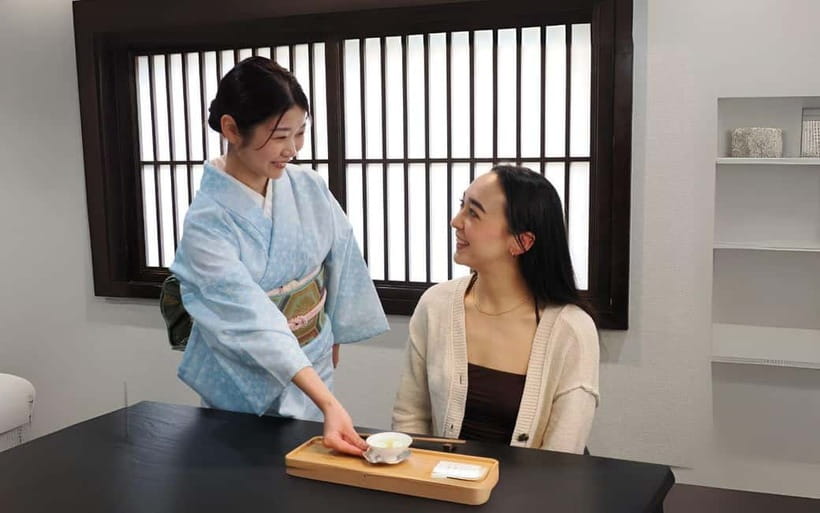
- A full tea sequence in 60 minutes: wakocha, gyokuro sencha, matcha you make yourself, and genmaicha to finish
- Hands-on matcha using traditional tools guided step by step
- Seasonal wagashi from Ougiya served alongside the sencha tasting
- Certificate and group photo as keepsakes
- Across from Tokyo University for easy navigation and a handy pre- or post-visit stop
- English instruction with a casual, friendly vibe that works for first-timers
Ocharu Tea Ceremony: A fast, real taste of Japan near Tokyo University
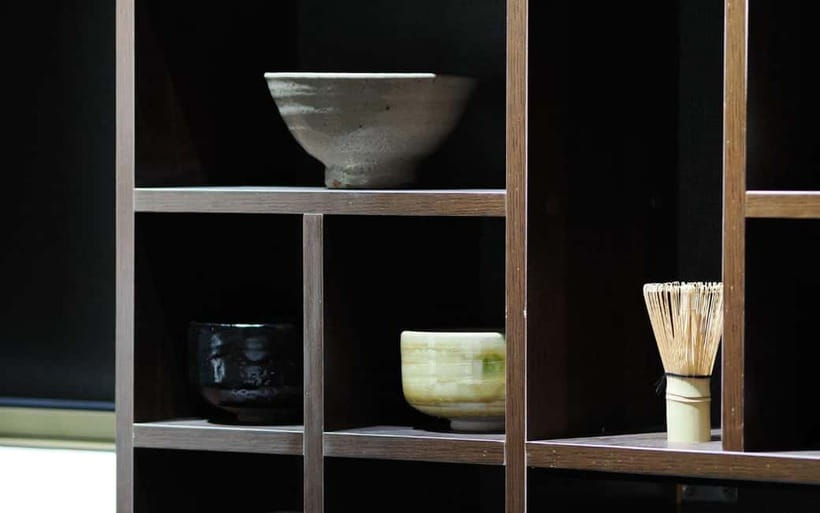
Ocharu’s setup is built for people who want the feel of a traditional tea moment without spending half the day on it. You meet at the Ocharu Tea Ceremony room in a building opposite Tokyo University, so you can pair it with a campus walk, a nearby lunch, or an afternoon stroll after.
The experience is structured, but the atmosphere stays easygoing. Many descriptions focus on a warm guide, clear explanations, and a calm room where you can ask questions. You’ll also notice a pattern: it’s not just watching. You get hands-on during the matcha step, and you’re encouraged to taste what you’re learning.
You can also read our reviews of more tours and experiences in Tokyo.



Wakocha welcome tea and cake: a bright start you can taste instantly
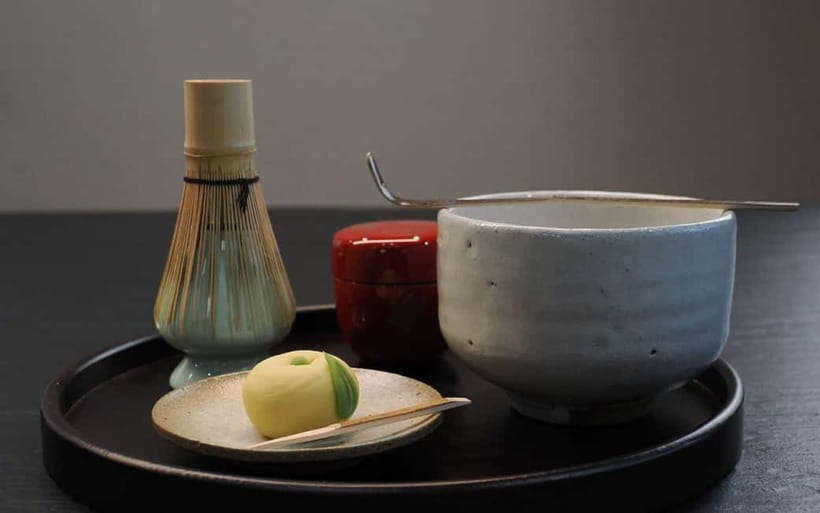
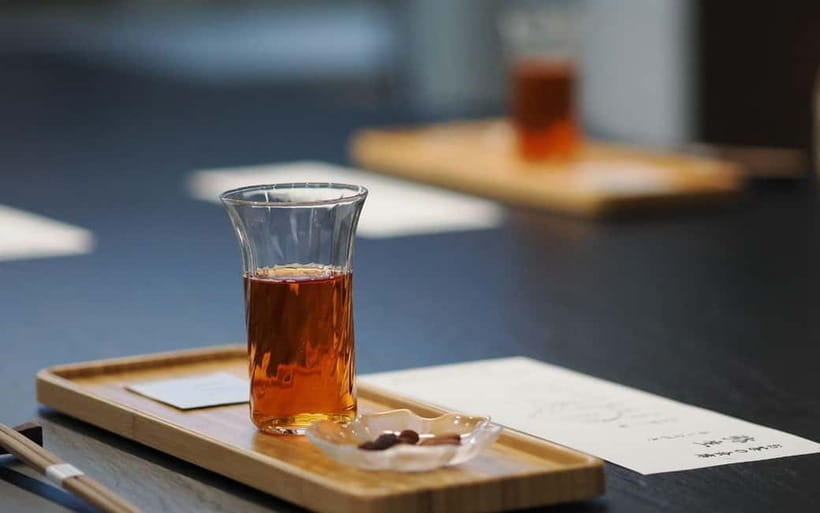
You begin with a welcome cup of wakocha, a Japanese black tea linked to Shizuoka, paired with a tea cake. This first sip matters more than it sounds. Black tea is a different flavor world from green tea, so starting here helps your palate reset before the richer, grassier flavors show up.
The wakocha is described as having fruity and floral notes, which gives you something you can recognize right away. Then the cake gives you a gentle sweet anchor before you shift into higher-grade green tea and matcha. It’s a smart opener, especially if you don’t usually order tea when you travel.
If you’re picky about sweets, no worries. You still get the full tea education, and the wagashi and cakes are meant to support the tasting rather than overpower it.
Gyokuro sencha tasting: where grade and technique show up
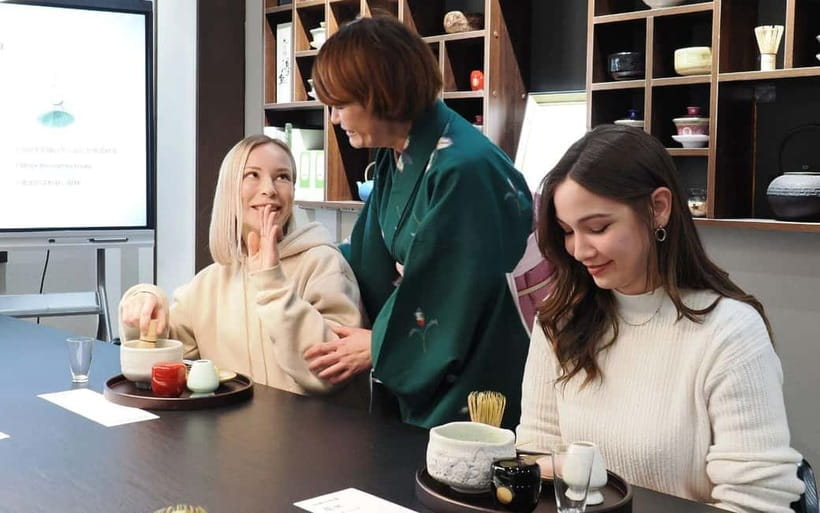
Next comes the green tea portion: gyokuro sencha, described as top-grade and brewed by the tea master for tasting. Gyokuro has a reputation for sweetness and depth, and in a ceremony like this you learn why the preparation technique matters. You’ll also be invited to look, smell, and taste in the way the steps are meant to be experienced, not just to drink quickly.
This part of the session also includes seasonal wagashi from Ougiya, a confectioner known for making these kinds of sweets for generations. Wagashi isn’t only dessert. It’s timed to the tea, so you get a change in texture and flavor that helps you notice tea qualities more clearly.
One small detail that adds value: you might also get explanations about water temperature and how it affects flavor. That’s practical knowledge you can use later when you make tea at home.
The matcha moment: whisking your own with guided etiquette
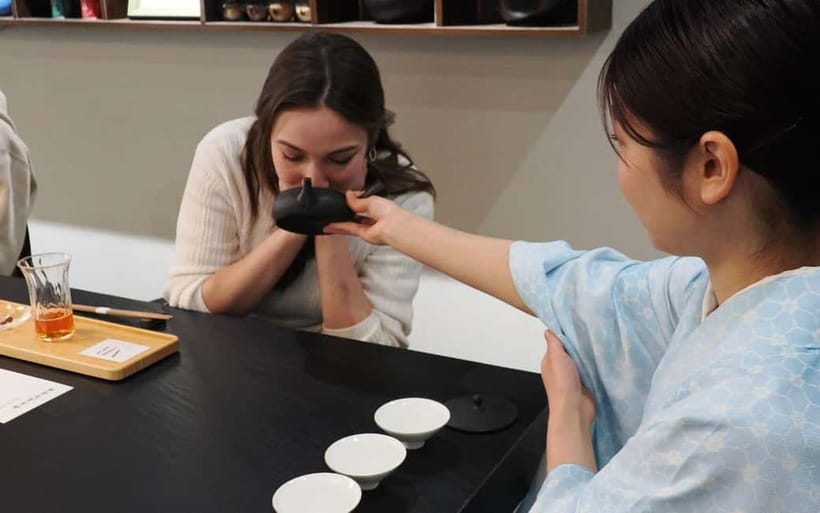
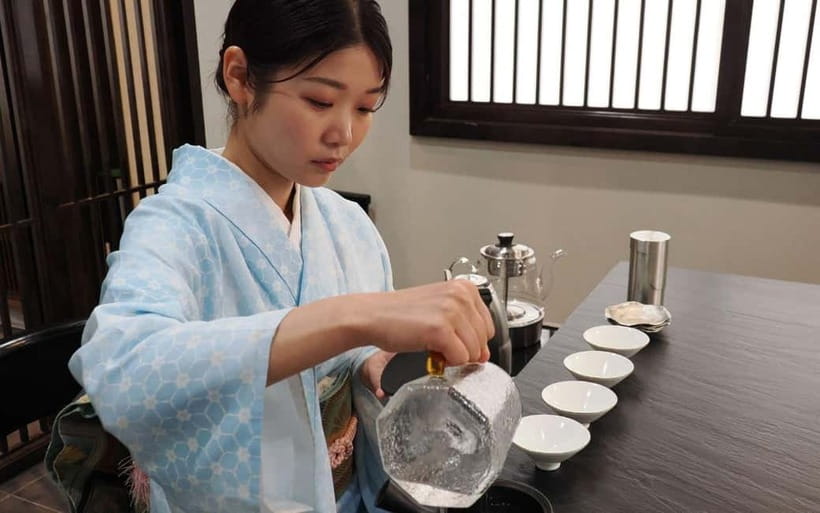
This is the main event. You’ll learn to whisk your own matcha using traditional tools and a step-by-step approach from the tea master. Expect the guide to show how the utensils are handled and how the process should feel in your hands—then you’ll do it.
What makes this section worthwhile is the balance between technique and calm pacing. It’s not a rushed demo where you only watch. You actively participate, which is why the matcha step tends to be the part people remember most clearly.
You’ll also get guidance on etiquette and manners. Even if you think you can wing it, this is the part where a few simple rules change how the whole experience feels. You might even get chances to taste additional elements (like tea leaves) depending on how the session is conducted, which can deepen your appreciation for the plant itself, not just the drink.
Some guides mentioned by name in recent sessions include Ekiko, Aikiko, and Shinichi-san, and multiple descriptions point out that they’re patient and interactive. If your English is decent and you’re curious, you should be able to follow along comfortably.
Genmaicha finale: a comforting finish that resets your palate

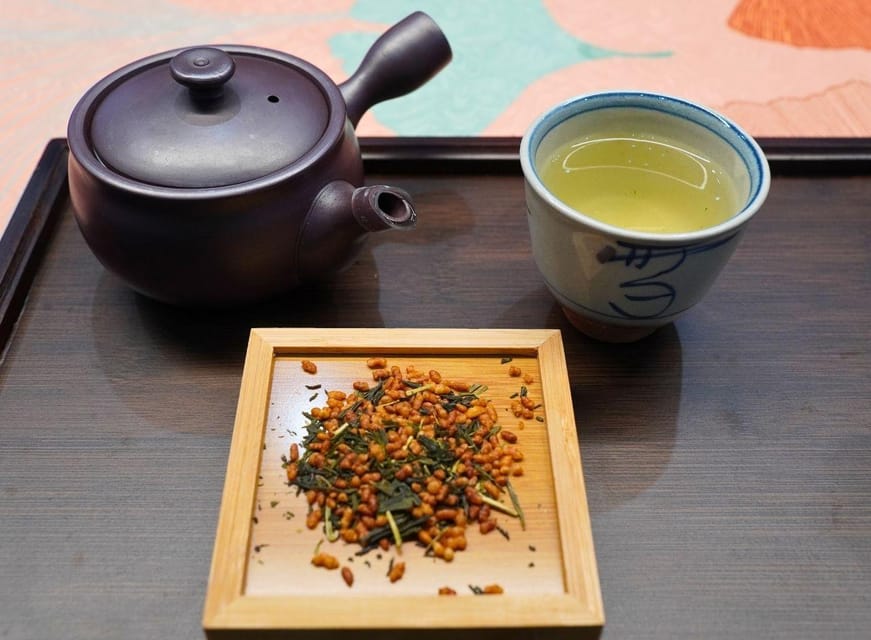
To close, you’ll enjoy a cup of genmaicha, a blend of sencha and roasted rice from Niigata Prefecture. This is a great ending choice because roasting adds warmth and a toasted, cozy note that calms the sharper edges of green tea.
For many people, genmaicha feels like the “tea after the tea” option. You’re not heading into a heavy dessert course afterward; instead, the roasted flavor gives your palate a smooth landing. It’s an easy-to-love finale, especially if you found the earlier green teas a bit intense.



Certificate, group photo, and small extras that add up
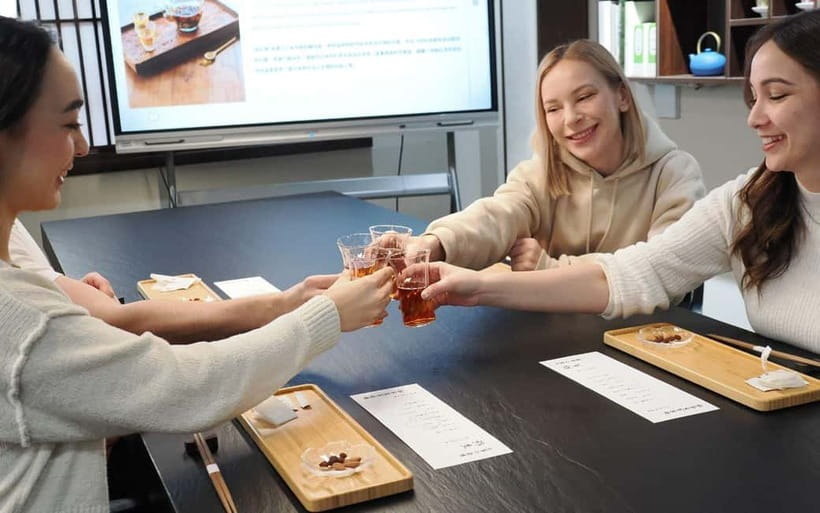
You end with a certificate of completion and a group photo. It’s a small souvenir, but it does something useful: it turns the experience into a bookmark for your trip, not just something you did while walking around.
In some sessions, there are also small extras that go beyond the core tea service. For example, a few people mention taking home the chopsticks used during the ceremony. That’s the kind of practical keepsake that feels more personal than a generic magnet.
And if you want to extend the day, there’s often a downstairs café area where you can drink matcha and buy tea to take home. That’s handy if you’re the kind of traveler who wants to recreate at least part of the ritual later.
Getting there and finding the room: OCHARU is your clue
Location is a big win here. The ceremony room is opposite Tokyo University, which makes planning easier than with hidden backstreet venues.
For the meeting point, look for the building with a green logo on the wall that says OCHARU. Arrive about 5 minutes early so you can check in and settle before the session starts.
If you’re coming by metro, one practical route mentioned is going from Shibuya to Meiji-Jingumae, then to Nezu (Exit 14), followed by about a 15-minute walk. That’s not the only way to do it, but it’s a clear option if you’re already moving around central Tokyo.
Who should book this tea ceremony in Tokyo
This fits best if you want a cultural activity that is:
- Hands-on, not passive
- Tea-focused, with clear structure and tastings
- Calm and friendly, with English guidance
- Easy to fit into a tight itinerary because it’s about an hour
It also works well for someone who’s never done a tea ceremony before. The instruction style is described as relaxed and first-timer friendly, and you’ll taste multiple types rather than just one drink that you either love or don’t.
Two groups should think carefully. First, wheelchair users should skip this one since it’s not suitable for the room setup. Second, if you’re looking for a long, highly formal multi-hour tea ritual, this may feel too short. The upside is that you still get the key steps—matcha, tastings, and etiquette—without turning it into a half-day production.
Price and value: is $38 worth 60 minutes of tea?
At $38 per person for about 1 hour, the value comes from what’s included, not from the price tag alone. You’re not paying just for matcha. You’re getting:
- A welcome tea and cake
- A guided tasting that includes gyokuro sencha
- Seasonal wagashi from Ougiya
- A matcha making session with traditional tools
- A genmaicha finale
- A completion certificate and group photo
- Entry to the dedicated tea ceremony room
When you price that out in your head, it’s closer to a guided tasting workshop than a simple cultural show. Also, the fact that it’s in English matters. A tea ceremony you can understand is usually more satisfying than one that becomes a guessing game.
If you like learning through taste, this is a strong deal. If you only want one cup of tea with no education, you might find it more than you need. But for most visitors, the variety in one hour is exactly what makes it feel like good value.
Should you book Ocharu Tea Ceremony or skip it?
Book it if you want one hour in Tokyo that feels calm, structured, and hands-on. You’ll leave knowing the basic logic behind Japanese tea, plus you’ll have tasted a sequence—from wakocha to gyokuro to matcha to genmaicha—that makes the differences real. The certificate and group photo also make it a memorable stop rather than a quick sidetrack.
Skip it if mobility is an issue, since wheelchair access isn’t suitable here. Also skip if you’re already a hardcore tea geek who wants deep training over many hours, because this is built for a short, accessible experience.
If you’re deciding between it and another cultural activity, I’d choose this when you want something that’s both relaxing and interactive, and when you like the idea of taking home at least a little practical know-how about matcha.
FAQ
How long is the Tokyo tea ceremony at Ocharu?
The experience is listed as 1 hour.
What do you make during the ceremony?
You make your own matcha during the matcha-making session with guidance from the tea master.
Which teas and sweets are included?
You start with wakocha and a tea cake, taste gyokuro sencha with seasonal wagashi from Ougiya, and finish with genmaicha. Matcha is also part of the experience since you prepare it yourself.
Is the ceremony taught in English?
Yes, the instructor is listed as English.
Is this activity suitable for wheelchair users?
No. It is not suitable for wheelchair users.
Where is the meeting point?
Look for the building across from Tokyo University with a green logo on the wall that says OCHARU.
Should you book it?
If you want an hour-long, English-led tea workshop that’s hands-on and includes multiple tastings plus Ougiya seasonal sweets, this is an easy yes. The $38 price feels fair because you’re getting the full sequence and keepsakes, not just a single drink.