REVIEW · TOKYO
Tokyo: Nikko Toshogu Shrine and Kegon Waterfall Tour
Book on GetYourGuide →Operated by GORYO TRAVEL CO. LTD. · Bookable on GetYourGuide
Gold carvings meet roaring water in Nikko. This day trip from Tokyo strings together Nikko Toshogu Shrine and the near-100-meter Kegon Falls with a bilingual guide who explains what you’re actually seeing. It’s a solid mix of history and nature, timed so you’re not stuck in transit all day.
What I especially like is how the drive doesn’t feel like wasted time. You get a real orientation before you arrive, and guides (like Sophie, Vicki, Zoe, Tina, Annie, Jeff, Jax, and Sheila) are praised for clear stories and helpful pacing. The second thing I like: the stops are long enough to breathe, take photos, and ask questions, not just rush through.
One drawback to plan for: lunch isn’t included, and cash is often necessary since credit cards aren’t accepted at all locations.
In This Review
- Key highlights to watch for
- Tokyo to Nikko: the easy day trip that still feels like a real escape
- Shinkyo Bridge vs. Nikko onsen: the 2025 change you should check
- Entering sacred space at Shinkyo Bridge (when it’s on the schedule)
- Nikko Toshogu Shrine: where the guide’s stories pay off
- One practical note for your feet
- Irohazaka: the mountain road with 48 sharp turns
- Kegon Falls near 100 meters: worth planning for weather
- What I’d do to improve your photos
- Lake Chūzenji: lakeside air, short walks, and shopping time
- Passing time in transit: value lives in the ride too
- Price and value: is $84 fair for Nikko with a guide?
- Practical packing, cash reality, and other rules you can’t ignore
- A small but smart move
- Who this Nikko tour suits best
- Should you book this Nikko Toshogu and Kegon Falls day trip?
- FAQ
- What stops are included on this day trip?
- Is Shinkyo Bridge included year-round?
- How long is the tour?
- What’s included in the price?
- Is lunch included?
- Do I need to bring cash?
- Where is the meeting point in Tokyo?
- What are the baggage rules?
- Is the tour appropriate for solo minors?
Key highlights to watch for
- Toshogu Shrine at full detail: UNESCO-level carvings and Tokugawa Ieyasu context, explained in plain language
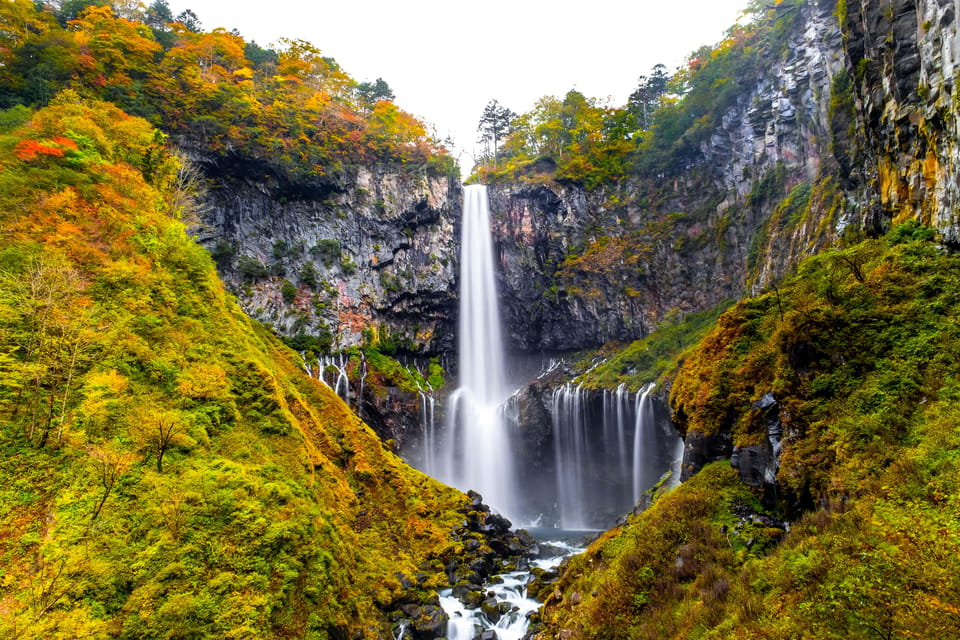
- Kegon Falls, one of Japan’s top three: a dramatic near-100-meter drop that rewards good timing and weather
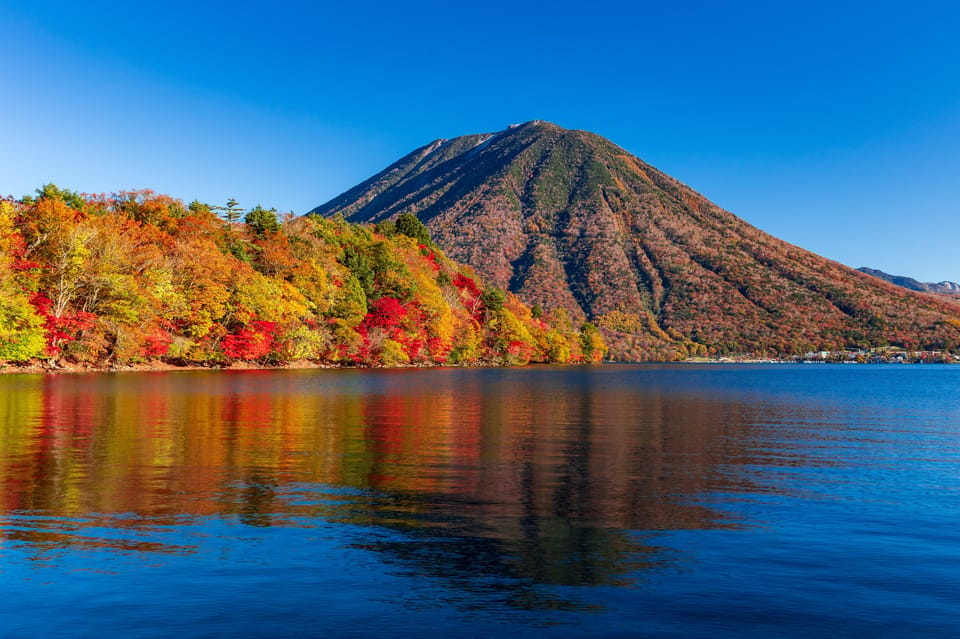
- Lake Chūzenji views and a short walk: enough time to cool off and see the lake from different angles
- Irohazaka road with its famous 48 turns: you pass it for the “Initial D” vibe without driving
- October 1, 2025 route change: Shinkyo Bridge replaces the Nikko onsen stop after September 30, 2025
Tokyo to Nikko: the easy day trip that still feels like a real escape
If you want a day outside Tokyo that feels structured but not sterile, this tour hits a sweet spot. You leave the city on a coach (with the kind of comfort people consistently call out), then spend the day in Nikko’s big hits: shrine, waterfall, and lakeside scenery.
The total time is 630 minutes (about 10.5 hours). That may sound long, but the pacing is set up so the long road trip pays off. You’re not just “going somewhere.” You’re given context, then you get time to look, walk a bit, and actually enjoy the sights.
Also, the tour is bilingual (English and Chinese) with a live guide, which matters here. Nikko Toshogu is packed with meaning, and the guide’s job is to help you read the place without needing a textbook.
You can also read our reviews of more tours and experiences in Tokyo.

Shinkyo Bridge vs. Nikko onsen: the 2025 change you should check
The route includes Shinkyo Bridge once the calendar flips. Until September 30, 2025, the group goes to the Nikko onsen instead of Shinkyo Bridge. Starting October 1, 2025, Shinkyo Bridge becomes a scheduled stop.
So, if Shinkyo Bridge is on your list, double-check your booking date. The bridge is a red, arched crossing over the Daiya River and it’s the symbolic entrance to Nikko’s sacred area. Even as a photo stop, it helps you understand why Nikko feels different from other day trips.
If you’re traveling before that switch, the onsen stop is the trade-off. That’s not a bad swap. Nikko is famous for hot springs, and a soak can be a nice contrast to shrine walking and waterfall stairs. Just know the tour doesn’t promise a full “spa day.” It’s designed as part of a sightseeing circuit.
Entering sacred space at Shinkyo Bridge (when it’s on the schedule)
When Shinkyo Bridge is included, you’ll arrive after about 2.5 hours from Tokyo. The photo stop is short, around 20 minutes, which is enough time to do the basics well: get a clean shot, look at the bridge’s shape against the river, and then move on.
What makes this stop more useful than it sounds is the timing. You’re coming straight from Tokyo into a sacred zone, and this bridge acts like a mental switch. It’s not just pretty. It’s a sign that the day’s rules and rhythm change here—less street-energy, more quiet, reverent movement.
Practical tip: bring shoes you can stand in for a bit. Even on a “quick” stop, you’ll want to walk a few steps to find a better angle.
Nikko Toshogu Shrine: where the guide’s stories pay off
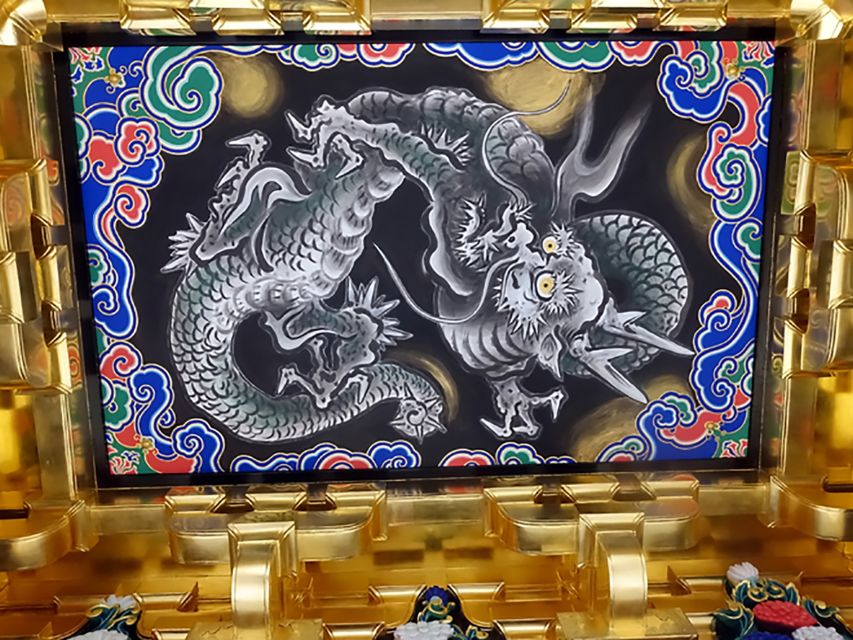
Nikko Toshogu Shrine is the core of the day, and it’s impressive even before you understand the details. This is the final resting place of Tokugawa Ieyasu, the founder of the Tokugawa shogunate that ruled Japan for more than 250 years until 1868.
The big advantage of a guided visit is that the shrine complex can feel like eye candy if you don’t have a thread to follow. With a guide, you start connecting symbols to power, faith, and politics. One helpful pattern: you’ll get a quick history briefing before you arrive, which makes the carvings and structures easier to “read.”
You’ll have about 75 minutes for the Toshogu stop, including photo time and sightseeing. That usually feels like the right amount for seeing the main areas without sprinting, but I’ll be honest: it’s still a timed visit. If you’re the type who wants to stare at details for an hour at each building, you may wish you had longer.
Still, the shrine is consistently described as a highlight. People focus on the carvings, the atmosphere, and the sheer scale. And if your guide is doing a good job (many are), you’ll come away understanding why it looks the way it does.
One practical note for your feet
The shrine area involves walking and some stair climbing. A lot of people plan for photo spots, then add a little extra footwork. Wear comfortable shoes so your day doesn’t turn into a leg workout you didn’t sign up for.
Irohazaka: the mountain road with 48 sharp turns
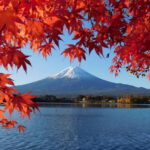
After Toshogu, you pass along Irohazaka, the famous winding road with 48 sharp turns. It’s known for autumn leaves, and it’s been portrayed in the animation Initial D.
You won’t be driving it, but the bus ride gives you a moving viewpoint without the stress of navigating mountain hairpins. It’s a good “reset” between shrine and waterfall: you’re still traveling through scenery, but you’re not standing in lines or climbing stairs during this stretch.
If you’re traveling in fall, this section can feel especially memorable because of the leaves. If you’re visiting in another season, you’ll still get the mountain feel and the sense of Nikko as a place shaped by terrain.
Kegon Falls near 100 meters: worth planning for weather
Then comes Kegon Waterfall, one of Japan’s three most beautiful waterfalls, along with Nachi Falls and Fukuroda Falls. It’s close to 100 meters tall, and it lands the way you’d hope a “top three” waterfall should: dramatic, loud, and undeniably real.
Your time here is about 75 minutes, with photo time and sightseeing. The tour also schedules a lunch window around the waterfall area, but remember: lunch itself isn’t included. You’re expected to buy your own.
Two things to know so you get the most out of the visit:
- Elevation and stairs matter. The waterfall area has options for viewing, and I found it helpful to plan for stairs. One practical note: an elevator option to improve access to the viewing area isn’t included, so you may rely on walking up instead.
- Mist and fog can change the show. If visibility isn’t great, the waterfall may be less “sharp” in photos. Still, the power and sound can be just as impressive.
What I’d do to improve your photos
If the weather looks okay, take a few minutes early for your strongest angle. Don’t spend all your time right at the first spot. Walk to another viewpoint if you can. With a top waterfall, the “second angle” often turns a good photo into a great one.
Also, keep your eyes open. People have noted spotting monkeys around the area, so this can turn into a fun wildlife bonus if you’re lucky.
Lake Chūzenji: lakeside air, short walks, and shopping time
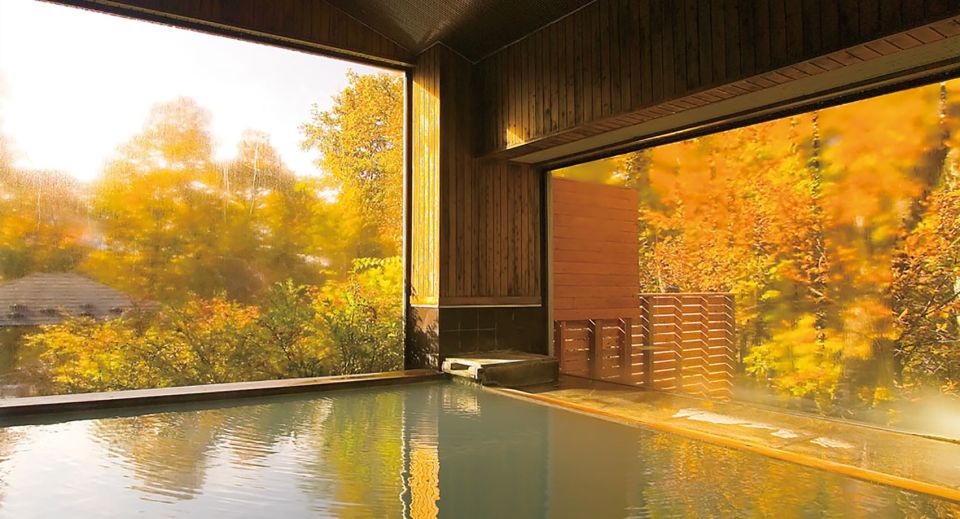
After the waterfall, you reach Lake Chūzenji, and you get roughly 45 minutes. That time includes a photo stop, a visit, shopping, and a short walk.
This is a great pace choice because it balances everything you did before. You go from shrine details to waterfall power, then you end with a calmer setting where you can just look across the water and breathe.
You’ll also feel the temperature difference. Even when Tokyo is warm, the lake area can feel cold, especially depending on season and cloud cover. If you’re visiting outside summer, bring a layer you won’t regret.
Passing time in transit: value lives in the ride too
The tour runs from Tokyo to Tochigi, with travel time roughly 2.5 hours outbound and 3 hours back (give or take traffic). On many day trips, the ride is where the value disappears. Here, it’s more intentional.
A lot of people praise the coach comfort, and some specifically call out conveniences like USB charging and Wi‑Fi on board. That sounds small, but when you’re spending most of a day away from your hotel, it makes the travel part feel less painful.
What you really want from a guided day trip is not just “transport.” It’s orientation. People repeatedly mention that the guide uses the bus ride to explain what you’ll see next, so when you arrive, you don’t feel lost.
Price and value: is $84 fair for Nikko with a guide?
At $84 per person, this isn’t the cheapest option, especially since you’ll be adding your own meals. But value in Nikko often comes down to three things: getting there without stress, saving time, and having someone explain the meaning of what you’re walking through.
Here’s what you’re buying with that price:
- Transport from Tokyo with a full-day schedule
- Entry ticket for Toshogu Shrine
- A bilingual guide (English/Chinese)
Then there’s what you cover yourself:
- Lunch and snacks
- Cash for places that don’t accept card payments
When I look at the total package, the strongest “yes” is for first-timers. If Nikko is your first visit and you don’t want to piece together trains, buses, and timed entry planning, a guided day trip tends to win. You also get the structure that helps you see the big sights without losing hours.
If you already know you want only one stop (like only the waterfall) and you’re confident with local transit, you might find cheaper ways. But for a first Nikko day, this price often feels like a fair trade for guidance plus convenience.
Practical packing, cash reality, and other rules you can’t ignore
To enjoy the day, plan for the basics. The tour asks you to bring:
- Comfortable shoes
- Water
- Cash
Credit cards are not accepted at all locations, so don’t show up with cash only for entry and assume the rest works out. It won’t.
A few more rules that matter for how smoothly your day goes:
- No luggage or large bags. Only one carry-on bag is allowed.
- Unaccompanied minors aren’t allowed.
- Tattoos are considered taboo in this area, so think carefully if that applies to you.
- The itinerary can adjust if traffic is bad, which is normal on a mountain route. You might feel it as a slight shuffle in timing, but the day’s core stops should remain.
A small but smart move
Even if you plan to eat near the waterfall, keep a little extra cash for drinks and snacks. People often find washrooms available at stops, but you still don’t want to wait until you’re desperate.
Who this Nikko tour suits best
This tour makes the most sense if you:
- want a first Nikko day without complicated transit planning
- enjoy history with context, not just photo stops
- like a guided structure but still want time to wander
- prefer comfortable coach travel over DIY juggling
It’s also a good fit if you’re traveling with mixed interests: shrine lovers, waterfall chasers, and people who just want a scenic break all get something.
If you’re the type who wants to spend half a day at one spot, you’ll feel the time limit at Toshogu. But if you want the highlights in one efficient day, it’s a strong format.
Should you book this Nikko Toshogu and Kegon Falls day trip?
Yes—if you want an easy Nikko highlights day with meaningful explanations and you’re okay handling lunch on your own. The best reasons to book are simple: Toshogu Shrine with guided context and Kegon Falls plus a lakeside finale, all tied together from Tokyo by a comfortable, organized coach.
Before you book, check two details that affect your experience:
- Your travel date for the Shinkyo Bridge vs. Nikko onsen swap (after October 1, 2025)
- Your meal plan, since lunch isn’t included and cash is important
If you line those up, this is one of the more straightforward ways to see why Nikko pulls people back year after year.
FAQ
What stops are included on this day trip?
You visit Nikko Toshogu Shrine, Kegon Waterfall, and Lake Chūzenji. The bridge/onsen stop depends on your date.
Is Shinkyo Bridge included year-round?
No. Until September 30, 2025 the tour goes to Nikko onsen instead of Shinkyo Bridge. Starting October 1, 2025, Shinkyo Bridge is included.
How long is the tour?
The duration is listed as 630 minutes (about 10.5 hours).
What’s included in the price?
The price includes Toshogu Shrine entry ticket and a bilingual English/Chinese tour guide.
Is lunch included?
No. Lunch isn’t included, so plan to buy your own food during the day.
Do I need to bring cash?
Yes. Credit card payments are not accepted at all locations, so bring cash for meals and purchases.
Where is the meeting point in Tokyo?
The guide meets you at Tokyo Yaesu Bus Terminal and also at the ground floor of the Sumitomo Mitsui Bank, Shinjuku Nishiguchi Branch. The exact meeting point may vary by day, so check your schedule.
What are the baggage rules?
Luggage or large bags aren’t allowed. Only one carry-on bag is allowed, and there can’t be huge luggage.
Is the tour appropriate for solo minors?
Unaccompanied minors are not allowed. All children must be accompanied by an adult.