REVIEW · TOKYO
Tokyo:Nikko UNESCO World Heritage Sites Private 1-Day Tour
Book on GetYourGuide →Operated by Yakuri Tours · Bookable on GetYourGuide
Nikko in one day, privately arranged. What makes this tour work is the door-to-door setup plus a hit-list of UNESCO World Heritage spots in a single day—Toshogu Shrine, Rinnoji Temple, Futarasan Shrine—without you wrestling transit transfers. I also like the comfort factor: an air-conditioned private vehicle with hotel pickup and drop-off means you spend your energy on temples, bridges, and photos.
The main trade-off is time. You’re looking at about an hour per major stop (flexible, but still a 10-hour total day), and entrance fees plus meals are not included—so you’ll want to plan a bit ahead so the schedule feels smooth instead of rushed.
In This Review
- Key Things That Make This Tour Feel Worth It
- How a Private 10-Hour Van Changes Your Nikko Day
- Price and Value: $387 Per Group Up to 6
- Pickup Rules in Tokyo: What to Expect Before You Leave
- Stop 1: Toshogu Shrine and the Tokugawa Ieyasu Detail Work
- Nikkō National Park Photo Stops: Nature That Changes by Season
- Narabi Jizo: Small Statues, Calm Timing, 40 Minutes
- Shinkyo Bridge: The Sacred Bridge for a Red-Frame Photo
- Futarasan Shrine: Peak-Power Deities and Forest Stillness
- Rinnoji Temple: Buddhist Focus After the Shrines
- Edo Wonderland Nikko Edomura: A Lighter Ending That’s Still Fun
- What the Driver-Guide Adds (and How to Get What You Want)
- Staying Comfortable the Whole Day: Water, Wi‑Fi, and Timing
- Should You Book This Nikko UNESCO Private Day Trip?
- FAQ
- How long is the Nikko UNESCO private tour?
- How much does it cost, and how many people can fit in one group?
- What’s included in the price?
- Are entrance fees or meals included?
- Can you customize the stops or adjust time at each location?
- What are the pickup and drop-off options like?
- Is there an extra charge for pickup outside Tokyo’s 23 Wards?
- What if the weather is bad?
- Is it wheelchair friendly?
Key Things That Make This Tour Feel Worth It
- Private, door-to-door convenience from Tokyo-area hotels or designated meeting points
- UNESCO triple-header: Toshogu Shrine, Rinnoji Temple, and Futarasan Shrine in one run
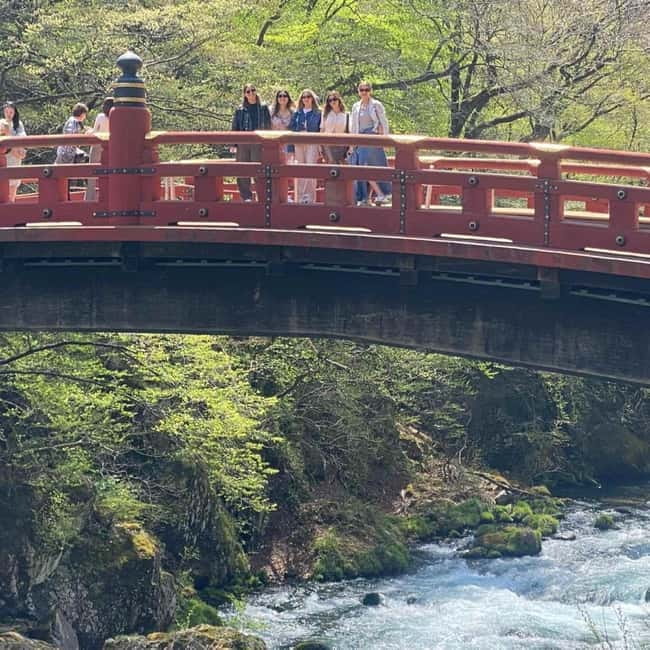
- Shinkyo Bridge photo stop at the Daiya River, built for quick framing and mountain backdrops
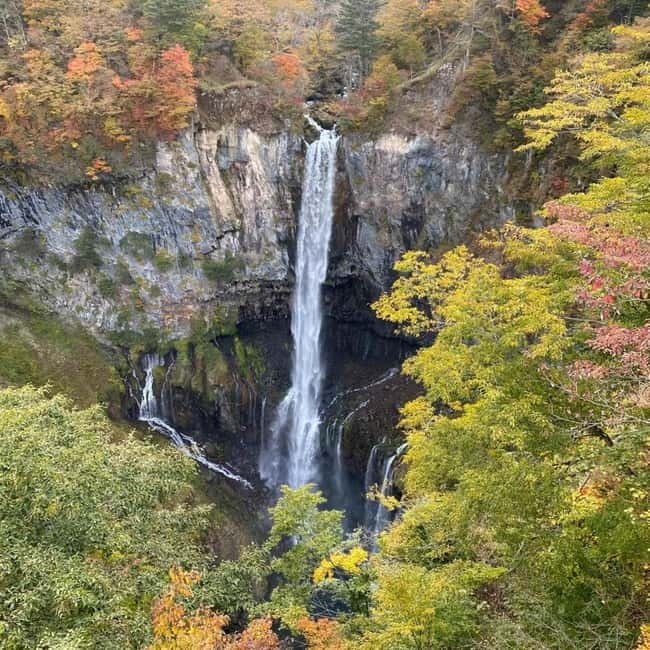
- Nikko National Park visuals with seasonal scenery options like autumn leaves and spring blooms
- Edo Wonderland Nikko Edomura for a lighter, hands-on Edo-period break from sacred sites
How a Private 10-Hour Van Changes Your Nikko Day
Nikko is the kind of place where you can lose a lot of time if you’re piecing together trains and local buses. With this tour, I like that the day is built around one vehicle that handles the driving, parking, and timing while you focus on what matters: walking the grounds and taking in the details.
You’re not just going from A to B, either. The itinerary mixes major shrine-and-temple power stops (Toshogu, Rinnoji, Futarasan) with a couple of “breathing space” moments (National Park viewpoints and Shinkyo Bridge) and then adds Edo Wonderland at the end to keep the day from feeling like a nonstop museum circuit.
You can also read our reviews of more private tours in Tokyo
Price and Value: $387 Per Group Up to 6
At $387 per group (up to 6 people) for a 10-hour day, the value depends on how full your group is. If you book with fewer people, it’s still a workable price for a private outing with hotel pickup, but you’re paying more per seat.
Here’s the good part: the cost includes the big road expenses—fuel, highway tolls, and parking—and you get bottled water plus free Wi‑Fi on the move. That matters on a long day outside Tokyo because you’re not budgeting for surprise transport add-ons. Also, it’s built for a private experience, so you can ask for slight timing adjustments if weather or your walking pace changes.
Pickup Rules in Tokyo: What to Expect Before You Leave
Pickup is the backbone of the whole day, and the tour is clear about how it works. You choose from a long list of Tokyo-area pickup options, and you’ll be asked to be ready 10 minutes early. The driver will wait up to 60 minutes at your chosen meeting point, which is a big buffer if you’re navigating with luggage or trying to find the right lobby entrance.
One practical point: if you’re staying outside Tokyo’s 23 wards, there’s an extra JPY 5,000–20,000 pickup charge paid to the driver. If you’re inside the 23 wards, there’s no extra pickup fee listed.
Stop 1: Toshogu Shrine and the Tokugawa Ieyasu Detail Work
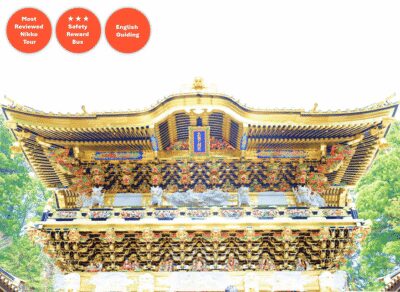
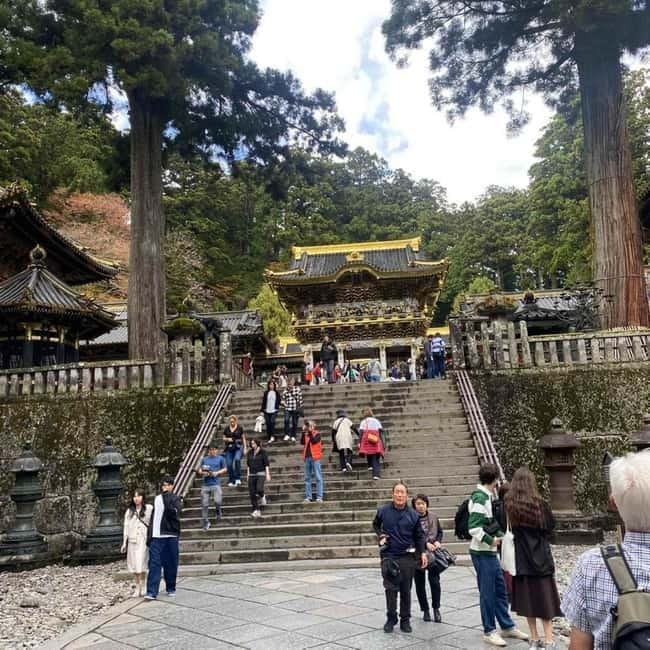
Toshogu Shrine is the signature Nikko site, and this tour gives it the time it deserves—about 1 hour with a photo stop and guided visit. You’ll see a place built for ceremony and craftsmanship, tied directly to Tokugawa Ieyasu, the founder of the Tokugawa shogunate.
What I think you’ll enjoy most here is the way the shrine feels like a forest complex rather than a single building. The grounds are calm, and the architecture is packed with intricate carvings and gilded details. If you like noticing small visual motifs, this stop rewards slow walking even within the time limit.
Possible drawback to plan for: because the day is structured for multiple World Heritage stops, you won’t be able to “live” in Toshogu the whole afternoon. If you want extra time here, tell the driver-guide early so you don’t run short later.
Nikkō National Park Photo Stops: Nature That Changes by Season
Next comes Nikkō National Park, also about 1 hour total, split across a photo stop and guided sightseeing. This is where Nikko shifts from shrine architecture to outdoors: you’ll get views tied to the park’s UNESCO nature listing.
The tour framing here is practical: think photo windows and short viewing moments rather than hiking all day. You might see seasonal scenery like autumn leaves or spring blooms depending on timing, plus water-and-falls visuals if conditions line up. It’s a good counterbalance after Toshogu because it lets your eyes rest.
My advice: bring your camera settings ready and keep your phone charged. You’ll be moving between viewpoints, and it’s easier to get a sharper shot if you’re not fiddling with settings every time the driver stops.
You can also read our reviews of more historical tours in Tokyo
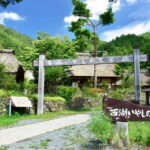
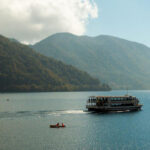

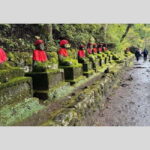
Narabi Jizo: Small Statues, Calm Timing, 40 Minutes
Narabi Jizo is one of those stops that can feel deceptively short on paper—about 40 minutes—but it’s built for quiet observation. This is the line of stone statues dedicated to the Jizo Bodhisattva, often recognized by red bibs and hats.
The value here is mood. Instead of spectacle, you get steady repetition: a protective, compassionate feel as the statues line up side by side. It’s also a nice “reset button” in the day, especially if you’ve already walked through dense shrine interiors.
Photo tip: this is one of those places where a simple wide shot won’t capture the meaning. Try one photo from farther back for context and then a close-up to show the small details like the red coverings.
Shinkyo Bridge: The Sacred Bridge for a Red-Frame Photo
Shinkyo Bridge is famous for a reason, and the schedule gives it about 1 hour including a photo stop and guided time. It’s known as the Sacred Bridge and crosses the Daiya River, with red colors that pop against the mountain-and-temple backdrop.
This is your classic Nikko postcard moment—one that’s also practical to photograph quickly if you’re not trying to find parking, coordinate timing, or rush to match daylight. The day’s structure means you can enjoy the bridge for the walk-through feel and also get photos without sacrificing the later shrines.
Consideration: if fog or weather affects visibility, your best move is to keep your expectations flexible and follow the driver-guide’s stop timing. Nikko’s atmosphere can change fast.
Futarasan Shrine: Peak-Power Deities and Forest Stillness
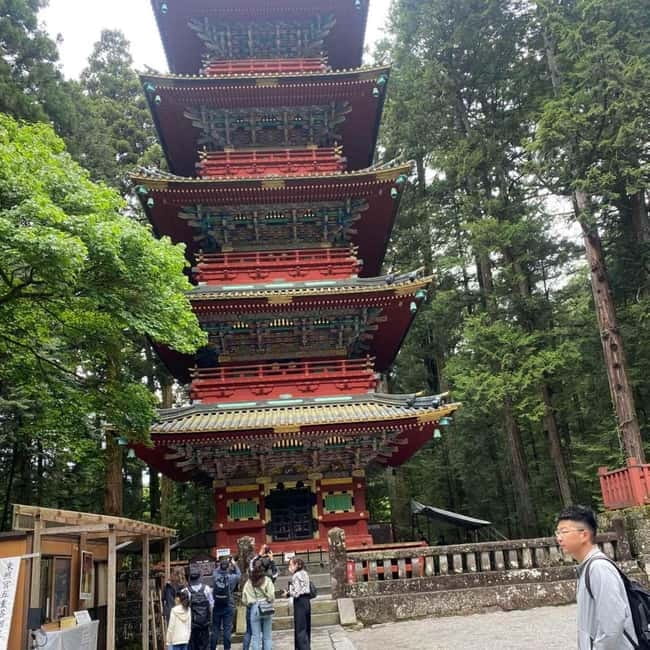
Futarasan Shrine is another 40-minute stop, with a photo stop and guided visit. It’s dedicated to deities connected to the sacred mountains of Nikko, so the theme is more “spirit of the peaks” than city-style sightseeing.
The experience here tends to be about atmosphere—forest paths, quiet corners, and views that feel more open as you move through the area. If you like religious architecture but you’re also tired of crowds, this stop can feel like a calmer chapter between the bigger names.
What to do: slow your pace slightly. Even within 40 minutes, a few extra steps can help you find a vantage point that makes your photos look intentional instead of rushed.
Rinnoji Temple: Buddhist Focus After the Shrines
Rinnoji Temple is listed as another 40-minute visit, and it’s a major Buddhist site tied to Fudo Myo-o. Like Futarasan, it’s set in greenery, so the walk feels like part temple-courtyard and part nature corridor.
This stop is valuable because it adds balance. Toshogu gives you the Tokugawa legacy and craftsmanship; Rinnoji shifts the focus to Buddhist practice and icon presence. Even if you’re not reading every label, the guided visit can help you connect what you’re seeing to the bigger religious landscape of Nikko.
Practical note: wear comfortable shoes here. Short visits still involve walking on uneven temple paths.
Edo Wonderland Nikko Edomura: A Lighter Ending That’s Still Fun
After multiple sacred-site stops, Edo Wonderland (Edomura) is the payoff for people who want something interactive. This is about 1 hour and includes guided sightseeing plus a photo stop.
You’ll see recreated Edo-period streets, and you can dress in period costumes and enjoy traditional performances and activities (as offered on the day). It’s not just a themed set—it’s designed for you to participate, so it can be a nice family-friendly or first-time visitor break without losing the day’s overall cultural theme.
Good for groups: if someone in your party wants structure and someone else wants fun, Edo Wonderland lets both styles coexist.
What the Driver-Guide Adds (and How to Get What You Want)
This is a private group experience with a friendly English-speaking driver-guide (languages can include Urdu and Japanese as well). The driver-guide also covers logistics: safety briefing, navigation between stops, and a lot of the “how do we fit this time” problem-solving.
A key reality: because it’s private transportation with guided time blocks, the quality of commentary can depend on the assigned guide’s style. I’d suggest you set the tone early. If you want real storytelling while you walk, say so at pickup—ask for a running explanation, not just directions.
Also, the tour includes photo and video help. That’s useful when you want one person to stop scrambling for selfies and focus on the view. If you care about getting group shots, tell the driver-guide where you want them and when you want them.
Staying Comfortable the Whole Day: Water, Wi‑Fi, and Timing
Comfort details matter on a 10-hour day outside Tokyo. You get bottled water onboard, and free Wi‑Fi on the move, which makes it easier to check directions, message your hotel, or share photos as you go.
Bring a daypack and comfortable shoes. Also, plan your phone storage ahead—Shinkyo Bridge and bridge-temple backdrops can lead to a lot of photos fast.
Finally, keep in mind that the tour can be rescheduled due to weather or incidents, and if pickup is delayed, the tour time can be extended at no extra cost. That flexibility is a quiet value on days where Nikko weather can shift.
Should You Book This Nikko UNESCO Private Day Trip?
Book it if you want a structured, high-efficiency Nikko day without the stress of transit planning, and if your group values convenience as much as sightseeing. It’s especially strong for small parties because the private vehicle, door-to-door pickup, fuel/tolls/parking coverage, and photo support reduce the “logistics tax” that often spoils a day trip.
Skip it or adjust expectations if you’re hoping for a slow, deep exploration of just one or two sites. The schedule is designed for breadth, and entrance fees and meals aren’t included—so if you want lots of time for shopping, long museum stops, or extra walking, you’ll need to ask for custom timing early.
If you’re heading to Nikko for UNESCO sites and want a smooth day with the option to add a fun Edo finale, this is a solid way to do it.
FAQ
How long is the Nikko UNESCO private tour?
The total duration is 10 hours.
How much does it cost, and how many people can fit in one group?
It’s $387 per group for up to 6 people.
What’s included in the price?
Included are a friendly English-speaking driver-guide, fuel/highway tolls/parking, hotel pickup and drop-off, bottled water, free Wi‑Fi onboard, and photo/video help.
Are entrance fees or meals included?
No. Entrance fees and meals are not included.
Can you customize the stops or adjust time at each location?
Yes. The tour is customizable if you’d like to spend more time at a location or swap out a stop—tell your guide.
What are the pickup and drop-off options like?
Pickup and drop-off are included, with multiple Tokyo city options listed. You’ll choose from specified pickup/drop-off locations, and airport/port pickups aren’t available.
Is there an extra charge for pickup outside Tokyo’s 23 Wards?
Yes. An extra JPY 5,000–20,000 fee applies for pickups outside Tokyo’s 23 Wards, payable to the driver. No additional charge within the 23 Wards.
What if the weather is bad?
If unexpected weather or incidents arise, the tour can be postponed to a day that suits you.
Is it wheelchair friendly?
The tour is listed as wheelchair accessible, but it also says it is not suitable for wheelchair users. If you have mobility needs, let the operator know in advance so they can accommodate you as best as possible.