REVIEW · TOKYO
Tokyo: 1.5-Hour Edo Kiriko Glass Cutting Workshop in Sumida
Book on GetYourGuide →Operated by Roomy's Inc · Bookable on GetYourGuide
Cutting glass is oddly calming. In a Sumida studio, I watched artisans work up close, then learned the steps to cut and keep my own Edo Kiriko piece. It’s a hands-on craft workshop where you do the real thing, not just stand and watch.
Two things I really liked: you practice with tools on test glass first, so you get your hands moving before you commit to your final design. And the whole experience is made easier with English support, including clear guidance and help that makes the session feel doable from minute one.
One thing to consider: the pace has a relaxed feel, and beginners who want constant, step-by-step hovering might wish for a bit more hands-on supervision.
In This Review
- Key things I’d focus on before you go
- Entering a working Edo Kiriko glass studio in Sumida
- How the 90 minutes really flows: from tools to your own pattern
- Choosing your glass: one-of-a-kind pieces you won’t see twice
- Who cuts what: drinking glasses vs lidded containers
- The relaxed vibe: learning without fear
- The shop stop: Edo Kiriko designs and brand collaborations
- Price and value: does $122 make sense?
- Practical tips for a smoother glass-cutting session
- Who should book this Edo Kiriko workshop (and who shouldn’t)
- Should you book this Edo Kiriko glass cutting workshop?
- FAQ
- How long is the Edo Kiriko glass cutting workshop in Sumida?
- What is the minimum age to join?
- Do adults and kids cut different items?
- Is there English support during the workshop?
- Is photography allowed?
- What’s included in the price?
Key things I’d focus on before you go
- Real studio atmosphere in Sumida where artisans are actively working, not just performing a script
- Practice first with test pieces so you understand how the tool feels and how to handle mistakes
- Pick from daily-changing glass so your final piece isn’t a cookie-cutter souvenir
- You cut your own original design with staff guidance, then take it home
- Small group size (up to 4), which keeps questions from getting lost
- Adults cut drinking glasses; kids cut lidded containers, depending on age
Entering a working Edo Kiriko glass studio in Sumida
Edo Kiriko is Tokyo’s famous cut-glass tradition, and the best way to get it is to see it happening in a real working studio. In Sumida, you walk into a space where craftsmen are already engaged in glass cutting and engraving-style work. That matters, because it instantly makes the craft feel practical and alive instead of “museum glass.”
This workshop is designed to get you from observer to maker. You’ll watch demonstrations of the traditional technique, then you’ll move into your own work with professional tools. The studio setup is indoors, and it’s built around a short, focused session that still leaves room to try your own pattern.
You should also plan for a small-group feel. With up to four participants, you’re not stuck in a crowd where your questions go unanswered. The staff can guide you without turning the whole thing into a strict assembly line.
You can also read our reviews of more tours and experiences in Tokyo

How the 90 minutes really flows: from tools to your own pattern
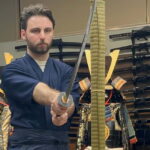
The session is about 90 minutes, and the structure is simple on purpose. First you watch artisans work so you can understand what motions matter and what results to aim for. Then you get a quick practice phase where you try the tools on test glass.
That practice step is the difference between a craft you enjoy and one you fear. You’re not thrown into the hardest moment right away. You get to learn how your pressure and angle affect the cut, and you get used to the rhythm of working glass with focus. One review noted that the process takes dexterity and concentration, but the atmosphere is relaxed, with no scolding for mistakes. That’s exactly what you want in a beginner-friendly craft.
After the practice, you choose your final glass and then cut your original design. For adults and middle school students, it’s a drinking glass. For elementary-age children, it’s a lidded container. Either way, the goal is the same: you leave with something you made yourself, not just a stamped certificate.
Choosing your glass: one-of-a-kind pieces you won’t see twice
One of the most fun parts is selecting your glass from a daily changing stock. Edo Kiriko pieces aren’t uniform in the way factory souvenirs are. Each glass you pick can be different, and that means your final cut feels tied to that specific material.
This is where the workshop earns its “collectable” energy. You’re not only learning how to cut glass. You’re making design choices with real constraints: what the glass looks like, how it responds to cutting, and what your pattern can realistically achieve in the time you have.
If you want the most personal result, take a minute during selection. Look at the color and the shape options available that day, and then think about how your cut lines will show up on the finished piece. It’s the kind of small thinking that makes your end product feel intentional.
Who cuts what: drinking glasses vs lidded containers
The workshop is available for participants from 4th grade elementary school and older, with an adult companion required for children. It’s also noted as not suitable for children under 9, so if you’re traveling with a younger kid, this may not be the best fit.
Here’s the practical breakdown you need:
- Adults and middle school students cut a drinking glass
- Elementary school children cut a lidded container (with supervision)
- Adults must accompany children, though companions may observe without cutting
That rule matters if you’re traveling as a family. It’s not a “everyone must work” situation. An adult can accompany the child and still let other companions watch if they aren’t cutting that day.
Also, the workshop uses safety-first guidance. You’ll get instruction on safe glass cutting techniques as part of the guided flow, and you’ll practice with tools so you’re not guessing.
The relaxed vibe: learning without fear
Glass cutting is intimidating if you’ve never done it. The good news here is that the atmosphere is set up to help you try, mess up a little, and improve quickly.
In one account, the workshop was described as relaxed, with test glasses to get comfortable and staff guidance without scolding for errors. That style is smart. When you’re learning a technical craft, the worst thing is fear. The best thing is calm repetition, then a confident final cut.
You’ll likely find it easier to follow along thanks to the language support. This activity includes Japanese and English support, with staff translating the key points so you know what you’re doing and why. If you’re the type who needs to understand the steps clearly before moving your hands, that translation layer is a big plus.





The shop stop: Edo Kiriko designs and brand collaborations
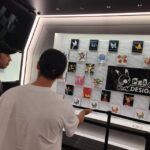
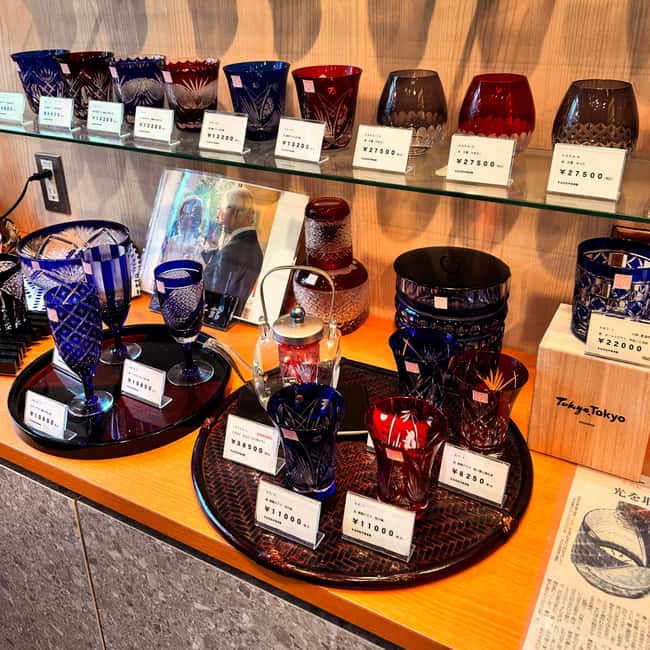
After the cutting, you browse the on-site shop. This is where Edo Kiriko shows its modern side alongside the traditional look. You’ll see colorful designs and items, including collaborations with global brands like Starbucks.
This part is useful even if you don’t plan to buy. Looking at finished products right after you’ve cut your own glass helps you connect theory to outcome. You can compare how the patterns look in real life, and you’ll start noticing how design choices change the feel of light and texture on cut glass.
If you do want to shop, I’d treat it like a careful browsing block, not a rushed checkout. Prices for cut-glass items can be high, and the craft’s time and precision are the reason. Seeing what’s available helps you decide whether you want to add one more piece to your collection or keep your budget focused on what you made.
Price and value: does $122 make sense?
At $122 per person for a 1.5-hour workshop, you’re paying for more than “a class.” You’re paying for:
- guided instruction in a working studio,
- tool practice time,
- the glass-cutting experience (and you take your finished piece home),
- and English support in a small group of up to four.
The small group size matters for value. When you’re learning a hands-on craft, the ability to ask questions and get corrections is part of what you’re buying. With fewer people, your guidance is more likely to reach you at the moment you need it.
Also, the take-home piece is the big difference versus short craft demos. This isn’t just entertainment. It’s a tangible object made by you, using the same core technique you saw demonstrated.
One possible cost reminder: the workshop includes the cutting and the finished piece, but purchases at the shop are not included. If you’re tempted by the display of Edo Kiriko and brand collaborations, set aside extra budget.
Practical tips for a smoother glass-cutting session
A few things I’d do to make the experience easier from the start:
- Arrive ready to focus. You’re working with tools and patterns, and the session is only about 90 minutes.
- Pay attention during the demo, especially the motion and the pace. Those details are what your practice glass is teaching you to copy.
- If you care about photos, note that photography is allowed in designated areas. Outside those areas, follow the studio rules.
- Plan on a shop time after your cutting. If you’re considering additional items, keep your wallet mindset flexible.
- Pets are not allowed, so if you’re traveling with animals, you’ll need separate plans.
You’ll also notice this isn’t a “hotel door-to-door” style activity. Hotel pickup and drop-off aren’t included, so you’ll want to plan your own arrival to the studio area.
Who should book this Edo Kiriko workshop (and who shouldn’t)
This workshop is a strong fit if you want a hands-on Tokyo craft experience with a real studio feel. It’s especially good for:
- families with kids 4th grade and up, where the child can cut a lidded container,
- teens and adults who want to make a drinking glass,
- solo travelers who like learning by doing,
- anyone who enjoys crafts where patience and small technique changes matter.
It may not be ideal if:
- you’re traveling with a very young child (it’s not suitable for kids under 9),
- you want a super structured “watch every motion then repeat exactly” class (the workshop has a relaxed style, with guidance rather than nonstop supervision),
- you want a long multi-course experience. This is short on purpose, and the goal is to get you cutting within that time.
On the plus side, it’s wheelchair accessible, and the small group format tends to make it easier to manage movement and attention.
Should you book this Edo Kiriko glass cutting workshop?
If you’re in Tokyo and you want something more memorable than a photo stop, I think this is worth booking. You watch artisans at work, practice with tools, then cut your own design and take it home. The English/Japanese support and the relaxed learning vibe make it feel approachable, even if you’ve never handled glass-cutting tools before.
I’d book it if:
- you want a real maker experience in Sumida,
- you like crafts where you can see results right away,
- you’re traveling as a family with a child who meets the age needs and can focus for the session.
I’d skip it if you’re looking for a tightly choreographed class with constant step-by-step supervision, or if your child is younger than the minimum recommended age. In that case, you might get less out of the time you spend.
FAQ
How long is the Edo Kiriko glass cutting workshop in Sumida?
The workshop runs for about 90 minutes.
What is the minimum age to join?
Participants must be from 4th grade elementary school and older, and an adult companion is required for children.
Do adults and kids cut different items?
Yes. Adults and middle school students cut drinking glasses. Elementary school children cut lidded containers with supervision.
Is there English support during the workshop?
Yes. The workshop offers Japanese and English support, including an English-speaking guide.
Is photography allowed?
Photography is allowed in designated areas during the session.
What’s included in the price?
The price includes the guided workshop, a tool practice session, the glass-cutting experience (glass or lidded container), observation of artisans at work, and English-speaking support. Food and drinks and shop purchases are not included.