REVIEW · HAKONE
Private Tour – Hakone Day Trip! A Tour to Explore All Must-Sees!
Book on Viator →Operated by OTOMO Travel Guide · Bookable on Viator
Hakone hits different when you go private. I like that this is just your group, so your guide can keep things moving without waiting for strangers, and I also love the way the day stacks major Hakone highlights—Lake Ashi and Mount Fuji viewpoints—into one efficient loop. The one real catch is weather: if it’s cloudy or rainy, you may lose some of those Fuji sightlines, and plans can shift.
You start and finish back at Hakone-Yumoto Station, and the tour is set up for a smooth day with a guide who handles the route details. Many guides get high marks for adapting the schedule to your pace and interests—names that have shown up include Koji, Tatsu, Nanako, Akira, Mike, Hori, and Max—so you can expect more than a read-from-a-map experience.
Plan for walking and some ticket add-ons on the day. This private tour includes the guide and necessary guide expenses, but you’ll pay for most transport and attractions yourself, and congestion on weekends can slow things down.
In This Review
- Key things to know before you go
- Private Hakone Day Trip: what you’re really paying for
- Starting at Hakone-Yumoto Station and fitting 8 hours of sights
- Ajisai Bridge near Hakone-Yumoto: the fast, colorful photo moment
- Hakone Shrine and Kuzuryu Shrine: torii gate on the lake
- Lake Ashi cruise from Motohakone-ko: the scenic break that’s worth it
- Togendai View Restaurant: eating with Lake Ashi in your line of sight
- Hakone Ropeway to Owakudani: smoke, steam, and big reactions
- cu-mo Hakone at 757 meters: a viewpoint plus a footbath chance
- Hakone Tozan Cable Car: the scenic ride back toward Gora
- Mount Fuji visibility: plan for clouds, not just wishes
- Price and cost reality check: base price plus on-the-day tickets
- Who should book this private Hakone tour
- Should you book this private Hakone tour?
- FAQ
- What’s included in the tour price?
- What extra costs should I expect to pay on the day?
- Does the tour include the Lake Ashi cruise and Ropeway tickets?
- Where do we meet, and where does the tour end?
- What if the weather is bad for Mount Fuji views?
- Is this tour really private?
Key things to know before you go
- Private, exclusive pacing for your group so the day feels customized instead of assembly-line.
- Lake Ashi cruise time on the Motohakone port pirate ship for big scenery without constant stops.
- Ropeway-to-Owakudani smoke valley for that unmistakable Hakone volcanic feeling.
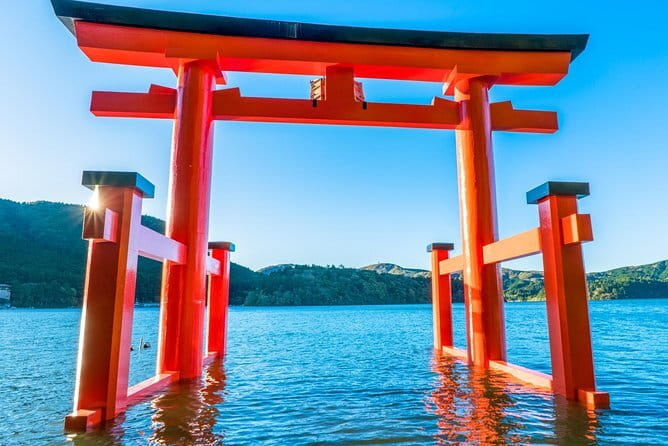
- Photo-focused shrine stops including a torii gate on the lake area.
- A planned viewpoint and footbath break at cu-mo Hakone (bring a towel if you want to try it).
- Most admission and rides are not included in the base price, so budget for on-the-spot tickets.
Private Hakone Day Trip: what you’re really paying for
At $181.64 per person, this tour isn’t trying to be the cheapest way to see Hakone. You’re paying for two things that matter in practice: a guide who can read the day (timing, connections, and your interests) and a plan that hits several of Hakone’s signature zones in about 7.5 hours.
For me, the best part of a private day in Hakone is avoiding decision fatigue. You can focus on where you want to stand for photos and where you want a break, while your guide handles the logistics and keeps the day from turning into a patchwork of taxis and guesswork.
Still, you should go in knowing that most ride tickets and attraction admissions are on you. The tour can feel like great value when you would otherwise spend time figuring it out—less so if you planned to buy everything yourself anyway and just wanted a checklist.
You can also read our reviews of more private tours in Hakone

Starting at Hakone-Yumoto Station and fitting 8 hours of sights
Hakone-Yumoto Station is your starting point, and the tour returns you to the same area at the end. That matters because it keeps the day from feeling like a one-way slog, and it helps you plan your evening in Hakone without stress.
The day is built around a steady rhythm: short photo and shrine stops, then longer scenic chunks like the cruise, Ropeway ride, and Owakudani time. You’ll want comfortable shoes, because the tour is designed for walking a lot—even though individual stops aren’t huge.
One more practical note: during congestion and on weekends, waiting for transport can run longer. Your guide may shorten stays at some spots or skip one, so you get a complete day without it dragging into overtime.
Ajisai Bridge near Hakone-Yumoto: the fast, colorful photo moment
Your first stop is Ajisai Bridge, a vermilion bridge near Hakone-Yumoto Station. It’s famous as a photo spot, and the hydrangea connection is the idea here: hydrangeas bloom in June, and Hakone is known for this flower.
The stop is short—about 10 minutes—and that’s actually ideal when you’re on a schedule. You get the key angle quickly, and you don’t lose momentum before the rest of the day’s scenic traveling.
If you’re going outside peak hydrangea season, you’ll still get the bridge look and the lake-adjacent vibe, but you might not get the full flower effect. Either way, it’s a good warm-up: quick and visually rewarding.
Hakone Shrine and Kuzuryu Shrine: torii gate on the lake
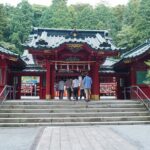
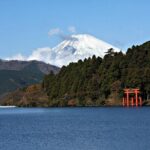
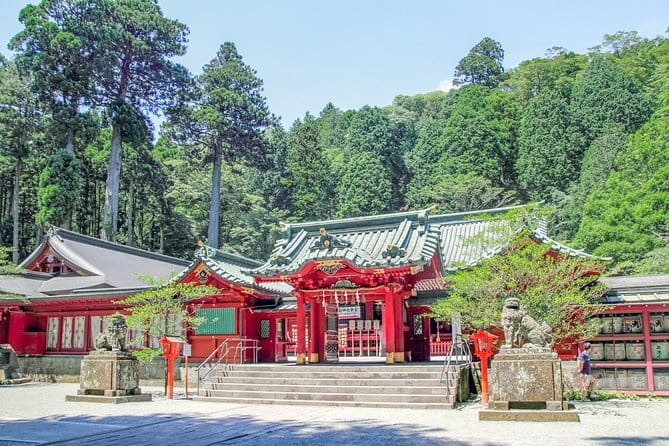
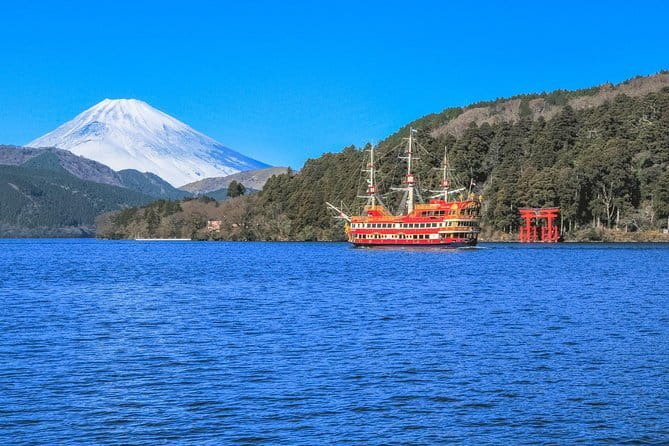
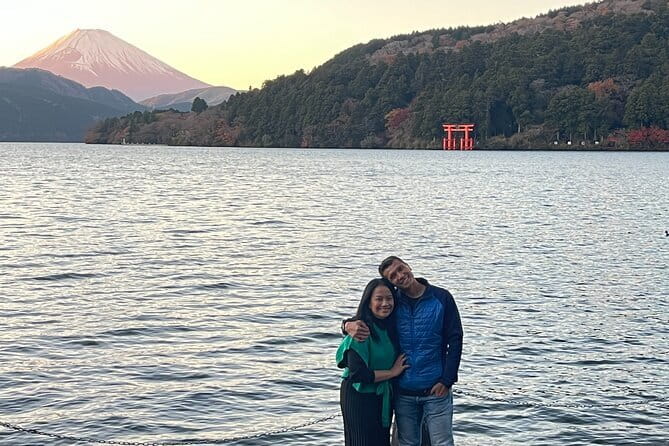
Next up is Hakone Shrine / Kuzuryu Shrine, with history stretching back 1,200 years or more. This is one of those stops that gives you both a cultural anchor and a distinctive photo angle: a wooden torii gate standing on the lake area.
You’ll have about 45 minutes here, which is enough time to wander at a relaxed pace, find your best viewpoint, and not feel rushed. The shrine setting also breaks up the more transportation-heavy segments of the day, so your legs get a small reset.
A practical tip: this kind of photo stop tends to be best when the light is consistent and the crowd level is manageable. If it’s busy, focus on your line of sight first, not on chasing the perfect photo from every angle.
Lake Ashi cruise from Motohakone-ko: the scenic break that’s worth it
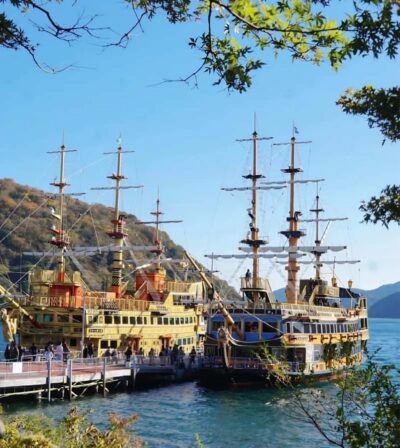
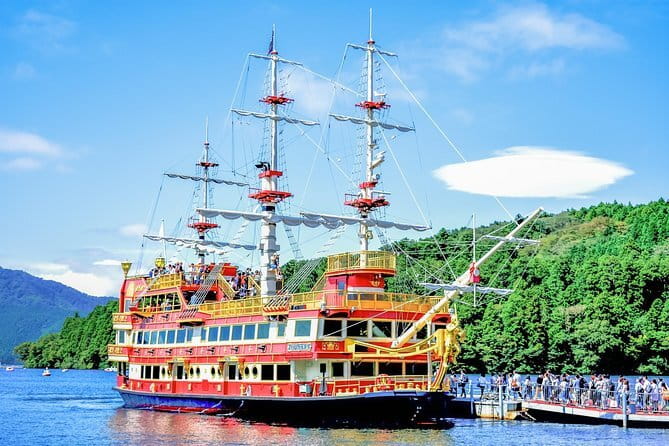
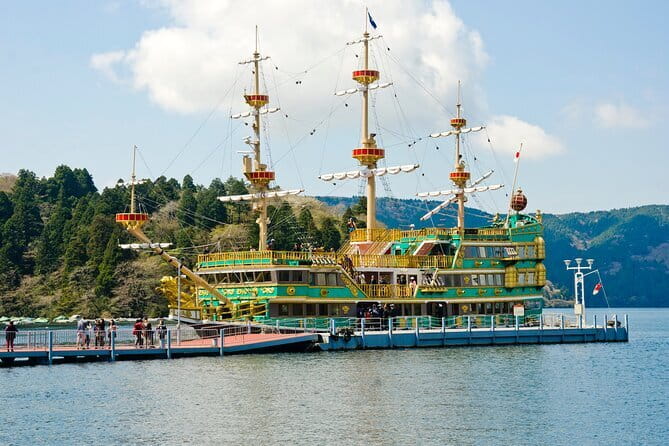
Then you switch into boat mode at Motohakone-ko Pier. The tour includes a cruise on the Hakone Pirate Ship (Motohakone Port), with about 50 minutes on the water.
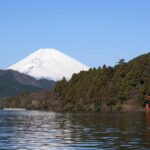
This is one of the easiest ways to appreciate Lake Ashi because you’re not zigzagging through stops. Instead, you get a moving viewpoint: water, shorelines, and the dramatic backdrop that makes Hakone famous. If your day includes any Mount Fuji visibility at all, you often have a better chance to catch it while you’re on a boat—assuming clear weather.
The tour details mention the onboard space is decorated with ship-model themes (French, British, and Swedish ship models). That small design touch makes the cruise feel more like an experience than a simple transit ride.
The downside? Boat time can’t be shortened easily, and additional rain or wind can affect comfort. Bring a light layer you can handle, even in milder seasons.
You can also read our reviews of more tours and experiences in Hakone
Togendai View Restaurant: eating with Lake Ashi in your line of sight
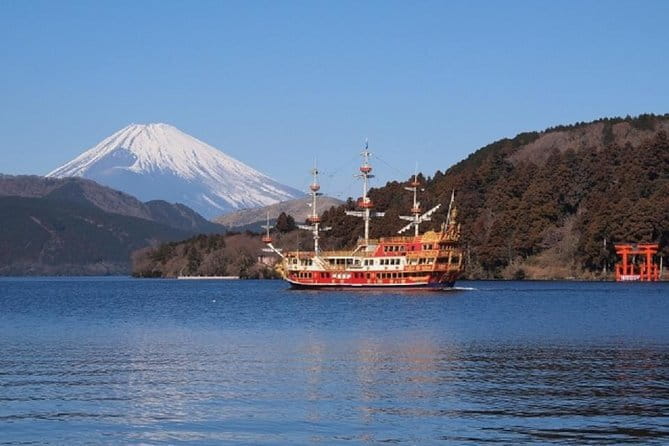
After the cruise, you head to Togendai View Restaurant, located inside Togendai Station. You get about 50 minutes here, and the big appeal is the setting: grilled dishes and local-ingredient food while you look out over Lake Ashi and the pirate ships.
Meals aren’t included. The tour data lists estimated meal costs of about 1,800 JPY per person, so you should plan for that when budgeting. In my view, that’s a fair trade-off because you’re paying for convenience and the view, not just food.
If you’re traveling with kids or anyone who needs a proper sit-down break, this is the stop that most reliably makes the day feel comfortable. Use the time to recharge before the Ropeway and Owakudani, which are more about standing and moving around.
Hakone Ropeway to Owakudani: smoke, steam, and big reactions
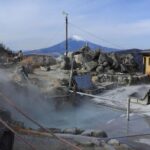
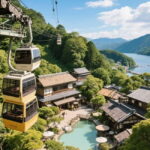
One of the highlights is the Hakone Ropeway ride. On the way, you’re met with the billowing smoke of Owakudani right before your eyes—an instant sensory contrast to the greenery around Hakone.
Your Ropeway time is about 50 minutes, and admission is not included. On a clear day, this is also where you have one more shot at Mount Fuji views, so it’s worth staying alert for that shift in the sky.
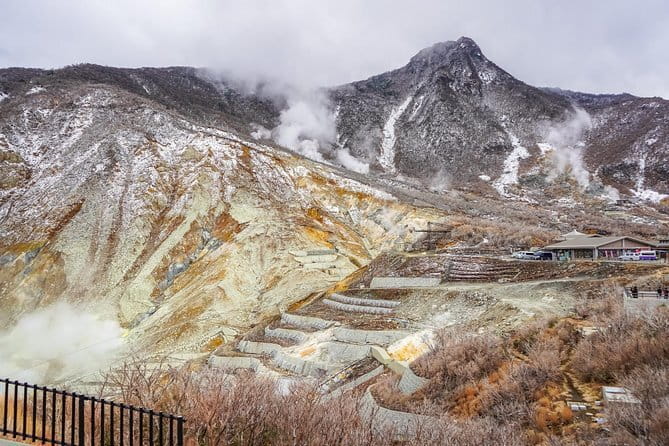
Then comes Owakudani itself, with about 45 minutes on site. Owakudani was formed by a Hakone volcanic eruption thousands of years ago, and even today it still emits white smoke across the valley. The description also notes that unlike the greener parts of Hakone, the rock surfaces are exposed and vegetation is limited—so the whole place feels more raw and volcanic than the rest of the day.
What I love about this sequence is the pacing: first you ride up and see the atmosphere change, then you’re on the ground with your own eyes. It’s not just a ride; it’s a transformation.
cu-mo Hakone at 757 meters: a viewpoint plus a footbath chance
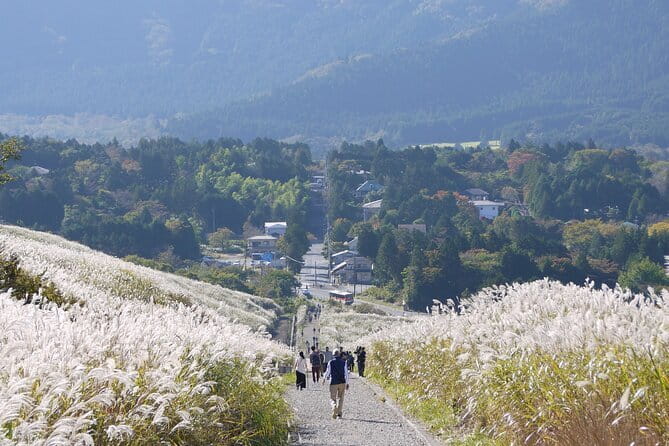
After Owakudani, you’ll go to cu-mo Hakone, about 20 minutes. It’s at an altitude of roughly 757 meters and is designed for views over Hakone’s landscape.
If the weather cooperates, this viewpoint-style stop can make the entire day feel cohesive. You’ll see how the towns and routes fit together around the lake and volcanic terrain.
This stop also offers footbaths. Since the tour recommends bringing your own towel, I’d pack a small one anyway—because you’ll be glad you did, and it keeps you from needing to improvise.
The quick timing is a plus if you don’t want long delays. It’s also a good place for a short reset if you’ve been standing for photos earlier.
Hakone Tozan Cable Car: the scenic ride back toward Gora
Next is the Hakone Tozan Cable Car segment (Sounzan to Gora). It’s about 25 minutes, and the cable car adds a classic rail feeling to the day’s mix of walking, ropeway, and boat.
This portion matters because it changes your perspective again. You’re not just repeating what you’ve already seen; you’re moving through Hakone’s vertical terrain in a way that feels more local than hopping from stop to stop by bus.
Because it’s another transport ticket that’s not included, budget for it among the on-the-spot costs. But from a time-management standpoint, it’s a smart way to keep the loop tight.
Mount Fuji visibility: plan for clouds, not just wishes
Hakone is famous for Mount Fuji views, but the tour itself clearly flags that it needs good weather to deliver the best results. In real life, that means your experience can shift from stunning to just scenic, depending on cloud cover.
I’d treat Fuji visibility as a bonus, not a guarantee. If the day is cold or gray—as some guides have navigated in past tours—your guide can still deliver an excellent itinerary, but the sky may limit those iconic photo angles.
The good news: even without Fuji, the day still has plenty to work with. Lake Ashi is beautiful, the torii setting gives you strong photos, and Owakudani’s volcanic smoke is a spectacle on its own.
Price and cost reality check: base price plus on-the-day tickets
Let’s talk money in plain terms. The tour price is $181.64 per person. But the additional estimated costs are listed at 6,900 JPY per person, with a breakdown of about 5,000 JPY for transportation and admission fees, plus about 1,800 JPY for meals.
That means you should budget for both the tour fee and on-the-spot spending. This isn’t a deal-breaker; it’s just how the tour is structured. You’re paying for the guide service and the plan, while you buy the ride and entry items yourself.
From a value perspective, I think this works best if you want maximum coverage in one day and you don’t want to spend your time ticket-hunting, switching lines, and recalculating routes. If you’re comfortable doing everything independently, you may decide you can do it cheaper. If you want a smooth day with someone steering, the math often feels fair.
Who should book this private Hakone tour
This is a strong fit if you want a well-paced day with a guide doing the heavy lifting. It’s especially good for people who value photo stops and scenic transport—Ajisai Bridge, the shrine torii setting, the Lake Ashi cruise, and the Ropeway/Owakudani sequence.
It also makes sense for families or anyone who’d rather not manage multiple tickets while moving through Hakone’s transit layers. The private format means your guide can adapt to how long you linger, whether you’re trying to catch Mount Fuji or simply want a slower look at the volcanic zone.
If you’re traveling when weather is consistently unpredictable, keep expectations flexible. The tour notes that routes and destinations may change when conditions are poor, and temporary closures can shift spots too.
Should you book this private Hakone tour?
I’d book it if you want a single-day Hakone hit list that includes both culture and big scenery, and you like having a guide handle the flow. The guide-led flexibility and the focus on major highlights—Lake Ashi cruise, Ropeway to Owakudani, and shrine/photo moments—make it feel like a lot for one day.
Skip it only if your top priority is getting Mount Fuji photos no matter what. Weather can shut that down, and the tour can only do so much when clouds roll in. If you’re okay treating Fuji as a bonus and you want an efficient, guided Hakone day, this is a very practical choice.
FAQ
What’s included in the tour price?
The tour includes a guide, a private tour exclusive to your party, and the necessary expenses for the guide during the tour.
What extra costs should I expect to pay on the day?
You should plan for an estimated 6,900 JPY per person for transportation and admission fees, plus about 1,800 JPY per person for meal costs (meal costs are not included). Some optional experience costs are also listed at about 100 JPY per person.
Does the tour include the Lake Ashi cruise and Ropeway tickets?
The cruise and Ropeway are part of the route, but their admission/tickets are not included in the tour price. You’ll pay for these on your day.
Where do we meet, and where does the tour end?
The tour starts at Hakone-Yumoto Station in Hakone, Kanagawa, and it ends back at the same meeting point.
What if the weather is bad for Mount Fuji views?
The experience requires good weather, and if conditions are poor the tour may be canceled due to weather or routes/destinations may change. If you’re traveling on a cloudy or rainy day, expect some adjustments.
Is this tour really private?
Yes. It’s a private tour/activity, meaning only your group participates.
If you tell me your travel month and whether you’re more into photos or food (or both), I can suggest what to prioritize during the time limits.