REVIEW · HAKONE
Hakone Geology & History Tour
Book on GetYourGuide →Operated by Hike Hakone Hachiri 合同会社 · Bookable on GetYourGuide
Active volcano sights beat any postcard. In Hakone, you spend a full day reading the land like a story—starting with the caldera and an Owakudani ropeway crossing over active volcanic ground, then moving to quieter history on the old roads of Japan. I also love how Tony, the guide, links what you see to the bigger way people in Japan organized life, not just facts to memorize.
My other big favorite is the stop at the Amazake Teahouse, where you chat with the 13th generation manager of the Yamamoto family. You get a hands-on feel for a long-running tradition, not a scripted performance. One important consideration: the crater crossing is not recommended for anyone with heart or respiratory issues.
In This Review
- Key points to know before you go
- Hakone in One Day: Caldera Science Meets Old Footsteps
- Getting From Odawara to the Action: Easy Start, Smart Routing
- Owakudani Valley Ropeway: Reading an Active Crater
- Lake Ashi by Pirate Ship: Why the Water Stays Open
- The Old Tokaido Foot Highway: Walking Under 400-Year Cedars
- Amazake Teahouse and the Yamamoto Family: Culture You Can Touch
- Mount Fuji: How to Think About Weather and Still Have a Great Day
- Private-Group Value: Why the Price Can Make Sense
- Who Should Book This (and Who Should Rethink the Ropeway)
- Should You Book Hakone Geology & History Tour?
- FAQ
- Where does the tour pickup happen?
- How long is the tour?
- Is this a private group?
- What language is the guide?
- What does the tour include?
- What is not included?
- Is the tour suitable for everyone health-wise?
- Where does the tour end?
- Is a Mount Fuji view guaranteed?
Key points to know before you go
- Owakudani crater views from the ropeway: short, dramatic, and not for everyone health-wise
- Lake Ashi by pirate ship: you learn why it never freezes due to hot spring water
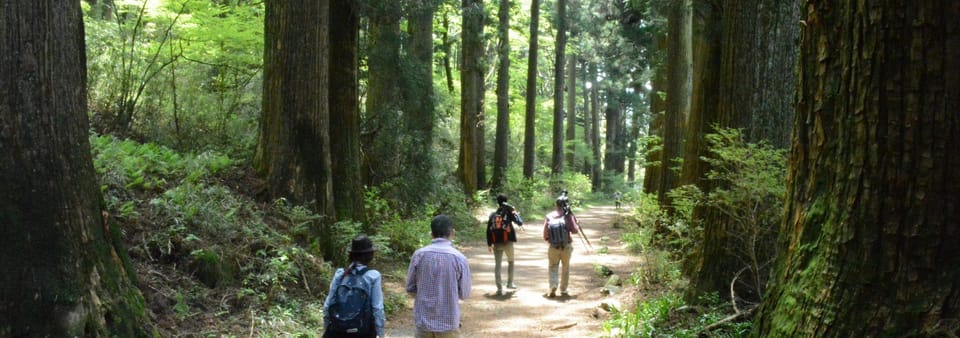
- Old Tokaido Foot Highway walk: a short stretch under 400-year-old cedars
- Amazake Teahouse with the Yamamoto family: tea, local snacks, and real family context
- Private group pace: you can move quickly between stops with an English-speaking guide
Hakone in One Day: Caldera Science Meets Old Footsteps
Hakone is basically an ancient volcanic bowl, a caldera about 15 miles across. It’s one of those places where nature has been writing headlines for centuries, and you can feel that in the timing of the day: you start with the active area near Owakudani, then shift to lakeside breathing room and old road atmosphere.
What I like most is the way the tour turns scenery into understanding. You’ll talk about volcanic activity, then you’ll see how people used the roads and the region’s hot-spring life to get through daily life and travel between major cities.
I also like the balance of energy levels. Even though you’ll ride and walk, the day isn’t a grind. It’s structured so you can reset between the dramatic volcanic section and the more human-scale cultural stops.
You can also read our reviews of more historical tours in Hakone
Getting From Odawara to the Action: Easy Start, Smart Routing
Your day begins with a pickup option that keeps you from wrestling transit right away. You can meet at Hakone-Yumoto Station, Yumoto Station Hotel MIRAHAKONE, or Odawara Station. From there, you’ll take a train portion that runs about 75 minutes, which sets the tone for a full-day outing without feeling rushed.
Why this matters: in Hakone, transfers can eat up time. Starting with a guide meeting you at a set spot helps you get your bearings fast and keeps the day on track for the ropeway and lake cruise timing.
At the end, you finish back at Odawara Station. That’s a practical close if you’re returning to Tokyo later, or connecting onwards the next day if you’re staying in the area.
Owakudani Valley Ropeway: Reading an Active Crater
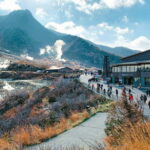
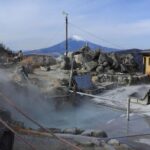
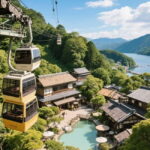
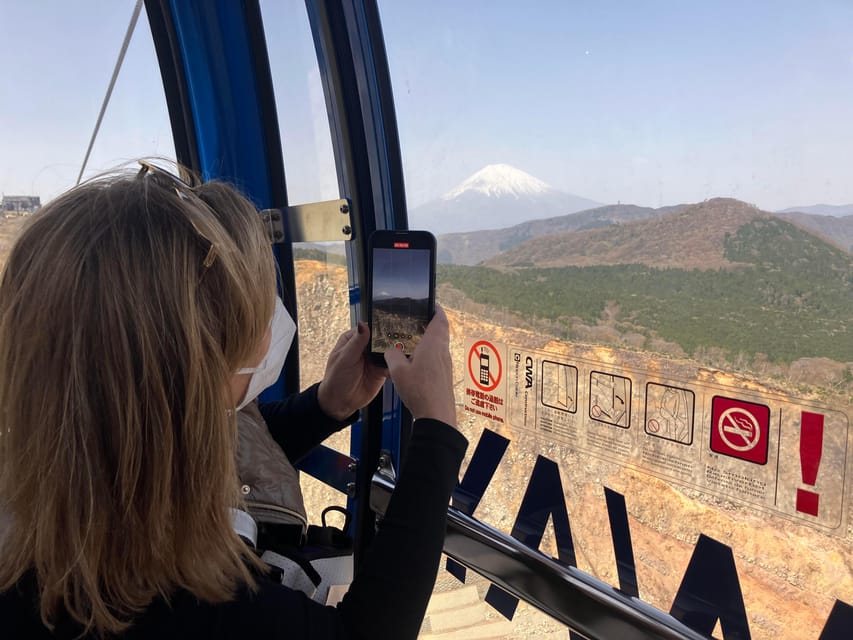
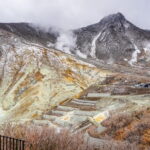
This is the star section for the geology crowd, and it’s also the part where you should pay attention to safety guidance. Hakone has a very low level eruption ongoing in the Owakudani crater, and you’ll cross the mouth of the active crater by ropeway. The description is part thrill, part warning: it’s not recommended for people with heart or respiratory disorders.
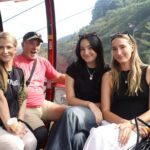
The ropeway/gondola segment is scheduled for about 1 hour, which is long enough for you to look around, ask questions, and actually process what you’re seeing. Tony’s approach here helps you connect the visual cues—steam, the volcanic terrain, the sense of ongoing heat—with the broader “caldera” idea.
One practical tip: bring something that keeps you comfortable for changing weather. Visibility can affect your experience, but even when views are muted, the geology story still lands because you’re learning what’s happening and why.
Lake Ashi by Pirate Ship: Why the Water Stays Open
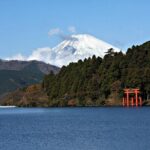
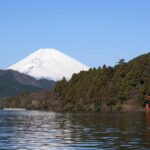
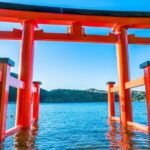
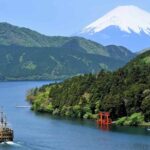
After the volcanic intensity, you’ll shift to the lake side—specifically Lake Ashinoko. It’s a secondary crater within the caldera, about half a mile deep, and the tour includes a crossing by Hakone’s famous pirate ship for about 1 hour.
Here’s the fact I found especially useful: Lake Ashi never freezes because hot spring water gushing up from the lake’s depths keeps it from turning icy. You’ll hear this explained in plain terms, and once you know the mechanism, the lake stops being just scenic water and becomes part of the volcanic system.
This portion is also where the pace softens. It gives you time to enjoy the motion, ask questions while you’re seated, and mentally switch gears from “active crater” to “how people travel through a volcanic region.”
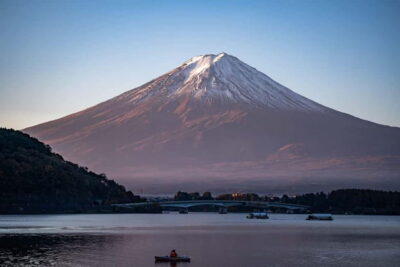
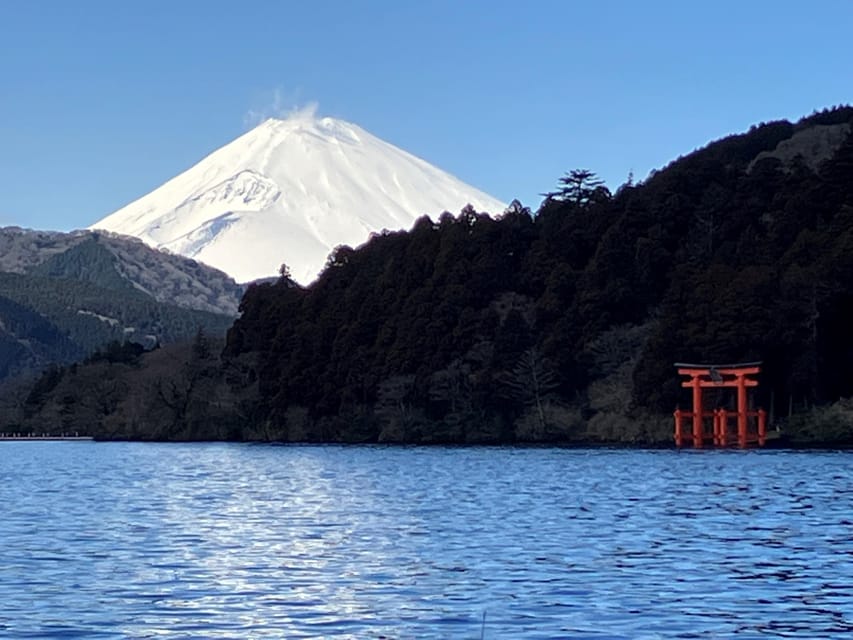
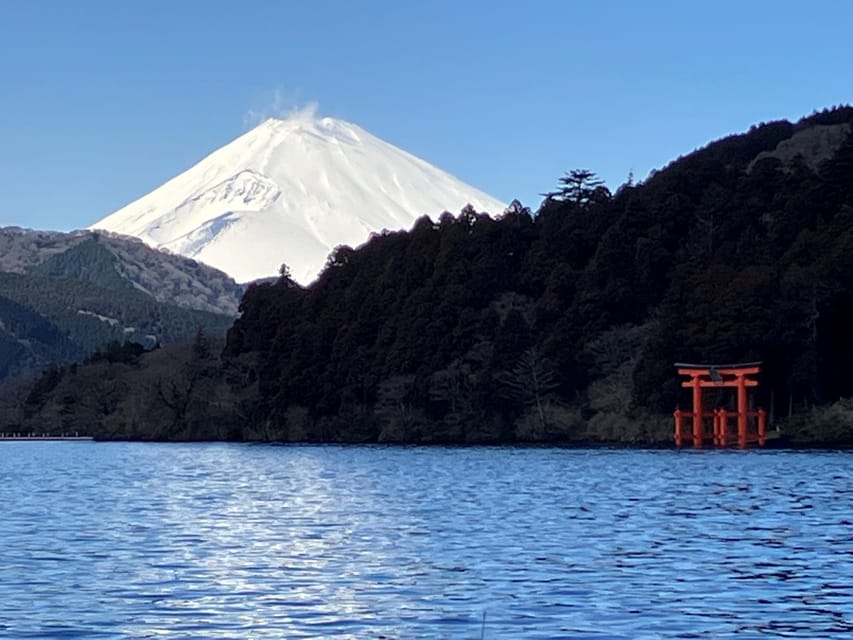
If Mount Fuji views are possible that day, you’ll have opportunities for sightings during the cruise and surrounding area, since the tour notes Fuji is weather dependent.
The Old Tokaido Foot Highway: Walking Under 400-Year Cedars
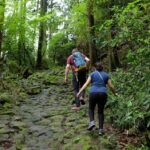
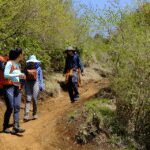
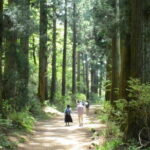
Not all Hakone brilliance needs a view deck. You’ll also get a stroll on a short section of the Old Tokaido Foot Highway, a route that historically connected Japan’s major centers: Tokyo, Kyoto, and Osaka.
Tony helps make this more than a walking photo stop. You’ll understand why roads like this mattered—moving people, goods, and ideas between big urban hubs long before modern trains and highways.
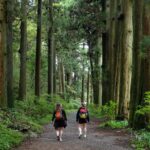
The standout detail here is the setting: towering 400-year-old Japanese cedars line both sides of the path. That matters because it’s not just a pretty walkway; it’s a reminder that the landscape people walked through for centuries still influences what you feel today—shade, scale, and a sense of time passing.
This is a great counterweight to Owakudani. If you felt a little tense on the crater crossing, the cedars and the gentler ground level off your day nicely.


Amazake Teahouse and the Yamamoto Family: Culture You Can Touch
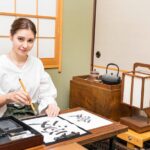
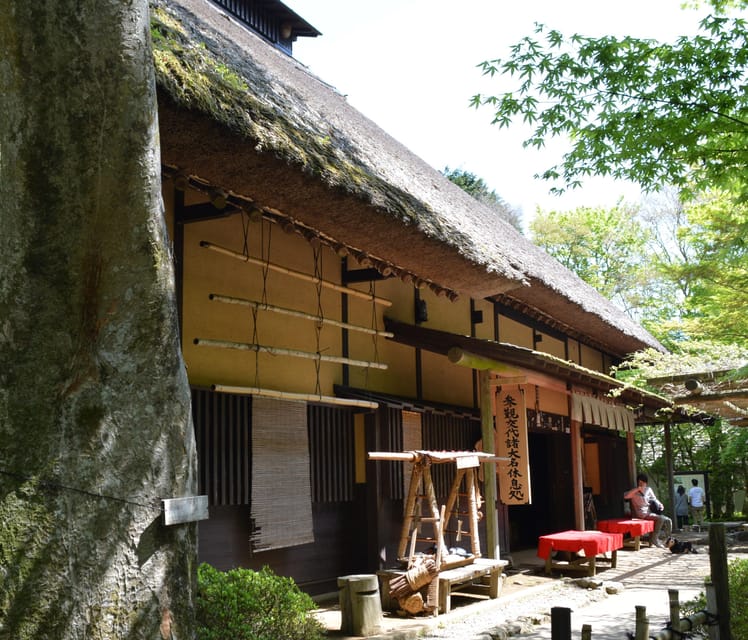
Then you reach the human part of the tour: the Amazake Teahouse, where you’ll spend about 1 hour on a tea ceremony experience. The big draw is that you’ll chat with the 13th generation manager of the Yamamoto family.
I like this kind of cultural stop because it’s not just “watch and move on.” It’s a chance to ask basic questions and get answers that come from a family line, not a scripted set of phrases. You’ll get a feel for why a tradition like amazake exists and how it’s maintained across generations.
This is also one of those moments where timing feels right. After the crater and lake, your senses are ready for something warm and slow. The tea ceremony period gives you a clear mental break, and it’s easy to stay focused because the group stays together and Tony interprets what you’re tasting and seeing.
If you’re a food person, this stop is worth it for the simple, local flavor angle. One of the neat details from the experience is that you can enjoy unique rice tea and mochi at the tea house.
Mount Fuji: How to Think About Weather and Still Have a Great Day
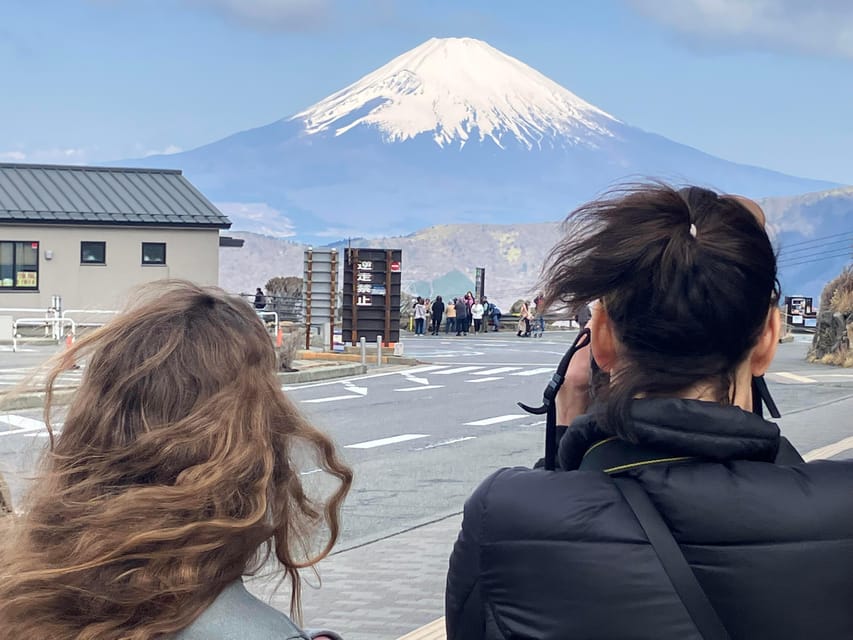
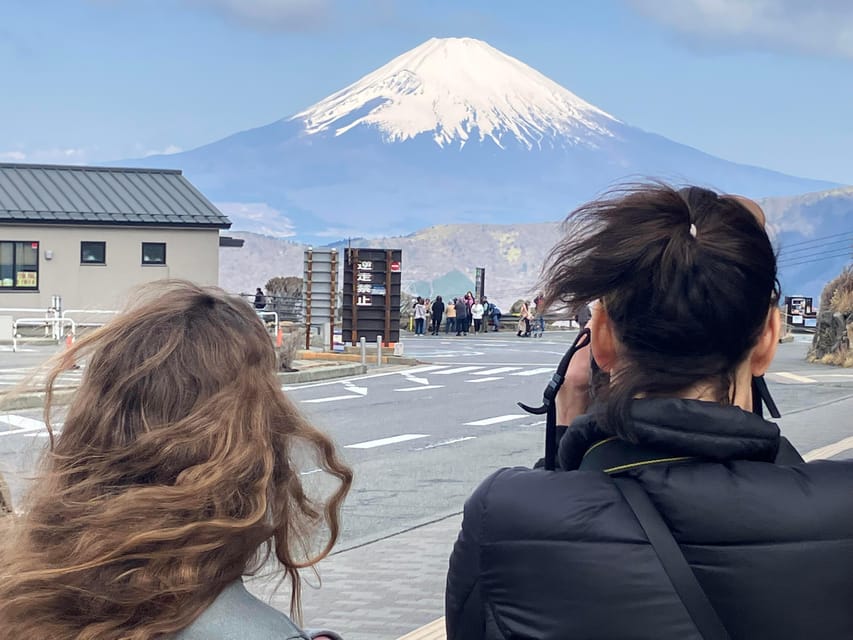
Mount Fuji is listed as a possibility, but it’s not something you should plan your mood around. The tour notes that Fuji views depend on weather, which is exactly how it should be.
So how do you make that feel fair instead of frustrating? You treat the day as a Hakone experience, not a Fuji hunt. Even on hazy days, you’ll still have real anchors: the active crater crossing, the lake cruise, the cedar-lined Tokaido section, and the Yamamoto-family tea stop.
In other words, Fuji is a bonus. The core value of the day doesn’t disappear if the mountain is hiding.
Private-Group Value: Why the Price Can Make Sense
The price is listed at $483 per group up to 8, for an 8-hour outing. If you split it across the full group size, that’s roughly $60 per person at the upper limit. Even if you don’t fill all eight seats, you’re still buying something hard to copy on your own: a guide who interprets what you’re seeing while you’re moving through multiple regions.
What you’re really paying for is time + context. Hakone’s geography is confusing if you go it alone, and the volcanic and cultural explanations are what turn a bunch of sights into one coherent day.
I also appreciate the guide style coming through in practical ways. Tony doesn’t just move you from point to point; he helps you get oriented and keeps an eye on how the day is going. In one real example, when transport options were unexpectedly scarce later on, he kept helping until the group found the right way forward. That kind of support is hard to price, but it matters when you’re away from home.
Who Should Book This (and Who Should Rethink the Ropeway)
This tour is a strong fit if you like the mix of geology, nature, and history, and you want someone to interpret it while you’re actually there. If you enjoy learning how a place works—how volcanic activity shapes lakes, roads, and the way people travel—this day will feel satisfying instead of chaotic.
It also suits people who want a private-group pace. You’re not stuck in a packed system with limited speaking time, and the day’s flow is built around moving through key Hakone zones.
Health note is the deal-breaker for some folks: it’s not recommended for customers with heart or respiratory disorders due to the ropeway crossing over an active crater. If you’re unsure, you should ask your doctor and consider alternative Hakone activities that don’t involve this portion.
Should You Book Hakone Geology & History Tour?
Book it if you want Hakone to feel like a story, not a checklist. The combination of the Owakudani crater crossing, the Lake Ashi cruise, the Old Tokaido cedar walk, and the Amazake Teahouse chat with the Yamamoto family is a rare blend of “why it’s like this” plus “what it feels like on the ground.”
Pass or reconsider if the ropeway section could be a problem for your health. And if you only want one kind of sight—pure views with no cultural stops—you might find the pacing shifts away from that. For most people who like both the land and the human side, this tour is an efficient way to get a lot of Hakone meaning into one day.
FAQ
Where does the tour pickup happen?
You can meet at Hakone-Yumoto Station, Yumoto Station Hotel MIRAHAKONE, or Odawara Station. The guide also meets folks at Odawara Station ticket gate for day return guests, or at your Hakone hotel if you’re staying overnight.
How long is the tour?
It runs for about 8 hours.
Is this a private group?
Yes. It’s listed as a private group, priced per group up to 8 people.
What language is the guide?
The live tour guide provides English interpretation.
What does the tour include?
It includes an experienced guide (and the guide’s own costs). The day also includes the planned visits and rides described in the experience, like train time, gondola/ropeway, boat cruise, and tea ceremony.
What is not included?
You’ll need to cover local transport (the tour suggests you prepurchase the Hakone Free Pass), plus lunch and afternoon tea.
Is the tour suitable for everyone health-wise?
No. It’s not recommended for customers with heart or respiratory disorders due to the ropeway crossing over an active crater.
Where does the tour end?
It finishes at Odawara Station.
Is a Mount Fuji view guaranteed?
No. Mount Fuji views are weather permitting, so you should treat Fuji as a bonus.