REVIEW · SAITAMA PREFECTURE
Experience Seasonal Green Tea Picking in Sayama and Nostalgic Walk in Kawagoe!
Book on Viator →Operated by Trip Designer Inc. · Bookable on Viator
Tea picking and Edo streets in one day.
This tour pairs hands-on green tea picking at the Miyanoen plantation with a slow, story-filled walk through Kawagoe (including Kitain Temple and the old-town shopping lanes). What makes it feel special is that the tea part isn’t just stand-and-watch, and the guides—Kaori, Rie, and Yumi in past groups—bring the place to life with practical culture tips. One consideration: it runs seasonally (May to November) and needs good weather, and it starts at Iriso Station (no hotel pickup), so you’ll want to plan your morning rail timing carefully.
If you like your day trips balanced—nature with a purpose, then history at walking speed—this hits the sweet spot. It’s about 6 hours, and you’ll stay with your group the whole time in a private setup, plus you get a costume and most of the transport handled.
In This Review
- Key things that make this tour worth your time
- Sayama Green Tea Picking at Miyanoen: What You Actually Do
- The one thing to keep realistic
- From Iriso Station to the Farm and On to Kawagoe: A 6-Hour Day Rhythm
- Why the timing feels right
- Kawagoe Ichibangai Shopping Street: Your First Taste of Old Town Energy
- A small reality check
- Kitain Temple and the Warehouse District: Seeing Edo-Style Architecture Up Close
- What you’ll get out of the explanation
- Candy Alley (Kashiya Yokochō): Sweet Stops Without Turning It Into a Food Tour
- How I’d plan your mindset
- Making Your Own Tea: The Tea Master Moment That Changes the Whole Day
- A quick tip for your own comfort
- Price and Value: Is $130.06 a Smart Spend?
- When the price feels best
- When you might reconsider
- Who This Tour Suits Best (and Who Might Not)
- A Few Practical Notes for a Smooth Day
- Should You Book This Sayama Tea Picking + Kawagoe Walk?
- FAQ
- What is the duration of the tour?
- When does the tour start, and where do I meet?
- How does the tour end?
- Is hotel pickup included?
- Is this a private tour?
- What transportation is included?
- Do I get a costume?
- What stops are included in Kawagoe?
- When is the tour available?
- Is there free cancellation?
Key things that make this tour worth your time
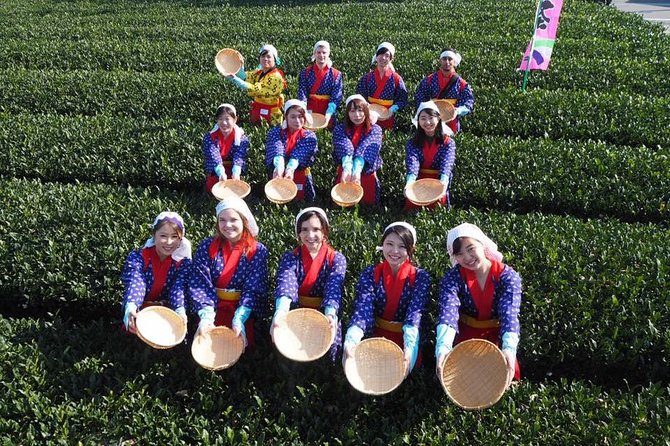
- Sayama tea picking at Miyanoen plantation with a guided, hands-on tea-making focus
- Kawagoe “Little Edo” walking route with Kitain Temple and the warehouse-town vibe
- Candy Alley time (Kashiya Yokochō) for snack-style wandering without rushing
- Train + mini-van included, so you’re not stuck figuring out transfers
- Guides who explain culture clearly (names like Kaori, Rie, and Yumi show up in standout past experiences)
- Private group format while still benefiting from a set itinerary and group discounts
Sayama Green Tea Picking at Miyanoen: What You Actually Do
Sayama is known for green tea, and this tour keeps the experience practical instead of turning it into a photo-only stop. You head to the Miyanoen plantation to pick fresh tea leaves during the seasonal window, which is exactly the kind of activity that helps you understand why Japanese tea tastes the way it does.
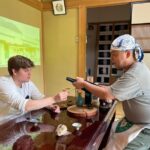
In the best versions of this kind of tour, you don’t just collect leaves—you learn what makes the picking method matter. The tour is designed around that idea, including a tea-focused teaching moment that builds into making your own tea with help from the tea master. That hands-on step is the payoff: you come away knowing what to look for next time you drink tea, not just collecting a souvenir.
Also, you get a costume. It’s not required for the tea itself, but it adds that day-trip feeling of stepping into a tradition for a few hours. It’s especially fun if you’re traveling with kids, since it turns a farm morning into a shared activity rather than a lesson you have to sit through.
You can also read our reviews of more walking tours in Saitama Prefecture

The one thing to keep realistic
Tea picking is seasonal for a reason. The tour runs May through November, and it also depends on weather. If it’s too rainy or unpleasant, the plan can change or the tour can be moved, so keep your schedule flexible if possible.
From Iriso Station to the Farm and On to Kawagoe: A 6-Hour Day Rhythm
This is one of those near-Tokyo tours that works because the transportation is thought through. You meet at Iriso Station in Minamiiriso, Sayama, at 10:00 am, and the day ends back at that same meeting point.
Here’s what’s included to make your life easier:
- A round-trip mini-van between Iriso Station and the Miyano farm
- A one-way train ticket from Iriso Station to Hon-Kawagoe Station
- All fees and taxes
- Costume
- A mobile ticket
- A setup where you’re not sharing the day with strangers; it’s your group only
What’s not included: hotel pickup and drop-off, and you should not expect private taxi/car service inside the package.
That mix matters. Morning train logistics can be the silent killer of day trips. Here, the main pieces are handled—farm transfer by mini-van, then rail into Kawagoe—so you spend your attention on the experience instead of checking timetables every ten minutes.
Why the timing feels right
At around 6 hours, you’ll have time to do both halves without turning into a sprint. Kawagoe old-town walking is not endless, and the tea segment has a natural rhythm. It’s a good length if you want a full day feel without losing your whole afternoon.
Kawagoe Ichibangai Shopping Street: Your First Taste of Old Town Energy
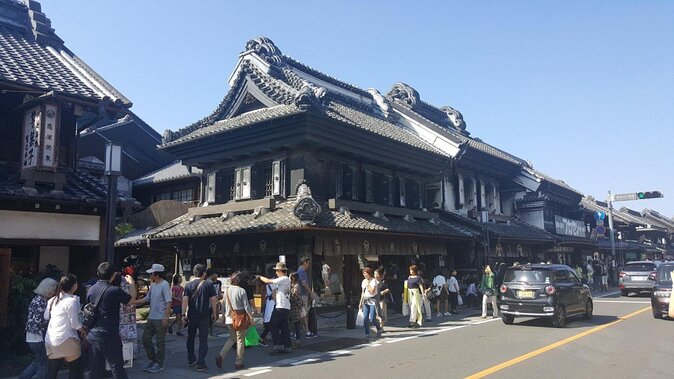
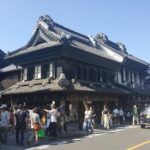
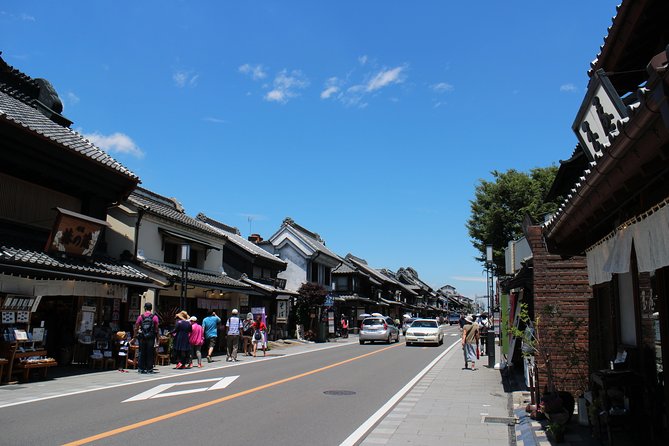
Once you reach Kawagoe, the tour starts at Kawagoe Ichibangai Shopping Street. This is a practical choice for a guided group because it gives you an immediate sense of the town’s street life before you move deeper into temple and warehouse areas.
Think of this as the orientation moment. You get your bearings fast, and you’ll likely learn what to watch for—storefront styles, street layout, and how the historic areas connect. Starting here also helps if you’re traveling with kids or anyone who needs frequent “okay, show me the next thing” momentum.
This portion is also useful for travelers who don’t know Japanese well. The tour format includes time for explanation and cultural context, and past groups specifically noted that the guides made the route workable even when the group was carrying extra challenges (like a baby on board) or didn’t speak much Japanese.

A small reality check
Shopping streets mean people, and people means you’ll walk among normal foot traffic. It’s not a private corridor. If you’re sensitive to crowds, keep your expectations realistic: you’ll be sightseeing in a real town, not a staged set.
Kitain Temple and the Warehouse District: Seeing Edo-Style Architecture Up Close
A major reason Kawagoe gets called Little Edo is the way the town preserves its look. The tour includes Kitain Temple and then continues into the Warehouse District and old lanes where that Edo-period atmosphere is most visible.
This part is where the walk starts to feel like more than sightseeing. Temples and preserved districts work well in a guided format because there’s usually a story behind what you’re looking at—why certain structures survived, how the town grew, and what daily life might have looked like.
In practical terms, this is also the section where you’ll want comfortable shoes. You’re not doing a marathon, but old-town streets can include uneven surfaces and lots of short stops for viewing.
What you’ll get out of the explanation
The strongest experiences here come from the guide’s cultural framing. In past groups, guides like Kaori and Yumi were praised for sharing information about Japanese culture and lifestyle, not just pointing at buildings. That’s exactly what makes a temple visit and warehouse stroll feel meaningful instead of just scenic.
If you’re traveling as a family, this portion tends to do well because it’s visual and story-driven, and kids usually respond well to guided “look at this detail” moments.
Candy Alley (Kashiya Yokochō): Sweet Stops Without Turning It Into a Food Tour

No Kawagoe day feels complete without time in Candy Alley, also known as Kashiya Yokochō. Even if you’re not a hardcore sweets person, this area is a fun way to slow down. You’re walking historic streets, and then you’re surrounded by small shops—easy to browse, easy to pick something familiar, and easy to enjoy in small bites.
The tour’s design keeps this from becoming chaotic. You have a set time block, so you can take photos, check out shop windows, and still keep moving with the group.
How I’d plan your mindset
Treat Candy Alley like an optional snack chapter, not a big meal plan. If you eat lightly before this stop, you’ll enjoy the variety more. If you arrive hungry, you’ll still have options, but you might feel a bit rushed if you try to do too much shopping in one go.
Making Your Own Tea: The Tea Master Moment That Changes the Whole Day
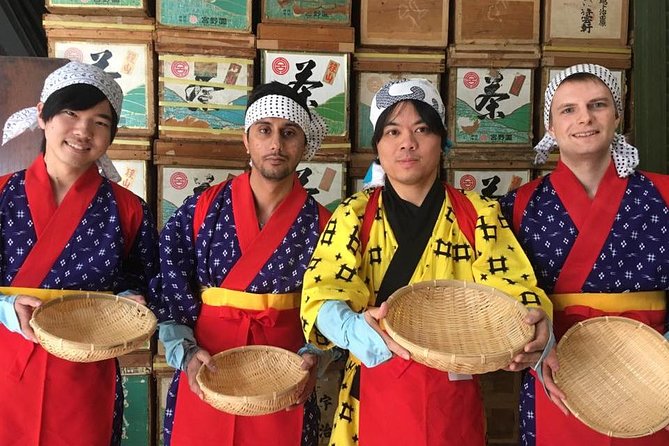
The tea picking segment becomes memorable when it connects to the tea-making process. In past experiences shared by participants, the tea master patiently guided the steps, including making your own tea. That’s the difference between a farm visit and a craft lesson.
This is also where the day’s two halves start to click together. You pick the leaves, you learn what matters, and then you taste the result of your work later that day. Even if you don’t fully understand every term in the tea process, the hands-on steps help you connect the dots.
Guides like Kaori and Yumi were specifically praised for making the cultural side clear—how tea fits into daily life, why certain methods are used, and what questions to ask if you ever visit a tea shop in Japan.
A quick tip for your own comfort
If you’re sensitive to hands-on activities, you can still enjoy it. You’ll be guided through what to do, and the overall format is designed for groups (not expert farmers). Just be honest with yourself about how much farm time you prefer versus how much city time you prefer.
Price and Value: Is $130.06 a Smart Spend?
The tour price is listed at $130.06 per person, and it’s been selling enough that it often gets booked around 18 days in advance. That alone suggests demand, but value comes down to what you’re actually buying.
Here’s the value story in plain terms:
- You’re getting all fees and taxes
- You’re covered for a one-way rail ticket (Iriso to Hon-Kawagoe)
- You get a round-trip mini-van to the Miyano farm area
- You receive a costume
- You’re in a private group setup
- You have a planned day that combines tea + old-town walking without extra “where do we go next?” stress
What’s not included—hotel pickup/drop-off and private vehicle upgrades—are fairly typical for day tours like this. If you’re already near the starting point or can reach Iriso Station easily, you avoid those extra costs.
When the price feels best
This is most “worth it” if you want:
- A structured, guided day with transport handled
- A hands-on activity you can remember (tea picking + tea making)
- Historic sightseeing that doesn’t require deep research
When you might reconsider
If you’re the type who hates fixed schedules, or you want complete freedom to wander without a guide’s pacing, a packaged tour can feel limiting. Also, if weather in your travel window is unpredictable and you can’t move plans around, that seasonal, weather-dependent nature matters.
Who This Tour Suits Best (and Who Might Not)
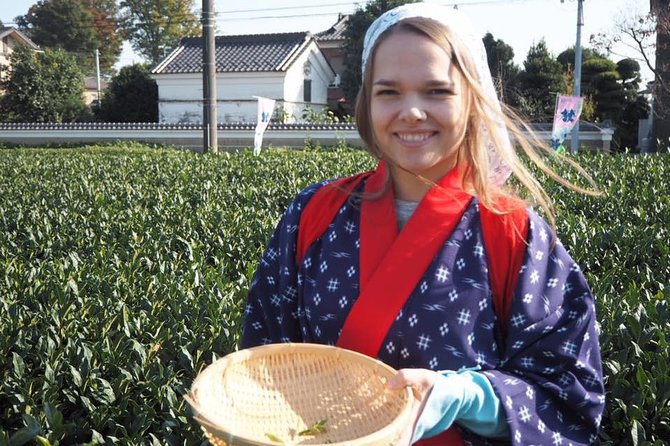
This day tour is a strong fit for:
- People who want a real local activity (picking tea leaves) instead of only museum stops
- Families who like a mix of hands-on learning and visual street sightseeing
- Anyone planning a Tokyo base who wants a calmer change of pace into Saitama’s countryside and historic districts
- Travelers who appreciate guides who explain more than just facts—past groups highlighted how guides made the experience relaxing even with language gaps or a baby in tow
You might hesitate if:
- You’re not comfortable with seasonal weather dependency
- You need hotel pickup (this tour does not provide it)
- You’re hoping for a fully independent itinerary with no set stops
A Few Practical Notes for a Smooth Day
A great way to enjoy this kind of hybrid day is to prepare for both environments: a tea farm and a walking city. Wear shoes that handle uneven sidewalks and keep your day bag simple. You’ll also be helped by the fact that transportation pieces are included, so you can focus on following the group pace.
Finally, timing matters. With a 10:00 am start, you’ll want to arrive early enough to meet calmly. Day trips go best when your first hour doesn’t start with stress.
Should You Book This Sayama Tea Picking + Kawagoe Walk?
If your ideal Japan day includes one memorable hands-on activity and one historic walk where you can actually take in what you’re seeing, this is an easy yes. The tea segment gives you a craft-and-countryside experience, and the Kawagoe half turns it into a complete cultural day—temples, warehouse streets, and Candy Alley at walking speed.
I’d especially recommend it if you’re traveling with kids, want a guide who explains how people live (not just where to stand for photos), or you want a near-Tokyo day trip that feels local without being complicated.
FAQ
What is the duration of the tour?
The tour is approximately 6 hours.
When does the tour start, and where do I meet?
It starts at 10:00 am. The meeting point is Iriso Station (Minamiiriso, Sayama, Saitama 350-1316, Japan).
How does the tour end?
The activity ends back at the meeting point (Iriso Station).
Is hotel pickup included?
No. Hotel pick up and drop off are not included.
Is this a private tour?
Yes. It’s a private tour/activity, so only your group participates.
What transportation is included?
You get a round-trip mini-van between Iriso station and the Miyano farm, plus a one-way train ticket from Iriso station to Hon-Kawagoe station.
Do I get a costume?
Yes. A costume is included.
What stops are included in Kawagoe?
The tour includes Kawagoe Ichibangai Shopping Street, Kitain Temple, and time to explore the Warehouse District and Candy Alley (Kashiya Yokochō).
When is the tour available?
It runs seasonally from May to November.
Is there free cancellation?
Yes. Free cancellation is available up to 24 hours in advance for a full refund. If you cancel less than 24 hours before the start time, the amount paid is not refunded.