REVIEW · TOKYO
Experience a western twist on Japanese sake snacks
Book on Viator →Operated by Shinbashi Tamakiya · Bookable on Viator
One small bite can explain a whole food culture. This private tsukudani tasting at Shinbashi Tamakiya mixes old-school Japanese preserved seafood with modern flavors, all taught in plain language. I like the hands-on pacing and the way the host talks you through how to eat each version, including a shop secret sauce. One drawback to consider: it’s not a light snack—tsukudani is intensely salty and seafood-forward, so it may not be your thing if you avoid that style.
You’ll spend about 1 hour 30 minutes going from the shop and dish background to full-on tasting, with wine or sake pairings included. If you choose the morning slot, you’ll get the brunch-style meal format, and the rest of the menu keeps you moving through different textures and flavors without getting stuck on one idea. The value looks strongest if you want a guided food lesson, not just a self-guided meal.
In This Review
- Key highlights worth showing up for
- Shinbashi Tamakiya and Edo-era comfort food
- The 90-minute flow: from shop history to multiple bites
- The shop and dish background, made practical
- Three signature tsukudani tastings
- Secret sauce moment
- Rice with tsukudani and furikake
- Modern twists: tsukudani with pasta and nuts
- Traditional vs modern tsukudani: what to look for
- Pairings with sake or wine: how the lesson sticks
- The Western twist: rice, furikake, pasta, and nuts
- Price and booking timing: does $36.24 make sense?
- Who should book this private tsukudani tasting?
- Should you book Shinbashi Tamakiya’s tsukudani experience?
- FAQ
- How long is the private tsukudani tasting?
- Where does the experience start?
- Is this experience private?
- What’s included in the price?
- Can I choose a morning or afternoon slot?
- Do I need a mobile ticket?
- Are service animals allowed?
- What if I need to cancel?
Key highlights worth showing up for
- Shinbashi Tamakiya’s shop story starts it off: established in 1782, so the food doesn’t feel like a trend.
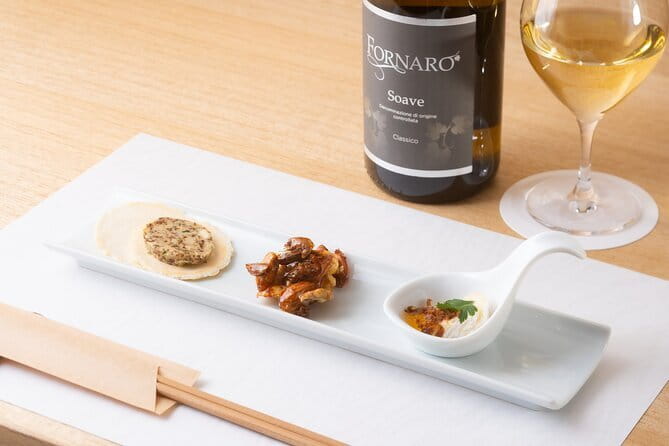
- Traditional and modern tsukudani tasting is the whole point: you sample multiple signature styles rather than one plate.
- Secret sauce + eating tips: you learn the best way to handle the flavors before you judge them.
- Pairings included with your tastings: alcohol pairings come as wine or sake, built into the experience.
- Western-tilted variety shows up on the menu: you’ll also taste tsukudani with rice, furikake, pasta, and nuts.
- Fully personalized private setting: only your group, so questions don’t get rushed.
Shinbashi Tamakiya and Edo-era comfort food
Tsukudani is preserved seafood cooked down with soy sauce and other seasonings until it turns into something portable, shelf-stable, and deeply savory. It traces back to Japan’s Edo period, which helps explain why it’s both practical and emotional food—comfort you can keep.
The best part here is the setting: Shinbashi Tamakiya has been operating since 1782. That date matters because it signals this isn’t a one-off pop-up. You’re tasting from a shop with enough history to have developed its own way of making and serving tsukudani, including a secret sauce you’ll be invited to try.
If you love food traditions but get bored with lectures, this format feels right. You get the background, then you immediately taste your way through it. And if you love Japan’s modern food creativity, you’ll also appreciate the shift toward current versions and even ingredient mashups like pasta and nuts.
You can also read our reviews of more food & drink experiences in Tokyo

The 90-minute flow: from shop history to multiple bites
This is a private experience that runs about 1 hour 30 minutes, and it follows a simple, satisfying rhythm: learn a little, taste a lot, then build a bigger flavor picture.
You start at Shinbashi Tamakiya in Shinbashi (Minato City). The location is near public transportation, which matters in Tokyo where walk time can quietly eat your schedule. You’ll end right back where you began.
From there, expect this sequence:
The shop and dish background, made practical
You’ll hear about the shop’s history and about tsukudani itself—how preserved seafood became a staple and why it still shows up on modern tables. The point isn’t trivia. It’s so your first taste makes sense before you form opinions.
Three signature tsukudani tastings
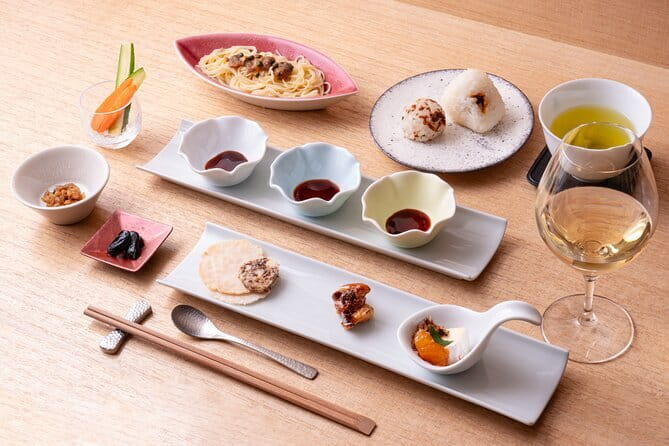
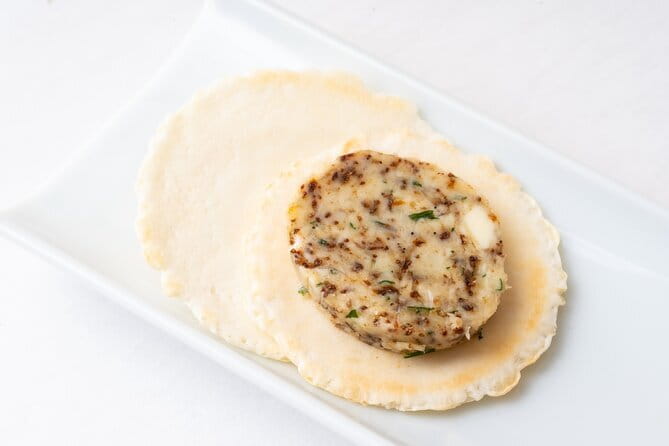
After that intro, you’ll move into the core tasting portion. The experience includes all tsukudani tastings, including three signature versions from the shop. This is where you’ll notice how one preserved base can still produce different profiles depending on technique and ingredients.
Secret sauce moment
You’ll also sample a secret sauce. The important thing is not whether you can guess the ingredients. It’s that you’ll learn how the shop expects you to combine flavors and how that changes the experience. This is a big reason people leave feeling informed instead of just full.
You can also read our reviews of more drinking tours in Tokyo




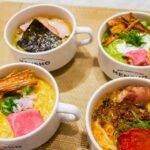
Rice with tsukudani and furikake
Next comes a rice course with tsukudani and furikake seasonings. This step helps you understand the food beyond an appetizer. Tsukudani is often at its best when it meets warm rice and the extra crunch or aroma from furikake.
Modern twists: tsukudani with pasta and nuts
Finally, you’ll taste tsukudani with various ingredients, including pasta and nuts. This is the Western-leaning angle you’re here for. It’s not about turning tsukudani into something unrecognizable—it’s about showing how the salty-savory depth can work across different textures.
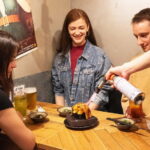
A private format means you can ask questions as you go. That matters with a food like this, where the best way to describe it is usually through tasting notes and comparisons, not through a single sentence.
Traditional vs modern tsukudani: what to look for
Tsukudani can look similar from plate to plate, but the differences usually show up in three areas: intensity, texture, and aroma.
Here’s what I’d pay attention to as you try the traditional and modern versions:
- Salt and sweetness balance: preserved seafood can be salty, but some versions feel more rounded or slightly sweet. If one bite feels sharper, it can help to reset your palate between tastings.
- Texture level: some tsukudani is more sticky or broken down, while others keep a more distinct bite. That changes how it works with rice versus how it works with pasta.
- Aroma style: the seasoning can shift the nose. When you’re offered eating tips and the secret sauce, you’re basically learning how to control the smell and taste in your mouth at the same time.
Because the tour is tasting-focused, you’re not stuck trying to decode flavors on your own. The host’s role is to give you a framework: what to notice, why it matters, and how the different versions connect back to the same preserved idea.
This also makes it more fun for people who think they either like or dislike seafood. Tsukudani isn’t the same experience as fresh fish. It’s a cooked-down comfort food with its own personality.
Pairings with sake or wine: how the lesson sticks
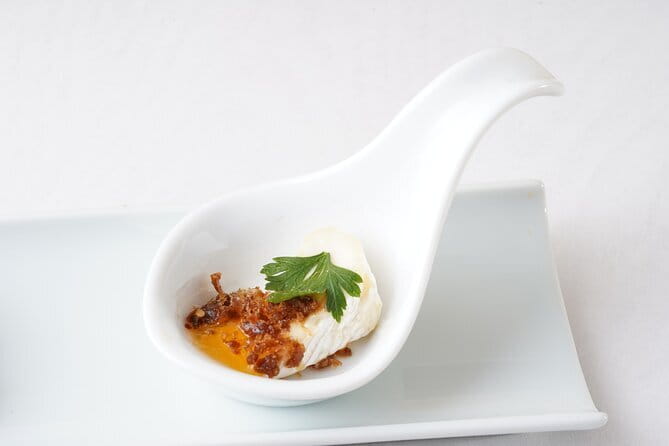
This experience includes wine or sake pairings with your tastings. That’s a smart move, because preserved seafood is strong—so pairing isn’t a “nice extra.” It’s part of what teaches you how the flavors interact.
You’ll be guided through matching the snacks in a way that makes sense for your palate. The experience includes the idea of arranging tsukudani to match wine, and it also includes suggestions for how to eat it during pairings. That combination—tasting plus instruction—is what turns a meal into a usable skill set.
If you’re new to either wine or sake pairings, don’t stress. The goal isn’t to become a critic in 90 minutes. It’s to learn how to approach salt and umami without feeling like you’re drowning in them.
I’d treat pairings like this:
- If the bite feels heavy, a pairing helps reset your mouth.
- If the snack feels salty, the pairing can either soften it or highlight it so you can notice the ingredient differences.
- When you find a pairing that works, remember it. That’s the kind of takeaway you can actually use later at shops and markets around Tokyo.
The Western twist: rice, furikake, pasta, and nuts
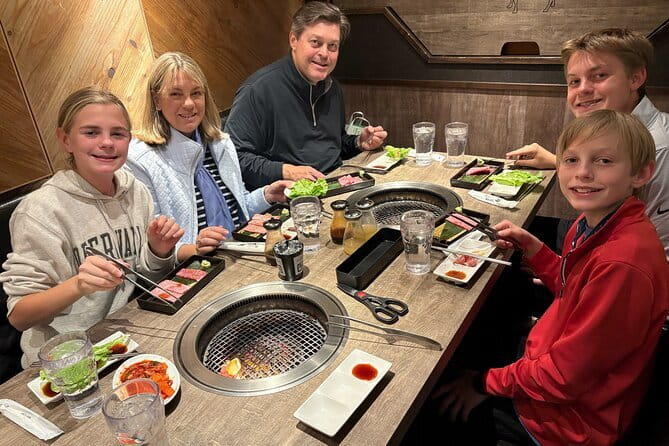
If you came for the phrase western twist on Japanese sake snacks, this is where that promise shows up.
You’ll taste tsukudani in more familiar Japanese format first—especially the rice with tsukudani and furikake. Furikake is key because it brings extra seasoning and aroma that makes the whole bite more layered. Rice also softens the intensity, so you can focus on the seafood-seasoning base rather than just the salt.
Then the tour shifts into “how else can this flavor live?” territory with tsukudani alongside ingredients such as pasta and nuts. Pasta adds a grainy, neutral backdrop that can make the savory flavors feel saucier. Nuts bring crunch and a different kind of fat, which can change the finish of a salty bite.
This isn’t about replacing tradition. It’s about showing range. And if you already like Japan’s fusion food, this final stretch is likely to be the most memorable part of the tasting.
Price and booking timing: does $36.24 make sense?
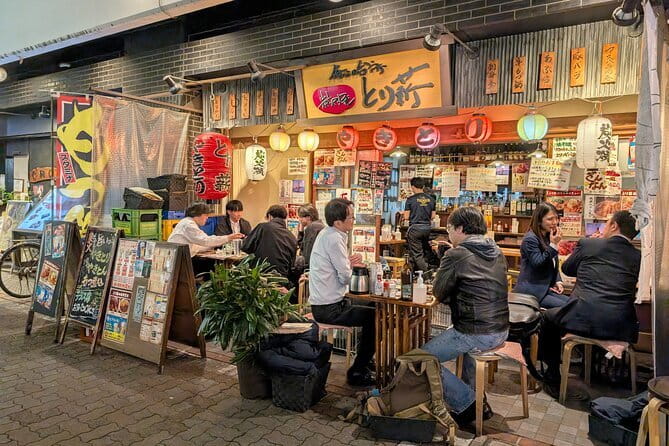
At $36.24 per person for about 1 hour 30 minutes, this price feels reasonable when you break it down.
You’re not just paying for food. You’re paying for:
- multiple tsukudani tastings (including three signature styles),
- alcoholic beverages as pairings (wine or sake),
- brunch-style snacks,
- and a private, guided format with teaching and eating instructions.
In Tokyo, guided food experiences can cost more, especially when alcohol is included. Here, the value lands best if you want structure and explanation, particularly if tsukudani is new to you.
One practical note: the average booking window is about 59 days in advance. That doesn’t mean you must book two months ahead, but it does suggest this experience can fill. If you’re traveling during peak seasons or your schedule is tight, earlier planning is smart.
Who should book this private tsukudani tasting?
This tour fits best if you:
- want a guided introduction to tsukudani rather than trying to figure it out alone,
- like learning how food is eaten, not just what it is,
- enjoy savory snacks and don’t mind strong umami and salt,
- want a private group experience where questions are welcome,
- and you’re curious about a western-leaning angle through pairings and ingredients like pasta and nuts.
You might skip it if:
- seafood flavors in any form are a hard no,
- you don’t want alcohol involved (the experience includes pairings, even though you can still decide what you choose to drink during the meal),
- or you’re looking for a light, casual tasting with no teaching component.
Should you book Shinbashi Tamakiya’s tsukudani experience?
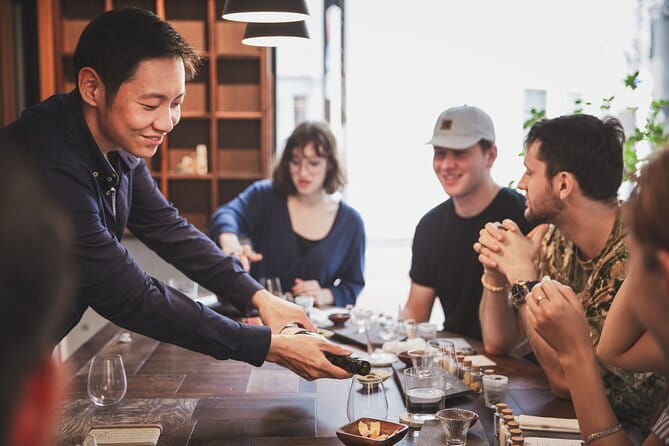
I’d book this if you want a Tokyo food lesson that ends with a full understanding of what tsukudani tastes like in different versions. The strongest reason is the combination: classic shop depth plus modern variety, all taught with a secret sauce and practical eating guidance.
If you’re the type who loves to eat first and ask questions second, the private format makes it easy. You’ll leave with more than memories—you’ll have a sense of how to match salty preserved flavors with drinks and with meals like rice.
If you know you love savory preserved seafood, this is a high-likelihood hit. If you’re unsure, approach it as a guided experiment: taste, learn the method, then decide what you actually like.
FAQ
How long is the private tsukudani tasting?
It lasts about 1 hour 30 minutes.
Where does the experience start?
You meet at Shinbashi Tamakiya, located in Shinbashi, Minato City, Tokyo: 4-chōme254 石田ビル 1階.
Is this experience private?
Yes. It’s a private tour/activity, and only your group participates.
What’s included in the price?
Included are brunch, alcoholic beverages, and snacks. The tasting includes tsukudani tastings and pairings with wine or sake.
Can I choose a morning or afternoon slot?
Yes. You can choose between morning or afternoon tastings to fit your schedule.
Do I need a mobile ticket?
Yes, the tour uses a mobile ticket.
Are service animals allowed?
Yes, service animals are allowed.
What if I need to cancel?
You can cancel up to 24 hours in advance for a full refund.
![[Seasonal Limited] Mt. Fuji 5th Station &Hot Spring Day Tour - Getting Started in Tokyo: Pickup Options and the Bus Reality](https://b.tokyosights.com/wp-content/uploads/seasonal-limited-mt-fuji-5th-station-hot-spring-day-tour-400x225.jpg)