REVIEW · TOKYO
From Tokyo: Fuji Mountain Area – FujiQ – Lake Kawaguchiko – Chureito Pagoda
Book on GetYourGuide →Operated by Tokyo Turismo Ltda · Bookable on GetYourGuide
Fuji day trips succeed or flop on timing, views, and comfort. This one strings together the classic stops for snow-capped Mount Fuji photos, with private transportation so you can move at a human pace. I especially love the framed Fuji views at Oishi Park and the big, postcard panorama from the Chureito Pagoda area.
The main thing to watch is that you’ll likely pay extra for some things once you’re there, like attraction tickets and entrances, depending on what you choose.
In This Review
- Key Highlights You’ll Care About
- Fuji Day Trip Comfort: Why This One Works
- Leaving Tokyo: Private Alphard, Wi‑Fi, and Real Road Time
- Oishi Park: The Fuji Photo That Actually Feels Peaceful
- Lake Kawaguchiko: Reflections, Fresh Air, and Two Ways to See the Water
- Oshino Hakkai: Crystal Springs and a Break from the Rush
- Fujiyoshida Photo Views and Arakawa Sengen Park Lead-In
- Chureito Pagoda at Sunset: The Walk That Makes the Day
- Optional FujiQ Highland: When Your Group Wants Two Vibes
- Price and Value: What $292 Gets You (and What It Doesn’t)
- Best Fit: Who Will Enjoy This Most
- Should You Book This Fuji Day Trip?
- FAQ
- How long is the tour?
- Is pickup and drop-off included in Tokyo?
- Is this a private group?
- What languages are available for the live guide?
- Is Wi‑Fi available during the ride?
- Are attraction tickets included?
- Can I cancel and pay later?
Key Highlights You’ll Care About
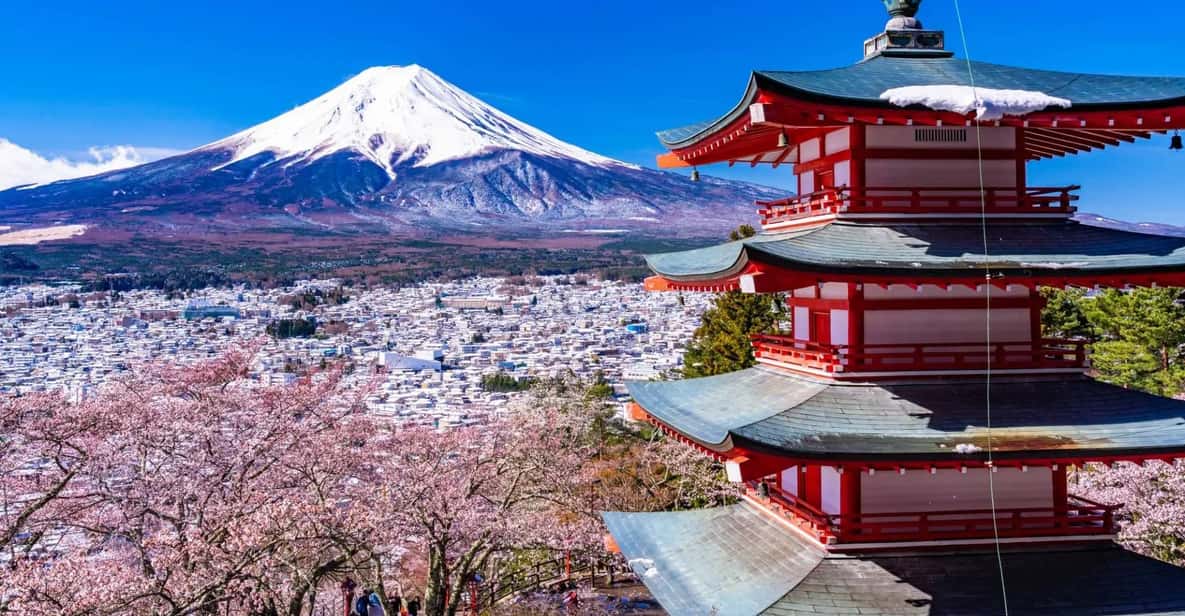
- Oishi Park’s iconic Fuji framing with seasonal flower beds, built for photos and quiet wandering
- Chureito Pagoda panoramic timing, with sunset built into the plan
- Oshino Hakkai’s crystal springs, a calm stop that feels more “old Japan” than “photo zoo”
- Private ride with Wi‑Fi and snacks, so the long road time doesn’t feel miserable
- Optional add-on energy at FujiQ Highland, if your group wants thrills while others keep it relaxed
- Safe Tokyo-to-Fuji drop-off convenience, with return to your hotel or another spot within the Tokyo 23 wards
Fuji Day Trip Comfort: Why This One Works
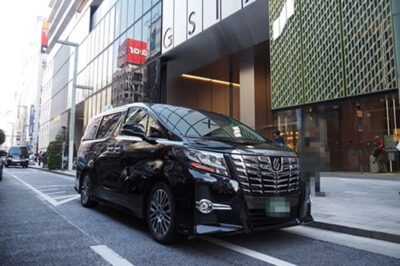
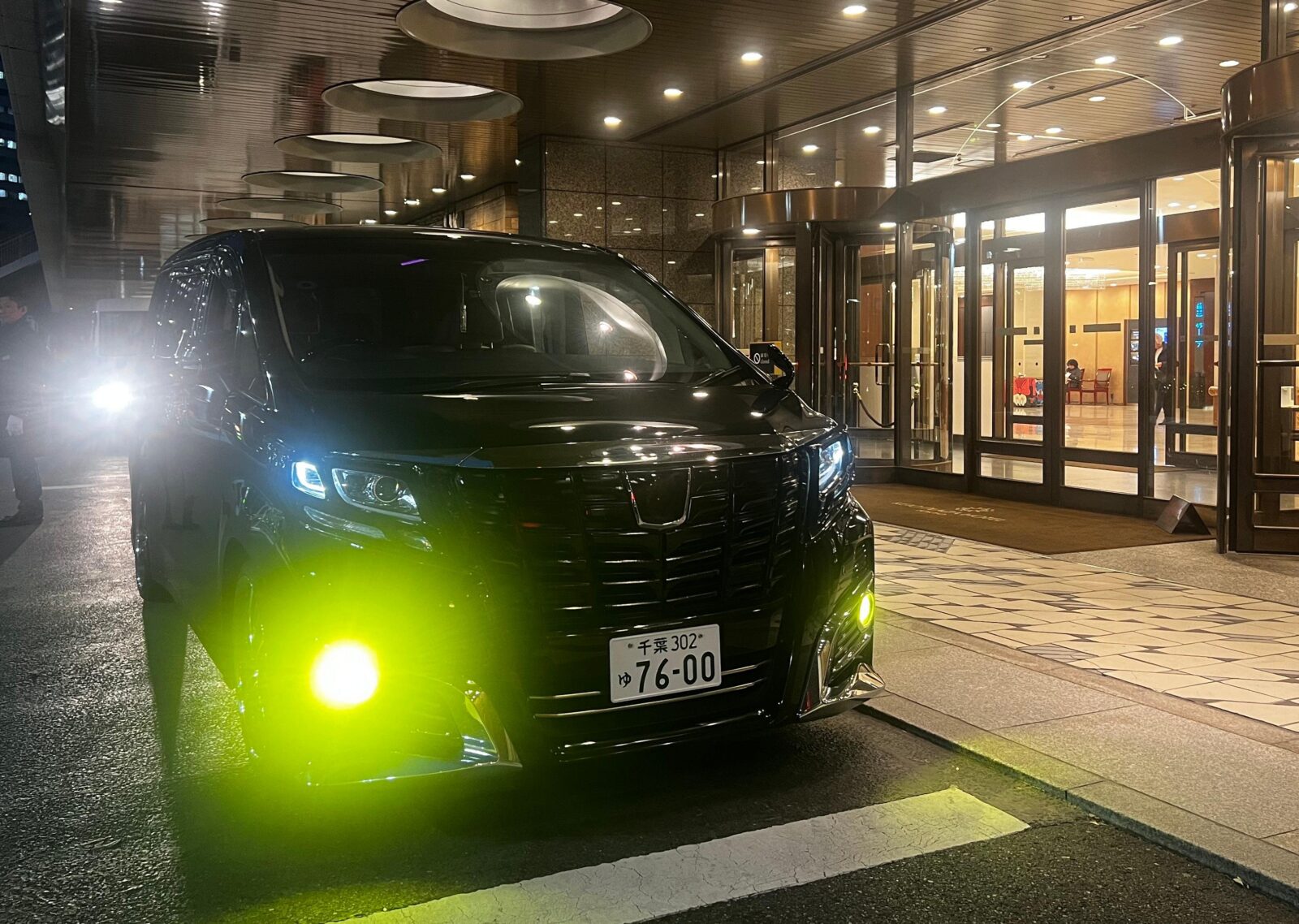
A lot of Mount Fuji “day trips” are really long bus rides with rushed photo stops. This experience is built differently. You get a private group and a high-quality, fully insured vehicle (pickup in a black Toyota Alphard), which matters once you leave Tokyo and the roads get slower.
I like how the day is structured around viewpoints that make sense in sequence: flower framing first, reflections next, clear-spring culture after, and then the classic pagoda panorama at the end. You’ll also have a live guide available in English, Portuguese, Spanish, or Japanese, so you’re not stuck guessing where to stand or what you’re looking at.
The biggest drawback is the classic one: not everything is included once you reach the Fuji area. If you want specific rides at Lake Kawaguchiko or paid entries, bring a little extra cash so the day stays smooth.
You can also read our reviews of more tours and experiences in Tokyo.

Leaving Tokyo: Private Alphard, Wi‑Fi, and Real Road Time
You start with pickup in Tokyo, then you settle in for a drive that takes about 105 minutes before your first Fuji time on the ground. After that, you’re not constantly changing trains or scrambling for connections; you’re in one vehicle.
This is the part I appreciate most when I’m planning a Fuji day. The trip is long enough that comfort counts. You’ll have free Wi‑Fi, plus water, cookies, and special Japanese sweets during the ride. The vehicle also includes all gas and toll costs, which removes a bunch of annoying “small expense” surprises.
In the kind of feedback I’ve seen for this service, punctual pickup and steady driving come up a lot. And on winter days when snow or weather causes road problems, the company has shown it can adjust—one winter situation involving snow in the Fuji region was handled with problem-solving rather than panic. That’s exactly what you want when forecasts turn moody.
Oishi Park: The Fuji Photo That Actually Feels Peaceful
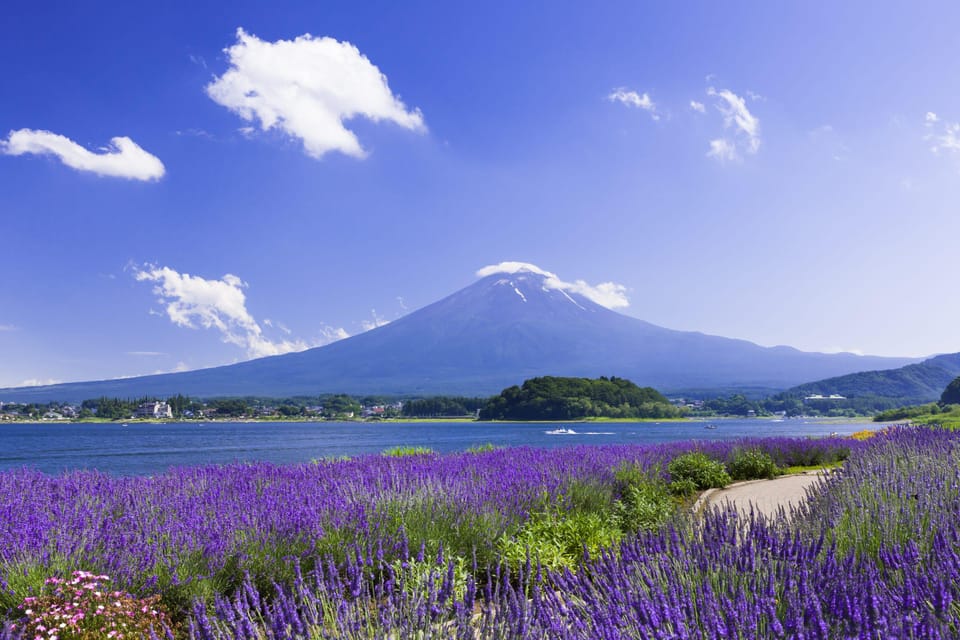
Oishi Park is where the day earns its hype. Expect an iconic Mount Fuji view with snow-capped peaks (when conditions allow) and seasonal flower beds that frame the mountain. The timing here is about giving you enough time to enjoy the place, not just sprint through it.
You’ll get about one hour on the ground, including photo stops, sightseeing, and a walk. This is a good place to slow down for a minute and remember you’re in Japan, not a theme park. People come here for the famous composition, but the best moments are often the quiet ones: standing with your feet in grass, watching clouds shift, and waiting for that clean view when the sky clears.
A practical tip: bring comfortable shoes. Oishi Park isn’t a single flat platform, and the walk time means you’ll appreciate cushioning underfoot.
Lake Kawaguchiko: Reflections, Fresh Air, and Two Ways to See the Water
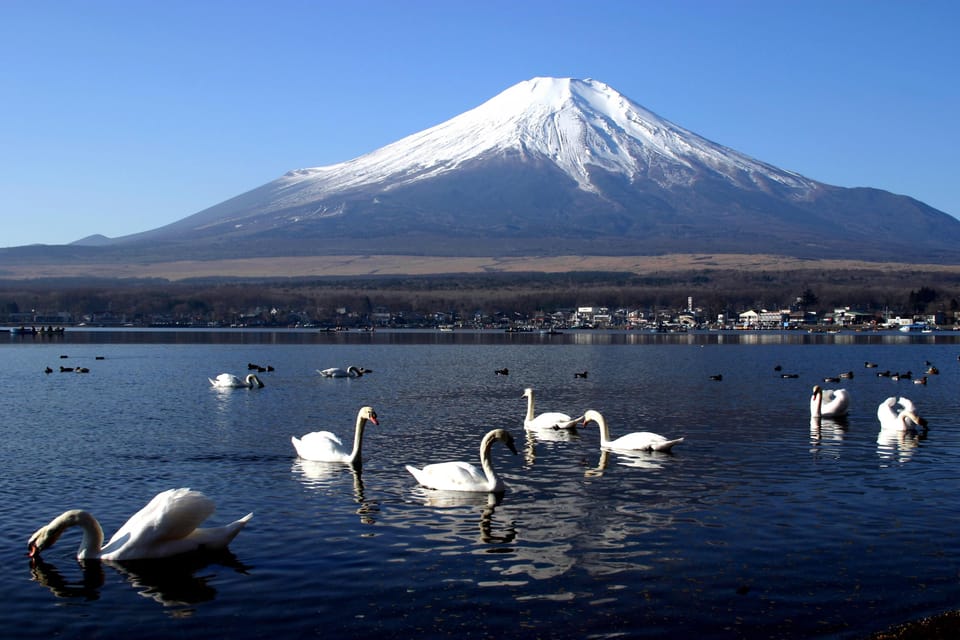
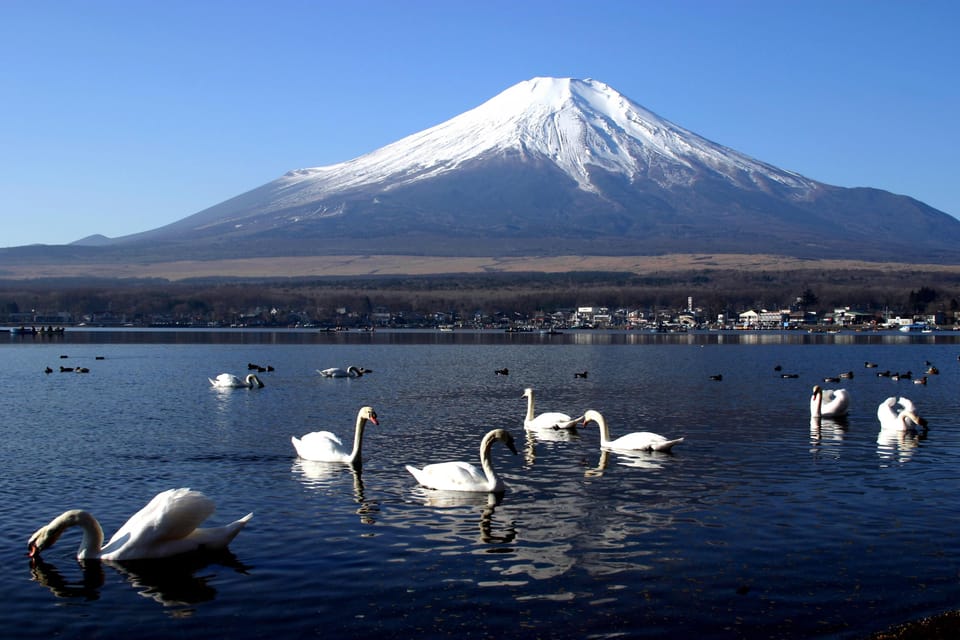
Next up is Lake Kawaguchiko, one of the most scenic lakes in the Fuji Five Lakes region. You’ll get about one hour here to stroll and take in the views across the water, with Mount Fuji often reflected on calm days.
This stop gives you a choice depending on how you want to spend your time:
- You might ride a telephone (as described in the tour options) for a higher perspective.
- Or you can choose an Appare boat trip around the lake.
Those options aren’t listed as included, so think of them as “nice-to-have extras.” If you do add them, plan for a bit less walking time, since they take time away from strolling and stopping for photos.
Why this stop matters: Oishi Park gives you the mountain framed by flowers; Lake Kawaguchiko gives you the mountain framed by water. That contrast is what makes the day feel like more than just repeating the same view.
Oshino Hakkai: Crystal Springs and a Break from the Rush
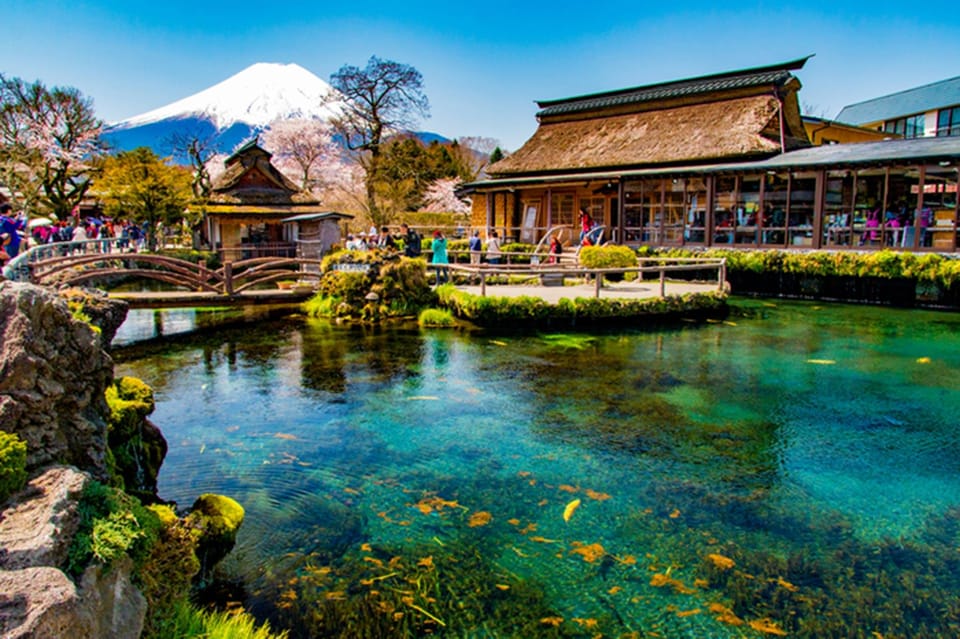
Oshino Hakkai is a different vibe. Instead of chasing the mountain for a photo, you’re stepping into a village known for crystal-clear springs fed by snowmelt from Mount Fuji.
You’ll spend about 1.5 hours here, with time for a guided tour, a photo stop, shopping, sightseeing, and walking. This is one of those stops where the “culture” part isn’t forced. You can take it slow, enjoy the quiet water, and let your brain decompress after the more viewpoint-heavy sections of the day.
The spring-fed ponds mirror the sky in a way that feels calming, especially when you’re hot or tired from walking. Even if you’re not the type to buy souvenirs, the small streets and bridges create an easy walk-and-look route.
One consideration: the day is long overall, so if you’re sensitive to tiredness, pace yourself here. Oshino Hakkai is the perfect place to reset.
Fujiyoshida Photo Views and Arakawa Sengen Park Lead-In
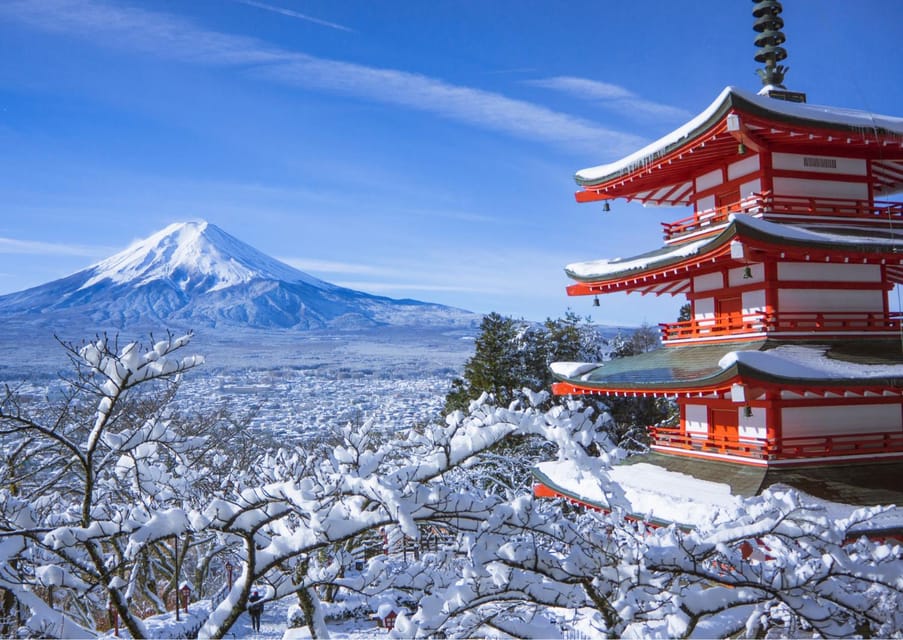
After Oshino Hakkai, there’s a short drive where you’ll have time to pause in Fujiyoshida for photos and sightseeing, plus scenic views on the way. This is typically a transition segment, but it’s still useful.
Why? It helps you break up the ride before the big final-view moment. Also, being able to stop at viewpoint pull-offs on the way can improve your odds of getting a better angle as the light changes.
Right after, the plan brings you to the area that sets up the signature panorama: Arakawa Sengen Park and the nearby Chureito Pagoda view zone. Even though your time there is limited, this staging helps you arrive ready for the golden-hour vibe.
Chureito Pagoda at Sunset: The Walk That Makes the Day
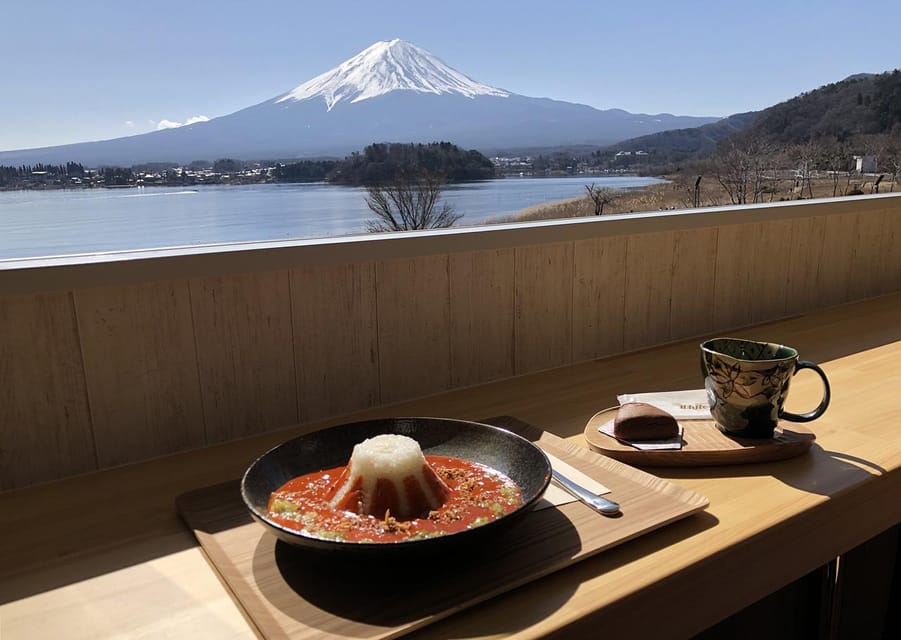
Chureito Pagoda is the finale most people remember. The pagoda itself is iconic, but the real draw is the panoramic Mount Fuji view from the area around it.
You’ll have about 1.5 hours total, including a photo stop, self-guided time, sightseeing, walking, and the plan for sunset. Self-guided matters here. The best angle isn’t always the same for everyone, and you’ll want freedom to step aside for photos, then move again when the light shifts.
Here’s how I’d use the time:
- Start with a quick loop to see where the best view lines up.
- Take photos early so you don’t get stuck when the crowd thickens.
- Then slow down and let sunset do its thing.
If the weather isn’t cooperating, don’t assume the day is ruined. A slightly hazy sky can turn the mountain into a softer, more dramatic silhouette. You won’t get the exact same postcard image as a perfect clear day, but you can still get a memorable moment.
Optional FujiQ Highland: When Your Group Wants Two Vibes
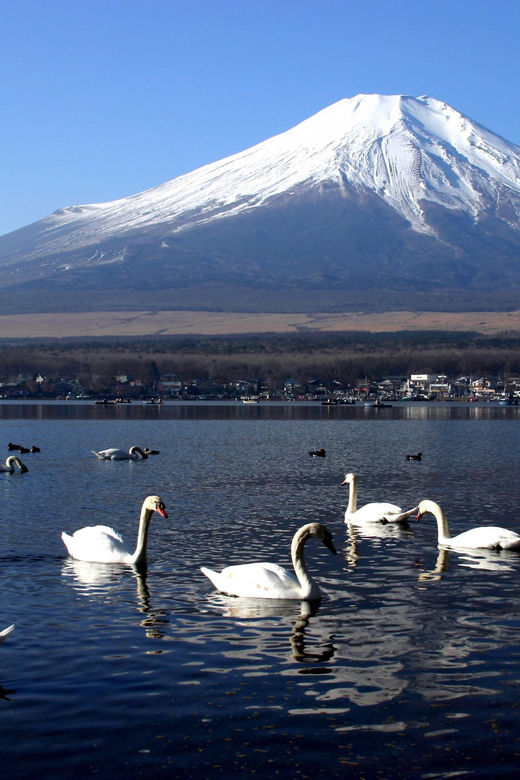
If you have younger travelers—or anyone who just wants to burn off energy—this tour can add FujiQ Highland as an option. The plan allows the group to split into thrill time and sightseeing time, then reunite at the end for the return to Tokyo.
This is a good solution when you have mixed interests. Some people want views and photos. Others want adrenaline. If you try to satisfy both with a single public bus schedule, it turns into chaos. A private format handles it better.
A practical note: since extra activities likely involve tickets, budget for it if you want that add-on.
Price and Value: What $292 Gets You (and What It Doesn’t)
At $292 per person for a ~7-hour private experience, the value isn’t in “seeing more places” on paper. It’s in how the day is delivered.
You’re paying for:
- A private vehicle (not a cramped group bus)
- Pickup and return around Tokyo—drop-off safely to your hotel or another desired place within the Tokyo 23 wards
- Comfort upgrades that matter on a long day: Wi‑Fi, water, cookies, and Japanese sweets
- A live guide in multiple languages
What you’re not paying for:
- Tickets and entrance fees to attractions
- Personal expenses
- Any extra places beyond the main plan
In plain terms: if you plan to do only the included viewpoints and skip paid add-ons, you might feel the price is “mostly logistics + comfort.” If you add the paid rides at Lake Kawaguchiko or decide to do FujiQ Highland, your total spending climbs—but you’re choosing to upgrade the day.
For a Fuji day, I think this pricing makes sense when you want a relaxed pace and fewer headaches. If you’re traveling solo with zero need for comfort, a cheaper public option might fit. But if you care about comfort and smooth navigation, this one is doing its job.
Best Fit: Who Will Enjoy This Most
This tour is a strong fit if you:
- Want a one-day, organized Fuji route without wrestling with transit
- Prefer a private group and door-to-door convenience
- Care about photo spots in a logical order, with time to actually look around
- Would enjoy a language-supported guide in English, Portuguese, Spanish, or Japanese
It may be less ideal if you hate long drives. Even with the comfort, the day includes significant road time. Also, if you want every minute packed with paid attractions, your final spending will depend on what you add since entrance costs aren’t included.
Should You Book This Fuji Day Trip?
I’d book it if you want the classic Fuji highlights—Oishi Park, Lake Kawaguchiko, Oshino Hakkai, and Chureito Pagoda—with a private car and enough time to enjoy each stop. The combination of viewpoint sequencing, private transport comfort, and multilingual guidance is exactly what makes a day trip feel like a real day, not a checklist.
Skip it (or think twice) if you’re extremely budget-driven and determined to avoid any extra paid choices on the ground. The day is built around scenic time, not bargain-only entry costs.
If you’re the kind of traveler who wants a smooth plan and hates stress, this tour is built for you. Just pack comfortable shoes, bring flexibility for weather, and plan to savor the sunset moment at the pagoda—because that’s the payoff.
FAQ
How long is the tour?
It lasts about 7 hours (450 minutes).
Is pickup and drop-off included in Tokyo?
Yes. Pickup is included from your hotel or Airbnb in Tokyo, and you’ll be dropped off safely at your hotel or another desired place within the Tokyo 23 wards.
Is this a private group?
Yes, it’s a private group experience.
What languages are available for the live guide?
The live tour guide is available in English, Portuguese, Spanish, and Japanese.
Is Wi‑Fi available during the ride?
Yes. The car is equipped with free Wi‑Fi, and it also includes water, cookies, and Japanese sweets.
Are attraction tickets included?
No. Tickets and entrance fees to attractions are not included.
Can I cancel and pay later?
You can cancel up to 24 hours in advance for a full refund. You can also reserve now and pay later.