REVIEW · TOKYO
Tokyo Private Local Walking Tour (Must See Places in 1 Day)
Book on GetYourGuide →Operated by Goen Japan · Bookable on GetYourGuide
Tokyo can overwhelm fast. This one-day private walking tour keeps it focused, with an expert-designed route you can shape around your interests. You get pickup from central Tokyo and a plan that strings together big-name sights and local-feeling neighborhoods with a friendly, English-speaking guide like Akari, Yosuke, Yoyo, or Lax.
What I like most is the tailored itinerary approach. The guide works to match your timing and curiosity, so you do not just follow a rigid checklist. And because the tour is private or small-group, you can ask questions in plain English and get answers that make the places click fast.
One thing to think about: hotel pickup is limited to hotels in Tokyo’s 23 wards. If you stay outside that area (like parts of Kanagawa or Chiba) you’ll need to meet at a designated location, and if you book very close to departure the pickup guarantee can change.
In This Review
- Key things that make this Tokyo day feel different
- Why a private, walk-based plan makes Tokyo simpler
- The one-day route: Tsukiji Outer Market to Shinjuku
- Tsukiji Outer Market (about 30 minutes)
- Asakusa (about 30 minutes)
- Sensō-ji Temple (about 30 minutes)
- Akihabara (about 30 minutes)
- Tokyo Imperial Palace (about 30 minutes)
- Meiji Shrine (about 30 minutes)
- Shibuya Crossing (about 30 minutes)
- Shinjuku (about 30 minutes)
- What the guide quality changes in your day (English, flexibility, and real answers)
- Photos and pacing: how to get memories without feeling rushed
- Price and value: what $51 per person really buys
- When this tour is a great fit
- Who might want a different style of tour
- Should you book this Tokyo private local walking tour?
- FAQ
- How long is the Tokyo Private Local Walking Tour?
- Is this tour private or for groups?
- Where does pickup happen?
- What if my hotel is outside the pickup zone?
- Does the tour include food?
- Does the tour include transportation?
- What language is the guide?
Key things that make this Tokyo day feel different
- A route built for your interests, not a fixed script
- High-to-low contrast in one day: Tsukiji noise, shrine calm, Shibuya energy
- Time-saving local guidance at stops that are easy to misunderstand on your own
- English-first explanations from guides like Yosuke and Yoyo
- Photo value included with unlimited edited photos
- Public transport used as needed, while keeping you moving on foot
Why a private, walk-based plan makes Tokyo simpler
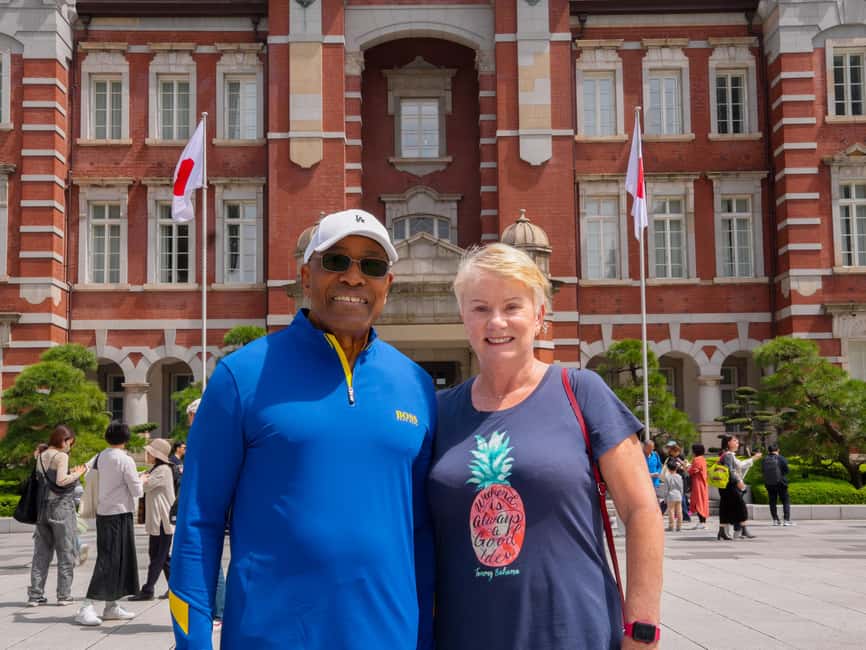
Tokyo rewards people who can read the flow of neighborhoods. If you try to plan everything yourself, you end up zigzagging, missing small-but-important details, or standing around while you figure out what’s where.
A private, local walking tour is a practical fix. Your guide can help you get oriented quickly, then steer you toward the right streets at the right moment. For first-timers, that matters because Tokyo’s “famous sights” are surrounded by small side worlds—markets, side alleys, and street-level daily life—that you feel more when you’re walking.
You also get to control the day. If you’re more into modern culture, you can lean toward Akihabara and the city’s sleek side. If you want tradition, you’ll spend real time around Asakusa and the shrines. It’s still structured, just not stubborn.
You can also read our reviews of more walking tours in Tokyo


The one-day route: Tsukiji Outer Market to Shinjuku
This tour packs a lot into one day, but it’s arranged like a logical storyline. You start with a classic Tokyo food-and-life stop, then shift into temples and historic space, then jump into the electric city blocks of tech and pop culture.
Here’s how the day typically unfolds, and what each stop is good for.
Tsukiji Outer Market (about 30 minutes)
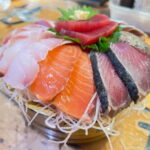
Tsukiji Outer Market is a great first stop because it sets the Tokyo tone instantly: busy, snackable, and full of small food counters. Even if you do not know what half the items are, that’s part of the fun—your guide can translate the vibe and help you choose what’s worth trying.
This is also where the tour’s “local” angle shows up. The market works best when you know how to move through it without bottlenecks. With a guide, you spend less time searching and more time sampling and people-watching.
One practical note: food and drinks are not included, so think of this as a chance to taste at your own pace rather than a full meal.
Asakusa (about 30 minutes)
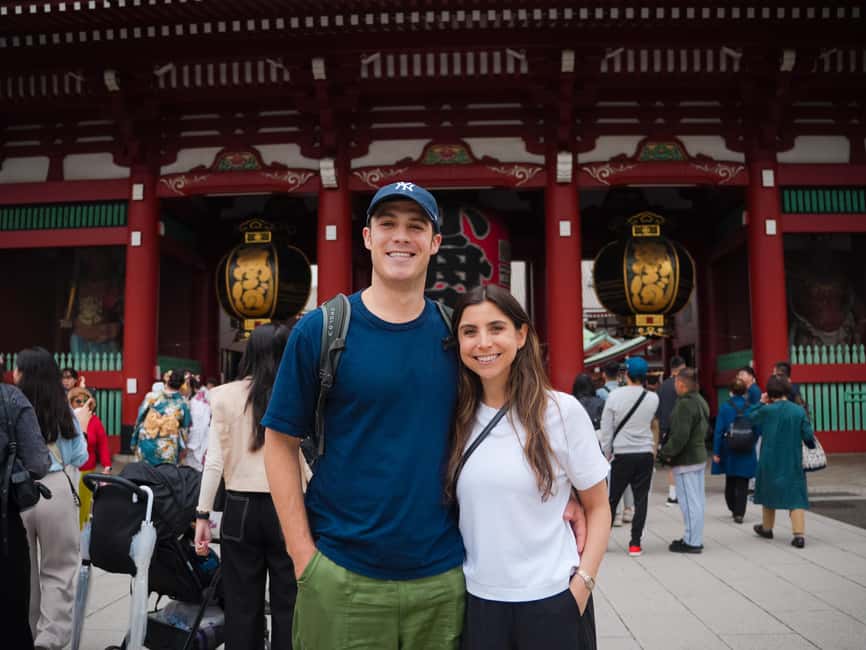
Asakusa is where Tokyo slows down enough to feel old-school. It’s a neighborhood that rewards walking—especially if you like street scenes, souvenir streets, and photo angles that show Tokyo’s layered past.
If you tend to rush through famous temples, this part helps you reset. Your guide can point out what to notice, like how the street layout funnels you toward the big religious center.
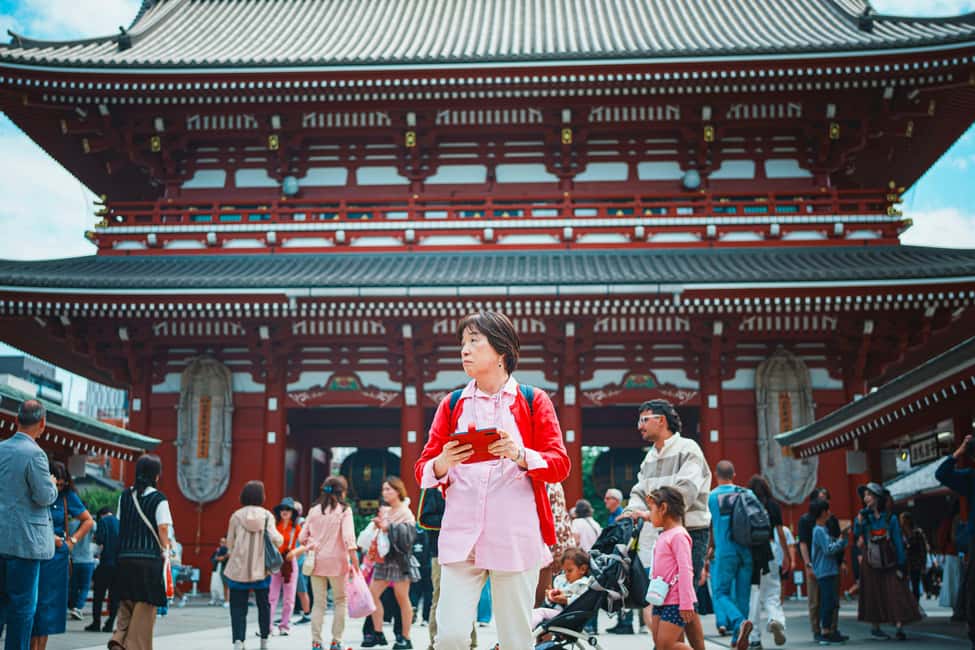
Sensō-ji Temple (about 30 minutes)
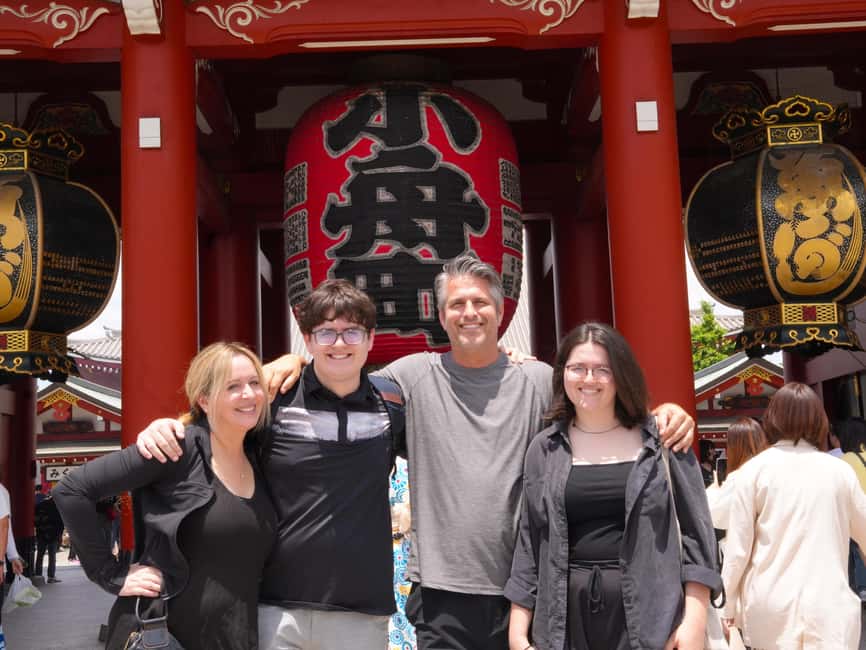
Sensō-ji is a headline sight, but it’s also a living place. Expect a strong sense of ceremony and foot traffic, plus that classic Asakusa atmosphere where you can see locals and visitors moving through the same pathways.
A highlight that came up in guide experiences: groups really enjoyed the chance to see a Buddhist ceremony while at the temple. It’s not something you can treat like a guaranteed show, but it shows why going with a guide can be better than just walking in and out.
If you’re there for photos, plan for steady lighting and crowd flow. Thirty minutes is not long, so it helps to have someone help you prioritize the best viewing angles.
You can also read our reviews of more private tours in Tokyo


Akihabara (about 30 minutes)
Then comes the modern turn: Akihabara. This is Tokyo’s pop-culture engine—electronics, anime, gaming, and all the specialty shops in between.
Thirty minutes here is a “hit the most interesting streets, not every store” kind of stop. If you tell your guide what you like—games, model kits, gadgets, or anime style—they can route you through the shops that match your taste. You’ll likely get more real value than wandering aimlessly, because Akihabara can be overwhelming in minutes.
In one experience, the guide also helped with ticket buying for something along the way, which is the kind of practical support that saves time and hassle in Tokyo.
Tokyo Imperial Palace (about 30 minutes)
The Imperial Palace area gives you a totally different mood from Akihabara. It’s calmer, more formal, and a reminder that “modern Tokyo” sits on top of history.
This stop is less about buying things and more about reading the space. Even with limited time, you get a sense of the scale and how the city’s geography frames the historic core.
If you want context, this is one of the best places to ask questions. A good guide can connect what you’re seeing to how Tokyo grew into what it is today.
Meiji Shrine (about 30 minutes)
Meiji Shrine is the breather stop. The shift from city noise to shrine grounds is dramatic in the best way. It’s a place to slow your pace and pay attention to details like pathways, signage, and the way people move through the space.
Your guide can also help interpret what you’re looking at so you do not just feel like you’re passing through decorations. It’s one of those Tokyo moments where a short visit can still feel meaningful if someone points you in the right direction.
Shibuya Crossing (about 30 minutes)
Shibuya Crossing is famous for a reason: it’s Tokyo’s real-time energy. Even if you’ve seen it online, standing there is different. This is where Tokyo feels like it’s moving at a hundred tiny angles at once.
Your guide can help you avoid the classic rookie mistake—staying in the wrong spot when the crowd flow changes. Thirty minutes works best if you want the crossing experience plus quick surrounding street views rather than trying to do everything nearby.
Shinjuku (about 30 minutes)
Ending in Shinjuku gives you a satisfying finale. It’s one of Tokyo’s biggest “night-and-neon” zones, but it’s also a practical transportation hub and a great place to feel the scale of the city.
Think of this stop as your launchpad for your next plans. If you want dinner afterward, you’ll be positioned well for exploring. If you just want photos and atmosphere, Shinjuku delivers that too.
What the guide quality changes in your day (English, flexibility, and real answers)
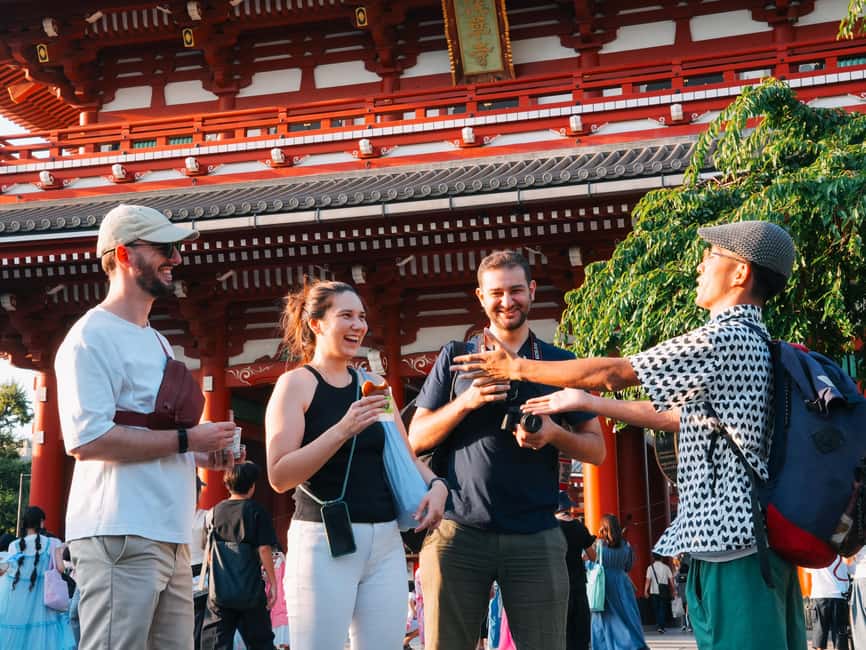
In Tokyo, the difference between a good day and a great day is often the person holding the map. The guides linked to this experience—like Akari, Yosuke, Yoyo, and Lax—come through strongly in reviews for a simple reason: they answer questions and adapt.
I like that you can ask about history, culture, daily life, or even how locals think about something you’re noticing. That turns “I saw a shrine” into “I understand what I just saw.”
Flexibility matters too. A private walking tour is not stuck on a rigid path. If you want more time in a certain kind of street scene or you want to skip something and see another side of the city, the guide can adjust on the move.
This is especially useful when you’re juggling jet lag. Tokyo has tons of routes, but your energy level is not infinite. A guide can keep the day moving without pushing you into burnout.
Photos and pacing: how to get memories without feeling rushed
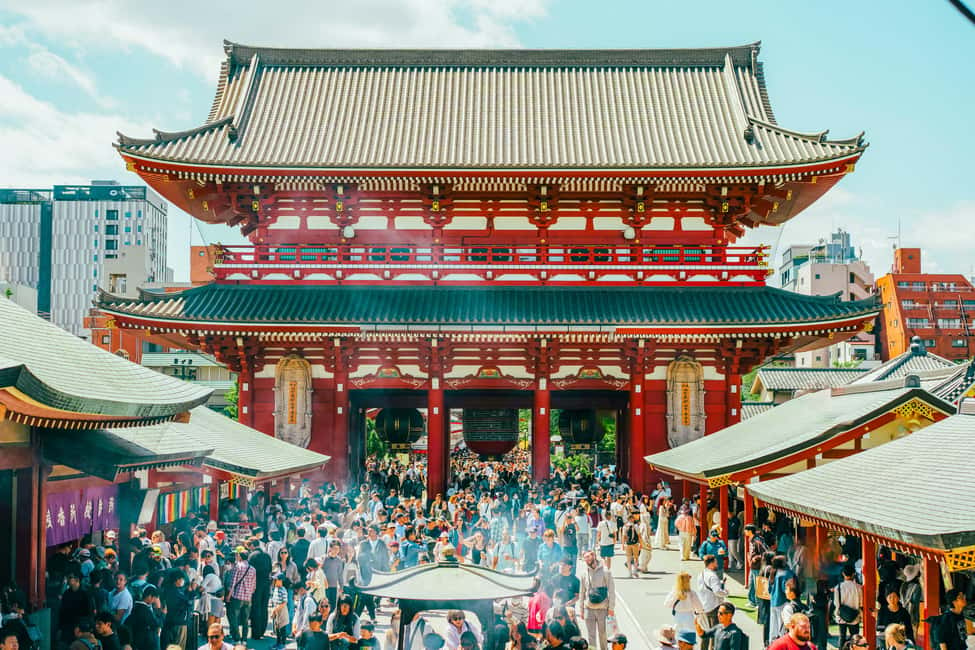
Unlimited edited photos are included, which is a rare value-add for a walking tour. It means you’re not stuck asking strangers to take your picture, and you’re not forced to play camera manager all day.
Now the pacing reality check: the tour is built around short visits at each highlight. Each stop is about 30 minutes, so the structure favors variety over deep specialization.
That’s not a problem if you want to see Tokyo’s big range in one day. It’s a problem if you want to slow down and become an expert on one area. Think of this tour as your “Tokyo greatest-hits overview” that helps you decide what to return to later.
Price and value: what $51 per person really buys
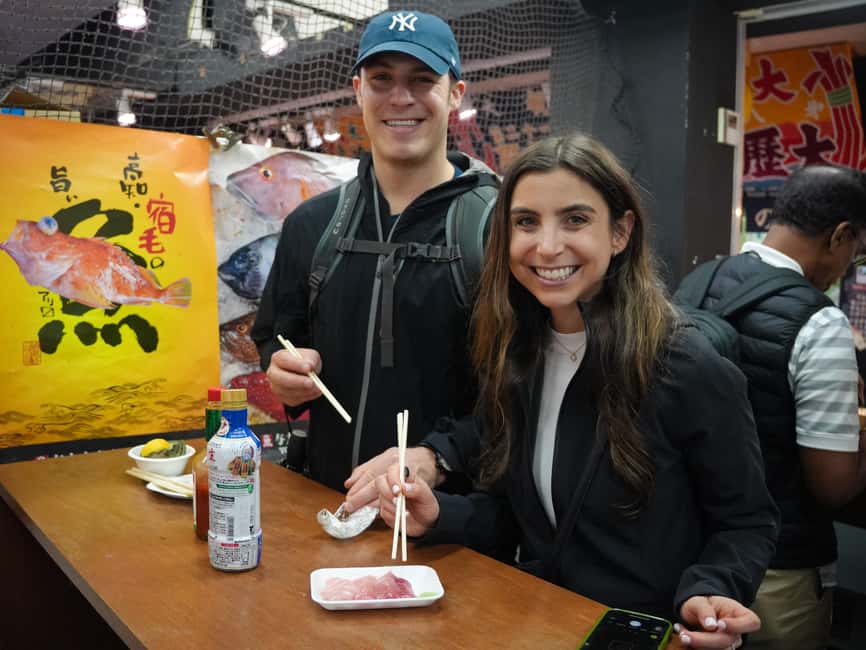
At $51 per person, this feels like a solid deal for a private day with an English guide, pickup in central Tokyo, and a long list of major stops. You’re paying for guidance and time efficiency as much as you’re paying for sightseeing.
Here’s what you get for that price:
- Private and personalized experience
- A walking tour with public transport support
- Unlimited edited photos
- A guide who helps you move through places that are easy to misread when you’re on your own
What you do not get:
- Food and drinks
- Transportation fee (you may still use public transport, but fares aren’t included)
So the “true cost” depends on how much you snack and how you handle transit fares. Still, the structure is built to reduce wasted time, which is the one expense Tokyo tends to charge you for the hardest: your attention.
When this tour is a great fit
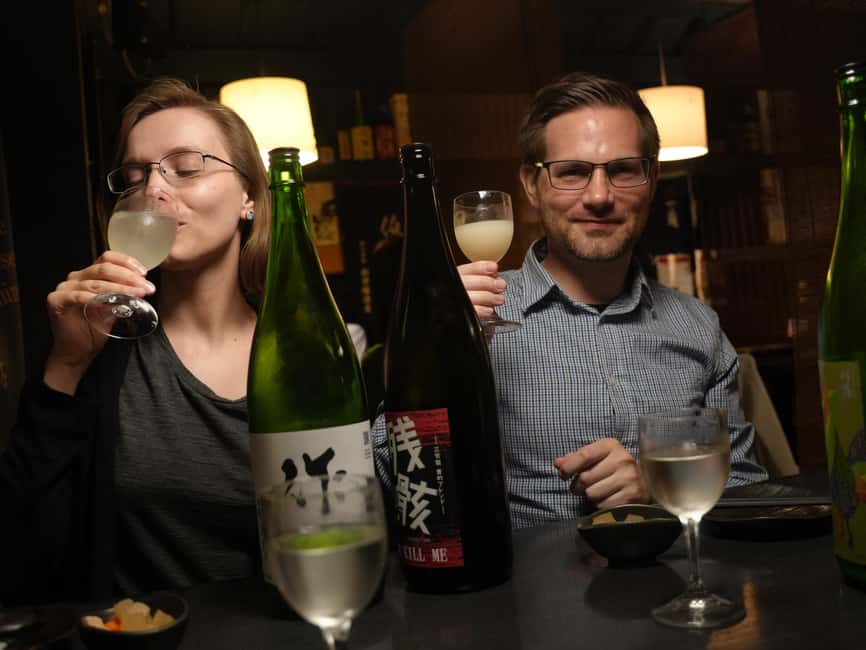
This tour is a great match if you:
- Are in Tokyo for a short time and want an organized day
- Like a mix of traditional and modern Tokyo rather than one theme
- Want someone to translate context while you walk
- Prefer small-group or private pacing over crowds and tours that move too fast
It’s also ideal for solo travelers who want a local voice and quick answers. But couples and families do well too, especially when they can steer where the day goes.
Who might want a different style of tour
If you want:
- Long stays at fewer locations
- Museum-heavy time or deep workshop experiences
- A fully food-focused day where most meals are included
…then this one-day highlight tour may feel too “fast and varied.” In that case, you might want a more specialized day tour that matches your exact interests.
Also, if your hotel is outside Tokyo’s 23 wards, you should plan for a meeting point instead of hotel pickup. That’s not a deal-breaker, but it matters for your first morning logistics.
Should you book this Tokyo private local walking tour?
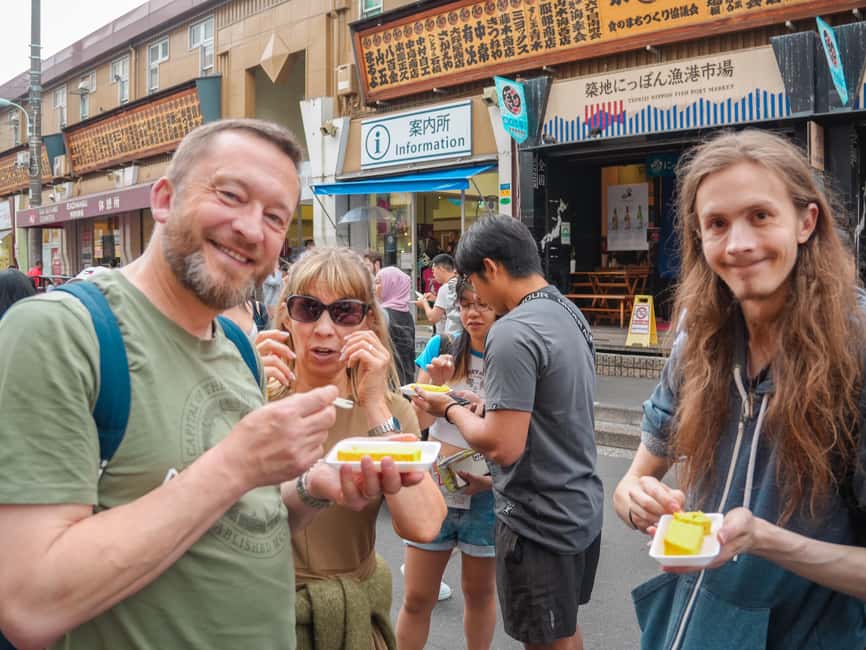
If you want a smart first day in Tokyo, this is an easy yes. The biggest strength is how it balances major sights with a guide who can explain and adjust. You’ll cover Tokyo’s spectrum—from Tsukiji market life to shrine quiet, from Akihabara pop culture to Shibuya and Shinjuku momentum—without getting lost in planning.
Book it if your goal is seeing the highlights and learning how Tokyo works so you can plan the rest of your trip with confidence. Skip it if you want slow travel or if you’d rather spend your day in one neighborhood with deeper depth.
If you do book, your best move is simple: tell your guide what you care about most on day one—food, temples, tech culture, or photography. With a private route, you’ll usually get a much better day out of that information.
FAQ
How long is the Tokyo Private Local Walking Tour?
The duration is listed as 2 to 8 hours, depending on availability and starting times.
Is this tour private or for groups?
It’s available as a private or small-group experience.
Where does pickup happen?
Pickup is included for hotels in central Tokyo within Tokyo’s 23 wards. Pickup is not available for hotels in Chiba or Kanagawa (for example, Maihama or Yokohama), and not from airports or ports.
What if my hotel is outside the pickup zone?
If you stay outside Tokyo, you’ll need to go to a designated meeting point instead of pickup.
Does the tour include food?
Food and drinks are not included.
Does the tour include transportation?
The tour includes a walking tour with public transport, but transportation fee is not included.
What language is the guide?
The live tour guide is available in English.