REVIEW · TOKYO
From Osaka: Kyoto & Nara Highlights Day Tour (7 attractions)
Book on GetYourGuide →Operated by JTOURSTORY · Bookable on GetYourGuide
Seven shrines, one long day. From Osaka, this tour strings together Fushimi Inari torii gates and Kiyomizu-dera panoramic viewpoints with the kind of fast-and-famous stops that still feel meaningful when you’re with a guide.
I especially love the easy start at Nara Park, where you can watch the deer roam and even get close enough to feed them. Guides like Jeon and Jo can also translate the why behind what you’re seeing, and they tend to adjust for slower walkers, so the day feels kinder than you’d expect—though it can still feel like a marathon if you want extra time inside each crowded temple.
In This Review
- Key things to know before you go
- From Osaka to Kyoto and Nara in One Shot
- Nara Park Deer Time: Friendly Animals and Easy First Photos
- Todaiji Temple and the Great Buddha Hall: Big Size, Clear Purpose
- Kasugataisha Lantern Paths: A Calmer Walk Through Shinto Detail
- Byodoin Temple and Uji Omotesando: The 10-Yen Moment Plus Matcha Break
- Fushimi Inari Taisha Torii Tunnels: Walk the Gates, Control Your Pace
- Kiyomizu-dera End-Point: The Wooden Stage and Kyoto Views
- The Guides Make or Break It: What You’ll Feel in the Day
- Crowds, Timing, and Why the Day Can Feel Fast
- Transportation and Logistics: What Is Included, What Isn’t
- Price and Value Check: Is $53 a Smart Deal?
- Best Fit: Who Should Choose This Tour
- Should You Book This Tour?
- FAQ
- Where is the meeting point, and when does the tour depart?
- What does the tour include, and what does it not include?
- Which languages are available for the guide?
- Is lunch included?
- Is the tour stroller-friendly or wheelchair-accessible?
- What should I know about infants and seats?
Key things to know before you go

- A 7-stop hit list that covers Nara, Uji, and Kyoto in one smooth day from Osaka
- Nara deer time first, so you’re not rushing the moment you arrive
- Kasugataisha lantern paths give you a calmer walking rhythm than the big crowds
- Uji is built in for lunch on your own plus matcha snacks along Omotesando
- Fushimi Inari torii gates are the main stair-step climb, so wear solid shoes
- Kiyomizu-dera ends the day with a wooden viewing stage over Kyoto
From Osaka to Kyoto and Nara in One Shot
This is a practical day trip when you want the highlights without spending your whole vacation figuring out trains, transfers, and timing. You start early from in front of Tsurutontan Soemoncho (meet by 7:50 AM, depart 8:00 AM) and you end back where you started. That matters if you’re staying in Osaka and don’t want to waste half a day just getting to the right areas.
The tour runs by minivan/vehicle (small-group style), and that tends to make the day feel less chaotic than big bus tours. You get a guide who can explain what you’re looking at in English or Korean, and that turns a checklist of famous places into something you can actually read as you walk.
One more real-world point: the schedule may shift due to traffic and weather, and the vehicle can’t run more than 10 hours under Japanese vehicle rules. So you should expect the tour to be flexible. If a stop gets too crowded, the guide may adjust pacing rather than letting everyone fall behind.
You can also read our reviews of more tours and experiences in Tokyo.


Nara Park Deer Time: Friendly Animals and Easy First Photos
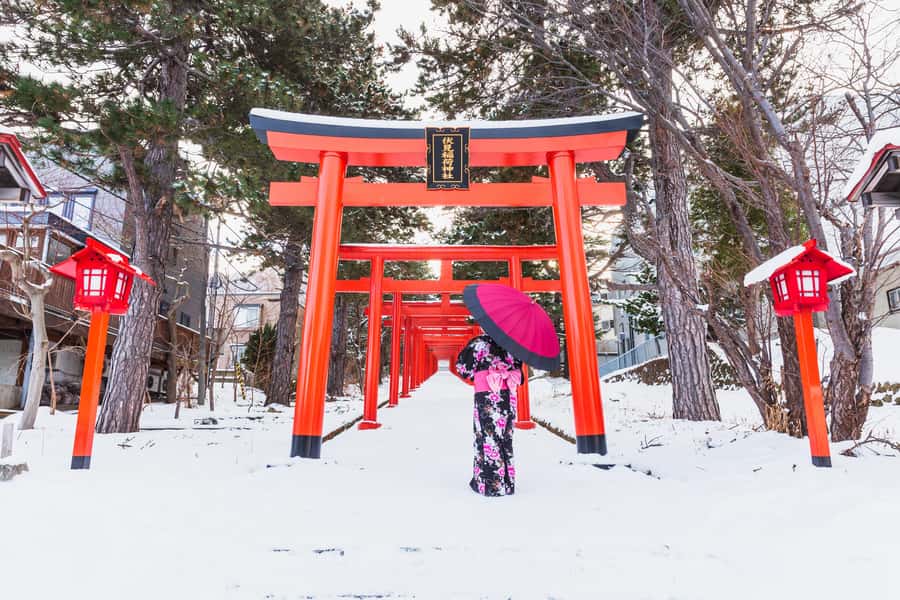
Nara Park is a great opener because it doesn’t require you to “perform” historically right away. Before temples and statues, you get a relaxed-feeling place where the attention is on something simple: the deer. They roam freely, and you can interact with them—this is one of the moments you’ll remember even after you forget the exact year a temple was founded.
What to watch for:
- Keep your expectations grounded. This is a public park with animals wandering everywhere, not a zoo experience.
- Take your time for photos early. Later in the day, you’ll be walking longer and waiting less.
This first stop also sets the tone for the rest of the day. You’re not just marching from one ticket line to the next—you’re easing into Nara’s spirit before stepping into major religious sites.
Todaiji Temple and the Great Buddha Hall: Big Size, Clear Purpose
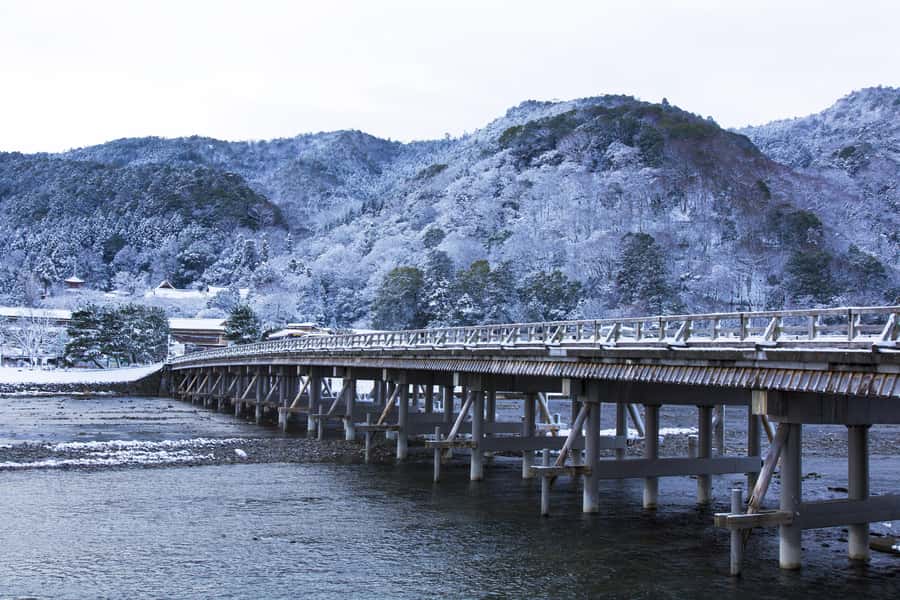
Next comes Todaiji Temple, home to the Great Buddha inside a massive wooden hall. The scale is the point here. Even if you don’t know every detail, you can feel what the place is meant to do: impress you and slow you down just enough to notice how monumental craftsmanship can be.
A guide helps a lot at this stop. You’ll get context for what you’re seeing—why this bronze statue matters, and how the hall works as a space for worship. That kind of explanation isn’t just trivia. It helps you interpret the details you’ll otherwise miss when the crowd starts to move.
Practical tip: the hall and surrounding areas can get busy. If you’re hoping for a super unhurried visit, you may not get it. Still, this is the kind of stop where even a shorter visit tends to leave a strong impression because the main thing is impossible to miss.
Kasugataisha Lantern Paths: A Calmer Walk Through Shinto Detail
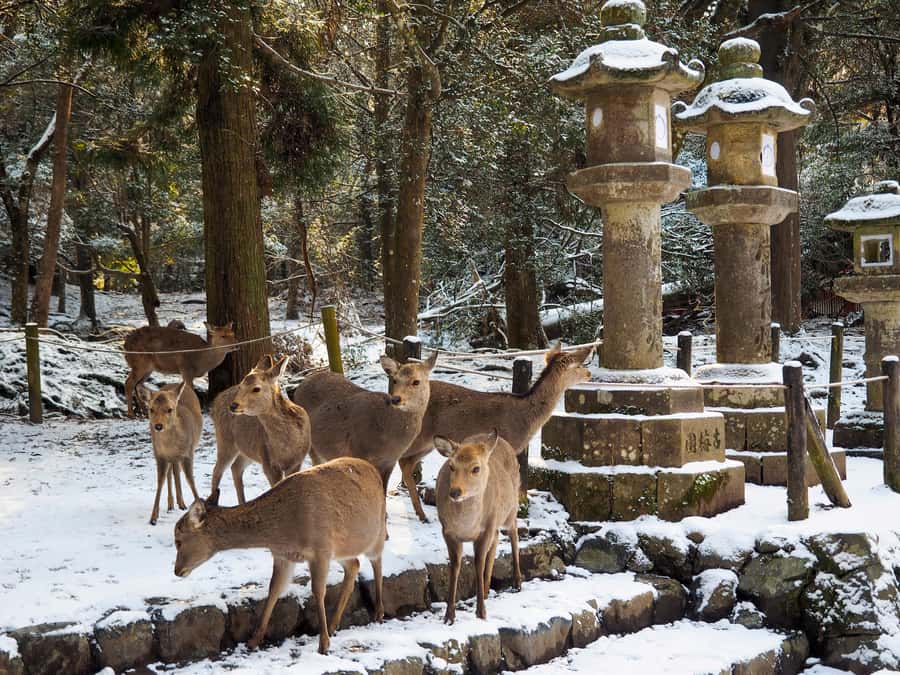
Kasugataisha Shrine shifts the mood from “giant hall” to “gentle procession.” It’s known for stone and bronze lanterns along the approaches and pathways. Instead of one huge landmark, you’re walking through many smaller focal points, which makes the experience feel more personal.
This is one of the stops where I think a guide makes the difference. You’ll get help connecting the visuals—those lantern-lined paths—to the shrine’s spiritual heritage. It also gives you a nice break from the more intense crowds you’ll face at Fushimi Inari and the busier parts of Kyoto later.
If you want something you can photograph without constantly turning around, Kasugataisha is a good bet. The walking rhythm is steadier, and the lantern setting gives you angles that look good even when the light is flat or overcast.
Byodoin Temple and Uji Omotesando: The 10-Yen Moment Plus Matcha Break
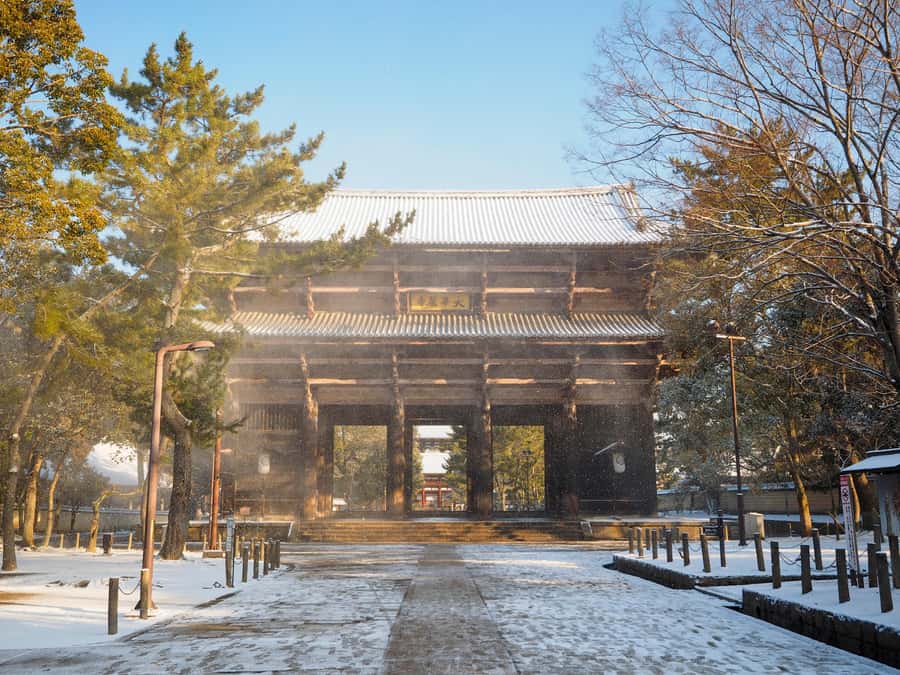
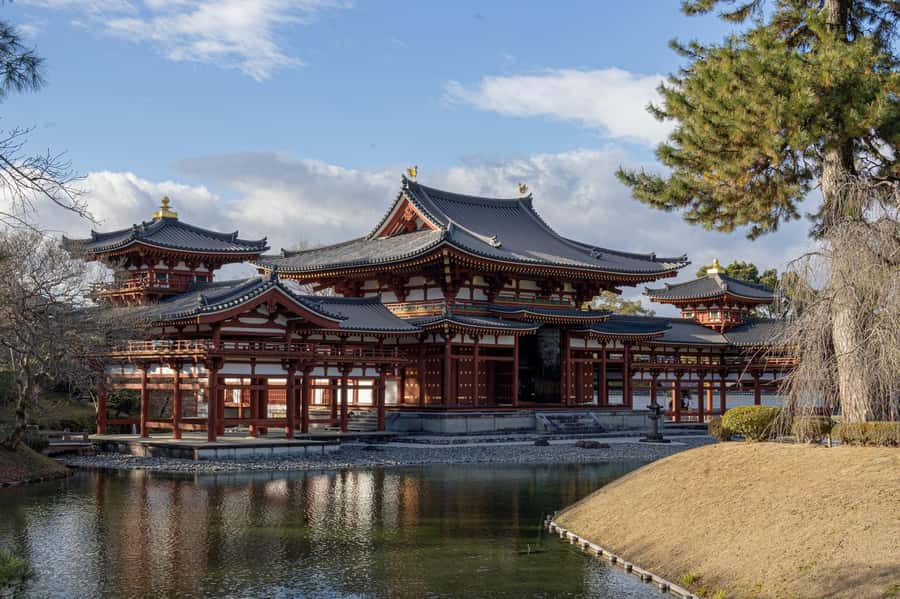
Midday brings you to Byodoin Temple, famous for the Phoenix Hall—the one associated with the look of Japan’s 10-yen coin. Even if you’ve seen the image before, seeing it in person lands differently. The hall’s relationship to its pond views is part of the magic, and this is a stop where timing and reflections can really affect what you notice.
After Byodoin, you head toward Uji Omotesando, a traditional street lined with tea houses. Lunch is not included, so you’re free to choose. This is where Uji’s matcha snacks and desserts come in handy: you can refuel without derailing the tour.
A nice strategy here: pick one matcha thing you’re sure you’ll enjoy (like a drink or sweet), then save your appetite for dinner back in Osaka. That way you don’t end up grazing on small bites all day and then feeling too full to enjoy the last temple.


Fushimi Inari Taisha Torii Tunnels: Walk the Gates, Control Your Pace
Then you get to the star attraction for many people: Fushimi Inari Taisha and its thousands of vermillion torii gates. Walking through the torii tunnel gives you that classic “how is this real” effect. The gates create a repeating pattern up Mount Inari, and as you move, the walkway feels like it changes shape around you.
This is also the part of the day where pace matters most. You’ll want good shoes and a plan for how far you want to go. The tour experience focuses on the highlight walk, but you still may notice that crowds can compress your movement and limit how long you can linger at any single view.
Here’s my advice: if you’re the type who wants to pause for every shrine plaque or photo spot, you might feel rushed. If you can accept that you’re doing the main route and keeping your momentum, this stop delivers big.
Kiyomizu-dera End-Point: The Wooden Stage and Kyoto Views
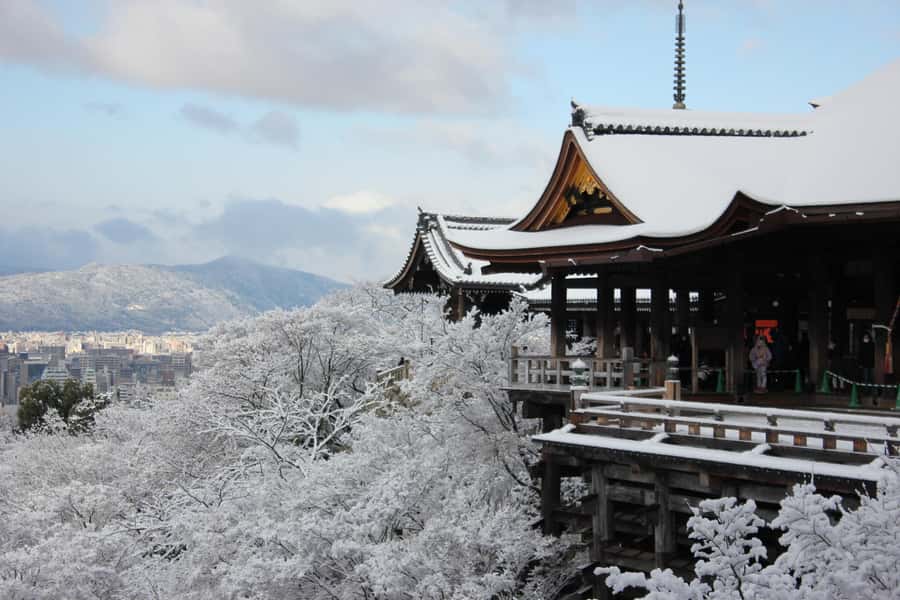
To close the day, you visit Kiyomizu-dera, a UNESCO World Heritage site. The big draw is the grand wooden stage that opens into panoramic views over Kyoto. This is the moment when your brain finally gets to connect the temples you’ve seen with the city around them.
Seasonal beauty is part of the appeal. In spring you might spot cherry blossoms, and in autumn you may catch maple color. Even if you go at a different time, the setting still works because the stage gives you a view you can’t easily fake anywhere else.
One more reality check: Kiyomizu-dera can get crowded, and crowded places sometimes mean shorter time for the details inside. If your dream is to study every corner, plan a return trip later. For a day tour, though, Kiyomizu-dera is an excellent finish because it ties together the whole day’s theme—sacred spaces with dramatic sightlines.
The Guides Make or Break It: What You’ll Feel in the Day
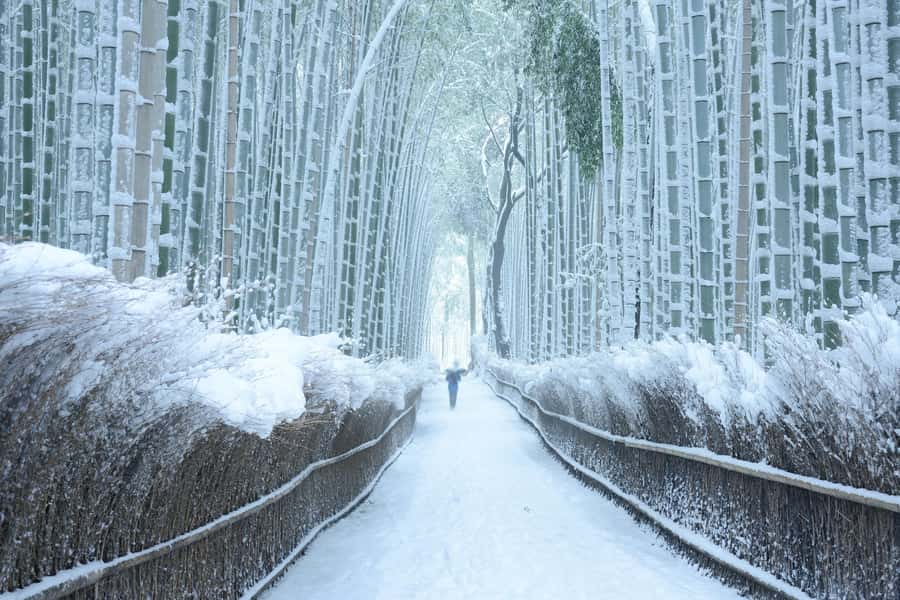
A day like this lives or dies on communication. With English & Korean-speaking guides, you’re not just following instructions—you’re getting a thread that helps you understand what each place is trying to teach.
From my perspective, the most helpful guide traits you can look for include:
- Clear explanations that help you recognize what’s important at each stop
- Patience when someone walks slower (some guides actively adjust for that)
- Practical food tips for the rest of your trip in Osaka and dinner ideas after the tour
- Photo help, since some guides send images after the day ends
Guides you might meet include Jeon, Jo, Min, and Tae Hyun. The common theme is safe driving and a friendly tone—one that can turn a long day into something you actually enjoy instead of just survive.
Crowds, Timing, and Why the Day Can Feel Fast
Even with a smart route, this is still a “highlights” itinerary. That’s the trade: you see more famous stops in one day, but you may not get deep, slow visits everywhere.
For you, the key consideration is how sensitive you are to crowds and time pressure. The tour includes plenty of guided movement and time to explore each spot, but at peak moments, temples can be packed. That can make it harder to see certain interior areas or take your time where you want to.
If you want a more relaxed experience, consider these tactics:
- Prioritize photos and views over reading every sign
- Use breaks in nearby areas to catch your breath
- Focus your curiosity: pick one or two “must notice” details per stop, not everything
Transportation and Logistics: What Is Included, What Isn’t
Here’s the clean value picture. The tour includes transportation and an English & Korean-speaking guide. What it does not include is meals and any admission fees and activity charges. That means your total cost depends on how many paid entries you choose to cover and where you decide to eat.
The upside is that your transport is handled end-to-end—Osaka pickup, day travel across regions, and return to the meeting point. For many people, that alone is worth a good chunk of the $53 per person price.
You’ll also want to remember that the tour is stroller-friendly, but it is not wheelchair-accessible. If you’re traveling with a baby stroller, let the operator know ahead of time so they can plan accordingly. Infants are free of charge, but you won’t have a seat for them, so plan your setup based on your group.
Price and Value Check: Is $53 a Smart Deal?
At $53 per person, this isn’t the cheapest option in town, but it is fairly priced for a one-day sweep across Nara, Uji, and Kyoto with guide support. The biggest value drivers are:
- You’re not doing route planning or transfers across the day
- You get interpretive help at multiple religious sites
- You cover seven attractions without needing to squeeze them into a multi-day itinerary
Where you should be cautious is budgeting for food and entry fees. Lunch in Uji is on your own, and admission fees are not included. Also consider how you like to travel: if you’re the type who wants long stays in just one temple, you might feel “rushed per minute.” If you’re comfortable touring efficiently, this price can feel like a win.
Best Fit: Who Should Choose This Tour
This day tour makes the most sense for you if:
- You’re in Osaka and want Kyoto and Nara highlights without hassle
- You enjoy guided context, not just photo stops
- You want a structured itinerary that still gives time to wander
- You’re traveling with family members who benefit from a guide keeping things moving (including patience for slower walkers)
It’s less ideal if:
- You dislike crowds and want long, quiet hours inside every building
- You want a deep, slow-study travel style instead of a highlights route
Should You Book This Tour?
I’d book this tour if your goal is to see the key Kyoto and Nara icons in one day while still understanding what you’re looking at. The route makes sense: deer first to set the mood, then temples that escalate in scale and meaning, then torii gates that deliver that unmistakable visual payoff, ending with Kiyomizu-dera’s big Kyoto view.
If you’re very sensitive to time pressure, treat this as a highlights sampler. You’ll still come away with strong impressions, but you may want to return later for the slow version of the stops that hook you most.
FAQ
Where is the meeting point, and when does the tour depart?
You’ll meet in front of Tsurutontan Soemoncho before 07:50 AM. The tour departs at 8:00 AM.
What does the tour include, and what does it not include?
The tour includes transportation and an English & Korean speaking guide. It does not include meals or admission fees and activity charges.
Which languages are available for the guide?
The guide is available in English and Korean.
Is lunch included?
No. Lunch in Uji Omotesando is available at your own expense.
Is the tour stroller-friendly or wheelchair-accessible?
The tour is stroller-friendly. It is not wheelchair-accessible.
What should I know about infants and seats?
Infants are free of charge, but no seat is available.