REVIEW · TOKYO
Tokyo: Exquisite Wagyu Beef Experience at Yakiniku Nikunone
Book on GetYourGuide →Operated by TakeMe Co.,Ltd. · Bookable on GetYourGuide
Tokyo gets quieter with A5 wagyu. At Yakiniku Nikunone, I like the no-rush private dining rooms and the focus on hand-selected A5-grade Wagyu that’s built for melt-in-your-mouth texture. The one drawback: this is a premium splurge, and you’ll want to plan ahead because you’re reserving a set seating window.
This is a restaurant course, not a sightseeing activity. Your 2-hour experience is a full progression of kimchi sides, stews, tongue preparations, shabu-shabu, grilled Wagyu, sushi moments, and dessert—served in rooms inspired by Japan’s four seasons. I also like the menu’s “rare ingredients” angle, including Dragon Eggs from Oita and Algae Salt Rice from the Oki Islands, plus the idea of pairing wine and Wagyu through the welcome drinks.
In This Review
- Key Points at a Glance
- Entering Yakiniku Nikunone: private rooms and seasonal calm
- The 2-hour dining window: what the timing really means
- What “A5 Wagyu” looks like on the plate
- Nikunone Course (12 dishes): yuzu sorbet and Wagyu sushi with caviar
- Kirameki Course (14 dishes): sashimi with sea urchins and fresh wasabi
- Kinzakura Course (14 dishes): fruit champagne and a caviar jar focus
- Dragon Eggs and Algae Salt Rice: rare ingredients with real purpose
- Wine and Wagyu: how the welcome drinks fit the meal
- Service style and course pacing: what the best dining gets right
- Price and value: is $113 per person worth it?
- Who should book Yakiniku Nikunone (and who might skip it)
- Should you book this Tokyo Wagyu course?
- FAQ
- How long is the Wagyu course at Yakiniku Nikunone?
- Is there a guide during the meal?
- What’s included in the price?
- Do you eat in a private room?
- Which course includes fruit champagne and a caviar jar?
- Do I need to reserve based on the number of guests?
- What if I have dietary restrictions?
- Can I cancel and get a full refund?
Key Points at a Glance
- Private rooms only: serene, calm setting designed around Japan’s four seasons
- A5 Wagyu specialization: the whole restaurant is built around Wagyu, not a mixed menu
- Course choices with different inclusions: Nikunone (12 dishes), Kirameki (14), Kinzakura (14 with more drinks and caviar)
- Tongue, shabu-shabu, and sushi highlights: multiple ways to enjoy signature cuts
- Rare ingredient focus: Dragon Eggs and Algae Salt Rice are part of the concept
- Wine pairing concept: welcome drinks are included, with Kinzakura adding fruit champagne
Entering Yakiniku Nikunone: private rooms and seasonal calm
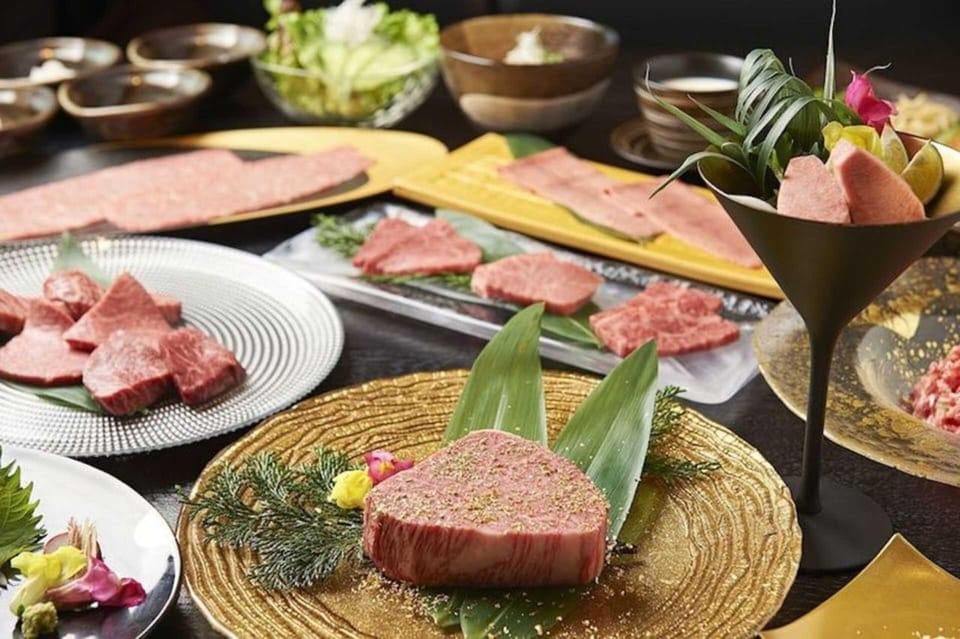
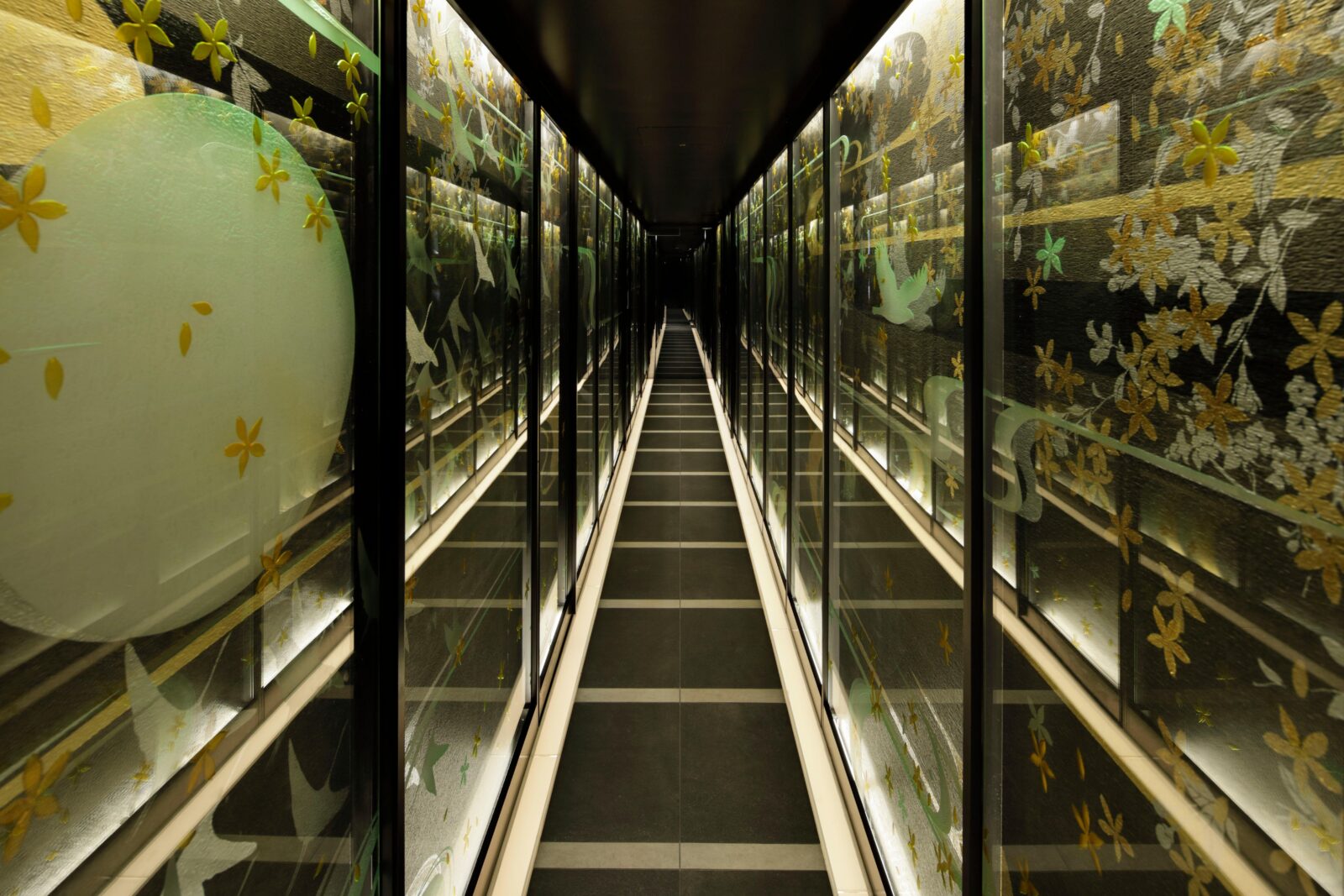
Yakiniku Nikunone is the kind of Tokyo dining that feels designed for conversation, not for crowds. Instead of a common dining floor, you’re seated in a private dining room, and the décor is inspired by Japan’s four seasons. That matters because it changes the vibe: the food arrives as a curated sequence, and the setting helps you slow down.
When you arrive, go straight into the restaurant at your reservation time—there’s no guide walking you through the experience. The meeting area is described as across from Lawson Gran Customa, so I’d use that as your street-level reference point, then rely on the restaurant entrance for the actual check-in.
You can also read our reviews of more cooking classes in Tokyo

The 2-hour dining window: what the timing really means
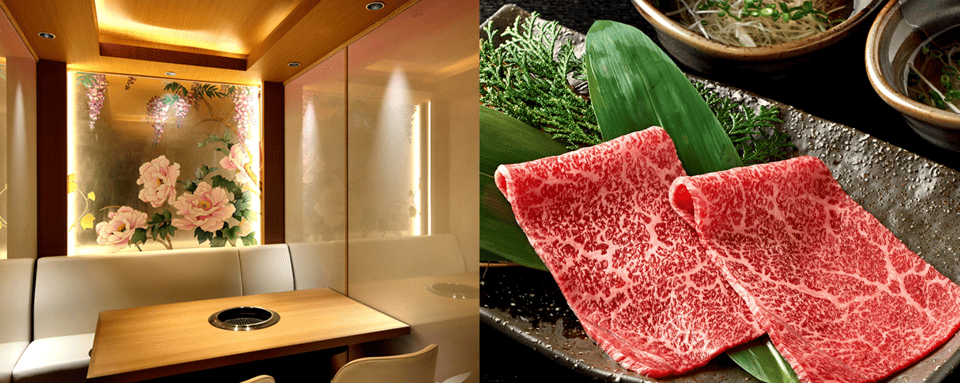
This experience is built around a maximum 2-hour seating. That’s not just a rule—it’s the reason the menu works as a set progression. You’re not expected to linger between courses for long stretches. Expect a smooth flow: small plates and sides first, then hot preparations (including shabu-shabu), then grilled and sushi-style Wagyu, finishing with dessert.
The practical takeaway: plan your evening so you’re not racing from another reservation. If you’re the type who wants to read every menu item twice and sip slowly, this still works—it just means you’ll be channeling that attention during the course itself, not with extra downtime.
What “A5 Wagyu” looks like on the plate
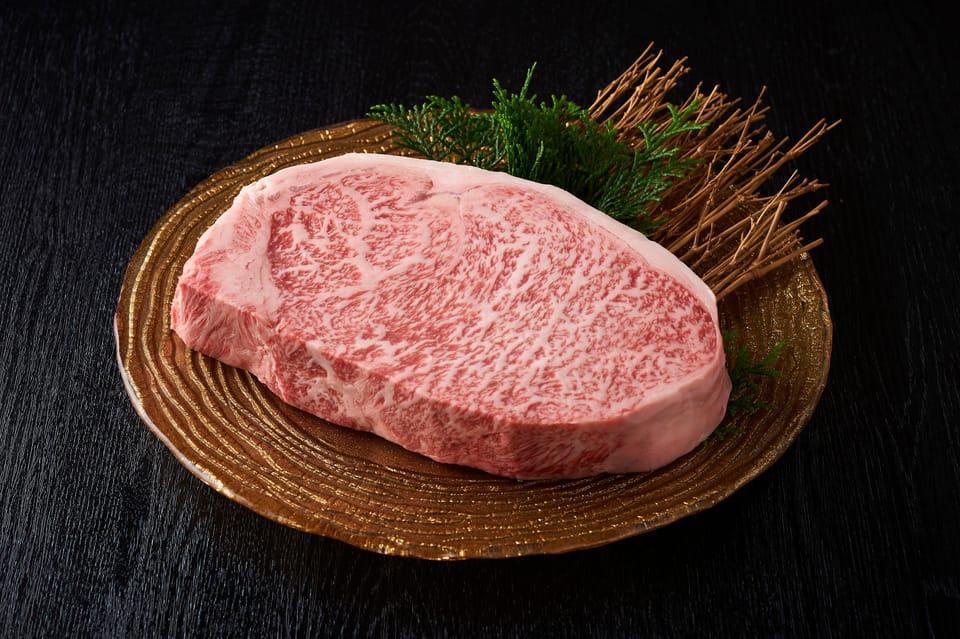
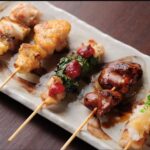
The restaurant is built as a Wagyu-only destination, with a promise of A5-grade excellence that’s hand-selected for exceptional quality. In practice, that shows up in how often the menu revisits signature textures: tender grilled pieces, shabu-shabu-style preparations, and Wagyu sushi served with caviar.
You also get multiple “dial settings” for tasting the same overall theme—lean, marinated meats; tongue preparations; salted exclusive parts; and sushi-style bites. Even if you already know what A5 Wagyu is, this format is useful: it helps you notice differences in cut, cooking style, and flavoring choices without having to order à la carte.
Nikunone Course (12 dishes): yuzu sorbet and Wagyu sushi with caviar
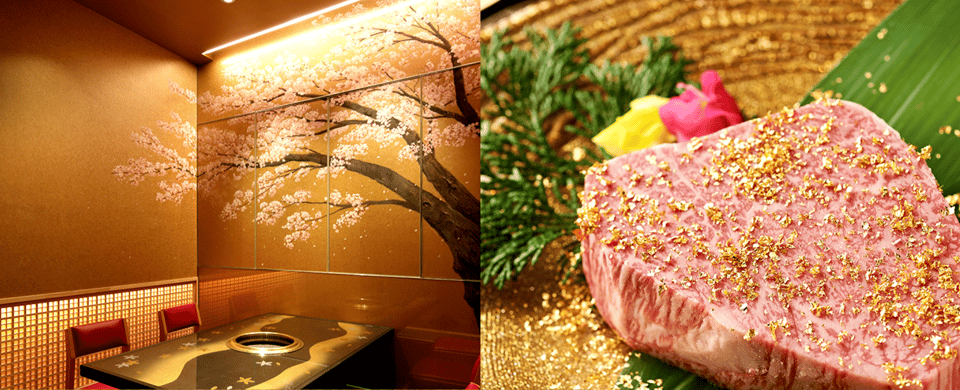
If you want a slightly tighter course length while still getting the key wow moments, the Nikunone course is the 12-dish option. It includes a welcome drink, plus one exclusive piece of seared Wagyu sushi with caviar.
Here’s the flow of what you’re served:
- Two kinds of kimchi and namul (your palate warm-up)
- WAGYU sinew stew (a richer, savory base)
- Salad (a reset between heavier flavors)
- Special tongue grilled shabu-shabu (one of the menu’s signature tongue angles)
- Today’s Special: 3 exclusive parts, salted (a “try the range” moment)
- Chesnuts grilled shabu-shabu (a seasonal-feeling texture with the shabu-shabu format)
- Selected 2 kinds of lean meat, marinated
- Grilled Wagyu sushi (2 pieces)
- Dessert: citrus Yuzu sorbet (bright finish)
I like this course for first-timers because it hits many of the restaurant’s themes without being overly long. The yuzu sorbet ending is also a smart choice in a heavy-beef meal—it keeps the final taste clean.
Kirameki Course (14 dishes): sashimi with sea urchins and fresh wasabi
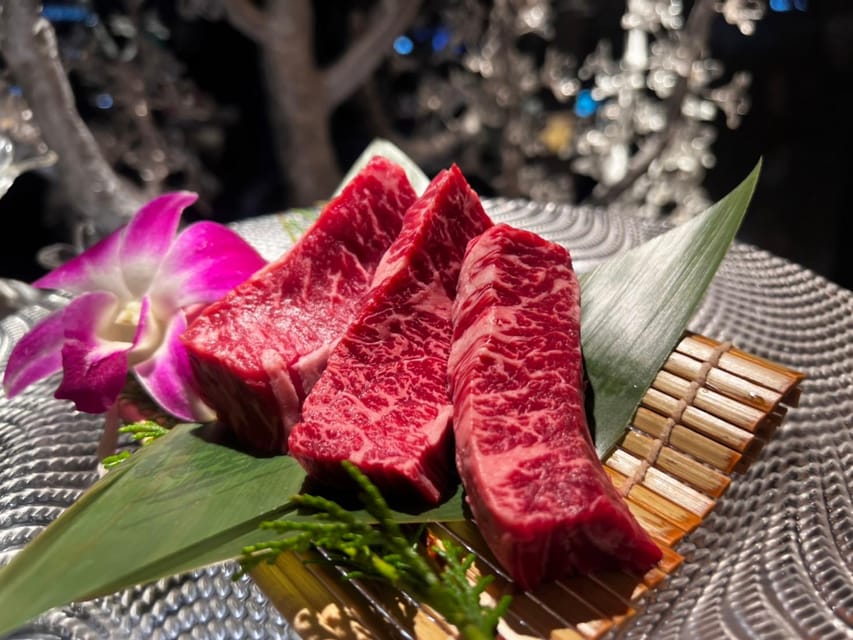
For more variety—especially if you like raw seafood textures in the mix—the Kirameki course is the 14-dish option. It includes a welcome drink and includes a different exclusive Wagyu sushi with caviar moment.
What you’ll get:
- One drink
- Two kinds of kimchi and namul
- WAGYU sinew stew
- Miyazaki beef sashimi with sea urchins (a standout pairing)
- Grilled Wagyu sushi with caviar (1 piece)
- Salad
- Special tongue grilled shabu-shabu
- Special skirt steak served with fresh wasabi
- Today’s Special: 2 exclusive parts, salted
- Selected 3 kinds of lean meat, marinated
- Sirloin steak or rump steak (choice within the set)
- Meal: cold noodles or WAGYU Ochazuke
- Dessert (your choice)
This is the course I’d choose if you want more contrast between cooking styles: sashimi, wasabi-forward grilling, then a comfort-style final meal. The Miyazaki beef sashimi with sea urchins is also the clearest “not just yakiniku” entry in the menu. It keeps the experience from feeling repetitive even though the center of gravity is Wagyu.


Kinzakura Course (14 dishes): fruit champagne and a caviar jar focus
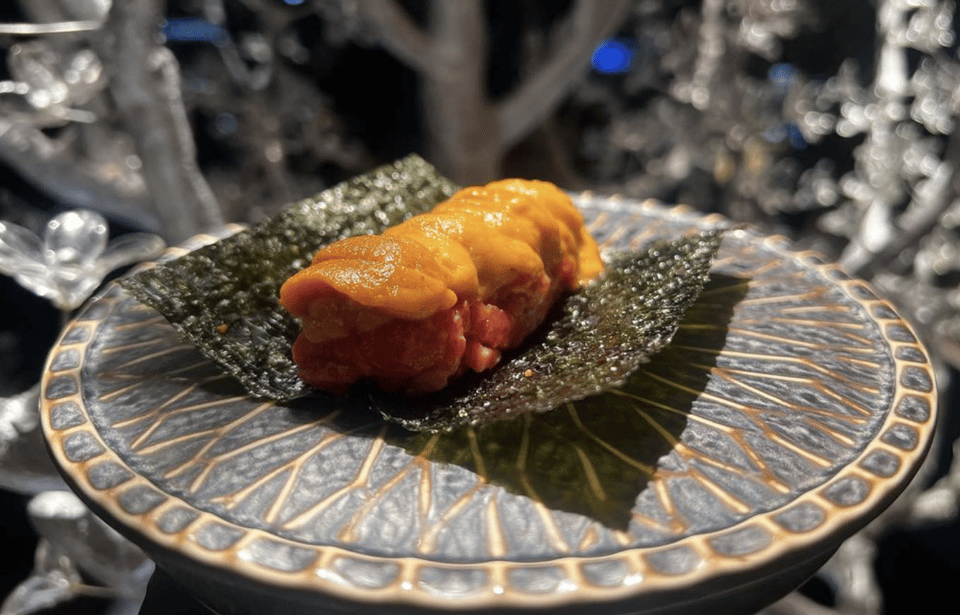
Kinzakura is the most indulgent-feeling option on paper. It’s still 14 dishes, but it includes two drinks (with fruit champagne available) and a caviar jar, with certain caviar-related items exclusive to this course.
You’ll be served:
- Two drinks (fruit champagne available)
- Two kinds of kimchi and namul
- Hand-roll sea urchin tartar sushi with caviar
- Salad
- Special tongue grilled shabu-shabu
- Chateaubriand served with truffle salt
- Today’s Special: 2 exclusive parts, salted
- Selected 2 kinds of lean meat, marinated
- Chuck flap grilled sukiyaki
- Selected Wagyu steak sandwitch
- Meal: cold noodles or grilled Wagyu sushi with sea urchins (2 pieces)
- Dessert (your choice)
- A small bottle of caviar you can use on tartar and more as you like
I like how Kinzakura gives you a bigger “play” element with caviar. Even if you’re not a strict caviar purist, the menu builds in multiple touchpoints—hand-roll, tartar-style pairing, and an extra bottle for personal use. The chateaubriand with truffle salt also adds a more classic luxury flavor direction, which suits people who want their special dinner to feel ceremonial.
Dragon Eggs and Algae Salt Rice: rare ingredients with real purpose
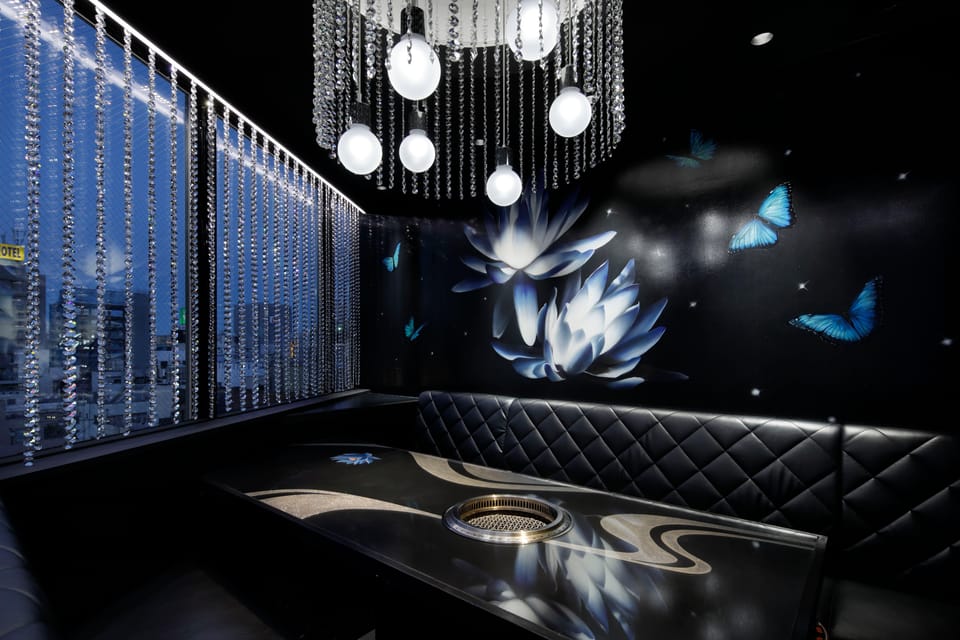
One of the smartest parts of this experience is that it’s not only about the beef. The restaurant highlights rare ingredients like Dragon Eggs from Oita and Algae Salt Rice from the Oki Islands.
Why this matters for you: Wagyu can become one-note if everything tastes like the same thing. These ingredients act like flavor punctuation marks. Dragon Eggs are positioned as a rare ingredient, and Algae Salt Rice brings a salty, mineral edge that helps beef taste even beefier. If you’re a foodie, these are the kinds of details that make a set course memorable because you can’t recreate them easily at home.
If you’re curious, pay attention when those ingredients appear—notice how they change the feel between grilled items and sushi-style bites.
Wine and Wagyu: how the welcome drinks fit the meal
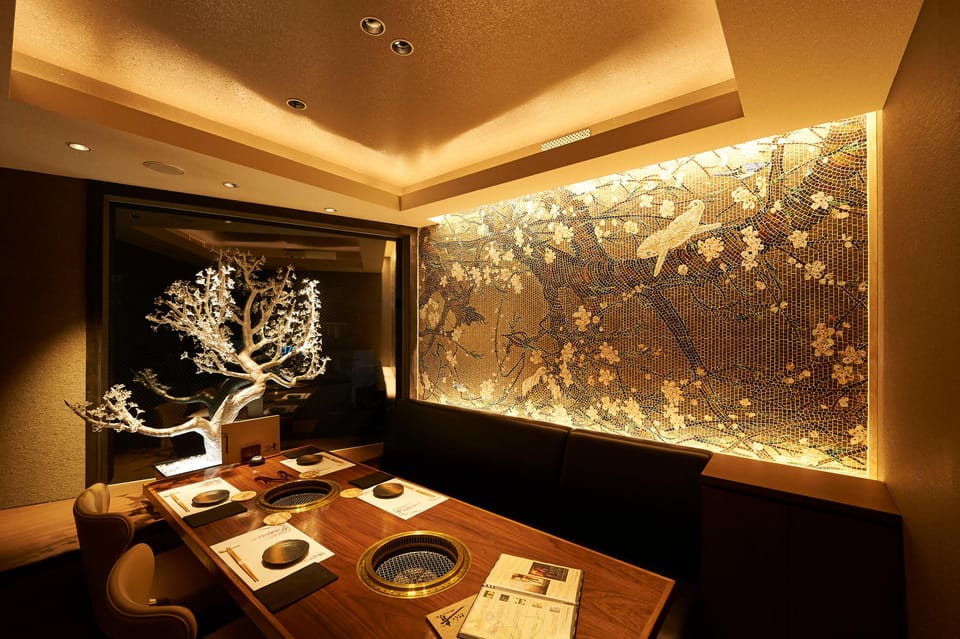
The concept here includes a marriage of wine and Wagyu, and each course comes with welcome drinks. Depending on which menu you choose, the number of drinks differs: Nikunone and Kirameki include one drink, while Kinzakura includes two drinks and includes fruit champagne as an option.
Two practical notes:
- Japan’s legal drinking age is 20 years or older, so if you’re traveling with a younger group member, choose your course timing accordingly.
- If you don’t drink alcohol, you can still treat the welcome drink as part of the meal’s structure; just remember the menu includes drinks by design, not as an add-on.
Even without being a sommelier, you’ll likely enjoy how the drink supports the beef rhythm—sipping between the salt-forward bites and the richer preparations.
Service style and course pacing: what the best dining gets right
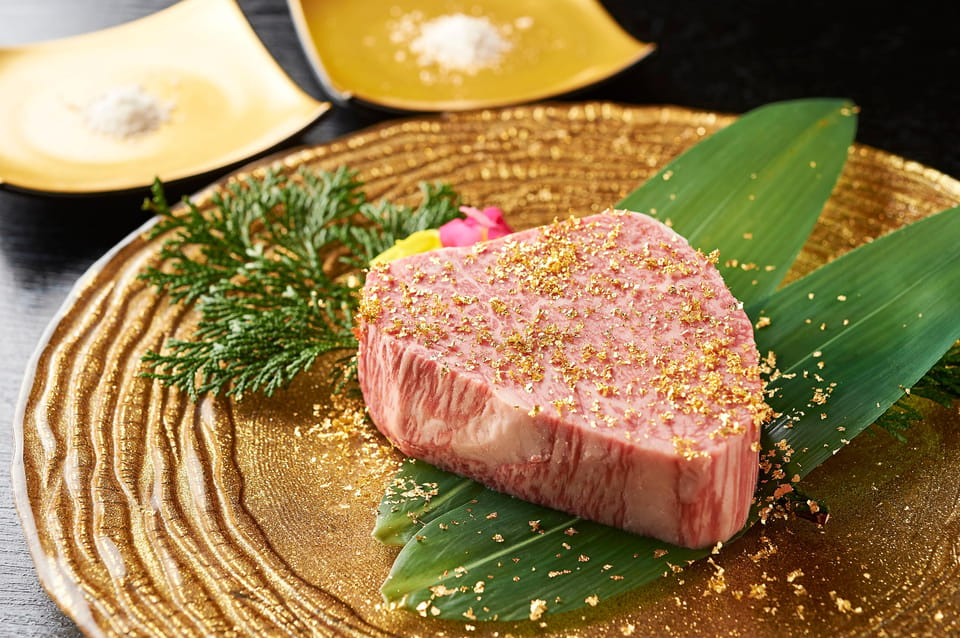
This meal is designed around professional, attentive service. The staff isn’t described as intrusive—they’re meant to keep things smooth while you experience the progression. You’ll also find that courses are explained with care, so you know what you’re eating and why that cut or preparation is coming next.
From the menu and what people praise, two standouts repeat:
- Tongue shows up in a major way (special tongue grilled shabu-shabu)
- Non-meat elements, like the hearty WAGYU sinew stew, earn their own respect
That balance is important. If you only chase beef, you may miss the point of a great set menu: the sides, stews, and finishing touches are part of the flavor architecture.
Price and value: is $113 per person worth it?
At $113 per person for about 2 hours, this is priced as a premium Tokyo dinner. You’re not paying just for beef. You’re paying for:
- A full course menu (12 or 14 dishes depending on the set)
- The included welcome drinks (one or two depending on course)
- Sales tax included
- The reservation itself
- A private room setting and a meal designed to run within a set time window
What makes it feel more “worth it” than many expensive meals is the structure. You’re not left to build your own order, so you avoid the common problem of over-ordering or missing the best items. Also, Kinzakura’s inclusions—extra drinks, a caviar jar, and an extra bottle—make it the most obvious value if caviar and celebratory drinks are your priorities.
The drawback is simply the one you should think about upfront: this is not budget travel food. If your goal is to snack your way through Tokyo on a tight schedule, you may prefer a different style of meal. But if your goal is a focused, memorable Wagyu night, the format supports that.
Who should book Yakiniku Nikunone (and who might skip it)
Book it if:
- You want a private dining experience rather than a loud, public yakiniku spot
- You’re serious about Wagyu and want it prepared in multiple styles
- You’re celebrating something and want the night to feel special without planning a complex itinerary
- You like set menus where the restaurant decides the sequence
You might skip it if:
- You’re allergic to the idea of paying premium prices in exchange for a fixed course structure
- You want a flexible, stop-and-start meal where you can eat slowly for longer than a set 2-hour window
- You have dietary restrictions and need a lot of customization; you can add notes during checkout, but the data doesn’t say the restaurant guarantees specific substitutions
Should you book this Tokyo Wagyu course?
Yes, if you’re craving a refined Wagyu dinner in private rooms and you like the idea of a structured menu that keeps you moving from savory to grilled to sushi to dessert. The private setting, the A5 Wagyu focus, and the rare ingredient emphasis (Dragon Eggs, Algae Salt Rice) are exactly the kind of combination that makes this feel worth planning for.
No, if you’re not ready for a splurge or you’d rather spend your evening on multiple cheaper food stops. This isn’t a “sample everything” night. It’s a “commit to the set and enjoy the craft” night.
FAQ
How long is the Wagyu course at Yakiniku Nikunone?
The experience is set for 2 hours, and seating is reserved for a maximum of 2 hours.
Is there a guide during the meal?
No guide is provided. You simply enter the restaurant at your reservation time.
What’s included in the price?
The booking includes the full course menu, sales tax, and the reservation. Personal expenses beyond that aren’t included.
Do you eat in a private room?
Yes. The experience includes private dining rooms.
Which course includes fruit champagne and a caviar jar?
The Kinzakura course includes two drinks (with fruit champagne available) and one jar of caviar as part of the set.
Do I need to reserve based on the number of guests?
Yes. You should make a reservation for the course based on the number of guests visiting.
What if I have dietary restrictions?
If you have any dietary restrictions, you should leave a comment during checkout.
Can I cancel and get a full refund?
Yes. You can cancel up to 2 days in advance for a full refund.