REVIEW · TOKYO
Tokyo: Private Japanese Cooking Class with a Local Chef
Book on GetYourGuide →Operated by comburger · Bookable on GetYourGuide
Tokyo tastes better when you cook it yourself. This private Japanese cooking class in Shinjuku puts you in a real local apartment kitchen with Chef Sato and a hands-on plan built around seasonal ingredients. You get both food skills and Tokyo-life context, not just a demo.
What I like most is the menu-by-day approach. Teishoku on some days, and popular comfort-food favorites on others, so you can choose based on what you actually want to eat in Japan. I also like that you’re not sitting through a lecture: you cook, eat, and talk, with English support throughout.
One consideration: this is a home-kitchen experience, so the feel is intimate and the space is compact. If you prefer big restaurant-style setups, or you’re tight on time, plan for a close, practical cooking session rather than a show.
In This Review
- Key points before you go
- Why Shinjuku Apartment Cooking Feels Like Real Tokyo
- Menus That Change by Day: Teishoku, Donburi, Curry, Ramen, and More
- Standard/traditional meal days (Saturday, Sunday, Monday, Tuesday)
- Popular food days (Wednesday, Thursday, Friday)
- What you should watch for
- What Happens During the 3-Hour Class (From Meet-Up to Sit-Down)
- Meeting point: Shinjuku Station East Exit police box
- Cooking hands-on, not just watching
- Eating the meal right after you cook
- Chef Sato’s Teaching Style: English Lessons in a Warm, Low-Stress Kitchen
- Expect patient explanations and real back-and-forth
- The emotional bonus
- Optional 1–3:30 PM Mini Tour After the Morning Class
- Price and What You Actually Get for $120
- Who This Shinjuku Class Fits Best
- Tips to Make Your Cooking Day Go Smoothly
- Choose your day based on the food you crave
- Arrive ready to work, not just take pictures
- Ask about ingredients and seasoning
- Take the recipe notes seriously
- Should You Book This Tokyo Private Cooking Class in Shinjuku?
- FAQ
- What is the duration of the Tokyo cooking class?
- Where do I meet the chef?
- Is the class private?
- What language is the instructor?
- What does the menu include, and does it change?
- Are meals included?
- Is there a drink included?
- Is there an extra trip after the morning class?
- FAQ
- Is free cancellation available?
- Can I reserve now and pay later?
Key points before you go
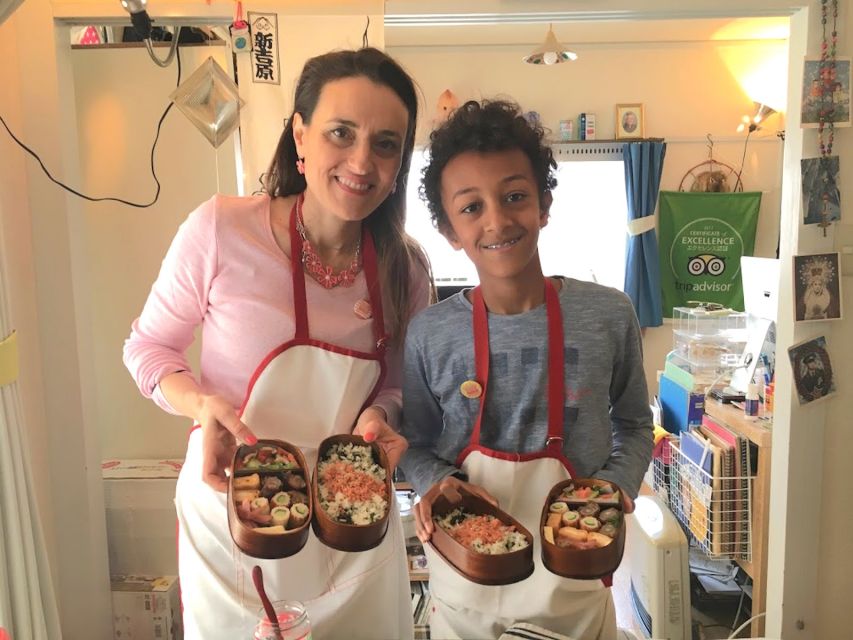
- Chef Sato’s teaching style: calm, patient, and very good English explanations while you work.
- Seasonal cooking focus: the plan is built around what’s fresh, not generic menu items.
- Two daily formats: morning and evening classes with an optional extra walk after mornings.
- Private group comfort: you can ask questions and get attention without sharing the spotlight.
- Hands-on meals: you cook multiple dishes and sit down to eat what you made.
- Shinjuku meet-up that makes sense: meet at Shinjuku Station East Exit police box, then head to the apartment.
Why Shinjuku Apartment Cooking Feels Like Real Tokyo
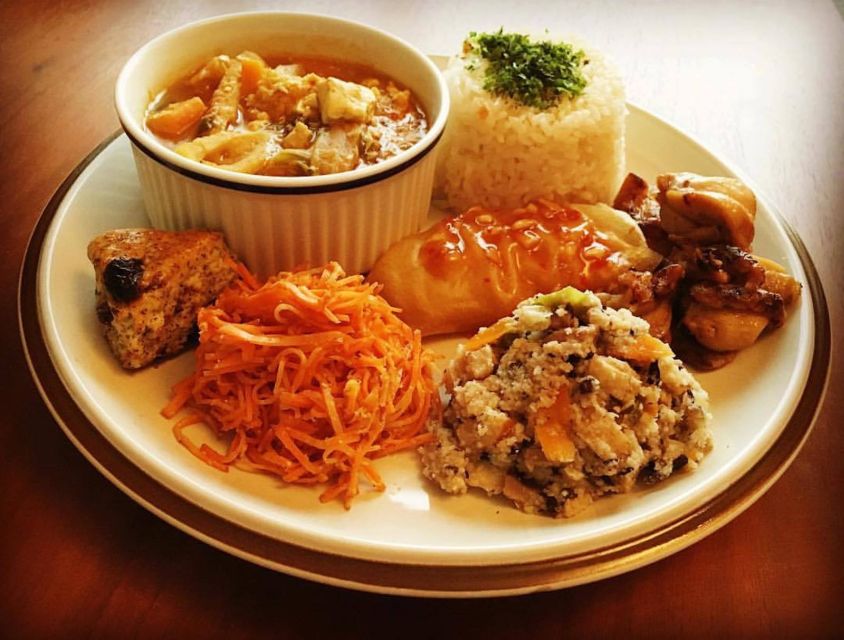
Tokyo can overwhelm you fast: crowds, transit maps, endless choices. This experience pulls you out of the noise and into a rhythm that locals understand. You’re cooking in an apartment, not a classroom studio, so the smells, sounds, and pacing feel like a real home meal.
Shinjuku is also a smart base for this. It’s central, easy to reach, and full of everyday scenes. Even if you only spend a short time there, you’ll get a practical sense of how neighborhoods work—especially because the optional short walk after the morning class is designed to show places that don’t scream tourist radar.
The best part is that you’re not just eating Japanese food; you’re learning how Japanese cooks think. You’ll hear the why behind ingredients and techniques, from cutting and seasoning to how dishes come together as a set. That’s how cooking turns into something you can repeat later.
You can also read our reviews of more private tours in Tokyo


Menus That Change by Day: Teishoku, Donburi, Curry, Ramen, and More
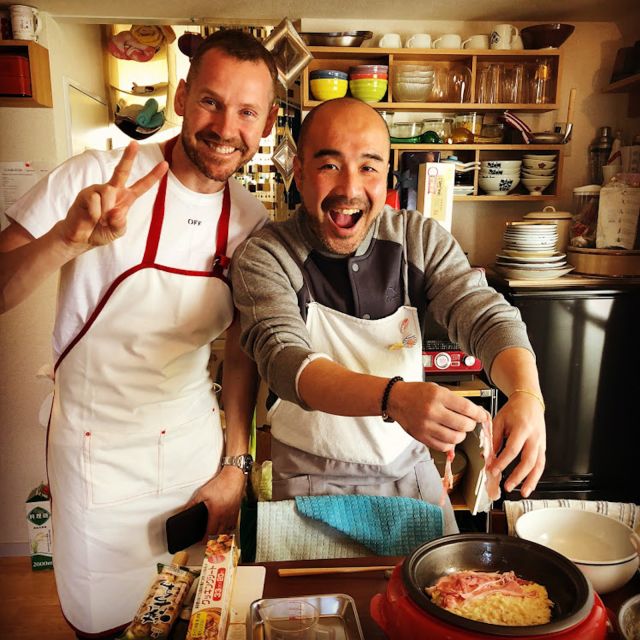
The menu shifts depending on the day of the week, and that matters. In Japan, a weekly rhythm is real: weekday meals and weekend meals don’t always look the same. Here, the schedule is built around that idea.
Standard/traditional meal days (Saturday, Sunday, Monday, Tuesday)
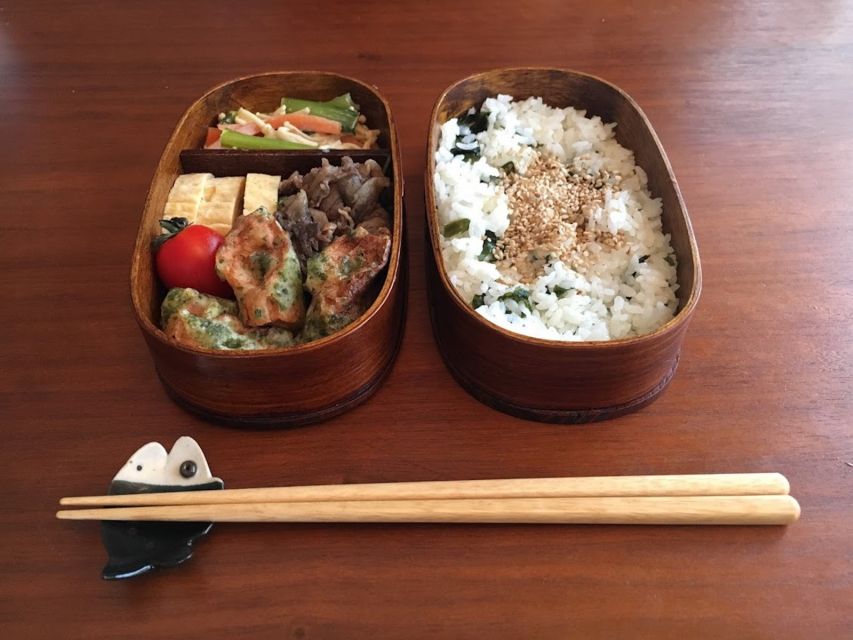
On these days, you’ll likely cook from a teishoku set—a set meal built around rice plus a seasonal main dish and two seasonal sides. Other possibilities include donburi, obento-style elements, tonjiru (miso soup with pork and vegetables), and rice balls.
Why this is valuable: teishoku is a great entry point if you want the structure of Japanese meals. It teaches you how balance works—how rice, soup, and sides support the main dish instead of competing with it.
Popular food days (Wednesday, Thursday, Friday)
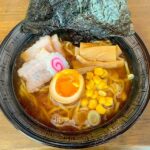
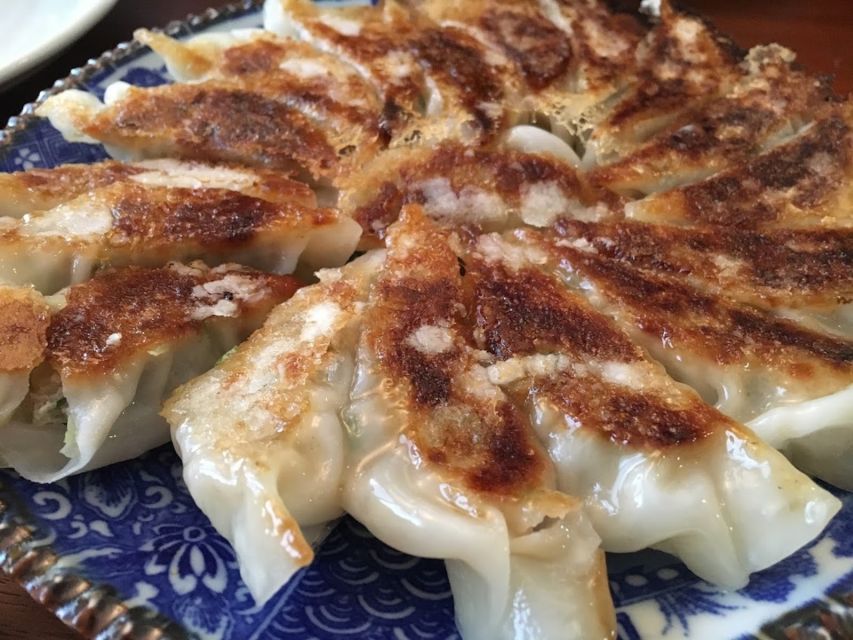
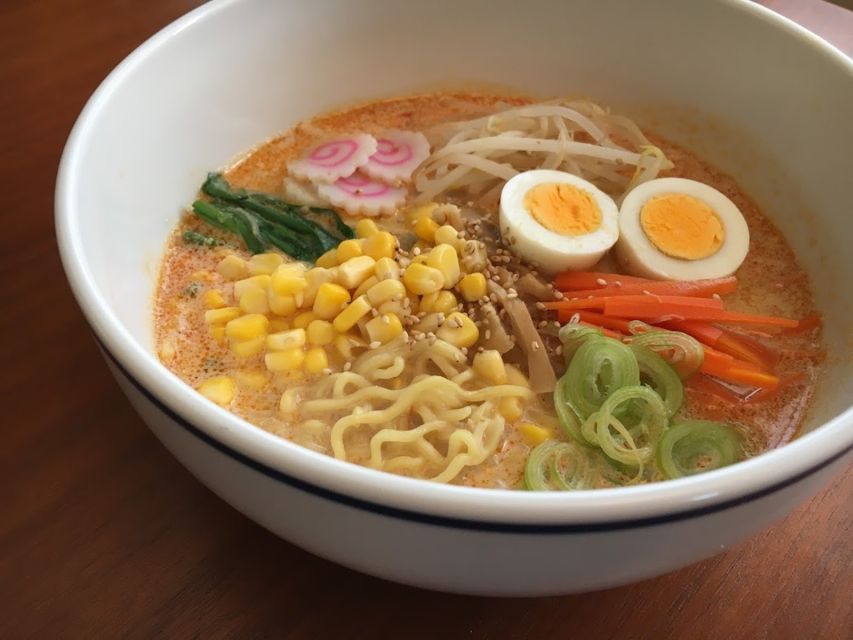
On these days, the plan leans toward crowd-pleasers and street-food energy. You might cook teishoku again, but with a fried main dish, plus sides. Or you might do items such as curry rice, okonomiyaki, gyoza, ramen, rice burgers, kara-age, and yakisoba.
Why this is valuable: these are the dishes most people associate with Japan, and they’re also the ones you’ll most likely want to recreate at home. Multiple reviews mention favorites like ramen and gyoza, and the overall tone is that you’re learning the practical steps, not just admiring the result.
What you should watch for
Because the menu changes, I recommend you decide based on your taste goals. If you want classic meal structure, aim for teishoku days. If you want the fun factor—hand-formed dumplings, noodle soup, pan-fried things—choose the popular-food days.
You can also read our reviews of more cooking classes in Tokyo



What Happens During the 3-Hour Class (From Meet-Up to Sit-Down)
Your class is listed as 3 hours (up to 270 minutes). In practice, the flow is straightforward: meet the chef, cook together in the apartment, then eat what you made. The private format keeps it relaxed, with time for explanations and questions.
Meeting point: Shinjuku Station East Exit police box
You meet at the Shinjuku Station East Exit police box (3-38-38-1, Shinjuku, Shinjuku-ku, Tokyo). This is one of those meet-ups that saves you from wandering. Shinjuku station has plenty of exits; using a police box reference helps you get there with less stress.
Then you head to the apartment. Many people describe this as a short, easy walk rather than a complicated transit puzzle, which is exactly what you want on a food day.
Cooking hands-on, not just watching
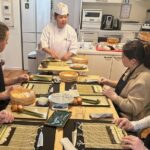
The class is designed so you participate. Reviews highlight chopping, prepping, seasoning, and cooking from scratch. That’s what turns it from entertainment into a real skill you can bring home.
What you’ll learn tends to follow Japanese cooking basics:
- How to season so flavors build instead of just tasting salty
- How ingredients work as a system (rice + soup + sides)
- How textures matter—crispy edges, tender centers, and balanced broth
Eating the meal right after you cook
A lot of the satisfaction comes from the full-circle moment: you cook, then you sit down together and eat. Reviews mention the relaxed home atmosphere and an almost friend-like welcome. That matters because you’re not rushing through a checklist. You’re tasting while the reasons behind each dish are still fresh.
Also, some participants mention recipe handouts. That’s a practical bonus if you want to recreate the food later without guessing.
Chef Sato’s Teaching Style: English Lessons in a Warm, Low-Stress Kitchen
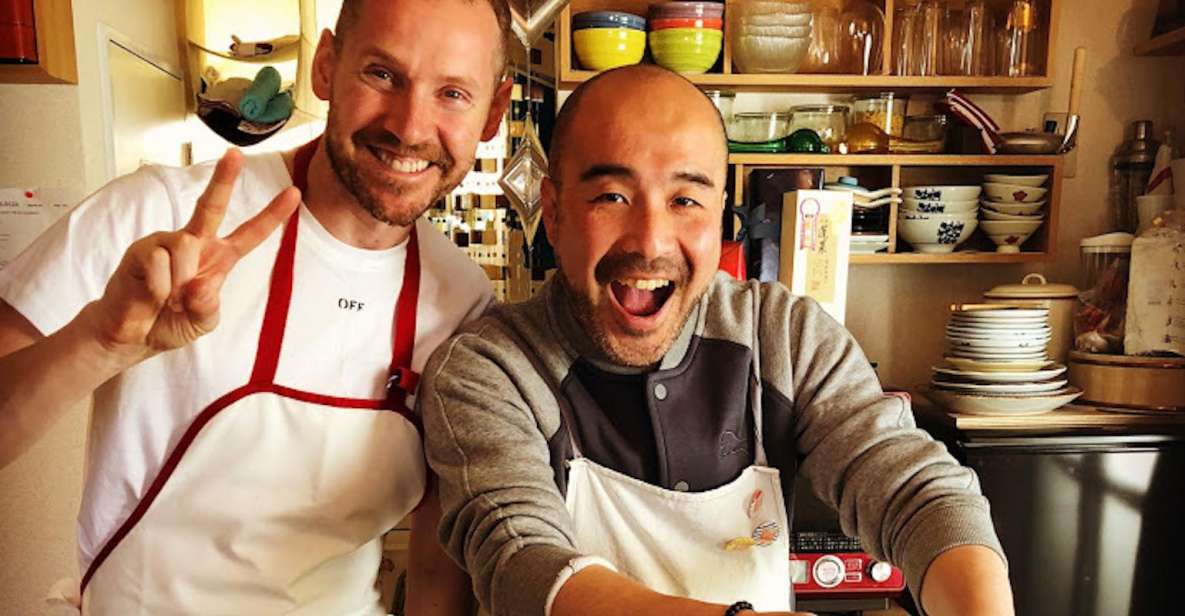
Chef Sato is the heart of the experience. Multiple reviews describe him as welcoming, generous, and genuinely happy to explain what he knows. You’ll hear stories tied to food—family influence, how he learned, and what he thinks is important about cooking with seasonal ingredients.
One review notes Chef Sato learned traditional cooking from his parents since he was very young, which lines up with the overall vibe: this isn’t a staged performance. The explanations feel personal, and the kitchen feels like someone’s daily world.
Expect patient explanations and real back-and-forth
Participants repeatedly mention he’s patient with questions and breaks down steps clearly in English. That’s especially helpful for techniques that don’t translate well from restaurant meals to home kitchens, like dumpling folding, ramen basics, or how fried elements fit into a balanced set meal.
The emotional bonus
This class isn’t just about food technique. It’s also about feeling included in someone’s home routine for a few hours. That’s why so many reviews call it a highlight of a trip. If you like conversation, you’ll likely find the chat time adds meaning—not just small talk.
Optional 1–3:30 PM Mini Tour After the Morning Class
If you book the morning slot, there’s an optional short trip after class, roughly 1:00 PM to 3:30 PM. The goal is to take you to places that don’t pop up on every generic itinerary.
What that means for you: instead of spending your Tokyo time only in big-ticket zones, you’ll see smaller, everyday streets and local-feeling stops. Reviews mention walking through Shinjuku and Nakano afterward and discovering spots they wouldn’t have found on their own.
A short walking add-on like this can be a smart choice because it helps you anchor the cooking day to place. You go from eating Japanese food to understanding Japanese neighborhood life—same theme, different angle.
If you’re the type who likes structure, treat this mini tour as a built-in way to end your morning cooking class while you’re still in the local mood.
Price and What You Actually Get for $120
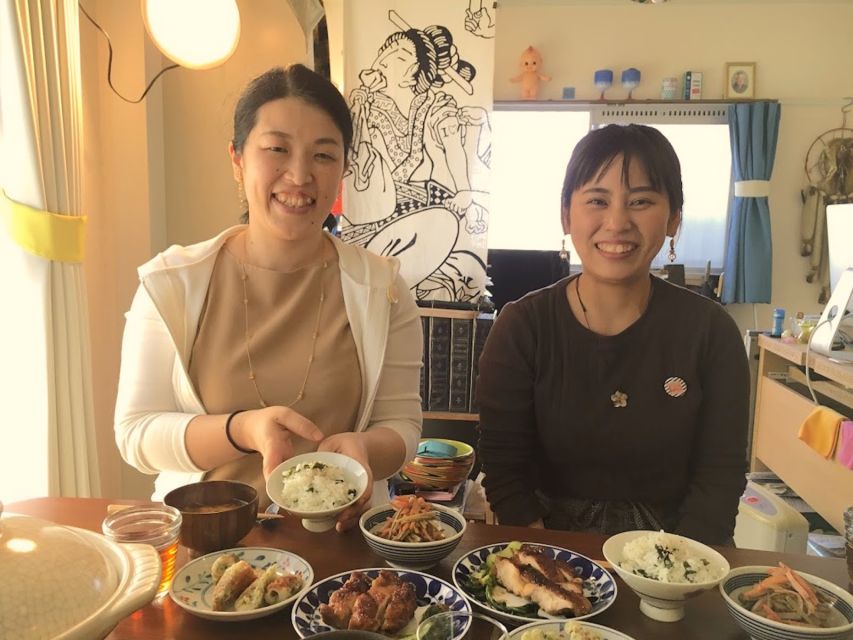
At $120 per person for about three hours, this isn’t a budget activity. But it also isn’t just a meal. You’re paying for:
- A private setting in a local apartment
- A local chef as your teacher, with English support
- Cooking instruction and hands-on participation
- Meals (and a free drink: Japanese barley tea)
- Pickup at the meeting point
So where does the value really land? In Tokyo, you can spend a lot of money eating. This gives you food plus skill plus relationship. If you’re the kind of traveler who wants to leave with something practical—recipes, technique, and a better sense of Japanese cooking structure—this cost can feel reasonable.
Also, private format matters. In group classes, you might do less than you want or ask fewer questions. Here, the flow described in reviews feels relaxed and personal, which you often can’t get when you’re sharing instruction with strangers.
If you’re only interested in eating and don’t care about learning, you might find better value in a meal at a good local restaurant. But if you want to learn why dishes taste the way they do, this is one of the more direct paths.
Who This Shinjuku Class Fits Best
This class is a strong match for you if:
- You want a hands-on introduction to Japanese home cooking
- You care about seasonal ingredients and meal structure (teishoku days) or popular comfort foods (popular-food days)
- You enjoy learning from a local and asking questions in English
- You like intimate experiences where conversation is part of the program
It might be less ideal if:
- You hate compact spaces or prefer big commercial venues
- You want a strict, clockwork itinerary with zero flexibility
- You’re only looking for a quick bite without any cooking
Because it’s private, it also suits couples and small groups who want a shared experience. The home setting is often a big part of the appeal, especially for travelers celebrating something special or who want a first-class Tokyo memory beyond typical sightseeing.
Tips to Make Your Cooking Day Go Smoothly
Here are practical moves that will help you get the most out of it.
Choose your day based on the food you crave
If you dream about ramen and gyoza, aim for the popular-food days. If you want the classic Japanese set-meal style—rice, main, soup, sides—pick a traditional menu day. The schedule is weekly, so aligning your dates to your food goals is the easiest win.
Arrive ready to work, not just take pictures
This is cooking. Reviews repeatedly mention chopping, prepping, and participating. Wear clothing that lets you move comfortably and doesn’t mind a little kitchen air.
Ask about ingredients and seasoning
Chef Sato’s explanations focus on ingredient significance and seasonal logic. If you want to cook later at home, ask how to substitute ingredients when you can’t find the exact Japanese item. Even a quick question can turn into useful cooking notes.
Take the recipe notes seriously
Some participants mention handouts of recipes. Even if you only skim them, use them after your trip. That’s where this experience becomes more than a memory.
Should You Book This Tokyo Private Cooking Class in Shinjuku?
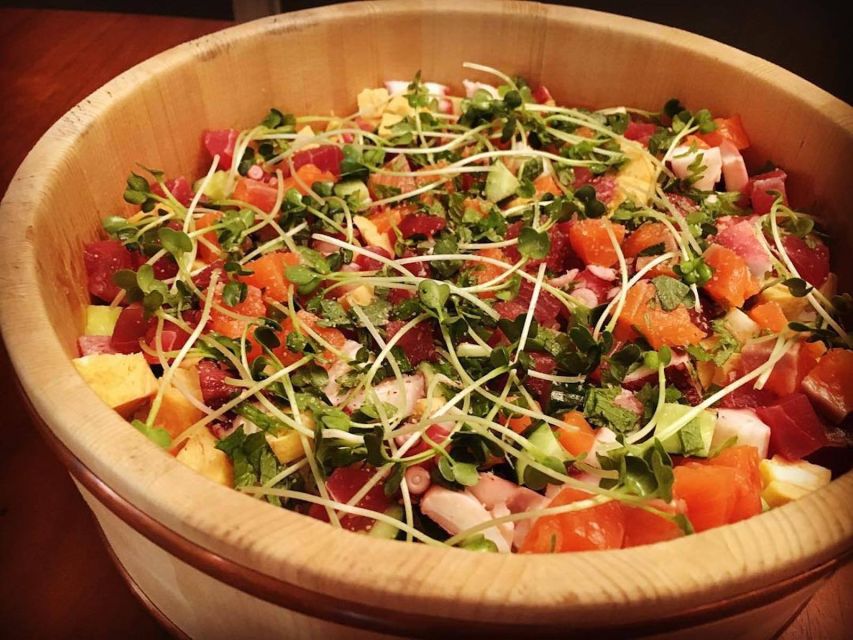
I think you should book it if you want a Tokyo experience with real skill-building, not just a meal. The price is premium, but the format justifies it: private apartment cooking with a local chef, English instruction, and a focus on seasonal Japanese cooking.
You should lean in especially if you’re excited by ramen, gyoza, curry rice, okonomiyaki, kara-age, yakisoba, or teishoku set meals. The menu-by-day setup gives you a meaningful reason to choose your date, and the optional walk after the morning session adds extra local texture.
If you prefer large-scale tours, or you’d rather spend your time strictly sightseeing, you might find other activities better aligned. But if you want something that feeds you twice—once in the kitchen, again when you recreate it later—this is a strong pick.
FAQ
What is the duration of the Tokyo cooking class?
The class is listed as 3 hours (270 minutes), depending on the starting time you select.
Where do I meet the chef?
You meet at the Shinjuku Station East Exit police box, located at 3-38-38-1, Shinjuku, Shinjuku-ku, Tokyo 160-0022, Japan.
Is the class private?
Yes, it’s a private group experience.
What language is the instructor?
The instructor provides the class in English.
What does the menu include, and does it change?
The menu changes depending on the day of the week. It typically includes teishoku set-meal style options (with rice and seasonal dishes) or popular Japanese foods like curry rice, gyoza, ramen, okonomiyaki, and more.
Are meals included?
Yes. Meals are included as part of the experience.
Is there a drink included?
Yes. You get a free drink: Japanese barley tea.
Is there an extra trip after the morning class?
Yes. After the morning class, there is an optional short trip from about 1:00 PM to 3:30 PM that takes you to several places.
FAQ
Is free cancellation available?
Yes. You can cancel up to 24 hours in advance for a full refund.
Can I reserve now and pay later?
Yes. The listing offers reserve now & pay later, meaning you can book without paying right away.