REVIEW · TOKYO
Tokyo: Sushi and Ramen Cooking Class with Sake Pairing Set
Book on GetYourGuide →Operated by Sushi Making Japan | Cooking Class in Japan · Bookable on GetYourGuide
Sushi and ramen in one afternoon. In Tsukishima, you’ll learn hands-on nigiri and ramen techniques, then sit down to eat what you make with a guided sake pairing. It’s a skill-focused, friendly class that feels more like a cozy food lesson than a tourist show.
I love how small it is, capped at about eight (often even fewer), so you actually get attention while your hands are busy. I also like that you’re not just tasting Japan’s flavors. You’re making ramen broth and shaping nigiri yourself, with English support and all ingredients provided.
One consideration: this class isn’t for vegans or vegetarians. Chashu pork is part of the ramen set, and the ingredient list is built around that.
In This Review
- Key points worth knowing
- Tsukishima Meeting Point: Easy Walk, Clear Taxi Directions
- What You’ll Do in 3 Hours: Ramen, Chashu, and Nigiri (With Real Guidance)
- The instructor factor
- Ramen-Making Focus: From Broth to Chashu
- What you learn that actually transfers home
- Chashu matters more than you think
- Nigiri Sushi Practice: Learn the Origins, Then Make the Real Thing
- Why this method beats watching videos
- Tools and ingredients are provided
- Sake Pairing Tasting: Three Premium Bottles and How They Fit
- How to get more from the tasting
- The Meal and Your Take-Home Recipe Booklet
- Souvenir chopsticks
- Who This Class Fits Best (And Who Should Skip It)
- Price and Value: Why $129 Is More Than Just a Meal
- Quick tips so you get a smooth start
- Should you book this Tokyo sushi and ramen class?
- FAQ
- How long is the sushi and ramen cooking class?
- Where is the meeting point in Tokyo?
- How do I get there using public transportation?
- Is hotel pickup or drop-off included?
- How many people are in the class?
- Is the class taught in English?
- What will I learn to cook?
- Is there sake tasting?
- Are vegans or vegetarians able to join?
- What do I take home?
Key points worth knowing
- Tsukishima location: a short walk from Tsukishima Station Exit 4, with clear taxi directions for HAUS Tsukishima
- Hands-on ramen + nigiri in 3 hours: broth-making, chashu, and hand-forming nigiri with provided tools
- Three-sake tasting included: guided by a certified sake sommelier, matched to what you’re eating
- Small-group attention: limited to about four participants, with up to eight total
- Take-home materials: a recipe booklet plus souvenir chopsticks
Tsukishima Meeting Point: Easy Walk, Clear Taxi Directions
This class starts in Tsukishima, not in some far-flung corner of Tokyo. The meeting spot is on the 2nd floor of HAUS Tsukishima (2-13-5 Tsukuda, Chuo-ku). If you’re using public transit, it’s a 5-minute walk from Exit 4 of Tsukishima Station.
If you’re arriving by taxi, use the Japanese address provided for the smoothest ride: 東京都中央区佃2-13-5 HAUS Tsukishima 2階. That small detail saves time and reduces the usual I hope they understand me stress.
The practical takeaway: plan to arrive 5 minutes early. This is one of those experiences where starting on time keeps the pacing right for everything you’ll cook in the 3-hour window.
You can also read our reviews of more food & drink experiences in Tokyo

What You’ll Do in 3 Hours: Ramen, Chashu, and Nigiri (With Real Guidance)
The whole point of this workshop is simple. You learn by doing. Over the 3 hours, you’ll rotate through ramen-making and nigiri sushi prep in a way that’s paced for beginners but still satisfying if you already cook.
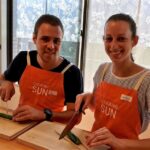
The class is led by English-speaking Japanese instructors, and the atmosphere is described as welcoming and interactive. In real terms, that usually means you’ll get step-by-step cues while you’re working—not a lecture followed by a rushed attempt.
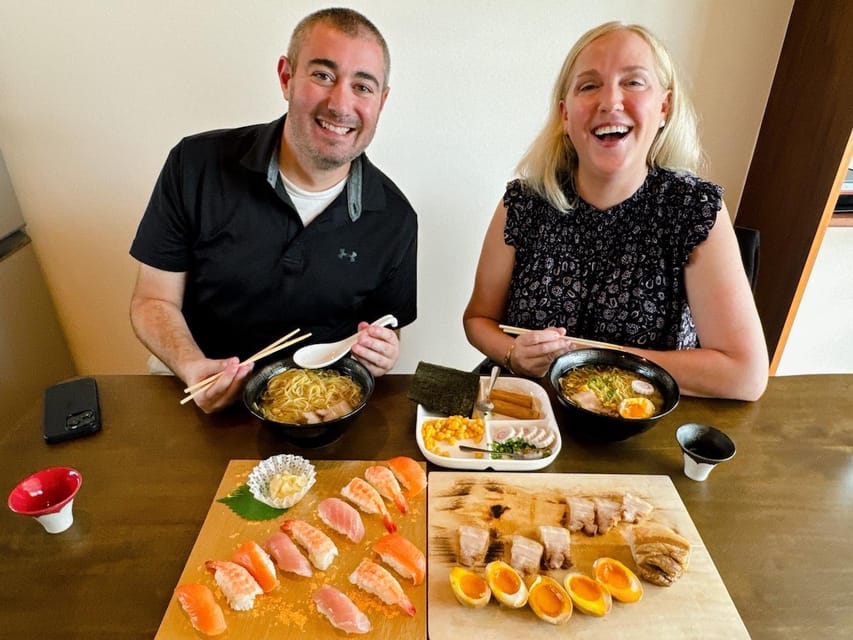
You’ll also taste what you make. Many cooking classes end with food that’s good but rushed. Here, the vibe is more relaxed: you cook, you learn, then you sit down to enjoy your meal.
The instructor factor
Names that show up in past sessions include Sato, Haruko, Risa, Alisa, Alex, Misa, and Luna. Whoever you get, the theme is consistent: instructors are friendly, patient, and tuned into helping you succeed, not just checking boxes.
Ramen-Making Focus: From Broth to Chashu
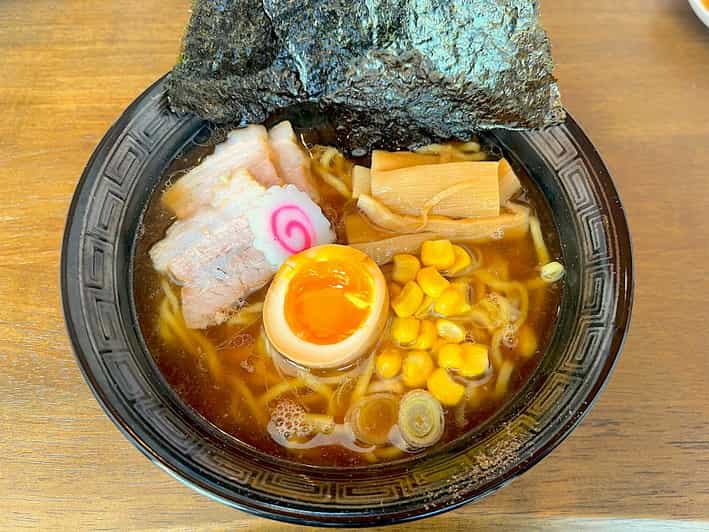
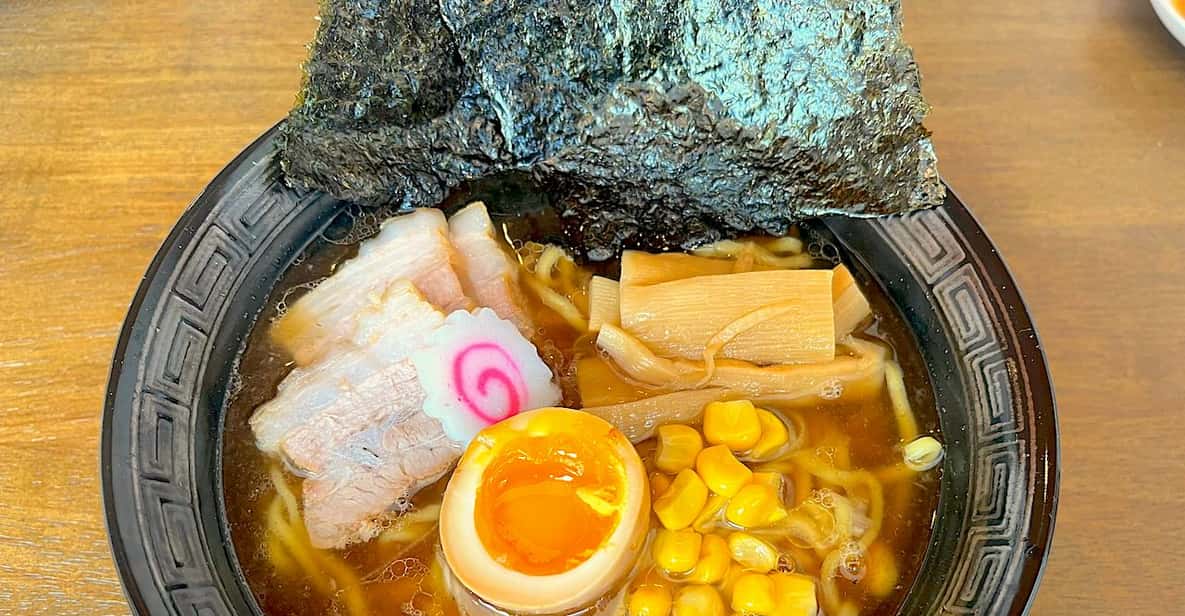
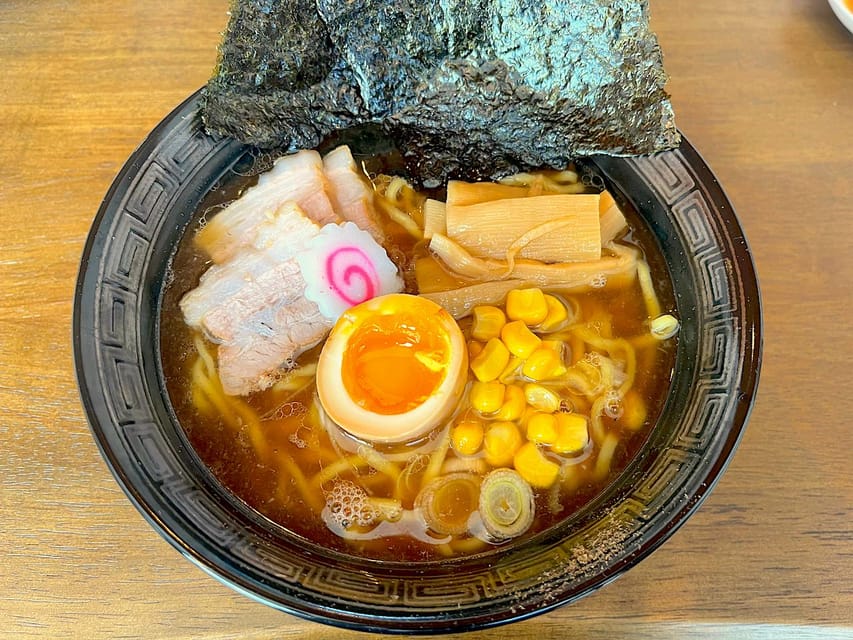
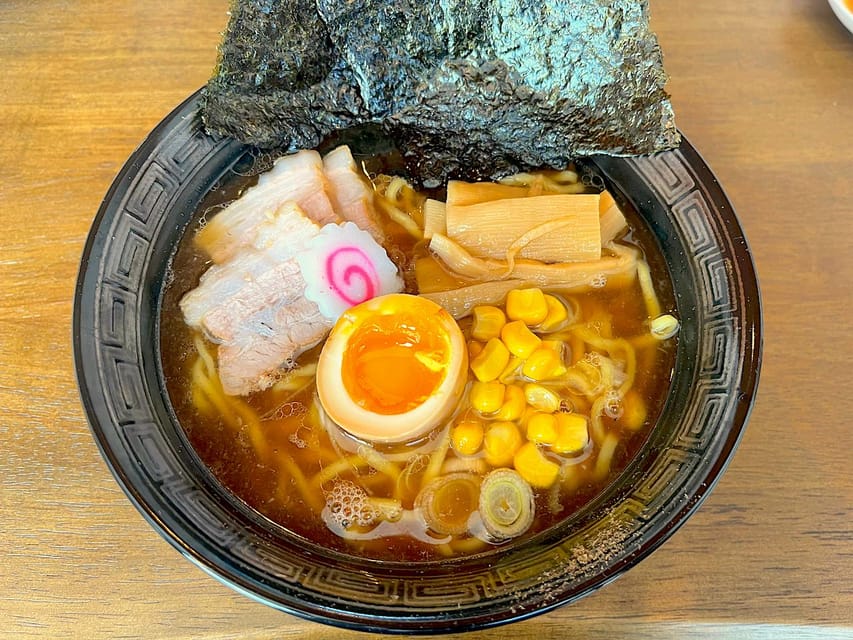
Ramen sounds straightforward until you try it. This is where the class earns its keep. You learn authentic ramen guidance with a focus on building flavor in the broth and getting the right texture for the star topping: chashu (pork belly).
You’re not left guessing. You’re taught how ramen flavor works, then you apply it. That matters because ramen isn’t one single ingredient trick—it’s balance and timing, and you need a method.
What you learn that actually transfers home
The class isn’t only about finishing a bowl for today. You also get ingredient tips and cultural context, including substitution ideas for cooking overseas. That’s a big deal if you’re going back to a pantry where key items might be harder to find.
Also, the ramen part isn’t just theory. You’re actively involved in the ramen soup process. Even if you’ve never made ramen before, hands-on guidance makes it feel doable instead of mysterious.
You can also read our reviews of more cooking classes in Tokyo



Chashu matters more than you think
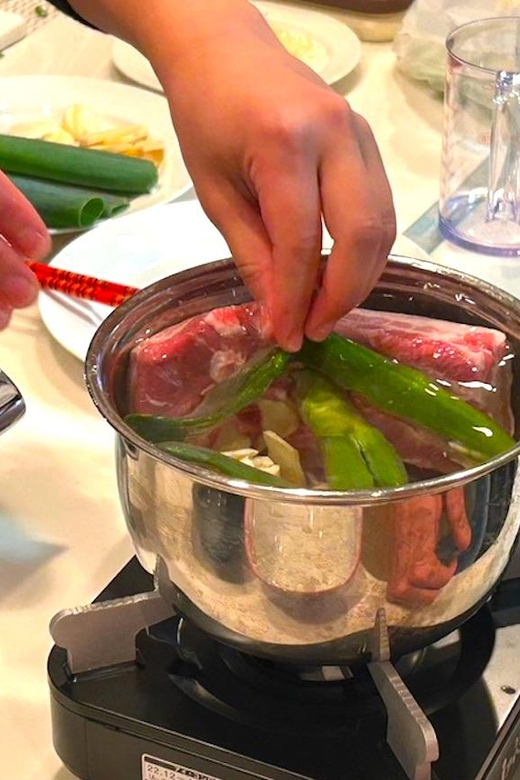
Chashu can be intimidating when you read recipes. In this class, you learn the concept and the approach for melt-in-your-mouth pork belly style chashu. If you get the pork part right, the whole bowl changes.
Nigiri Sushi Practice: Learn the Origins, Then Make the Real Thing
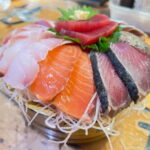
After ramen, you shift to nigiri sushi—hand-formed and technique-driven. This class includes an explanation of sushi origins, then gets practical: you learn how to make nigiri sushi using provided ingredients and tools.
Nigiri looks simple until you try it. The key is consistency: the rice size, the way you shape, and the right feel for topping placement. In a small group, you can correct mistakes as they happen instead of discovering them after the class ends.
Why this method beats watching videos
Anyone can watch a sushi video and think they understand. But your hands tell the truth. Here you get personalized instruction while you’re forming nigiri, which is the part most people struggle with.
The class also frames sushi as more than a trend. You get cultural insights and ingredient notes that help you understand what makes the food work, not just how to copy it.
Tools and ingredients are provided
You’re not expected to bring a sushi knife kit or chase down special rice gear. Ingredients and tools are included, so you can focus on technique and taste. That also makes the class a good option if you’re traveling light.
Sake Pairing Tasting: Three Premium Bottles and How They Fit

This is one of the easiest ways to make the class feel extra Tokyo. You get a curated sake tasting of three premium Japanese sakes, selected and guided by a certified sake sommelier.
Sake tasting can go two ways: either it turns into vague descriptions, or it gives you a usable framework. Here, it’s tied to what you’re cooking and eating, so you get a better sense of why certain flavors pair the way they do.
Some past classes also mention an assortment of drinks like beer alongside the sake experience. The guaranteed part is the three-sake set, so you’ll at least get a structured tasting.
How to get more from the tasting
Go slow. Sip, pause, then notice how the flavor changes after you eat. If you’re the type who loves food experiments, you’ll enjoy seeing how ramen richness or nigiri freshness interacts with the sake style.
The Meal and Your Take-Home Recipe Booklet
Cooking classes are fun, but the best ones help you keep learning after you leave. Here, you get a professionally designed recipe booklet with detailed instructions to recreate ramen, gyoza, and sushi at home.
Even if gyoza isn’t the main focus of the class, having that extra write-up means you can keep going in your own kitchen. And you’ll likely find it useful because the booklet is built around what you were shown and what you used in the session.
Souvenir chopsticks
You also take home a pair of high-quality souvenir chopsticks. It sounds small, but it’s one of those practical keepsakes you’ll actually use.
And yes, you eat what you make. The meal is part of the experience, not an afterthought.
Who This Class Fits Best (And Who Should Skip It)
This class is a strong match if you want a hands-on food skill while you’re in Tokyo. It’s also a good choice for couples, small groups, and solo travelers because the small-group format makes it easy to participate and ask questions.
It’s English-friendly, since the instructor speaks English. That’s crucial for getting technique details right, especially for ramen and rice handling in nigiri.
One big limitation: it’s not suitable for vegans or vegetarians. Chashu pork is included, and the ingredient plan is built around that.
Also, come wearing comfortable clothes that you don’t mind getting a bit dirty. Cooking involves mess. You’ll enjoy it more if you don’t spend the class thinking about your outfit.
Price and Value: Why $129 Is More Than Just a Meal
At $129 per person for a 3-hour class, you’re paying for more than food. You’re paying for instruction, ingredients, and take-home learning tools in a small setting.
Here’s what makes the value feel stronger than many casual classes:
- All necessary ingredients are included. You’re not stuck buying supplies you’ll never use again.
- You get three premium sakes as part of the experience, guided by a certified sommelier.
- You leave with a recipe booklet that supports repeat practice at home.
- You get souvenir chopsticks, which adds a nice physical reminder.
- Small group size (about four, up to eight) means attention doesn’t disappear.
Is it cheap? No. But you are essentially buying a compact cooking workshop where you learn a pair of iconic Japanese foods, plus you get tasting and a structured home recipe kit.
Quick tips so you get a smooth start
A few practical notes help you enjoy this class more:
- Arrive 5 minutes early at HAUS Tsukishima, 2nd floor.
- Wear comfortable clothes you can get a little messy.
- Plan to travel there on your own. Hotel pickup and drop-off aren’t included, so factor that into your day.
- Bring a normal hunger level. The class includes cooking and you’ll eat what you make.
If your schedule might shift, the class offers free cancellation up to 24 hours in advance and a reserve now, pay later option to keep things flexible.
Should you book this Tokyo sushi and ramen class?
If you want a Tokyo experience that’s practical, hands-on, and still deeply cultural, I’d book it. This is the kind of activity where you leave with skills you can repeat, not just photos.
Book it especially if you:
- want to learn both ramen and nigiri in one session
- like small-group instruction and hands-on work
- enjoy learning how food and drink pair, including a three-sake tasting
- value take-home learning via a recipe booklet
Skip it if:
- you’re vegan or vegetarian, since chashu pork is part of the program
- you want a purely observational experience with no cooking (this is meant for your hands, not just your eyes)
If you’re on the fence, consider this simple test: do you want to be able to make ramen broth and shape nigiri after your Tokyo trip? If yes, this is a very solid use of your time.
FAQ
How long is the sushi and ramen cooking class?
The class lasts 3 hours.
Where is the meeting point in Tokyo?
You meet at 2nd Floor, HAUS Tsukishima, 2-13-5 Tsukuda, Chuo-ku, Tokyo 104-0051.
How do I get there using public transportation?
It’s a 5-minute walk from Exit 4 of Tsukishima Station (Y21).
Is hotel pickup or drop-off included?
No, hotel pickup and drop-off are not included.
How many people are in the class?
It’s a small group limited to about four participants, with a maximum of 8.
Is the class taught in English?
Yes, the instructor is English-speaking.
What will I learn to cook?
You’ll learn to make ramen soup and chashu, and you’ll also prepare nigiri sushi.
Is there sake tasting?
Yes. You’ll enjoy three premium Japanese sakes selected for you, guided by a certified sake sommelier.
Are vegans or vegetarians able to join?
No, the class is not suitable for vegans or vegetarians.
What do I take home?
You’ll receive a recipe booklet and a pair of souvenir chopsticks.