REVIEW · TOKYO
Tokyo: Tea Ceremony Experience in a small tea room
Book on GetYourGuide →Operated by Travel Japan Together · Bookable on GetYourGuide
One hour, one quiet room, and real matcha. I love that Mari, a tea master with 20 years of experience, keeps things welcoming even if you know nothing about tea. I also love the hands-on matcha prep, where you can actually make your own cup instead of just watching. The setting near the Kamogawa Delta is calm enough to make Tokyo feel far away.
A small heads-up: getting there can be a little tricky. The experience meets at Senraku-an and the room you use can involve two flights of narrow stairs, so it’s worth planning for mobility and finding the exact spot.
In This Review
- Key points at a glance
- A one-hour tea ceremony that actually teaches
- Where you’ll be: Senraku-an, Nishi-Nippori, and the Kamogawa Delta
- Meet Mari: the teacher makes the whole session work
- The matcha lesson: what you’ll do during the hour
- Sweets with your tea: why the dried sweets matter
- Optional kimono: requestable, but check the tradeoffs
- Price and value: is $51 a fair deal?
- How to fit it into a Tokyo day without stress
- Who this tea ceremony is best for
- Quick practical tips before you go
- Should you book this Tokyo tea ceremony?
- FAQ
- How long is the tea ceremony?
- How much does it cost?
- Where do we meet?
- Is instruction available in English?
- What’s included in the experience?
- Is transportation included?
- Can I request a kimono?
- Is there free cancellation?
Key points at a glance
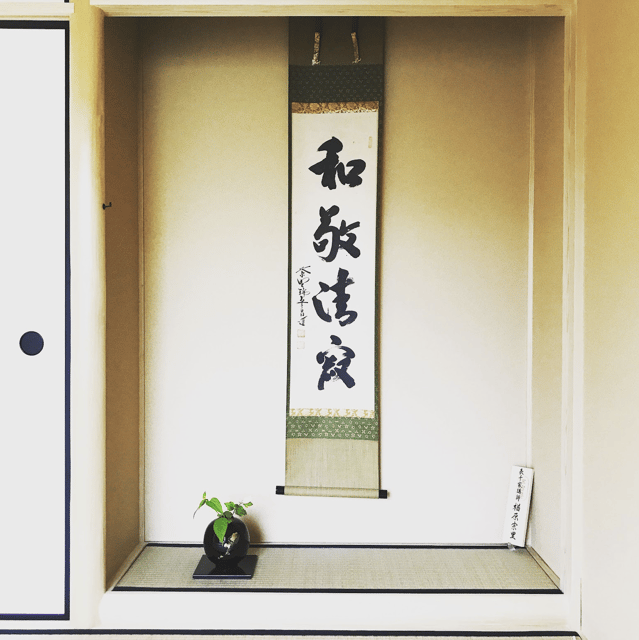
- Mari teaches in English and keeps the steps clear for beginners
- Small group (max 6) means you get real attention while you practice
- Hands-on matcha preparation includes guided whisking and optional self-made tea
- Traditional dried sweets are part of the session, not an afterthought
- Nearby calm areas make it easy to pair with a stroll around Yanaka and Nezu
- Kimono is optional (requestable), but consider the cost if you’re budget-minded
A one-hour tea ceremony that actually teaches
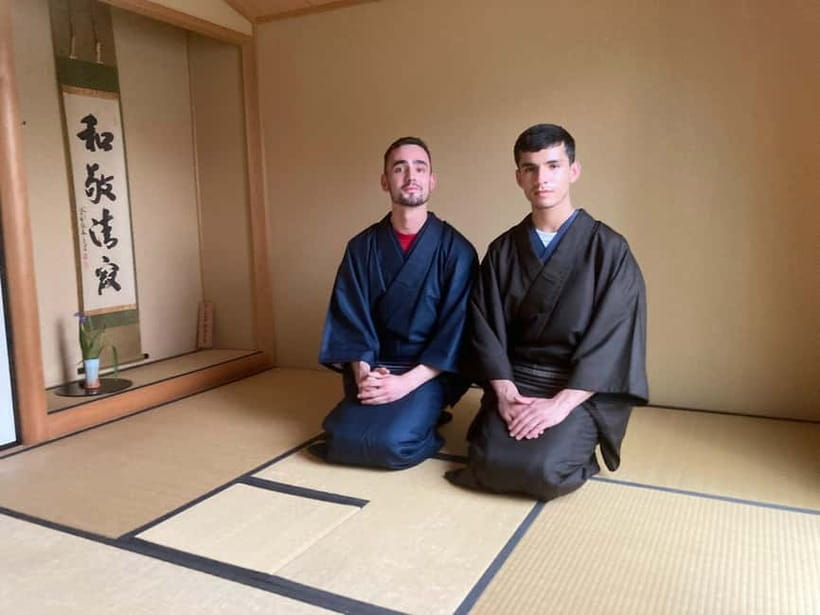
This is the kind of Tokyo experience that works even on days when you feel overloaded. You’re not stuck in a big group line or racing between stops. In an hour, you slow down, learn the logic behind the ritual, and then you practice the technique yourself.
What makes it feel different is the teaching style. Mari’s a real specialist, and the session is designed so you can follow along without any prior background. The English instruction matters too. You’re not trying to guess what’s happening while people glide silently through steps. You get the reasons behind movements—how the whisk, bowl, and timing connect to the mood of the ceremony.
And yes, the star is matcha. You’ll learn the practical basics of whisking powdered tea and what to pay attention to as you work. The point isn’t performance. It’s doing it with intention.
You can also read our reviews of more tours and experiences in Tokyo.



Where you’ll be: Senraku-an, Nishi-Nippori, and the Kamogawa Delta
The meeting point is Senraku-an, about 10 minutes before the start time. That buffer is smart: tea rooms run on timing, and you’ll want a calm entry rather than arriving breathless.
Location-wise, you’re close to Nishi-Nippori station—about a 7-minute walk. That helps a lot. You can reach it without a long train puzzle, then transition into a quieter corner of the city.
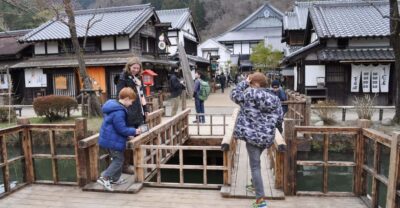
The broader area is also a plus. The ceremony is described as near the Yanaka and Nezu Shrine area, and the setting links to the pleasant riverside mood around the Kamogawa Delta. In practice, that means you can build a small day around it: tea first, then a walk to nearby old-town streets and shrines.
One practical consideration: the room used can involve narrow stairs. If you’re traveling with someone who has trouble with stairs, I’d treat this as important information rather than a minor detail. If you’re unsure, ask about the exact route when you book.
Meet Mari: the teacher makes the whole session work
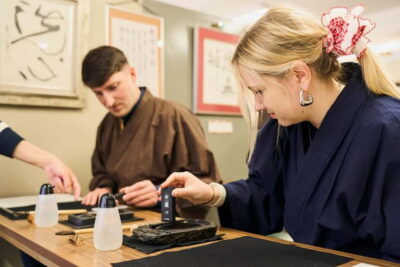
You’ll be taught by Mari, and the experience is built around her long practice—20 years, which shows in how smoothly she guides you. The sessions also stay small, with a limit of 6 participants. That’s a big deal for tea. When you’re learning whisking technique, you need a teacher who can watch what you’re doing and correct your hand position or timing.
This is also one of the reasons people come away saying it felt calm and quiet. A tea ceremony isn’t meant to be a loud activity. In a small setting, you’re more likely to settle into it rather than feel like you’re performing for a crowd.
The matcha lesson: what you’ll do during the hour
The session follows the rhythm of a traditional tea ceremony, but with a modern, beginner-friendly teaching approach. Here’s what you can expect in plain terms:
First, you’ll get oriented—what you’re about to make and what each part is doing. Then you’ll watch a demonstration of how matcha is prepared. After that, you’ll practice.
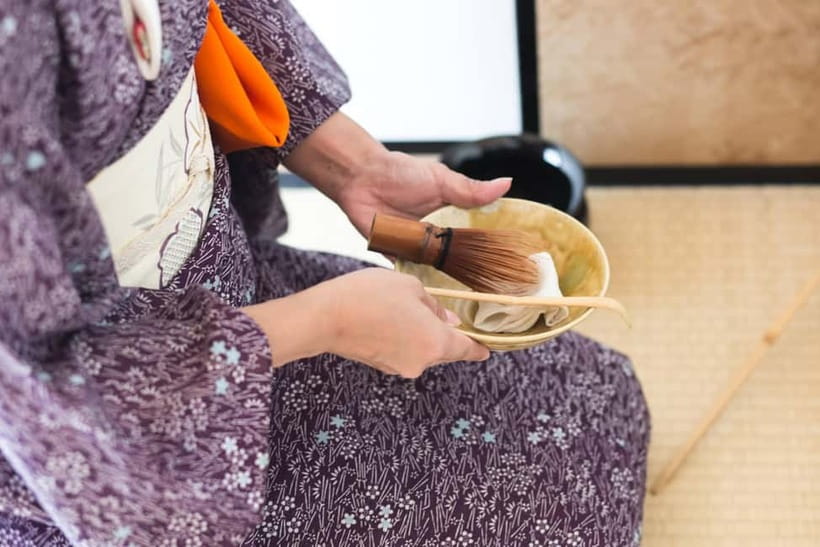
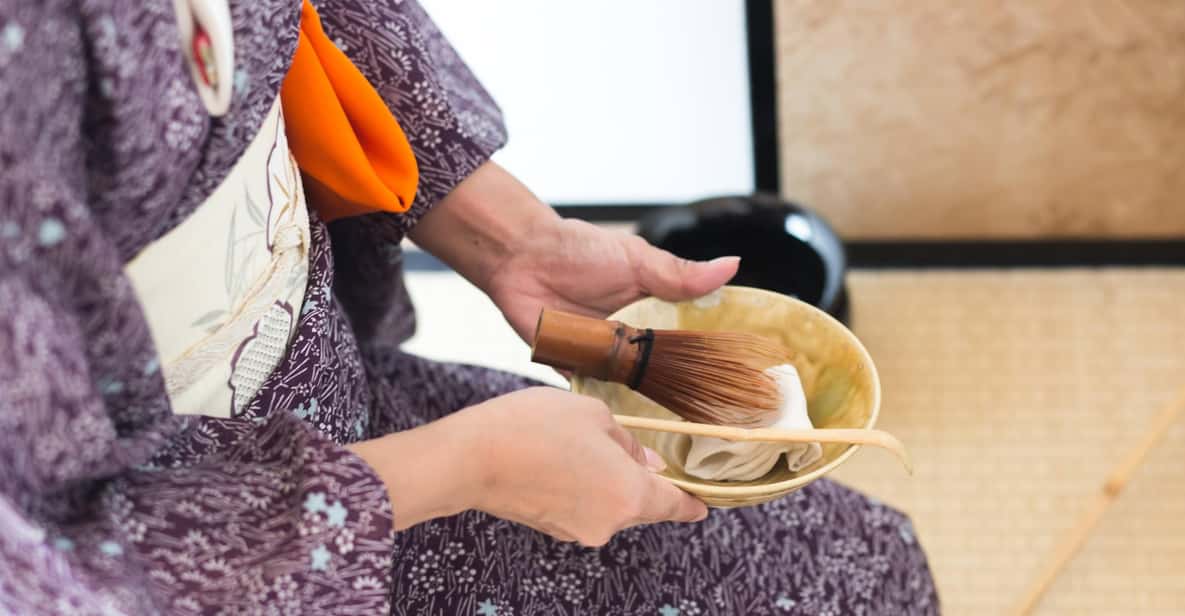
The hands-on portion is the part I’d prioritize. You’ll have the option to make your own tea if you want, and the instructor guides you through the steps—from whisking the powdered matcha to the movements that help you keep the process steady and mindful.
You also get practical coaching that helps you keep going even after the session ends. One helpful example from the experience style is teaching you repeatable technique, like how to fold the tea towel so you can practice it again later. That kind of small training detail is what turns a “see it once” activity into something you actually remember.
Because everything runs in one hour, you don’t get a long, lecture-heavy class. You move from explanation to action quickly, which keeps it engaging.
Sweets with your tea: why the dried sweets matter
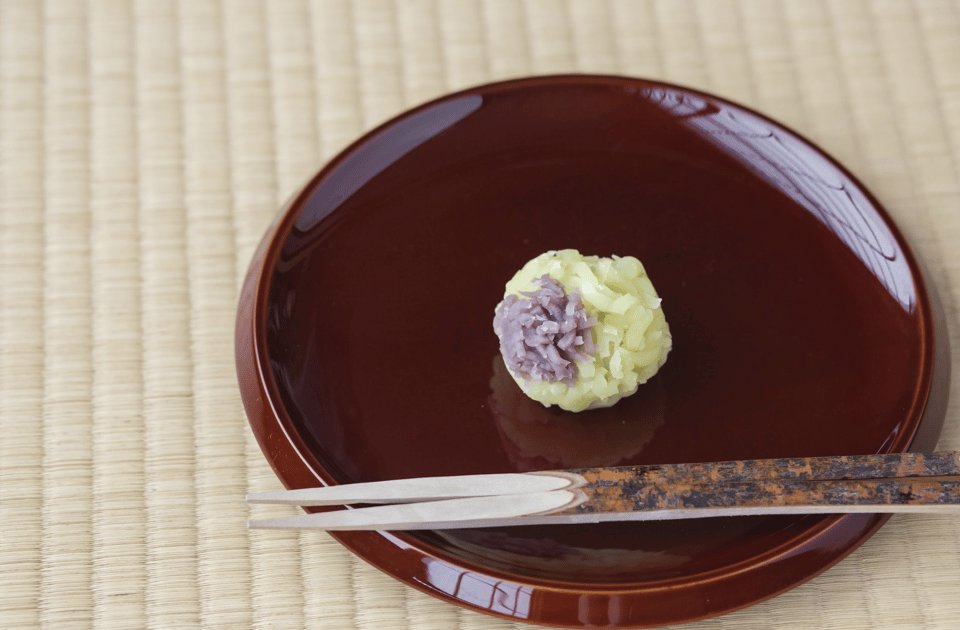
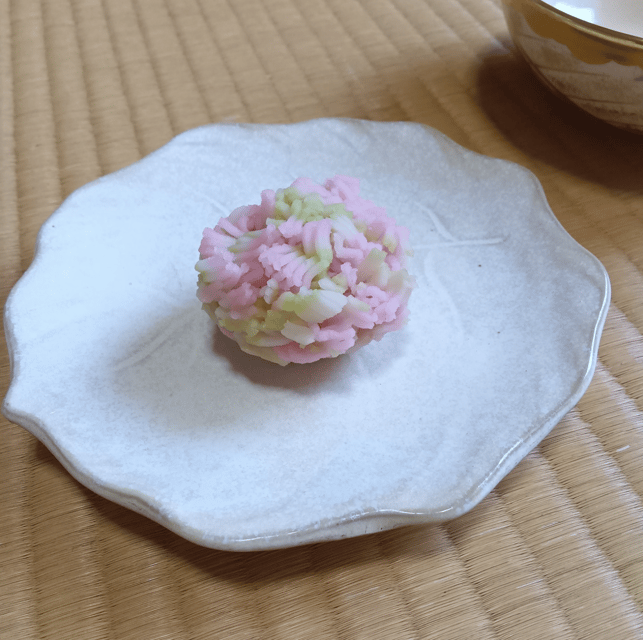
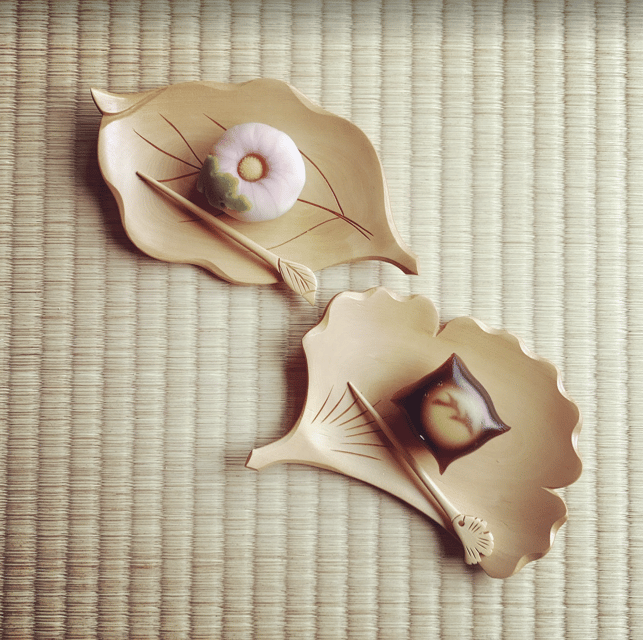
Matcha doesn’t show up alone here. You’re included traditional dried sweets as part of the ceremony.
What’s useful about that is balance. Tea ceremonies often feel more complete when you have something gentle to nibble alongside the ritual. The sweets also give you a natural pause in the session, which helps you focus on the flavors and the pacing rather than rushing through steps.
You don’t need to overthink it. Just treat the sweets as part of the same “slow down” theme. Take a moment, taste, then return to the tea-making process with a little more attention.



Optional kimono: requestable, but check the tradeoffs
If you want a kimono, you can request it. This can be a fun upgrade, especially if you like photo opportunities or want to feel the ceremonial side more strongly.
But think about two tradeoffs:
1) It can add cost, and some people felt the upcharge was on the higher side.
2) If the room has narrow stairs, extra attire can make moving around a bit more complicated.
If you’re deciding, choose based on how much you care about dressing up versus keeping things light and easy. The tea ceremony itself is the core event, and it works whether you wear kimono or not.
Price and value: is $51 a fair deal?
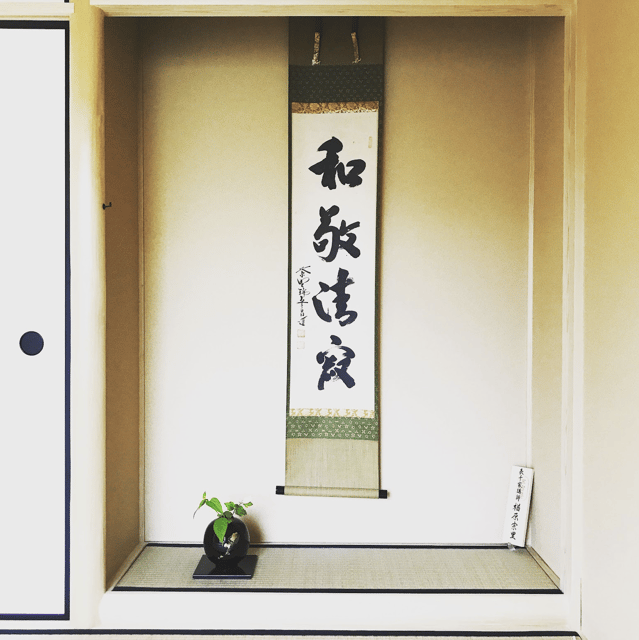
At $51 per person for about one hour, this isn’t a cheap snack activity. But it also isn’t overpriced for what you’re getting.
Here’s the value logic:
- You get a specialist instructor (Mari) with long experience rather than a general host.
- You get a small group experience (max 6), which means more time and attention while you practice.
- You get hands-on matcha prep plus matcha and traditional dried sweets included.
You’re not just paying for ingredients. You’re paying for teaching time, technique coaching, and access to a calm, traditional setting near Tokyo neighborhoods many tourists skip.
If you’re the type who likes learning one skill you can carry home, this price starts to make more sense fast.
How to fit it into a Tokyo day without stress
This is a good add-on when you want a cultural reset between busier plans. Because the session is about an hour, it’s easy to schedule without wrecking your day.
A simple plan:
- Start with the ceremony at Senraku-an (arrive about 10 minutes early).
- Afterward, use the nearby area to take a slow walk. Yanaka/Nezu Shrine vibes and the Kamogawa Delta riverside mood can turn the experience into a bigger half-day memory, not just a one-hour stop.
Also, keep in mind that you’ll be doing hands-on work. Wear something you can move in comfortably. You don’t need to pack anything fancy. The session includes what you need.
Who this tea ceremony is best for
This tea ceremony is a great match for:
- Beginners who want a guided introduction without feeling lost
- Couples and families who want something calm and structured
- People who like learning small cultural details, not just ticking boxes
It may be less ideal if:
- You have mobility concerns due to narrow stairs and a residential-area location that may require careful navigation
- You dislike paying extra for optional add-ons like kimono and prefer to keep the session strictly about tea
Quick practical tips before you go
Here are the smart moves that help you enjoy it more:
- Arrive early. The 10-minute pre-meet matters for a smooth start.
- Wear comfortable shoes. Even if you’re only walking a short distance from Nishi-Nippori, you may still end up doing stairs.
- If you want kimono, request it in advance and weigh the cost against how important it is to you.
- Be ready to practice. The best part is making your own matcha, so lean into it.
Should you book this Tokyo tea ceremony?
If your goal is a calm, teachable cultural experience in Tokyo—one where you leave with more than photos—yes, I’d book it. Mari’s long experience and the small group setup make this feel personal in the right way, and the matcha practice gives you a real skill, not just a look-see.
If you’re sensitive to stairs or you’re worried about finding a specific residential spot, take that seriously and plan accordingly. Ask about the exact route or meeting-to-room path when you book, so you can enjoy the ritual without the stress.
Overall, at $51 for an hour, with matcha, sweets, and English instruction included, this is a strong value for anyone who wants Tokyo’s quieter side—served one carefully whisked bowl at a time.
FAQ
How long is the tea ceremony?
It lasts 1 hour.
How much does it cost?
The price is $51 per person.
Where do we meet?
You meet at Senraku-an about 10 minutes before the experience starts.
Is instruction available in English?
Yes. The instructor speaks English.
What’s included in the experience?
Matcha, traditional dried sweets, and a lesson by the tea ceremony teacher are included.
Is transportation included?
No. Transportation is not included.
Can I request a kimono?
Yes, kimono is optional and you can request it.
Is there free cancellation?
Yes. You can cancel up to 24 hours in advance for a full refund.