REVIEW · TOKYO
Casual Japanese sake tasting and snack experience, Kabukicho
Book on GetYourGuide →Operated by Bancre Inc. · Bookable on GetYourGuide
Sake tasting beats guesswork fast. In Kabukicho, I like the way you compare 8 sake types back-to-back and the way snack pairings make your palate pay attention instead of just getting busy. One practical catch: it happens on an upper level with no elevator, so it’s not ideal if stairs are an issue.
This is an easy way to learn how Japanese sake actually varies, without needing a spreadsheet or a sommelier brain. You’ll meet near Shinjuku Station, then keep things moving in a small group of up to 6, with an instructor who can work in English (and sometimes uses a translator machine). If you’re curious but unsure where to start, this kind of structured tasting is a smart first step.
In This Review
- Key points to know before you go
- Kabukicho sake tasting near Shinjuku is an easier start than you think
- Price and what you really get for $38
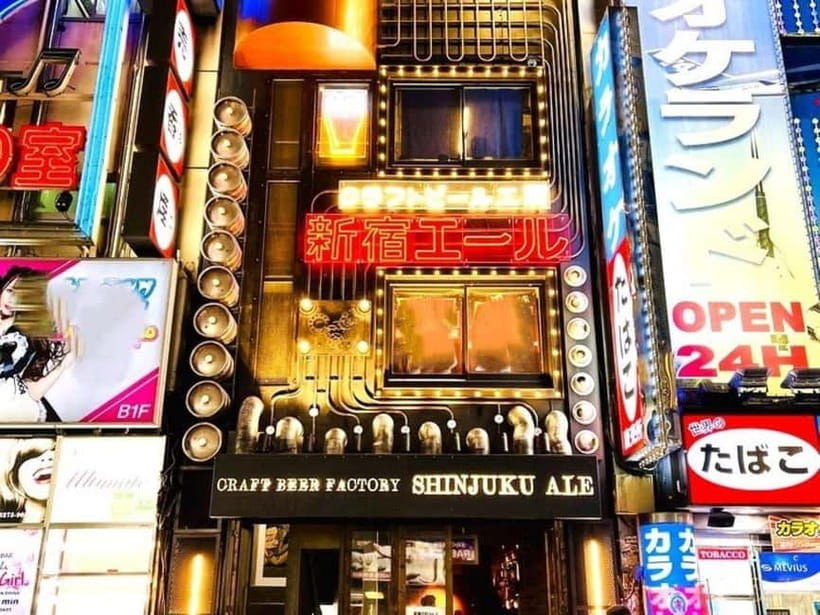
- Meeting point on Kabukicho Central Road: how to find Shinjuku Ale
- Your guided order of tasting: what the alcohol-first approach teaches you
- The snacks are not an afterthought
- The 8 sake types: what you’ll likely notice as the samples change
- How the instructor keeps it understandable (even with language limits)
- Where you’ll sit, what the vibe feels like, and how long it lasts
- Amazake dessert: the sweet finale that changes how you think about rice fermentation
- Who this Kabukicho sake tasting is best for
- A quick reality check: possible downsides to plan for
- Should you book this Kabukicho sake tasting?
- FAQ
- Where is the meeting point?
- How much does the sake tasting cost?
- How long is the experience?
- What’s included in the price?
- Do I need to be a sake expert?
- How many sake samples will I taste?
- Do they offer English?
- Who is this experience not suitable for?
- Is it wheelchair accessible?
Key points to know before you go
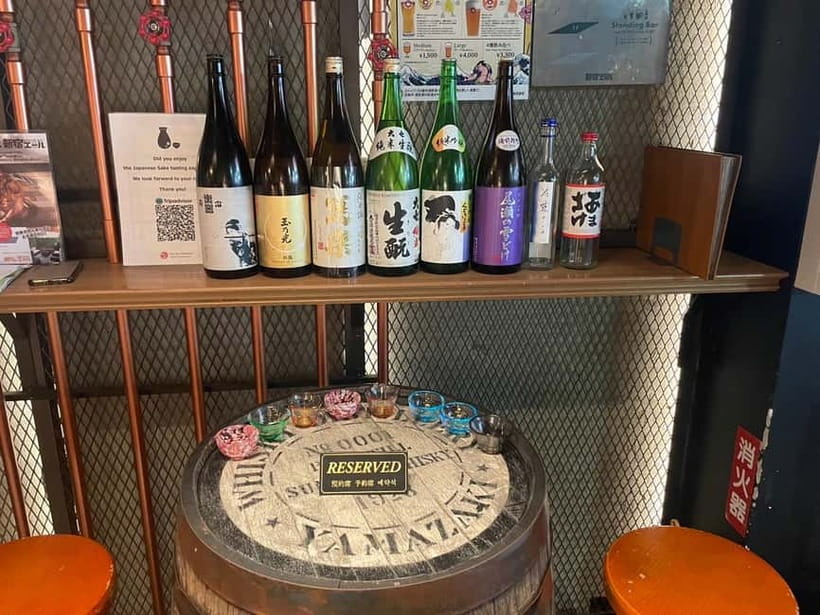
- 8 carefully selected sakes: A real comparison, not just random pours.
- Cold, hot, and even a cocktail-style sample: You’ll taste sake in more than one mood.
- Traditional Japanese snack pairings: Flavors change in a useful, memorable way.
- Start with lower alcohol: The tasting is guided by alcohol strength (often around 15–16% for sake).
- Ends with amazake dessert: A sweet fermented rice drink made from rice malt.
Kabukicho sake tasting near Shinjuku is an easier start than you think
Kabukicho gets a bad reputation in travel stories, but that street-energy is exactly why this experience works. You don’t need to “find the perfect quiet room.” You just walk in, get guided, and taste your way through Japanese sake like you’re learning a local song—one verse at a time.
The best part for first-timers is that the session isn’t asking you to already know what good sake is. It’s built for comparison. You’ll be guided to notice differences you can actually feel, not fancy terms you have to memorize.
And because it’s in Shinjuku, you’ve got two wins: you’re near a major transit hub, and you can fit this into a busy day without losing half your schedule to getting there.
You can also read our reviews of more food & drink experiences in Tokyo

Price and what you really get for $38
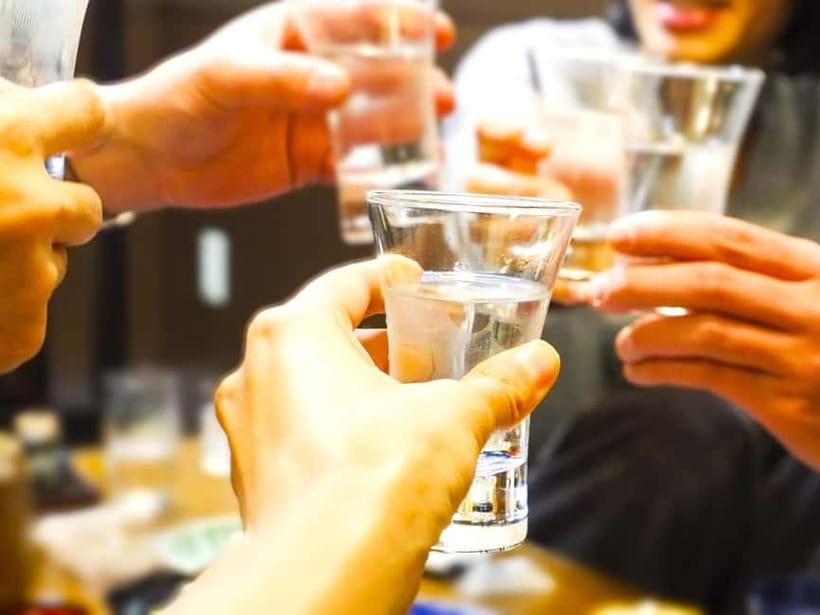
At $38 per person for about a one-day activity, the value comes from what’s included: you get the tasting itself plus traditional snack pairings, and all fees and taxes are covered.
You’re not just paying for sake you could buy at a random bar. You’re paying for a structured 8-part comparison, with an instructor helping you understand what you’re tasting and why it changes. When you’re learning, that guidance saves money because you don’t waste it buying bottles you don’t know how to judge.
Also, the group size matters. With a small group capped at 6, the experience stays interactive. It’s much easier to ask questions, get clarification, and actually compare without feeling rushed.
Meeting point on Kabukicho Central Road: how to find Shinjuku Ale
The meeting point is straightforward, but I’d still pay attention because Kabukicho has lots of similar signs.
- Head to Shinjuku Station (JR Yamanote Line).
- Walk about 5 minutes along Kabukicho Central Road toward TOHO Cinemas.
- Look for Shinjuku Ale on your right, next to Karaoke 747.
One detail worth flagging: the tasting takes place on the 2nd floor of the bar. If you’re the type who hates wandering around for a doorway, give yourself a few extra minutes. The good news is that once you spot Shinjuku Ale, you’re basically there.
Your guided order of tasting: what the alcohol-first approach teaches you
Sake can taste very different even when you’re told it’s “just sake.” One reason this experience is smart is the tasting order. You start with sake that has a lower alcohol content, then you move through samples that go higher.
Why does that matter? Because strength changes your perception. If you start with higher-alcohol sake, your palate can get overwhelmed fast. Starting lower helps you pick up the smaller details—texture, aroma, and how the finish lingers—before the alcohol pushes everything into one flavor blur.
Sake’s alcohol content averages around 15–16%, with some bottles lower and some higher. You don’t have to do the math. You just taste in a way that makes the differences easier to catch.
The snacks are not an afterthought
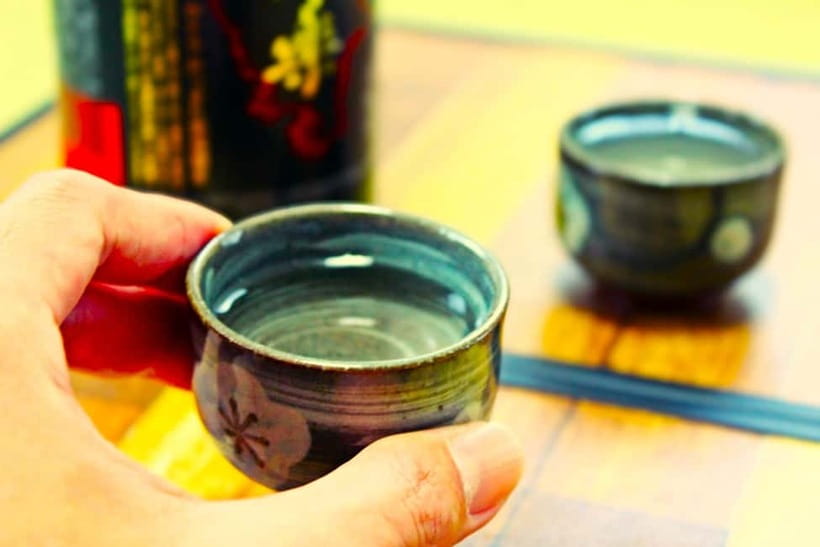
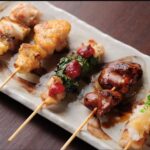
The tasting isn’t just “drink, repeat.” Traditional Japanese snacks are part of the session, and they’re there for a reason.
Pairing changes what you think you taste. The salt, crunch, or sweetness of a snack can highlight certain aspects of sake—like making aroma feel stronger, or making the flavor finish cleaner. When you eat alongside the samples, you stop treating sake like a standalone drink and start treating it like part of a meal rhythm.
I also like that the atmosphere is casual. This is the kind of setting where you can enjoy the food, ask questions, and not feel like you’re being judged for having a beginner’s palate.
You can also read our reviews of more drinking tours in Tokyo



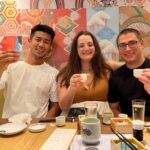
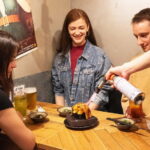
The 8 sake types: what you’ll likely notice as the samples change
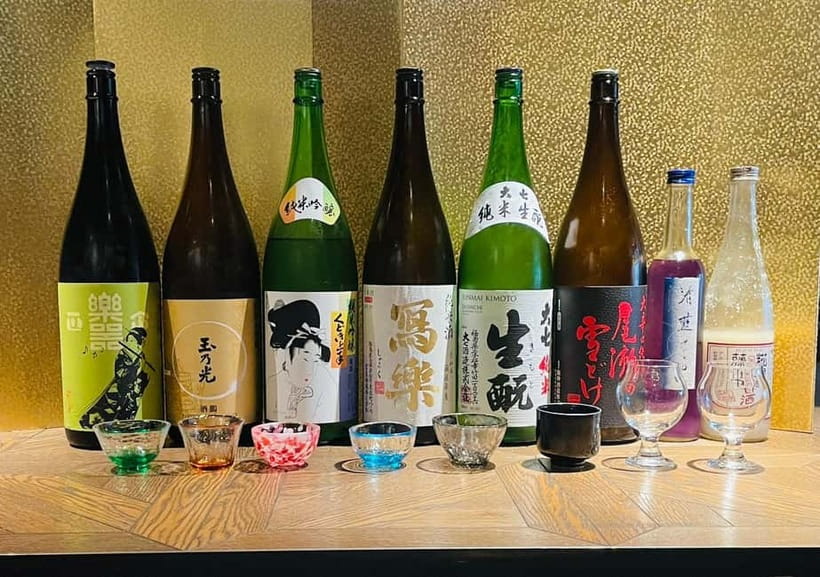
You’ll compare 8 carefully selected varieties of sake in total. The experience is designed as an “easy sake comparison,” which means you’re not just tasting blindly. The instructor guides you through what to focus on, and the format helps you build a sense of how sake shifts.
Here’s what you can expect to experience across the set, based on the styles that show up during the tasting:
- Lower alcohol start: You begin with a gentler pour so you can actually register differences.
- Cold and hot samples: You’ll taste sake in different temperatures. That matters because warmth can soften edges and bring out deeper aromas, while chilled sake often feels crisp and bright.
- A cocktail-style sake sample: You’ll also get at least one mixed, sake-influenced drink format, which helps you understand how sake can be used beyond straight pours.
You’ll also be learning “simple” steps first—how to interpret what you’re tasting—then you’ll build confidence fast. If you’re thinking that you might need to be a sake expert to enjoy this, don’t. This is set up so you can learn while you taste.
How the instructor keeps it understandable (even with language limits)
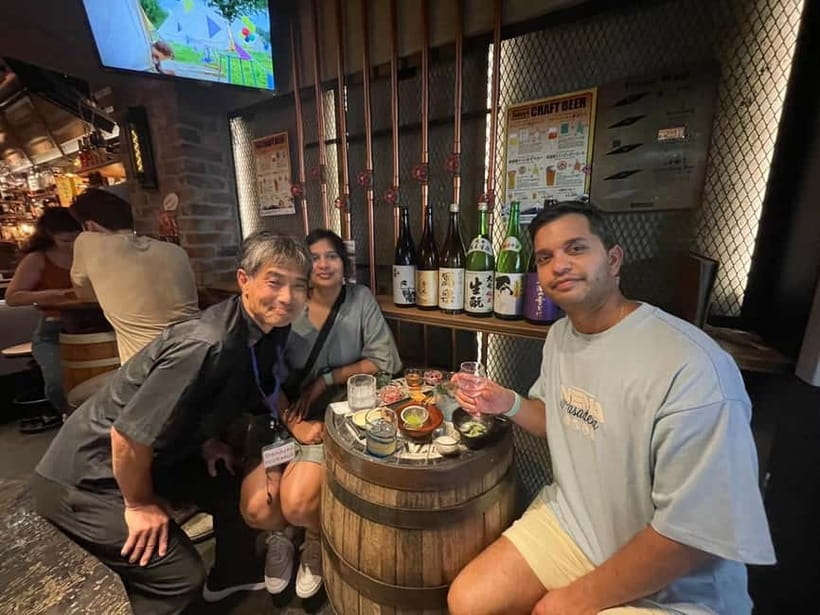
The session is led by an instructor who works in English and Japanese. That’s the ideal setup. But the provider notes that some staff may not be strong in English, so they may use a translator machine.
In practice, that tends to be fine as long as you’re clear about what you want to ask. If you’re curious about sweetness, warmth vs. chill, or why a sake tastes different when paired with food, you can usually get an answer without much friction.
One thing I found useful from the way the experience is described: the explanations are meant to be progressive. You start with basics—what to expect in alcohol strength and how to taste—then you get deeper only if you want to. That keeps it fun instead of like a lecture where your notes never get referenced again.
Also, I like that the experience includes personal interaction. One guide named Mai is specifically mentioned as friendly and welcoming, and as someone who helps answer questions (including for visitors who know other alcohol styles like whisky).
Where you’ll sit, what the vibe feels like, and how long it lasts
It’s a small-group tasting, limited to 6 participants, which naturally keeps the pace from turning into a production line. Expect a guided flow where you taste, listen, eat snacks, then move to the next sample. Because it’s a short, structured experience, it’s easy to keep up even if your Japanese is limited.
Duration is listed as 1 day, which mostly means it’s a single session you can slot into your itinerary. Starting times depend on availability, so check the options when you book.
And yes, it’s on the 2nd floor. If stairs slow you down, plan accordingly. The provider also states it is not wheelchair accessible because there’s no elevator, so keep that in mind if mobility is a concern.
Amazake dessert: the sweet finale that changes how you think about rice fermentation
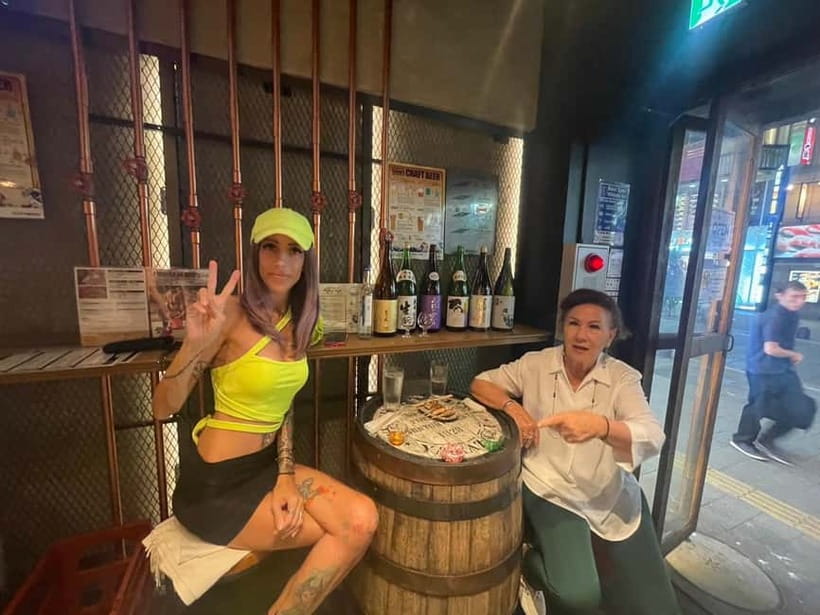
Most tastings end with a “last pour” and you’re done. This one ends with something different: amazake as dessert.
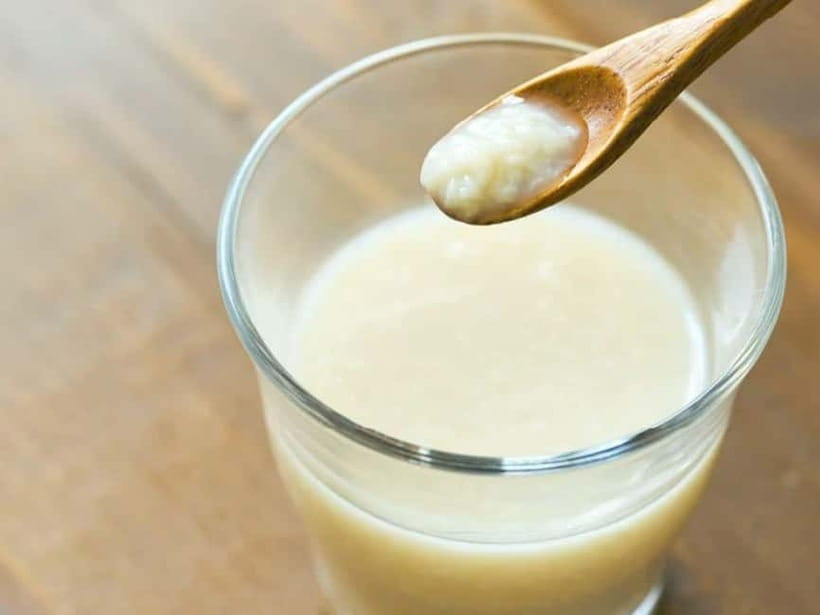
Amazake is a sweet fermented drink made from rice malt. That matters because it gives you a contrast to the rest of the flight. Even if you’re focused on “sake tasting,” amazake helps you understand that fermented rice flavors aren’t only about alcohol strength. They can be sweet, gentle, and dessert-like.
It’s also a nice psychological reset. After comparing multiple sakes, you get a calmer, sweeter ending that feels like a treat rather than another test.
Who this Kabukicho sake tasting is best for
This experience is a strong match if:
- You’re new to Japanese sake and want an easy, guided comparison.
- You like learning through taste instead of reading labels.
- You want snack pairings included, so you can actually practice matching flavors.
- You’re visiting Shinjuku and want something that feels local but doesn’t require planning a full evening meal.
It’s also a good pick for people who want friendly interaction. The overall tone is casual, and the instructor approach is meant to keep questions welcome.
The experience is not suitable for:
- Pregnant women
- People under 20
So if any of that applies, you’ll want to skip this option.
A quick reality check: possible downsides to plan for
No experience is perfect, and this one has a couple practical considerations:
- 2nd floor, no elevator: If you’re sensitive to stairs, this is the big one.
- Kabukicho signage can be tricky: Even with good directions, the exact spot can take a moment to confirm because the area is dense with businesses.
- Alcohol-focused experience: It’s designed for sake tasting, so it’s not a zero-alcohol cultural walkthrough.
If those points don’t bother you, you’re likely to enjoy the format a lot.
Should you book this Kabukicho sake tasting?
I’d book it if you want the most efficient way to taste multiple Japanese sake styles with guidance and food. For $38, you’re getting an instructor-led 8-sample comparison plus snack pairings and a sweet amazake finish. That’s a lot of tasting for one outing, and the structure helps you learn without getting overwhelmed.
I’d skip it if you need step-free access or if you’d rather sample sake on your own at a slow pace with no guidance. If you’re okay with stairs and want a guided learning experience in a convenient Shinjuku location, this is the kind of activity that turns curiosity into clear personal preferences fast.
If you’re standing in Kabukicho anyway, this is one of the smarter uses of an evening: short enough to fit, structured enough to learn, and fun enough to feel like a night out.
FAQ
Where is the meeting point?
You meet about a 5-minute walk from Shinjuku Station on the JR Yamanote Line. Walk along Kabukicho Central Road toward TOHO Cinemas, and look for Shinjuku Ale next to Karaoke 747 on your right.
How much does the sake tasting cost?
It costs $38 per person.
How long is the experience?
The duration is listed as 1 day. Starting times depend on availability.
What’s included in the price?
The price includes all fees and taxes. The experience includes sake tasting and Japanese snack pairings, plus amazake as dessert.
Do I need to be a sake expert?
No. It’s designed to be enjoyable even if it’s your first time drinking sake.
How many sake samples will I taste?
You’ll taste 8 carefully selected varieties of sake.
Do they offer English?
Yes. The instructor supports English and Japanese. The provider notes that some staff may use a translator machine.
Who is this experience not suitable for?
It is not suitable for pregnant women and for people under 20.
Is it wheelchair accessible?
No. The provider states it is not wheelchair accessible because there is no elevator.