REVIEW · TOKYO
Tokyo: Shinjuku Bar Hopping & Night Walking Tour
Book on GetYourGuide →Operated by Local Guide Stars · Bookable on GetYourGuide
Shinjuku at night is a taste test marathon. I like how this tour strings together three different types of authentic izakayas in one night, so you don’t just repeat the same menu in three places. I also love the way the guide turns drinks into a story, with sake-tasting explanations that you’ll hear from guides like Miko, Hajime, and Han, not just a random pour and go.
The main drawback to plan for: seating can be tight. Some bars may require standing, and food service can run slow in small spots, which can nudge the evening a bit later than the clock says.
In This Review
- Key things you’ll notice on this Shinjuku tour
- Meeting at Shinjuku’s East Exit Police Box: Start Easy
- Stop 1: Omoide Yokocho for Tiny Tables and Real Izakaya Energy
- Stop 2: Kabukicho Neon and Comfort Food You’ll Actually Want to Order
- Stop 3: Golden Gai for Bars Off the Typical Tourist Map
- Food and Drinks: What You Pay vs. What You’re Really Buying
- Guides Make or Break the Night: Names You’ll Hear in the Praise
- Time on the Ground: The 3-Hour Plan, Plus Real-Life Delays
- Route Changes Happen: What to Do If Your Plan Shifts
- Who This Tour Is Best For (and Who Should Rethink It)
- Should You Book This Shinjuku Night Walk?
- FAQ
- Where is the meeting point?
- How long is the tour?
- Is hotel pickup or drop-off included?
- Do I need cash?
- Will I be able to drink alcohol?
- Are vegetarian options available?
Key things you’ll notice on this Shinjuku tour
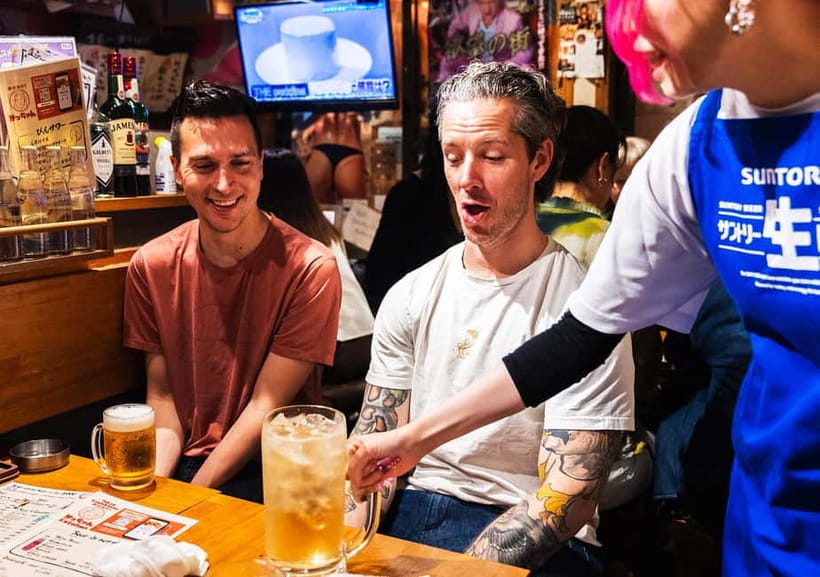
- Three distinct izakaya styles across iconic areas, not a single bar with a long stop
- Sake tasting with real comparisons, where guides explain the differences you’re drinking
- Back-alley Shinjuku lanes that are easy to miss without local help
- Omoide Yokocho-style dinner rhythm, often meaning crowded tables and quick conversations
- Karaoke and surprise nightlife moments can happen, including nights with snake sake
- Golden Gai access through connections that get you into bars that usually don’t take walk-ins
Meeting at Shinjuku’s East Exit Police Box: Start Easy
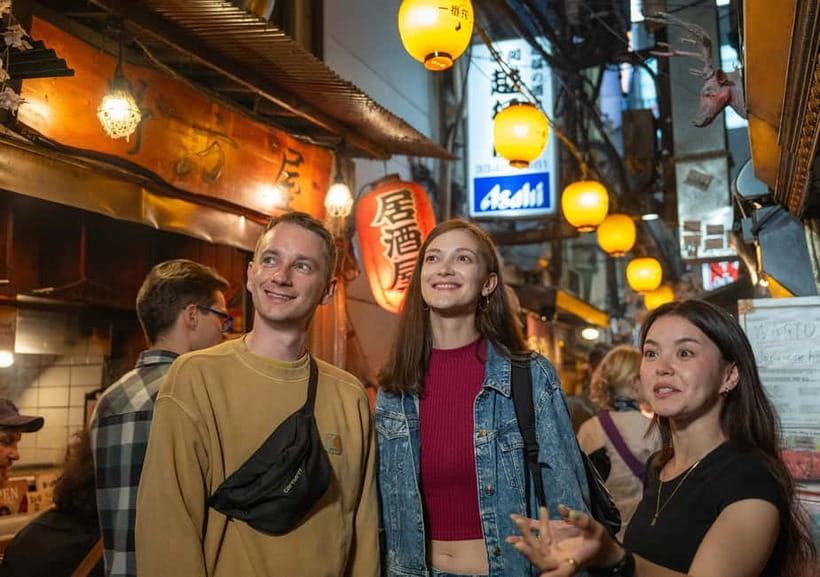
The tour meets at the Shinjuku Police Station Shinjuku East Exit Police Box (near the east exit of Shinjuku Station). That’s actually a good thing. Shinjuku is a maze, and having a clear, big landmark helps you get your bearings fast.
Once you’re with the group, the pace becomes the whole point. You’re walking between areas on foot with short transfers (think a few minutes at a time). You’re not stuck on a bus, so the night feels immediate: neon lights, street noise, and crowds moving in waves.
You should also know what to bring early: cash. Food and drinks are not included, and many tiny places run a cash-first setup. If you plan to order extra rounds, having cash on hand prevents that awkward hunt right when the menu hits.
You can also read our reviews of more walking tours in Tokyo
Stop 1: Omoide Yokocho for Tiny Tables and Real Izakaya Energy
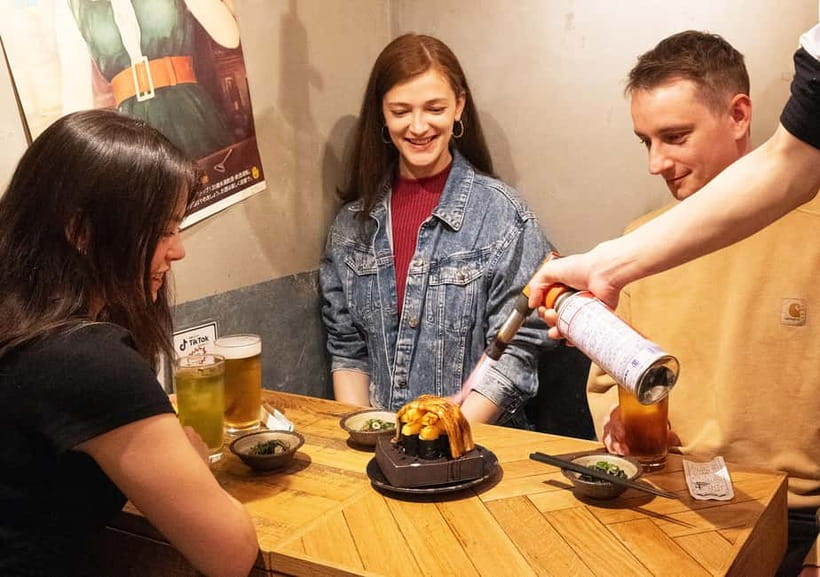
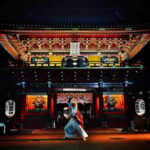
You start in Omoide Yokocho, the red-lantern lane that office crowds swarm after work. This is where Shinjuku’s “small place, big personality” idea becomes obvious. The establishments are tight, the lighting is warm, and the atmosphere is social in a way that feels less staged than big-city entertainment districts.
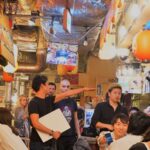
What I like about Omoide Yokocho on a guided night is that you’re not left to figure everything out with a language barrier and a crowded counter. Your guide handles the hard parts—especially getting you seated—so you can focus on the food and the rhythm of the evening.
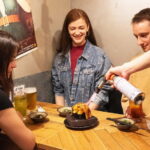
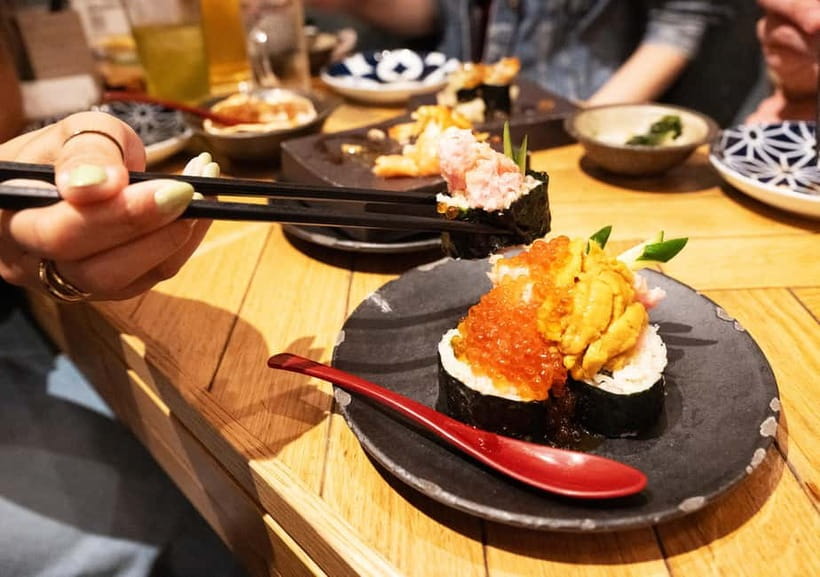
Expect classic izakaya-style ordering: you’re likely to see and taste things like fresh sushi and other bar snacks depending on the night’s picks. The key is that this area isn’t about “one signature dish.” It’s about the feel: quick bites, quick conversation, and the sense that everyone here is doing the same thing you are—having a proper night out.
Practical consideration: seating can be limited. Even with reservations, some spots may mean shorter stays at tables or time at standing counters. If you hate standing, plan for it. If you’re fine with it, you’ll find the cramped layout part of the authenticity.
Stop 2: Kabukicho Neon and Comfort Food You’ll Actually Want to Order
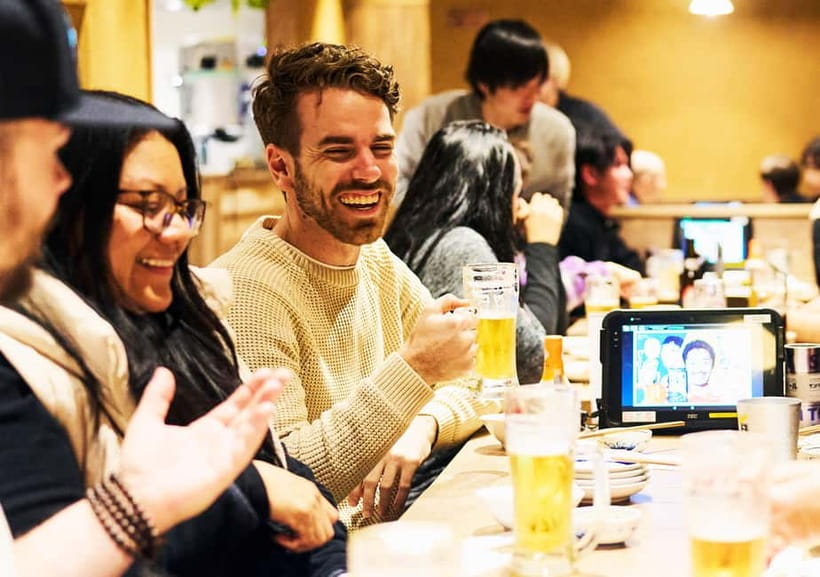
Next comes Kabukicho, Shinjuku’s best-known entertainment neighborhood. If Omoide Yokocho is all red lanterns and close talk, Kabukicho is the opposite: bright signs, flashing storefronts, and the feeling of being in the middle of Tokyo’s night machine.
This stop matters because it gives context. You’re not only chasing bars—you’re seeing how different parts of Shinjuku operate. Kabukicho is where you can spot the characters, the energy, and the nightlife intensity that makes Shinjuku famous.
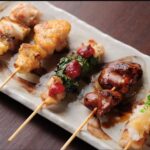
Food-wise, this is a strong place to get your comfort-food hits. The tour is set up around izakaya-style bites such as juicy gyoza and other crispy, shareable items. You mentioned crispy kushikatsu in the highlights, and that kind of food fits perfectly here: easy to eat while you’re walking, and satisfying even when you’re hungry after a busy day.
Kabukicho can feel overwhelming if you’re wandering alone. The guide keeps things simple: where to go, what to try, and how to order without turning your night into a multi-minute menu translation project.
Possible drawback: this is also the part of the night where delays can happen. Some small restaurants move at their own speed. If the service runs slow, don’t treat it like a failure. Treat it like Tokyo nightlife—small rooms, tight kitchens, and dinner that happens when it happens.
Stop 3: Golden Gai for Bars Off the Typical Tourist Map
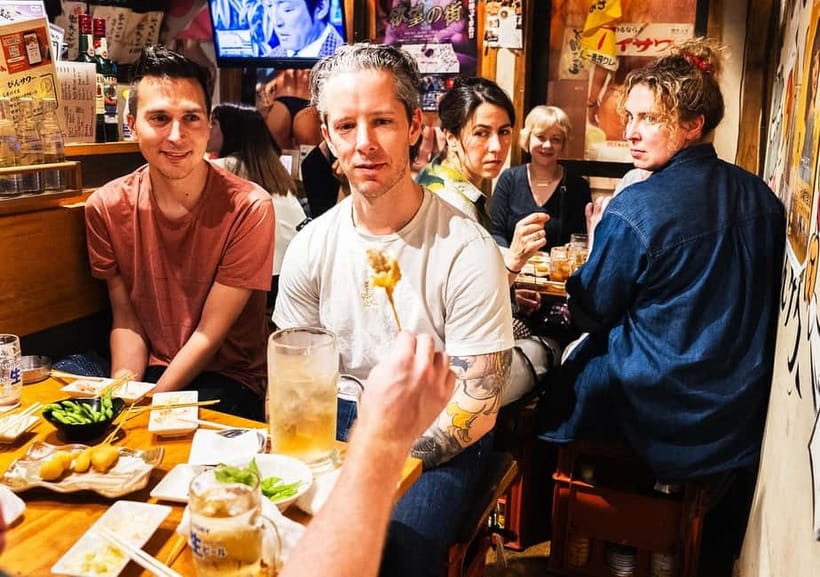
The final stop is Golden Gai, famous for its maze of tiny bars—often no-frills rooms that can feel more like a local hangout than a public venue. What makes a guided tour worthwhile here is access. Your guides’ insider connections help you get into bars that typically don’t welcome random walk-ins.
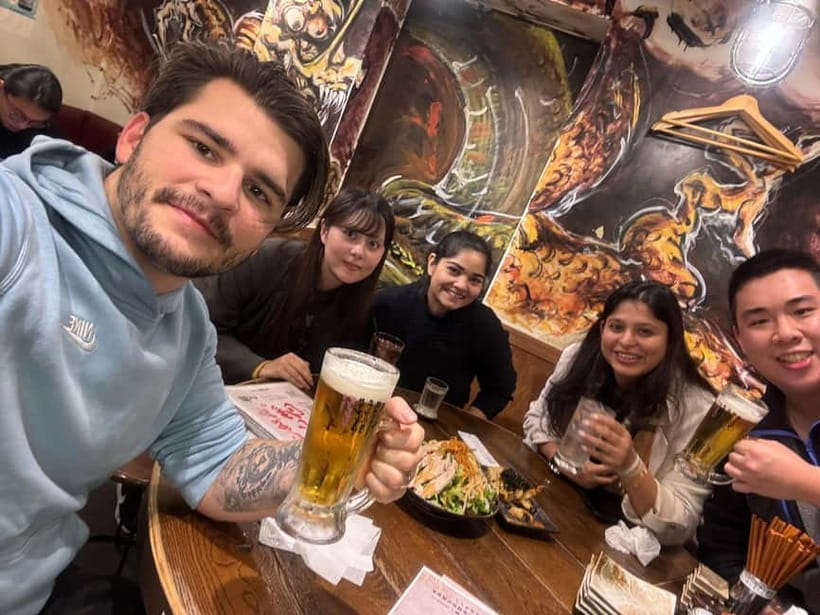
Golden Gai is also where the “drinks as culture” idea becomes real. This is a place where people linger, chat, and treat a night out like a conversation marathon. The tour highlights include local beers, spirits, and traditional Japanese sake, and this is exactly where you’re most likely to feel the difference between just drinking and understanding what you’re drinking.
Many guides on this kind of route focus on sake styles and how to taste them. In the reviews, you’ll see praise for guides explaining differences between sake types (with examples including Miko). That’s not just trivia. It changes how you order. Suddenly you’re not guessing—you’re choosing.
What to expect: limited space. Golden Gai bars are small by design, so plan for closeness and standing room. The payoff is that you get a real slice of Shinjuku nightlife without having to “solve” the area first.
Food and Drinks: What You Pay vs. What You’re Really Buying
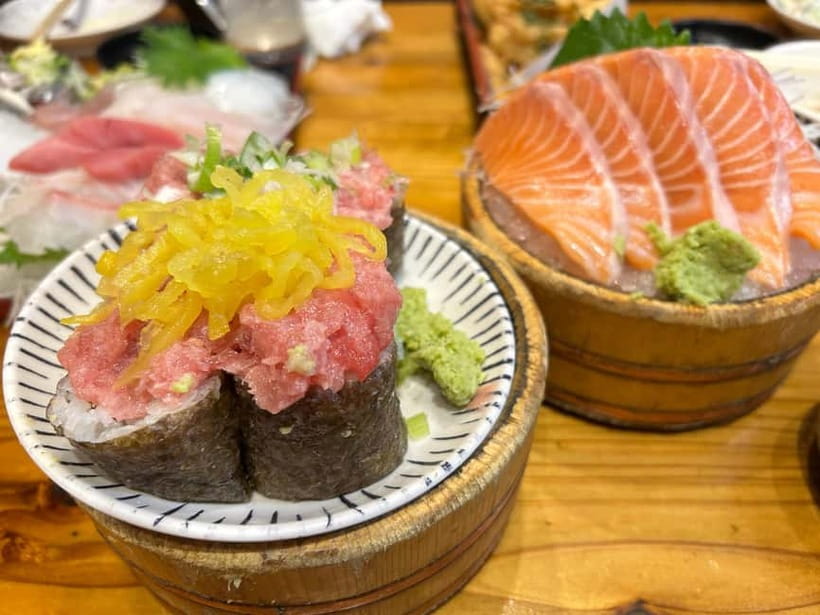
The tour costs $30 per person for a 3-hour walking experience, and you’ll want to understand what that covers. The included part is the walking tour, a local guide, and photos during the tour. Food and drinks are not included.
That sounds like a sting until you compare it to the value you’re getting. For a night like this, you’re paying for two things: access and guidance. You’re not paying for a free meal. You’re paying so you can eat and drink where you would likely struggle on your own—tight izakayas, language barriers, and spots that don’t always accept walk-in customers.
In practice, the guide’s ordering style helps you avoid the common mistake: ordering random items that don’t match the neighborhood. Reviews repeatedly point to well-picked food and drink recommendations, not just a sightseeing walk.
One more tip: you’ll likely want to budget extra for what you drink. Sake tastings and multiple bar stops add up fast. If you’re planning to try cocktails, extra beer pours, or specialty items, keep your cash ready and set your own cap.
Also note the age rule for alcohol. By Japanese law, only guests aged 20 and over are allowed to drink. If you’re under 20, you can still enjoy the food and sights, but your options for alcoholic drinks are limited on this kind of tour.
You can also read our reviews of more evening experiences in Tokyo



Guides Make or Break the Night: Names You’ll Hear in the Praise
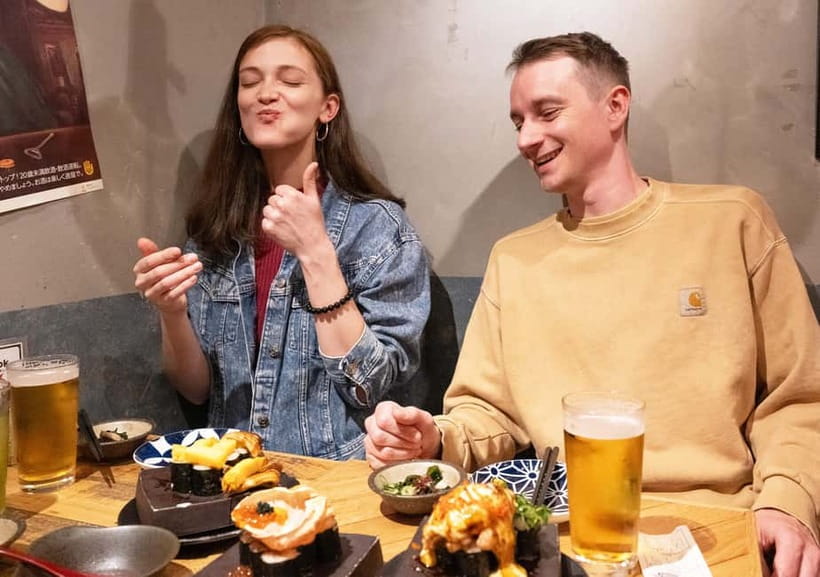
A big reason this tour earns a high rating is the guide vibe. Across the feedback, guides like Han, Ayaka, Hajime, Chihiro, Yuki, Ichiro, and Shun show up again and again. The common thread: they’re friendly, they keep things moving, and they explain what you’re seeing in a way that feels practical, not forced.
If you’re looking for English support, this tour lists English and Japanese. In reviews, English is described as clear, and solo travelers mention feeling comfortable with the guide and the group.
One of the funniest and most memorable details: karaoke. A review mentions a hidden-away karaoke bar, with another describing singing and drinking while the night stretches onward. That’s the kind of “Tokyo nightlife” moment you’d never plan yourself, and it’s exactly why doing it with a guide can feel like getting a shortcut into local life.
If you’re a solo traveler, that karaoke angle can be especially meaningful. It’s social without being awkward—just a shared moment, music playing, and people laughing.
Time on the Ground: The 3-Hour Plan, Plus Real-Life Delays
The tour runs about 3 hours, and that timing matters in Shinjuku. This neighborhood is better at night, but it’s also better when you still have energy for your next stop after the tour ends.
Still, the tour notes that service can be delayed at some restaurants. That’s normal in small places with limited staff. It can also extend the evening beyond the scheduled time.
My advice: don’t stack your next plan immediately after the tour. Give yourself a buffer. If you’re meeting friends later, try to build in some slack. You’ll thank yourself when dinner takes a little longer and the sake tasting runs one pour too many.
Route Changes Happen: What to Do If Your Plan Shifts
The tour says it aims to hit specific areas, but the route can change based on circumstances. That’s not a red flag. In Shinjuku, crowd flow, openings, and reservations can make a difference.
If anything about the schedule worries you, ask your guide in advance for details. Since the walking is short between areas, route changes still tend to keep the experience coherent—small lanes, izakaya stops, then finishing in Golden Gai.
Who This Tour Is Best For (and Who Should Rethink It)
This tour is built for people who want a real nightlife crawl without micromanaging every step.
Best fit:
- You want three different izakaya experiences in one night
- You like sake (or you’re curious and want guidance)
- You’re okay with small spaces and maybe standing for part of the evening
- You want a guide to handle the awkward parts (ordering, access, getting seated)
Not ideal:
- You don’t drink and don’t want alcohol-centered stops. This is still a food tour, but it’s organized around drinking culture.
- You need fully vegetarian meals. The tour notes vegetarian options exist but are limited, and many restaurants aren’t set up for full vegetarian menus.
- You hate delays. Small restaurant service can push timing.
If you’re traveling early in your trip, it’s also a great choice. Learn the districts once, then you can come back later with a map made from experience instead of guesswork.
Should You Book This Shinjuku Night Walk?
Yes, if you want Shinjuku nightlife that feels intentional. The strongest reasons to book are the three izakaya stops, the sake tasting with explanation, and the way the guide helps you access places like Golden Gai that are hard to crack alone.
Skip it or think twice if you’re avoiding alcohol, require strict vegetarian options, or you get stressed by standing-room layouts. Also, go in knowing food and drinks cost extra, so your $30 is for the guided experience—not a free feast.
If you’re game for narrow lanes, neon energy, and a night that runs on local rhythm, this is a smart way to see Shinjuku without wasting your time walking in circles.
FAQ
Where is the meeting point?
Meet in front of the Shinjuku Police Station Shinjuku East Exit Police Box at the East Exit of Shinjuku Station, with a guide holding a sign that says Local Guide Stars.
How long is the tour?
The tour lasts 3 hours.
Is hotel pickup or drop-off included?
No. Hotel pickup and drop-off are not included.
Do I need cash?
Yes. The tour notes you should bring cash, since food and drinks are not included.
Will I be able to drink alcohol?
Only guests aged 20 and over are allowed to drink alcohol by Japanese law.
Are vegetarian options available?
Vegetarian options are available but they’re limited, and most Japanese restaurants are not fully equipped to offer vegetarian menus.