REVIEW · TOKYO
Tokyo: Pre Japan Planning Kit: Itineraries, Food & Survival
Book on GetYourGuide →Operated by Sunrise Adventure · Bookable on GetYourGuide
Tokyo planning gets easier fast. This digital kit turns days in Tokyo into something you can follow without guessing. I like how it’s built by Nikolai & Kaho—a Norwegian and Japanese couple who’ve lived in Tokyo for years—and how they share their favorite food and routes in a way that feels practical, not performative.
Two things I really like: the 1–4 day itinerary PDFs are clear and structured, and the restaurant recommendations focus on where to eat (often without blowing your budget). The main drawback to consider is also the obvious one: it’s digital only, so there’s no live guide to steer you around if you get stuck or overwhelmed.
In This Review
- Key points at a glance
- Starting in Shinjuku: Why this kit gives you a real foothold
- The 1–4 Day itinerary PDFs: how to use them without getting stuck
- Breakfast, lunch, dinner, street food, and free time: the day flow that works
- A small drawback to plan for
- Restaurant recommendations: budget-friendly, variety-first choices
- What you should watch for
- The Japanese survival card: your quiet safety net
- How to get the most out of it
- Self-guided, no live guide: freedom with real-world responsibility
- Delivery speed and setup time: plan for the handoff
- Price and value: $20 per group that can stretch far
- Who this kit is best for (and who should skip it)
- Should you book the Pre Japan planning kit?
- FAQ
- FAQ
- Is this experience a live guided tour?
- What do I receive after I book?
- Can I use the PDFs offline?
- Do you provide itineraries for different trip lengths?
- Are there restaurant recommendations included?
- What is the Japanese survival card?
- What is the price?
Key points at a glance

- 1–4 day PDF itineraries that you can follow or reshuffle to your pace
- Food picks with everyday practicality, including breakfast, lunch, dinner, and street-food time
- Japanese survival card you can print or keep on your phone for common travel moments
- Self-guided, no meeting point, with Shinjuku station as the default anchor
- Simple Google Drive delivery so you can download and use offline
Starting in Shinjuku: Why this kit gives you a real foothold
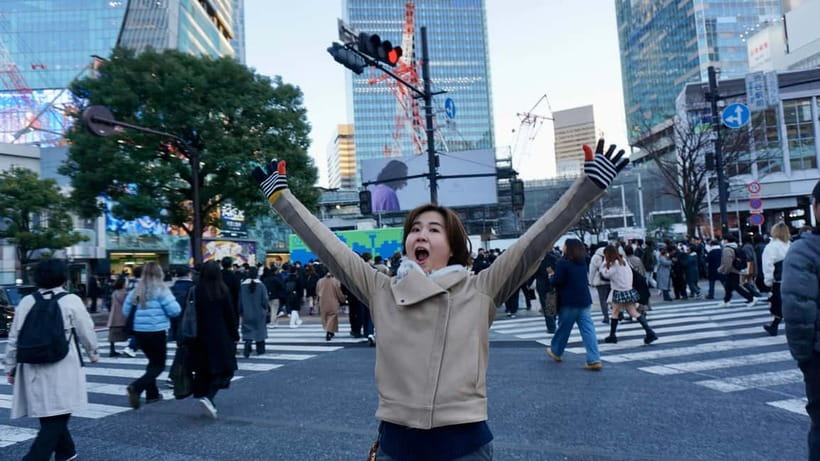
Tokyo can feel like one big map with no starting line. This kit solves that problem with an easy base: Shinjuku City, using Shinjuku Station as the reference point (35.6938253, 139.7033559). No meeting point drama. No waiting around for a guide. You just open your materials and move.
That matters because Shinjuku is a strong “launchpad” area for first-time visitors. Even if you don’t know the city yet, you can still get your bearings. The kit’s format nudges you toward that: you build a day around the rhythm of sightseeing, walking, meals, and short breaks, instead of spending your first afternoon just figuring out what district you’re in.
And yes, the creators clearly designed this for people who arrive feeling behind. The tone is confident but not stiff. It’s basically: plan enough to feel comfortable, then adjust in real time.
You can also read our reviews of more food & drink experiences in Tokyo

The 1–4 Day itinerary PDFs: how to use them without getting stuck
You’ll get PDF itineraries for stays of 1 to 4 days, meaning you can match the kit to your actual trip length. That’s a huge value point. Lots of planning products assume you’re staying a week. This one respects reality.
Here’s what I’d do if I were using it on your trip:
- Pick the itinerary that matches your number of days.
- Read it once in advance so you know the order of activities.
- Save it offline on your phone.
- Follow the flow, but treat it like a route suggestion, not a contract.
The schedule is built around a day that includes things like photo stops, sightseeing and walks, shopping/free time, and meals at natural times. That structure is useful because it reduces decision fatigue. You’re not asking yourself every hour, What next? Instead, you’re moving through a prepared sequence, and you can swap moments based on your mood.
One more thing I appreciate: the kit is designed to be flexible. The creators explicitly say you can follow exactly or adjust to your pace. That’s important in Tokyo, where a plan can fall apart quickly if you hit a long queue or a weather shift. Having a framework keeps you moving even when the details change.
Breakfast, lunch, dinner, street food, and free time: the day flow that works
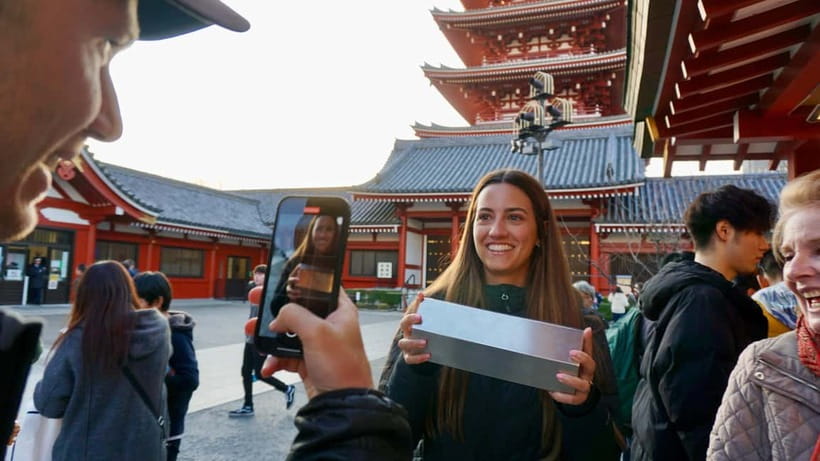
This kit doesn’t treat meals like an afterthought. Your itinerary includes break time, breakfast, lunch, dinner, and street food moments—plus free time. That sounds basic, but it’s exactly what many people miss when they plan Tokyo like a spreadsheet.
Why I think this matters:
- Tokyo rewards strolling. If your day is nonstop, you’ll burn out before you see the good stuff.
- Food is part of the city’s culture, not just fuel. Planning it into the rhythm makes the experience feel intentional.
- Street food time gives you permission to try smaller bites without turning your whole day into a restaurant research project.
A day like this is also realistic for energy. You’ll have activity blocks, then pauses to reset. Even the idea of scenic viewpoints along the way and short “walk” segments fits how Tokyo feels in practice: not one grand stop, but many small moments stacked together.
A small drawback to plan for
Because the itinerary is self-guided, you’ll be responsible for minor logistics like getting between spots and choosing which option to skip when you’re tired. The kit reduces the work. It doesn’t remove it.
Restaurant recommendations: budget-friendly, variety-first choices
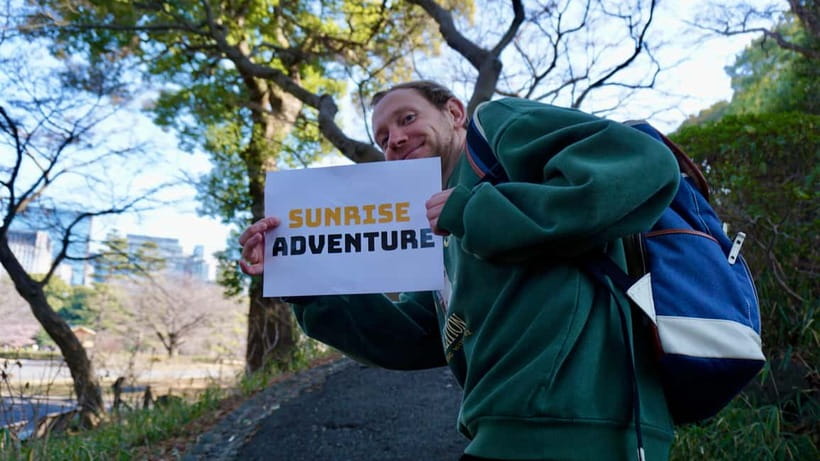
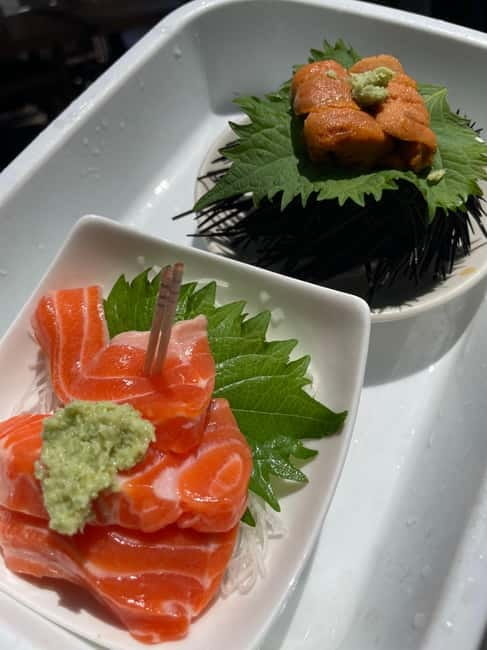
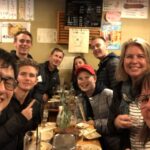
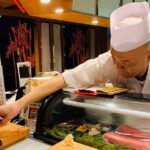
The restaurant part of the kit is one of its strongest selling points. You get a Tokyo Restaurant Recommendations guide, made from Nikolai & Kaho’s personal selection, with an emphasis on places that are mostly affordable. It also spans different areas of Tokyo, so you’re not stuck eating the same type of meal every day.
For you, that translates into less time hunting and more time eating. Tokyo has plenty of excellent food—but figuring out where to go can cost you a surprising amount of energy on day one. When the guide includes breakfast, lunch, and dinner-friendly ideas, it helps you avoid the common trap: spending the morning deciding what to eat, then eating something rushed just to catch up.
One practical tip the kit approach encourages: decide where you’ll eat before you’re hungry. Hungry decision-making leads to overpaying or choosing the safest-looking option when you could have found a better match.
You can also read our reviews of more tours and experiences in Tokyo


What you should watch for
Since the information is provided as a digital guide, you’ll want to check what’s realistic for your timing on the day you plan to go. Opening hours and crowding can change. The kit gives you direction, and you still use your judgment once you’re on the ground.
The Japanese survival card: your quiet safety net
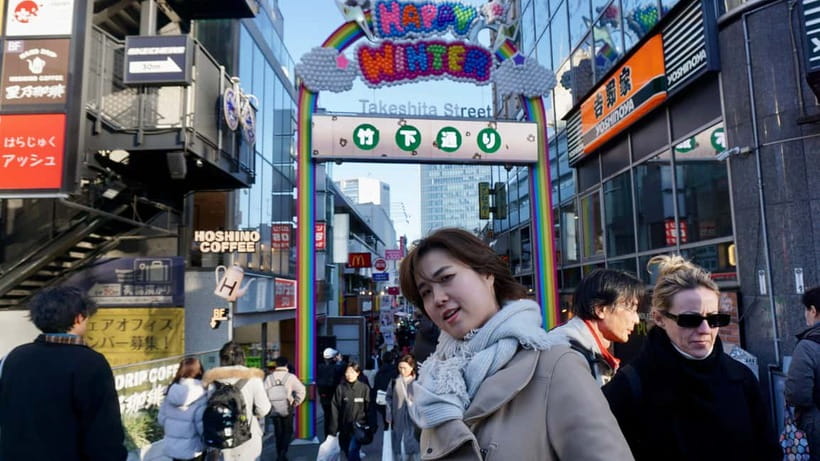
Let’s talk about the Japanese survival card. This is a printable, mobile-friendly card made to help with everyday travel situations. It includes useful phrases and words—the kind that keep small problems from turning into stressful scenes.
In Japan, small language moments happen constantly: confirming something, asking for basic help, dealing with signage, or clarifying a simple need. You don’t need to become fluent. You just need the right lines at the right moment. That’s exactly the gap this card is trying to cover.
I like the design philosophy here: keep it on you, not in a notes app buried under 47 photos. If you print it, it becomes a quick glance tool. If you keep it on your phone, it becomes your emergency copy/paste companion.
How to get the most out of it
Before you leave your hotel, save the card details where you can access them quickly. Then, don’t wait until you’re stuck. If you know you’ll need a common phrase during a meal or at a station, glance at it before you head out.
Self-guided, no live guide: freedom with real-world responsibility
This kit is self-guided and digital only. There’s no meeting point because there’s no in-person component. After booking, you receive a private Google Drive link within 3 days, and all materials are downloadable PDFs you can keep offline.
That setup is ideal if you prefer flexibility over rigid tours. You can adjust your day based on your energy, your interests, and what looks good in the moment. It’s also great for solo planning or mixed groups who don’t all want the same pace.
But self-guided does come with one key responsibility: you have to make decisions. The kit gives you structure and suggestions, but it won’t replace local problem-solving. If you’re the type who wants someone to handle everything, this won’t feel like that.
Delivery speed and setup time: plan for the handoff
One practical point from the setup info: after booking, you’ll be emailed the Google Drive link. The message says it can take 1–3 business days to get back to you, and also promises the link within 3 days. If your trip starts soon, email the provider for faster turnaround, which they say they can do if you’re in a hurry.
Here’s how I’d use that info:
- Don’t wait until the night before to book the kit.
- If your departure date is tight, reach out immediately after booking so you can download everything early.
Price and value: $20 per group that can stretch far
The pricing is straightforward: $20 per group up to 15. That’s not cheap if you’re thinking “this is just PDFs,” and it is cheap if you’re thinking “this replaces hours of planning.”
Here’s the value math that makes sense:
- You get itineraries for 1–4 days (so you can reuse the structure even if your plans shift).
- You get a restaurant recommendations guide geared toward affordable choices.
- You get a printable survival card so you don’t rely on guesswork during everyday moments.
- You receive offline-ready PDFs via Google Drive access.
If you’re traveling as a small group, the per-group pricing can be a bargain. Even if you’re solo, the main question is whether your biggest pain in Tokyo is planning time. If yes, the kit is designed to remove that headache.
Also, the rating and review signal matters here. The kit holds a 4.9 rating from 18 reviews. The standout praise centers on the itinerary being helpful and the summary/addresses being sent quickly and clearly—exactly the stuff that affects whether you actually use the guide when you arrive.
Who this kit is best for (and who should skip it)
This kit is a strong fit if:
- You’re a first-time visitor to Japan and want to feel prepared before landing.
- You’d rather move at your own pace than follow a fixed tour schedule.
- You want clear structure but not a rigid itinerary with no room to breathe.
- You care about practical food suggestions, including affordable options and street-food time.
- You like having a backup plan you can access offline.
It might be less ideal if:
- You want someone to meet you and physically guide you through Tokyo.
- You need highly specific, location-by-location navigation details at every step and can’t handle the self-guided nature of the materials.
Should you book the Pre Japan planning kit?
If your Tokyo stress comes from planning—routes, meals, and basic language support—then this is an easy yes. The creators, Nikolai & Kaho, built it for exactly the moment you’re staring at Tokyo and thinking you’ll never finish planning in time. You get structured PDFs, food recommendations, and the Japanese survival card in a format you can take with you offline.
If you want a live guide, this won’t match that expectation. But if you want freedom with a solid backbone, the kit gives you that. Book it early enough to download everything, then let the day flow do its thing.
FAQ
FAQ
Is this experience a live guided tour?
No. This is a digital product only. There is no meeting point and no live guide included.
What do I receive after I book?
You receive a private Google Drive link by email within 3 days. The folder includes downloadable PDF materials.
Can I use the PDFs offline?
Yes. You’re free to save the files to your phone or device so they’re available offline during your trip.
Do you provide itineraries for different trip lengths?
Yes. You’ll get 1–4 day Tokyo itinerary PDFs, so you can choose what fits your schedule.
Are there restaurant recommendations included?
Yes. The kit includes a Tokyo Restaurant Recommendations guide with personal picks, mostly affordable options, across different parts of Tokyo.
What is the Japanese survival card?
It’s a printable and mobile-friendly card with useful phrases and words for common everyday travel situations in Japan.
What is the price?
The price is $20 per group, up to 15 people.