REVIEW · TOKYO
Tokyo: Nikko Private Day Tour With Guide
Book on GetYourGuide →Operated by TheTokyoTravel · Bookable on GetYourGuide
Nikko feels worlds away from Tokyo in one day. A private English-speaking guide keeps the day smooth, and the route makes it easy to see the big-name sights without rushing. I also like that you’re not stuck figuring things out in a second language.
I love the pairing of Toshogu Shrine with the raw power of Kegon Falls. You get ornate carvings, gold-leaf drama, and then a nearly 100-meter drop of water that makes you look up without thinking.
One possible drawback: with a group of five, the car can feel a bit tight. Add in mountain driving and traffic, and the pickup timing can shift by as much as 30 minutes.
In This Review
- Key highlights to look for
- Why Nikko works so well as a Tokyo day trip
- The private ride setup: comfortable, timed, and slightly weather-proof
- Akechidaira Ropeway and the observation deck: start by looking high
- Lake Chūzenji at 1,269 meters: calm water after the climb
- Kegon Falls: the main event with a wow-you-upward factor
- Kanmangafuchi Abyss: a quieter stop with dramatic atmosphere
- Tamozawa Imperial Villa: where Edo meets early Meiji style
- Nikko Toshogu: ornate shrine details that reward slow looking
- Rinnoji Temple and the Shinkyo Bridge ceremony gateway
- Ryuzu Falls: the quiet dragon-head moment before you head back
- Price and value: what you’re paying for, and what to budget extra
- Who this tour suits best (and who should rethink it)
- Should you book this Nikko Private Day Tour?
- FAQ
- What is the duration of this Nikko tour?
- How many people is the private group for?
- Is lunch included in the tour price?
- What entrance fees should I budget for?
- Where does pickup happen?
- Does the guide or driver speak English?
Key highlights to look for
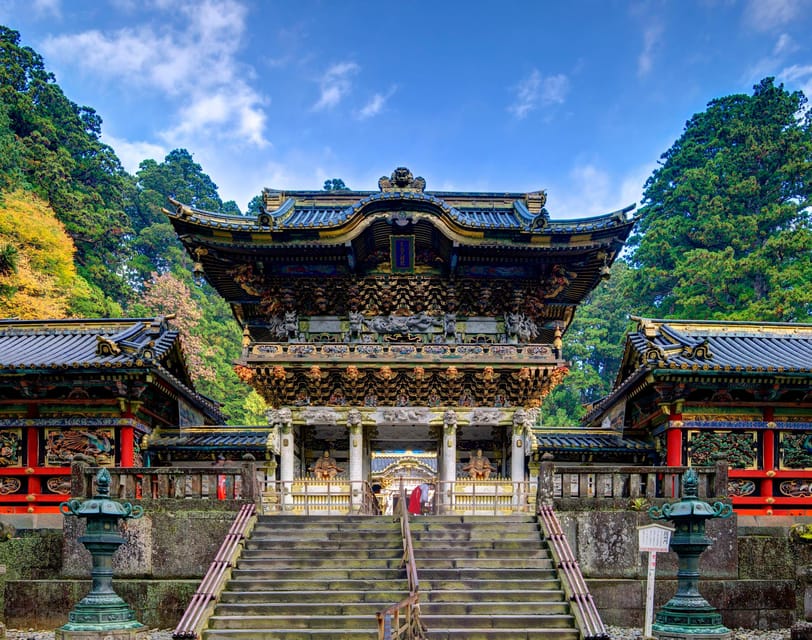
- Toshogu Shrine art overload: gold details, mythical carvings, and famous spots like the Sleeping Cat and the See No Evil monkeys
- Kegon Falls with two viewing options: from the classic overlook and from below via an elevator-view deck
- Lake Chuzenji at 1,269 meters: high-altitude lake views plus the option to add a cruise
- Akechidaira Ropeway panorama: gondola views across Nikko National Park
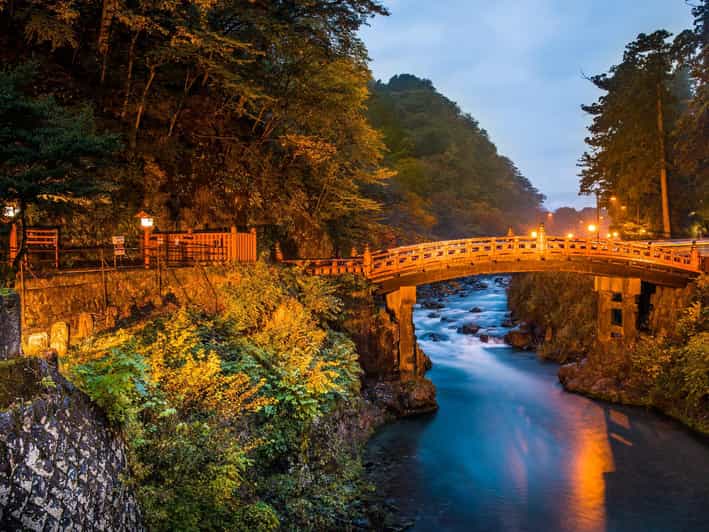
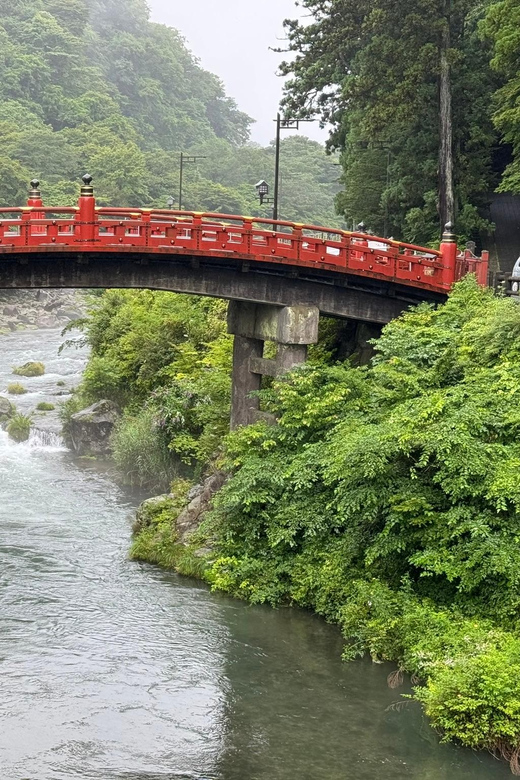
- Shinkyo Bridge photo moment: the red ceremonial bridge over the Daiya River
- Imran-style guiding: practical help, good humor, and even restaurant tips (including vegan finds)
Why Nikko works so well as a Tokyo day trip
Nikko is the kind of place where the scenery does half the job for you. Cedar forests cool the air, waterfalls turn up the volume, and the temples feel like they’ve been here since your great-grandparents were kids. The best part is that Nikko doesn’t feel like one single attraction. It feels like a route through nature and time.
What makes this tour click is the mix: a ropeway viewpoint, a high-altitude lake, two major waterfalls, and then the shrine-and-temple core of Nikko. You’re not just collecting photo stops. You’re getting context for why this area matters. It’s a sacred mountain retreat that still has a ceremonial heartbeat.
For you, that means less decision fatigue. You don’t have to plan transport between widely separated sites, and you don’t have to guess what order makes sense when roads and crowds squeeze the day. This is a true “show me the good stuff efficiently” format.
You can also read our reviews of more guided tours in Tokyo
The private ride setup: comfortable, timed, and slightly weather-proof
You start with pickup from any hotel or train station within Tokyo’s 23 wards, and you’ll be back in Tokyo after about 10 hours total (including the drive time and pick-up/drop-off). The vehicle is air-conditioned, and you get bottled water plus WiFi on board. It’s the kind of setup that helps on a long day, especially if the weather is moody.
The driver is English-speaking, and your guide is there to keep the day flowing. In one group, the guide was especially helpful with timing and even helped find a vegan restaurant, which is a real-life problem most day tours don’t address. Another group noted the guide handled rain with alternative sightseeing options, so you’re not stuck staring at closed tickets if the sky doesn’t cooperate.
Do plan for a small snag: the driver may arrive up to 30 minutes later than the scheduled pickup time due to traffic. Also, some groups reported the car can be a little tight for five people. If you’re traveling with bulky luggage, go light or expect a snug squeeze.
Akechidaira Ropeway and the observation deck: start by looking high
Akechidaira is a smart first move because it gets you above the tree line before you commit to downhill, walking, and waterfall viewing. You’ll ride the gondola up to the observation deck, then take in wide Nikko National Park views while the day is still getting going.
The ropeway part matters because it changes how you see everything later. When you can identify the hills and lakes from above, the rest of the route makes more sense. Lake Chuzenji sits at altitude (1,269 meters), and the surrounding peaks look dramatic when you’ve already built a mental map from the viewpoint.
Timing is also friendly here. This stop is about an hour, with time for photos and the scenic ride itself. The only real downside is weather. If it’s foggy or rainy, you may lose some of the panoramic crispness. Still, even in worse conditions, being up there feels like a reset button before the denser temple and falls portion of the day.
Lake Chūzenji at 1,269 meters: calm water after the climb
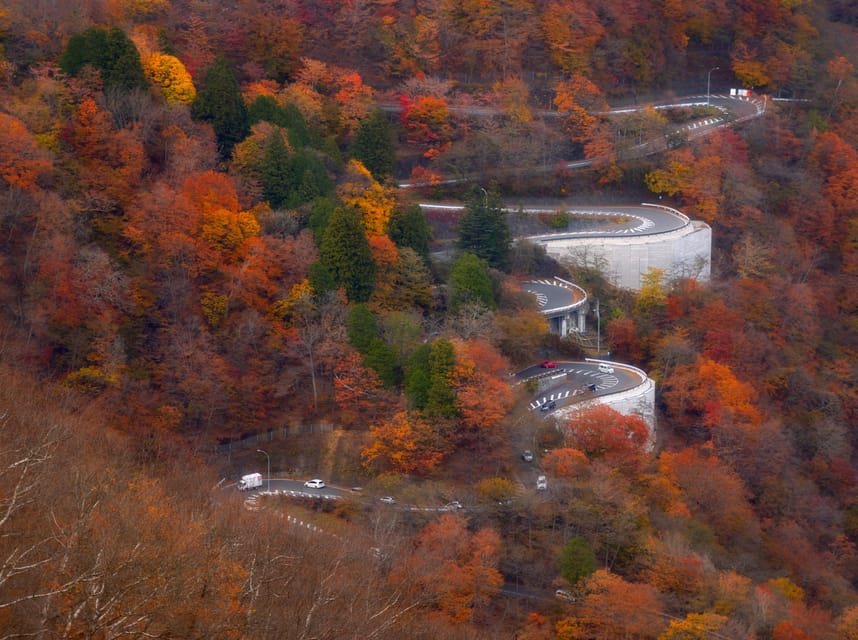
After the ropeway, you move to Lake Chūzenji, a high-altitude lake famous for clear views and cool mountain air. The altitude is a big part of why it feels different from the Tokyo city vibe. Even on a day that starts hot in the capital, this area can feel noticeably cooler.
This stop is built for flexibility. You’ll have time for photos, a lunch break (lunch is not included), and sightseeing along the shore. There’s also the option to add a boat cruise, with tickets listed separately (adult 1,400 yen; children 700 yen). If you’re the type who likes a slow view instead of just standing still, the cruise option can be a nice upgrade.
One practical note: because lunch isn’t included, bring a little patience or plan ahead. The guide can help with ideas, but you’ll still want to decide where you’ll eat rather than assuming the tour provides it. I also recommend cash for small purchases or add-ons.
If you go in autumn, the area’s colors are a huge draw. Even without that seasonal factor, the lake’s position in volcanic mountain terrain makes it feel like a real escape rather than just a scenic layover.
Kegon Falls: the main event with a wow-you-upward factor
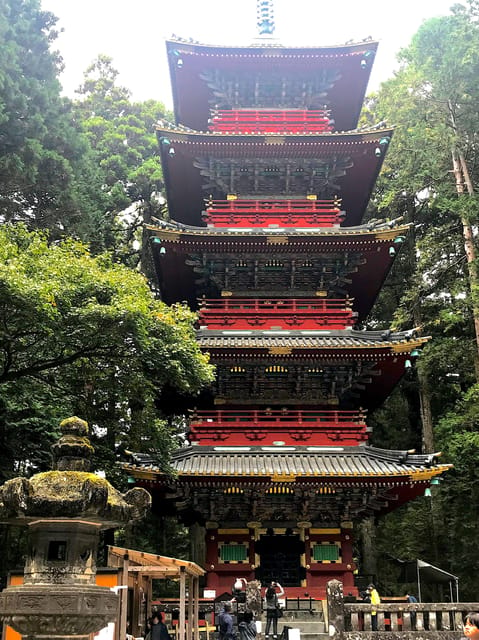
Now the water turns serious. Kegon Falls drops nearly 100 meters into a gorge, and it’s one of Nikko’s most iconic sights. You’ll get time for photos and viewing from the main overlook area, plus time at a spot where you can see the falls from below. That below-view access uses an elevator, and it’s one of the few ways to feel the scale instead of just admiring it from far away.
This is also a good place to use your “what matters today” instinct. Spend a little time above for the big picture, then go down for the close-up impact. The change in perspective is what makes this stop feel like more than a basic waterfall photo.
Budget note: Kegon Falls has an entrance fee listed separately (adult 570 yen; children 340 yen). Also, this stop includes a lunch break in the tour flow, but lunch itself isn’t included in your price. You may want to grab snacks locally so you’re not hungry while you wait for your viewing time.
Time-wise, you’ll have about 45 minutes here. That’s enough to do it properly without turning it into a marathon, especially since the next stops add walking and temple exploring.
You can also read our reviews of more private tours in Tokyo
Kanmangafuchi Abyss: a quieter stop with dramatic atmosphere
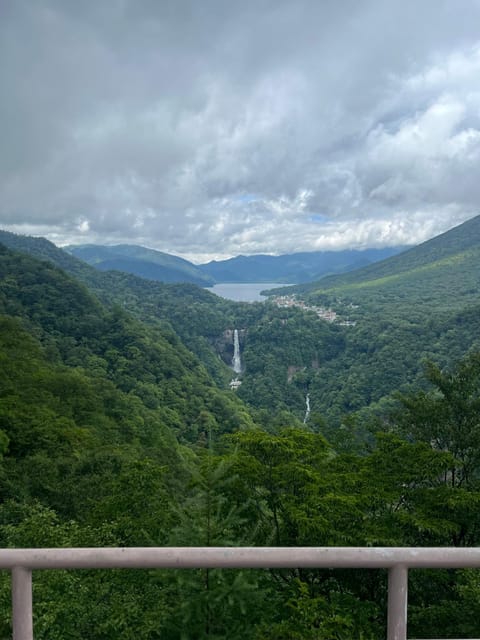
From the falls area, you’ll head toward Kanmangafuchi Abyss. It’s a photo-and-walk kind of stop, about 45 minutes total. This is where Nikko slows down a touch. Instead of one giant spectacle, you get a more atmospheric scene that feels more human-scale and reflective.
This stop is also a good moment to catch your breath. Your day so far includes altitude views and major waterfall action. A slightly calmer area helps you enjoy what comes next—especially the shrine complex, which rewards attention.
You’ll want comfortable shoes here. Even when you’re not doing a long hike, the ground can be uneven and you’ll likely be moving between viewpoints and photo angles.
Tamozawa Imperial Villa: where Edo meets early Meiji style
Next is the Nikko Tamozawa Imperial Villa Memorial Park, a shift from waterfalls and religious sites into architecture and imperial-era taste. The villa blends traditional Edo and early modern Meiji Period elements, and it’s a different way to understand Nikko’s role beyond temples.
This stop is about 45 minutes, and the best value is in how it sets up the rest of the day. You’re not only seeing what people believed. You’re seeing how power and culture were displayed—carefully designed spaces, landscaped surroundings, and buildings that signal status.
There’s an entrance fee listed separately (adult 600 yen; children 300 yen). If you’re paying for tickets anyway, this stop can be worth it because it gives variety. If you only cared about shrines and waterfalls, you might wonder why you’re pausing here. But if you like contrasts—religious art versus court-style residences—this one makes the day feel more complete.
Nikko Toshogu: ornate shrine details that reward slow looking
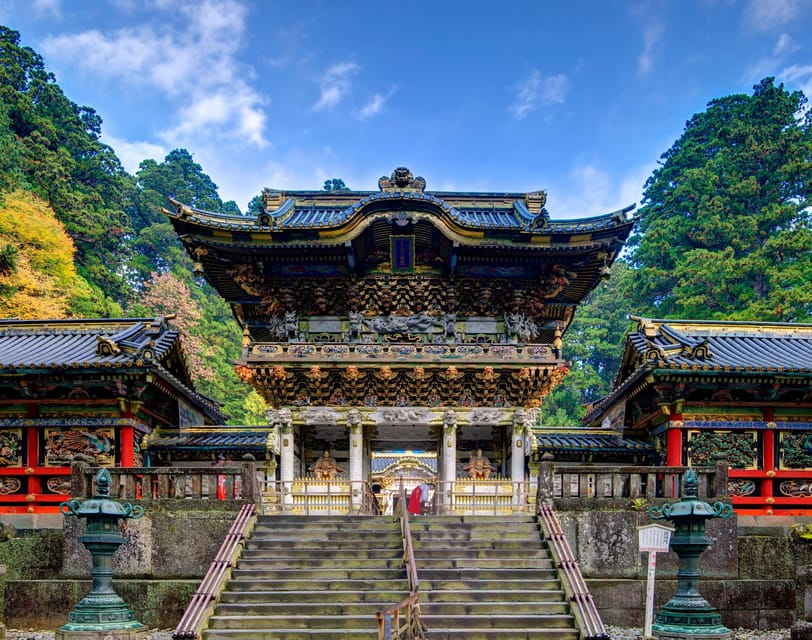
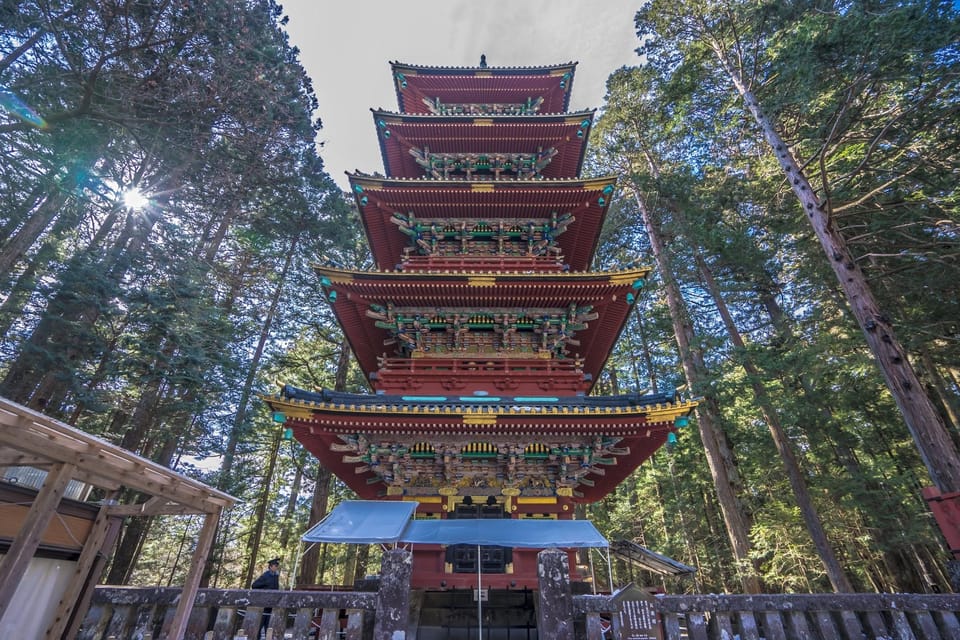
Then you hit the big one: Toshogu Shrine. This is where you go from sightseeing to real craftsmanship. You’ll see gold-leaf structures, mythical creatures carved into details, and famous carvings linked to stories and moral lessons—like the Sleeping Cat and the See No Evil monkeys.
This is a “look up, then look closer” kind of place. From a distance, Toshogu is dramatic. Up close, you notice the precision and the way the shrine tells stories through small sculpted moments. The tour gives you about 45 minutes at this stop, which is a good window for both a quick overview and a chance to pause at the most famous features.
The value of having a guide here is timing and interpretation. Without help, it’s easy to treat Toshogu like a photo wall. With an English-speaking guide, you’re more likely to understand what you’re seeing and why certain elements are famous.
You’ll likely walk and photograph a fair bit, so plan to slow down for the best carving views rather than sprinting to the next spot.
Rinnoji Temple and the Shinkyo Bridge ceremony gateway
After Toshogu, you’ll visit Nikkozan Rinnoji Temple, which is one of Nikko’s oldest and most important Buddhist sites. It has a Three Buddha Hall with statues and ornate carvings. This stop is shorter, about 30 minutes, but it still offers a different flavor from the Tokugawa-centered shrine focus.
Rinnoji has an entrance fee listed separately (adult and children 400). If you’re optimizing your time for the biggest hits, treat Rinnoji as the “spiritual art” palate cleanser between Toshogu and the river gateway.
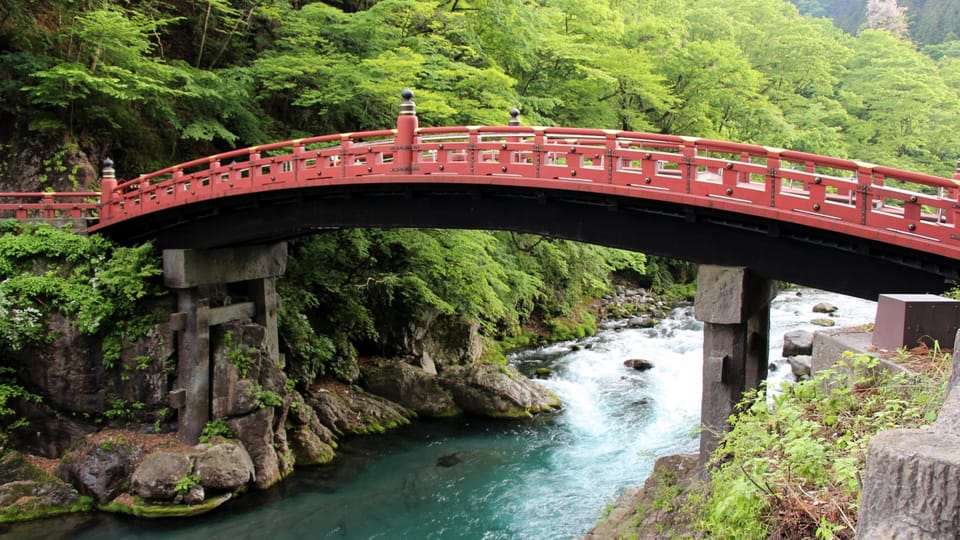
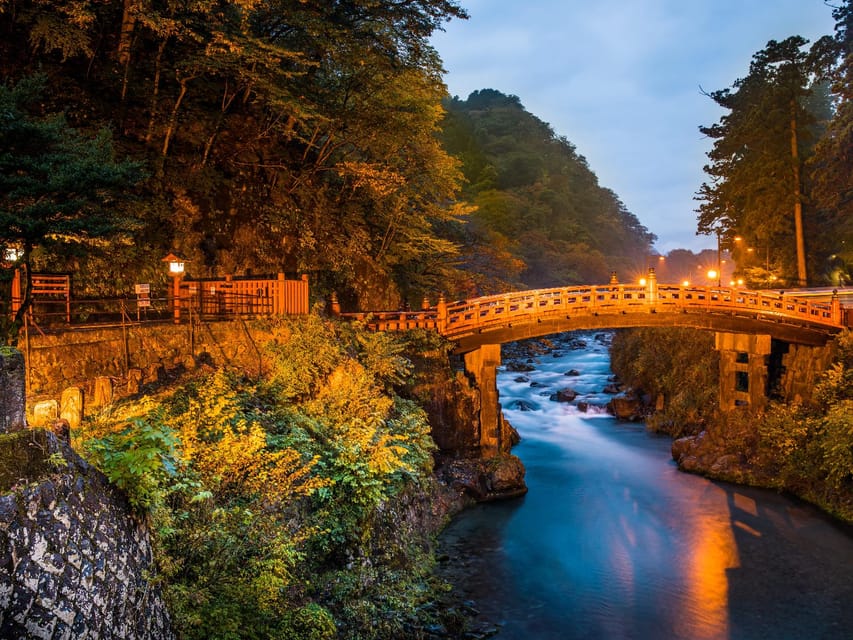
That gateway arrives in the form of Shinkyo Bridge, a bright red bridge over the Daiya River. It’s one of Japan’s most famous bridges, and it functions as a ceremonial entrance to Nikko’s spiritual core. You’ll get time for a photo stop and a short walk, about 30 minutes total.
Shinkyo is at its best when light hits the red railings clearly. If you’re there in rain or heavy clouds, it can still be striking, just less crisp. Either way, it’s the kind of iconic shot you’ll actually want in your photos.
Ryuzu Falls: the quiet dragon-head moment before you head back
Finally, you’ll reach Ryuzu Falls, named for its resemblance to a dragon’s head. This is where you trade crowds and spectacle for something more subtle. The tour time here is about an hour, and it includes break time plus a chance for shopping, lunch, and snacks (lunch isn’t included).
This waterfall is often appreciated for being a little less in-your-face than the big-name falls. It’s surrounded by maple trees that can blaze in autumn, but the “twin-stream” shape and the calmer setting make it feel like a small exhale even outside peak color season.
If you’re traveling with kids or anyone who tires easily after a day of walking, Ryuzu can be a good place to slow down. It’s not a long hike, but it’s scenic enough to feel like a payoff after all the major stops.
Price and value: what you’re paying for, and what to budget extra
At $761 per group (up to 5), you’re paying for a private day with a guide, driver, transportation, and smart routing across Nikko. The all-in value isn’t just the seats in the car. It’s the time savings and the fact that someone else handles driving, parking, and the sequence of sites across a full 10-hour day.
Included items are practical: bottled water, WiFi on board, an air-conditioned vehicle, private transportation, fuel surcharge, parking fees, and passenger insurance. The driver is English-speaking, and it’s a private group setup rather than a shared bus crowd.
What’s not included are the tickets and any meals. Entrance fees listed separately include:
- Akechidaira Observation Area: 1,000 yen adult / 500 yen children
- Lake Chuzenji cruise (optional): 1,400 yen adult / 700 yen children
- Kegon Falls: 570 yen adult / 340 yen children
- Tamozawa Imperial Villa: 600 yen adult / 300 yen
- Rinnoji Temple: 400 yen
(Other stops may have small costs, but only the above are explicitly listed.)
Add in the fact that lunch isn’t included, and you’ll want cash ready. This tour is still a strong value if your priority is seeing the major sights in one day without logistics stress. It can be less value if you plan to skip multiple ticketed stops, because private transport costs remain the same.
One more practical tip: if you’re picky about meal timing, tell your guide your preference early. The schedule has defined stops, so you’ll get the best experience if you coordinate rather than hoping there’s perfect food everywhere at once.
Who this tour suits best (and who should rethink it)
This Nikko private day tour is a good match for you if:
- you want one guided day that hits shrines and nature highlights
- you prefer a private group over sharing transport
- you’d rather spend time looking at carvings and waterfalls than planning trains and buses
- you like having an English-speaking guide to explain what you’re seeing
It’s also a solid choice for families, since pickup is designed around hotels and apartments in Tokyo’s 23 wards and the route includes major highlights that work for mixed ages.
You might rethink it if:
- you need a lot of space in the vehicle for five people (some groups noted the car felt small)
- you’re expecting lunch to be provided (it isn’t)
- you’re flying from an airport and were hoping for airport pickup (pickup from airports or cruise terminals isn’t provided)
And there’s an age guidance: it’s not suitable for people over 95 years.
Should you book this Nikko Private Day Tour?
If your goal is a smooth, high-impact Nikko day—Toshogu Shrine, Kegon Falls, Lake Chuzenji, Shinkyo Bridge, plus a quieter finale at Ryuzu Falls—this is a strong bet. You’re paying for time saved, real guidance in English, and transport that gets you between distant sites without fuss.
Book it if you want structure and you like seeing the full Nikko picture in one shot. Pass if you’re traveling on a tight ticket budget or you’d rather do Nikko slowly with independent transport. This tour shines when you want the highlights, explained, on your schedule.
FAQ
What is the duration of this Nikko tour?
It’s a 10-hour private day that includes hotel pickup and drop-off within Tokyo’s 23 wards.
How many people is the private group for?
The price is listed per group up to 5 people.
Is lunch included in the tour price?
No. Lunch is not included. The day includes breaks where you can eat, but you’ll need to pay for meals separately.
What entrance fees should I budget for?
Entrance fees are not included. Listed options include Akechidaira Observation Area (1,000 yen adult / 500 yen children), Lake Chuzenji cruise (1,400 yen adult / 700 yen children, optional), Kegon Falls (570 yen adult / 340 yen children), Tamozawa Imperial Villa (600 yen adult / 300 yen children), and Rinnoji Temple (400 yen).
Where does pickup happen?
Pickup is included from hotels, hostels, Airbnbs, apartments, or any specific address within Tokyo’s 23 wards. Pickup outside the 23 wards is extra, and pickup from airports or cruise terminals is not available.
Does the guide or driver speak English?
Yes. The driver is listed as English-speaking. The experience is a private group with an English language setup.