REVIEW · TOKYO
Tokyo: Learn to play traditonal songs on Tsugaru Shamisen
Book on GetYourGuide →Operated by Shishido Inc. · Bookable on GetYourGuide
Tokyo has a special way of making traditions feel alive. A Tsugaru shamisen lesson near Shinjuku is one of those rare chances to hear a craft and get your hands on it fast. I especially loved how quickly Kouzan Oyama brings first-timers up to speed, and how much time you get practicing rather than just watching. One thing to consider: it’s only one hour, so you’ll learn the core moves and play a short piece, not master a full-length performance.
What makes this session work is the mix of technique, context, and sound. You’ll learn why Tsugaru shamisen hits with sharp clarity and speed, plus the practical stuff like how to produce the instrument’s signature vibe. If you’re not sure what to play, you’ll still practice a traditional folk song, but if you have a favorite tune ready, you’ll get more satisfaction from the session.
In This Review
- Key Things That Make This Shamisen Lesson Worth Your Time
- Why Tsugaru Shamisen Feels Like It’s in Motion
- Your One-Hour Lesson Near Shinjuku: What Happens Step by Step
- The Three Strings and the Parts You Need to Understand
- Learning Your Song Choice: Fast Practice That Still Feels Personal
- Hearing Okinawa Sanshin and the Western vs Japanese Sound Gap
- Kouzan Oyama’s Teaching Style: Mastery That Stays Friendly
- Price and Value: Is $59 Worth It?
- Practical Tips So You Leave Feeling Proud (Not Frustrated)
- Who This Lesson Suits Best
- Should You Book This Tsugaru Shamisen Lesson?
- FAQ
- How long is the Tsugaru shamisen lesson?
- Where does the lesson take place in Tokyo?
- How much does it cost?
- Can I choose the song I want to learn?
- Is the instruction available in English?
- Is it a private group?
- Will I be able to take photos or videos?
- Will I hear other shamisen styles besides Tsugaru?
Key Things That Make This Shamisen Lesson Worth Your Time
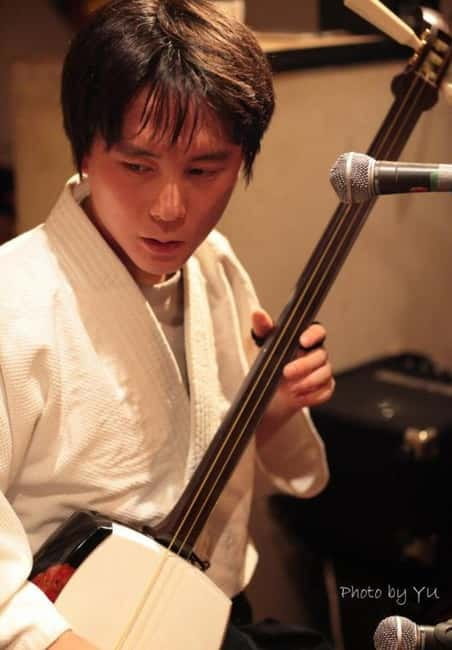
- You learn Tsugaru basics with performance energy: fast-paced playing, strong attack, and that famously lively feel.
- Bring a song you want to learn: request your choice at the start; otherwise you’ll work on a traditional Japanese folk tune.
- You get instrument know-how, not just finger positions: expect explanations of what makes the shamisen tick and what it’s made from.
- You hear multiple shamisen sounds: examples include Tsugaru and even Okinawa sanshin for contrast.
- You get video and photo moments: you’re not just learning, you’re also recording your attempt with the instructor.
- Kouzan Oyama teaches like a master: patient, English explanations, and he demonstrates techniques by playing himself.
Why Tsugaru Shamisen Feels Like It’s in Motion
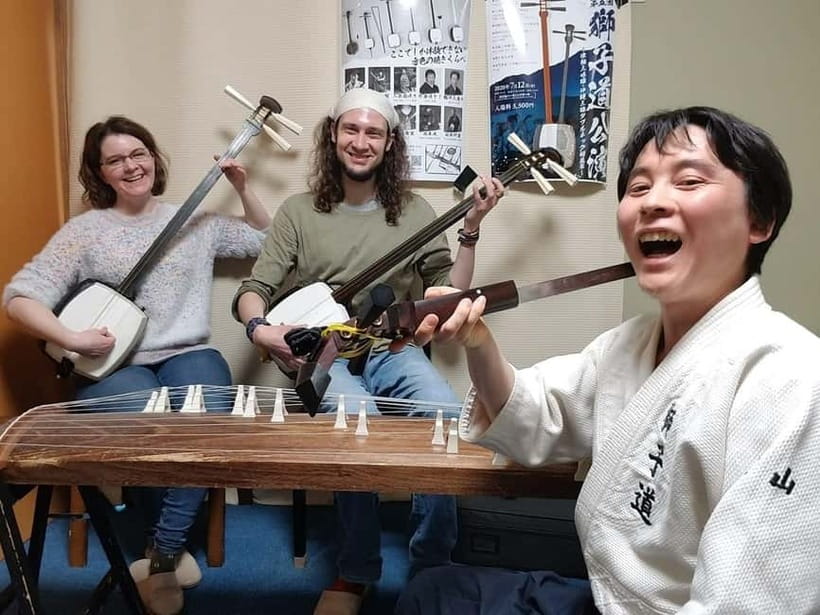
If you’ve heard a shamisen only in recordings, Tsugaru style can surprise you in person. The sound is sharp and clear, with a punchy edge that makes you think of strong winds and rolling waves. That’s not poetic fluff—Tsugaru playing is built around a lively attack and quick rhythmic drive, so even a beginner’s first attempts can sound like music, not noise.
Also, Tsugaru shamisen carries a story you can feel in the technique. This style originated as music of traveling musicians and commoners from the Tsugaru area in north Japan. In class, that historical angle matters, because you’re not studying shamisen like a museum piece. You’re learning it as something meant to be heard in real life—played with confidence and speed.
And yes, shamisen can be thought of as Japan’s three-string cousin to the banjo family in terms of playing posture and plucked energy. But the sound is still its own thing. You’ll hear how Japanese instruments often shape sound differently than what you might expect from Western instruments, and that contrast helps you understand why the techniques feel the way they do.
You can also read our reviews of more tours and experiences in Tokyo.



Your One-Hour Lesson Near Shinjuku: What Happens Step by Step
This is a compact 1-hour private-group lesson. That time limit is the whole deal—so the instructor’s job is to get you from unfamiliar to playable quickly, without skipping the essentials.
Here’s the rhythm of what you can expect during the session:
First, you’ll be introduced to the instrument and how it produces sound. Shamisen technique isn’t only about where your fingers land; it’s also about how you set up your movement and control the tonal character. Kouzan Oyama explains the characteristics of the shamisen in English, so you know what you’re aiming for.
Next comes the core learning block: technique and practice. You’ll work on the main moves used in Tsugaru-style playing, with the instructor guiding you while he demonstrates. In a well-taught session, this part matters most, because it’s where your ear and your fingers finally agree.
Then you shift into playing. If you requested a song at the beginning, you’ll practice that. If not, you’ll use a traditional Japanese folk song. Either way, the goal is to get you through a short piece you can feel proud of by the end of the hour.
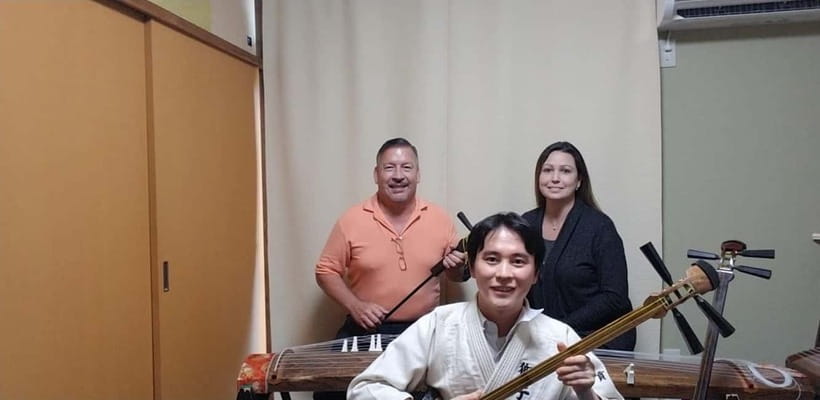
Finally, you’ll wrap with recording time—photos and videos of your performance with the instructor. That makes the lesson more than a class; it becomes a takeaway you can review later when you’re practicing on your own.
The Three Strings and the Parts You Need to Understand
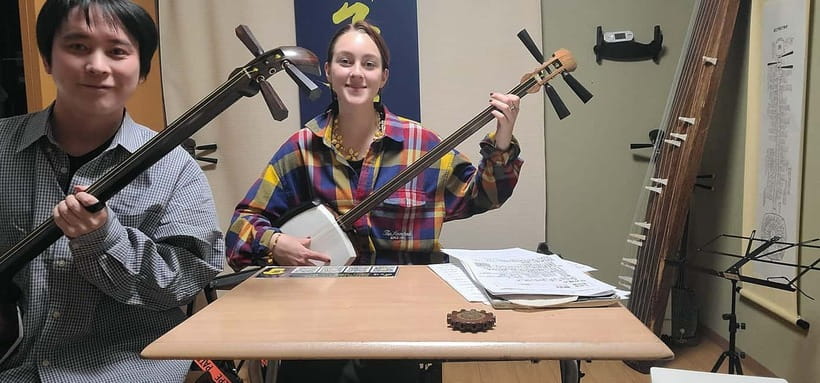
One of the most useful moments in this lesson is when you learn what the shamisen is made of and how its structure affects sound. People often assume “instrument basics” means tuning rules only. Here, you’ll get more than that: you’ll learn how the instrument’s build relates to the sharpness and clarity you hear in Tsugaru playing.
You’ll also discover the shamisen’s “three-string secrets”—how the strings behave, and what that means for sound production. Even if you don’t leave as a technician, understanding the basics helps you troubleshoot your own playing:
- If notes sound dull, you’ll know where the technique likely broke down.
- If the attack feels weak, you’ll understand what to adjust in how you’re plucking/striking.
- If timing feels off, you’ll know how to focus on the rhythm patterns Tsugaru demands.
For first-timers, this matters because you can spend less time guessing and more time practicing with purpose.
Learning Your Song Choice: Fast Practice That Still Feels Personal
Here’s a big practical advantage: you can ask for a preferred song at the beginning. If you do, you’re using your own motivation to power through the learning curve. If you don’t, you’ll practice a traditional Japanese folk song, which is still a great way to understand how shamisen fits Japanese musical storytelling.
Either route, the instructor’s approach is designed for beginners. In one session, he used his own written books during the lesson, which can be a huge help because it gives you something structured to follow while you’re learning quickly. Instead of trying to remember everything verbally, you can use the material as a reference point while you practice.
And when you’re learning a piece in a single hour, you want the lesson to be realistic. You won’t learn a full album worth of material. But you can absolutely end the class with a recognizable song fragment and real playing confidence. That’s why this format works so well as a short Tokyo activity: it gives you a complete “I did it” arc without draining your whole day.
Hearing Okinawa Sanshin and the Western vs Japanese Sound Gap
Shamisen comes in multiple styles, and a good class helps you hear the differences. This lesson includes examples of various types of shamisen, including Okinawa sanshin. That contrast is valuable because it keeps you from learning only one sound world.
The instructor also explains how sound-producing differs between Western musical instruments and Japanese instruments. Even if you don’t know music theory, you can feel the difference in the way the sound is shaped. Western instruments often lead you to think in terms of smoothness or sustained tone. Japanese instruments often push you toward clarity, attack, and character, and Tsugaru shamisen is a perfect example.
This kind of comparison does two things:
- It helps you understand what you’re hearing instead of treating it like magic.
- It makes your practice more intentional because you know the sound target isn’t random.




Kouzan Oyama’s Teaching Style: Mastery That Stays Friendly
The headline credential here is serious: Kouzan Oyama is a master of Oyama style (a prominent school of Tsugaru shamisen) and a double champion in the Tsugaru Shamisen World Cup in 2018 and 2019. But the real point for you is how that translates into teaching.
From the way the lesson is described, his strengths are practical:
- He teaches in English.
- He’s patient and helps you get familiar with the instrument quickly.
- He demonstrates techniques by playing himself, so you can copy what you see and hear.
- He gives history and answers questions as you go.
In at least one class, he also played the koto and taught a short tune, which is a fun bonus if you’re curious about how Japanese string instruments relate. Even if that happens only sometimes, the overall teaching style is consistent: he wants you to hear the sounds clearly and then try them.
You’ll also get plenty of chances for pictures and videos, so you can turn the lesson into a memory you’ll actually look back on.
Price and Value: Is $59 Worth It?
$59 for a one-hour lesson near Shinjuku is not “cheap,” but it can be excellent value if you want a hands-on cultural experience with a real specialist.
Here’s how I think about value for lessons like this:
You’re paying for:
- The instructor’s time and expertise
- The instrument handling and technique coaching
- A short, structured practice session ending with an attempted performance
- Photos and videos of you playing
- Context on Tsugaru style and related shamisen types
For many short Tokyo activities, you pay for access. Here, you pay for instruction and time at the instrument. That’s usually the difference between a quick photo stop and a memory you can revisit because you have your own playing recorded.
One more value factor: because the session is private and small by nature, you’re less likely to be stuck waiting your turn. You get feedback while you try, which is exactly what you need when the learning curve is steep.
If you want a long, gradual course, this won’t replace that. But if you want a concentrated “master a few moves and play a song today” experience, it’s priced in a reasonable zone for what you get.
Practical Tips So You Leave Feeling Proud (Not Frustrated)
A one-hour music lesson rewards planning. You’ll have a better outcome with these small moves:
Pick your song early. If you want to play something you already know (or at least recognize), decide before you arrive. Request it at the beginning so the instructor can guide you toward an achievable version within the time.
Bring curiosity, not perfection. Tsugaru shamisen is energetic, and your first attempt won’t sound like a competition performance. That’s normal. Focus on getting tone and rhythm into the ballpark first.
Ask questions while you practice. The instructor’s English instruction and willingness to answer questions is a big part of the experience. If you’re unsure what to adjust, ask instead of staring at your hands.
Record a quick first take. If the session allows multiple takes, do a short early attempt for the video. Your later attempt will show visible progress, and you’ll learn faster by comparing.
Who This Lesson Suits Best
This is a strong match if you:
- Want a hands-on Japanese culture activity with a real tradition behind it
- Like short, high-impact experiences that fit into a Tokyo schedule
- Enjoy learning music by doing, not just watching
- Are traveling solo or in a small group and want personal attention
It’s also ideal as a “last-day activity” in Tokyo because it gives you a satisfying finish: something memorable, tangible, and not dependent on weather or long walking routes.
The biggest mismatch is if you want a deep, multi-session musical training path. This lesson is built for speed and clarity, not weeks of repetition.
Should You Book This Tsugaru Shamisen Lesson?
If you want a meaningful Tokyo experience that goes beyond sightseeing, I’d book it. You get real instruction on Tsugaru shamisen, a chance to play either a traditional tune or your own requested song, plus images and video of your performance. And with Kouzan Oyama’s world-level credentials and patient teaching approach, you’re not stuck guessing what to do next.
Book it if your goal is: learn the core moves, hear the style properly, and leave with a piece of music you helped create. Just go in knowing that one hour is a sprint, so you’ll leave with a solid first chapter—not a full mastery journey.
FAQ
How long is the Tsugaru shamisen lesson?
The lesson lasts 1 hour.
Where does the lesson take place in Tokyo?
It takes place near Shinjuku, on Honshu, Japan.
How much does it cost?
The price is $59 per person.
Can I choose the song I want to learn?
Yes. You can request a preferred song at the beginning of the lesson. If you don’t, you’ll practice a traditional Japanese folk song.
Is the instruction available in English?
Yes, the instructor teaches in English.
Is it a private group?
Yes, it’s a private group.
Will I be able to take photos or videos?
Yes. You’ll have opportunities to take photos and videos of your performance together with the instructor.
Will I hear other shamisen styles besides Tsugaru?
Yes. You can hear various types of shamisen, including Okinawa sanshin.