REVIEW · TOKYO
Akihabara – Discover the Otaku Culture & Experience the Maid Cafe
Book on Viator →Operated by VAS · Bookable on Viator
Akihabara is anime, yes—but it’s also people-watching. This tour maps the neighborhood beyond store fronts, showing otaku culture through photo booths and a maid café built into the route.
I like the small group size capped at eight, because you get real conversation instead of being swept along. I also like how the walk mixes classic arcades and retro shopping with modern pop-culture places, so your Akihabara picture actually makes sense. The only possible drawback is focus: the tour is an intro to multiple types of otaku culture, so if you came only for one thing, like the maid show, you may feel it’s broader than you expected.
You’ll do hands-on stops (like crane games and purikura), snack along the way, and end up at a well-known maid café chain. If you’re booking on Wednesday, there’s an extra chance to catch a maid theatrical show with live performers, and that’s the version to pick if that’s your top priority.
In This Review
- Key Takeaways Before You Go
- Why Akihabara Feels Like Two Worlds at Once
- The Value Behind the $103.93 Price Tag
- Small-Group Pacing: What Eight People Changes
- Getting Oriented: Where You Meet and How the Day Flows
- Stop-by-Stop: From Taito Station Purikura to Retro Games
- 1) Taito Station Akihabara: Crane Machines and Purikura
- 2) Super Potato: Retro Consoles in a Store That Makes Sense
- 3) Don Quijote Akihabara: The Funhouse of Pop-Culture Retail
- 4) Akihabara Radio Kaikan: Roots of Otaku Culture
- The Shopping Streets: Junk Finds, Mandarake, and Cosplay Browsing
- 5) Akihabara: Junk Street, Mandarake, and Snacks
- 6) ONODEN: Cosplay and Anime Theme Stores
- 7) 福福トレカ秋葉原店: Japanese Trading Card Games
- The Maid Café Part: Fantasy, Performance, and What’s Actually Included
- Number One Maid Café Chain Stop
- Walking Transition Time
- Wednesday Add-On: Maid Theatrical Show With Live Performers
- Price and Time: Who This Tour Makes the Most Sense For
- Should You Book This Akihabara Otaku and Maid Café Tour?
- FAQ
- FAQ
- How long is the Akihabara Otaku Culture and Maid Café tour?
- What is the group size limit?
- What’s included in the price?
- Is alcohol included at the maid café?
- Is there a maid café show option on Wednesdays?
- Where do you meet, and what time does it start?
- Can I cancel for a full refund?
Key Takeaways Before You Go
- Eight people max keeps the pacing human and helps the guide answer your questions.
- Purikura and crane machines are built into the route, not an afterthought.
- You can choose a tour style (standard, shrine-focused, or maid-café focused), so you’re not locked into one angle.
- The maid café stop is a full highlight with included snacks and a hot drink.
- Trading card games and cosplay shops round out the “otaku” label beyond anime-only.
Why Akihabara Feels Like Two Worlds at Once
Akihabara can look like one long maze of signage, neon colors, and storefronts yelling in every direction. But under that chaos, the area has clear “threads” that connect old-school electronics, arcade culture, and today’s fandom-shopping. This tour is built to follow those threads on foot, so you’re not just standing in line somewhere and calling it a day.
Two things make this especially fun for your first visit. First, you’re not stuck only at museums or only at shopping. You get to play with the kinds of machines and photo booths people actually use. Second, you get guided context while you’re surrounded by the stuff itself, so terms like purikura and the older roots of Akihabara culture stop feeling random.
There’s also a practical upside: Akihabara is famous, which means it’s easy to get distracted by the loudest streets and miss the quieter corners. This route tries to keep you moving with purpose, without turning the day into a forced march.
You can also read our reviews of more tours and experiences in Tokyo.



The Value Behind the $103.93 Price Tag

At $103.93 per person for about four hours, the cost only feels fair if you’ll use what’s included. Here’s what matters most for value:
- Multiple admission tickets are handled for you at several stops.
- You get snacks (Akihabara Pop Culture Snacks) and a complimentary hot drink.
- You also get the maid café portion as a core part of the program, including a drink.
That combination is the deal. If you tried to DIY this day, you’d still need to pay for photo booth time, crane games, admission into shops that have entry components, and the maid café experience itself. The guide’s job is to stitch all that together so you spend less time figuring out where to go next and more time enjoying the neighborhood.
One note: alcohol is not included at the maid café. One non-alcoholic drink is provided, and any alcohol or second drink is your own cost.
Small-Group Pacing: What Eight People Changes
The tour caps at eight travelers, and that single detail changes the whole feel of Akihabara. With a bigger group, the guide has to move fast and answer less. With eight, you can ask small questions, get course corrections, and actually compare notes with the people around you.
You also get better timing. The route includes short stops (often 15–30 minutes) and then a few longer moments where you browse or play. When the group is smaller, it’s easier to pause at the right storefront, line up at a machine, and keep the energy up instead of rushing everyone.
If you’re coming with kids or teens, the small size tends to matter even more. The route includes active stops like purikura and arcades, so there’s usually something to do instead of just listening.
Getting Oriented: Where You Meet and How the Day Flows
You start at ジェイアール東日本コンサルタンツ 東京管理所1-chōme-17-4 Sotokanda, Chiyoda City, Tokyo 101-0021, Japan and the tour begins at 1:00 pm. It ends back at the meeting point.
The overall duration is about 4 hours, and you’ll spend roughly 30 minutes walking between destinations. So, you’re not doing a marathon across Tokyo, but you are on your feet a fair bit. A moderate physical fitness level is the suggested baseline.
Also, you’ll have a mobile ticket, and confirmation is received within 48 hours of booking (subject to availability).
Stop-by-Stop: From Taito Station Purikura to Retro Games
This is the part that makes the tour feel like you experienced Akihabara, not just read about it.




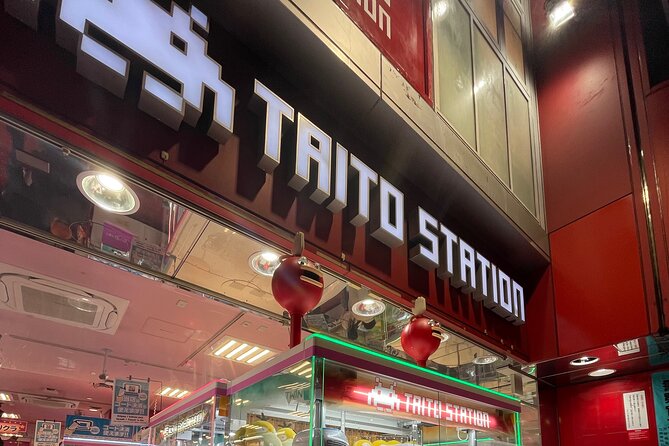
1) Taito Station Akihabara: Crane Machines and Purikura
You begin at Taito Station Akihabara, where you’ll see crane machines and also get to experience purikura (Japanese photo booths). This is the “hands-on” start that pays off later in your day, because once you’ve used purikura machinery once, you understand why it’s such a staple in Japanese youth pop culture.
Expect this stop to be short but active—about 20 minutes—with admission handled.
2) Super Potato: Retro Consoles in a Store That Makes Sense
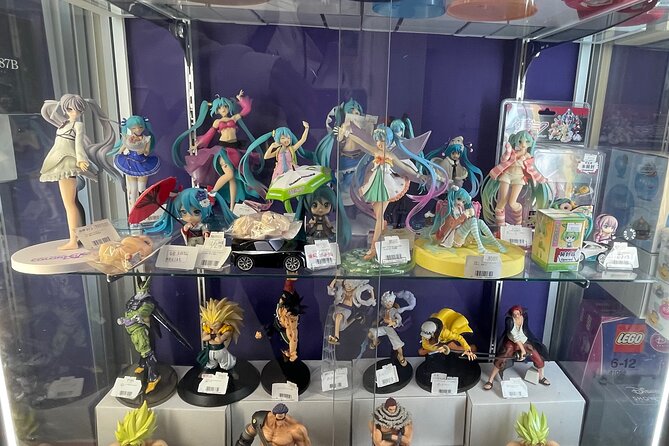
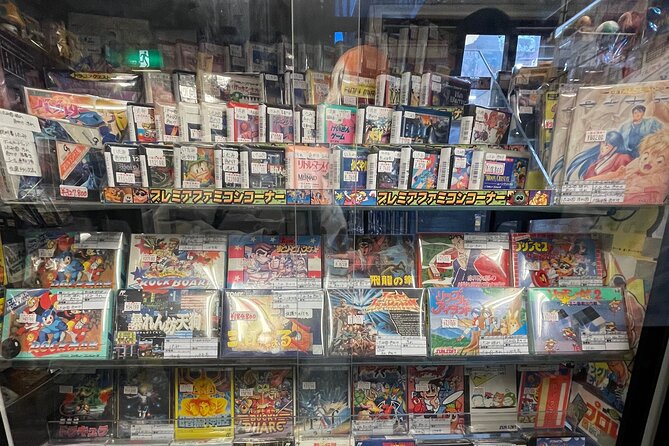
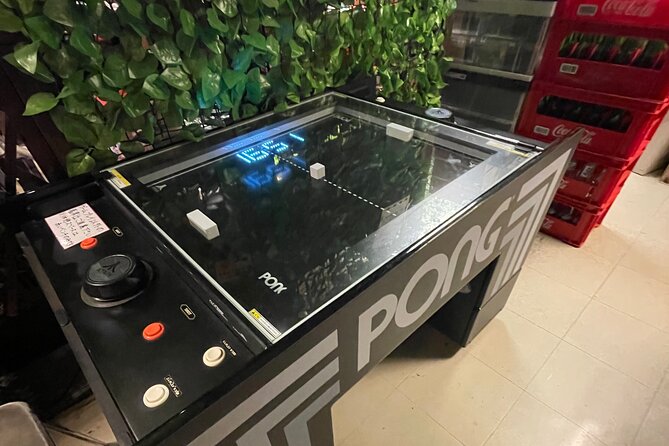
Next is Super Potato, a popular place for old video games and consoles. This is the stop that helps you see Akihabara as more than current trends. The area’s fandom culture didn’t start with today’s newest releases—it grew from earlier eras of gaming hardware and collectibles.
This one also runs about 20 minutes. You get a taste of the store’s focus, and if retro gaming is your thing, you’ll likely want more time afterward.
3) Don Quijote Akihabara: The Funhouse of Pop-Culture Retail
At Don Quijote Akihabara, you’ll see multiple genres of anime shopping. The tour notes that you might even spot the AKB48 Hall—so it’s a “pay attention and look around” stop as much as a planned visit.
About 20 minutes here keeps it light. The value is learning how Akihabara branding and pop-culture packaging all connect inside one giant retail environment.
4) Akihabara Radio Kaikan: Roots of Otaku Culture
Then you’ll visit Akihabara Radio Kaikan, where you learn about the origins/roots of Akihabara otaku culture. This is the “why this place became what it is” stop. It’s also where the guide’s role really matters: the goal is to connect what you’re seeing on the street to how the neighborhood developed.
This stop is about 15 minutes, and admission is included.
The Shopping Streets: Junk Finds, Mandarake, and Cosplay Browsing
After the origin-focused stop, the tour shifts into what Akihabara is best at: stores and streets where people browse because browsing is part of the culture.
5) Akihabara: Junk Street, Mandarake, and Snacks
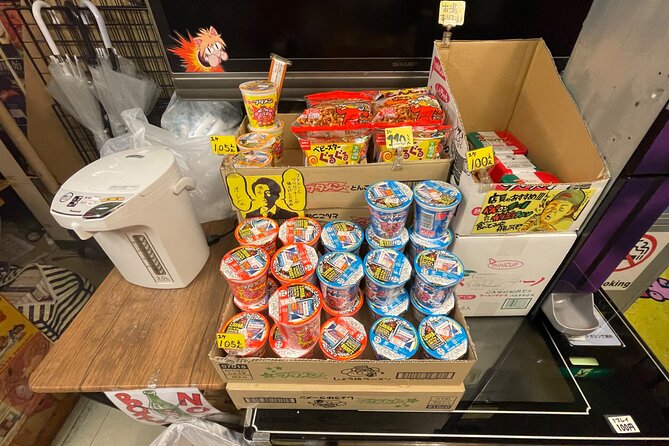
At Akihabara, you’ll see spots associated with junk street shopping and visit places like mandarake and rashinban. You also get time tied to food, with the note that you can grab snack items to settle your stomach.
This segment is about 25 minutes, and admission is included. The practical benefit here is that the guide helps you avoid wandering randomly until you stumble on something you like.
6) ONODEN: Cosplay and Anime Theme Stores
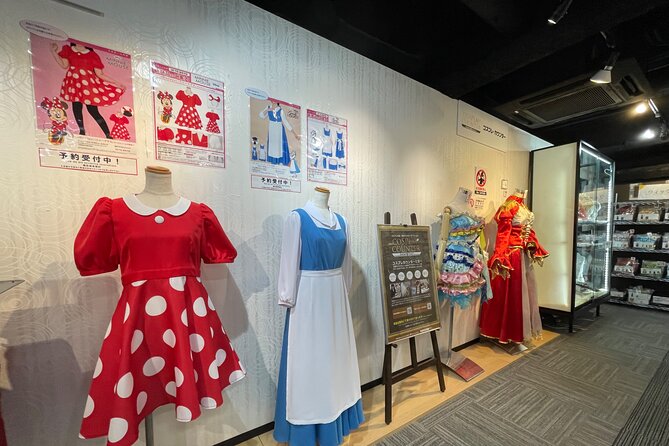
At ONODEN, you’ll spend about 30 minutes looking at cosplay and anime theme stores. The goal isn’t just to point at costumes; it’s to help you navigate what’s worth your time depending on what you’re into.
This stop is admission-free on the tour schedule. That gives it flexibility: if you find a shop you love, you’ll likely want to extend your look while you still have momentum.
7) 福福トレカ秋葉原店: Japanese Trading Card Games
Next is 福福トレカ秋葉原店, focused on Japanese Trading Card Games. This part is short—about 15 minutes—but it’s a smart correction to the common “otaku = anime only” idea.
Trading card culture is one of those categories where you can feel the hobby intensity instantly. Even if you don’t plan to buy, watching how the store is organized tells you a lot about how fandom works in Japan.
The Maid Café Part: Fantasy, Performance, and What’s Actually Included
By the time you reach the maid café stop, the day’s theme has lined up: arcade fun, collectible shopping, and fandom culture all lead naturally into a performance-based experience.
Number One Maid Café Chain Stop
The route includes a visit to the Number One maid café chain in Akihabara. The scheduled time is about 1 hour, and admission is included.
What’s included for you:
- Coffee and/or tea
- Snacks
- A complimentary hot drink
- Alcohol is not included, and any second drink or alcohol is your responsibility
This is the “sit down and become part of the show” portion. Even if maid cafés aren’t your usual style, the structure of the experience tends to make it easier to participate without feeling lost. You’ll also get a real sense of how performance culture fits into the wider otaku ecosystem.
Walking Transition Time
The tour also notes about 30 minutes of transit walking between destinations during the Akihabara sections. That keeps the schedule realistic and prevents the day from feeling like only stoppages.
Wednesday Add-On: Maid Theatrical Show With Live Performers
On Wednesdays, you have an optional extra: a maid theatrical show performed by active maids currently working in real maid cafés. The tour schedule labels this as a Wednesday-only option and states the show has admission ticket terms that are not included.
If you’re choosing a Wednesday date mainly for the maid portion, this is the upgrade to pay attention to. It takes what could be a standard café visit and adds a performance layer.
If you’re on a tight schedule, note that this optional add-on is short on paper but can still affect how long you stay in the area. I’d treat it as the centerpiece of your afternoon if it’s available on your day.
Price and Time: Who This Tour Makes the Most Sense For
This tour is best for people who want more than a quick photo-stop tour of Akihabara.
You’ll likely enjoy it if:
- You’re curious about otaku culture beyond anime shopping
- You like hands-on arcades and photo booths (purikura)
- You want a guide’s help to keep your day from turning into random wandering
- You’re interested in the maid café experience as part of the story, not just as a TikTok-style stop
You might think twice if:
- You only care about one narrow item, like the maid café show, and you dislike learning about adjacent topics
- You don’t want to spend most of the time walking and browsing focused retail environments
Should You Book This Akihabara Otaku and Maid Café Tour?
If you want a guided Akihabara day that connects arcade culture, retro gaming shops, and fandom shopping to a real performance experience, I’d book it. The best reason is the mix: picking up photos at purikura, spotting key Akihabara cultural roots, and then finishing with a maid café stop that’s actually part of the schedule.
Before you commit, do one quick self-check: are you genuinely curious about more than one slice of otaku culture? If yes, this tour’s structure is a strong match. If your goal is only one tiny piece, you may find the broader walk less satisfying than you hoped.
FAQ
FAQ
How long is the Akihabara Otaku Culture and Maid Café tour?
It runs for approximately 4 hours.
What is the group size limit?
The tour has a maximum of 8 travelers.
What’s included in the price?
You’ll receive snacks (Akihabara Pop Culture Snacks) and a complimentary coffee and/or tea drink at the maid café. Several stops also include admission tickets as part of the tour.
Is alcohol included at the maid café?
No. Alcoholic beverages are not included. The tour provides one non-alcoholic drink, and you would pay for alcohol or a second drink yourself.
Is there a maid café show option on Wednesdays?
Yes. On Wednesdays, there is an optional maid theatrical show with live performers, and the ticket for that show is not included.
Where do you meet, and what time does it start?
You meet at ジェイアール東日本コンサルタンツ 東京管理所1-chōme-17-4 Sotokanda, Chiyoda City, Tokyo 101-0021, Japan, and the start time is 1:00 pm.
Can I cancel for a full refund?
Yes. You can cancel for a full refund if you cancel at least 24 hours before the experience’s start time.
If you want, tell me which day of the week you’re considering (and whether you’re more into anime, retro games, trading cards, or the maid café). I can suggest which version of the tour choice to prioritize.