REVIEW · TOKYO
Discover Shimokitazawa: Tokyo’s Bohemian Neighbourhood
Book on GetYourGuide →Operated by City Unscripted · Bookable on GetYourGuide
Shimokitazawa rewires your Tokyo expectations fast. I love the private matching with a local guide and the way the route is built around what you actually want to see, from coffee culture to vintage shopping and music-shop wandering. You get to see more than the usual photo spots, including the kinds of side streets and small counters that feel like Tokyo’s adult playground.
The main catch is time: the 2–3 hours can feel short if you want to turn this into a full shopping day. Also, only one drink is included, and tickets or extra requests can add cost since the experience is designed to stay flexible around you.
In This Review
- Key highlights at a glance
- Why Shimokitazawa feels like Tokyo with the volume turned up
- How the local-host matching actually changes your tour
- Starting at your cafe: the walk begins with direction, not stress
- Coffee culture in Shimokitazawa: more than a caffeine stop
- Vintage shopping you can actually navigate in a short time
- The station-area vibe: where locals slow down and watch the night form
- Indie fashion, art corners, and asking better questions
- Cafes and cocktails: choosing the right drink mood for your evening
- Price and logistics: when $79 makes sense for what you get
- Who this Shimokitazawa walk is best for
- Should you book this Shimokitazawa tour?
- FAQ
- How long is the Shimokitazawa tour?
- What does the $79 price include?
- Is this tour private?
- What languages are available for the guide?
- Where do we meet the guide?
- Is pick-up from my accommodation included?
- Are food and drinks included?
- Are attraction tickets included?
- Does the tour include transportation during the walk?
- What is the cancellation and payment flexibility?
Key highlights at a glance
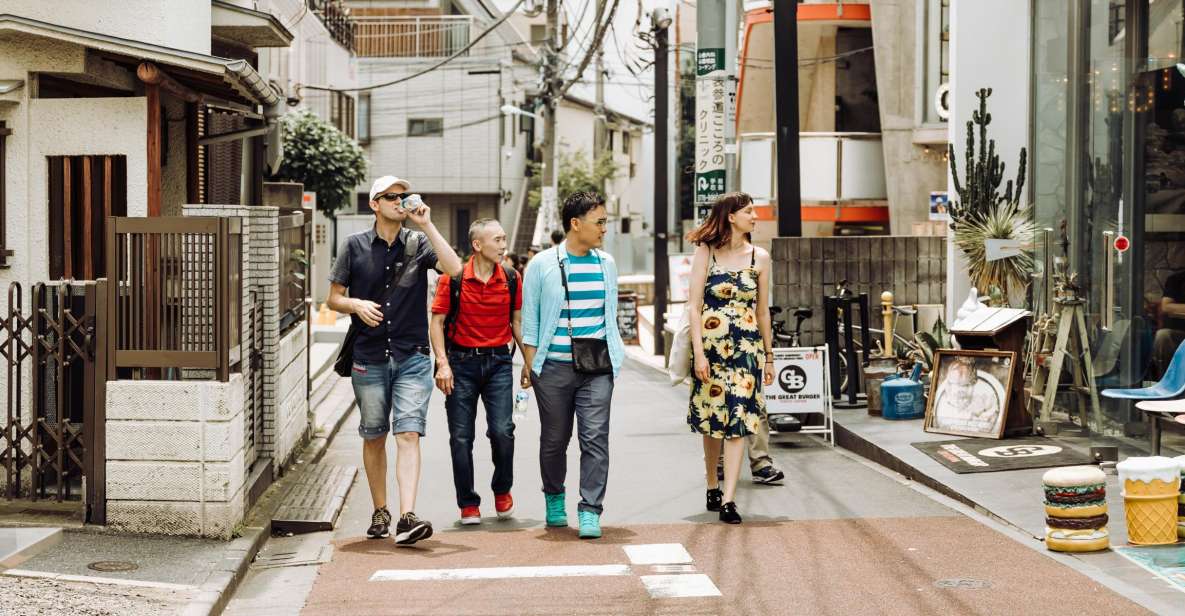
- Matched to your interests so the guide’s route makes sense for you, not a fixed checklist
- Coffee and izakaya culture included with one quirky drink stop during the walk
- Vintage shopping with known local favorites like Garage Department Store and Flash Disk
- Station-area energy where locals gather before the night moves on
- English or Japanese, private pacing in a small group (typically up to 6)
- Pick-up may be possible if you’re within a reasonable distance from your place
Why Shimokitazawa feels like Tokyo with the volume turned up

Shimokitazawa has a way of making Tokyo look less “perfect” and more human. The streets feel built for wandering—tiny storefronts, retro signage, and lots of people doing their own thing without rushing you along. It’s the part of Tokyo where you can sense the creative scene before you even learn the names of the bands.
What I like most is that the area isn’t just about shopping. Yes, you’ll find vintage clothing and old CDs, but you’ll also notice the mood: casual hanging out near the station, coffee breaks that feel like a plan, and small music references everywhere you look. That’s why a guided walk helps. Your guide can point at what you’d normally miss, like which shops are worth your time and what kind of crowd each place attracts.
This is a great choice when you want Tokyo that feels more artsy and alternative—without turning it into a scavenger hunt.
You can also read our reviews of more tours and experiences in Tokyo.



How the local-host matching actually changes your tour
This experience works because you don’t start with a one-size route. After you book, the host contacts you within 24 hours and asks questions about what you want—coffee, vintage, indie music, shopping style, and general interests. Then they build a bespoke path for you and your group.
That personal matching is why the tour feels practical. If you care about thrift fashion, your walk can lean hard into clothes and accessories. If you love indie music, you’ll spend more time around the record/CD-shopping vibe. If you’re more curious about how locals spend evenings, your route can include the station-area “wait for the moment” energy and places where a drink makes sense.
In the past, I’ve seen guides like Amir use a friendly, international perspective and connect the neighborhood to everyday life in Japan. Another guide, Nobu, was praised for being welcoming and answering lots of questions about Japan beyond Shimokitazawa. The big takeaway: you’re not just being escorted—you’re getting a conversation partner who can tailor the pace.
The tour is led in English or Japanese, and it’s private, typically no larger than 6 people. That small-group size matters here. It keeps the shopping stops from turning chaotic, and it helps you ask questions without feeling like you’re behind schedule.
Starting at your cafe: the walk begins with direction, not stress
You’ll meet your host in front of the cafe (the exact spot is set as the meeting point). If your accommodation is within a reasonable distance, pick-up may be available, which is helpful in Tokyo where “just take the train” can become a time sink.
From there, the structure is simple: it’s a walking experience through the neighborhood, designed to fit a 2–3 hour window. That duration is a sweet spot for Shimokitazawa. Long enough to feel the area and make real choices. Short enough that you still have energy left for the rest of your day.
One practical note: transportation during the tour isn’t included. That’s not a problem for most people because the idea is to explore on foot, but it does mean you should plan how you’ll get there and how you’ll continue afterward. Think of it as a guided neighborhood circuit, not a full-day transit tour.
Coffee culture in Shimokitazawa: more than a caffeine stop
Shimokitazawa has a serious coffee culture, and it shows in how people use coffee shops as meeting points. During your walk, you’ll get at least one coffee or non-alcoholic drink at a quirky cafe or bar. That included drink matters because it gives you a natural “pause” in the middle of the wandering.
Places can vary based on your interests, but the neighborhood is known for spots where music and coffee coexist. For example, City Country City is one of the named favorites, where good music pairs with solid coffee. If you’re the type who likes to see how locals actually hang out, this is where you’ll feel the neighborhood’s tempo shift—from street browsing to people-watching for a few minutes.
If you’re traveling with kids, the pace also tends to work. In one reported experience, a family said their kids loved the tour and that the guides helped them find interesting things to buy. A drink stop can keep energy stable, especially when you’re balancing shopping and walking.
If you’re not a coffee person, don’t worry. The tour includes a non-alcoholic option, and your guide can steer you toward a bar-like atmosphere that still fits the vibe.
Vintage shopping you can actually navigate in a short time
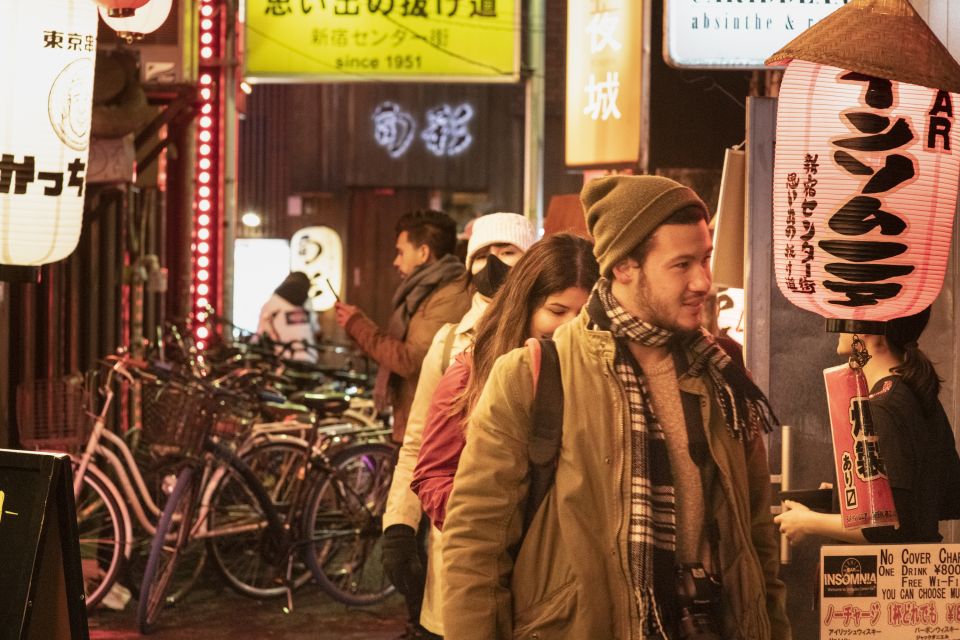
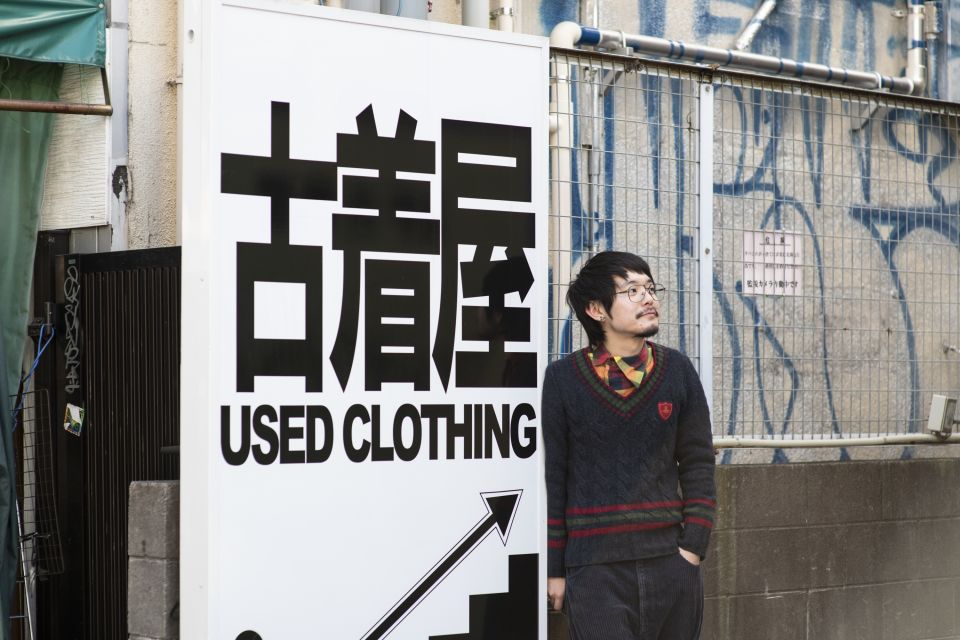
Shimokitazawa is famous for vintage, and the best part of a guided walk is knowing what’s worth your attention in the time you have. Instead of aimlessly bouncing between stores, you get someone beside you who understands the neighborhood layout and what each shop specializes in.
Two shops come up often in the plan:
- Garage Department Store: a place where you can find funk-leaning style and retro fashion, the kind of shopping where you might start with one item and end up with a whole outfit idea
- Flash Disk: known for old CDs, with that satisfying “mountain” feeling that makes you want to browse track by track
For practical travelers, here’s why this matters. Vintage shopping is half taste and half logistics. Without local guidance, you may waste time walking the wrong direction or skipping the stores that match your style. With a guide, you can check more options faster and avoid the dead-end “this looks cool but I don’t know what I’m looking at” moments.
If you want to thrift like a local, ask your guide what kinds of items are easiest to spot in that shop. Shoes? Jackets? Accessories? You’ll learn how to scan quickly—Tokyo-style.
And yes, the streets between shops are part of the fun: small lanes, trendy storefronts, and lots of retro details that make you feel like you’re walking through a curated mood board.



The station-area vibe: where locals slow down and watch the night form
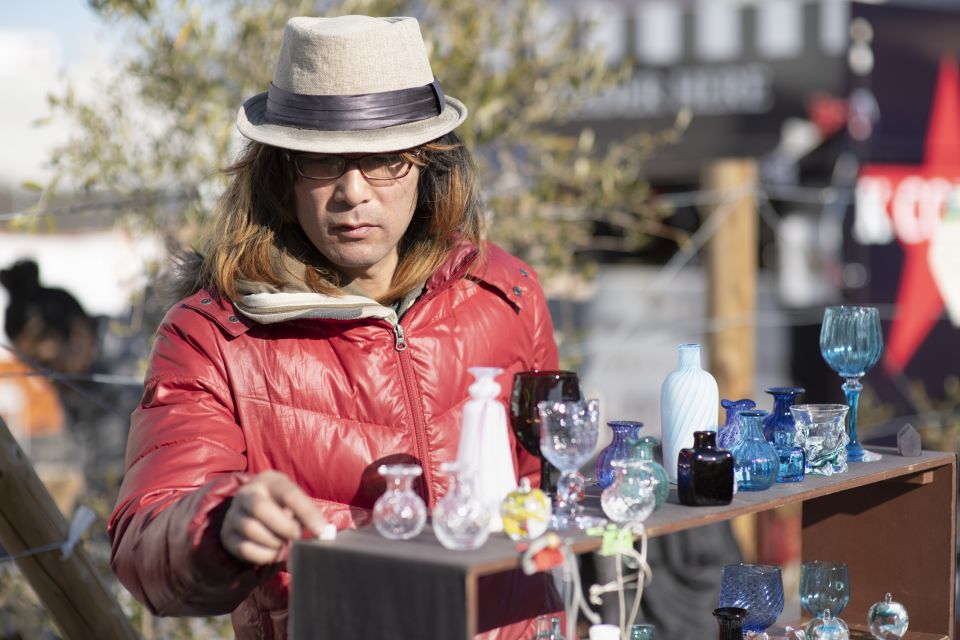
Shimokitazawa’s main station area is where you feel the neighborhood’s rhythm. It’s not just a transit hub—it’s where people gather, hang out, and wait for the next part of the evening to start.
Your guide can help you connect the dots. You’ll likely notice how people move, where they pause, and how the station area sets the energy for the surrounding streets. This kind of stop is valuable because it gives context. Once you understand the “before sunset” and “after sunset” flow, you’ll read the neighborhood differently while you browse.
There’s also a nice mix of everyday life and small-scene references. The walk can include moments like settling in with a hot bowl of soba and something smooth to drink, or getting a sense of the live-music and casual evening energy that makes Shimokitazawa feel different from more tourist-heavy areas.
If your instinct is to avoid train-station zones because they feel too ordinary, keep that instinct—but then let your guide reframe it. In Shimokitazawa, that ordinary feeling is exactly the point.
Indie fashion, art corners, and asking better questions
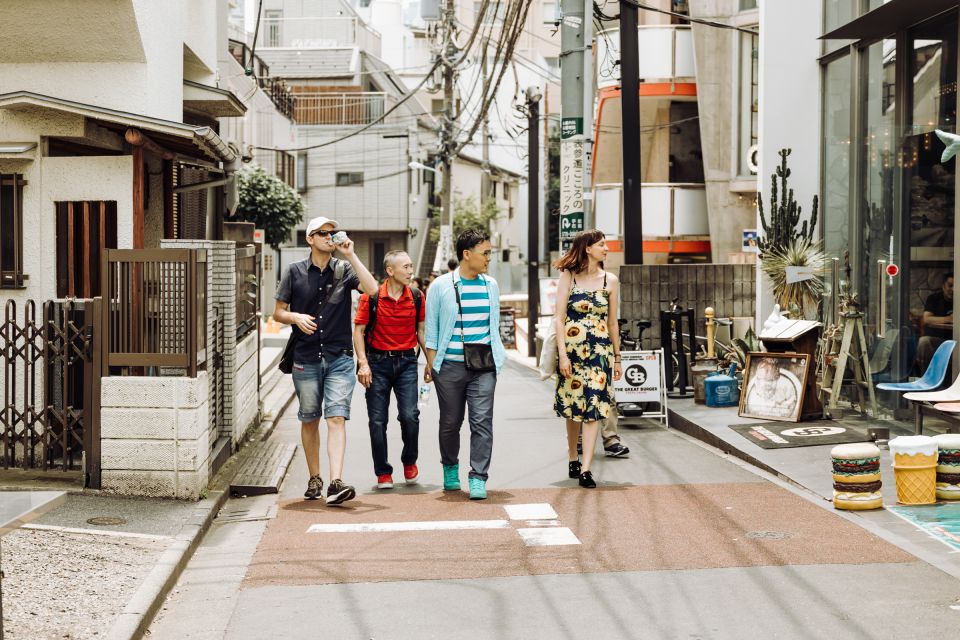
Once you’re in the right streets, Shimokitazawa becomes a place where indie fashion and offbeat art feel normal. Tiny blocks can carry a lot of personality. You’ll see fashion choices that look like self-expression, and you’ll spot the kind of store branding that signals music and art people.
This is where the guide earns their keep. They can point out what’s “scene” versus what’s just random clutter, and they can translate what to look for based on your interests. If you’re into a particular style—streetwear, vintage punk, retro accessories—tell them early. The more specific you are, the better the route can be.
You’ll also get the bonus of being able to ask questions about Japan in general. In one experience, the guide used friendly Q&A to help the family understand Japan beyond the neighborhood itself. That means you leave with better context and fewer “wait, what does that mean?” moments during the rest of your trip.
This isn’t a museum. It’s a living neighborhood. So the value isn’t just where you go—it’s how you learn to look.
Cafes and cocktails: choosing the right drink mood for your evening
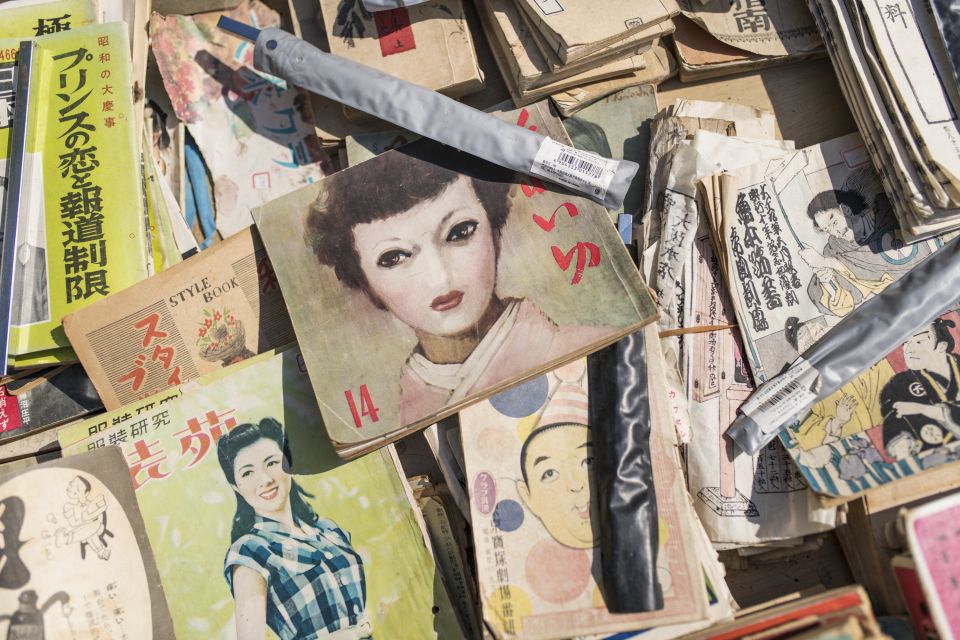
The tour includes one drink stop. That could be coffee, or it could shift toward something more bar-like depending on your tastes.
One named option is Shimokitazawa Mother, described as having Gaudi-esque decoration and serving fine Okinawan cuisine. Even if you don’t go there specifically, it’s a good example of what the neighborhood does well: characterful interiors, playful design, and food that feels like an excuse to linger.
Here’s how I’d think about this as you plan. If you’re doing this earlier in the day, you can treat the included drink as a mid-walk reset and keep shopping with better focus. If you’re doing it late, it can function like the first step of your evening, with the tour helping you pick a spot that matches the mood you want.
And because it’s private, you don’t have to feel awkward slowing down. Want to sit longer or take one extra photo of a shopfront? Your guide can accommodate within reason.
Price and logistics: when $79 makes sense for what you get
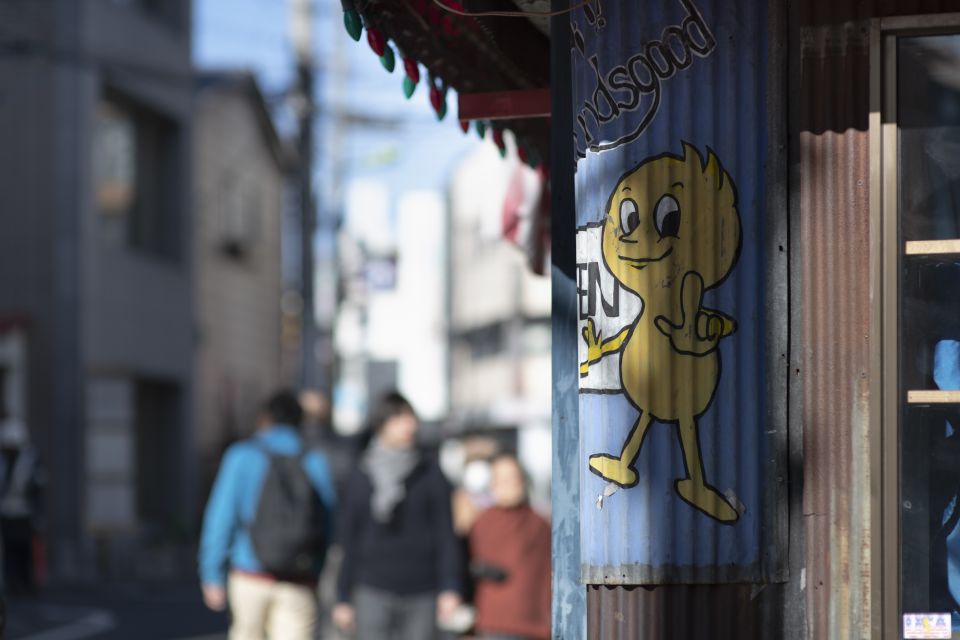
At $79 per person for about 2–3 hours with a local host, the question isn’t just the cost. It’s what you’re buying.
You’re paying for:
- Personal matching based on your interests
- A guide to steer your choices in a short time
- A focused walking route through a neighborhood where browsing is the main activity
- Pick-up if you’re close enough
- One included coffee or non-alcoholic drink
What isn’t included:
- Food beyond the drink
- Any attraction tickets
- Transportation to or from the meeting point
- Public/private transportation during the tour
So the value depends on your travel style. If you already enjoy wandering and shopping, the guide saves time and increases the odds that you’ll find the right shops fast. If you mainly want a checklist of major sights with museum-style interpretation, Shimokitazawa’s charm may be better explored at your own pace, with a guide only if you’re truly shopping or seeking cultural context.
Also, if you have additional requests—tickets, extra arrangements, or added stops—your guide can help organize it, but that can bring extra cost. For most people, that flexibility is a strength, not a drawback.
Who this Shimokitazawa walk is best for
This tour is a strong match if you want Tokyo that feels personal and creative. I’d especially recommend it for:
- First-time visitors who want to see a different side of Tokyo beyond big-name landmarks
- People who love vintage shopping, retro fashion, and record/CD browsing
- Coffee fans who like discovering local “third places”
- Travelers who appreciate Q&A and want a human guide, not a scripted speech
It’s also a good fit for families, since one reported experience noted their kids enjoyed the shopping and the guide’s friendliness.
If you’re the kind of traveler who only wants famous, ticketed attractions, this may feel too freeform. But if you enjoy texture—streets, shops, music references, and the small rhythm of a neighborhood—this style is your speed.
Should you book this Shimokitazawa tour?
I’d book it if you want Shimokitazawa to be more than random browsing. The interest-matched guide and the small practical structure—walking route, one drink stop, and targeted stops like Garage Department Store and Flash Disk—make the time count.
Skip it if your ideal day is mostly transit between major attractions or if you want lots of included meals and tickets. This is a neighborhood experience. Its value is in how you see, not in a stack of entrances.
If you’re even slightly excited by coffee, thrift, and indie Tokyo energy, this is the kind of guided wander that tends to turn into a highlight.
FAQ
How long is the Shimokitazawa tour?
It lasts about 2–3 hours.
What does the $79 price include?
You get a private, personalized itinerary for a local-host-led walking experience, plus pick-up if you’re within a reasonable distance and one coffee or non-alcoholic drink.
Is this tour private?
Yes. It’s a private group, typically no larger than 6 people.
What languages are available for the guide?
English and Japanese.
Where do we meet the guide?
The host waits in front of the cafe at the meeting point.
Is pick-up from my accommodation included?
Pick-up is included if your accommodation is within a reasonable distance.
Are food and drinks included?
Only one coffee or non-alcoholic drink is included. Additional food is not included.
Are attraction tickets included?
No. Tickets are not included, though additional requirements can be arranged for an added cost.
Does the tour include transportation during the walk?
Transportation to and from the meeting point isn’t included, and public/private transportation during the tour is not included.
What is the cancellation and payment flexibility?
You can cancel up to 24 hours in advance for a full refund. You can also reserve now and pay later.