REVIEW · TOKYO
Samurai Ninja Museum Asakusa: Samurai Sword Lesson & Tour
Book on GetYourGuide →Operated by GLOBA Inc. · Bookable on GetYourGuide
Put on armor, hold a katana, and learn fast. This 2-hour Asakusa experience mixes hands-on sword training with a guided Samurai and Ninja Museum tour, plus themed photo sets. I love the way the instructors (including Sensei Ryo and others named in sessions) keep a beginner-friendly pace, and I like the photo moments that make the whole thing feel real. One thing to consider: practice time is short, so if you want serious repetition, you may wish you had more time at the sword.
The experience starts with dressing up, then moves into basic katana handling and a routine you can actually remember. After the sword work, you shift into museum storytelling with samurai and ninja displays, and you’ll get chances to pose in costume-themed backgrounds. I also like that the activity is paced for mixed ages, but it can feel crowded because the group tops out at 16.
If you’re planning Tokyo with kids, or you just want a fun cultural activity you can feel in your hands, this is a strong pick.
In This Review
- Key highlights worth planning around
- Samurai Ninja Museum Asakusa: What You’re Actually Buying for $63
- The sword lesson with katana basics: beginner-friendly, but timeboxed
- How the routine works: what you’ll likely do in your session
- Dressing up: hakama, helmet, and armor in Asakusa
- The museum tour with samurai and ninja displays: learning without turning it into a lecture
- Ninja weapons trial: shuriken throwing with real focus
- Photo opportunities: the fastest way to turn a lesson into a memory
- Who this tour suits best (and who should adjust expectations)
- Logistics in Tokyo: timing, meeting point, and how to plan your 2 hours
- Accessibility and pacing: good for mixed groups, not perfect for every schedule
- Value check: is $63 per person a fair deal?
- Should you book Samurai Ninja Museum Asakusa?
- FAQ
- How long is the Samurai Sword Lesson & Tour?
- How much does it cost?
- What’s included in the experience?
- Is there an age limit?
- Is the tour guide in English?
- What’s the maximum group size?
- Is the venue wheelchair accessible?
- Do you offer free cancellation?
- Can I reserve now and pay later?
- Where do we meet?
Key highlights worth planning around
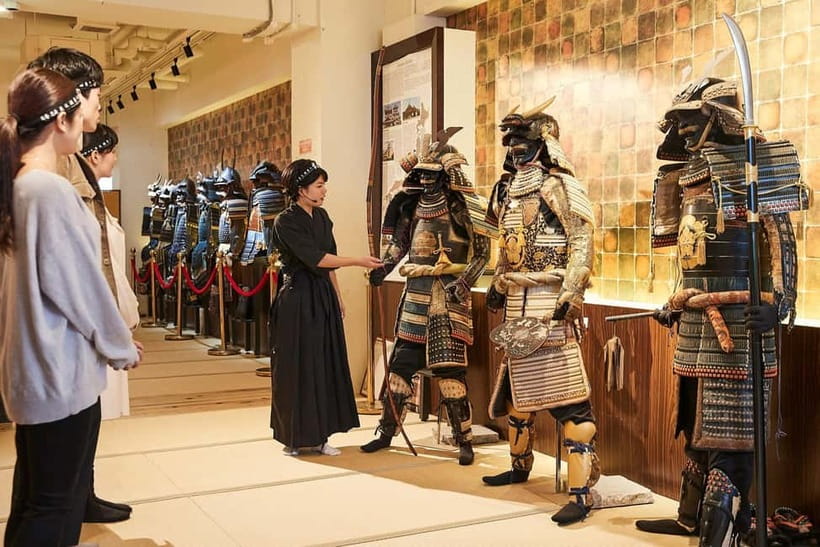
- Armor and hakama included so you’re not stuck watching from the sidelines
- English live guide who explains both samurai and ninja culture
- Katana practice for beginners with clear instruction from instructors like Sensei Ryo
- Themed photo backgrounds built into the experience, not added later
- Ninja weapon trial with a chance to throw shuriken
- Small maximum group size (up to 16) so you still get attention during practice
Samurai Ninja Museum Asakusa: What You’re Actually Buying for $63
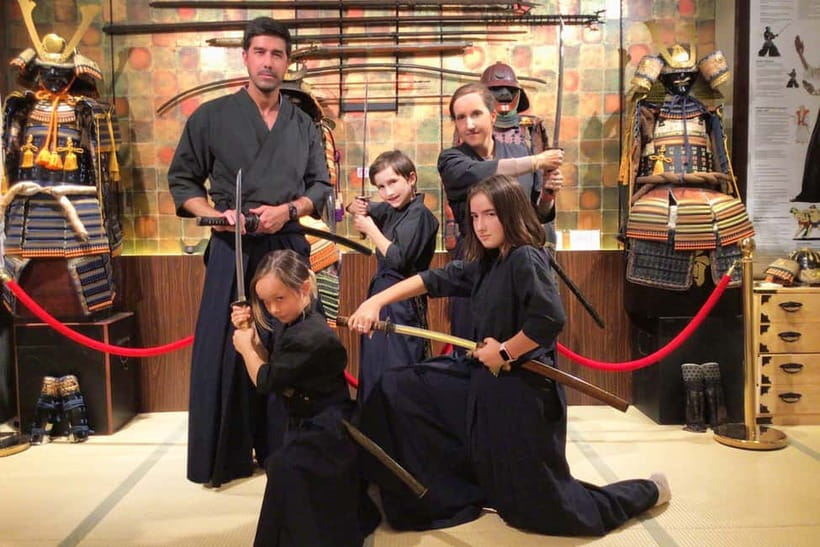
For $63 per person (2 hours), you’re paying for more than a museum ticket. You’re buying a guided, step-by-step “role as a warrior” format: costume gear, supervised sword fundamentals, museum context, and ninja-style weapon play.
That combination is the value. In Tokyo, it’s easy to spend money on experiences that are mostly watching. Here, you’re doing the work: moving with the sword, wearing the outfits, and participating in the hands-on parts.
You can also read our reviews of more museum experiences in Tokyo

The sword lesson with katana basics: beginner-friendly, but timeboxed
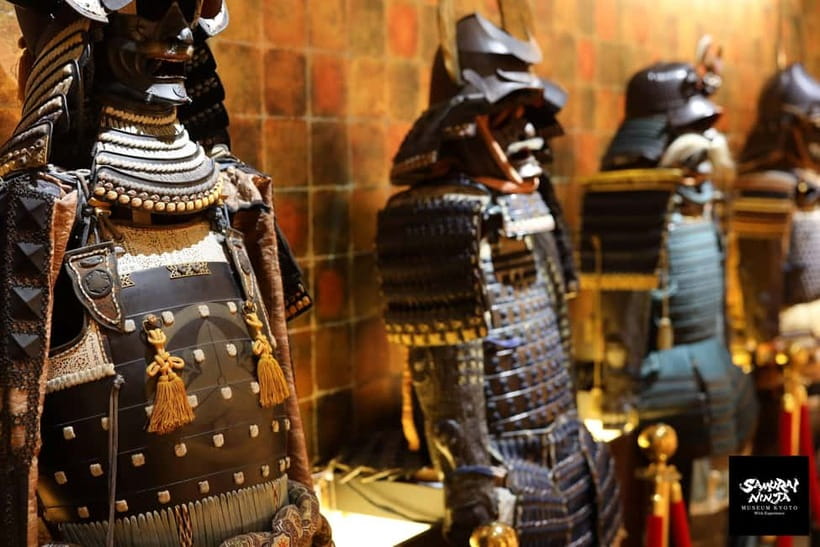
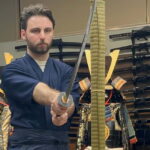
The heart of the experience is the samurai workshop. You’ll be outfitted in hijama-style clothing (hakama) and samurai gear, then guided through how to hold and move with a katana safely and confidently.
The best part for first-timers is that instruction is structured. Multiple instructors are highlighted in sessions across time, including Sensei Ryo, who’s praised for being professional and polite while teaching fundamentals to complete novices. Other instructors you may encounter in the program include Kenny, Koki, and Kai, depending on the day and session.
In a short class like this, your goal is not mastery. Your goal is a working sense of posture, grip, and basic choreography so the movements make sense. Some participants finish the session wishing they could practice longer, and that’s a fair expectation for a 2-hour format.
How the routine works: what you’ll likely do in your session
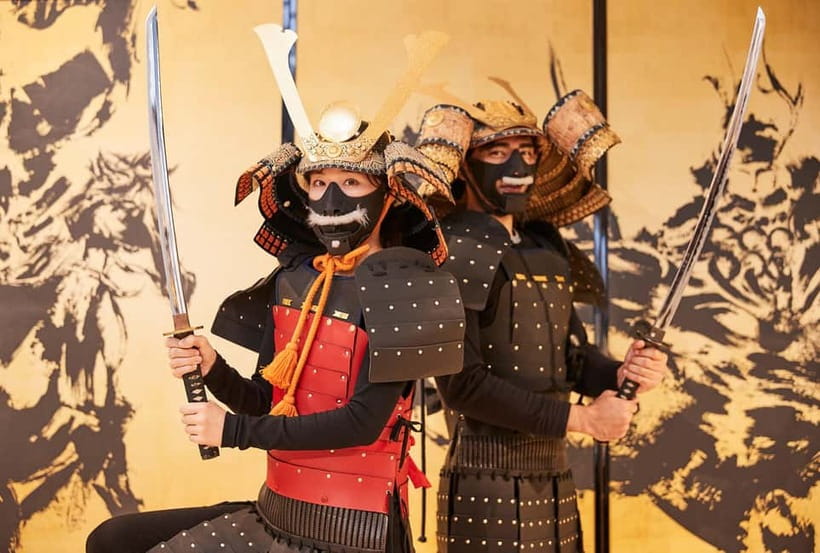
You should expect a short routine rather than endless drills. The session format is designed so you can learn a sequence quickly, perform it in front of the group, and then move on.
From the way the class segments are described, you may also get a supervised spar-style moment using safer practice tools (often rubber swords) and a tournament-like segment. Even if your movements aren’t perfect, you’ll likely leave with something concrete: a sequence you can name and repeat in your head later.
For families, that’s a big win. One of the recurring strengths is that kids and adults both get enough structure to feel included, even if they’re not physically coordinated. If your party has very small kids, the experience can feel more constrained, and not every movement may land exactly the way an adult-only class would.
Dressing up: hakama, helmet, and armor in Asakusa
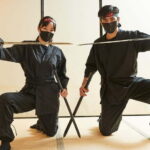
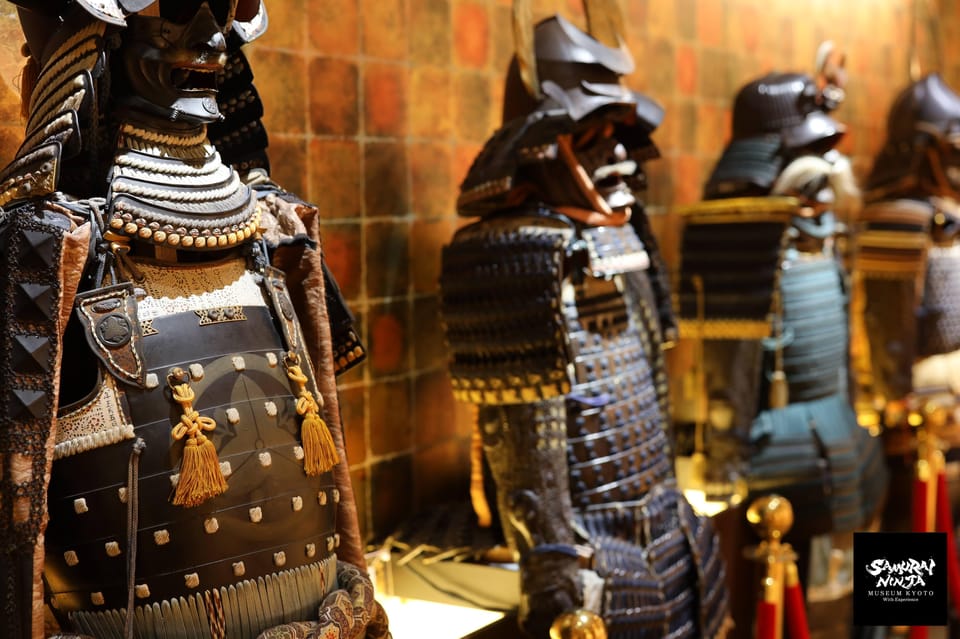
One of the most memorable parts is the switch from city mode to warrior mode. You’ll wear samurai armor, a samurai helmet, and a hakama, and it’s not just for photos. You’ll use the outfit during the lesson so the training feels like the real thing.
This is where the “I’m in Japan” factor becomes physical. You don’t just hear about discipline and tradition—you wear it, adjust to it, and learn movement while dressed for the role.
Practical note: since the experience includes costume gear, build a little patience into your schedule. You’ll spend time suiting up and getting guided setup before you start moving with the sword.
The museum tour with samurai and ninja displays: learning without turning it into a lecture
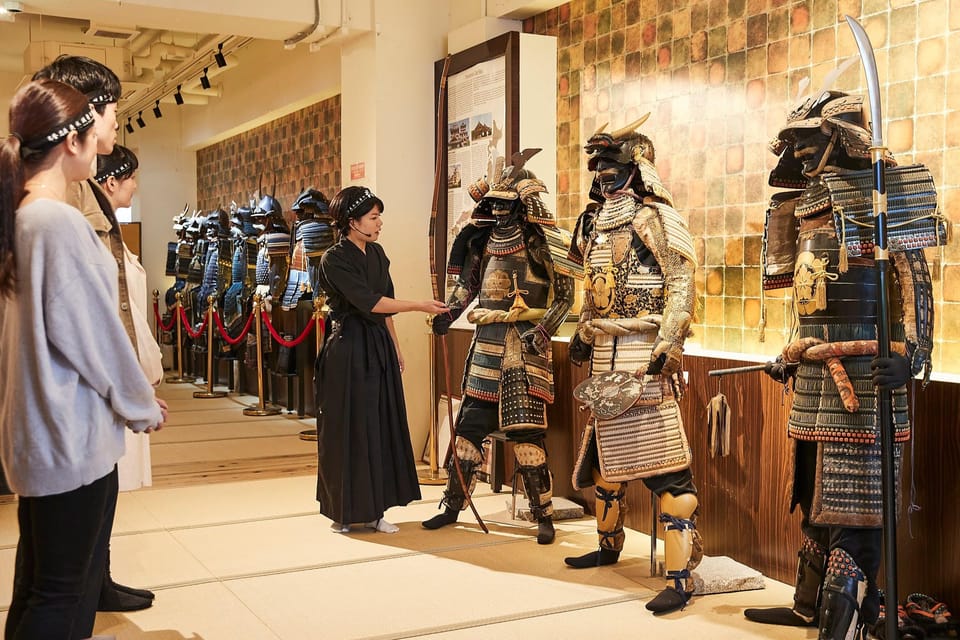
After the sword workshop, you move into the Samurai and Ninja Museum tour. This part matters because it turns what you just practiced into context.
Instead of treating samurai and ninja as random pop-culture themes, the guide’s explanations link them to historical roots and the broader story of Japan’s warrior culture. English explanations are part of the core offering, so you’re not stuck scanning placards while trying to guess what the artifacts mean.
In several sessions, guides described in the experience include Ren and Nao, with both praised for making the story lively and accessible. For younger visitors, that energy is key. For adults, it helps you connect sword basics to why these traditions developed the way they did.
If you prefer slow museum pacing, consider this tour a compact highlight reel. Some people describe the museum as feeling a bit rushed, which is exactly what you’d expect when it shares time with a hands-on workshop.
You can also read our reviews of more tours and experiences in Tokyo



Ninja weapons trial: shuriken throwing with real focus
Then comes the ninja part. You’ll get a ninja weapons trial, and shuriken throwing is specifically mentioned as part of the experience.
This is one of those segments where enthusiasm counts. The instructors guide you toward technique, and the fun comes from aiming at a target and improving over a few tries. Even if you don’t nail it instantly, you’ll get enough attempts to feel the difference between a lucky throw and a controlled one.
For teens and adults, this is often the most playful moment. For families, it’s a good contrast after the sword practice—same warrior theme, different skill set.
Photo opportunities: the fastest way to turn a lesson into a memory
You’ll pose in front of samurai-themed backgrounds, and the photo segment is built into the experience (not a separate add-on). It’s a simple idea, but it changes how you remember the day.
The best use of these photos is practical: you’ll share them later and you’ll also remember the exact outfit and moment, not just that you visited a place. For families, it’s also a morale boost. Kids often care more about the photos than the technical details, and here both are included.
If your group includes several people, you’ll want to take turns so everyone gets a clean shot without rushing the instructors or other participants.
Who this tour suits best (and who should adjust expectations)
This experience fits best if you want a mix of hands-on fun and basic cultural grounding.
You’ll probably enjoy it most if you:
- are traveling with kids old enough to enter the samurai venue (children under 6 cannot enter)
- have beginners in your group and want clear instruction without prior training
- like costume experiences but also want a real activity, not just dressing up
- want a short Tokyo activity that delivers photos plus learning in the same block of time
It may not be ideal if you:
- want long, serious sword training or advanced technique
- expect a museum-first experience with slow pacing
- have very small kids who may limit how movements can be taught to the whole group
The group limit of 16 helps, but it still means the session is designed to work for multiple ages at once.
Logistics in Tokyo: timing, meeting point, and how to plan your 2 hours
The tour runs for 2 hours, with starting times depending on availability. Your meeting point can vary depending on the option you book, so treat your confirmation as the source of truth for where to go first.
Because you’ll be suiting up and moving through multiple segments, give yourself a little buffer around the start time. The experience is short, so arriving late can squeeze the costume setup and reduce your practice time.
Also, keep in mind that the session includes guided activities plus photo opportunities plus the museum tour. That’s a lot packed into two hours, which is part of the appeal for many people and the reason some sessions can feel fast-paced.
Accessibility and pacing: good for mixed groups, not perfect for every schedule
The activity is listed as wheelchair accessible, and it offers private or small groups as options. That’s helpful if you want a quieter experience or if you’re coordinating mobility needs.
That said, this is still an active workshop. The best fit is a group where everyone can follow short instructions and move through training segments at a kid-friendly pace.
If you’re bringing a group with a wide age range, you’ll likely appreciate the structure. Many instructors are praised for patience and for keeping the tone respectful while still making it fun.
Value check: is $63 per person a fair deal?
In my view, the price is justified because you get a bundle of things most Tokyo experiences charge separately for: instruction, costume elements (hakama, helmet, armor), guided museum storytelling, photo time, and ninja weapon trial.
If you compare to a standard museum visit, you’re paying for doing and dressing up. If you compare to a pure sword lesson, you’re getting the museum and ninja segments as extra value. The $63 price lands in the “worth it if you want the full package” zone.
The main way the value can disappoint is if you expected long sword repetition or a slower, deeper museum dive. But if you want a memorable introduction—something you can actually participate in—this is strong value for the time.
Should you book Samurai Ninja Museum Asakusa?
Book it if your group wants a hands-on, beginner-friendly warrior experience in Asakusa, with English guidance, included costumes, sword training basics, museum context, and a chance to throw shuriken.
Skip it or set expectations if you’re training for something serious, or if you’re bringing very young kids (under 6 cannot enter the samurai venue). Also consider whether you need a slow museum pace, because this is an activity format that keeps moving.
If you want one clear reason to choose it: it’s one of the easier ways to turn Tokyo history themes into a day where you leave with photos and a skill you practiced with your own hands.
FAQ
How long is the Samurai Sword Lesson & Tour?
The tour lasts 2 hours.
How much does it cost?
The price listed is $63 per person.
What’s included in the experience?
It includes a samurai sword lesson, use of hakama, use of a samurai helmet, use of samurai armor, themed photo opportunities, and a ninja weapons trial.
Is there an age limit?
Children under 6 cannot enter the samurai venue.
Is the tour guide in English?
Yes. The live tour guide provides English.
What’s the maximum group size?
The activity has a maximum of 16 travelers.
Is the venue wheelchair accessible?
Yes, it’s listed as wheelchair accessible.
Do you offer free cancellation?
Free cancellation is available up to 24 hours in advance for a full refund.
Can I reserve now and pay later?
Yes, reserve now & pay later is offered.
Where do we meet?
The meeting point may vary depending on the option booked.