REVIEW · TOKYO
Tokyo: Samurai Sword & Archery Class from Samurai Descendant
Book on GetYourGuide →Operated by Toyama-Ryu BIZENKAI · Bookable on GetYourGuide
Sword work and archery, side by side. In Machida, you train with Yoshioki Sumida at Toyama-ryu Bizen-kai, learning iai slashing forms that are hard to get right.
What I like most is the mix: sword technique plus a real session trying traditional horseback archery style shooting, not just a staged sword show.
One heads-up: this is physical training, and it’s not suitable if you have back/heart problems, mobility limits, are pregnant, have epilepsy, or are under 18.
In This Review
- Key highlights worth your time
- Samurai Descendant in Tokyo: finding Toyama-ryu Bizen-kai in Machida
- What makes this class different: swordsmanship plus traditional horseback archery
- How the 3-hour session flows: lecture, training wear, and dojo etiquette
- Iai lesson: learning the correct cutting technique with a mock sword
- Gekken sparring and target cutting: timing attack, defense, and blade line
- Archery in the same discipline: shooting with a real horseback-archery bow
- Toyama-ryu tradition: the live demonstration and why it matters
- Price and value: why $193 can feel “worth it” or “too much”
- Who should book this (and who should skip it)
- Tips to get the most from your 3 hours
- Should you book Samurai Descendant: my honest recommendation
- FAQ
- Is this class for a private group or a shared class?
- How long is the Samurai Sword and Archery class?
- Where do I meet, and how do I get to the dojo?
- What should I bring and what is not allowed?
- What languages are offered by the instructor?
- Is the training wear and practice sword provided?
- Can children (under 18) join?
Key highlights worth your time
- Train in a real dojo near JR Machida Station (10-minute walk), with the training flow run by the masters
- Iai sword lesson using a mock sword, then practice cutting and moving slashes
- Gekken drills and sparring for timing, attack/defense, and safer “real student” pacing
- Blade line check practice, so your cut gets consistent instead of lucky
- Horseback-archery bow session using a real bow setup with arrows
- Toyama-ryu tradition shown live (including a demonstration tied to Toyama-ryu 7th grade)
Samurai Descendant in Tokyo: finding Toyama-ryu Bizen-kai in Machida
This class meets at Toyama-ryu Bizen-kai (戸山流備前会 BIZENKAI), about a 10-minute walk from JR Machida Station. The dojo is on the third floor, and you’ll want to use the stairs at the back between the sword shop and the vending machines on the first floor.
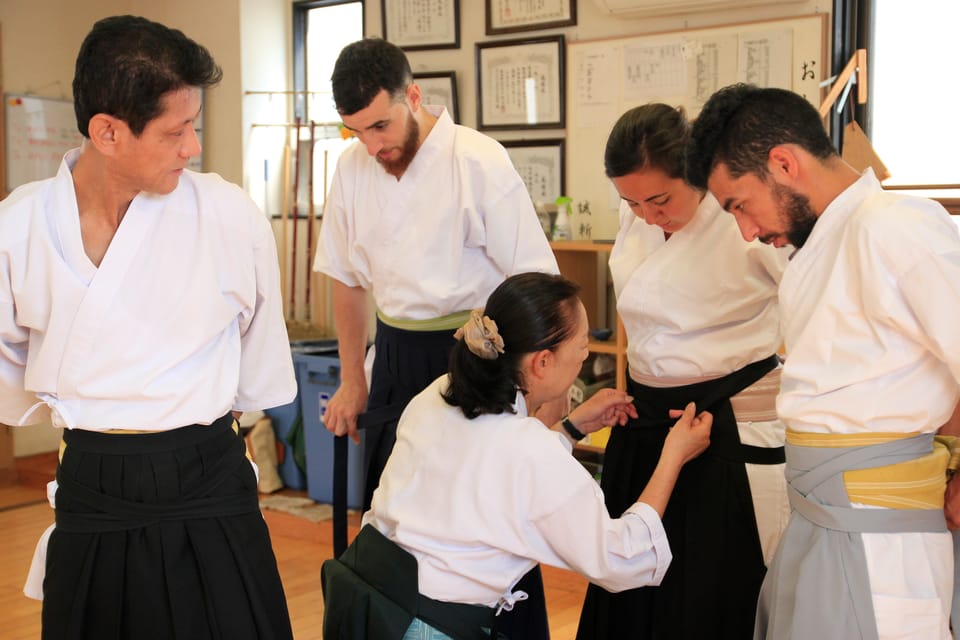
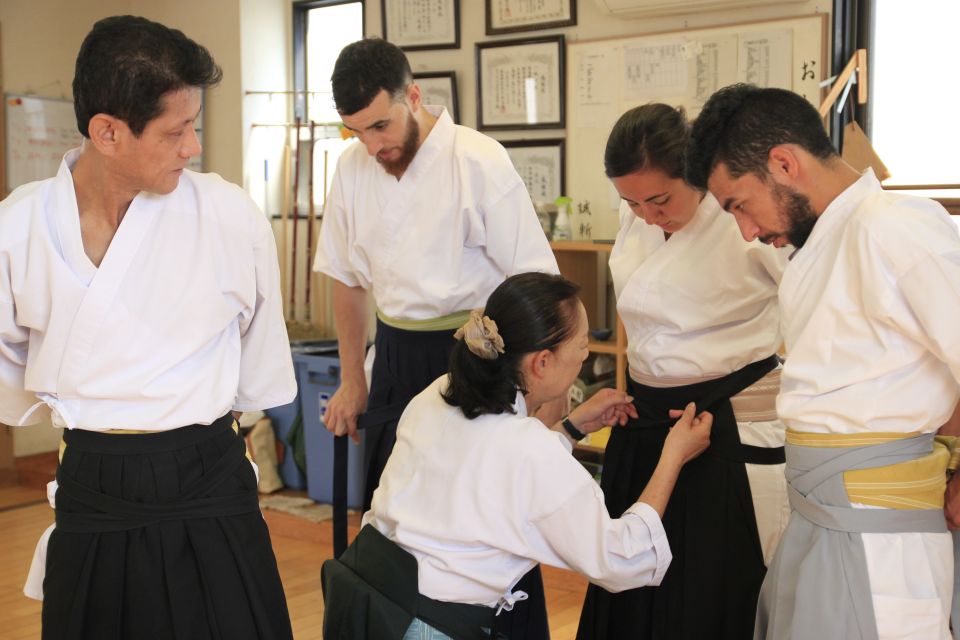
Once you arrive, expect a short lecture first, then time to change into provided training wear. It’s set up like a real practice session, not a studio where everyone poses for photos.
Practical note: shoes and bags need a place, so travel light if you can. Bringing a camera is allowed, and having a simple water bottle helps since you’ll work up a sweat.
You can also read our reviews of more tours and experiences in Tokyo


What makes this class different: swordsmanship plus traditional horseback archery
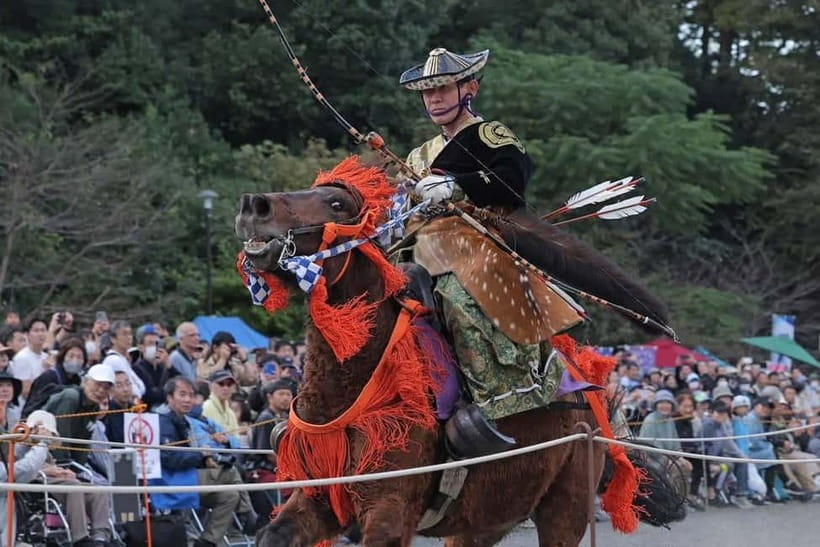
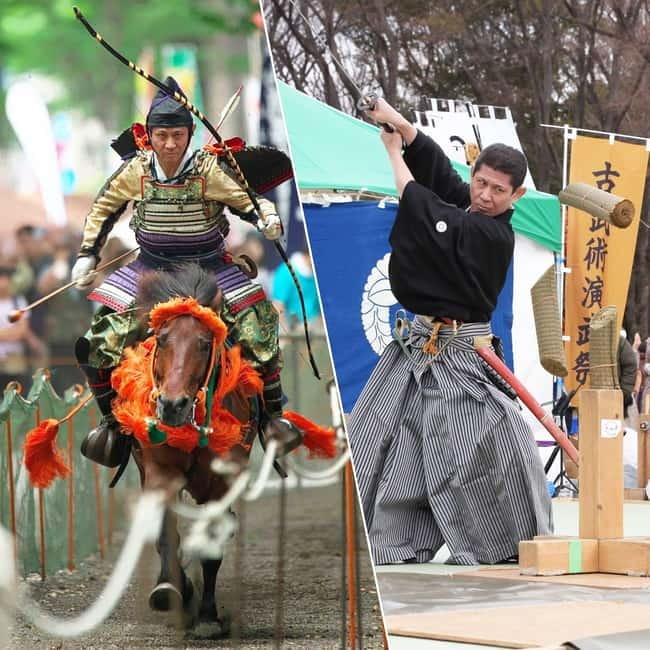
A lot of “samurai experiences” focus on one thing: sword handling as a performance. This one is different because the instruction is built around two core disciplines that historically shaped how samurai fought: the katana (sword arts) and the bow (horseback archery tradition).
You’ll also get the weapons timeline in a way that connects the training to real history: longbow as the main weapon about 1000 years ago, matchlock guns becoming more powerful about 450 years ago, then the sword becoming the main weapon about 400 years ago after the civil war ended. That framing matters because it explains why the class teaches these skills as part of one worldview, not as random “cool facts.”
The instructor line matters too. The class is taught by a master of both swordsmanship and horseback archery, and the English support is handled through staff in the dojo. In the experience, Yoshioki Sumida is the central sensei name you’ll hear, and an assistant named Harry is often referenced as part of the instruction team.
How the 3-hour session flows: lecture, training wear, and dojo etiquette

This is a 3-hour class, and it’s run as a shared class with a maximum group size of 15. That small cap changes the feel. You don’t get herded like a bus tour, and corrections are easier to give without rushing.
After you change, the learning moves in stages:
- You start with sword basics and handling rules.
- Then you move into iai (forms connected to cutting practice).
- After that comes gekken training, including timing work and sparring with a practice sword.
- Finally, you switch gears to archery—trying the bow and shooting arrows as part of the same discipline mindset.
The “real dojo” vibe is not just marketing. The format is built around repetition and correction. If you like training that asks you to focus, you’ll enjoy this. If you want a relaxed souvenir photo session, you’ll feel out of place.
Iai lesson: learning the correct cutting technique with a mock sword
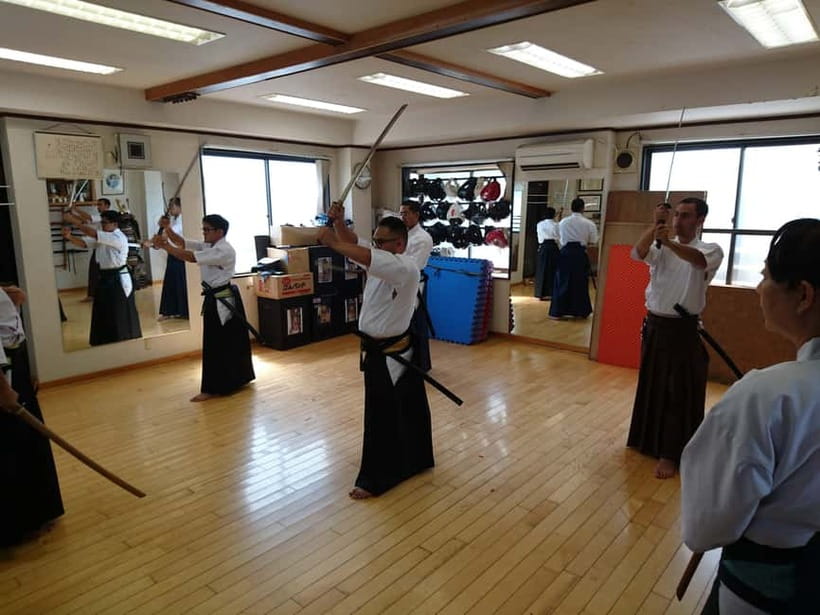
The Iai portion is where the class separates itself from casual sword demos. You don’t just swing something and hope for a good photo. You learn how to handle and swing the mock sword using correct technique.
Even if you’ve played martial arts video games, you’ll likely notice a big difference in posture, grip, and how the motion starts. That’s the point: sword arts aren’t about arm strength. They’re about mechanics—body alignment and timing.
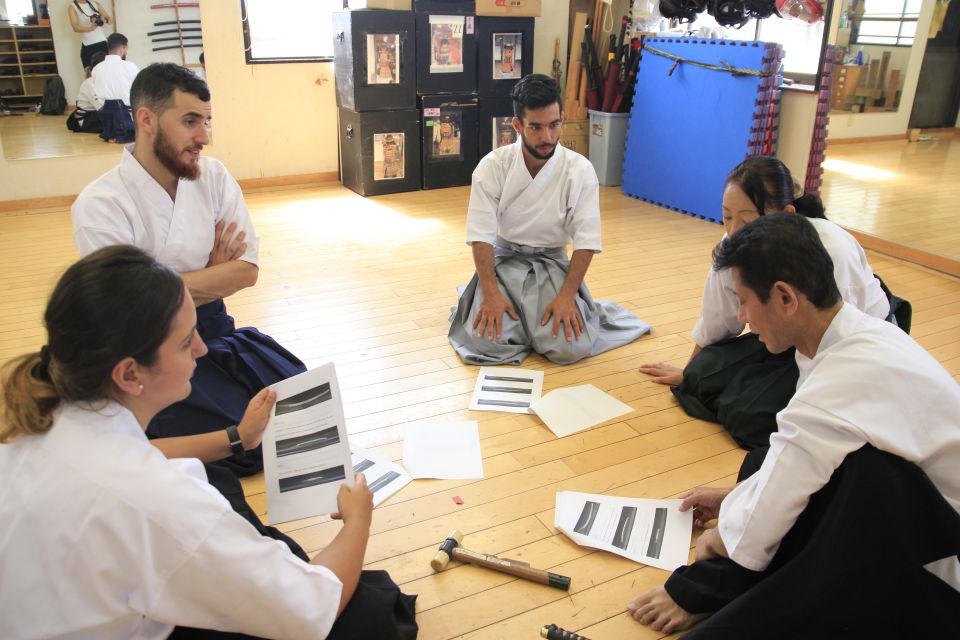
Expect the instructor to correct your form. The style of instruction here is patient but direct, with safety and proper technique treated as non-negotiable. You’ll also do kata (slashing forms), which is where the class builds muscle memory before you test it on targets.
For many people, the most surprising part is how “moving while cutting” shows up later. The highlight mentions slashing multiple targets while moving, and it is genuinely difficult. The iai practice you do first is what helps you even begin to coordinate footwork with the cut.
Gekken sparring and target cutting: timing attack, defense, and blade line
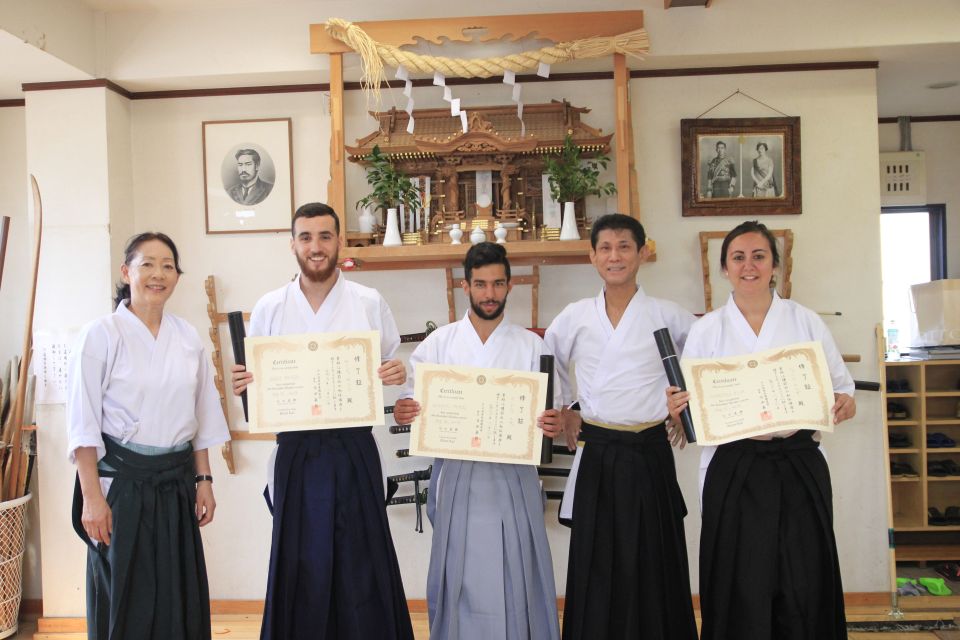
After iai, you shift into gekken (practice focused on timing and interaction). Here, the class covers timing of attack and defense, and you spar with a practice sword.
Sparring can sound intimidating, but the key detail is that you’re doing it in a training setting with a class structure built for safety. You’ll work within rules, and you’ll get guided corrections rather than “good luck, kid.”
One detail I really value is the “blade line” practice. The class includes an activity where you check the blade line, which is basically making sure your cut tracks the right line. That turns cutting from random force into something repeatable.
And yes, there’s target cutting—multiple targets while moving is part of the hardest skills covered. If you like hands-on challenge, this is the moment that makes it feel worth the money. You’re not just watching. You’re working through the hard parts.




Archery in the same discipline: shooting with a real horseback-archery bow
The archery segment is not “aim at a board and call it a day.” You try shooting arrows using a real horseback archery bow setup.
Horseback archery has its own rhythm. Even without a horse, you’ll feel how the bow position and release differ from typical modern target archery. The class ties it back to older samurai weapon traditions, which gives the mechanics meaning.
A practical consideration: the bow shooting setup may be oriented to right-handed technique. One participant noted that being left-handed meant it took a bit more adjustment for archery. If you’re left-handed, go in knowing you may need extra coaching for your stance and release.
Camera note: the bow section can be great for filming, and you’ll probably want a camera that can handle a wider view since you’ll be using arrows and tracking shots. If you want close-ups, plan to keep your camera angle steady before the archery begins.
Toyama-ryu tradition: the live demonstration and why it matters
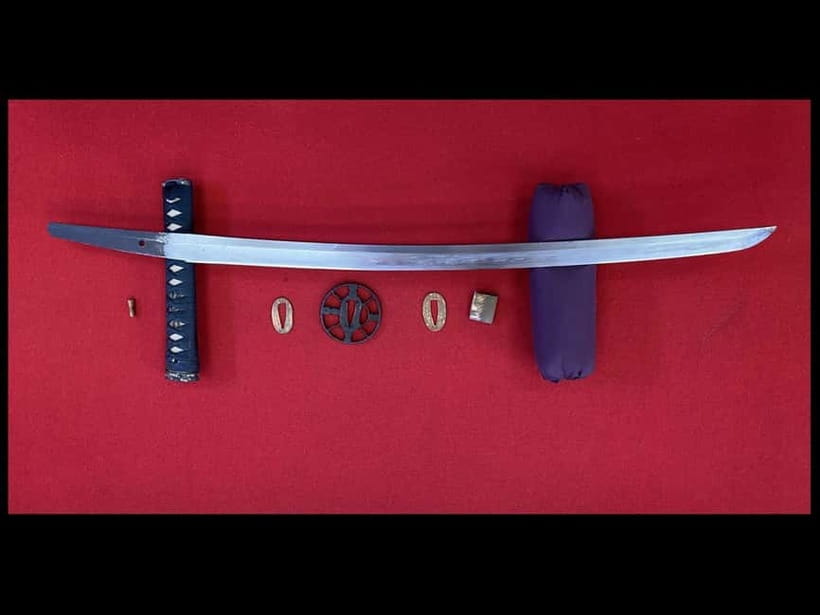
During the experience, you’ll have the chance to see a live demonstration tied to Toyama-ryu 7th grade. This matters because it shows the school context behind the techniques you’re doing.
Sword schools in Japan aren’t only about “moves.” They’re also about lineage, form, and how a tradition is maintained across generations. Seeing a live demonstration helps connect the dots between what you practiced (iai and gekken basics) and what those arts look like when performed in a more complete, polished way.
This is also where you’ll hear history framed through practice. It’s easier to remember weapon evolution when you’ve just spent time on the skills those weapons demanded.
Price and value: why $193 can feel “worth it” or “too much”
At $193 per person for a 3-hour small-group class, it’s not cheap. But the value comes from what you actually do during the time.
You’re paying for:
- A session taught by a master of both swordsmanship and horseback archery
- Training wear and a practice sword
- Hands-on sword practice (including kata, timing work, and sparring)
- A real bow-and-arrow session
- A dojo setting with direct instruction and corrections
If you’re comparing this to the cheapest “katana photo” activities, this price makes sense because you’re getting technique work, not a spectacle. The harder it is to coordinate body mechanics, the more time you need with someone who can correct you. That’s what you’re buying here.
The only time this might feel like poor value is if you want a relaxed activity with no physical effort and no strict technique focus. This class is built for training.
Who should book this (and who should skip it)
This class is a strong fit if you:
- Want hands-on instruction in sword arts and want to do more than watch
- Like structured training and being corrected on form
- Are interested in samurai weapons as a connected story (bow → matchlock → sword)
- Feel comfortable with a physically demanding activity
Skip it if you:
- Have back problems, heart problems, mobility impairments, or epilepsy
- Are pregnant
- Use a wheelchair
- Are under 18
- Are visually impaired (the class is not suitable)
If you’re a beginner, that can work well. Many participants came with limited or no prior experience and still left with clear technique foundations—because the lesson flow is staged, and the instructor team focuses on correct basics.
Tips to get the most from your 3 hours
A few small choices can make a big difference.
- Arrive on time and give yourself buffer. The dojo is on the third floor, and you’ll want a calm start before changing into training wear.
- Bring a drink. You’re swinging, stepping, sparring, and shooting—sweat happens.
- Wear nothing risky under the training wear. Keep your layers simple so you can change quickly.
- If you’re left-handed, mention it early. Ask how the bow routine is set up for handedness, so you can adapt sooner.
- Treat the practice like practice. The biggest improvement comes when you follow instructions exactly the first time, not when you try to freestyle.
Finally, go in with respect. This is not built like a performance. It’s built like class.
Should you book Samurai Descendant: my honest recommendation
Book this if you want a true training session: iai basics, gekken timing and sparring, cutting drills that challenge you, and a bow-and-arrow attempt using a real horseback-archery style setup. The $193 price is easier to justify when you look at the amount of instruction time and hands-on practice you get in 3 hours.
Don’t book this if you’re looking for a casual, low-effort activity or if you have any of the medical and mobility limitations listed by the experience. Also, if you need a fully accessible environment, this class is not designed for it.
If you’re the type who enjoys learning how technique really works—and you’re happy to work hard for it—this is one of the more memorable samurai-related classes you can book in Tokyo.
FAQ
Is this class for a private group or a shared class?
It’s a shared class. The maximum participation is 15 people.
How long is the Samurai Sword and Archery class?
The class runs for 3 hours.
Where do I meet, and how do I get to the dojo?
Meet at Toyama-ryu Bizen-kai (戸山流備前会 BIZENKAI), a 10-minute walk from JR Machida Station. The dojo is on the third floor, reached via the stairs at the back between the sword shop and the vending machines on the first floor.
What should I bring and what is not allowed?
Bring a camera and drinks. Alcohol and drugs are not allowed.
What languages are offered by the instructor?
The class is taught in Japanese and English.
Is the training wear and practice sword provided?
Yes. Training wear and a practice sword are provided.
Can children (under 18) join?
Children under 18 may participate with parental permission and supervision, but they will need the muscle strength to swing the sword.