REVIEW · TOKYO
Tokyo: Mt. Fuji & Lake Kawaguchi Instagram Full Day Trip
Book on GetYourGuide →Operated by QingHe Travel · Bookable on GetYourGuide
Fuji days feel like a postcard you can walk into. This full-day trip gives you Chureito Pagoda views, then slows down at Oshino Hakkai for ponds and spring-water tastings that feel like a quieter side of Japan. My favorite part is how tightly the stops connect to “Fuji photography moments,” but the one thing to keep in mind is that clouds can hide the peak, even when everything is timed well.
I also like how the day has a rhythm: a stair-climb viewpoint in the morning, smaller photo stops in the middle, and Lake Kawaguchi scenery to close. With a guide like Hikari, the energy stays friendly and moving, and you’re not left guessing what to do next. You’ll still want to bring patience for Tokyo Station pickups, because crowds can turn meeting up into a small sport.
Expect a classic Fuji day with real time on the ground. It’s built for first-timers who want big sights without doing four different bus transfers on their own. If you love long, unstructured wandering, you might find the schedule a bit paced, but if you want maximum “wow per hour,” this hits the mark.
In This Review
- Quick hits before you go
- Why Chureito Pagoda is the heart of the day
- The Fujiyoshida stop: Hikawa Clock Shop and the Heavenly Town viewpoint
- Oshino Hakkai: eight ponds, spring water, and local bites
- LAWSON at Lake Kawaguchi: a short photo break that actually works
- Oishi Park or Maple Corridor: pick your seasonal postcard
- The long bus ride: timing, group size, and a smooth day (or not)
- Price and value: what $61 buys you in real life
- Weather reality: when Fuji is hidden, what you still get
- Should you book this Mt. Fuji & Lake Kawaguchi trip?
- FAQ
- Where is the meeting point for this tour?
- How long is the trip, and when do you get back to Tokyo?
- What’s included in the price?
- What are the main stops during the day?
- Is Mount Fuji guaranteed to be visible?
- What should I bring, and what’s not allowed on the vehicle?
- When does the tour swap Oishi Park for the Maple Corridor?
Quick hits before you go
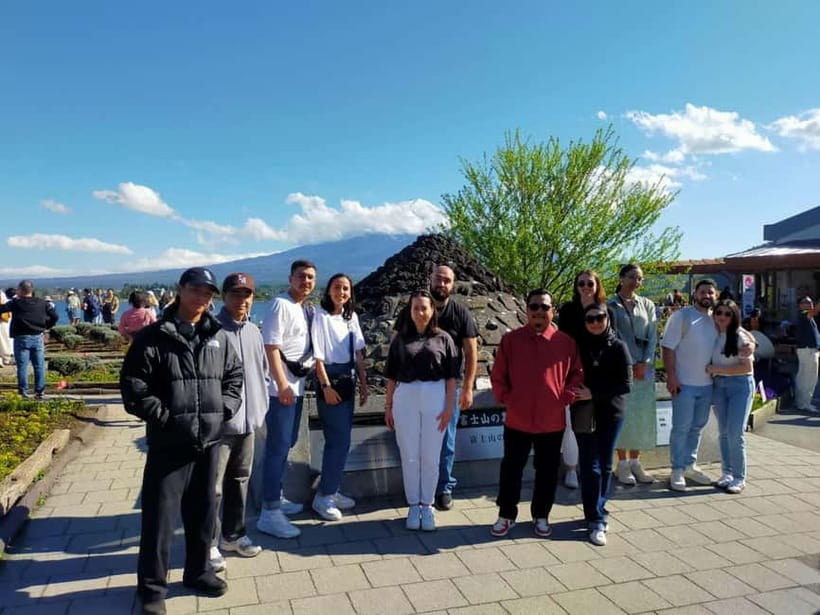
- 397 steps to Chureito Pagoda: you get that iconic angle and lots of time for photos.
- Oshino Hakkai’s eight ponds: clear spring-water views plus simple local bites like tofu with pickled miso and kusamochi.
- Hikawa Clock Shop photo stop: quick chance to catch Mount Fuji aligned with the town street view.
- Lake Kawaguchi’s LAWSON snap: a short but very photogenic break with ice cream.
- Season swap: Oishi Park vs Maple Corridor: flower fields most of the year, autumn color tunnel in late October through mid-November.
- A guide who keeps the day rolling: even when the weather goes sideways.
Why Chureito Pagoda is the heart of the day
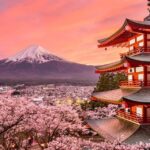
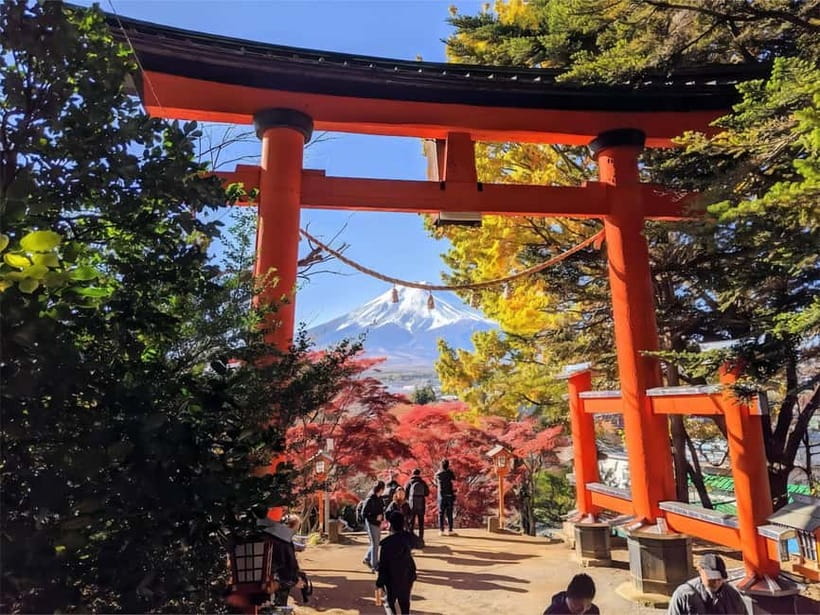
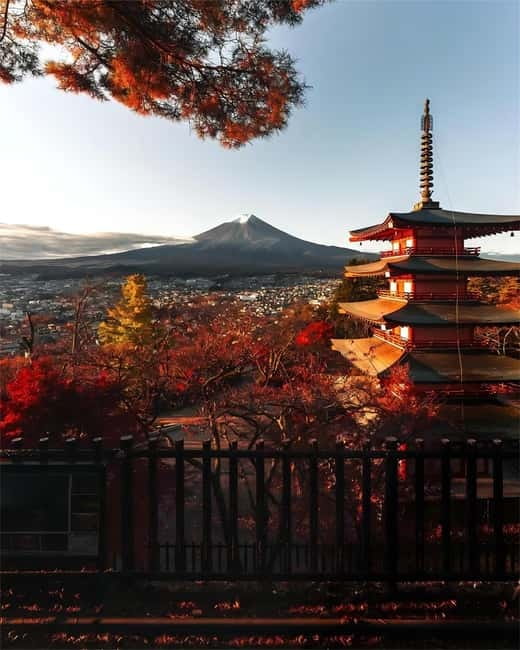
The tour starts with Arakurayama Sengen Park, where you climb 397 steps toward the Chureito Pagoda. It’s not a hard trek, but it’s enough walking that you’ll feel like you earned the viewpoint. I love that this is one of those “arrive and photo” moments where you can keep trying angles without the entire group rushing you along.
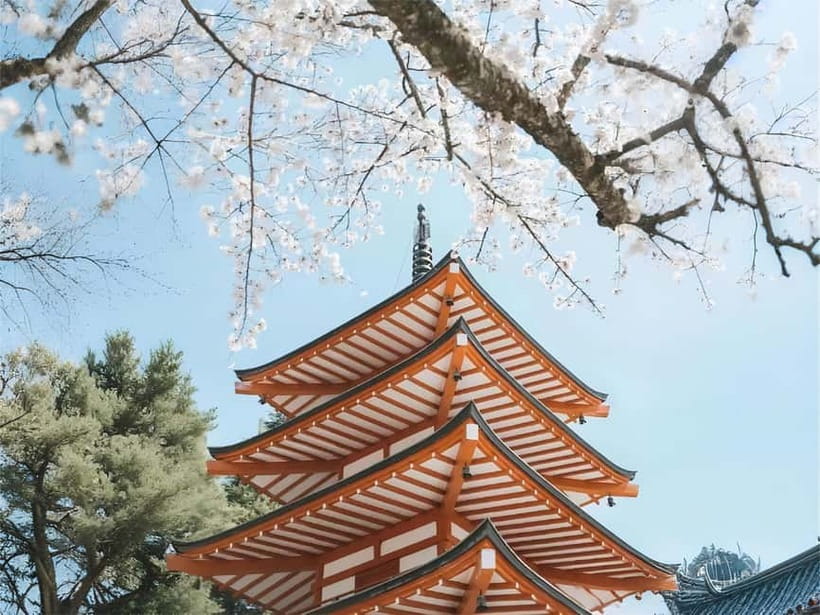
At the top, the payoff is the view of Mount Fuji framed by the pagoda and the park surroundings. The best part is that the scene changes with the season: cherry blossoms in spring, deep green in summer, autumn leaves later on, and snow in winter. Even if the light isn’t perfect, the pagoda itself is photo-worthy, and you’ll get time for both quick shots and slower looking.
Practical note: wear shoes with real grip. The steps can feel steeper than they look, especially if you’re moving fast with camera in hand. And if you’re traveling with someone who hates stairs, this stop is the main place where you’ll need alignment.
You can also read our reviews of more tours and experiences in Tokyo
The Fujiyoshida stop: Hikawa Clock Shop and the Heavenly Town viewpoint
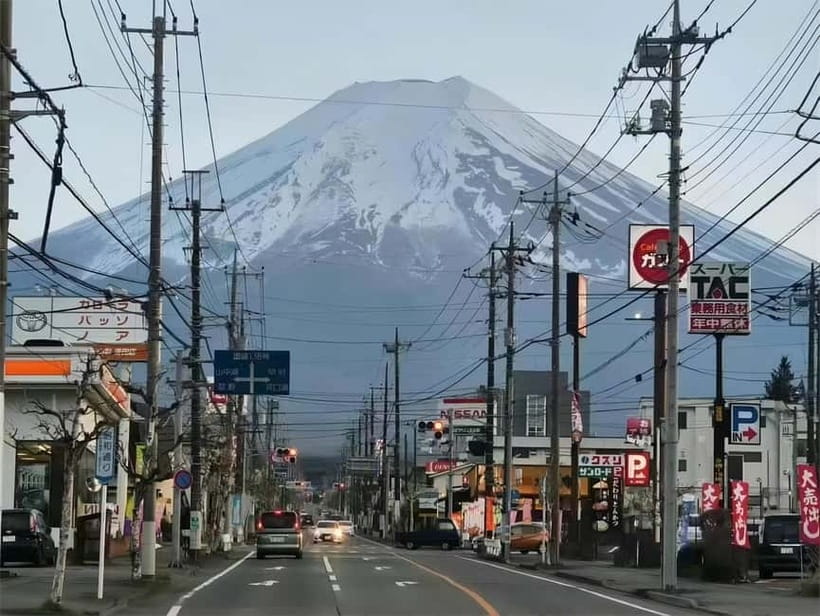
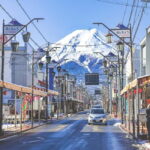
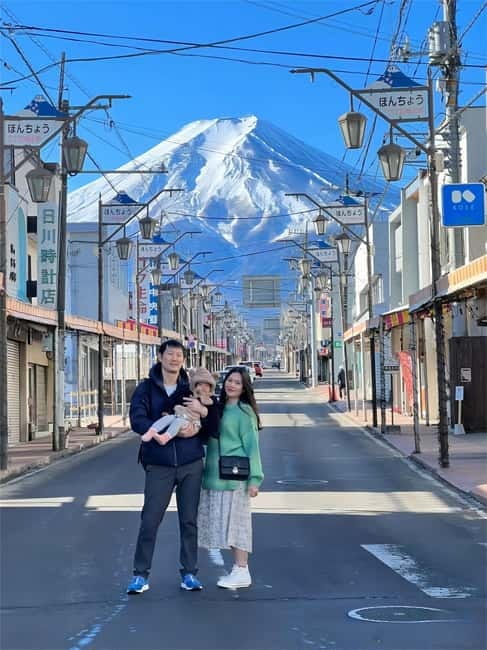
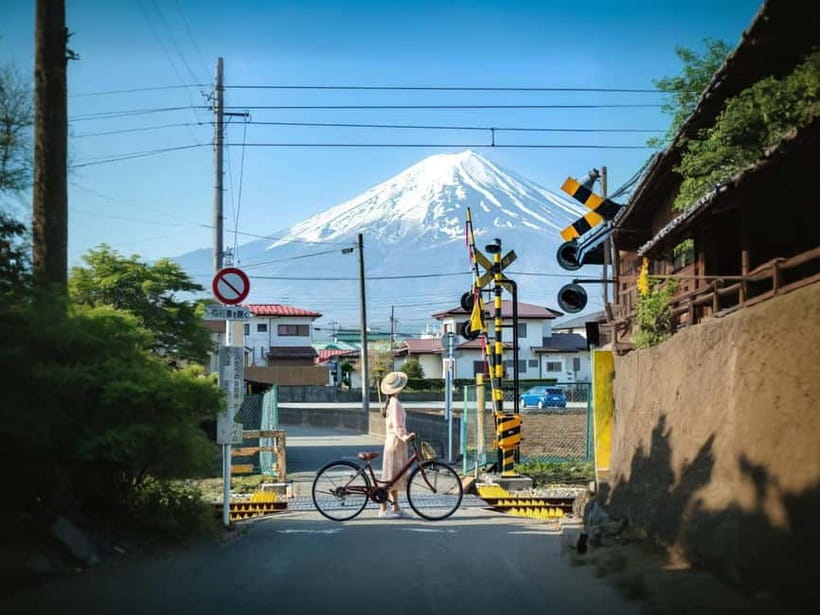
After the big viewpoint, the day shifts to something calmer and more “street-photo friendly.” You’ll stop at the Hikawa Clock Shop in Fujiyoshida, at the base of Mount Fuji. The setting is known for a street people call Heavenly Town, and the idea here is simple: get a Mount Fuji photo that lines up with the buildings and the view corridor.
This is a shorter stop (about 20 minutes), so it’s not for long browsing. Think of it as a timed break to reset your legs, grab a few photos, and then move on while the bus route stays efficient. I like stops like this because they don’t just feel like shopping; they’re there for a specific photo perspective, and you can do exactly what you came for.
If the sky is clear, this is one of the moments where Fuji can feel close enough to almost be part of the street scene. If it’s cloudy, you can still enjoy the atmosphere of the shop area and take photos of the clock shop itself and the quiet side-street vibe.
Oshino Hakkai: eight ponds, spring water, and local bites
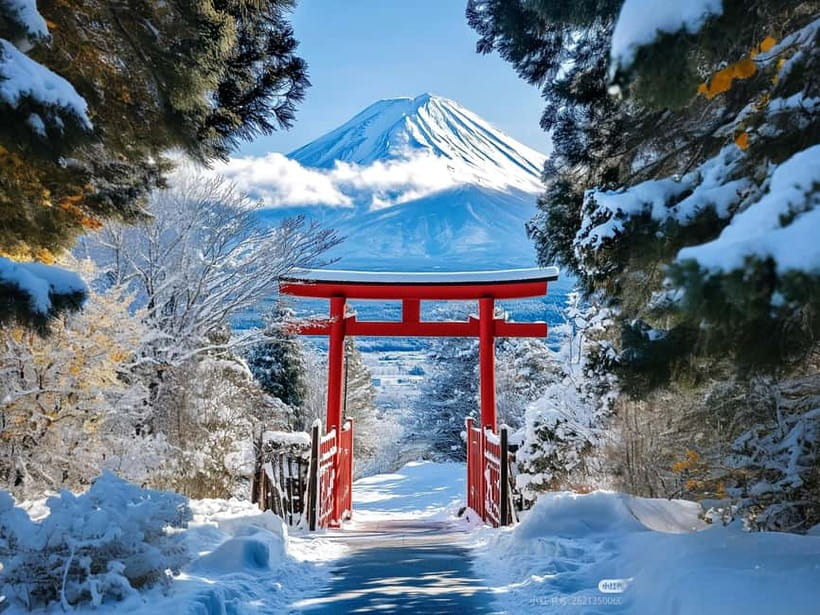
Oshino Hakkai is where the day turns more meaningful. You spend about 80 minutes here, and the focus is the village’s eight ponds fed by Mount Fuji’s snowmelt. The water is clear enough that reflections are a major part of the experience, and it’s a nice change from the big “icon” stops earlier.
What I like most is the feeling of pace. You can walk, look down into the water, and take photos without the constant pressure of stair climbing or squeezing past people. It also helps that this is a place with local food culture baked in.
You’ll have time for street food and tastings, and the tour includes sample options such as tofu with pickled miso and kusamochi (a rice cake filled with sweet red bean paste). You can also taste local spring water. If you like simple, honest flavors over fancy set menus, this is the kind of stop you’ll remember long after the pagoda photos fade into your camera roll.
Possible consideration: bring a small amount of cash, since street snacks may not be uniform in what they accept. Also, if you’re sensitive to cold, water-view areas can feel chilly even in mild weather.
LAWSON at Lake Kawaguchi: a short photo break that actually works
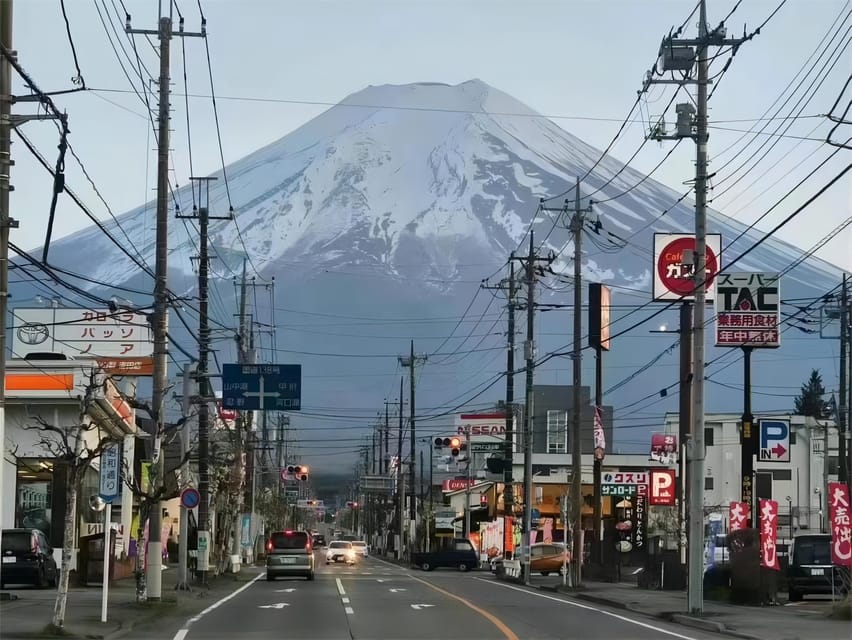
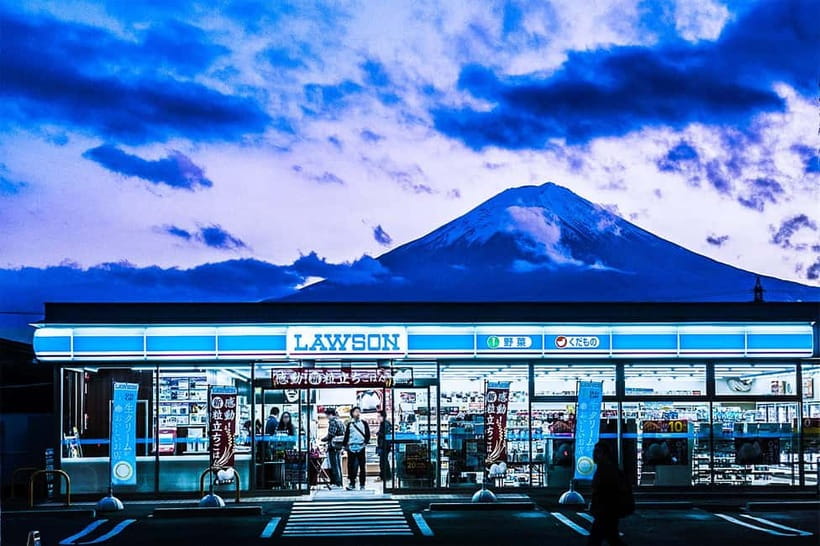
Next is a brief stop at a well-known LAWSON by Lake Kawaguchi. This is the classic quick-photo moment where the store sign frames Mount Fuji. You’ll only have about 20 minutes, so the goal is fast: grab the shot, pick up something small to eat, and then get back on the move.
I like this kind of stop because it serves two needs at once. First, it gives you an easy Fuji photo without adding travel time. Second, it’s a practical break when you might want ice cream or a simple snack between longer sightseeing blocks.
Keep expectations realistic: this isn’t a major meal stop. It’s a “reset your energy” moment with a Fuji backdrop and a quick taste of local convenience-store life.
Oishi Park or Maple Corridor: pick your seasonal postcard
Lake Kawaguchi is the closing act, and you get a longer chunk of time here (around 50 minutes). The main choice depends on the season:
- Most of the year: Oishi Park, known for flower fields with lavender, begonia, cosmos, and Japanese blood grass.
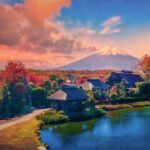
- Late October into mid-November: Maple Corridor, a tunnel-like stroll through autumn color, where Mount Fuji views can appear in the background depending on conditions.
I love that this switch is built into the trip. It means the tour doesn’t feel like a one-note template. If you’re going in autumn, the corridor walk gives you a strong seasonal payoff rather than just repeating spring-style photo spots.
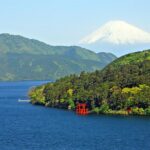
In practice, you’ll want to move at a slow walking pace here. The flowers (or maples) look best when you give yourself a few minutes to stop, switch camera settings, and take photos from different angles. If Fuji is visible, you can try for wider shots that include the peak with the color foreground. If it’s not, the park still offers plenty of color and texture for photos.
You can also read our reviews of more tours and experiences in Tokyo

The long bus ride: timing, group size, and a smooth day (or not)
This is a 10-hour day, and a lot of that is simply getting between Tokyo and Fuji/Lake Kawaguchi. You’ll spend roughly 2.5 hours on the bus to the region, and about 2.5 hours back. That means the tour works best if you treat the ride as “travel time that gets you results,” not as sightseeing time.
You’ll ride in a group vehicle that can range from 10-seater to 14-seater to a larger bus (Toyota Hiace style up to big bus). Either way, this is a guided day, so you’re not managing transfers and ticket lines, and you’re moving with a plan.
A few things help the day feel easier:
- You meet near Tokyo Station Marunouchi North Exit, and you’ll get a photo of the meeting point plus the guide phone number by email the day before.
- There’s limited luggage space, so try to travel light.
- Food and drinks aren’t allowed on the vehicle, but you’re encouraged to bring water and snacks for your own comfort during stops.
If you want a calm morning, arrive a little early and use the meeting-point photo right away. Tokyo Station crowds can be intense, and the guide is working through a group pickup, so give yourself a buffer.
Price and value: what $61 buys you in real life
At about $61 per person, the big value is that this day combines transportation plus a guide for a full 10 hours. For a first trip to Mount Fuji, that’s a strong deal because Fuji-region planning can turn expensive fast when you start adding separate transport tickets and multiple local rides.
Here’s what’s typically not covered: food and drinks, plus entry tickets (if any apply at specific stops). That means you should budget a bit for snacks, coffee, and any paid viewpoints you choose to add on your own.
Is it worth it? For most people who want a guided route with classic sights in one day, yes. You’re paying for efficiency and for someone to handle the timing while you focus on photos and enjoying the stops. If you’re the type who loves independent travel and already knows the Fuji-area transport, you might pay less by DIY. But the tradeoff is stress: schedules, transfers, and figuring out the best timing for views.
Weather reality: when Fuji is hidden, what you still get
Mount Fuji is famous for being visible and not visible on the same day. I’ve seen this firsthand in how these trips feel when clouds roll in: the schedule doesn’t change, but the “money shot” might not happen. The good news is that this tour still has plenty going on even when Fuji disappears behind weather.
If the peak isn’t visible at Chureito Pagoda or at Lake Kawaguchi, you still get:
- The pagoda viewpoint area and the park walk
- Oshino Hakkai’s ponds, water reflections, and local snacks
- The street-photo stop near the clock shop
- Seasonal color at the park stage
And a good guide matters here. On days when visibility isn’t great, you want someone who can keep the group moving and adjust expectations. A guide like Hikari is exactly the kind of energy you hope for: upbeat, organized, and ready to explain what to look for when the weather plays tricks.
Should you book this Mt. Fuji & Lake Kawaguchi trip?
I think you should book it if you’re:
- Seeing Fuji for the first time and want the classic trio of Chureito Pagoda, Oshino Hakkai, and Lake Kawaguchi in one day
- Short on time and don’t want to puzzle through regional transport
- Traveling with someone who prefers guided structure over DIY wandering
You might want to skip it if you:
- Need fully flexible timing and long free days, since the day is planned and stop times are fixed
- Have your heart set on one specific Fuji-visibility photo and can’t handle the weather variable
If you do book: save the meeting-point email photo and the guide phone number, travel light for luggage space, and bring water plus a few snacks. Then show up ready to walk, take photos, and enjoy a full Fuji day without doing the logistics work yourself.
FAQ
Where is the meeting point for this tour?
You meet at Tokyo Station Marunouchi North Exit. You should receive a photo of the meeting point and the guide phone number by email the day before.
How long is the trip, and when do you get back to Tokyo?
The experience is about 10 hours. It typically wraps up around 16:30, with an estimated return to Tokyo between 18:00 and 18:30 (depending on traffic and weather).
What’s included in the price?
The tour includes roundtrip transportation by guided vehicle and a tour guide. Entry tickets, food, and drinks are not included.
What are the main stops during the day?
You’ll visit Arakurayama Sengen Park and the Chureito Pagoda, stop by the Hikawa Clock Shop, visit Oshino Hakkai, take a short break at LAWSON by Lake Kawaguchi, and then spend time at Oishi Park or the Maple Corridor depending on the season.
Is Mount Fuji guaranteed to be visible?
No. The tour includes viewpoints designed for Fuji photos, but weather can affect visibility. On cloudy days, the peak may not show.
What should I bring, and what’s not allowed on the vehicle?
Bring your passport, a camera, water, snacks, cash, and a charged smartphone. Food and drinks are not allowed in the vehicle.
When does the tour swap Oishi Park for the Maple Corridor?
From about October 30 to around November 20, the tour visits the Kawaguchiko Maple Corridor instead of Oishi Park to match the best autumn colors.