REVIEW · FUJIKAWAGUCHIKO MACHI
Mt Fuji Area Private Guided Tours in English-Nature up close, quiet, personal
Book on Viator →Operated by Hidden Japan · Bookable on Viator
Fuji looks better when you slow down. This English-guided private outing around Fujikawaguchiko is built for quiet nature time and close-up Mt. Fuji viewing, with a guide who helps you pick where to linger. I especially like the old-growth feel of stops like Asama Shrine’s towering cedar trees, and I also like that the day is paced for comfort, not crowds.
The main thing to plan around is weather. Clear skies matter here, and if the conditions are poor, you’ll need to be flexible with the dates.
In This Review
- Key things that make this tour work so well
- Private Van Pickup in Fujikawaguchiko: Start Calm, Not Stressed
- Mount Fuji Viewing Around Lake Kawaguchiko and Lake Saiko
- Asama Shrine’s Ancient Cedars: A Different Kind of Fuji Warm-Up
- Haha no Shirataki (Mother’s White Falls): Fuji Views Through Mist
- Oishi Flower Park on the Way to Lake Saiko: Color Without the Chaos
- The Aokigahara Jukai Forest (Sea of Trees) at Yacho no Mori Koen
- How the Guide Keeps the Day Personal (and Changes It for You)
- Food, Lunch, and Bathroom Timing: Small Breaks That Save the Day
- Price and Value: When $320 Makes Sense Around Fuji
- What to Expect in Your 5-6 Hour Schedule
- Who This Tour Is Best For
- Should You Book This Mt. Fuji Private Tour?
- FAQ
- How long is the Mt. Fuji area private guided tour?
- What area is the tour based in?
- What does pickup include?
- Is the guide English-speaking?
- Is this tour private?
- What are the main stops during the tour?
- Is lunch or food included?
- Do I need an admission ticket?
- What time does the tour run?
- What if the weather is bad?
- Can children join?
Key things that make this tour work so well
- Private pacing means you can linger at viewpoints and skip the rush
- Asama Shrine’s giant 1,200-year cedar setting adds real atmosphere before the views
- Lakes, waterfalls, and forest trails get you variety without feeling like a checklist
- Aokigahara Jukai Forest on lava-rock terrain offers a rare, quiet walk
- English-speaking guide/driver with local instincts helps you find spots off the main routes
- Practical extras like rain gear and hiking comfort show up when conditions call for it
Private Van Pickup in Fujikawaguchiko: Start Calm, Not Stressed
This is a pick-up-first experience, designed for people who don’t want to wrestle buses, transfers, and timing in the Fuji Five Lakes area. You’ll get collected either from Kawaguchiko Station or from hotels around Fujikawaguchiko, then head straight into the scenic countryside.
The tour runs in a morning start window (8:30 AM to 11:30 AM), and you’re usually looking at about 5 to 6 hours in total. That’s a sweet spot: long enough to feel like you’re actually “in” the region, short enough that the day doesn’t turn into a grind.
One practical detail that matters more than it sounds: it’s a private tour, meaning it’s only your group. No waiting for a big bus to refill, no trying to herd a dozen people down narrow paths. In this kind of terrain—lakeside pull-offs, shrine access roads, forest trails—that freedom makes the whole day feel smoother.
You can also read our reviews of more guided tours in Fujikawaguchiko machi

Mount Fuji Viewing Around Lake Kawaguchiko and Lake Saiko
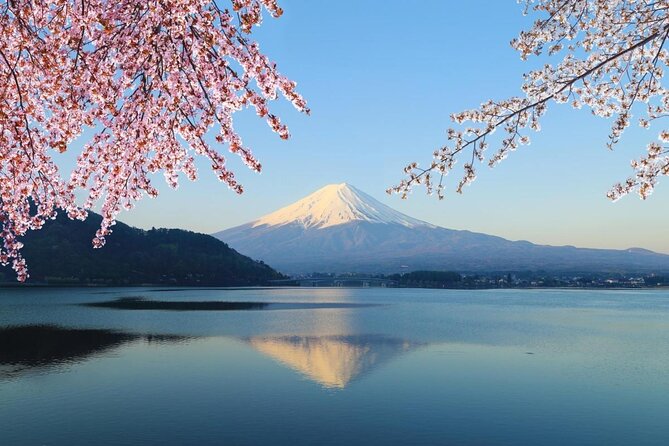
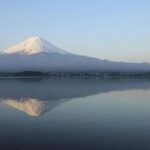
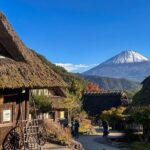
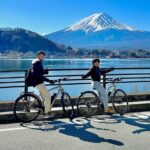
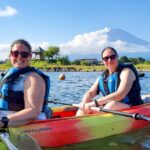
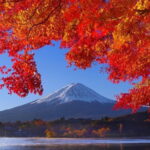
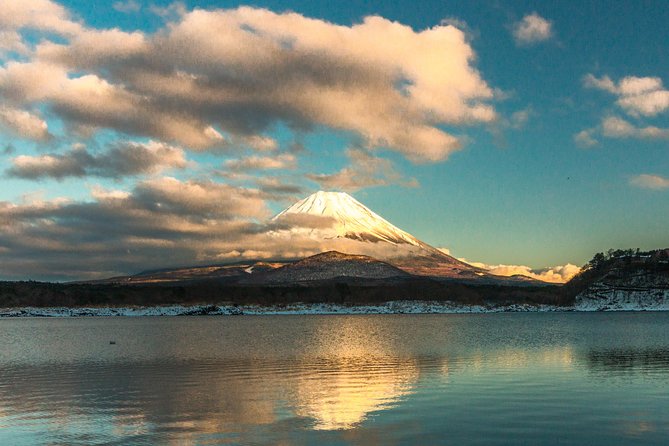
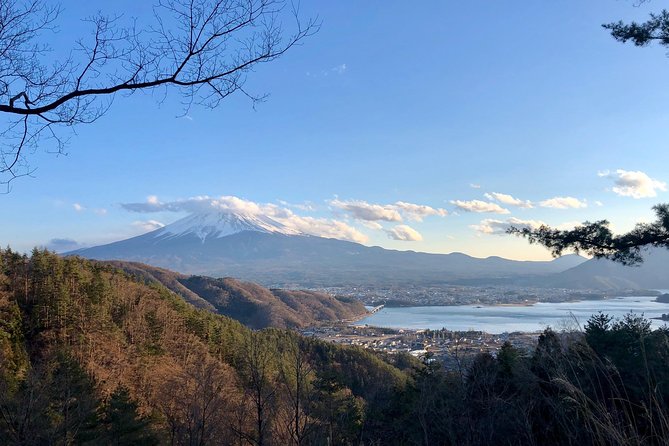
The heart of the experience is how you see Mt. Fuji. Instead of parking once and hoping for the best, the route is set up for multiple viewpoints, with driving loops around Lake Kawaguchiko and Lake Saiko.
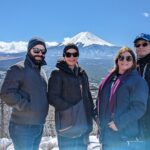
You’ll stop at choice spots to watch how Mt. Fuji changes with light and cloud. That matters because Fuji isn’t one static photo. It can look crisp, softened, partly framed, or dramatically layered depending on the hour and the sky.
What I like about this approach is that it helps you avoid the all-too-common day-trip problem: you get one decent view, then spend the rest of the time stuck in traffic or waiting for the next “maybe.” Here, you’re set up to hunt the right moments, while still keeping the day calm.
Also, Lake Kawaguchiko and Lake Saiko aren’t just scenery. They’re part of the Fuji “stage.” Water reflects, hills create framing, and the surrounding forest gives Fuji a sense of scale. When your guide times stops well, the whole area starts to feel coherent rather than random.
Asama Shrine’s Ancient Cedars: A Different Kind of Fuji Warm-Up
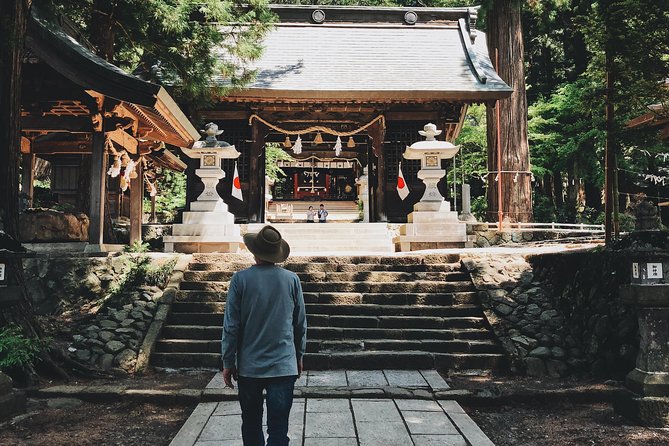
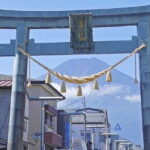
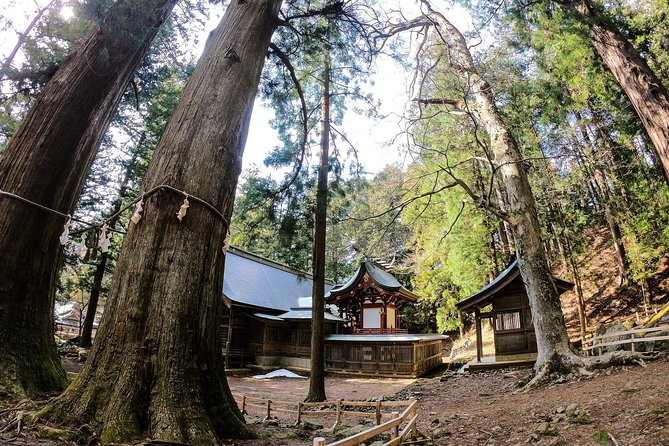
Before the biggest view stops, you start at Kawaguchi Asama Shrine. It’s not just a quick photo stop. You get the feeling of stepping into a long-established sacred landscape, especially with the shrine’s giant cedar trees—described as over 1,200 years old.
This stop is valuable for two reasons. First, it gives context. You’re not just traveling to see Fuji; you’re seeing how people have looked at Fuji and the seasons around it for a very long time. Second, it shifts the mood. Even when the sky is bright, the shrine’s quiet can make the rest of the day feel less rushed.
If you’re a photography person, this is also a useful warm-up. Shrines, tree trunks, mossy textures, and waterfall routes all offer angles that aren’t just “Fuji in the distance.” It helps you build a better day of images.
Haha no Shirataki (Mother’s White Falls): Fuji Views Through Mist
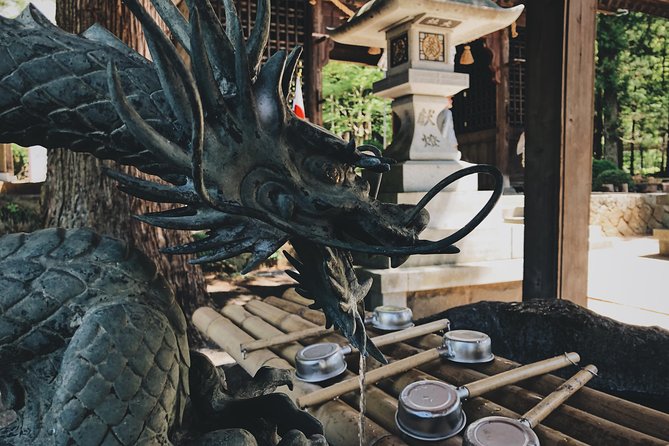
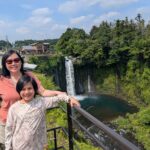
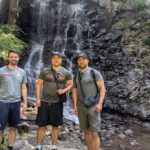
From the shrine area, the route includes Haha no Shirataki (Mothers White Falls). The standout here is the combination: waterfall plus an elevated sense of Fuji and the lakes in the background.
Even if you’ve seen waterfalls before, this one has a special job on the itinerary. It creates variety in sound and texture right when your eyes have likely been trained on Mt. Fuji. Waterfall stops also tend to break up your walking rhythm, which helps keep the day from becoming one long “look, drive, look, drive” loop.
A drawback to understand: waterfalls depend on conditions. If it’s dry, icy, or heavily clouded, you may get a different show than you expected. The upside is that your guide can usually adjust to what’s possible on the day.
Oishi Flower Park on the Way to Lake Saiko: Color Without the Chaos
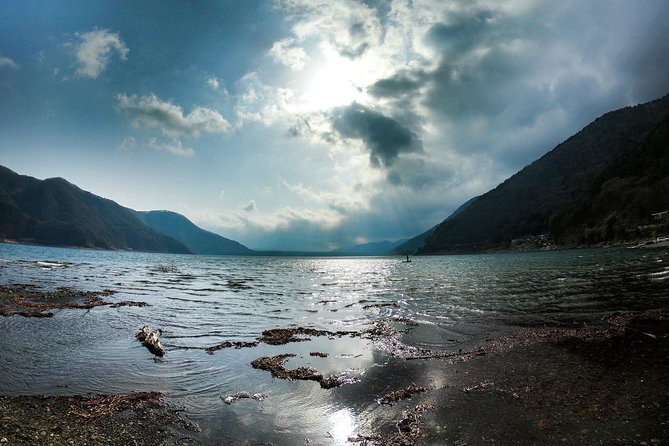
You’ll also pass through Oishi Flower Park, which sits in the broader Five Lakes region around Mt. Fuji. This is one of those stops that can add color and a more playful mood when the season is right.
The smart way to approach places like this is not to treat it as a full theme-park stop. In a private format, it works best as a quick add-on—enough time for a look and a few photos, then back to the bigger nature rhythm.
If you’re the type who likes mixing “pretty” with “quiet,” this place can fit nicely between the shrine and the more serious forest trail later in the day.
You can also read our reviews of more private tours in Fujikawaguchiko machi
The Aokigahara Jukai Forest (Sea of Trees) at Yacho no Mori Koen
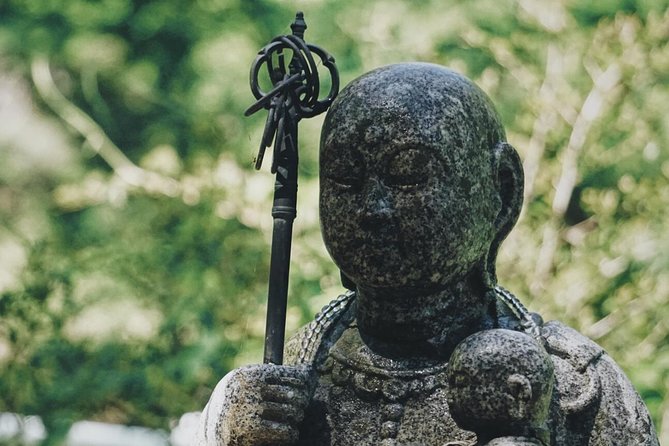
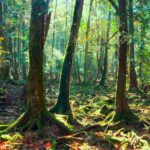
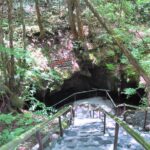
Now for the part that makes this tour feel truly different: the route brings you into the Aokigahara Jukai Forest, often called the Sea of Trees, with access around Yacho no Mori Koen.
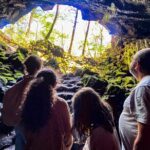
This isn’t described as a paved stroll. You’ll walk through a lava rock forest—lava terrain shaped by volcanic history, which gives the forest a rugged, otherworldly texture. That matters, because the ground and the way trees grow over rock changes the whole “feel” of the place.
It’s also where the quiet starts to feel real. Multiple people have praised the calmer trails and the fact that the guide can lead you to routes that don’t put you in the middle of crowds. In practice, that means you get time to actually look at the forest structure: trunks, shadows, the layered greens, and the way light moves between trees.
One practical note: nature walks are about comfort. You’ll want traction, especially if the ground is damp or uneven. Good news: you may find the guide brings hiking comfort items depending on conditions.
How the Guide Keeps the Day Personal (and Changes It for You)
This is the big reason people call it a highlight. The tour isn’t only about the sights. It’s about how you move between them.
A theme that shows up again and again is pace. The guide is set up to let you linger at key points and not rush you through viewpoints. That can matter even more if you want photos. Getting the shot often means waiting for light, stepping aside for a less crowded angle, and taking a second look when Mt. Fuji finally clears.
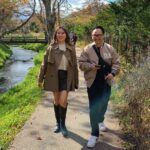
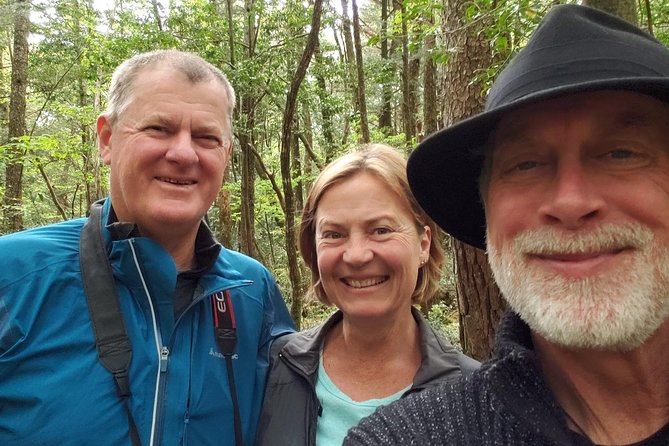
You’ll also feel the local mind at work. Guides in this area—names you’ll hear connected with this tour include Chris and Yumi—are described as adjusting the plan on the fly based on the weather and what the day is giving you.
In some situations, practical help shows up too. People have mentioned extra gear like hiking boots, socks, coats, rain protection, and warm layers when conditions shift. If you’re the kind of person who hates the hassle of packing for every possible weather scenario, that’s a real quality-of-life win.
Food, Lunch, and Bathroom Timing: Small Breaks That Save the Day
Food and lunch aren’t included. But the schedule is built to support real breaks. You can expect stops where you can fuel up at local spots, plus time for snacks and bathroom breaks along the way.
That balance is worth noting. Many Mt. Fuji days go sideways because the plan forces long, uninterrupted drives or you forget to eat until you’re already stressed. This one treats food as part of the experience rather than a nuisance.
If you want a specific lunch style, your private format gives you an advantage. You can ask for something simple and local, or for a quick stop that keeps the day moving toward the best light.
Price and Value: When $320 Makes Sense Around Fuji
At $320 per person, this isn’t a cheap group tour. The value comes from what you’re buying:
- Private transport across multiple lake-and-forest areas rather than wasting time on connections
- A native English-speaking guide/driver who can navigate local routes and adjust to weather
- A plan that mixes high-demand spots (like shrine and big views) with quieter forest and trail time
- Often, helpful comfort gear that reduces the stress of preparing for mountain conditions
If you’re traveling solo, you’re paying for the full private experience. If you can split the cost within a small group, it tends to feel more reasonable fast—especially because admission is listed as free for the ticketed parts, and the big expense you’d otherwise pay is transportation plus a guide.
Bottom line: pay this price if you want the day to feel calm, personal, and focused on nature—not just a hurried circuit around the most popular lookouts.
What to Expect in Your 5-6 Hour Schedule
Even without a detailed minute-by-minute plan, the shape is clear:
- Morning start between 8:30 AM and 11:30 AM
- Drive loops around Lake Kawaguchiko and toward Lake Saiko
- Shrine stop at Kawaguchi Asama Shrine
- Waterfall time at Haha no Shirataki
- Short nature/season stop at Oishi Flower Park
- Forest walking in Aokigahara Jukai at Yacho no Mori Koen
- Lots of viewpoint time for Fuji framing and photos
The good part is that you won’t feel like you’re sprinting. The private pacing means you can spend extra time at the places you care about most, like longer Fuji viewing or more forest trail time.
If the weather is uncertain, don’t panic. The tour is set up for that reality, and the guide can shift what you focus on.
Who This Tour Is Best For
This tour fits best if you’re one of these types:
- You want Mt. Fuji views with less crowd pressure
- You care about the nature experience—shrines, forests, waterfall routes—more than ticking boxes
- You prefer a private, flexible schedule over a rigid bus day
- You like walking short trails and want the day to feel like an outing, not a lecture
It’s also a strong choice after busy days in cities. The Fuji Five Lakes area is a natural reset button, and the quiet forest stops are the payoff.
If you’re looking for only a single “big Fuji postcard” with zero walking and minimal stops, you might find this a bit more active than you’d like. But if you’re okay with gentle hiking and viewpoint walking, you’ll likely enjoy the pacing.
Should You Book This Mt. Fuji Private Tour?
I’d book it if you want a day that feels tailored and quiet—one where Mt. Fuji isn’t just a photo moment but part of a connected route through shrines, lakes, waterfalls, and lava-rock forest.
You should think twice if you’re extremely weather-sensitive and only want one guaranteed view. Even though the tour can shift around, the experience is still built around seeing Fuji clearly at key moments.
If you do book, my advice is simple: wear sturdy shoes, bring a willingness to slow down, and tell your guide what you care about most—big Fuji views, waterfall time, or deeper forest walking. In a private format, that direction actually matters.
FAQ
How long is the Mt. Fuji area private guided tour?
It runs about 5 to 6 hours.
What area is the tour based in?
The tour operates out of Fujikawaguchiko-machi, Japan, in the Fuji Five Lakes region.
What does pickup include?
Pickup is offered from Kawaguchiko Station or from hotels in the Fujikawaguchiko area.
Is the guide English-speaking?
Yes. The tour includes a native English-speaking guide/driver.
Is this tour private?
Yes. It’s a private tour/activity, and only your group participates.
What are the main stops during the tour?
You’ll visit places including Kawaguchi Asama Shrine, scenic Mt. Fuji viewpoints around Lake Kawaguchiko and Lake Saiko, Haha no Shirataki (Mother’s White Falls), Oishi Flower Park, and Aokigahara Jukai Forest at Yacho no Mori Koen.
Is lunch or food included?
Food and drinks are not included, and lunch is not included.
Do I need an admission ticket?
The admission ticket is listed as free.
What time does the tour run?
Tours run daily within the opening hours shown: 8:30 AM to 11:30 AM.
What if the weather is bad?
This experience requires good weather. If it’s canceled due to poor weather, you’ll be offered a different date or a full refund.
Can children join?
Yes, but children must be accompanied by an adult.