REVIEW · TOKYO
From Tokyo: Nikko Customize private Tour With English Driver
Book on GetYourGuide →Operated by Verizon tours · Bookable on GetYourGuide
Nikko has a way of slowing your day down fast. This private tour from Tokyo is a smart way to see the big UNESCO sights and the famous waterfalls without wrestling transfers on your own. I love the hotel pickup and door-to-door convenience, and I also like that you get a proper English-speaking driver who can keep things flowing.
You’ll especially appreciate the balance here: cultural stops that reward close looking, plus nature stops that give your eyes a break. I’m a big fan of the flexibility a private setup brings—pace, photo time, and small adjustments feel more natural than a rigid group schedule.
One heads-up: Nikko is not built for flip-flops. Expect a moderate amount of walking, and some stops may require paid entry tickets (plus lunch isn’t included), so you’ll want a bit of extra budget and comfortable shoes.
In This Review
- Key highlights I’d bet on
- Nikko From Tokyo: what makes this private setup a smart use of time
- Hotel pickup and the English driver: the comfort factor you’ll feel immediately
- Toshogu Shrine: UNESCO carvings that reward slow looking
- Rinnoji Temple: Buddhist architecture with a more reflective pace
- Kegon Falls and Lake Chuzenji: famous water, calmer air, real weather
- Senjogahara Field: a plateau stop that’s great for panoramic photo time
- Price and logistics: what you’re really paying for
- What to bring (and what to leave at home)
- How to time your day: traffic, pace, and photo sanity
- Who this tour suits best (and who should skip it)
- Should you book? My quick decision guide
- FAQ
- How many people can be in the group?
- What’s included in the tour price?
- What’s not included?
- Do I need to bring anything?
- Does the tour run in bad weather?
- Is pickup available from every hotel in Tokyo?
- Can I cancel, and is there a pay-later option?
Key highlights I’d bet on
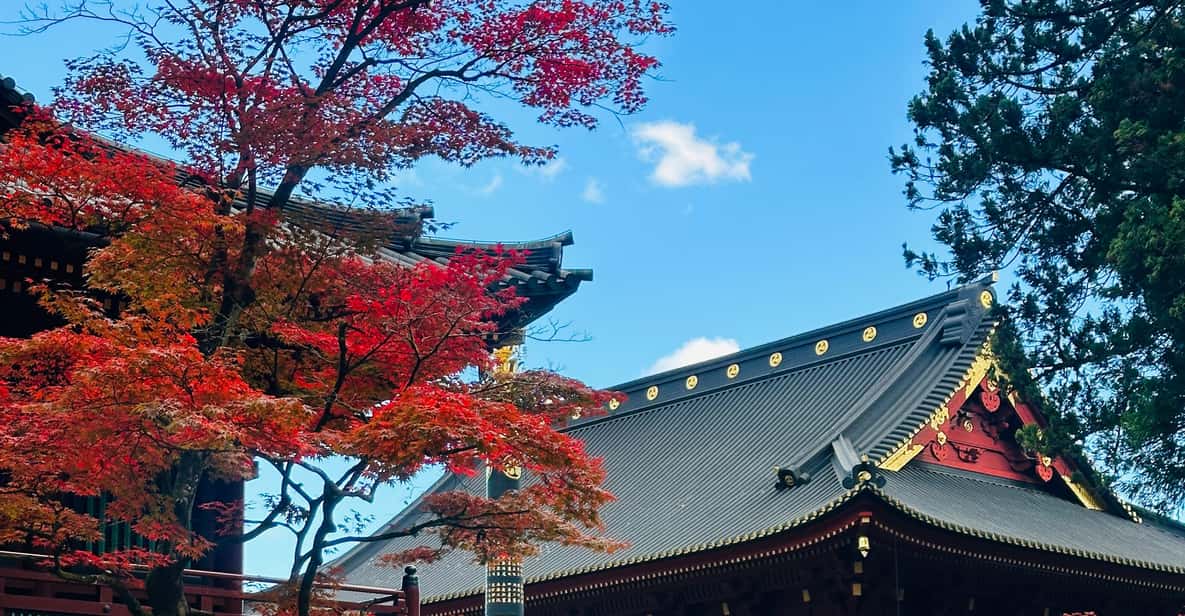
- UNESCO Toshogu Shrine with detailed carvings and sculptures tied to Tokugawa Ieyasu
- Rinnoji Temple and its standout Buddhist architecture for a quieter counterpoint
- Kegon Falls plus Lake Chuzenji for classic Nikko nature views
- Senjogahara Field plateau with panoramic mountain views and room to stretch your legs
- English-speaking drivers (including Ahmed, Imran, Malik, and Sheraz) with patient, helpful guidance
- Private flexibility for your pace, photo stops, and time at each site
Nikko From Tokyo: what makes this private setup a smart use of time
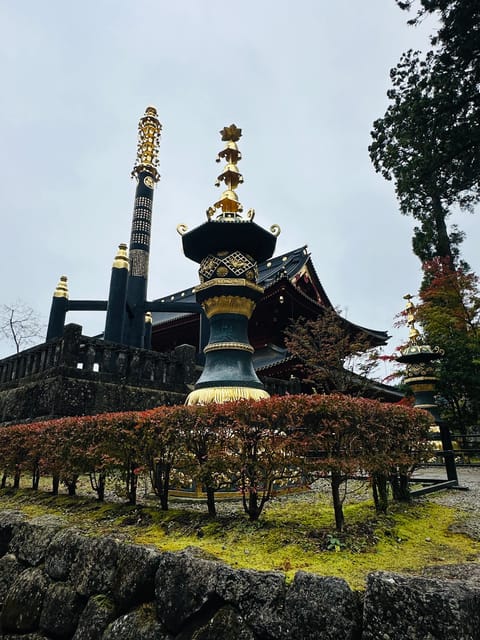
Nikko is one of those places that looks postcard-perfect, but it’s also a real day on your feet. The value of a private tour is that you trade stress for timing. You get to start from your hotel area, ride out comfortably, and then spend your energy where it counts: at the shrines, temples, waterfall viewpoints, and scenic stops.
The price is listed at $488 per group (up to 6). That’s not “cheap,” but it’s often good value if you’re traveling as a small group or you simply hate commuting math. With a private car, you’re also paying for convenience—especially on a route where schedules and connections can get annoying.
And with the driver and water included, you’re not scrambling mid-day. You’ll still need to handle lunch and any ticketed entry fees at certain spots, but the core logistics are taken care of.
You can also read our reviews of more private tours in Tokyo
Hotel pickup and the English driver: the comfort factor you’ll feel immediately
This tour includes hotel pickup and drop-off, but only from select hotels. Before you book, double-check that your exact hotel is covered—this matters more than people expect. If you’re not in the pickup zone, you can’t assume you’ll be able to join from wherever you are.
Once you’re picked up, the road drive is part of the experience. Several drivers have been described as attentive and professional, with one noted for punctual arrival and safe driving. The car setup is also praised as spacious and comfortable, which matters on a day when you’ll be swapping between riding and walking.
I also like the human touch. Names that come up include Ahmed, Imran, Malik, and Sheraz. In practical terms, that means you’re likely to get clear explanations in English and guidance on how to manage your time at each stop. When you’re standing in a big shrine complex or a scenic viewpoint, knowing what you’re looking at makes a big difference.
Tip I’d follow: plan to leave Tokyo earlier on busier travel days. One clear note from experience is that weekend traffic going up to Nikko can get congested. If you can swing it, aim for an early start (around 7am is a good target to avoid getting stuck).
Toshogu Shrine: UNESCO carvings that reward slow looking
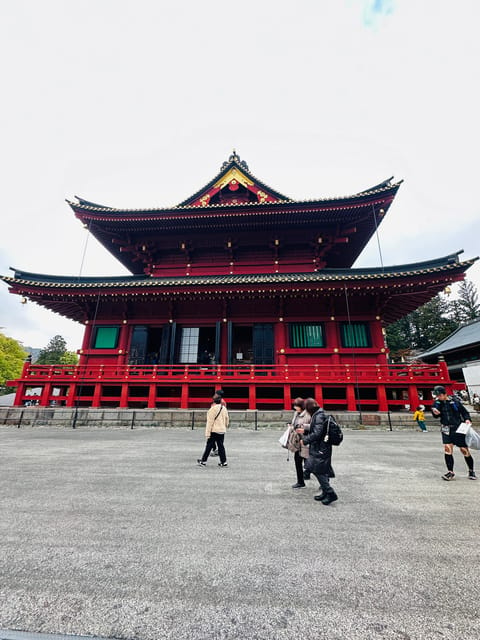
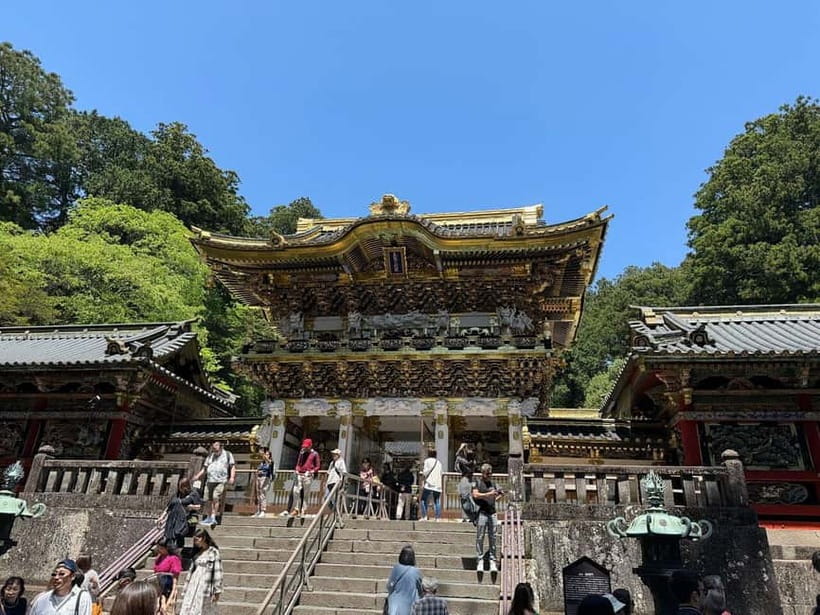
Toshogu Shrine is the star of the cultural side of Nikko. It’s a UNESCO World Heritage site, famous for intricate carvings and sculptures. Even if you don’t consider yourself a “temple person,” this is the kind of place where your eyes naturally slow down. The details are the point—patterns, figures, and architectural flourishes show up everywhere you look.
With a private tour, you’re not just getting marched through. You can spend more time where you care. Want photos? Take them. Want to read signage carefully? The pace can flex. A good driver can also help you keep your timing smooth so you’re not arriving when everything feels chaotic.
What to watch for as you walk through: this is not a single photo-stop. You’ll be moving through shrine areas, and there’s a moderate amount of walking built into the visit. Comfortable shoes are non-negotiable. If you’re traveling in cooler months or during windy weather, bring outer layers—Nikko can feel colder up the mountain than Tokyo.
Another practical value: if you’re traveling with someone who likes stories, this shrine has clear “why it matters” energy because it’s dedicated to Tokugawa Ieyasu. That theme helps everything connect, instead of feeling like you’re just looking at scenery.
Rinnoji Temple: Buddhist architecture with a more reflective pace
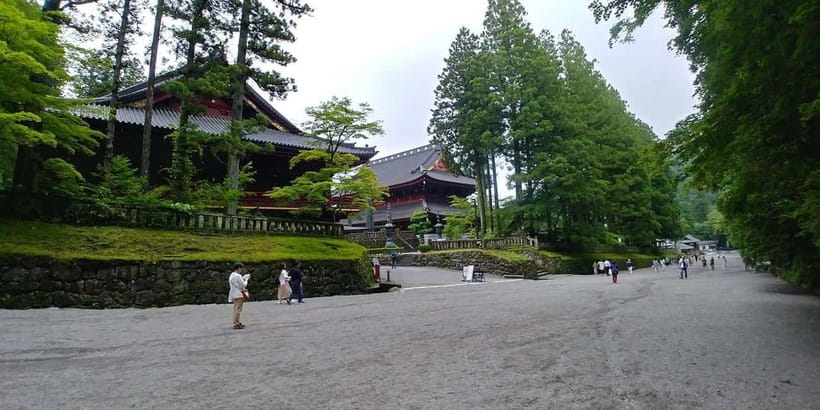
Rinnoji Temple is the second UNESCO stop on the cultural route, and it brings a different mood. It’s known for stunning Buddhist architecture, and it tends to feel more reflective compared to the visual intensity of Toshogu.
If Toshogu is all about carved detail and ceremonial grandeur, Rinnoji gives you a chance to reset your attention. You’ll still do walking, and you’ll still want to keep an eye on your footing, but this is the segment where you can slow down and actually look.
What I like about including Rinnoji in a single-day plan is the contrast. You get both sides of Nikko’s identity: the political-ceremonial legacy tied to the Tokugawa, and the spiritual, religious architecture represented by Buddhist traditions.
If you’re the kind of traveler who likes to understand “what you’re seeing,” an English-speaking driver helps you make sense of what you’re surrounded by—without turning the day into a lecture.
Kegon Falls and Lake Chuzenji: famous water, calmer air, real weather
Kegon Falls is one of Japan’s most famous waterfalls, and it earns its reputation. This is one of those sights where you’ll want time at the viewpoint so you can catch different angles as your eyes adjust.
Then comes Lake Chuzenji, a tranquil stretch of water that gives your day balance. After standing and looking at the falls, the lake stop is a relief valve. Your brain gets a breather, and you can appreciate the wider landscape instead of focusing only on one scene.
Weather matters here. The tour operates in all weather conditions, so you should dress for whatever the day hands you. That means: bring a hat and sunscreen for clear days, and be ready for cooler wind around viewpoints. Even if you packed for Tokyo sunshine, Nikko can feel different once you’re higher and closer to the falls and lake.
A private driver helps in practical ways:
- They can time your stops so you’re not wasting energy on rushing.
- They can keep you moving even when conditions are less than ideal.
- They can help you find the right moments for photos.
The big takeaway: this is where Nikko stops being “a list of sites” and starts feeling like a real place—water sound, mountain air, and wide views.
You can also read our reviews of more tours and experiences in Tokyo

Senjogahara Field: a plateau stop that’s great for panoramic photo time
Senjogahara Field is described as a vast plateau with panoramic mountain views. If you enjoy landscapes or just want a less structured stretch in the middle of a cultural-heavy day, this is a strong addition.
It’s also the kind of stop where walking feels worthwhile. You’re not just standing in one spot—you’re able to move a bit and take in the views. Hiking enthusiasts will appreciate the open feel and the opportunity to stretch your legs. Even if you’re not a hardcore hiker, you’ll likely enjoy the wide-angle perspective this area provides.
Because the terrain is open, comfort matters: bring the right shoes and be ready to adjust to wind and cool air. A hat isn’t just for sun; it can also help you deal with gusts during breezier weather.
Think of Senjogahara as the “reset” segment: after shrines and waterfall scenery, you get space for your mind to slow down again.
Price and logistics: what you’re really paying for
Let’s talk value in plain terms. You’re paying $488 per group (up to 6) for:
- A private tour
- Hotel pickup and drop-off
- An English-speaking driver
- Water
You’re not paying for:
- Lunch
- Personal expenses
- Any paid entry tickets in some spots
So is it worth it? For me, it usually comes down to your group size and your tolerance for commuting. If you’re traveling with two to five people, splitting the cost makes the private part feel much more reasonable. If you’re solo, it can still be worth it if you prioritize comfort and want to avoid public-transport stress.
The hidden “cost” you should plan for is time and tickets. Some sites may require paid entry tickets, so bring a little extra cash or card budget. Lunch being excluded also means you should decide how you’ll handle meals—either plan to grab something flexible during the day or accept that the lunch location can vary depending on availability.
One more logistics point: pickup is from select hotels only. That’s the difference between a smooth start and an awkward morning workaround.
What to bring (and what to leave at home)
This tour is pretty practical about what you’ll need. Bring:
- Comfortable shoes (for a moderate amount of walking)
- Hat
- Camera
- Sunscreen
On top of that, I’d add one common-sense packing idea based on Nikko’s weather: dress in layers. The tour runs in all weather conditions, so you’ll be happier if you can adjust without feeling stuck in one outfit.
Not allowed: smoking. Simple rule, but worth noting if anyone in your group is tempted to step outside during breaks.
How to time your day: traffic, pace, and photo sanity
The drive from Tokyo to Nikko can be smooth on quiet days, but congestion can hit—especially on weekends. If your goal is to see everything without feeling rushed, I’d plan an early departure when possible.
Once you arrive, your private setup helps keep pace under control. A common theme in driver feedback is that the tour gives you just the right amount of time at each visit. That’s the key. Too little time makes you miss details, and too much time makes the day drag. The private car should help you land in the middle.
Also, don’t underestimate the power of a good driver’s explanations. When you know what Toshogu or Rinnoji represents, your photos turn from random to meaningful. It’s also easier to walk confidently when someone can orient you in plain English.
Who this tour suits best (and who should skip it)
This private Nikko tour is not suitable for:
- Children under 5 years
- People with mobility impairments
- Wheelchair users
It also involves moderate walking, which means it’s better for people who can handle uneven or outdoor temple-area steps and paths without needing constant assistance.
Who it fits really well:
- Couples and small groups up to 6 who want a comfortable day from Tokyo
- Travelers who care about UNESCO sights and want context, not just locations
- People who value timing and convenience over building a DIY route
If you’re the type who hates feeling rushed, the private format is a big plus. If you need step-free access, this isn’t the right call based on the stated unsuitability.
Should you book? My quick decision guide
Book this tour if you want a comfortable, door-to-door Nikko day with the big highlights lined up: Toshogu Shrine, Rinnoji Temple, Kegon Falls, Lake Chuzenji, and Senjogahara Field. You’ll get the practical win of pickup and drop-off, plus the creative win of a driver who can explain what you’re seeing in English.
Skip it or rethink it if:
- Your group needs wheelchair access or has mobility restrictions.
- You’re counting on lunch being included (it isn’t).
- You want to minimize extra costs from paid entry tickets at certain spots.
If you can handle moderate walking and you’re traveling as a group of up to 6, this is the kind of tour that lets Nikko feel like a day of discovery instead of a logistics test.
FAQ
How many people can be in the group?
The tour is priced per group and is listed as up to 6 people.
What’s included in the tour price?
The tour includes a private tour, hotel pickup and drop-off, an English-speaking driver, and water.
What’s not included?
Lunch, personal expenses, and paid entry tickets in some spots are not included.
Do I need to bring anything?
You should bring comfortable walking shoes, a hat, a camera, and sunscreen.
Does the tour run in bad weather?
Yes. The tour operates in all weather conditions, so you should dress appropriately.
Is pickup available from every hotel in Tokyo?
Hotel pickup and drop-off are available from select hotels only.
Can I cancel, and is there a pay-later option?
You can cancel up to 24 hours in advance for a full refund. There’s also a reserve & pay later option, so you can book now and pay later.