REVIEW · FUJISAWA
Enoshima Aquarium: Admission Ticket
Book on GetYourGuide →Operated by LINKTIVITY Inc. · Bookable on GetYourGuide
Few places connect the ocean to daily life.
At Enoshima Aquarium, I like how the Sagami Bay theme feels focused and how the exhibits move logically from shallower waters to the deep-sea world. You’ll also find plenty of fun, interactive explanations that help you see how creatures, habitats, and even the coast all fit together.
One thing to plan around: the aquarium can tighten admission during crowding, and special events can affect closing times—so it’s smart to confirm hours on the day you go.
In This Review
- Key Things That Make Enoshima Aquarium Worth Your Time
- First, Find Your Way: Location and Getting There
- Hours That Change by Season (And Why You Should Care)
- Ticket Value: What $18 Buys You for One Day
- What the Aquarium Experience Actually Feels Like
- Entering the Route: Sagami Bay First
- The Deep-Sea and Jellyfish Sections
- Marine Animals: Learning Through Variety
- Shows, Programs, and Interactive Learning
- Seasonal Exhibits and Temporary Events
- Practical Notes: Bags, Photos, and Crowd Control
- Accessibility and Who This Works Best For
- A Realistic 1-Day Game Plan
- Should You Book Enoshima Aquarium Tickets?
- FAQ
- Where is Enoshima Aquarium, and how far is it from stations?
- What are the opening hours?
- How much does admission cost?
- Is Enoshima Aquarium wheelchair accessible?
- Are there restrictions on luggage or bags?
- Is flash photography allowed?
- Is admission refundable?
Key Things That Make Enoshima Aquarium Worth Your Time
- Sagami Bay as the anchor: start with the local ecosystem, not random tanks
- A smart exhibit route: Sagami Bay leads into deep-sea and jellyfish zones
- Hands-on style learning: explanations, shows, and programs that teach without being boring
- Seasonal exhibits and temporary events: gives repeat visits a reason
- Photo and gear rules: flash is prohibited in some areas; tripods/selfie sticks may be limited
First, Find Your Way: Location and Getting There
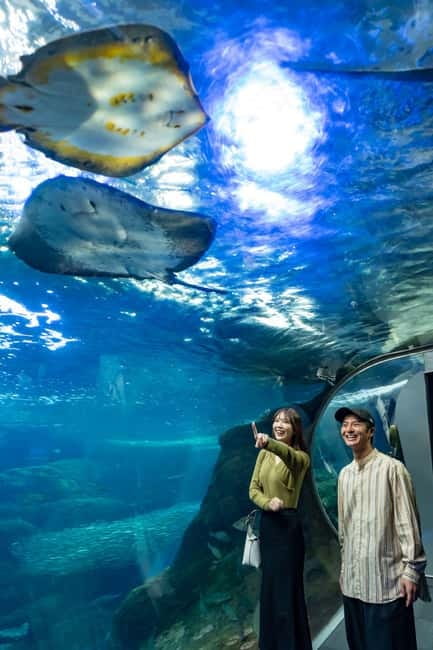
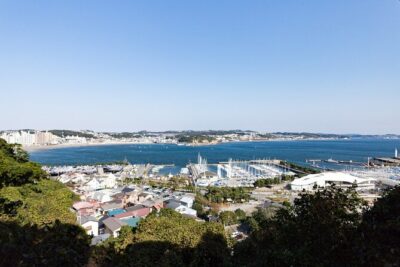
Enoshima Aquarium is easy to reach once you land on Enoshima Island. It’s about a 3-minute walk from Katase Enoshima Station on the Odakyu Enoshima Line. If you’re coming from farther north or already on another line, it’s also roughly 10 minutes on foot from Enoshima Station (Enoshima Dentetsu Line) and 10 minutes from Shonan Enoshima Station (Shonan Monorail Line).
That matters because aquarium days can get time-flexible. You don’t want a long commute eating up your energy, especially if you’re also planning a beachy stroll or sunset plans around Enoshima.
Tip: build in a little buffer for crowding. Admission may be restricted if it gets busy, so getting there earlier is the safest bet.
You can also read our reviews of more tours and experiences in Fujisawa.
Hours That Change by Season (And Why You Should Care)
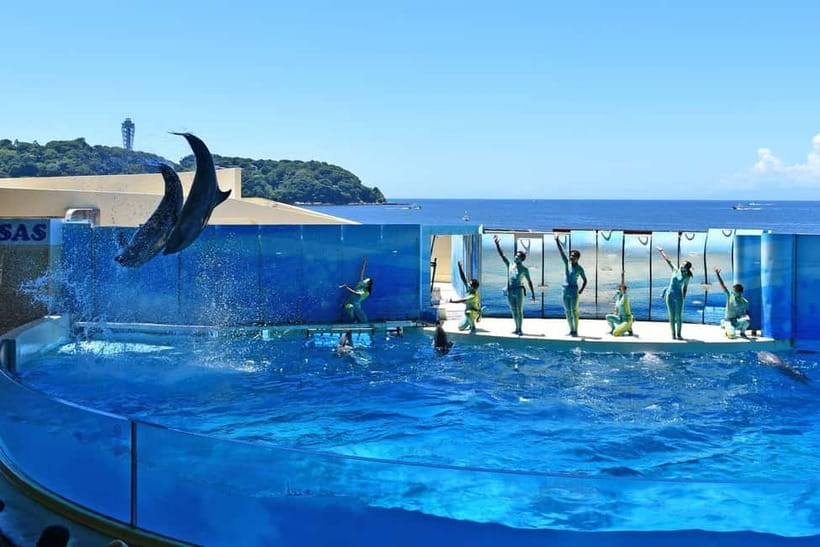
Enoshima Aquarium opens daily, but the schedule shifts by season. From March to November, hours are 09:00–17:00. From December to February, it’s 10:00–17:00.
The practical takeaway: don’t plan your day around a single assumed schedule. Hours can change for spring holidays, summer holidays, year-end and New Year holidays, and events, so check the aquarium’s official information right before you go.
Ticket Value: What $18 Buys You for One Day
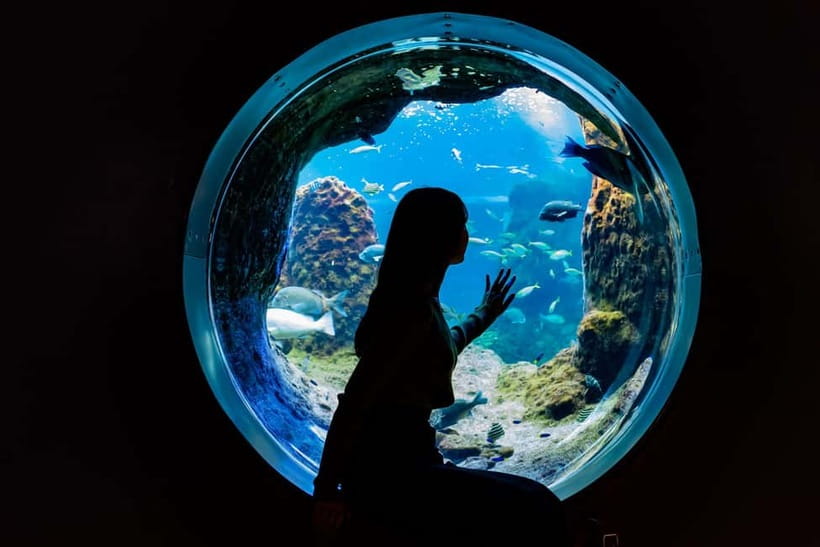
Admission runs $18 per person, and the experience is designed for a full, unhurried aquarium visit. For your money, you’re not just paying to look at fish behind glass. The layout follows themes tied to the Pacific and Sagami Bay, and the museum-style explanations are part of the experience, not an optional add-on.
If you’re the type who likes structure, this place fits. You’ll start at Sagami Bay and then move through deep-sea and jellyfish exhibits, so the time you spend feels connected instead of random.
Also consider this: admission can be restricted when it gets crowded, so buying a ticket isn’t a guarantee of smooth entry at peak times. If your schedule allows, aim for a quieter hour.
What the Aquarium Experience Actually Feels Like
The overall theme is the Pacific Ocean, with a special focus on Sagami Bay and how life connects across different habitats. The tone is playful and encouraging: you’re pushed to look for moments of surprise and excitement, and the experience is described as having a healing side through learning and observation.
That matters because you’ll likely enjoy this more if you go in with a curious mindset. Instead of rushing tank to tank, slow down and watch how exhibit sections build your understanding of the ocean’s ecosystem.
Entering the Route: Sagami Bay First
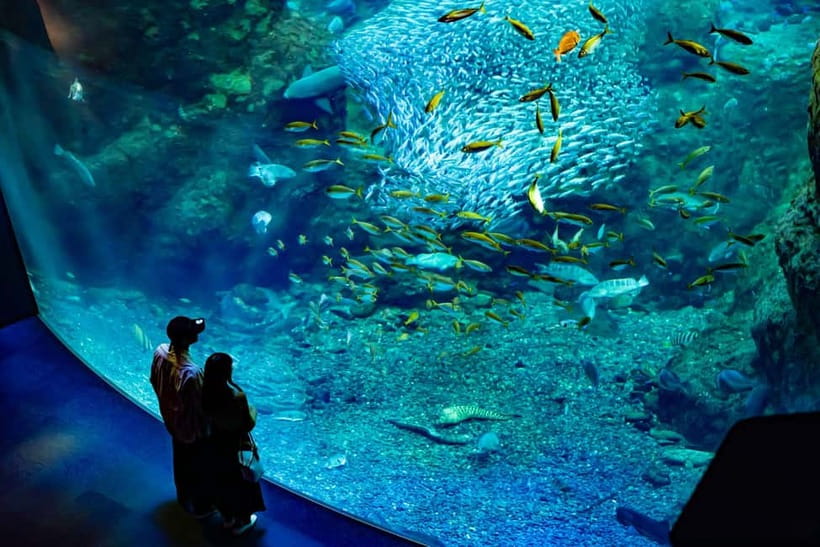
When you walk in, the first exhibits are centered on Sagami Bay. This is a smart start because it gives you familiar environmental context. You get a sense of what lives in the coastal waters that connect to the bigger Pacific system.
In practical terms, this is where you’ll learn the aquarium’s big idea: life isn’t isolated. It’s connected by food webs, habitats, and seasonal changes around the shoreline.
The Deep-Sea and Jellyfish Sections
After Sagami Bay, the exhibits shift into deep-sea territory. This part is your “scale change” moment. You’ll be looking at creatures adapted to conditions that are very different from surface waters, which makes the ecosystem lesson feel real rather than abstract.
Then comes the jellyfish area, which is often the part people talk about afterward. Jellyfish can look simple at first glance, but exhibits tend to frame them in terms of survival strategies and place in the ocean system. Even if you don’t know names, you’ll start noticing patterns—movement, drifting behavior, and how they fit into the larger habitat story.
If you love marine life photography: remember that flash may be prohibited in some exhibit areas. Plan to use natural light from the room or keep your camera settings ready for darker tanks.
Marine Animals: Learning Through Variety
Past the headline sections, you’ll see a broader set of marine animals. The mix helps reinforce the aquarium’s theme: different species aren’t random decorations; they’re part of an interconnected network in the Pacific.
I like this approach because it keeps you from getting tank fatigue. Instead of staring at one large exhibit for too long, the variety nudges you forward while still staying on message.
Shows, Programs, and Interactive Learning
Enoshima Aquarium isn’t just a walk-through building. It offers explanations, shows, and programs that let you interact with marine life learning in a more active way. The goal is to make the science approachable, so you leave understanding something specific rather than just having seen animals.
Because the exact schedule of shows isn’t listed here, treat this as a “build time around programs” day. When you arrive, check what’s running and aim for at least one scheduled moment. That’s where you’ll feel the aquarium’s teaching style most clearly.
Seasonal Exhibits and Temporary Events
A big part of the value is that there are seasonal exhibits and temporary events. This gives the aquarium a moving target feel, so if you return during a different month, you’re more likely to see something new.
Even on a single visit, it means your experience can feel a little different from what you might expect in a standard aquarium. It’s also one reason to check event-related updates for your travel dates.
Practical Notes: Bags, Photos, and Crowd Control
A few rules can affect your comfort, so it’s worth planning around them:
- No large/long luggage inside. If you have bigger bags, use coin lockers on the 2nd floor (paid).
- Flash photography is prohibited in some exhibit areas.
- Tripods and selfie sticks may be restricted during busy times.
- Admission may be restricted due to crowding, so go earlier if you want smoother entry.
None of these ruin the trip, but they do shape how you move. Keep your gear minimal, and you’ll spend more time watching and less time managing.
Accessibility and Who This Works Best For
Enoshima Aquarium is wheelchair accessible, which is great news for anyone with mobility needs. The experience is also generally easy to enjoy at many ages because it’s built around themed zones and learning moments rather than a strict physical challenge.
This ticket is a solid match if you:
- want a structured indoor activity without losing the fun
- like ocean topics and hands-on style learning
- are visiting Enoshima Island and want something that works across weather
If you’re short on time, you’ll still get a full day of value, but you might want to skip the slower pace and focus on the Sagami Bay → deep-sea → jellyfish sequence.
A Realistic 1-Day Game Plan
Even though this is not a guided walking tour with set meeting points beyond the station proximity, you can plan your day like one.
Start by getting in during the first part of open hours. Use Sagami Bay as your warm-up zone, then move forward into deep-sea and jellyfish sections when your attention is still fresh. Save some time near the end for marine animals beyond the main themes and for any scheduled show or program that fits your timing.
If you’re someone who likes photos, factor in extra time for tank lighting challenges and for areas where flash is off. And if you’re sensitive to crowds, aim for a weekday or go early in the day.
Should You Book Enoshima Aquarium Tickets?
If you want an aquarium that teaches as it entertains, this is an easy yes. The themed route—from Sagami Bay to deep-sea and jellyfish—helps your visit feel connected, and the seasonal exhibits and temporary events add extra reasons to show up during your specific travel dates.
Book it if you’re:
- in the Enoshima area and want a dependable indoor plan
- interested in how coastal life connects to the broader Pacific
- happy to spend a few hours slowly moving through themed exhibits
Skip (or reschedule) if you’re traveling during a period when crowds are likely and you can’t afford a possible timing squeeze. Also double-check your day’s hours in case of event-related closing changes, since that can affect how much you’ll be able to see.
FAQ
Where is Enoshima Aquarium, and how far is it from stations?
It’s about a 3-minute walk from Katase Enoshima Station (Odakyu Enoshima Line). It’s about 10 minutes on foot from Enoshima Station (Enoshima Dentetsu Line) and about 10 minutes from Shonan Enoshima Station (Shonan Monorail Line).
What are the opening hours?
Open daily. March–November: 09:00–17:00. December–February: 10:00–17:00. Hours can change for holidays and events, so check before you go.
How much does admission cost?
The admission ticket is listed at $18 per person.
Is Enoshima Aquarium wheelchair accessible?
Yes, it’s wheelchair accessible.
Are there restrictions on luggage or bags?
Large/long luggage isn’t allowed inside. Coin lockers are available on the 2nd floor (paid).
Is flash photography allowed?
Flash photography is prohibited in some exhibit areas.
Is admission refundable?
This ticket is non-refundable.