REVIEW · KAMAKURA
First time in Kamakura? Enjoy a Tour of All Must-sees!
Book on Viator →Operated by OTOMO Travel Guide · Bookable on Viator
First-timers in Kamakura often feel rushed. This private 7.5-hour loop keeps you focused on the big, beloved sights, from bamboo and gardens to the Great Buddha, with time for Komachi Street. You get a guide’s full attention the whole day, plus practical local food guidance that can save you a lot of trial-and-error.
What I like most is the private format and that you’re not sharing your questions with strangers. The second big win is the food and shopping stop on Komachi Street, where you can sample local flavors tied to Kamakura rather than just grabbing generic souvenirs.
One consideration: it’s a walking day with several temples, and some stops don’t take credit cards, so you’ll want cash on hand. Also, admission fees and meals aren’t included, so budget for extra yen beyond the tour price.
In This Review
- Key Things to Know Before You Go
- A Tight, First-Timer-Friendly Loop Around Kamakura
- Price and What It Buys You (and What It Doesn’t)
- Start at Kamakura Station, Then Let Your Legs Do the Work
- Jomyo-ji Temple: Gardens and Matcha Calm (40 Minutes)
- Hokoku-ji Temple: Bamboo Photos in a Tight 20-Minute Window (20 Minutes)
- Komachi Street: The One-Hour Food and Souvenir Walk (Free Entry)
- Tsurugaoka Hachimangu Shrine: History, Power-Spot Energy, and Big Scale (45 Minutes)
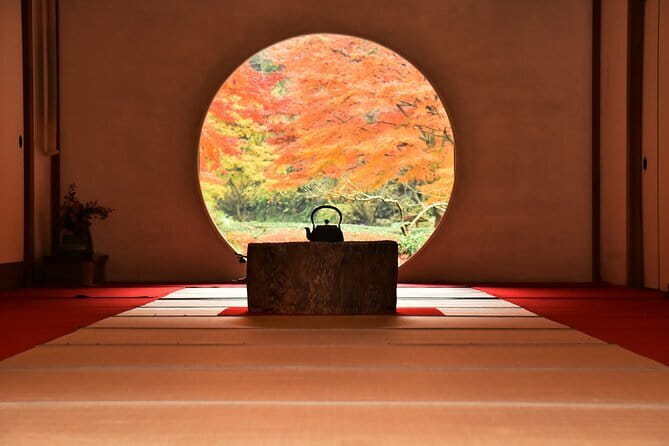
- Meigetsuin (Hydrangea Temple): A Round Window Garden Moment (30 Minutes)
- Kotoku-in (Great Buddha of Kamakura): 11-Meter Awe You Can Walk Into (35 Minutes)
- Hase-dera Temple: The Flower Temple and Its Big Grounds (45 Minutes)
- Guides and That Human Touch: Akira, Yoshi, and Rumi in the Mix
- Who This Tour Fits Best
- Should You Book This Kamakura Tour?
- FAQ
- How long is the Kamakura tour?
- What time does the tour start, and where is the meeting point?
- Is this tour private?
- What’s included in the tour price?
- What costs are not included?
- Do I need cash?
- What if a temple is closed or the weather is bad?
Key Things to Know Before You Go
- Private guide attention for questions, timing, and pacing that actually fits your group
- Komachi Street (1 hour) for local snacks and treats you can’t easily replicate elsewhere
- Temple variety in one run: bamboo, hydrangeas (Meigetsu-in), the Great Buddha, and Hase-dera
- Power-spot and history context at Tsurugaoka Hachimangu, including its Kamakura-era ties
- Bring cash since some locations don’t accept credit cards
A Tight, First-Timer-Friendly Loop Around Kamakura
Kamakura is one of those places where going “sight to sight” works better than trying to pick only one highlight. This tour is built for efficiency, with a route that strings together major temples and shrines in a way that feels logical rather than frantic. You start at Kamakura Station and end back at the meeting point, so you don’t have to think about transfers all day.
The duration clocks in at about 7 hours 30 minutes, which is long enough to feel like you saw real Kamakura, not just a quick highlight reel. But it’s not so long that you’re stuck forever in transit between far-flung areas. Your feet will still do some work—this is temple touring, not a ride-heavy day.
Because it’s private, the pacing is more “guided walking” than “group herding.” That matters if your group moves slower, you want more time for photos, or you’d like a quick detour for a specific bite.
You can also read our reviews of more tours and experiences in Kamakura.
Price and What It Buys You (and What It Doesn’t)
The tour price is $143.71 per person, which is for the tour guide and the necessary expenses for the guide. It’s also explicitly set up as a private tour, and you’re booking a guided day rather than a list of tickets.
Here’s the part you’ll want to plan for: the tour does not include the usual on-site costs. The estimated extra budget is 5,300 JPY per person, broken down as:
- Transportation: 900 JPY
- Admission fees: 2,650 JPY
- Meal costs: 1,000 JPY per person
There’s also an optional experience cost of 660 JPY per person mentioned, plus the tour does not include a private van or pick-up/drop-off service.
So is it good value? For a first-time visit, it often is—because you’re paying for route logic and interpretation. You’re also paying to avoid hours of research and indecision about what matters most. If you’re the type who wants a day that already makes sense when you start it, this helps.
If you’d rather freestyle with total control, you could cut costs by doing it on your own. But you’ll spend time figuring out temple order, reading up on what you’re seeing, and hunting for good food between stops. This tour is basically buying you time and clarity.
Start at Kamakura Station, Then Let Your Legs Do the Work
The meeting point is Kamakura Station (1-chōme-1-15 Onarimachi), and the start time is 9:00 am. Plan to arrive early so you’re not stressed before the day even begins—once you’re behind schedule, you’ll feel it in a walking-heavy itinerary.
Also note the practical stuff: you’ll want comfortable clothing since you’ll be walking a lot. Some temples have slopes and steps, and the timing per stop is short enough that you’ll want to be ready to move. Think comfy shoes, not fashion shoes.
You’ll see a mobile ticket mentioned, which helps on the day-of side. Just keep in mind that some places may be cash-only, so don’t assume card payment will be universal.
Jomyo-ji Temple: Gardens and Matcha Calm (40 Minutes)

The day begins at Jomyo-ji Temple for about 40 minutes. This stop is all about a softer pace: you can enjoy matcha while watching the Japanese garden. Even if you’re not a matcha superfan, it’s a nice reset before you switch back into high-attention sightseeing mode.
The practical advantage here is that the stop is long enough to slow your brain down. You get time to watch the garden from different angles and not feel like you’re just passing through. If you like quiet temple atmospheres, this is a good early anchor.
Drawback: because admission isn’t included, expect to pay on-site. Also, matcha and garden viewing can turn into a sit-and-stay moment. If your group is eager to move fast, you may want to ask your guide how to balance calm with timing.
Hokoku-ji Temple: Bamboo Photos in a Tight 20-Minute Window (20 Minutes)
Next is Hokoku-ji Temple for around 20 minutes. This is the bamboo temple stop, with about 2,000 bamboo forests, and it’s a classic photo spot when conditions are favorable.
In a short time, the goal is simple: get your photos, take in the atmosphere, and move on without rushing your shot at the best angle. The good part about a short stop here is that you won’t get stuck in waiting time. The tricky part is that 20 minutes disappears fast if you’re trying to take every possible photo.
Bring a camera strategy: aim for a few intentional shots rather than trying to capture every bamboo stalk. Your guide can help with timing and positioning if you ask.
Komachi Street: The One-Hour Food and Souvenir Walk (Free Entry)
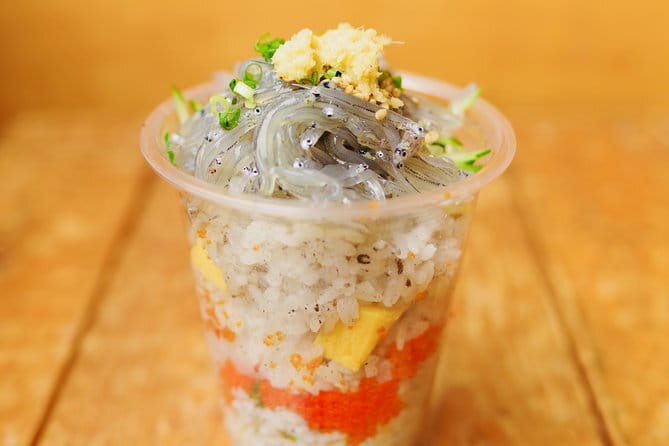
After temples, you hit Komachi Street (Kamakura Komachidori) for 1 hour. This is the lively, sensory stretch running from Kamakura Station toward Tsurugaoka Hachimangu, lined with restaurants and souvenir shops.
This is where you’ll notice the difference between visiting Kamakura and just passing through. The street is known for local foods that you can’t always get elsewhere, and it’s framed as a place where some items are more of an eat-while-you’re-here moment than a take-home souvenir.
This stop is free for entry, and that’s a plus. You can spend your money on snacks rather than tickets. Practical note: you’ll likely need cash again depending on what you choose to buy, since not all spots take credit cards.
If you’re traveling with picky eaters, I’d use this hour to look for easy-to-understand options first—then do the fun experiments once you’re sure you’ll like them.
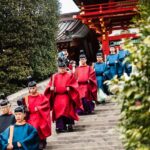
Tsurugaoka Hachimangu Shrine: History, Power-Spot Energy, and Big Scale (45 Minutes)
Tsurugaoka Hachimangu Shrine takes about 45 minutes. This shrine has a history of over 1,000 years and is often described as a power spot.
You also get strong historical context here. The shrine was worshiped by Genji, the figure linked to the Kamakura era, which helps make the site feel more than decorative stone and incense. When you have a guide, these details turn into meaning instead of random facts you forget five minutes later.
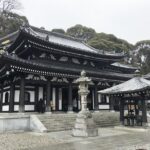
Drawback: 45 minutes can feel long if you’re mainly there for photos. But if you want to understand what you’re looking at—guardian statues, ceremonial layout, and why the shrine is so central—this is time well spent.
Meigetsuin (Hydrangea Temple): A Round Window Garden Moment (30 Minutes)
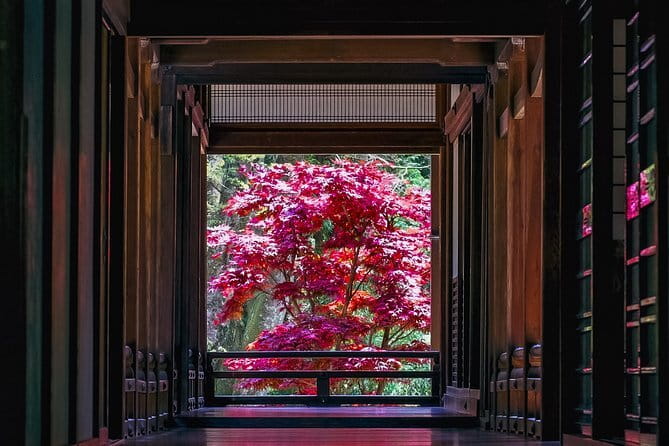
Next is Meigetsuin, also called the Hydrangea Temple, for about 30 minutes. A standout feature is the one room with a large round window, designed so you can view the garden through that opening.
That single architectural detail changes how you experience the place. Instead of wandering as much as possible, you pause and let the garden compose itself. It’s quieter, almost like stepping into a viewing room where the scenery becomes the main event.
Admission isn’t included, so again, expect on-site fees. But the stop itself is short enough that it works even if your group needs breaks from walking.
If you’re visiting outside peak hydrangea season, you might still enjoy the window-and-garden concept. The garden is the point, not only the flowers.
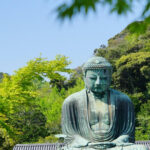
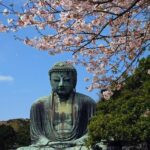
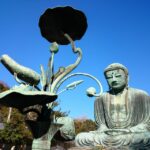
Kotoku-in (Great Buddha of Kamakura): 11-Meter Awe You Can Walk Into (35 Minutes)
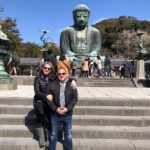
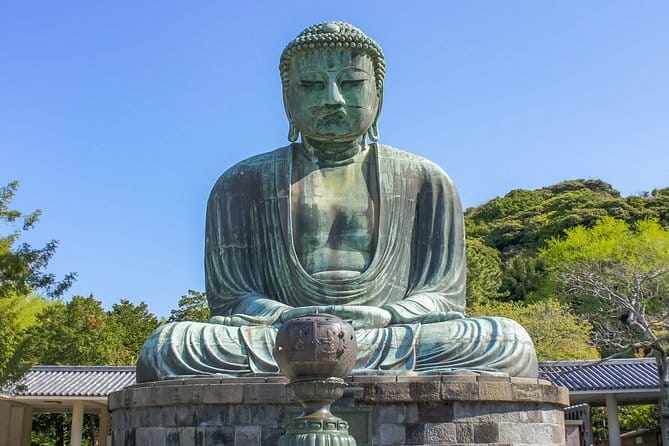
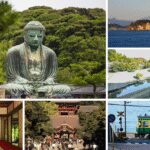
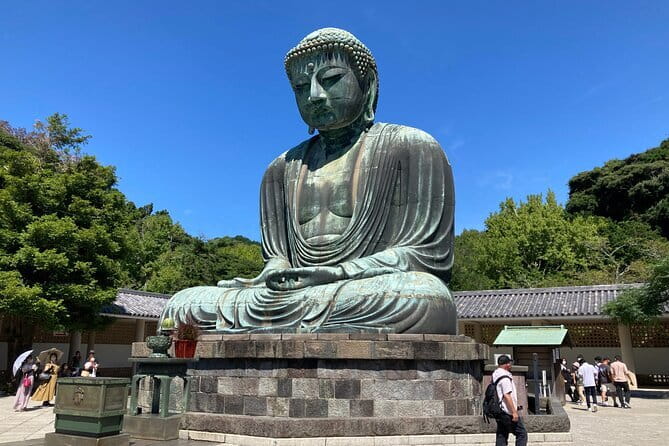
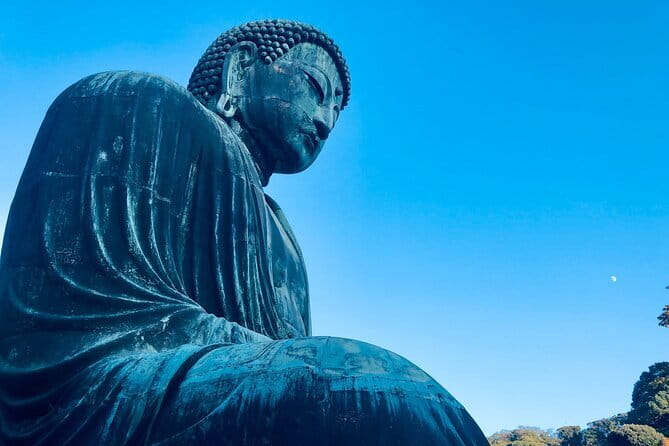
Then comes Kotoku-in, home to the Kamakura Daibutsu (Great Buddha). This stop lasts around 35 minutes and is one of the most iconic sights in Kamakura.
The statue is more than 11 meters tall, and the experience includes the chance to go inside the Buddha. That’s a huge difference from many “big statue” sites where you just look from outside. You get a more bodily sense of scale and craftsmanship.
This is also a strong moment for first-timers because it’s the kind of place where your brain instantly goes quiet. Your photos will be good, but what you remember later is the feeling of being inside a giant historical work.
Practical note: admission isn’t included. Also, depending on your time and the crowd level, inside access can become a timing factor. Your guide can help you avoid wasting time standing still.
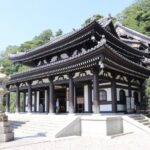
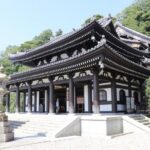
Hase-dera Temple: The Flower Temple and Its Big Grounds (45 Minutes)
The last major temple stop is Hase-dera Temple, also called the Flower Temple, for about 45 minutes. The theme here is seasonal plant life—enjoy plants of all four seasons—and the grounds are large enough to justify a real walk.
This is where the itinerary shifts from “check off famous sites” to “actually tour.” There are multiple viewpoints, and you’ll likely climb as you go. If you’re not in great walking shape, this is the part where you may feel it.
But for most people, Hase-dera is worth the effort. It’s a temple built for strolling, pausing, and noticing how the garden changes as you move. If you like gardens, you’ll understand why this one gets repeat visitors.
Guides and That Human Touch: Akira, Yoshi, and Rumi in the Mix
The biggest quality leap in a private tour is simple: someone can read your day and adjust. In past experiences, guides such as Akira, Yoshi, and Rumi have been praised for two things that matter on the ground: strong background context and flexibility when something goes off-script.
One review-style detail that’s especially useful: a printed itinerary being ready on arrival. That means you start your day oriented, not guessing what comes next. Another is guide patience when a train delay forces a change. That kind of flexibility matters because Kamakura is a place you reach by trains, and transit delays happen.
There’s also a balanced note: not every guide speaks at the same volume. One experience described a guide as knowledgeable but quieter, with more back-and-forth answers rather than a nonstop story. If you want a lot of narration, ask early. A good guide will match your style.
Who This Tour Fits Best
This tour is ideal if:
- You’re first time in Kamakura and want the main sights without the planning headaches
- You like your sightseeing with context, not just a photo stop
- You want food guidance at Komachi Street so you spend your money well
It may be less ideal if:
- You hate walking and want minimal steps and slopes
- You prefer to control every meal and stop without any schedule at all
In short: if you want Kamakura to feel organized and meaningful, this works well. If your ideal day is totally unstructured, you might feel boxed in by a set sequence and time limits.
Should You Book This Kamakura Tour?
I’d book it if you’re coming to Kamakura for the first time and want a high-success day: major temples, the Great Buddha, and Komachi Street done in one smooth run. The private guide part is the value hook, because it turns the sights into a story and helps you spend time where it counts.
Before you commit, do two quick reality checks. First: can your group handle a full walking day across multiple sites? Second: are you comfortable carrying cash for places that might not accept credit cards?
If those are yes, you’ll likely leave feeling like you truly got your bearings fast. And since free cancellation up to 24 hours is offered, you can book with some breathing room if your schedule might shift.
FAQ
How long is the Kamakura tour?
The tour lasts about 7 hours 30 minutes.
What time does the tour start, and where is the meeting point?
It starts at 9:00 am at Kamakura Station (1-chōme-1-15 Onarimachi, Kamakura, Kanagawa 248-0012, Japan).
Is this tour private?
Yes. It’s a private tour, and it says only your group will participate.
What’s included in the tour price?
The tour includes a tour guide, the private tour, and necessary expenses for the guide.
What costs are not included?
Estimated extra costs are listed as 5,300 JPY per person, including transportation (900 JPY), admission fees (2,650 JPY), and meal costs (1,000 JPY). There’s also an optional experience cost (660 JPY per person) noted. A private van and pick-up/drop-off are also not included.
Do I need cash?
Yes. Some stops do not accept credit cards, so you should bring cash.
What if a temple is closed or the weather is bad?
If there’s temporary closure, tour spots might be changed to alternative spots. If weather is bad, the transportation, destinations, and routes may change.