REVIEW · TOKYO
Tokyo: Spring Hitachi Seaside & Ashikaga Flower Park Tour
Book on GetYourGuide →Operated by JTOURSTORY · Bookable on GetYourGuide
Blue flowers and purple wisteria in one day. This seasonal tour links Hitachi Seaside Park’s iconic Miharashi Hill nemophila with Ashikaga Flower Park’s Great Wisteria and an 80-meter white wisteria tunnel. I like the easy, coach-driven flow and the fact that you get admission plus a bilingual guide, but the schedule is tight at each park, so you may want more time than the allotted visits.
You start in the Tokyo area, ride a comfortable bus out to Ibaraki and Tochigi, and come back to Shinjuku and Tokyo. The itinerary mixes big-name scenery with a practical break at Mibu Michi no Eki, where you’ll have time to snack, browse, and enjoy local food (and even Bandai character sightings described by past visitors).
At about $98 per person for a day that runs roughly 690–750 minutes, the value is strongest if you care about both parks and don’t want to plan trains and admissions on your own. Meals are not included, and because it’s a long day with traffic-weather variables, I’d plan for comfy shoes and patience in peak season.
In This Review
- Key highlights you’ll actually feel on the day
- Why this spring loop works so well from Tokyo
- Tokyo pickup to return: a long but organized bus day
- Hitachi Seaside Park’s Miharashi Hill: 5.3 million blue nemophila
- Miharashi to Mibu: a roadside break with food and Bandai character sightings
- Ashikaga Flower Park: Great Wisteria, cascading purple, and an 80-meter tunnel
- Guide support that keeps the day from feeling chaotic
- Price and value: what $98 covers (and what it doesn’t)
- Who this tour suits best, and who should think twice
- Quick reality checklist before you book
- Should you book this Tokyo to Hitachi & Ashikaga tour?
- FAQ
- How long is the tour?
- What’s included in the price?
- Are meals included?
- What language will the guide speak?
- Where do I meet the group?
- Can I cancel and get a full refund?
- Do I need to tell the operator if I’m bringing a stroller or wheelchair?
- What should I know about drop-off times?
Key highlights you’ll actually feel on the day
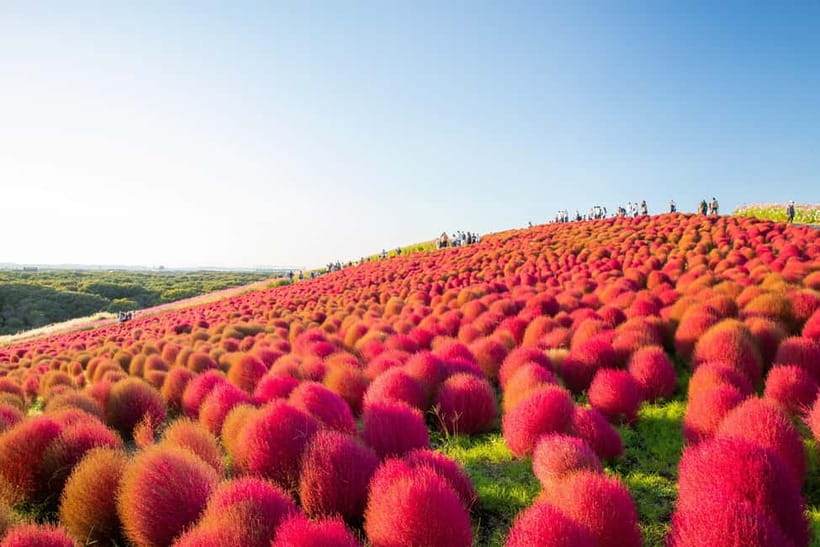
- 5.3 million blue nemophila on Miharashi Hill, with open sky and distant ocean views
- Ashikaga’s Great Wisteria and cascading purple blooms, plus a long white wisteria tunnel
- A built-in food stop at Mibu Michi no Eki for browsing, desserts, and casual local bites
- English and Korean guide support to keep timing smooth and help with group logistics
- Admission tickets included, so you’re paying for the day’s sightseeing, not just transport
Why this spring loop works so well from Tokyo
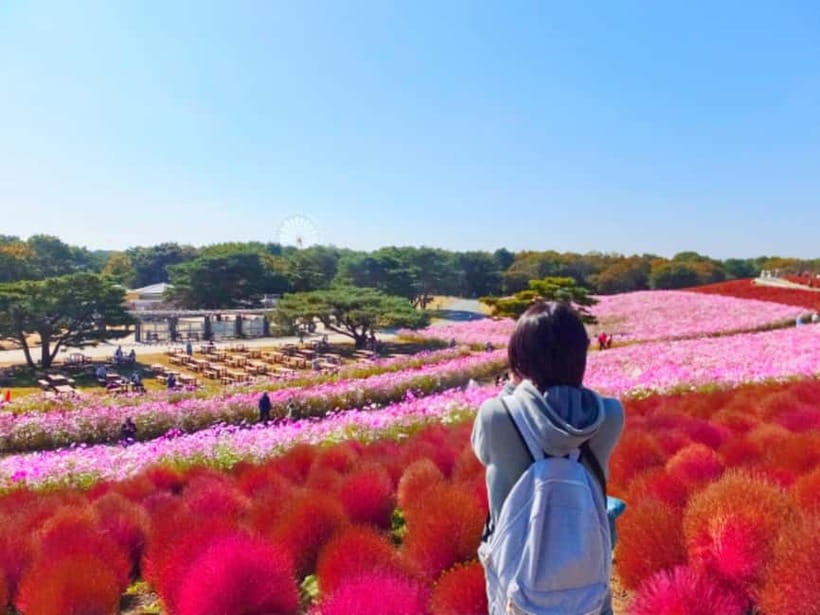
This tour is designed for one simple goal: hit two of Kanto’s most famous spring flower scenes without turning your day into logistics homework. You’re trading some transit time for less stress, and that’s a fair deal when the parks are far enough apart to make self-planning annoying.
The day’s best part is the contrast. You start with wide-open blue sky and a hillside carpet of flowers at Hitachi Seaside Park. Then you switch to a more “film set” feeling at Ashikaga Flower Park, where wisteria drapes overhead like slow-motion waterfalls.
The time allocation is the key tradeoff. Two hours at Hitachi and about 110 minutes at Ashikaga can feel short if you love wandering at your own pace. That’s exactly what several people pointed out—Ashikaga especially—so set your expectations accordingly.
You can also read our reviews of more tours and experiences in Tokyo.



Tokyo pickup to return: a long but organized bus day
You’ll meet at a listed Starbucks Coffee location near your chosen starting point, then board the coach. The pace is straightforward: ride out, enjoy set sightseeing windows, then ride back. Total time is about 690–750 minutes, so think of this as an all-day outing with a few blocks of freedom.
The bus legs are a major part of the experience—good and bad. It’s relaxing not to manage trains, but you are committing to hours on the road. The route includes a roughly 2.5-hour drive to Hitachi Seaside Park, then later more time traveling between stops.
One more reality check: the guide may adjust timing because of Japanese legal driving limits (vehicles can’t operate over 10 hours) and because of traffic and weather. That means you should plan your day mindset around flexibility, not clock-watching.
Hitachi Seaside Park’s Miharashi Hill: 5.3 million blue nemophila
Hitachi Seaside Park is the kind of place that makes you stop thinking and start looking. The star scene is Miharashi Hill, which turns into a huge sweep of blue nemophila when spring hits. The tour’s highlight is the panoramic effect: the blue flowers blend into the sky and the distant ocean, so your photos feel bigger than a normal garden.
You’ll have about 2 hours on-site. That’s enough to reach viewpoints, take photos, and enjoy the vibe, but it’s not a “wander for hours” setup. People who love soaking in details often say they could spend more time hiking around and seeing the gardens beyond the main hillside.
Practical tip: wear shoes you don’t mind getting a little warm and sunny. Nemophila viewing is outdoors and photo spots can involve walking over park paths. Bring sunglasses too, because that open-sky lighting at Hitachi can be bright fast.
Also, this is one of those scenes where timing matters. If you can, aim to be on the hillside early in your visit window so you’re not just arriving when the most intense light or crowd peaks happen. The tour gives you a decent block, and the guide keeps the group moving so you don’t lose daylight to confusion.
Miharashi to Mibu: a roadside break with food and Bandai character sightings
Between the two flower parks, you get a reset at Mibu Michi no Eki (also described as Mibu Service Area). This isn’t just a restroom stop. It’s a chance to stretch your legs, grab snacks, and sample the kind of casual roadside food Japan does well.
The tour schedule gives you a short sightseeing/photo window and free time here—about 40 minutes—so it’s more “browse and taste” than “meal on a schedule.” Past visitors specifically noted there are many dish options plus dessert, and some mention meeting well-known Bandai characters on-site.
Since meals are not included in the tour price, treat this stop as your budget moment. You can pick something easy and filling, then keep energy for Ashikaga. If you’re the type who waits until hunger hits, you may feel rushed here—so I’d use the time intentionally.
Then there’s also a local restaurant lunch step in the day. Again, meals aren’t included, so this is more about providing a place for you to eat rather than guaranteeing one specific set meal. Either way, it helps break up the long coach day and keeps you from running on only vending-machine energy.
Ashikaga Flower Park: Great Wisteria, cascading purple, and an 80-meter tunnel
If nemophila is the “sky meeting flowers” moment, Ashikaga is the “ceiling of blossoms” experience. The park is internationally famous for its Great Wisteria, with massive trees that send purple blooms cascading overhead like curtains.
You get about 110 minutes at Ashikaga Flower Park. That’s plenty to see the headline displays and walk the main areas, but it’s also exactly the reason people get hooked and want more time. More than one person basically said they could have stayed longer—especially to keep strolling under the wisteria without rushing.
The signature photo moment is the dramatic white wisteria tunnel, described as stretching roughly 80 meters. It’s the kind of walkway that makes you slow down because it feels like you’ve stepped into a fantasy scene. Even if you’re not a “flower photographer,” the tunnel effect is still striking in person.
What I like about the Ashikaga segment is that the park experience is built for wandering. You’re not just “looking at one spot.” You move through different bloom zones, and the overhead look changes as you walk. That’s also why time matters: if you’re into slow strolling, Ashikaga is the stop where your schedule might feel tight.
A small strategy: keep your sightseeing priorities flexible. The purple wisteria and white tunnel are the big targets, so once you’ve seen both, use the remaining time to return to your favorite angles or take your time enjoying the atmosphere.



Guide support that keeps the day from feeling chaotic
This tour runs with an English and Korean speaking guide, and you can feel how much that matters when you’re working around traffic and seasonal crowds. In the feedback, the guides are praised for being helpful and efficient, including someone named Gilbert who helped the group navigate the day smoothly.
There’s also mention of guides like Miss Park and Miss Kim, described as great. That points to a consistent style: clear instructions, keeping the group together, and making sure people get the sightseeing time they paid for.
So what should you expect from the guide role? Think of it as three jobs:
1) managing the timing between far-apart stops,
2) helping you understand where to go inside large parks, and
3) keeping drop-offs and meeting points clear when the bus is changing locations.
When you’re doing a one-day itinerary like this, that last part is huge. Japan’s signage is good, but in busy seasons it’s still easy to lose time. A guide who keeps you moving is the difference between a fun day trip and a stressful one.
Price and value: what $98 covers (and what it doesn’t)
At $98 per person, this is priced like a “transport + admissions + guide” day. Included in the cost are transportation, the English/Korean guide, and admission tickets for the parks. That’s the big value lever if you want both Hitachi Seaside Park and Ashikaga Flower Park without paying separately for each entrance and without planning transport.
Meals are not included, so budget for food on your own during the road-station and restaurant breaks. This is normal for Japan day trips, but it does affect the real total. If you plan to buy desserts and more than one snack, you’ll likely spend more than you expected.
My practical take: this tour is a strong value if you’re here for spring scenery and you don’t want to figure out long-distance transport from Tokyo. If you’re comfortable DIY planning and you only care about one of the two parks, you might get cheaper results going your own way. But if you want the full pairing, paying for organized transport is usually worth it.
Who this tour suits best, and who should think twice
This tour fits best if you:
- want a one-day spring flower fix without multiple hotel stays,
- enjoy photography and want two iconic visual scenes in the same day,
- like having a guide handle the “where do we go next” part,
- are visiting Tokyo and want something seasonal beyond the city.
It’s less ideal if you:
- hate long bus rides and don’t handle transit well,
- want slow, deep wandering time at each park,
- dislike schedules that depend on weather and traffic adjustments.
The most repeated theme is that Ashikaga deserves more time. So if you’re the type who thinks a flower park is the main event, you may feel the day is slightly compressed. Still, you get the core highlights that make Ashikaga worth traveling for.
Quick reality checklist before you book
- Expect outdoor walking at both parks, not just flat sightseeing.
- Bring sunscreen and a light layer; spring can change fast.
- Wear comfortable shoes for slopes and park paths.
- Plan to buy food during the breaks since meals aren’t included.
- Be ready for schedule shifts due to traffic and weather, especially around peak periods.
Should you book this Tokyo to Hitachi & Ashikaga tour?
I’d book it if you want the best spring highlights in Kanto with minimal planning, and you value a bilingual guide to keep everything running on track. You’re paying for the convenience of getting to both parks and for the admissions that make this a true sightseeing day.
I’d think twice if you’re a slow-stroll flower lover who hates feeling rushed. In that case, consider either spending more time at just Ashikaga on your own, or choosing a different itinerary that gives longer park windows.
If you’re aiming for an efficient, scenic spring day out of Tokyo—nemophila first, wisteria second—this is exactly the kind of organized tour that delivers the goods.
FAQ
How long is the tour?
The total duration is about 690 to 750 minutes, depending on the starting time and real-time conditions.
What’s included in the price?
The tour includes transportation, an English and Korean speaking guide, and admission tickets.
Are meals included?
No. Meals are not included, so you’ll need to pay for food on your own during the scheduled breaks.
What language will the guide speak?
The guide speaks English and Korean.
Where do I meet the group?
The meeting point can vary based on your selected option, with Starbucks Coffee locations used as starting points.
Can I cancel and get a full refund?
Yes. You can cancel up to 24 hours in advance for a full refund.
Do I need to tell the operator if I’m bringing a stroller or wheelchair?
Yes. If you have a baby stroller or wheelchair, you should inform the operator in advance so they can note it for your booking.
What should I know about drop-off times?
Drop-off times may be delayed due to heavy traffic during peak season, so it helps to be flexible with your end-of-day plans.