REVIEW · KAWAGOE
Kawagoe 4hr Private Tour with Licensed Guide (Kawagoe Dep)
Book on Viator →Operated by Japan Guide Agency · Bookable on Viator
Kawagoe feels like time travel. This private, licensed English tour is a fast way to understand why this Edo-period castle town mattered, without getting lost in the details. I like that you can choose what you care about most, and the guide keeps the pace efficient even though it’s a walking route.
My favorite part is the mix of icons and meaning: the bell-tower timekeeping story, the kurazukuri warehouse streets, and the love-focused Hikawa Shrine stop. One drawback to plan for: you won’t escape walking, and some sites/museums may require separate paid entry.
In This Review
- Key Highlights Before You Go
- Kawagoe in 4 Hours: Edo-Style Charm Without the Full-Day Commitment
- Price and What You’re Really Paying For ($107.78 per Person)
- The Guide Factor: What “Licensed English” Changes on the Ground
- Walking Route Reality: Pickup That’s On Foot, Not by Car
- Stop-By-Stop: How the Tour Feels at Each Place
- Toki no Kane (Bell Tower): The Town’s Clock Before Clocks
- Koedo Yokocho: Warehouse Dining and a Place to Rest
- Kawagoe Kurazukuri Museum: Merchant Wealth in Wooden-Storehouse Form
- Kawagoe Castle Naka no Mon Remain: What’s Left of a Power Center
- Kawagoe Hikawa Shrine: Love Success and Enmusubi Dama
- Kawagoe City Museum: The “Ko-edo” Story in Museum Form
- Kitain Temple: Buddhism with Serious Age
- Kawagoejyo Honmaru Palace: A Castle-Town Viewpoint
- Kawagoe Onsen: Hot Springs in a Town That Has History
- Kawagoe Matsuri Kaikan: Local Festival Culture on Your Schedule
- How to Choose Your 2–3 Stops (So You Don’t Feel Rushed)
- Is This Tour Worth Booking for Your Trip to Tokyo?
- Should You Book This Kawagoe Private Tour?
- FAQ
- How long is the Kawagoe private tour?
- What does the tour cost?
- How many stops can I choose?
- Is the tour guide English-speaking?
- Do I pay entrance fees on top of the tour price?
- How does pickup work if it’s a walking tour?
- Are there any transportation costs included?
- Is this tour only for my group?
- Do I need a mobile ticket?
- Can I combine multiple tour groups?
Key Highlights Before You Go
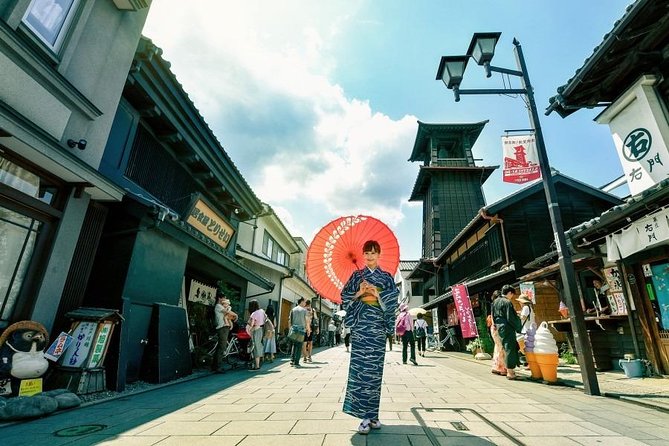
- Licensed local English guide: a Japanese government–issued interpreter credential means the explanations come with cultural context.
- Pick 2–3 sites: you’re not stuck doing a one-size-fits-all checklist.
- Toki no Kane timekeeping: hear the bell story that once replaced clocks in the Edo era.
- Kurazukuri warehouse atmosphere: food, old merchant architecture, and museum options in one area.
- Shrine + temple variety: you can balance romance (Hikawa) with spirituality (Kitain).
- Tour guides who stay flexible: shopping time can be worked in if your group wants it.
Kawagoe in 4 Hours: Edo-Style Charm Without the Full-Day Commitment
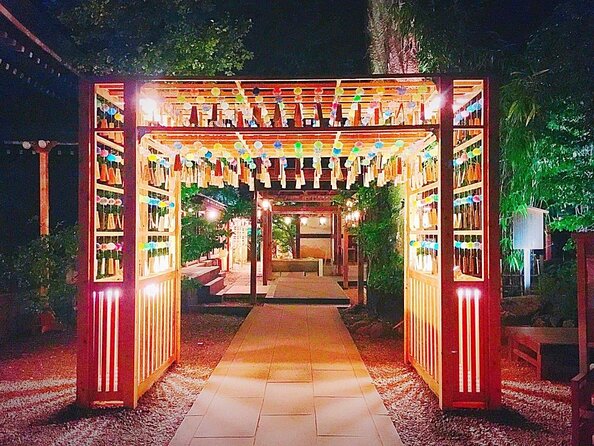
Kawagoe sits about 30 minutes by train from central Tokyo, so it works as a day trip when you want history but don’t want a long commute. The town’s nickname, Ko-edo (Little Edo), isn’t just marketing. You feel it in the preserved streetscapes, warehouse-style buildings, and the way the tour connects landmarks to real Edo-period life.
What makes this tour especially practical is that it’s built to fit a short window. You get guided structure for a town where the best stuff often hides behind old facades, small streets, and local rituals. Instead of wandering randomly, you follow a guide’s story.
You can also read our reviews of more guided tours in Kawagoe
Price and What You’re Really Paying For ($107.78 per Person)
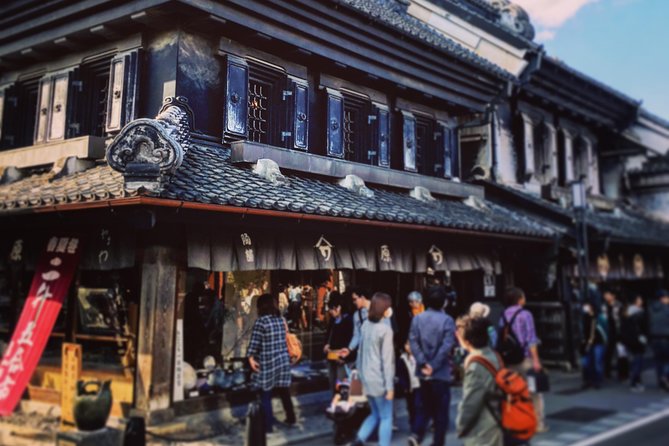
At $107.78 per person for a 4-hour private experience, the headline cost isn’t low. But it’s not just you paying for someone to walk beside you. You’re paying for a licensed, local English speaking guide and the ability to customize what you do in a limited time.
Here’s where the value math usually lands:
- The tour includes guide time and a curated choice of 2–3 sites from the available options.
- You get a meet-up on foot in Kawagoe, so the guide helps you start smoothly rather than spending your first hour “figuring it out.”
- Entrance fees, lunch, and transport are not included, so you should budget separately for any paid sites you pick.
If you’re traveling as a pair or small group, private tours often make sense because the guide’s time is shared rather than spread across a crowd. And if you care about culture and want context (not just photos), the guide component matters more than it does for a purely scenic stroll.
The Guide Factor: What “Licensed English” Changes on the Ground
This tour uses a government-licensed guide interpreter who’s issued a Japanese certification tied to culture and history. In plain terms: you don’t just get facts, you get explanations that connect places to how people lived and believed.
In the small details, you can feel the difference. The timekeeping story at Toki no Kane, for example, isn’t framed as trivia. It’s tied to why clocks didn’t exist the way you’re used to, and how a bell helped the whole town keep rhythm. That kind of linking makes the stop feel worth more than a quick glance.
You’ll also appreciate how guides handle reality: some days, places can be closed, and you may need to adjust. One thing that comes through strongly is guide flexibility—if your group wants to pause for shopping, it can often be worked in.
Walking Route Reality: Pickup That’s On Foot, Not by Car
Even though the tour description says pickup is offered, the practical detail is this: you meet the guide on foot within a designated area in Kawagoe. So plan on walking from your meeting point and then walking between chosen stops.
This matters because Kawagoe can’t always rely on taxis or frequent buses the way bigger cities do. The result is simple: comfortable shoes matter. Bring water, and consider sun protection if you’re doing this in warm weather.
Good news: this is a private tour, so your pace is controllable. If your group has mobility needs, tell the operator ahead of time. One guide handled wheelchair access support in the past, which suggests they can think through logistics when you communicate clearly.
Stop-By-Stop: How the Tour Feels at Each Place
A 4-hour tour with 2–3 selected sites means you’ll experience fewer stops, but you can actually absorb them. Below is what each option offers and what to consider when you choose.





Toki no Kane (Bell Tower): The Town’s Clock Before Clocks
This is the symbol stop. Toki no Kane is tied to Edo-period life, when there were no personal clocks and the bell helped the town mark time. Even today, you can hear the bell at set times like 6 am and 12 pm, with additional chimes listed (such as 3 …).
Why it’s a great first stop: it gives you a mental frame for the rest of the tour. When you understand how people measured time, the old-town rhythm feels less like “cute nostalgia” and more like how a community actually ran.
Practical note: this stop is short—about 5 minutes—and admission is free.
Koedo Yokocho: Warehouse Dining and a Place to Rest
Koedo Yokocho is a warehouse-style building packed with places to eat. It’s the kind of stop where you can grab something quick if you want a snack break, and it’s also a nice breather from walking.
You’ll see food options like kamameshi (rice cooked in a small pot) and ramen. There’s also a free rest place mentioned, which is handy if you need a quick reset before your next temple or museum.
This stop tends to work well as either:
- a food-and-photos moment, or
- a comfortable midpoint when you don’t want every stop to be a museum or shrine
Plan time at about 30 minutes, with admission listed as free.
Kawagoe Kurazukuri Museum: Merchant Wealth in Wooden-Storehouse Form
If you want more context on the warehouse architecture, choose the Kawagoe Kurazukuri Museum. The idea here is that Kawagoe’s castle-town role created wealth for prosperous merchants. Their warehouse-style buildings shaped the streetscape you still see today.
This stop isn’t listed as free, so you’ll need to factor in museum admission when choosing it. It’s about 30 minutes, and it’s best if you want architecture + explanation, not just pictures.
Kawagoe Castle Naka no Mon Remain: What’s Left of a Power Center
Most of the castle doesn’t remain, but you can still visit the entrance area and a few rooms open to the public at Kawagoe Castle Naka no Mon Remain. This is a “what’s still here” stop rather than a full castle reconstruction fantasy.
Why it’s worth your time: it helps you connect Kawagoe’s importance as a castle town to everyday life. Even partial remains can clarify the layout and the role of the castle in Edo society.
This is about 30 minutes, and admission is listed as not included.
Kawagoe Hikawa Shrine: Love Success and Enmusubi Dama
Hikawa Shrine is one of Kawagoe’s most popular stops, especially for people interested in Shinto customs. It’s known as a sacred place for love, and there’s a famous amulet called Enmusubi dama (love success stone).
If you’re wondering what to do at a shrine, the guide’s explanation is useful here. You’ll get the meaning behind the ritual and why this particular shrine has a reputation for romance and matchmaking-style wishes.
Admission is free, and the visit is about 30 minutes.
Kawagoe City Museum: The “Ko-edo” Story in Museum Form
The Kawagoe City Museum is another option that ties the town to its nickname, Koedo (Little Edo). It’s listed with admission not included and also about a 30-minute stop.
This is a good pick if you want to understand Kawagoe as a whole town, not only through the most photogenic streets. If you’re only choosing two or three sites total, decide whether you want more “context indoor time” versus more outdoor shrines/architecture.
Kitain Temple: Buddhism with Serious Age
Kitain is the temple stop you shouldn’t rush. It’s a Buddhist temple that’s been standing for about 1200 years, and it has an atmosphere that keeps people coming back.
A detail you might appreciate once you’re there: one account highlights the Buddha and statues of 500 disciples. That kind of sculptural storytelling is exactly why a guide helps—places like this are visual, and the explanations help you read what you’re seeing.
Admission is free, and the time listed is about 30 minutes.
Kawagoejyo Honmaru Palace: A Castle-Town Viewpoint
For castle lovers, Kawagoejyo Honmaru Palace is an option. The focus here is on the parts of the castle experience that communicate Japanese history through preserved structure and space.
It’s listed as admission not included and about 30 minutes.
If your group likes history but wants something more “place-based” than museum exhibits, this can be a satisfying choice.
Kawagoe Onsen: Hot Springs in a Town That Has History
Want a more relaxed, Japan-style experience? The Kawagoe Onsen option is a natural hot spring facility that offers wood baths and stone baths. Even if you don’t plan to soak, it’s a great way to see how modern life fits beside old-town sightseeing.
This is about 30 minutes, and admission is not included. It can also be a smart pick if you’re visiting in cooler months or if the walking starts to feel like too much.
Kawagoe Matsuri Kaikan: Local Festival Culture on Your Schedule
Japan’s festivals are often seasonal and timing-dependent, so a festival museum like Kawagoe Matsuri Kaikan can help you experience local celebration culture without needing the exact festival day.
This stop is listed about 30 minutes, with admission not included.
Choose this if your group loves cultural performance, parade history, or learning what makes Kawagoe’s festival tradition unique.
How to Choose Your 2–3 Stops (So You Don’t Feel Rushed)
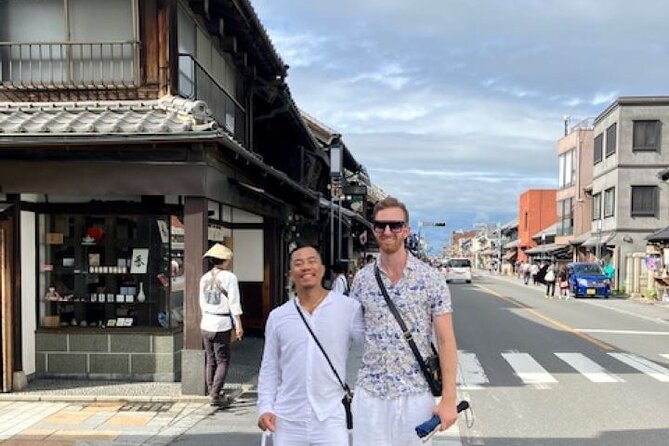
The tour is designed around your selections, so your job is to decide what you want your story to be.
A simple way to pick:
- If you want atmosphere + storytelling, start with Toki no Kane and pair it with Koedo Yokocho.
- If you want sacred Kawagoe, choose Hikawa Shrine and Kitain (free admission for both helps).
- If you want a balance of explanation + place, add Kurazukuri Museum or Kawagoe City Museum.
- If you’re traveling for variety and comfort, swap in Onsen for one of the other options.
Also consider what you can handle physically. Because it’s a walking tour with on-foot meet-up, you’ll enjoy it more if you don’t pick too many “heavy” stops back-to-back.
One practical tip: if you’re traveling with someone who has mobility limits, tell your guide what you can manage. A private tour works best when you communicate needs early, so they can keep the route realistic.
Is This Tour Worth Booking for Your Trip to Tokyo?
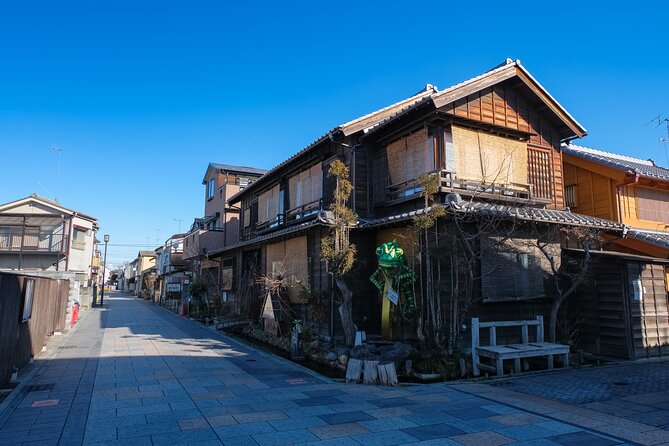
If you’re doing Tokyo and you want a real change of pace, this is a strong value play. Kawagoe gives you Edo-era streetscape energy without needing a full day in transit. With a licensed English guide, the experience turns from sightseeing into understanding.
This tour is especially good for:
- couples and small families who want a tailored plan,
- people who care about Shinto/Buddhist meaning and local customs,
- travelers who want to avoid the guesswork of what to prioritize in a town outside Tokyo.
You might skip it if:
- you want to roam freely with no structure and no guide,
- your priority is a long list of stops rather than a few high-quality experiences,
- you’re trying to minimize paid admissions since several options list admission as not included.
Should You Book This Kawagoe Private Tour?
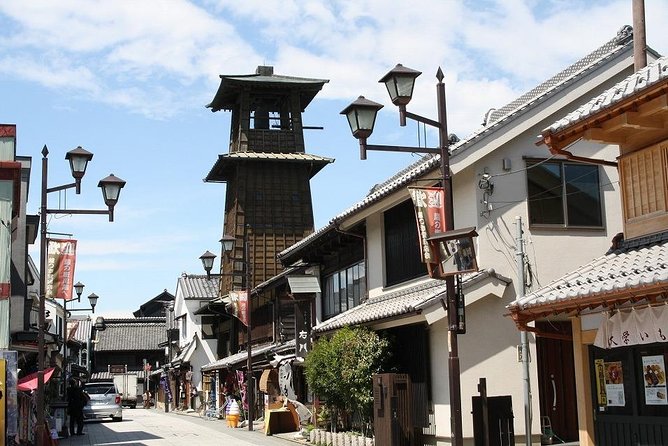
Yes, I’d book it if you want a guided, efficient taste of Ko-edo with licensed interpretation and the freedom to choose your exact mix of bell tower, warehouse streets, temples, shrines, and optional onsen/festival culture. The best reason is simple: in a short window, a good guide helps you see what matters and why it matters.
FAQ
How long is the Kawagoe private tour?
It’s approximately 4 hours.
What does the tour cost?
The price is listed as $107.78 per person.
How many stops can I choose?
The customizable tour is based on selecting 2–3 sites from the available options.
Is the tour guide English-speaking?
Yes. It includes a licensed local English speaking guide interpreter.
Do I pay entrance fees on top of the tour price?
Entrance fees are not included. Some stops are listed as free, while others are listed as admission not included.
How does pickup work if it’s a walking tour?
You meet your guide on foot within a designated area in Kawagoe.
Are there any transportation costs included?
Transportation fees are not included. The tour is not described as including a private vehicle.
Is this tour only for my group?
Yes. It’s a private tour/activity, so only your group participates.
Do I need a mobile ticket?
A mobile ticket is listed as a feature.
Can I combine multiple tour groups?
No. You cannot combine multiple tour groups.
If you want, tell me your travel dates and whether you’d rather prioritize temples, shrines, Edo architecture, food, or onsen—and I’ll suggest a tight 2–3 stop plan that fits the 4-hour timing.