REVIEW · SHIBUYA CITY
Shibuya City: Daikoku PA GT-R R35, R34, R33 or R32 Tour
Book on GetYourGuide →Operated by GTR tours · Bookable on GetYourGuide
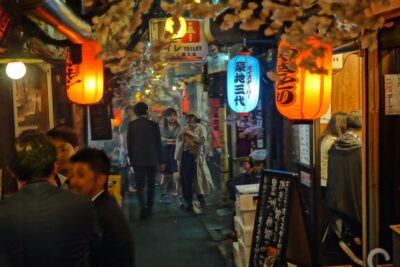
One night in Tokyo, you hear turbos. This private tuned JDM ride threads you through Tokyo and Yokohama with a local guide, then parks up at places you’ve probably only seen on screens. Think Shibuya Crossing energy, Wangan-style highway views, and the famous Daikoku lights.
I love the way the experience mixes adrenaline with real safety—smooth, confident driving that keeps you feeling in good hands. I also love the built-in stops, especially A-PIT Super Autobacs and the Daikoku Parking Area car-meet moment, where the whole scene feels like a live show.
One possible drawback: this is priced like a specialty private experience—$316 per group (up to 3 people)—so it’s not the kind of activity you book casually unless you’re serious about cars and Tokyo at night. The pace is also set by the route, not by free roaming.
In This Review
- Key things I’d circle before booking
- Daikoku Parking Area at Night: Why This JDM Tour Feels Different
- Choose Your Ride: R35, R34, R33, R32, and JZA80 Supra Options
- Pickup and Route Rhythm: Tokyo Station or Sakura Clinic
- A-PIT Super Autobacs: Parts Store Energy and Photo Time
- Daikoku Parking Area: The One-Hour Car Meet Moment
- Wangan Expressway and Umihotaru: Highway Runs With Real Night Fuel
- Shibuya Crossing, Rainbow Bridge, and Tokyo Tower: Landmark Photos Done Right
- Your Guide Matters: Translation, Car-Culture Context, and Calm Confidence
- Price and Value: Why $316 Per Group Can Make Sense
- Who This Tour Is For (and Who Might Prefer Another Plan)
- Should You Book This Daikoku JDM Tour?
- FAQ
- What’s the duration of the Shibuya City: Daikoku PA GT-R tour?
- What cars are available for this experience?
- Can I request a specific car?
- Is this a self-drive car rental or taxi service?
- Where are the pickup and drop-off points?
- Do I need to speak Japanese?
- Is the tour private?
- What do we do at A-PIT Super Autobacs?
- How long do we spend at Daikoku Parking Area?
- What landmarks are included in the drive?
- Is there free cancellation?
Key things I’d circle before booking
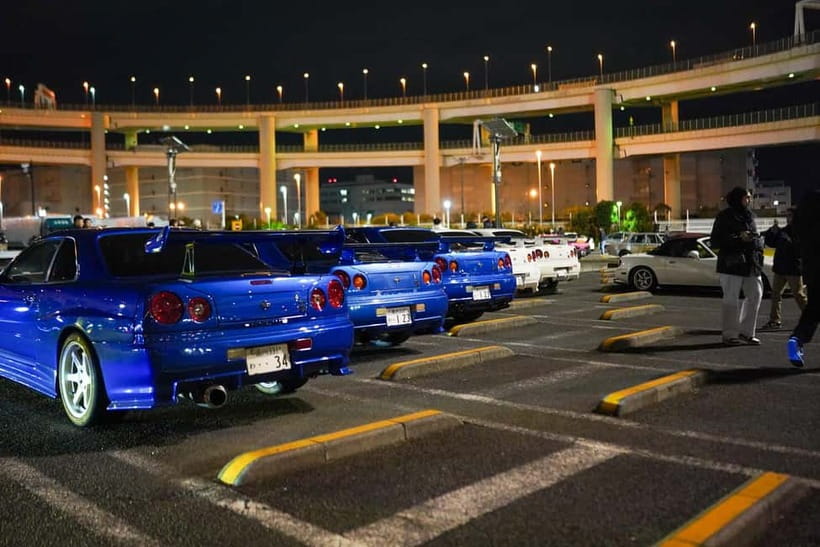
- Pick your car: R35, R34, R33, R32, and even JZA80 Supra options (send your preference)
- Daikoku Parking Area: a full photo-and-stare session at the world-famous meet spot
- A-PIT Super Autobacs stop: a car-parts playground with time to walk, shop, and shoot photos
- Wangan Expressway + Umihotaru: highway stretches that give the ride its real Tokyo-night pulse
- Landmark hits: Shibuya Crossing, Rainbow Bridge, and Tokyo Tower photo moments
Daikoku Parking Area at Night: Why This JDM Tour Feels Different
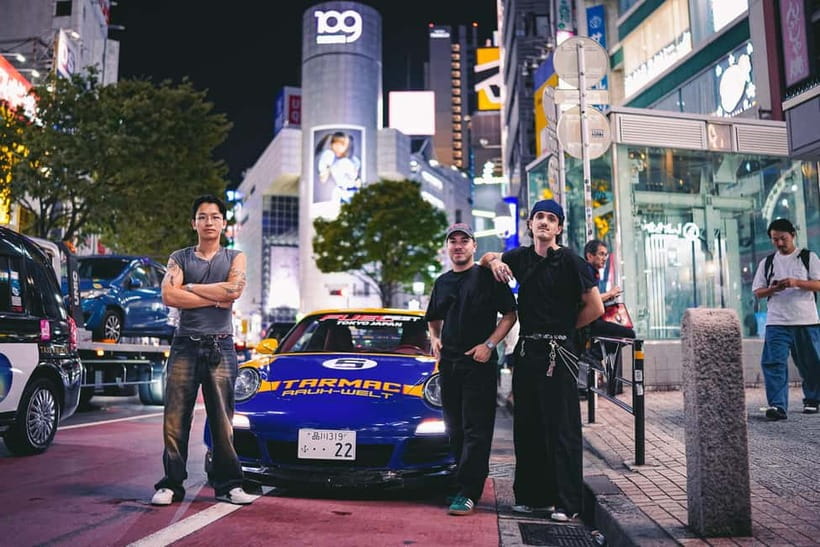
A lot of Tokyo tours show you buildings. This one shows you the car culture behind the city’s nighttime mood. You’re riding in tuned Nissan GT-Rs—R35, R34, R33, or R32—with guidance from a local who knows how the scene works and where to pause for photos without making it awkward.
The timing matters too. Daikoku is a nighttime magnet, and the contrast is part of the magic: sleek city lights one moment, then engines and polished builds under parking-lot illumination the next. Several guides in this program are clearly passionate about the scene, and you’ll feel that in how they steer the experience—what they point out, how they pace the stops, and how they keep the vibe fun but controlled.
And yes, the cars bring the attention. Even from inside, you’ll notice the way people react—phones up, heads turning, and that movie-like sense that you’re in the right place at the right time.
Choose Your Ride: R35, R34, R33, R32, and JZA80 Supra Options
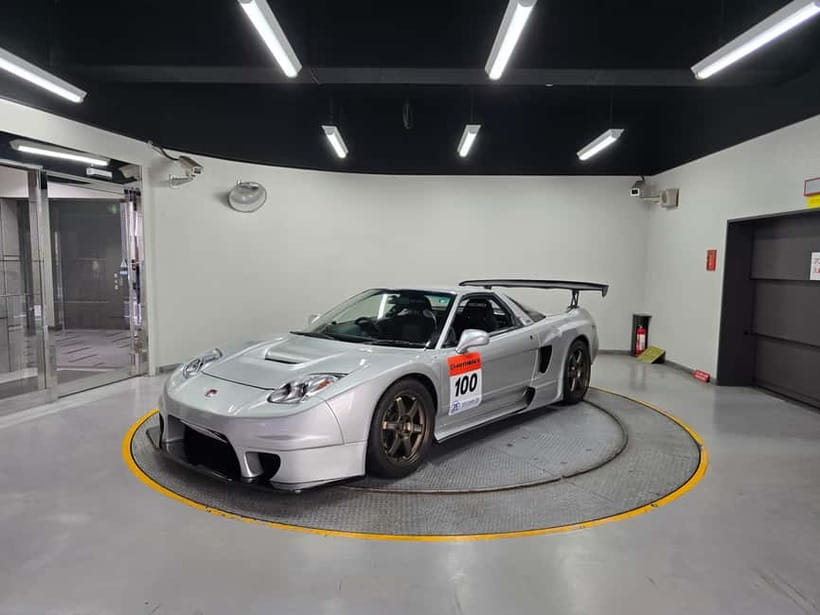
Here’s a huge win for car people: you can tell them your car preference. The program is built around tuned JDM cars only—no generic sedans or vans doing the minimum. You’re not just paying for a guide; you’re paying for the specific kind of car experience you came to Japan for.
Based on what’s offered, you should be looking at:
- Nissan GT-R R35 (modern muscle vibe)
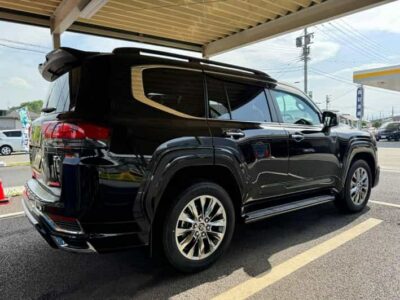
- Nissan GT-R R34 (the classic Tokyo-night icon)
- Nissan GT-R R33 and R32 (less common, more collector energy)
- Optionally a JZA80 Supra (for the Toyota fans)
One practical tip: decide what you’re chasing emotionally. R34 tends to feel like the default JDM fantasy for many people. R33 and R32 can feel more rare, which changes the vibe at meet-up stops. R35 is the big, immediate wow. If you’re not sure, tell the provider your top two and what “sound and feel” you want from the night.
Pickup and Route Rhythm: Tokyo Station or Sakura Clinic
You start from either Tokyo Station or Sakura Clinic, depending on the option you book, and you end back at one of those drop-off points. That round-trip matters because it saves you from piecing together trains, taxis, and timing math while you’re trying to catch the best nighttime scene.
The tour runs about 150 to 210 minutes. That’s long enough to hit major highlights and still feel like an experience, not a quick drive-by. It’s also short enough that you’re not stuck for half a day losing your energy.
Your guide rides with you and handles the pacing. You’re not planning micro-stops. You’re showing up, getting oriented, and letting the driver do the work of threading you through Tokyo’s roads at the right moments.
If you hate being rushed, this can still work because the stops are built in: you get photo stops and time blocks at specific places, not just “we’ll slow down for five seconds.”
A-PIT Super Autobacs: Parts Store Energy and Photo Time
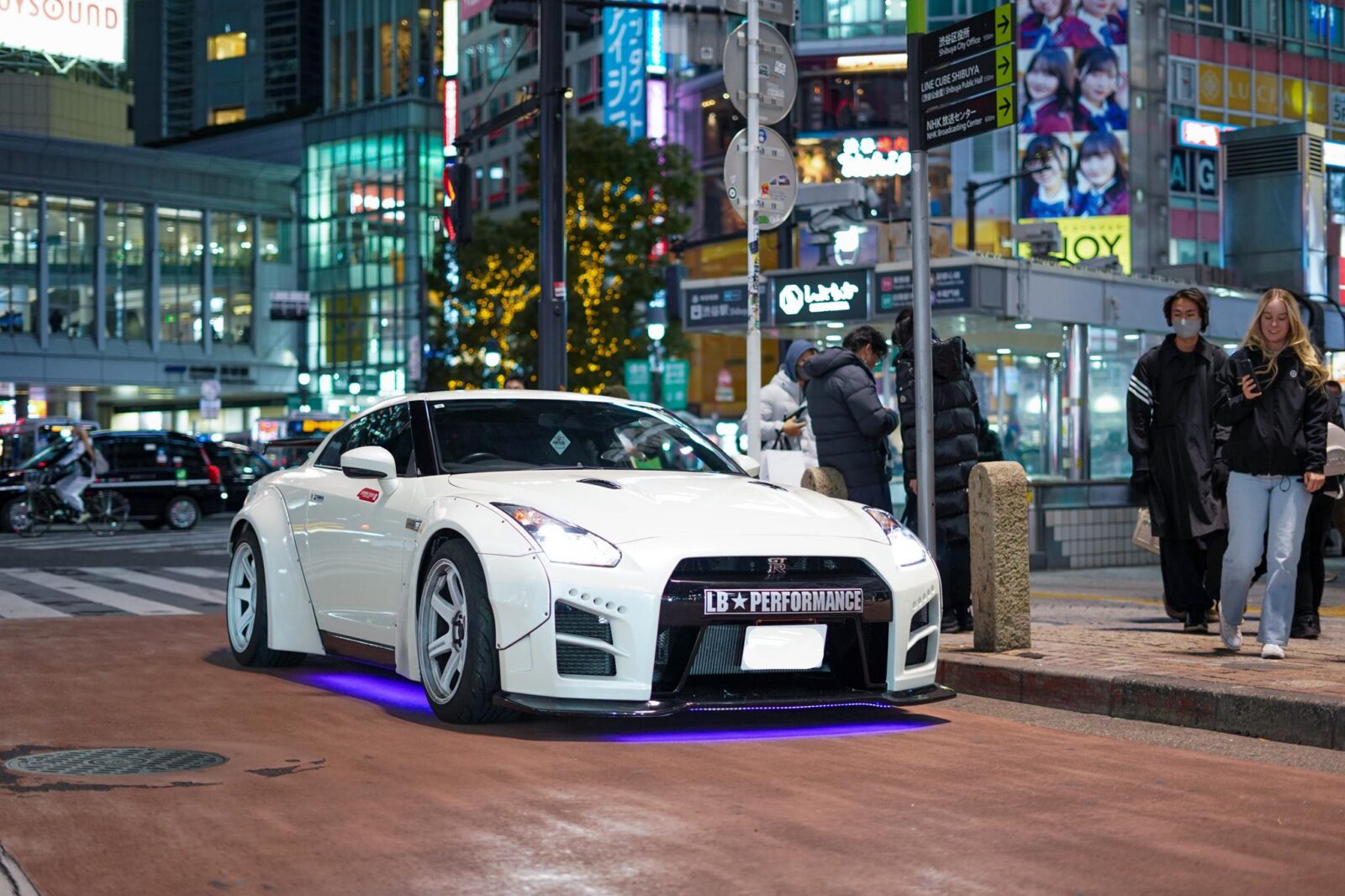
One of the smartest stops here is A-PIT Super Autobacs. This is not a random shop stop. It’s a place that helps you understand what Tokyo’s car world looks like beyond the headlines.
In the schedule you’ll get a break plus time for:
- photo stops
- walking around
- shopping
- sightseeing and a bit of time to just look
The “why” is simple. If you love JDM, the parts and accessories culture is part of the story. Seeing it in person helps your brain connect the car you’re riding to the broader ecosystem—wheels, aero bits, shop culture, and the “build” mentality that makes tuned cars a lifestyle, not a hobby.
Practical move: bring a small plan for photos. Decide whether you want close-ups (badges, parts, styling) or wider shots (display areas). You’ll get time to do both, but choosing first helps you avoid sprinting around.
Some people may find the shop experience more or less exciting depending on what they expected tuning-wise. If you’re chasing deep technical detail, focus on the parts displays you actually care about, not just the fact it’s called Autobacs.
Daikoku Parking Area: The One-Hour Car Meet Moment
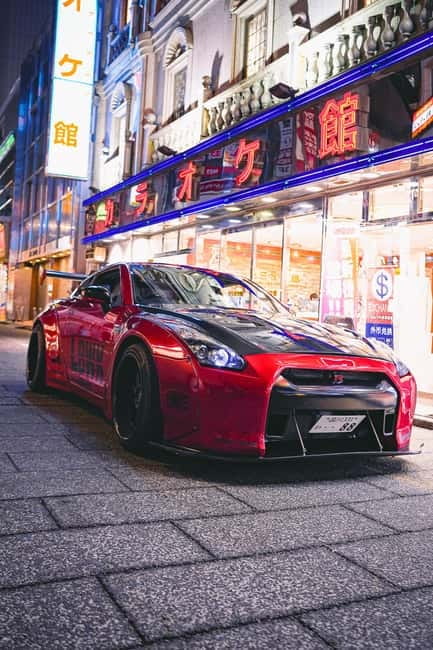
If this tour has a headline, it’s Daikoku Parking Area. The vibe there is the whole reason many people book the night: the engines, the polished builds, the energy of a crowd that’s here for the same reason you are.
You’ll get a photo stop and then about one hour on site. That’s enough time to:
- walk and take photos without feeling trapped
- spot different cars and styles
- watch how the meet works as people arrive, park, and talk
This is also where the “movie scene” feeling clicks. One moment you’re moving through Tokyo streets; the next you’re standing inside a parking-lot world where tuned cars become the main characters. Several rides also include lineups of multiple incredible cars, which makes the whole environment feel like a coordinated showcase, not a random parking lot.
Safety note, but a good one: the experience is run responsibly. You’re not being thrown into chaos. You’re there to enjoy the atmosphere while your guide keeps things orderly and safe.
If weather turns rough, Tokyo still happens. Rain changes the look of reflections and lights, and the cars can look even more dramatic—but plan on spending a bit more time managing coats, bags, and camera protection.
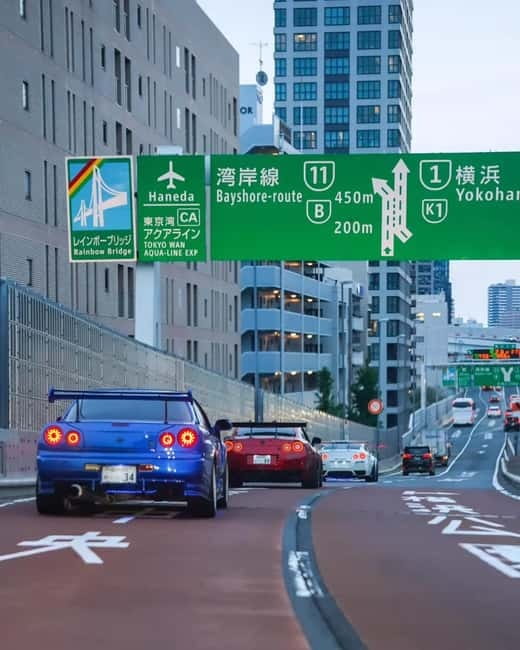
Wangan Expressway and Umihotaru: Highway Runs With Real Night Fuel
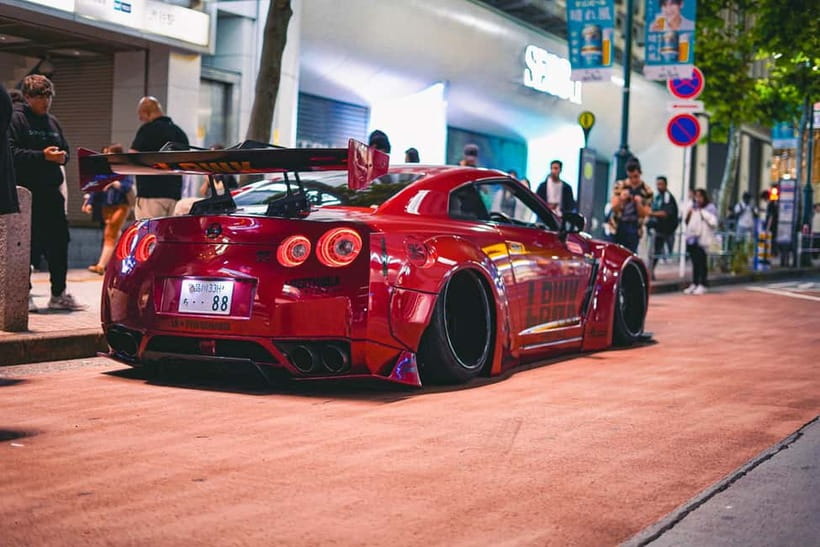
The tour’s heart is not just the stops. It’s the drive. You’ll spend time on Wangan Expressway, and the route includes Umihotaru Parking Area as well. This is where the ride earns its reputation: you’re not just looking at Tokyo—you’re moving through it with highway power and city glow all around.
A-PIT and Daikoku are the set pieces. The expressways are the connective tissue. They turn the tour from “a few locations” into a real night out.
In at least some cases, the route can include stretches that remind people of the Wangan C1-style loop culture from games and anime. You should think of it like this: once you’re on those roads, the car’s presence gets louder. Sound, acceleration feel, and the sense of speed all get more intense—still controlled, but unmistakably adrenaline.
Practical tip: keep your expectations flexible. Highway time can feel longer or shorter depending on traffic and the night’s flow. What stays consistent is that the driver is focused on safety and on hitting the right moments for photos and meet-up access.
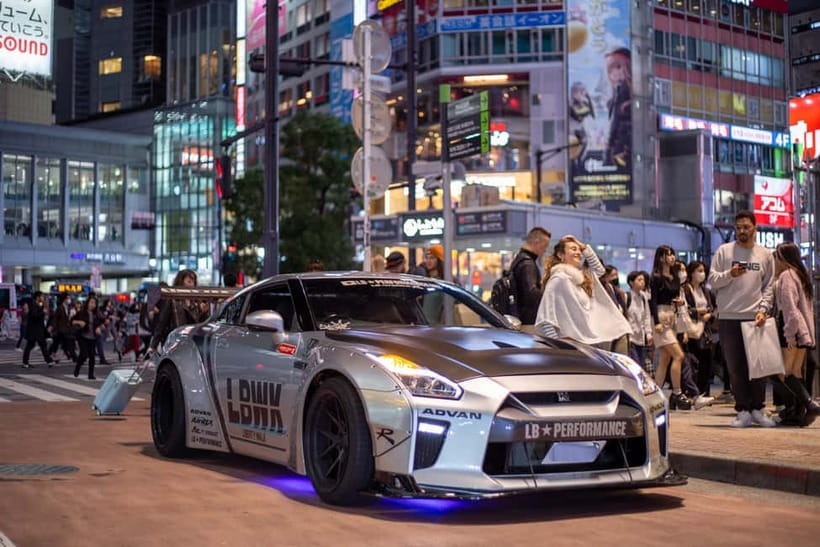
Shibuya Crossing, Rainbow Bridge, and Tokyo Tower: Landmark Photos Done Right
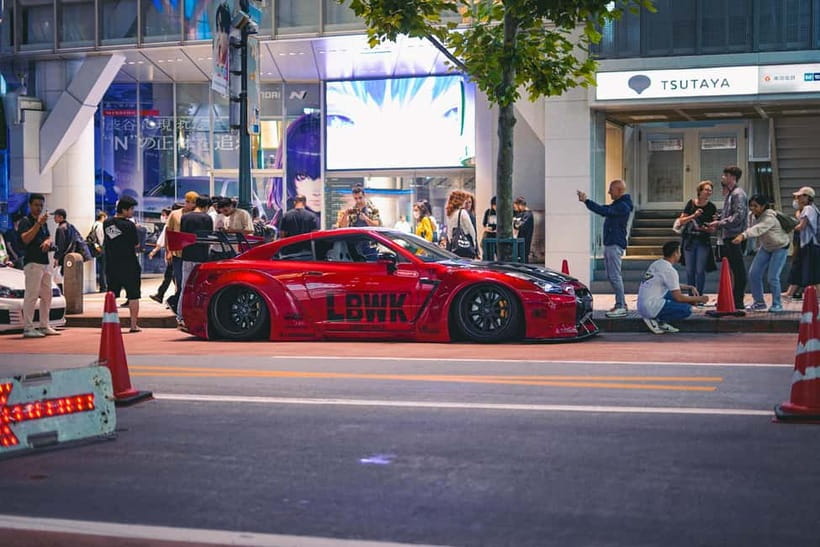
The tour doesn’t pretend Tokyo is only cars. It gives you the best-known city images too—then ties them back to the JDM theme by letting you experience them from the passenger seat of a tuned machine.
You’ll include stops for:
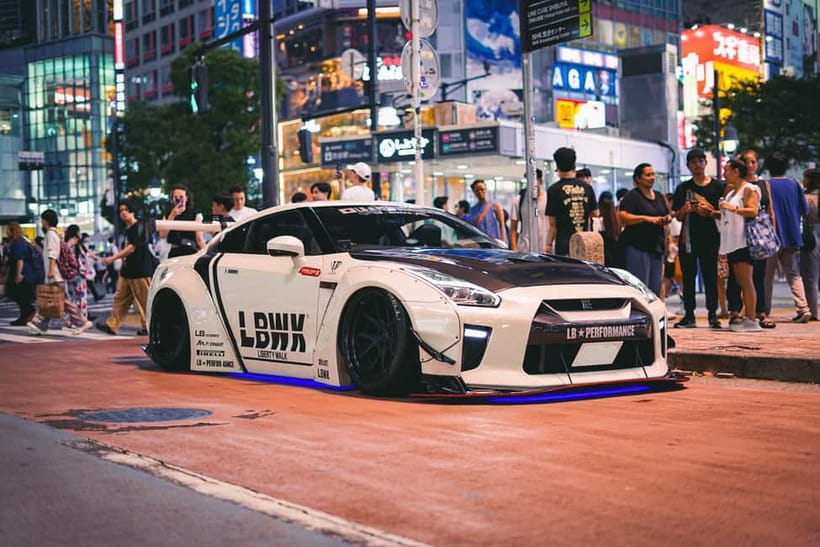
- Shibuya Crossing (iconic Tokyo photo energy)
- Rainbow Bridge (brief photo stop)
- Tokyo Tower (photo stop)
The Rainbow Bridge stop is especially short—around one minute for photos—so don’t plan a long wander here. Treat it like a pop-in moment. Get your shot, soak up the view, then move on.
What I like about including these landmarks: you’re not just visiting “car places.” You’re linking the JDM night to Tokyo’s broader nighttime identity. That makes the whole experience feel more complete, especially if it’s your first or second night in the city.
Your Guide Matters: Translation, Car-Culture Context, and Calm Confidence
This is a guided experience with a local driver, and the guidance includes English or Japanese support plus cultural explanations about Japan’s car scene. That matters a lot because the difference between a cool drive and a genuinely good tour is understanding.
In this program, guides are praised for being:
- smooth and highly skilled behind the wheel
- safety-conscious while still giving moments of excitement
- accommodating when it comes to getting shots and managing timing
- friendly and patient with questions
Some guide names that have shaped people’s nights include Lex, Takumi, Ruben (spelled both Ruben/Reuben in different cases), Haruto, Harrison, Julian, Arthur, and Tatsuya. The shared theme: they bring car-culture context, and they pay attention to comfort—like keeping the ride organized and letting you set your own small preferences when possible.
One practical tip: prepare 2-3 questions before you leave. Ask what you’re seeing at Daikoku, or how Japanese car culture treats builds and meet-ups. You’ll get more out of the night if you can steer the conversation a bit.
Price and Value: Why $316 Per Group Can Make Sense
Let’s talk value in real terms. The price is $316 per group, and the group size is up to 3 people. On paper, it sounds pricey. In practice, you’re paying for a very specific combination:
1) A private group experience
You’re not squeezed into a random bus vibe.
2) Tuned JDM vehicles only
The program explicitly avoids regular cars. That’s the core product.
3) Time at the real scene
Daikoku gets a dedicated hour, plus A-PIT time to browse and shop.
4) A guide who knows the night
Someone handling language, cultural context, and the rhythm of stops turns “drive around” into “Tokyo car night.”
Where the value is strongest: you’re a genuine car fan (or you’re traveling with one) and you want the night you can’t recreate on your own without planning and local know-how.
Where it can feel less worth it: if you mainly want sightseeing and you’d rather go at your own pace, this tour is less flexible. Also, if your top priority is daylight culture sites, this is more about nighttime motion and car atmosphere.
Who This Tour Is For (and Who Might Prefer Another Plan)
I’d steer you toward this tour if you match any of these:
- You love Nissan GT-Rs, JDM builds, or classic Japanese sports cars
- You want Tokyo at night in a way that feels hands-on, not just viewed
- You’ll enjoy taking photos from the passenger seat and then matching them to what you see at Daikoku
It can also be a great “trip highlight” for mixed groups. One person can care about cars, another can enjoy the skyline landmarks (Shibuya, Rainbow Bridge, Tokyo Tower) and the high-energy atmosphere. Just know: the driving and car stops are the main event.
I might suggest a different kind of tour if you:
- hate highway driving or want slow walking tours
- only care about history and museums (this isn’t that style)
- expect long time at each landmark (some stops are brief by design)
Should You Book This Daikoku JDM Tour?
If you’re planning a Tokyo trip and you want one night that feels like a scene from Tokyo car culture, I’d book it. The biggest reason: you’re not just watching Daikoku—you’re riding there in a tuned JDM car, with a guide who keeps the pace safe and the experience fun.
Book it especially if:
- you can name your preferred car (R34 fans in particular tend to feel very happy)
- you want the A-PIT + Daikoku combination, not just one of the two
- you’re okay with a structured route and fixed photo moments
Skip it if you’re looking for a low-cost, flexible “see everything” sightseeing day. This is a specialty experience, and it works best when your priorities match its strengths: JDM cars, Tokyo night roads, and the real Daikoku meet atmosphere.
FAQ
What’s the duration of the Shibuya City: Daikoku PA GT-R tour?
The tour lasts between 150 and 210 minutes, depending on the starting time you choose.
What cars are available for this experience?
The tour offers Nissan GT-R options including R35, R34, R33, and R32, and a JZA80 Supra is also available.
Can I request a specific car?
Yes. You can send your car preference when booking.
Is this a self-drive car rental or taxi service?
No. This is not transportation, a taxi, or a car rental. You ride with the local driver as a guided passenger experience.
Where are the pickup and drop-off points?
Pickup and drop-off can be at Tokyo Station or Sakura Clinic, depending on the option booked.
Do I need to speak Japanese?
No. The tour includes a live guide with English and Japanese support.
Is the tour private?
Yes. It’s offered as a private group experience.
What do we do at A-PIT Super Autobacs?
You get break time, a photo stop, time to walk around, free time, shopping, and sightseeing (about 30 minutes).
How long do we spend at Daikoku Parking Area?
You’ll have about 1 hour at Daikoku Parking Area, including a photo stop and time to visit.
What landmarks are included in the drive?
You’ll see highlights like Shibuya Crossing, Rainbow Bridge, and Tokyo Tower, with photo stops included.
Is there free cancellation?
Yes. You can cancel up to 24 hours in advance for a full refund.