REVIEW · TOKYO
Tokyo/Ikebukuro Manga lesson by acitive pro-Manga artists
Book on GetYourGuide →Operated by MANGA DOJO TOKYO · Bookable on GetYourGuide
Two hours and you’re making your own manga page. This Tokyo workshop near Ikebukuro pairs active professional manga artists with hands-on drawing using industry tools, plus an English interpreter when you need it. I like the fact that it is taught by people currently working in manga, not just hobbyists. I also like that you build an original character and leave with a short story comic you created in class.
One thing to weigh: for $127, you get guidance and practice, but it is still only a 2-hour session. If you’re expecting deep, step-by-step instruction for every detail of advanced manga technique, you might feel it’s more of a strong start than a full masterclass.
In This Review
- Key takeaways at a glance
- Ikebukuro Manga Lessons Start Right Where Pop Culture Lives
- Choose the Right Course Level (Beginner, Intermediate, Advanced)
- What Happens in the 2 Hours: Manga Talks, then Real Drawing
- The Tools Matter: G Pen, Screen Tone, and Manga Paper
- Creating Original Characters and a Short Comic (Yes, You’ll Draw)
- English Support and the Pro Perspective (Akari and Kazuo Maekawa)
- What You Get to Take Home (and Why It’s More Than a Souvenir)
- Price and Value: Is $127 for 2 Hours Fair?
- Who This Works Best For (and When to Skip)
- Should You Book the Tokyo/Ikebukuro Manga Lesson?
- FAQ
- How long is the manga lesson?
- Where is the class held?
- How much does it cost?
- Do I need to know how to draw manga before I go?
- Is there an English interpreter?
- What supplies are included?
- Is food included?
- FAQ
- Is the venue wheelchair accessible?
- What are the course time options?
Key takeaways at a glance
- Near Ikebukuro and Animate: easy to pair with an anime and manga shopping stop.
- Small groups (up to 8): more time to ask questions and get feedback.
- Working pros lead the lesson: you can ask about real manga work and day-to-day career life.
- You draw with real tools: G pen and screen tone style materials are part of the kit.
- Course levels you can match: beginner for kids, intermediate for sketchers, advanced for story and layout.
- English interpretation included: translation support is built into the experience.
Ikebukuro Manga Lessons Start Right Where Pop Culture Lives
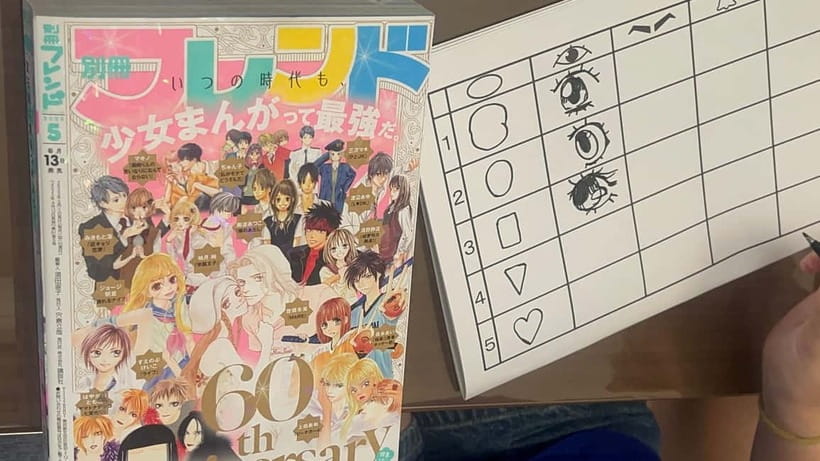
This class is set up in the Ikebukuro area, held at a venue near Animate. That matters because it keeps the workshop feeling grounded in real Japanese pop culture, not tucked away somewhere hard to find. If you’re already planning to spend time in Ikebukuro for anime shopping, it’s a natural fit.
Timing also helps. It runs in a tight 2-hour block each day, so you can treat it like a focused creative activity rather than a half-day commitment. You’re also not stuck in a huge lecture setting. The group is small, limited to 8 participants, which gives you a better shot at asking questions (and not vanishing behind the back row).
There’s also a nice mix of who this works for. The program is designed for both children and adults, and the course level is what decides how technical things get.
You can also read our reviews of more tours and experiences in Tokyo


Choose the Right Course Level (Beginner, Intermediate, Advanced)
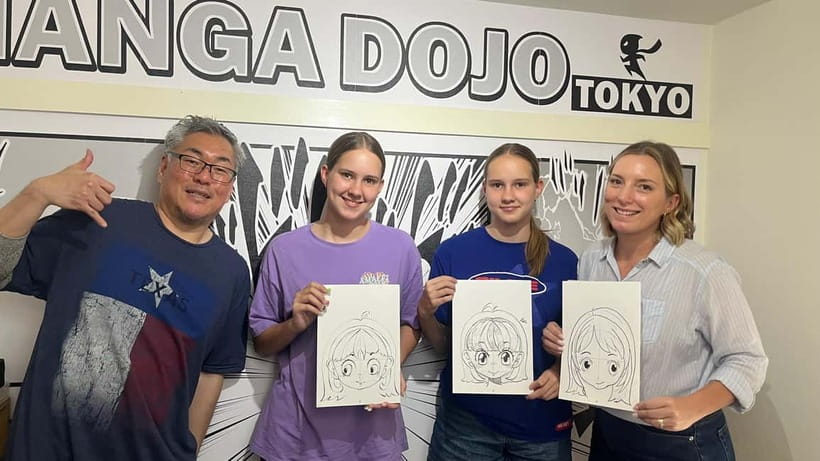
One of the best parts of this experience is that it does not force everyone into the same skill track. You pick from three levels, and the class content shifts accordingly.
Beginner course (10:00–12:00)
This is aimed at children (junior high and younger) and families. You’ll focus on the basics of character drawing and simple manga techniques in a kid-friendly way. If you have little experience, this is usually the safest bet.
Intermediate course (13:00–15:00)
This is for high school students and adults with some drawing experience, at least as a hobby. Expect more on character design, chibi character drawing, and creating a 4-panel yonkoma comic. If you already know how to hold a pencil and want to turn that into a short, structured story, this level is well-matched.
Advanced / Professional course (15:00–17:00)
This track is for advanced learners and aspiring professionals. Here, you’ll get into panel layout & storyboarding, plus anatomy and facial expressions. You also get career-focused instruction and Q&A with the professional artist running the session.
My practical advice: don’t overthink it. If you’re unsure, choose the level that’s most likely to keep you engaged for the whole 2 hours. Being comfortable is how you learn faster.
What Happens in the 2 Hours: Manga Talks, then Real Drawing
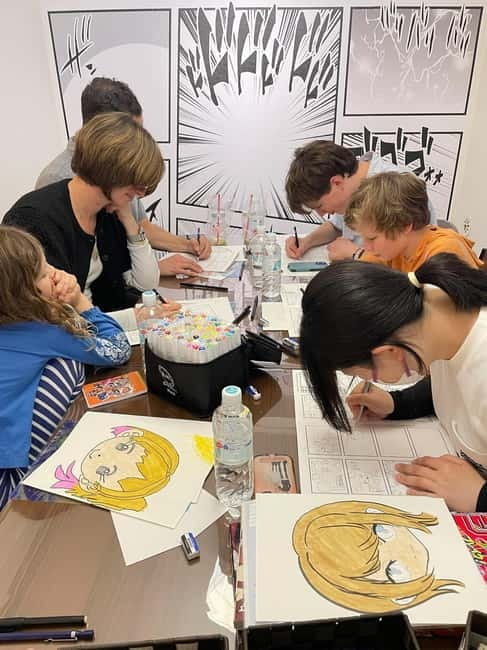
The workshop is built around two phases: first, a guided introduction to manga culture and how working artists actually approach the craft. Then you shift into making your own manga with professional tools.
In the opening portion, you should expect an explanation of manga history and culture in a way that connects to what you’ll do on paper later. The class is also framed around behind-the-scenes realities: how manga artists make a living and what their daily workflow can look like. That’s the sort of context you rarely get when you just watch anime or read comics.
Then you move into the drawing portion. There’s a clear “watch, then try” rhythm: you learn how to sketch key parts of a character, then you build your own character and short comic. The format also encourages group activity, which helps if you’re traveling solo or with kids and you want everyone engaged.
Because the session is only two hours, the class is designed to get you producing something tangible quickly, not to take you through an entire multi-page comic like you’d see in a formal art program.
The Tools Matter: G Pen, Screen Tone, and Manga Paper
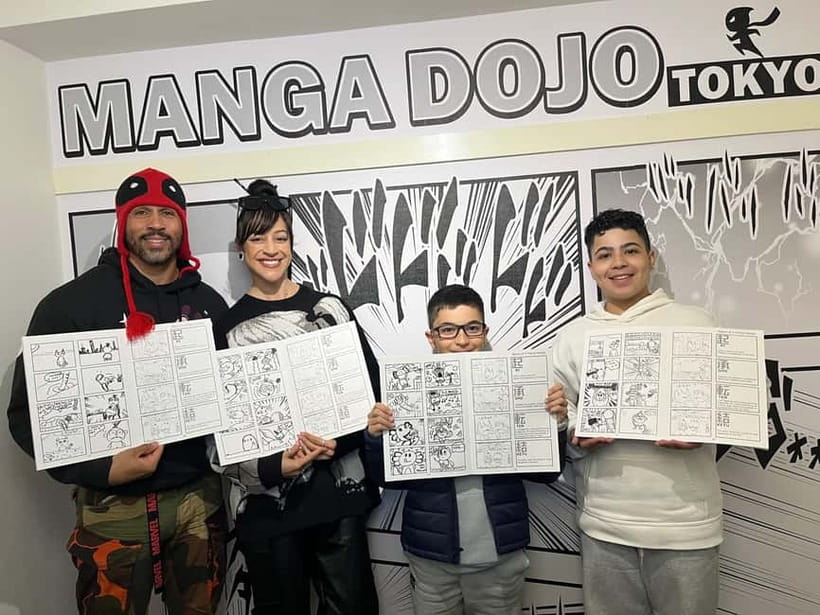
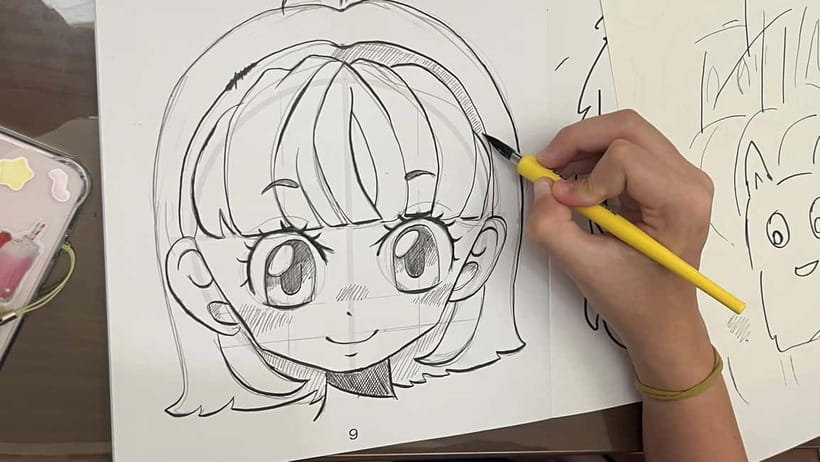
This is not a generic drawing class with basic pencils. You’ll use a toolkit designed for manga-style inking and finishes. The experience includes equipment like G pen and screen tone materials, plus manga paper and other drawing supplies.
Why that’s valuable: manga tools push you into the style quickly. A G pen line looks different from a soft pencil stroke. Screen tone adds shading and texture without requiring you to invent every gradient by hand. Even if your first page isn’t perfect, you’ll understand what makes manga art look like manga art.
Also, having tools provided removes one of the biggest travel friction points. You don’t need to bring supplies from home or figure out what to buy in Tokyo. You just show up and start drawing.
Creating Original Characters and a Short Comic (Yes, You’ll Draw)
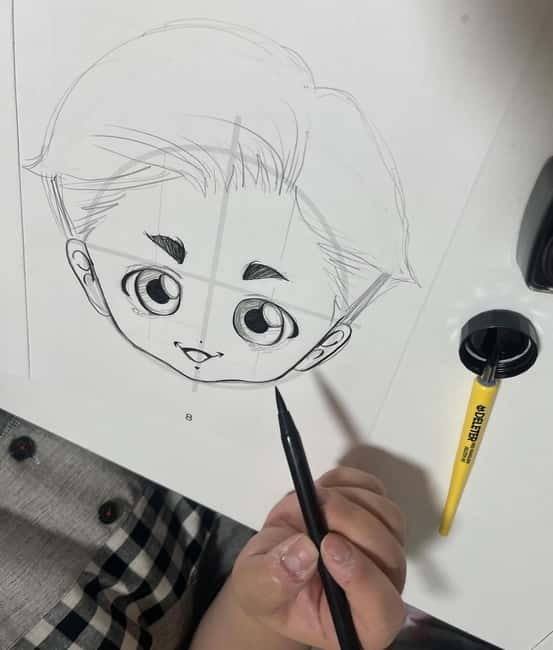
You won’t just trace a sample. The workshop is built around creating your own original manga characters and then turning them into a short story comic.
Depending on the course level, you may create different types of comics:
- In intermediate, there’s an emphasis on building a 4-panel yonkoma comic.
- In beginner, you focus on character drawing basics and simpler manga techniques.
- In advanced, the class leans toward panel layout, storyboarding, and stronger control of expressions and structure.
A fun practical detail: in at least one class setup, the instructor walked students through step-by-step character drawing, then moved into a playful draw-along. That kind of progression keeps the lesson from feeling abstract.
If you want something to take home, aim to stay present during the early demonstrations. The best payoff comes when you understand the “why” behind the first strokes—then your later panels make more sense.



English Support and the Pro Perspective (Akari and Kazuo Maekawa)
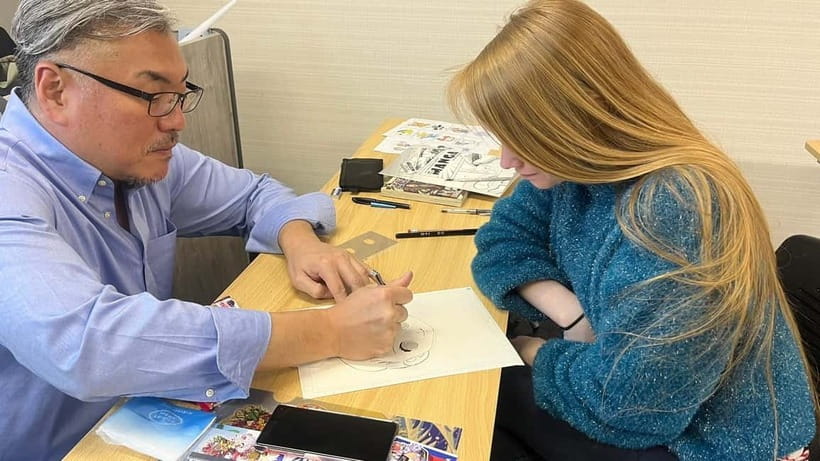
Language support is built in, with an English interpreter present during the class. The names that show up most clearly in the experience are Akari as the translator and Kazuo Maekawa as the instructor.
That matters because manga is full of tiny vocabulary and technique terms. Even if you’re not fluent, translation helps you connect the instructor’s instructions to what you’re seeing on the paper. You can ask questions without feeling like you have to guess.
This is also where the “working pro” angle really shows. In the advanced/professional track especially, you’ll get career guidance and Q&A. You’re not just learning how to draw; you’re learning how manga artists talk about their work, their decisions, and the path that gets you published.
If you like the idea of learning art and hearing real industry-life answers, this workshop hits that sweet spot.
What You Get to Take Home (and Why It’s More Than a Souvenir)
The included “gift” isn’t just a token. Since you’re drawing on the workshop materials, the real take-home value is your own finished work plus the confidence that you can keep going.
At the end, you’ll receive a small gift by the manga artist. That’s a nice touch, especially for kids or anyone who likes collecting Tokyo craft experiences.
More important than the gift: you’ll walk out with a sense of structure. Even a short 2-hour comic teaches pacing across panels, how expressions change a character, and how shading can give a drawing immediate manga texture.
Price and Value: Is $127 for 2 Hours Fair?
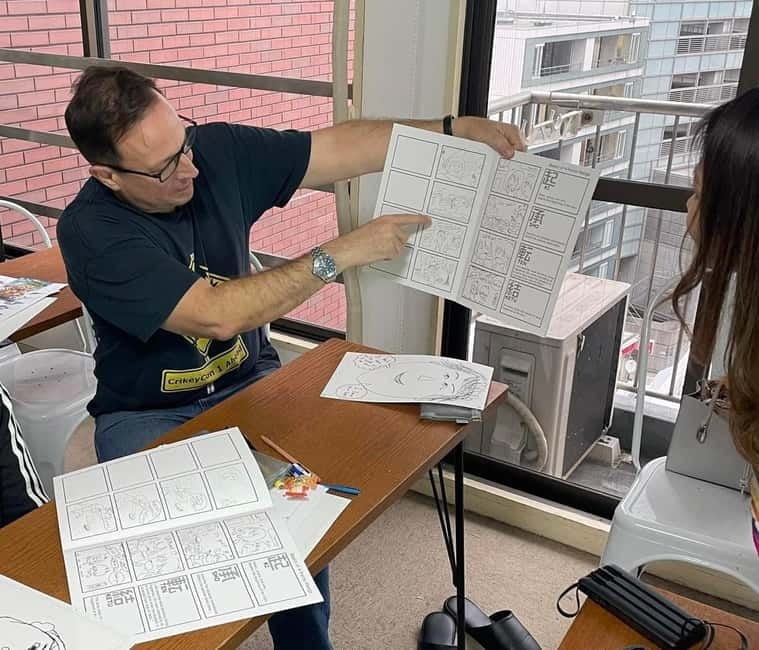
Let’s talk straight about money. $127 per person for a 2-hour class is not a budget activity. One reason it can still feel worth it is that the experience includes key extras many art classes charge for separately:
- professional-level instruction from active manga artists
- all equipment for manga drawing
- English interpretation during the class
- small group size (limited to 8)
You’re also paying for a specific outcome: you create an original character and a short manga comic in a set time. That kind of goal-driven structure is easier to justify than an open-ended drop-in workshop.
That said, one fair consideration is what you can realistically learn in two hours. You’ll get techniques and practice, but you’re not likely to leave with the kind of deep, repeatable mastery you’d expect from a long-term art program. If you want serious technique development, treat this as the spark that tells you what to practice next.
Who This Works Best For (and When to Skip)
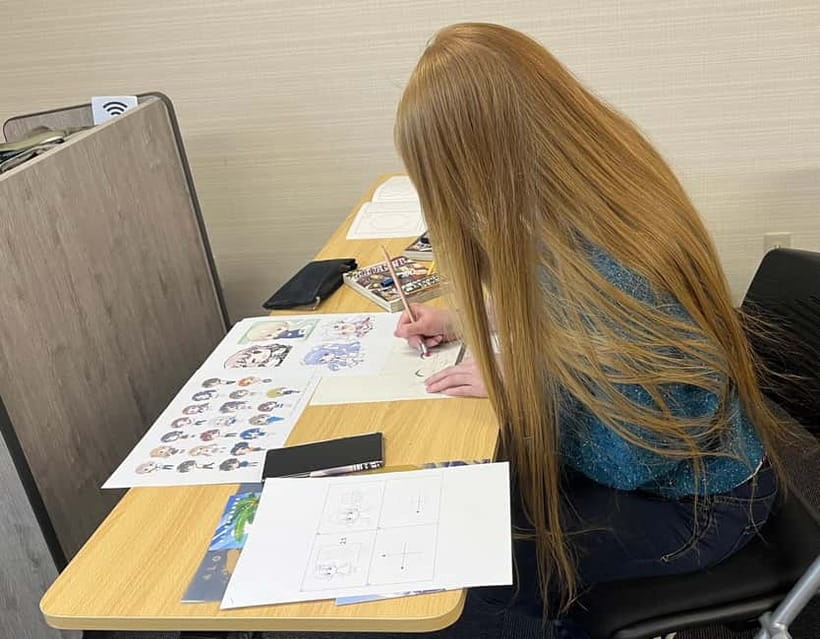
This workshop fits best when you want an efficient, guided creative experience.
It’s especially good if you:
- love manga and want to understand how the art gets made
- want an activity for a trip day that isn’t a museum crawl
- are traveling with kids or teens who can handle a structured drawing session
- prefer small group interaction over a large class
It may be less ideal if:
- you want advanced professional portfolio-level instruction in one short session
- you’re expecting an unlimited supply of time for detailed correction on every single drawing element
Also note the provided suitability details. The info says the venue is wheelchair accessible, but it also lists that it is not suitable for wheelchair users. That conflict means you should confirm directly before booking, especially if mobility access is a deciding factor.
Finally, children under 5 years are listed as not suitable. If you’re traveling with very young kids, plan on a different activity.
Should You Book the Tokyo/Ikebukuro Manga Lesson?
Book it if you want a fun, structured creative experience near Ikebukuro that gives you professional tools, English support, and a real sense of how working manga artists think. The small group size and the pro-led Q&A are the parts that make this feel like a genuine Tokyo experience rather than a generic art activity.
Skip it (or choose your expectations carefully) if you’re chasing deep technical training over many sessions. This is a strong start: you’ll make something, learn the basics in the style, and leave with a clearer idea of what to practice next.
If you’re on the fence, a simple decision rule helps: pick the course level that matches your current drawing comfort. You’ll get more out of the lesson when you’re not fighting the pace.
FAQ
How long is the manga lesson?
The workshop lasts 2 hours.
Where is the class held?
It’s held at a venue near Ikebukuro, right next to Animate. The exact meeting point may vary depending on the option booked.
How much does it cost?
The price is $127 per person.
Do I need to know how to draw manga before I go?
No experience is required. You can choose a course level based on your comfort, from Beginner to Advanced/Professional.
Is there an English interpreter?
Yes. English interpretation is provided during the class, and the instructor can also use English and Japanese.
What supplies are included?
The experience includes all equipment for manga drawing, such as manga drawing tools (including G pen and screen tone-style materials) plus manga paper.
Is food included?
No. Food and drinks are not included.
FAQ
Is the venue wheelchair accessible?
The information says the venue is wheelchair accessible, but it also states it is not suitable for wheelchair users. It’s best to confirm directly before booking if this affects you.
What are the course time options?
You can choose sessions at:
- 10:00–12:00 for Beginner
- 13:00–15:00 for Intermediate
- 15:00–17:00 for Advanced/Professional