REVIEW · NARITA
[Narita Airport Terminals 1, 2] 40-60km Sawara Itako Historic Bike Tour
Book on Viator →Operated by Narita Cycling Tour · Bookable on Viator
A bike ride outside Tokyo can feel like a secret shortcut. This one works especially well around Narita because you get countryside roads, Edo-period streets, and a famous shrine in just a half-day. It’s also built for people with limited time, including those with a pre-flight connection.
I really like two things here: first, the ride along the Tone River Cycling Road is described as flat and beginner-friendly, so you get views without turning the day into a leg-burn. Second, the stops are practical and meaningful—Sawara for an Edo-style town walk and Katori Jingu for a calm visit to a well-known power spot.
The one drawback to think about is pacing: this is a 4–6 hour, 40–60 km style outing, and lunch costs extra and can be skipped if time is tight. If you want a long sit-down meal or a slower, lingering day, you’ll need to plan for that up front.
In This Review
- Key highlights worth marking on your map
- A flat river ride that turns a Narita day into real Japan
- Price and value for a private half-day cycling tour
- Pickup reality: Inzai hotels and Narita Terminal 1/2
- Timing for real layovers: connect with at least 5 hours
- First stop at Hakko no Sato Kozaki and Road Station Kanzaki
- Riding the Tone River Cycling Road: flat, steady, and doable
- Sawara Historic Town: Edo-period streets with a visitor center start
- Katori Jingu Shrine: a focused power-spot pause
- The return ride and Michi-no-Eki Hakkonosato Kozaki snacks
- Lunch planning: not included, but arranged to match your request
- What’s included for comfort, and what you should bring
- Who this tour suits best (and who may want to adjust expectations)
- Should you book this Narita cycling tour?
- FAQ
- What’s the duration of the bike tour?
- How far will we cycle?
- Is lunch included in the price?
- What’s included with the bike and gear?
- Where can the pickup happen?
- Can I join the tour if I’m starting from Tokyo?
- Is this tour suitable if I’m not a strong rider?
- What happens if it rains?
Key highlights worth marking on your map
![[Narita Airport Terminals 1, 2] 40-60km Sawara Itako Historic Bike Tour - Key highlights worth marking on your map](https://b.tokyosights.com/wp-content/uploads/narita-airport-terminals-1-2-40-60km-sawara-itako-historic-bike-tour-1.jpg)
- Flat Tone River route that keeps the ride comfortable even if you’re not a hard-core cyclist
- Private, small-group format (up to 4) with flexible course length and schedule
- Edo-period Sawara town time plus a shortcut to the right places via a visitor center start
- Katori Jingu as a focused 30-minute shrine stop at a famous power spot
- Fermented food shopping (including salmon) on the way back at the roadside station area
- Airport-ready touring with hotel pickup and Narita Terminal 1/2 pickup options
A flat river ride that turns a Narita day into real Japan
![[Narita Airport Terminals 1, 2] 40-60km Sawara Itako Historic Bike Tour - A flat river ride that turns a Narita day into real Japan](https://b.tokyosights.com/wp-content/uploads/narita-airport-terminals-1-2-40-60km-sawara-itako-historic-bike-tour-2.jpg)
This tour is timed for how many people actually travel: you land at Narita, you need a few hours that aren’t just shopping or standing in lines, and you still want it to feel like Japan. The route is designed around the Tone River cycling road, and the big promise is simple—easy riding. That matters because hills can turn a “pleasant afternoon” into a sweaty stress test, especially in humidity.
I also like that the day has built-in variety. You start near a roadside station area, move through a historic-town setting in Sawara, and then shift gears to the quieter mood at Katori Jingu Shrine. That mix makes the tour feel like more than a transportation workaround.
Finally, it’s private and adjustable. The tour can be matched to families and couples, and the guide can tweak the distance and timing so you don’t feel like you’re on rails.
You can also read our reviews of more tours and experiences in Narita.


Price and value for a private half-day cycling tour
![[Narita Airport Terminals 1, 2] 40-60km Sawara Itako Historic Bike Tour - Price and value for a private half-day cycling tour](https://b.tokyosights.com/wp-content/uploads/narita-airport-terminals-1-2-40-60km-sawara-itako-historic-bike-tour.jpg)
The price is $97.98 per person, and for that you’re not just renting a bike. You get bicycle use, a helmet, gloves and cycling wear, and bottled water. You also get pickup options (from the Inzai/Narita area hotels, and from Narita Airport Terminal 1/2).
When I compare value, the biggest difference here is the “private” part. This isn’t a crowded group bus ride where you spend the day stuck behind other people. It’s one group per day with a maximum of four people, so the guide can slow down, shorten the route, or reshape the day to fit your energy level and your flight timing.
Two costs to keep in mind:
- Lunch is not included.
- Sneakers are not included. If you need shoes, plan to bring your own.
If you’re traveling solo or as a couple, the price can feel especially fair because you’re paying for your own tailored movement through the countryside—not just a basic guided walk.
Pickup reality: Inzai hotels and Narita Terminal 1/2
Meeting points are flexible, and that’s a big reason this tour works for airport travelers. Pickup is offered from your hotel in Inzai/Narita, and there’s also pickup at Narita Airport Terminal 1 and 2.
If you’re starting from Tokyo instead of the airport, you can meet at Chiba New Town Chuo Station, about 40 minutes from Asakusa by train. That’s useful if you want to build a full Tokyo-to-Narita travel day rather than just doing a quick airport loop.
Either way, you’ll want to share your arrival details in advance so the guide can match your start time. The tour is designed to be adjustable, but it can’t work magic if your timing arrives late.
Timing for real layovers: connect with at least 5 hours
![[Narita Airport Terminals 1, 2] 40-60km Sawara Itako Historic Bike Tour - Timing for real layovers: connect with at least 5 hours](https://b.tokyosights.com/wp-content/uploads/narita-airport-terminals-1-2-40-60km-sawara-itako-historic-bike-tour-4.jpg)
This tour is one of the few cycling options that explicitly aims at transit travelers. You can connect at Narita Airport, but the stated minimum transit time is 5 hours. That’s the sweet spot where you’re not rushing, and you still have buffer for pickup, gear, and the ride itself.
There’s also seasonal timing nuance: there’s a note about TV news coverage from May 20 to May 26, 2025. During that window, a 20% discount is offered depending on your cooperation with the coverage, and it’s limited to one group per day.
Practical advice: if you’re traveling during those dates and you care about the discount, plan on responding quickly and cooperating, since it’s limited.
First stop at Hakko no Sato Kozaki and Road Station Kanzaki
![[Narita Airport Terminals 1, 2] 40-60km Sawara Itako Historic Bike Tour - First stop at Hakko no Sato Kozaki and Road Station Kanzaki](https://b.tokyosights.com/wp-content/uploads/narita-airport-terminals-1-2-40-60km-sawara-itako-historic-bike-tour-5.jpg)
The tour starts cycling from the Hakko no Sato Kozaki / Road Station Kanzaki area. Expect about 20 minutes at the start point area, and admission is free for that segment.
What I like about a roadside-station start is simple: it helps you get your bearings fast. You’ll have a quick moment to settle in before the riding. Road station spots in Japan often feel like a local hub—snacks, small goods, and a sense of where the community actually spends time.
A possible consideration: if you’re arriving very early to the meeting point, you may want to keep your expectations realistic about basic services nearby. Still, it’s a sensible first leg because you’re not committing to a long ride before you’re ready.



Riding the Tone River Cycling Road: flat, steady, and doable
![[Narita Airport Terminals 1, 2] 40-60km Sawara Itako Historic Bike Tour - Riding the Tone River Cycling Road: flat, steady, and doable](https://b.tokyosights.com/wp-content/uploads/narita-airport-terminals-1-2-40-60km-sawara-itako-historic-bike-tour-6.jpg)
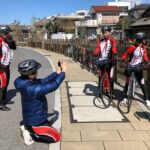
The heart of the day is the cycling along the Tone River Cycling Road toward the estuary. The route is described as flat, which is the key point for most people.
Even if you’ve only biked occasionally, flat roads make it easier to:
- keep a comfortable pace,
- avoid the mental stress of big climbs,
- enjoy the scenery without white-knuckling the handlebars.
The tour uses a cross bike and includes helmet, gloves, and cycling wear. That helps you show up with less gear and less worry. Still, you should bring a realistic mindset: you’re riding for hours, not doing a 30-minute photo stroll.
Also, the tour duration is 4 to 6 hours and the ride distance is described as 40–60 km. That range gives the guide room to adjust, but it’s still a meaningful half-day effort.
Sawara Historic Town: Edo-period streets with a visitor center start
![[Narita Airport Terminals 1, 2] 40-60km Sawara Itako Historic Bike Tour - Sawara Historic Town: Edo-period streets with a visitor center start](https://b.tokyosights.com/wp-content/uploads/narita-airport-terminals-1-2-40-60km-sawara-itako-historic-bike-tour-7.jpg)
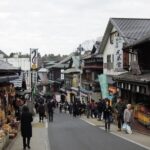
After the river portion, you head into Sawara. The stop is the Sawara Historic Town Visitor Center, with about 30 minutes for an Edo-period cityscape walk, plus free admission.
This is where the day turns from movement to atmosphere. Sawara’s reputation comes from its preserved feeling—streets and town layout that evoke an older era. A visitor center stop is also practical: it helps you orient quickly and know what you’re looking at without spending the whole hour wandering randomly.
What might limit your enjoyment is time pressure. Thirty minutes is enough for highlights, but if you’re the type who likes slow, detailed wandering, you’ll probably feel like you could spend longer. The good news: the tour course is adjustable, so you can ask for more town time if your schedule allows.
Katori Jingu Shrine: a focused power-spot pause
![[Narita Airport Terminals 1, 2] 40-60km Sawara Itako Historic Bike Tour - Katori Jingu Shrine: a focused power-spot pause](https://b.tokyosights.com/wp-content/uploads/narita-airport-terminals-1-2-40-60km-sawara-itako-historic-bike-tour-8.jpg)
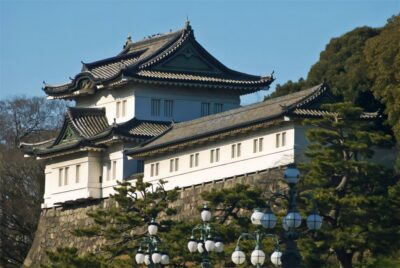
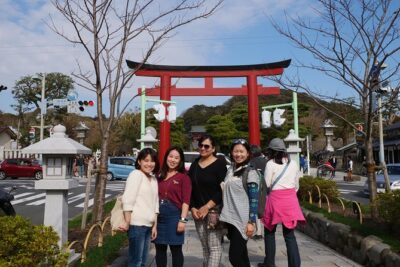
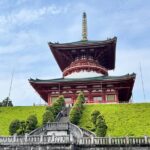
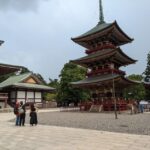
Next up is Katori Jingu Shrine, with about 30 minutes allocated for your visit. It’s described as a nationally-built shrine and a famous power spot, and admission here is free.
This stop works as a mental reset. After riding and walking in historic-town context, you get a calmer rhythm—breathing room, space to slow down, and a chance to experience a shrine setting without needing a full day of temple-hopping.
A practical note: since time is set for a 30-minute visit, I’d treat it like a thoughtful stop rather than a deep, read-every-sign experience. If you enjoy structure, this is a good length. If you’re very detail-oriented, you’ll likely want more time.
The return ride and Michi-no-Eki Hakkonosato Kozaki snacks
The final riding segment loops back to Michi-no-Eki Hakkonosato Kozaki, where cycling ends. Expect about 30 minutes there, with free admission.
This is where the day becomes useful for packing souvenirs. The roadside station area is known for fermented foods from across Japan, including salmon. If you’re shopping for edible gifts, this part gives you a straightforward payoff.
The vibe here is different from the shrine or the historic streets. It’s practical and food-focused. If you’re trying to keep your travel day light, this is still a manageable stop because it’s short and centered on shopping.
Lunch planning: not included, but arranged to match your request
Lunch is a key point with this tour: lunch is not included in the tour price. However, the guide says they can prepare a lunch destination based on your request.
That flexibility matters because it helps you avoid the common problem of touring on a half-day schedule: you don’t want to lose the best riding hours hunting for food. You can also skip lunch if time constraints are tighter.
From experiences shared about this ride, the guide has handled lunch changes on the spot and adjusted options to match the moment—like switching to a cold udon style meal in warmer weather. On hot days, small extras may show up too (for example, fruit popsicles), which is exactly the kind of thoughtful comfort that makes a ride feel cared for.
Budget advice: set aside money for lunch and treat it as part of your planning, not a surprise. If you want to stay frugal, decide early whether you’ll skip lunch and just go for snacks at the roadside station.
What’s included for comfort, and what you should bring
Included in the tour:
- bicycle use
- helmet, gloves, and cycling wear
- bottled water
Not included:
- lunch
- sneakers
So what should you bring?
- Your own sneakers (or suitable walking shoes), since the tour doesn’t provide them.
- A normal water mindset even though bottled water is included—if you’re sensitive to heat, you’ll appreciate more hydration after the tour too.
- Basic comfort gear like sunscreen and lightweight layers if it’s humid, since this area can get warm.
There are also some participation guidelines:
- Riders generally need to be over 140 cm (4.6 ft).
- Anyone under 17 needs to be accompanied by an adult.
- It’s best if you already have some bicycle experience, though the route is designed to be manageable.
One more timing-related factor: the experience requires good weather, and rain can trigger a full refund process. In plain terms: you’re planning a day outdoors, so weather matters.
Who this tour suits best (and who may want to adjust expectations)
This is a great match if you:
- want a low-drama cycling day with mostly flat riding,
- like seeing historic towns without heavy tourist crowds of a full-day sightseeing loop,
- have a pre-flight window and want your time to feel real,
- enjoy private guiding and flexible pacing.
It also fits road cycling fans in a specific way: riders who like the feel of real roads often enjoy getting outside the usual city route and into quieter countryside.
Where you might want a different option:
- If you’re expecting lunch included, you’ll need to budget for it.
- If you want a slow, stay-forever historic exploration, the time blocks are tighter.
- If you’re traveling with big mobility constraints or you need very specialized support, the tour data here only says “most travelers can participate,” so you should double-check your needs with the provider before committing.
Should you book this Narita cycling tour?
If you’re looking at Narita and thinking, I need something that feels like Japan, this is a strong choice. The combination of flat riding, historic Sawara, and Katori Jingu makes it more interesting than just getting from airport A to station B. The private size—up to four people—also means you’re more likely to get the pacing you want, especially if you have kids or you’re traveling as a couple.
I’d book it if:
- you have at least 5 hours for a connection,
- you can handle 4–6 hours on a bike,
- you’re okay paying for lunch separately.
I’d think twice if you only want a short, gentle stroll or if your schedule can’t flex for weather. But if you’re the type who likes streets, rivers, shrines, and a practical local-food stop, this is exactly the kind of day that turns a transit day into a memory.
FAQ
What’s the duration of the bike tour?
The tour runs about 4 to 6 hours.
How far will we cycle?
The tour is described as 40–60 km.
Is lunch included in the price?
No. Lunch is not included, but the guide can prepare a lunch destination based on your request, and lunch can also be skipped due to time constraints.
What’s included with the bike and gear?
You get bicycle use plus a helmet, gloves, cycling wear, and bottled water.
Where can the pickup happen?
Pickup is available from hotels in Inzai/Narita. Pickup is also available at Narita Airport Terminal 1 and 2.
Can I join the tour if I’m starting from Tokyo?
Yes. You can meet at Chiba New Town Chuo Station, about 40 minutes from Asakusa by train.
Is this tour suitable if I’m not a strong rider?
The route is described as flat on the Tone River Cycling Road, making it easier for people who aren’t sure about their physical strength. You should still have experience riding a bicycle.
What happens if it rains?
The experience requires good weather. If it’s canceled due to poor weather, you’ll be offered a different date or a full refund. For rain cancellation, they contact you by 8:00 that morning.