REVIEW · TOKYO
Tokyo: Full-Day Japanese Garden Private Guided Tour
Book on GetYourGuide →Operated by JGA Inc. · Bookable on GetYourGuide
Garden days feel calmer with the right guide. This Tokyo private guided walking tour strings together Imperial Palace, Meiji-Jingu, and Shinjuku Gyoen into one smooth 6-hour day, led by a licensed local guide. I love the way you can shape the route to your interests and pace, and I love the pre-tour communication that helps guides plan efficient timing. The only downside is that you’ll cover a lot of ground using trains or taxis, and entrance fees, food, and some transport costs are not included.
Meet your guide at your hotel or at a station you request, with the person showing up about 10 minutes early on foot pickup. This is a walk-first style tour, but it can switch to public transport or taxi if your day needs it, and it runs rain or shine. For English speakers, you get support in English and Japanese.
One more thing I like is the flexibility: you can request what you want to see and build your day around your preferences with a customizable itinerary. Your booking isn’t always locked immediately, since your guide team confirms logistics after you book (often within a week), and they’ll keep working until close to your start time.
In This Review
- Key things you’ll notice on this Tokyo garden tour
- Entering Tokyo gardens with a real plan, not a map maze
- Meeting your guide: pickup timing that actually helps
- Imperial Palace garden: your morning starts in a controlled calm
- Meiji-Jingu area: shrine atmosphere plus a quieter garden pause
- Harajuku lunch break: power-up without derailing the day
- Shinjuku Gyoen: the style sampler you came for
- Swapping in other Tokyo gardens when you want a different flavor
- Transportation and walking reality checks (so the day feels good)
- Price and value: what $151 per person really covers
- Who should book this Tokyo garden private tour
- Should you book it? My decision guide
- FAQ
- How long is the Tokyo Japanese garden private tour?
- Is this a private tour and can I choose the route?
- Do I get pickup from my accommodation?
- Are entrance fees, food, and transportation included?
- Does the tour run in bad weather, and is it wheelchair accessible?
- When will I know my guide is confirmed, and what about cancellation?
Key things you’ll notice on this Tokyo garden tour
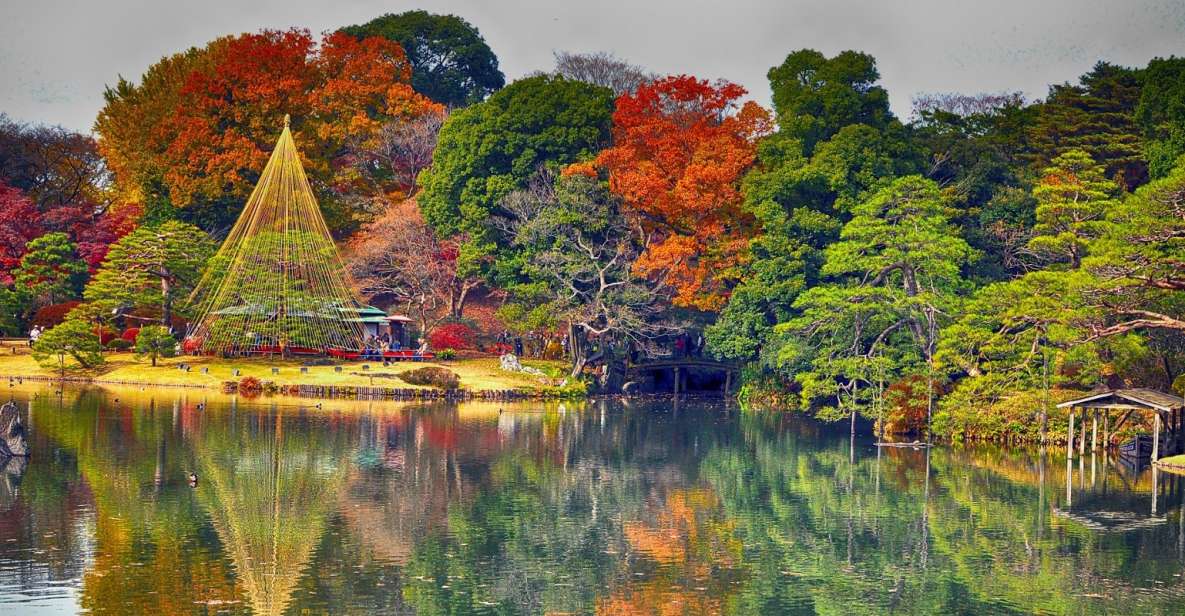
- A licensed guide who plans your route around your pace so you are not just rushing from gate to gate.
- Customizable garden choices if you want more quiet time, more viewing spots, or more variety.
- Efficient timing for seasonal crowd surges, like peak sakura when the same trees get swarmed.
- Shinjuku Gyoen’s style mix: Japanese garden, formal French garden with roses en masse, and an English landscape garden.
- Guides who add practical Tokyo value beyond gardens, including transport tips and food suggestions.
- Expect walking plus transit between sites, with optional taxi upgrades if needed.
Entering Tokyo gardens with a real plan, not a map maze
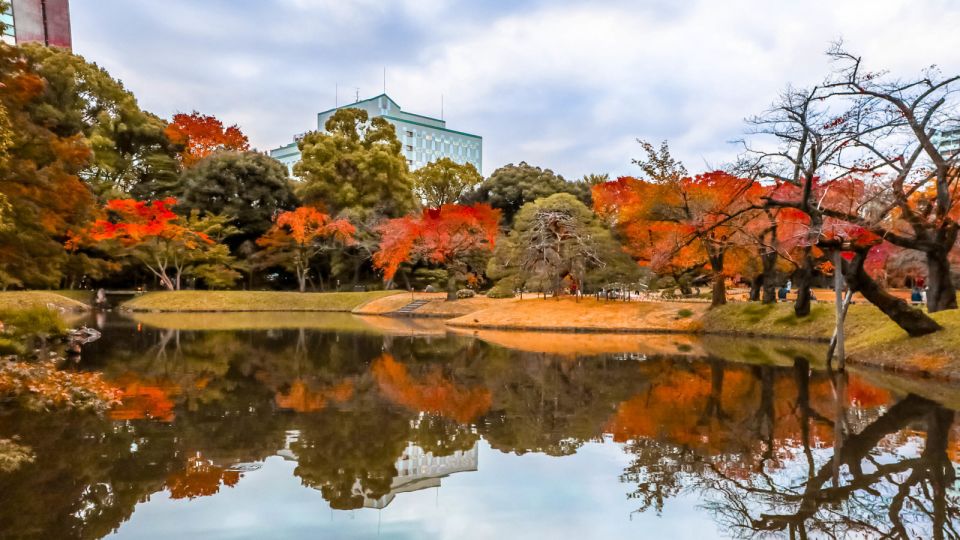
Tokyo’s gardens can be beautiful, but they can also be a time-sink if you do it solo. You may find yourself staring at a park brochure or guessing which path leads to the best viewpoint. With a private guide, the day becomes more intentional: the route connects the right stops, and the timing supports how long you actually want to linger.
The strongest part is how personal the pacing can be. Guides like Yoshi, Hiro, and Yoko (not just the concept of a guide) show up with that practical mindset: confirm what you want, then adjust the day so you do not feel trapped inside someone else’s checklist. That is especially helpful in high-demand seasons, when you want to see the same scenic trees everyone wants to see, but without losing half your day to bottlenecks.
Just know what you are signing up for. This is a 6-hour walking-focused experience with added public transport along the way. That can feel wonderful if you enjoy a full morning-to-afternoon rhythm. It can feel tiring if you expected a low-step stroller tour. Wear good shoes, and plan energy for a real sightseeing day.
You can also read our reviews of more guided tours in Tokyo


Meeting your guide: pickup timing that actually helps
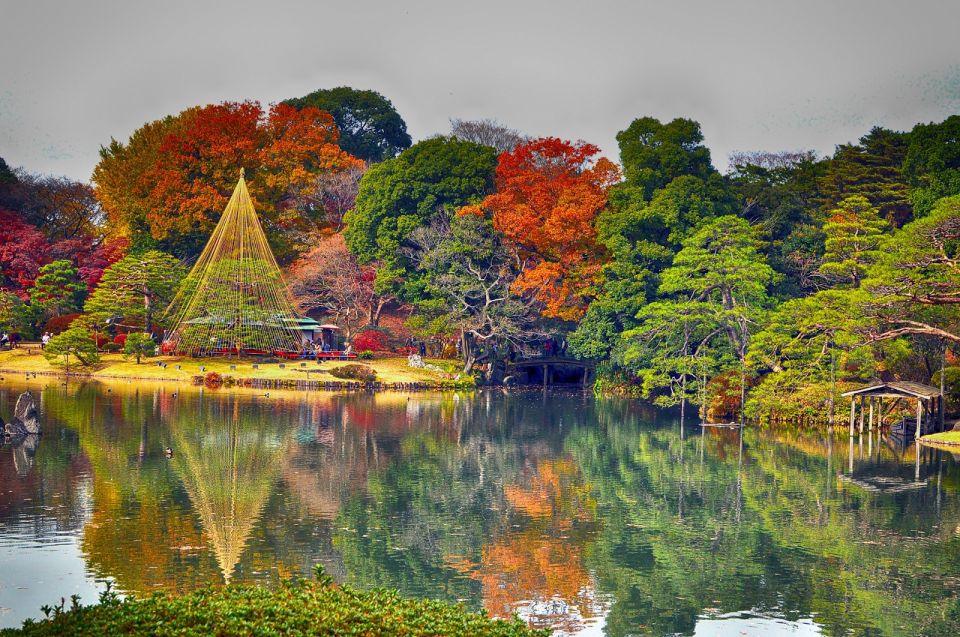
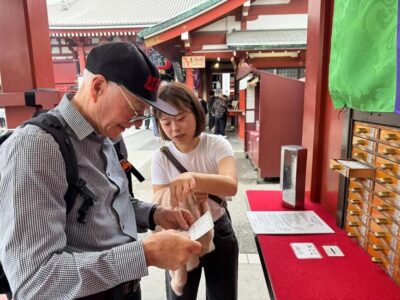
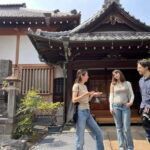
This tour starts with pickup from your chosen location. In practice, that usually means your hotel lobby or a station you specify, and the guide is set to meet you around 10 minutes before the scheduled time. If you are close enough, pickup can be on foot, which saves you from extra station confusion.
A small but important detail: pickup and routing work through the logistics of public transportation, with taxi as an option if you want it. That matters because gardens are often spread out, and saving 15 minutes here and there can mean more viewing time. If you have mobility needs, the tour is listed as wheelchair accessible, which is a big plus for people who want gardens without the usual barriers.
Also, this booking is not instantly confirmed in all cases. Your guide team contacts you to lock the schedule, and most guides reach out within 7 days. If a guide is unavailable, the team works to find a replacement and continues updates until about 24 hours before. That means you should avoid planning a tight “only this tour on this day” schedule if you are traveling on a deadline and cannot be flexible.
Imperial Palace garden: your morning starts in a controlled calm
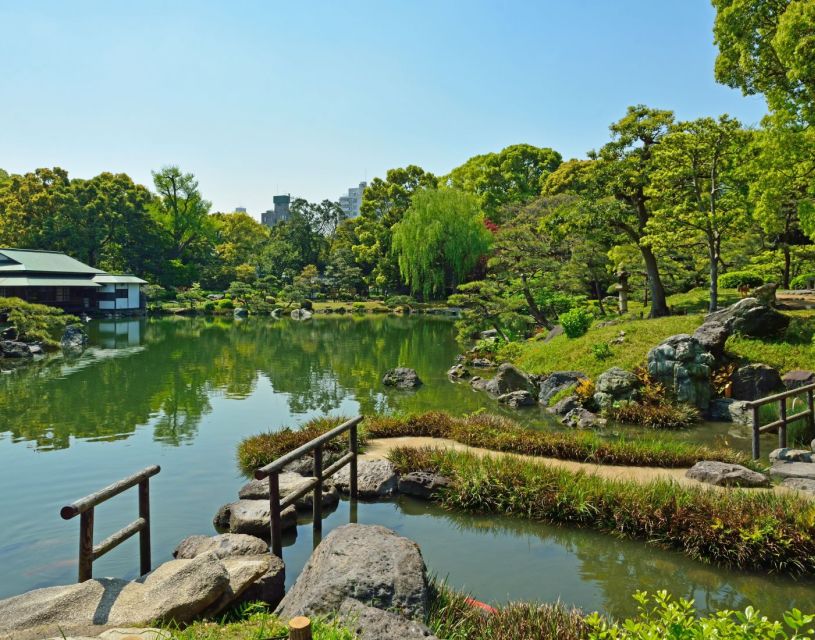
A classic opener is the gardens connected to the Imperial Palace. The tour’s example route keeps it simple at first: a stroll through a typical stately Japanese-style garden. The reason this works as an opening stop is that it sets the tone. You are likely still fresh from the commute, and you have the mental space to notice the design choices: how paths guide your movement, how water and vegetation create quiet sightlines, and how the overall layout encourages a slower walk.
This is a good spot if you like gardens that feel formal and composed. It is also a smart choice for photographers, because early light and fewer crowds can make the garden feel more spacious. On a day when you’re combining multiple sites, starting here also helps you transition from “city mode” to “garden mode.”
The possible drawback is straightforward: if you arrive expecting it to feel like a wild natural preserve, you might find it more structured. That said, the guide’s job is to help you read what you are looking at, so you get more than pretty scenery.
Meiji-Jingu area: shrine atmosphere plus a quieter garden pause
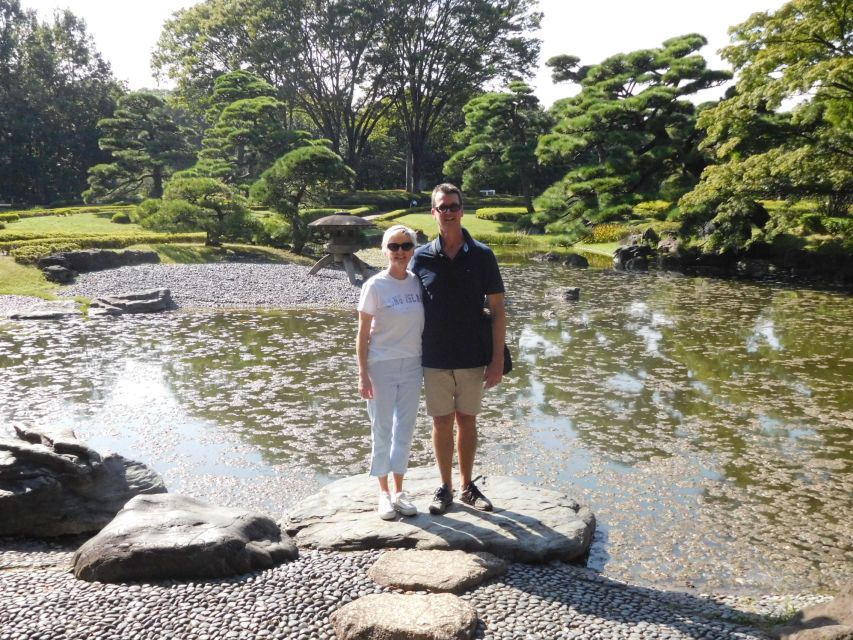
From the Imperial Palace region, the example itinerary moves to Meiji-Jingu Shrine and then continues to a quiet garden area with a teahouse and pond. This pairing makes sense. Shrine grounds give you a cultural anchor, and the garden pause gives you the breathing room you need before the more expansive park experiences later.
What makes this stop worth your time is the change of pace. After more formal or structured spaces, a pond-and-teahouse moment tends to slow your body down. Even if you only have a short amount of time here, the design goal is usually the same: frame views, calm your eyes, and let you feel the garden as a sequence rather than one snapshot.
If you are the type who likes small details—water reflections, the way a teahouse changes how you perceive the scene—this segment can be especially satisfying. If you are more focused on big sweeping vistas, you might want your guide to spend a bit less time here and move faster to Shinjuku Gyoen, where the style variety is more dramatic.
Harajuku lunch break: power-up without derailing the day
The example route includes lunch in Harajuku, and that can be a practical win. Harajuku gives you options: quick casual meals, sit-down restaurants, and the chance to tailor your food to your energy needs. Since food is not included, your guide cannot fix your cravings for you, but a good guide can help you avoid the common pitfall of wasting time searching for somewhere good.
What I like in how guides tend to handle this is simple: they match your lunch choice to the rest of the schedule. Some people want something fast so they can get to Shinjuku Gyoen early. Others want a sit-down meal to reset. Guides like Kumi, for example, have been known to recommend their favorite places and help guests get a genuinely enjoyable meal rather than a random convenience-store fallback.
Because lunch happens mid-tour, you can treat it like a strategy pause. If you are prone to getting cold or tired, bring layers and plan a lunch that keeps you comfortable. Gardens are not always temperature-friendly, even in good weather.
You can also read our reviews of more private tours in Tokyo



Shinjuku Gyoen: the style sampler you came for
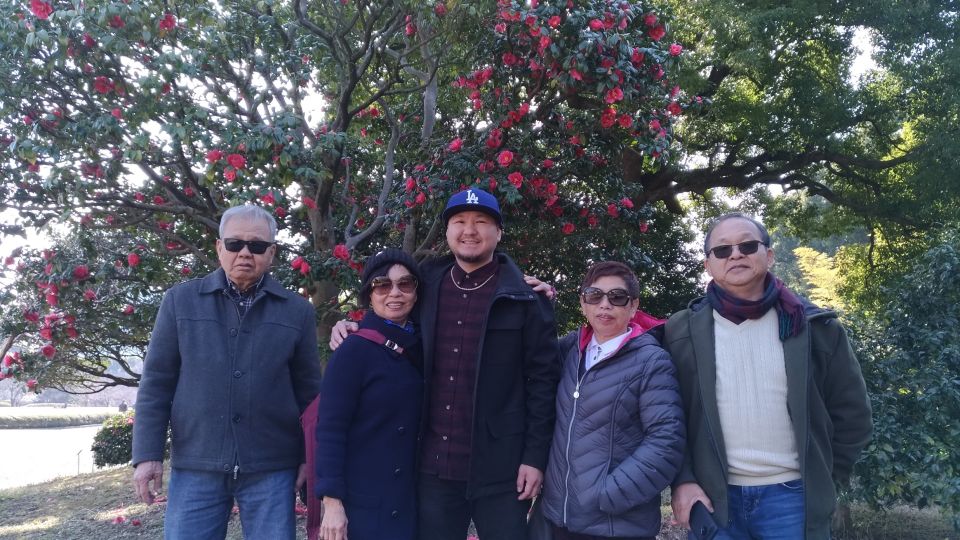
If you only do one garden on this day, Shinjuku Gyoen is usually the reason. The example itinerary uses it as a major highlight, with a short train ride to arrive at one of Tokyo’s most admired park garden complexes.
Here’s what makes this stop especially valuable: it’s not one garden style. You get multiple sections in one outing, including a typical Japanese garden, a formal French garden with roses en masse, and an English landscape garden. That matters because it lets you compare design ideas side by side. Even if you’re not a garden expert, you can notice how each style guides movement, sightlines, and planting choices.
This is also where seasonal crowds can spike hard. During peak blossom season, the trees that look best are the ones people swarm to. A strong guide can help you experience that without losing your mind. The difference is not magic—it’s timing, order of arrival, and knowing where to walk so you get the view you want with less waiting.
One thing to be aware of: this is the kind of park where your time can vanish if you do not pace yourself. If you tend to wander, ask your guide to set a realistic loop so you still have time for the sections you care about.
Swapping in other Tokyo gardens when you want a different flavor
A big selling point of this tour is that you are not locked into a single script. You can customize your route depending on your preferences, and you can choose from other recommended garden options such as Koishikawa Korakuen Garden, Hama Rikyu Gardens, Rikugien Garden, Ueno Park, Koishikawa Botanical Garden, Kiyosumi Teien Garden, Former Shiba Rikyu Gardens, Nezu Museum, and Happo-en Garden.
Even without getting too technical about each name, the practical takeaway is this: you can shape your day around what you want most.
- If you like the idea of a traditional garden setting, you can lean toward the more classic garden names.
- If you want a park feel with open walking space, you can shift toward larger public green areas like Ueno Park or Yoyogi Park.
- If you want something a bit more museum-connected, Nezu Museum can work as part of your garden day rhythm.
The best way to use this flexibility is to decide your top two garden priorities before you meet your guide. For example: do you want maximum variety like Shinjuku Gyoen, or do you want quieter, slower garden time? Once you know your preference, your guide can build a route that matches your energy and your viewing style.
Transportation and walking reality checks (so the day feels good)
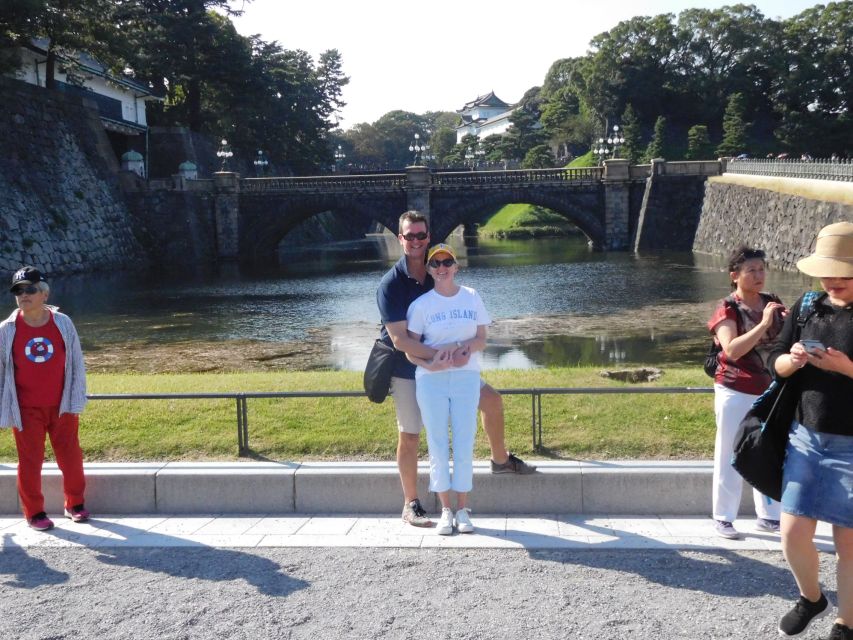
The experience is private and conducted by public transportation or taxi if you wish. That means your schedule is not just “walk between gardens.” It is a blend of walking time plus transit time, and that blend can change based on what you request.
A thoughtful guide will manage the transit so it feels like a connector rather than a delay. Still, you should expect some moving between stops. If you end up in an itinerary with more transit segments than expected, it can feel like a lot of time spent underground or between stations instead of in the gardens.
Here’s how you protect your experience: communicate your preferred pace early. If you like long pauses for photos, say so. If you want to see more space with fewer stops, say that too. Guides such as Tachi have handled customization well when guests have clear preferences, and other guides like Hiro have been praised for efficient routing during crowded seasons. The common thread is planning.
Also remember: entrances and food are not included. Entrance fees can add up, especially when you stack multiple garden sites. If you want to keep the day more budget-friendly, ask your guide to prioritize which stops are most essential for you.
Price and value: what $151 per person really covers
At $151 per person for 6 hours, you’re paying for the guide and the private structure—plus pickup support. What you do not get included is the stuff that often surprises people:
- Food and drinks are not included.
- Entrance fees are not included.
- Public/private transportation fee during the tour is not included.
So where is the value? It’s in the human part. A licensed guide can:
- route you efficiently so you do not waste time,
- tailor the order and duration of gardens to your pace,
- explain what you’re seeing (and why different garden styles work),
- and help you plan around seasonal crowds.
If you have never done Tokyo gardens before, that guidance can save you more than you think. Without it, you may spend money anyway—on wrong directions, duplicated entry costs, and longer transit time. With a guide, you can spend your time on the spots you actually want.
It’s also private, which matters if you are traveling with family, a partner, or friends who all have slightly different interests. You can keep one coherent plan instead of splitting up and reuniting later.
Who should book this Tokyo garden private tour
This tour is a strong fit if you:
- want a calmer, design-focused day instead of rushing major landmarks,
- like the idea of comparing multiple garden styles in one outing,
- value a guide who communicates in advance and adapts in real time,
- and want help with transport and lunch so you can focus on enjoying the green spaces.
It can also work for first-time visitors who are tired of figuring out subway routes and are ready to let someone else handle the logistics. And if you’re visiting during cherry blossom season, it is one of the better ways to experience popular gardens efficiently.
It might be less ideal if you prefer a completely flexible self-guided day with minimal structure. Since this is a 6-hour private tour, you’ll want to accept the rhythm: meet, walk, transit, garden time, lunch reset, then more garden.
Should you book it? My decision guide
I’d book this Tokyo garden private tour if you want the experience to feel intentional. The licensed guidance, the option to customize your garden mix, and the practical help with pacing and logistics add up to real value, especially during high-demand seasons.
I’d hesitate if you are price-sensitive and think you’ll resent paying extra for entrance fees, food, and transit. I’d also hesitate if you dislike walking and you want a mostly seated tour, because this is a walking-focused experience with connectors by train or taxi.
If you book, do one thing that makes the biggest difference: tell your guide what you care about most—quiet gardens versus variety, faster pacing versus slower photos, and how important crowds are to you. You’ll get a day that feels made for your preferences, not just the default route.
FAQ
How long is the Tokyo Japanese garden private tour?
The tour is 6 hours long. Starting times depend on availability.
Is this a private tour and can I choose the route?
Yes, it’s a private group tour. The itinerary is customizable, so you can choose which gardens you want to visit or let your guide plan based on your preferences.
Do I get pickup from my accommodation?
Pickup is included. Your guide will meet you in the hotel lobby or at the station you request about 10 minutes before the scheduled pickup time, and pickup can be on foot if you are within a reasonable distance.
Are entrance fees, food, and transportation included?
No. Food and drinks are not included, entrance fees are not included, and public/private transportation fees during the tour are not included. The tour uses public transportation or taxi if you wish, and other transport may be arranged at additional cost.
Does the tour run in bad weather, and is it wheelchair accessible?
The tour runs rain or shine. It is listed as wheelchair accessible.
When will I know my guide is confirmed, and what about cancellation?
The tour is not confirmed until your guide contacts you regarding your booking, often within 7 days. If you cancel, it is listed as non-refundable, but no cancellation fees are applied if you cancel 24 hours before the start of your tour.