REVIEW · TOKYO
Nagano: Snow Monkeys, Zenkoji Temple & Sake Day Trip
Book on GetYourGuide →Operated by Travel on Peak · Bookable on GetYourGuide
Winter Japan with monkeys and old temples.
A private Nagano day trip like this is a great way to see Jigokudani’s snow monkeys without rushing, and also slow down for Zenkoji Temple and hot-spring town vibes. The big drawback is the day starts with a long drive if you’re coming from Tokyo, around 3.5 hours each way.
I also like the way the tour stays flexible. You get a comfortable car, an English-speaking driver, and a plan that mixes wildlife, spirituality, and onsen time. Still, it’s not a good fit if you have animal allergies, since you’re going to a monkey park.
In This Review
- Key Things to Know Before You Go
- Why a Private Nagano Day Trip Works So Well
- Price and Logistics: What $525 Gets Your Group
- Getting to Jigokudani: The Drive Sets the Mood
- Jigokudani Snow Monkey Park: Watching Hot Springs Meet Snow
- Zenkoji Temple and the Okaidan Passage: A Quiet Contrast
- Shibu Onsen Streets: The Relaxed Side of Nagano
- Obuse and Yamanouchi: Edo-Era Charm and Mountain-Town Views
- Matsushiro Castle Ruins: Optional Samurai-Era Atmosphere
- What to Pack (So the Day Doesn’t Wear You Down)
- Who This Tour Suits Best
- Should You Book This Nagano Winter Day Trip?
- FAQ
- Where does the tour start?
- How much does it cost?
- What is included in the tour price?
- Are entrance fees included?
- Is Matsushiro Castle Ruins definitely part of the day?
- What language is the driver?
- What should I bring for winter conditions?
Key Things to Know Before You Go
- Private car comfort: You skip transfers and keep control of pacing.
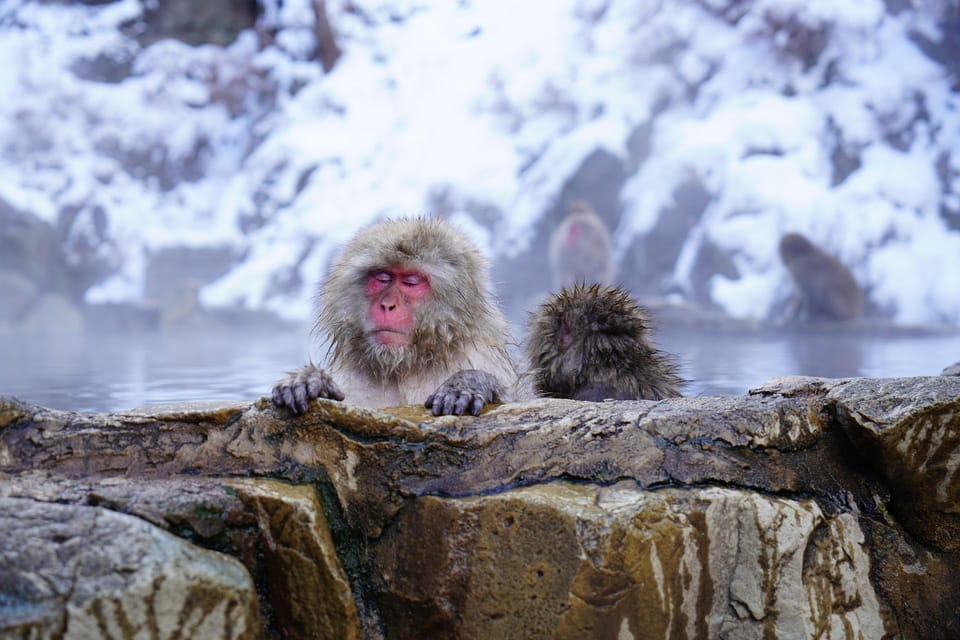
- Jigokudani monkey hot-spring time: The whole magic is watching macaques in winter steam and snow.
- Zenkoji’s Okaidan Passage: A pitch-black corridor experience tied to the temple’s “key to paradise” legend.
- Shibu Onsen stroll + optional soak: You can do a walking break or add bath time if the schedule allows.
- Obuse and Yamanouchi flavor: Edo-era streets, chestnut country, and mountain-town scenery.
- Optional Matsushiro Castle Ruins: Samurai-era atmosphere if you want one more historical stop.
Why a Private Nagano Day Trip Works So Well
Nagano is one of those places where the “best bits” are spread out. On a DIY day you can lose time to connections, waiting, and last-minute route chaos. With a private driver and comfortable car, you get the simple advantage: you focus on the stops, not the logistics.
This tour is also set up for real-world pacing. It’s a full-day plan, but it’s not locked like a factory schedule. You can adjust the flow to your preferences, which matters when winter weather can change how long you want to linger somewhere.
The route itself is a smart mix. You start with an animal attraction that’s instantly memorable, then you shift to quiet temple culture, and later you end in a hot-spring town mood. That contrast is part of why this itinerary feels satisfying instead of exhausting.
You can also read our reviews of more food & drink experiences in Tokyo
Price and Logistics: What $525 Gets Your Group
The price is $525 per group up to 6 people. That’s not “cheap,” but it’s also not priced like a luxury-only experience. What you’re buying is the combo of private transport + an English-speaking driver + a full-day route built around multiple major stops.
Here’s how that value usually plays out:
- If you’re traveling as a group, the per-person cost drops quickly versus booking everyone separately.
- You get door-to-door convenience from either Tokyo or Nagano.
- You also gain flexibility. A private driver can keep things realistic when you hit longer lines or want extra time at a viewpoint.
One practical note: the Tokyo to Nagano drive is about 3.5 hours. Plan for a long ride. Bring snacks and water, and wear layers you can adjust inside the car and on cold platforms/paths.
Getting to Jigokudani: The Drive Sets the Mood
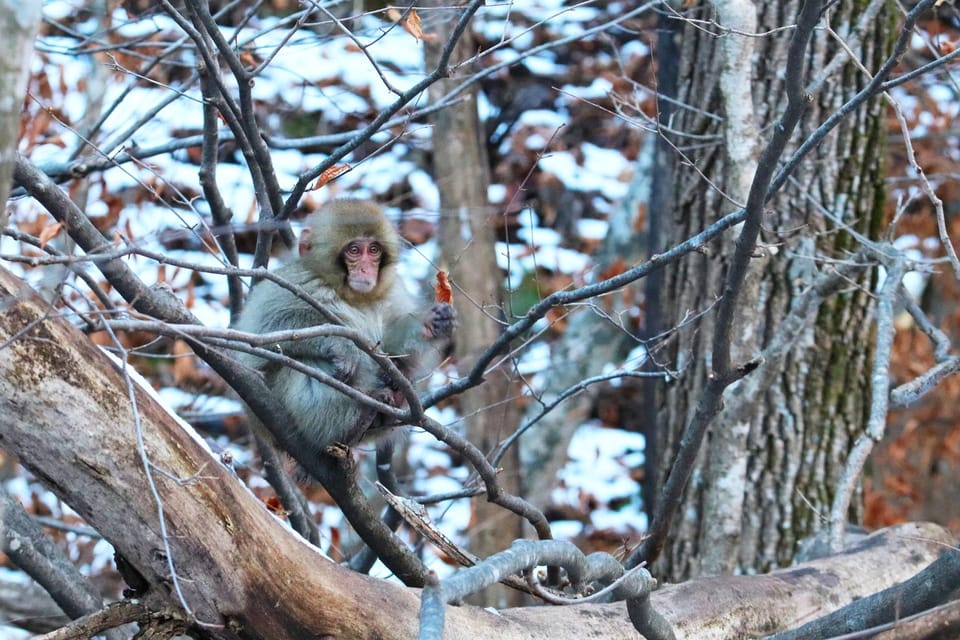
Most of the day’s excitement lands at Jigokudani Monkey Park, but the ride there is part of the atmosphere. Winter scenery tends to look dramatic, and you’ll feel like you’re moving into a snow-world rather than just visiting an attraction.
This is also where having a careful, attentive driver matters. In the feedback, drivers like Busal, Sikandar, and Naroz get called out for smooth, gentle driving and for being responsive to what the group wants. That’s not just nice-to-have; it makes a long day feel manageable.
If you want a low-stress day, aim to keep your morning simple: good shoes ready, warm layers on, and your camera accessible. Once you’re at the park, you’ll be walking in cold air and snow conditions, and you’ll want to move without fiddling.
Jigokudani Snow Monkey Park: Watching Hot Springs Meet Snow
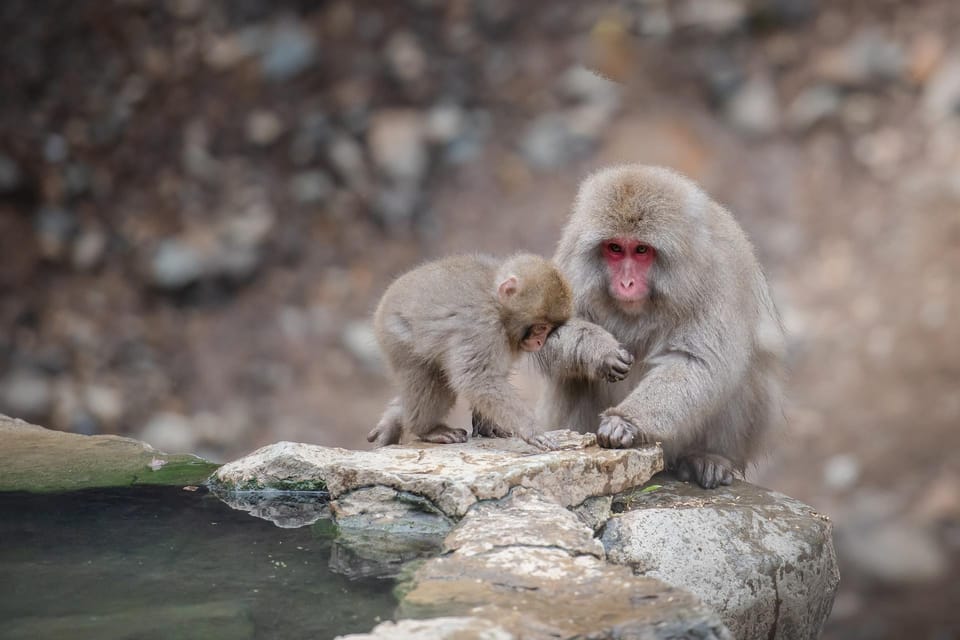
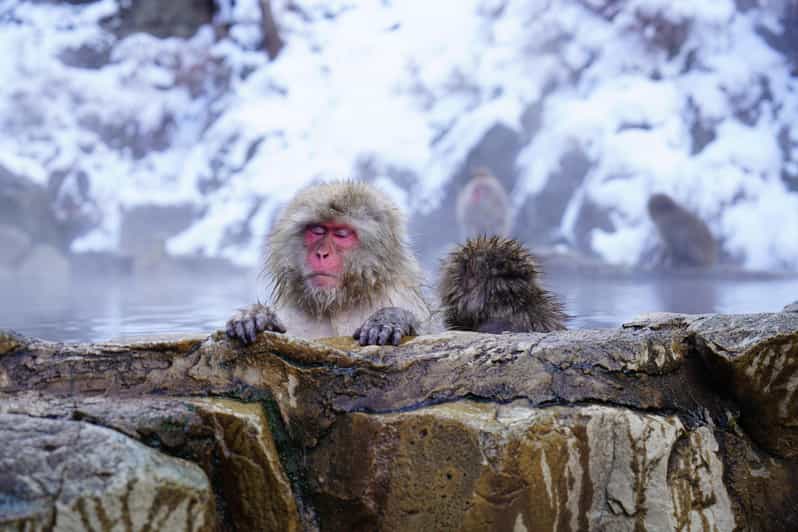
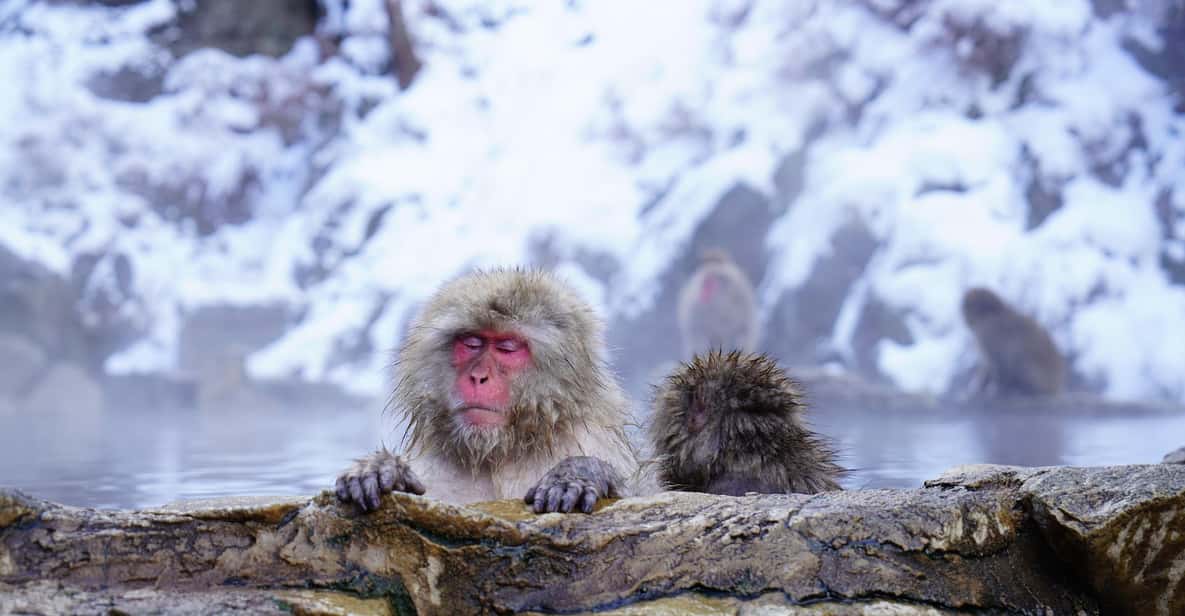
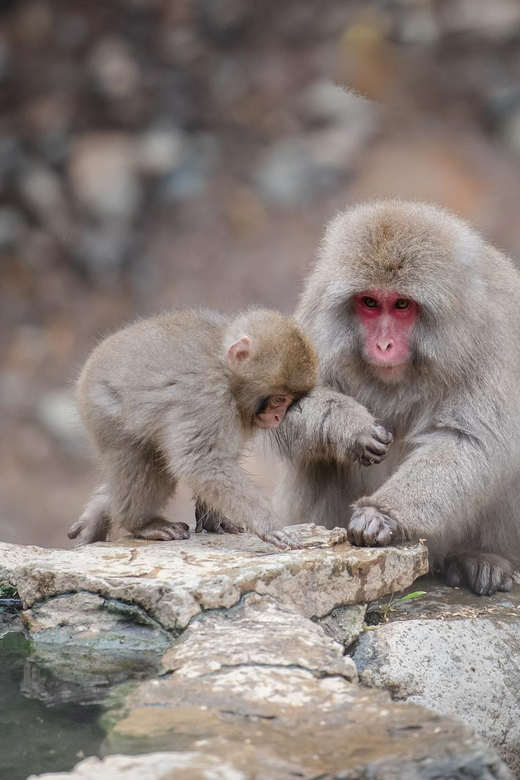
The headliner is the Snow Monkey Park at Jigokudani, where Japanese macaques spend time in hot springs surrounded by snow. The experience is famous for a reason: it’s funny, surprising, and peaceful at the same time.
What makes it work so well in winter is the contrast:
- You’re looking at snowy mountain scenery.
- Then you see warm steam rising while monkeys settle into the water like they own the place.
You’ll also walk a forest trail to reach the viewpoint areas. Even before you see the monkeys clearly, the approach sets the tone. It’s a good moment to slow down, watch the weather, and get your camera settings ready.
A key consideration: this tour is not suitable for people with animal allergies. If that’s your situation, it’s worth skipping this stop entirely and choosing a different Nagano experience.
If you’re traveling with kids, this is one of those rare wildlife stops that holds attention without needing extra explanation. The monkeys’ behavior does most of the entertaining.
Zenkoji Temple and the Okaidan Passage: A Quiet Contrast
After monkey steam and snowy paths, you’ll switch gears to a major spiritual site: Zenkoji Temple. This is one of Nagano’s best-known Buddhist destinations, and it’s known for its impressive wooden architecture and detailed carvings.
The standout moment is the Okaidan Passage, a pitch-black corridor under the main hall. It’s connected with the idea of seeking a key to paradise—so you’re not just walking through a dark tunnel. You’re doing something more symbolic, and it tends to feel memorable even if you’re not a temple expert.
In practical terms, expect a calmer rhythm here than at Jigokudani. You’ll want to slow down your pace, listen to the quiet, and give your eyes time to adjust. This is where having breaks between major stops pays off.
It’s also a nice reminder of what makes Nagano more than just winter scenery. Between this temple and the onsen town later, you’re getting culture, not just weather.
You can also read our reviews of more drinking tours in Tokyo
Shibu Onsen Streets: The Relaxed Side of Nagano
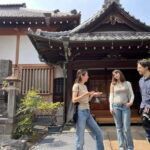
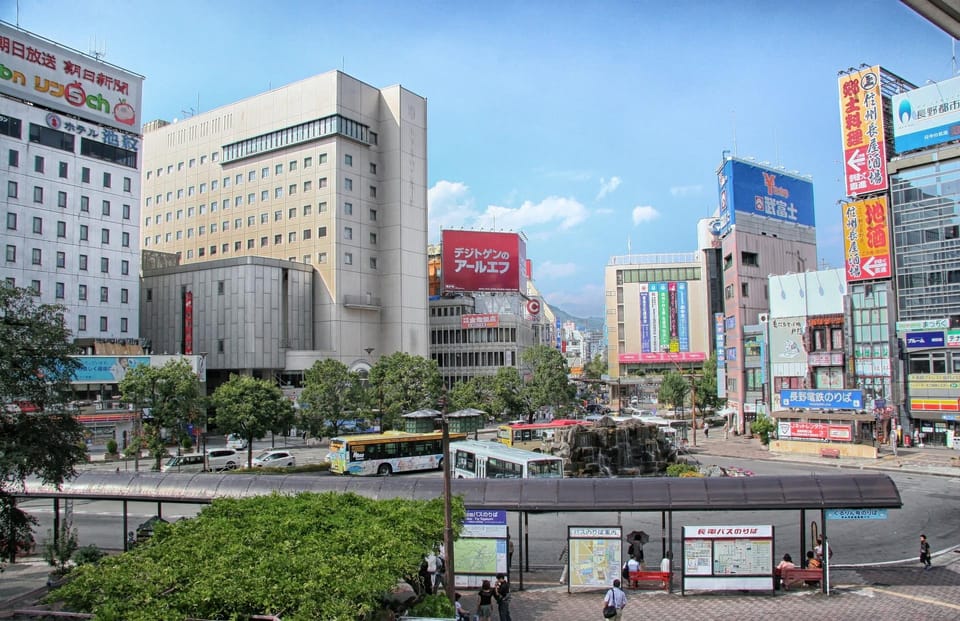
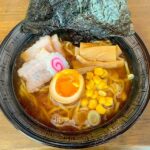
Next comes Shibu Onsen, a historic hot-spring town where you can stroll through streets lined with traditional inns (ryokans) and feel that old-time atmosphere. Even if you don’t book a bath immediately, the walk itself can feel like a reset button.
The tour allows for onsen time in a flexible way. If there’s time, you can enjoy a private soak in the therapeutic waters. That’s a big deal because it’s easy to spend a whole day in winter and end up stiff and cold. A warm bath is often the difference between a fun day and a sore one.
There’s also an extra charm here: steam rising, quiet streets, and the sense that the town is built for lingering. It’s the kind of place where you’ll enjoy just taking your time, grabbing a photo, and watching everyday winter life move slowly.
Obuse and Yamanouchi: Edo-Era Charm and Mountain-Town Views
On the way through Nagano, the itinerary also touches Obuse and Yamanouchi, which helps the day feel like more than a two-stop checklist.
In Obuse, you get that Edo-era vibe and a reputation for chestnut treats and local heritage. There’s also time for a Hokusai Museum, focused on the works of Katsushika Hokusai. Even if you’re not a deep art person, Hokusai is a name that carries weight, and the museum stop gives your day a cultural anchor.
In Yamanouchi, you’re in a mountain setting where you can see how local life fits into the terrain. This part of the route often helps people connect the dots: winter tourism exists here, but the town life is still real and grounded.
The practical upside: these stops often give you a chance to break up the day so you don’t feel like you’re trapped in a car the whole time.
Matsushiro Castle Ruins: Optional Samurai-Era Atmosphere
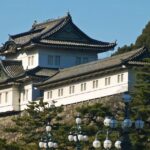
There’s an optional stop at Matsushiro Castle Ruins. If you add it, you get a more history-leaning finish—an atmospheric look at samurai-era remnants.
This is the part of the itinerary you’d choose based on your interests. If you love historical sites and want a more “Japan past” tone, it’s worth considering. If you’d rather keep the day focused on monkeys, temples, and onsen relaxation, you can skip it and keep more time for the winter highlights you care about most.
Because it’s optional, it’s a good example of why the tour’s flexibility is helpful. You’re not stuck with a one-size-fits-all ending.
What to Pack (So the Day Doesn’t Wear You Down)
This is a winter day trip with walking, cold air, and snow-adjacent paths. Keep it simple:
- Comfortable shoes (non-slip is a big help)
- Warm clothing in layers
- Camera
- Snacks and water for the drive and in-between gaps
If you’re used to sightseeing in mild weather, winter changes everything. Layers let you adjust while moving from car to trail to temple grounds.
Also note: no smoking in the vehicle. It’s a small rule, but it matters for comfort on a long drive.
Who This Tour Suits Best
This tour fits best if you want:
- A full-day winter experience with major sights in one trip
- Private comfort for a group of up to 6
- Wildlife + culture + onsen in a single day
- An itinerary that you can adjust to your pace
It may not be ideal for you if:
- You have animal allergies (monkey park stop is part of the program)
- You prefer fully independent travel with lots of train planning
- You’re sensitive to long drives, since Tokyo access means about 3.5 hours each way
For families, it tends to work well because the snow monkeys can be exciting for kids, and Shibu Onsen gives adults a reward afterward: warm relaxation.
Should You Book This Nagano Winter Day Trip?
If you’re choosing between DIY logistics and a guided private day, I’d lean toward booking if you want a stress-free way to hit the big Nagano hits. The combination of Jigokudani snow monkeys, Zenkoji’s Okaidan Passage, and Shibu Onsen is exactly the kind of packed-with-meaning itinerary that feels worth paying for once.
I’d also book if your group values comfort and flexibility. The feedback points to consistently strong driver service—people like Busal, Sikandar, and Naroz—and that matters on a long day with cold walking.
But if your main goal is budget travel, this probably won’t feel “cheap.” And if animal exposure is a problem for you, you’ll want a different plan.
FAQ
Where does the tour start?
It runs as a private day trip from either Tokyo or Nagano.
How much does it cost?
The price is $525 per group up to 6 people.
What is included in the tour price?
You get private transportation in a comfortable car, an English-speaking driver, and visits to the Snow Monkey Park and Zenkoji Temple, plus a stroll through Shibu Onsen. Matsushiro Castle Ruins is optional.
Are entrance fees included?
No. Entrance fees at attractions are not included.
Is Matsushiro Castle Ruins definitely part of the day?
No, it’s optional, depending on what you want to add.
What language is the driver?
The tour offers English and Hindi.
What should I bring for winter conditions?
Bring comfortable shoes, warm clothing, a camera, snacks, and water.