REVIEW · TOKYO
Tokyo: Tour Privado por Tokio en español
Book on GetYourGuide →Operated by JTN COMMERCE K.K. · Bookable on GetYourGuide
Tokyo turns into a story on foot. This private tour en español strings together Tokyo’s most traditional neighborhoods with the pop-culture pulse of Akihabara and a proper night finish in Kabukicho. You’ll love the way it mixes old-school Tokyo landmarks with hands-on taste stops like Senso-ji sweets, and you’ll also love the photo payoff from viewpoints like Shinjuku City Hall.
The one drawback to think about: the route ends in a nightlife area, so if you prefer quiet streets at night, plan your energy accordingly. Also, since it’s private, double-check pickup timing so you’re not stuck wondering where your guide is.
In This Review
- Key highlights you will actually feel
- Price and what you’re really buying for your money
- Meet-up, pickup, and how the day starts smoothly
- Asakusa and Senso-ji: where traditional Tokyo turns into a snack run
- Ueno Park: cherry blossom season energy and calmer temple time
- Akihabara: anime, manga, games, electronics, and the maid cafe angle
- Shinjuku City Hall 45th floor: one of the best payoff moments
- Kabukicho night finish: Godzilla, the big 3D screen, and Omoide Yokocho
- About the guide: Spanish support and why the best ones make the difference
- What to bring (and what to skip)
- Who should book this private Tokyo tour en español
- Who should think twice
- Should you book? My take
- FAQ
- How long is the Tokyo private tour in Spanish?
- What’s the price and group size?
- Do you provide hotel pickup?
- Is the guide available in Spanish?
- Is food included in the tour price?
- Do I need to bring cash?
- Is the tour suitable for wheelchair users?
Key highlights you will actually feel
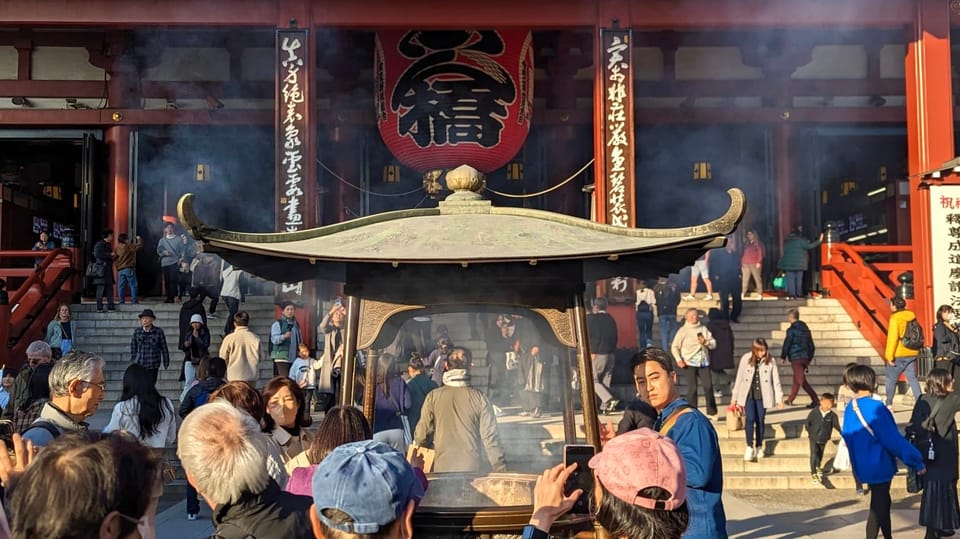
- Asakusa sweets + Kaminarimon photos: traditional snacks before the day turns into a citywide photo mission
- Akihabara with anime, manga, games and electronics: plus time to see how maid cafes fit into the scene
- Ueno Park cherry blossom season vibes: Sakura Avenue, temples, and a calmer pace than the city core
- Shinjuku City Hall 45th floor views: a high, clean angle over Tokyo without the fuss
- Kabukicho night energy: Godzilla and Omoide Yokocho, the “Memory Lane” feeling
Price and what you’re really buying for your money
This tour costs $338 per group up to 5 for about 8 hours. That price can feel steep if you’re traveling solo. But the math flips fast when you’re a small group—roughly $68 per person if you fill all five spots. The value isn’t only the sightseeing. It’s the fact that you get a Spanish-speaking guide who can connect the dots between places that look unrelated on a map.
Private also means pacing. You’re not trying to keep up with a mass of people while you’re trying to take photos at Asakusa’s main gate or ask questions about what you’re seeing in Akihabara. You’ll also have help with getting around, which matters in Tokyo, where trains are great but can eat your time if you’re navigating for the first time.
You can also read our reviews of more tours and experiences in Tokyo.
Meet-up, pickup, and how the day starts smoothly
You’ll start with pickup from your hotel or a nearby station, and the tour includes assistance with transportation in Japan. That’s a big deal because Tokyo is easiest when someone else handles the first “how do we get there” step.
Bring cash. Food isn’t included, and you’ll likely want to snack at the traditional stops and grab a sweet treat when the guide points out the local favorites. Also, the tour is designed to run in normal conditions, but it notes it will only pause/stop for something serious like an earthquake or extreme weather.
One practical note: there’s been at least one unhappy situation tied to a guide not arriving on time. So, before the tour day, confirm the pickup details clearly with the provider. A quick message the day before can save a lot of stress.
Asakusa and Senso-ji: where traditional Tokyo turns into a snack run
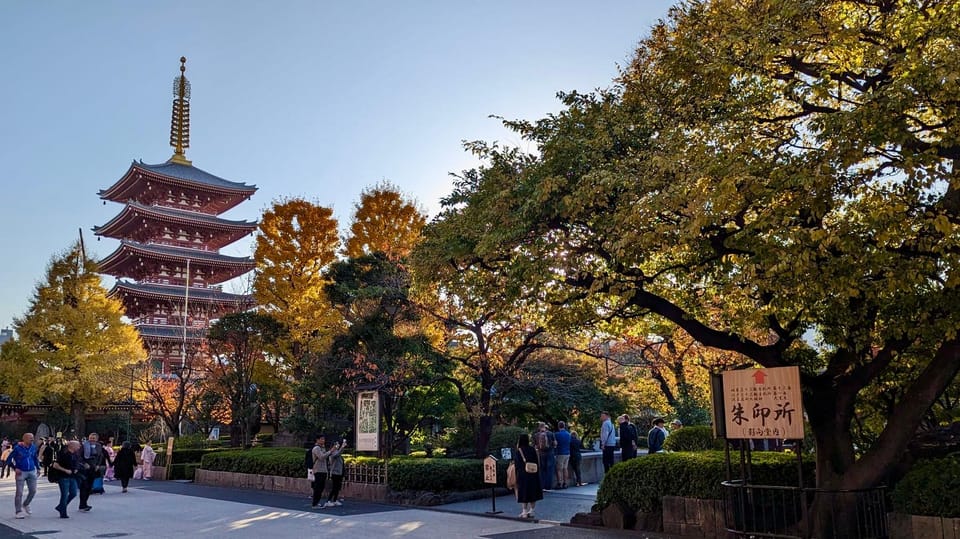
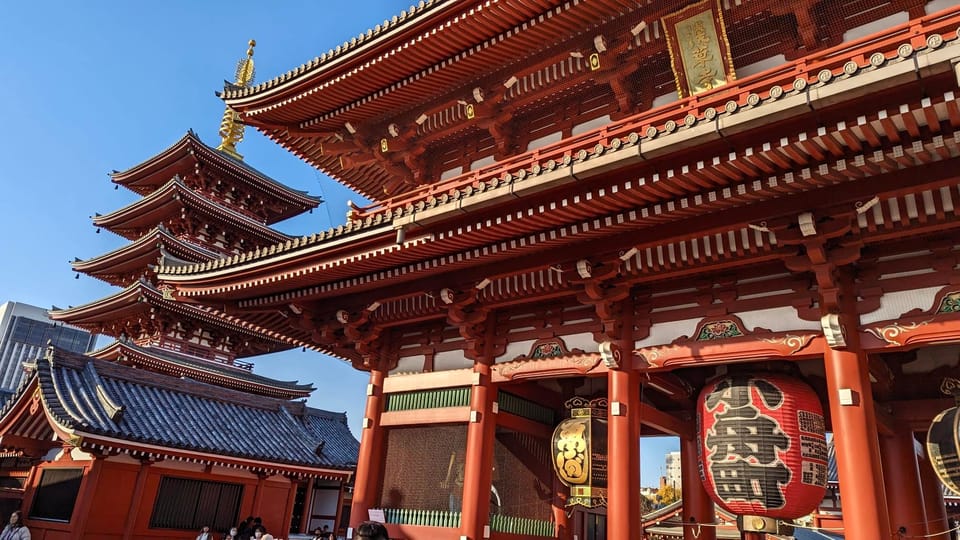
Asakusa is a great opening chapter because it feels like an older layer of Tokyo—temples, street atmosphere, and photo-worthy corners around Senso-ji. You’ll get a guided segment here focused on the big sights and the everyday details that make the area memorable.
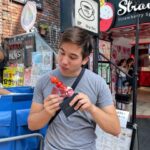
The star is Senso-ji, one of Tokyo’s most famous temples. And the tour doesn’t treat it like a drive-by. You’ll also get time where you can try traditional sweets such as mochi, dorayaki, and melon pan. That matters more than it sounds. In Tokyo, many “tourist temple” experiences miss the lived-in part—what people actually eat while they’re there.
The highlight also calls out the Kaminarimon Gate in Asakusa as a prime picture moment. If you care about photos, aim to keep your camera ready during transitions—some of the best angles happen right as the crowd flows. Wear comfy shoes too. Asakusa is not a “stand still and enjoy” kind of place.
Who this part suits: anyone who wants traditional Tokyo without spending hours building an itinerary. It’s also a solid start for first-timers because it gives you cultural context before the city gets loud.
Ueno Park: cherry blossom season energy and calmer temple time
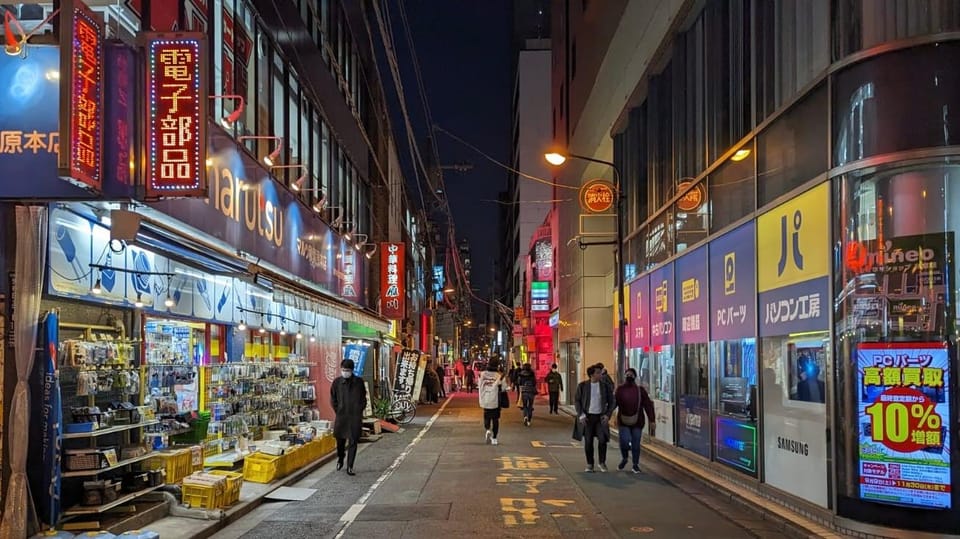
Next you head to Ueno, and the focus here is Ueno Park and the Sakura Avenue vibe. Cherry blossom season is the obvious draw, but even outside peak bloom, Ueno tends to feel more relaxed than the city’s hardest core areas. That’s useful on a long day: you’re not just traveling from one crowd hotspot to another.
The tour includes time around the park area and mentions popular temples in the neighborhood. That blend—park atmosphere plus temple stops—gives you more than one type of Tokyo experience in the same block of time.
From a practical standpoint, Sakura Avenue is great for photos, but crowds can form when the timing is right. If you’re traveling around spring blossom season, go in with a “patience plan.” The guide helps by keeping you moving at a pace that still allows time for pictures.
Also, the tour theme includes samurai and cherry blossoms as part of the cultural explanation. Even if you don’t think of samurai when you see park trees, this kind of storytelling is what turns a walk into something you can remember later.
Possible drawback here: if you’re only chasing specific sights and prefer minimal walking, Ueno might feel like it has some in-between time. It’s designed to be enjoyable, not checklist-rigid.
Akihabara: anime, manga, games, electronics, and the maid cafe angle
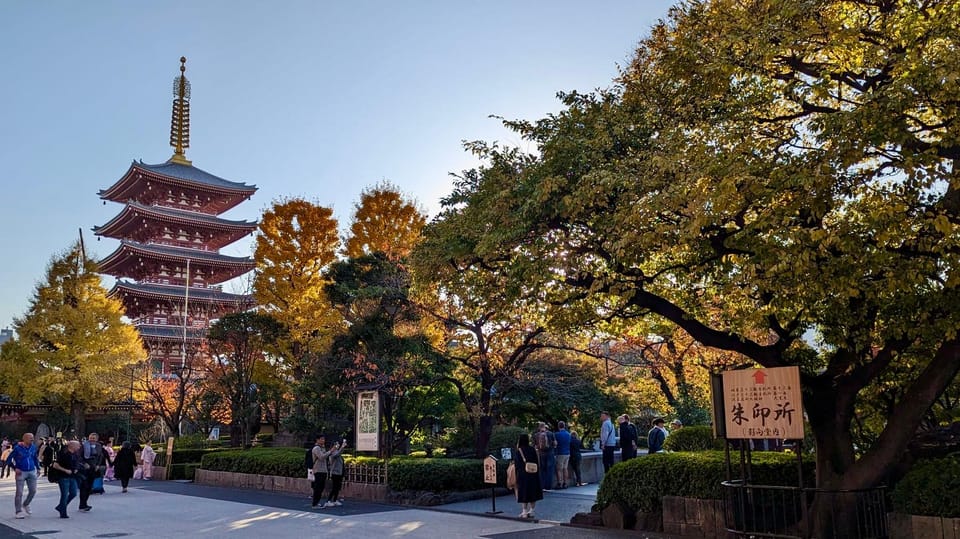
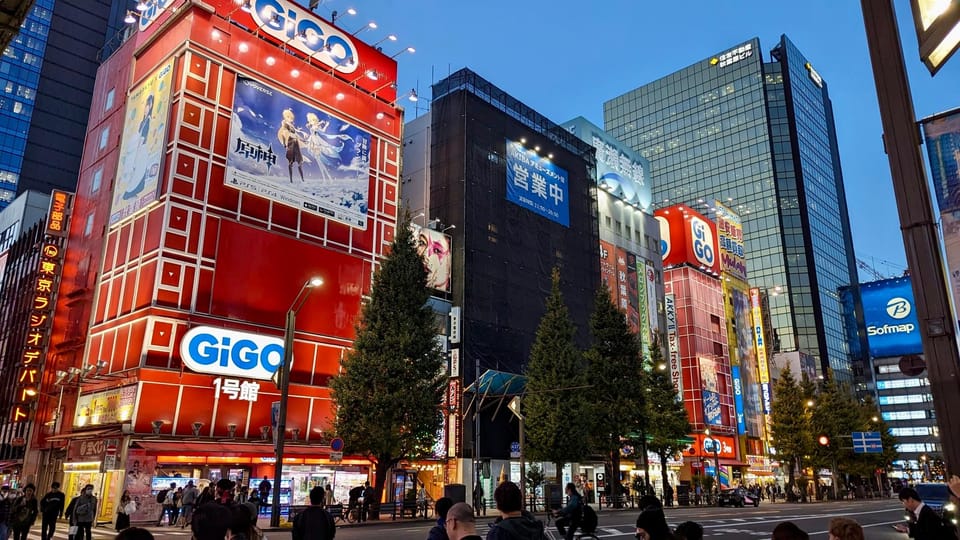
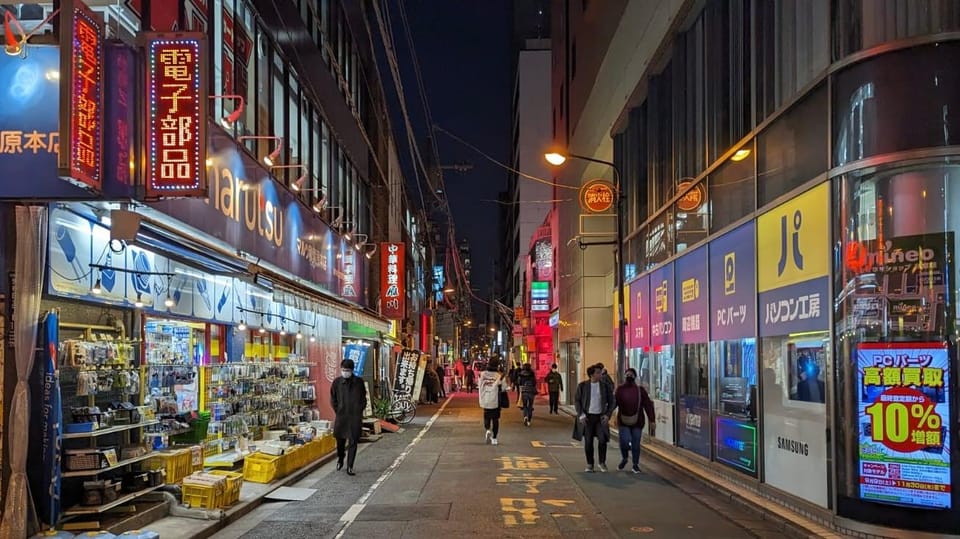
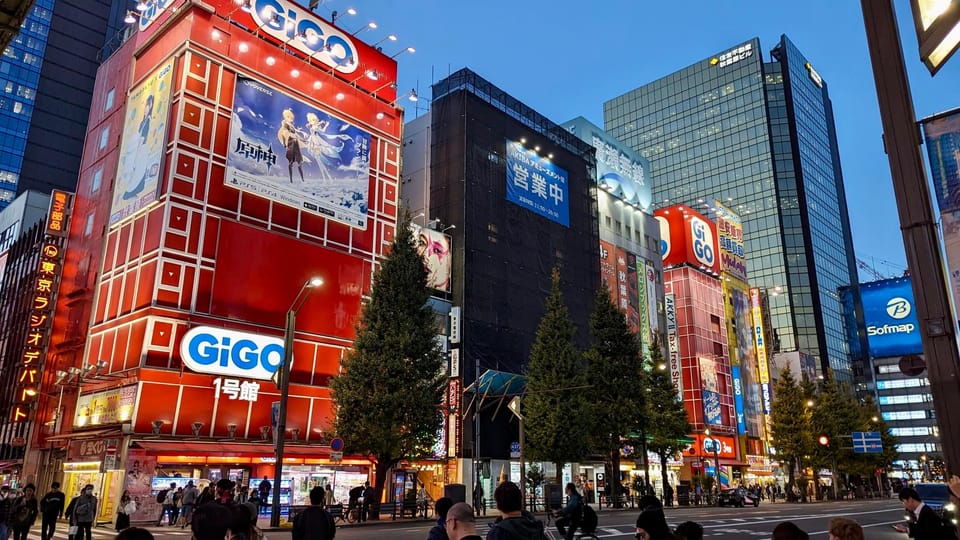
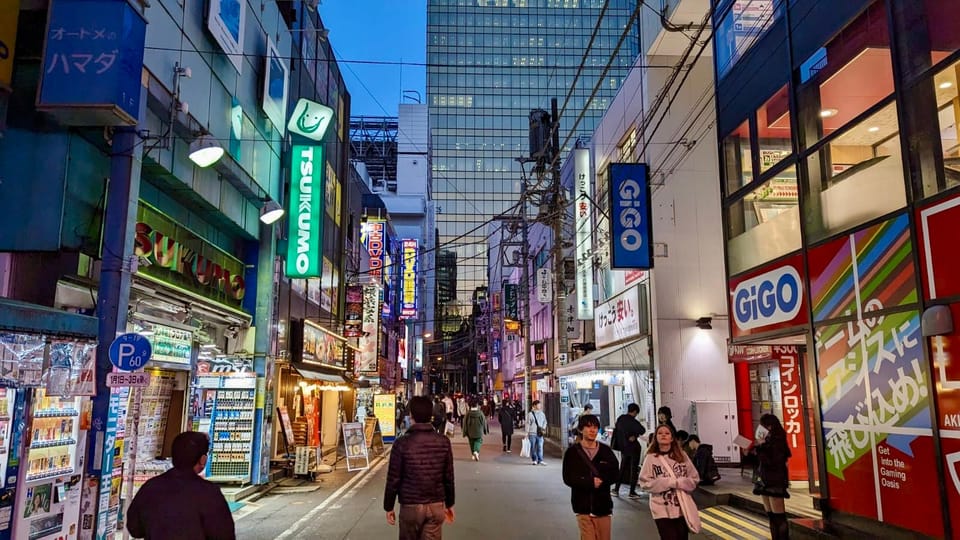
Then comes Akihabara, the district most people associate with anime, manga, video games, and electronics. This is the place where Tokyo’s pop culture doesn’t just exist—it runs the streets.
Expect guided time through the kinds of shops and streets that make Akihabara what it is. The highlight list also calls out meeting the “friendly staff of young girls who work at maid cafes.” That piece is important. Maid cafes are a specific slice of Japanese entertainment, not an “optional curiosity.” If that part of the culture interests you, you’re in the right place.
Here’s the practical benefit: with a guide, you can ask what things mean without guessing. In areas like this, signage can be fun to read, but you don’t always know what you’re looking at. A Spanish guide helps you move beyond random window shopping.
Photo tip: keep an eye out for signage and storefront setups. Some streets have strong visual rhythm, and you’ll want to be ready when the lighting and crowd flow cooperate.
Who Akihabara suits: fans of pop culture, electronics browsing, gaming nostalgia, and anyone who wants a Tokyo contrast day—old meets new, temple meets shop.

Shinjuku City Hall 45th floor: one of the best payoff moments
Later, you head to Shinjuku and go up to an observation deck at the 45th floor of Shinjuku City Hall. This is one of those experiences that quietly does a lot of work for you. From a high vantage point, Tokyo’s layout stops being confusing. You start noticing how the neighborhoods connect.
The tour frames it as the best views of Tokyo, and with good reason. City Hall observation decks tend to be practical: you get big skyline energy without needing a long detour into one specific building brand.
For photography, this is a calmer moment than walking streets full of people. If you’re serious about skyline shots, this is when you want to slow down. Take a minute to look, not only shoot—what you’re seeing will make the rest of your Tokyo photos make more sense later.
Balance note: Shinjuku can feel intense. Having a viewpoint stop helps reset the day mentally, especially after Akihabara’s high-energy browsing.
Kabukicho night finish: Godzilla, the big 3D screen, and Omoide Yokocho
Your tour ends in Kabukicho, and the vibe here is very intentional: Godzilla, a major 3D screen, and Omoide Yokocho (Memory Lane). This is where Tokyo’s nightlife energy ramps up and where the streets feel like a stage set for people who want entertainment.
The highlight list calls it the most well-known adult entertainment center in Tokyo. So consider your comfort level. If you prefer family-friendly sightseeing at night, you may want to plan how you transition out of this area afterward.
Still, even if nightlife isn’t your goal, Omoide Yokocho is visually distinctive. It’s a place where you can feel Tokyo’s after-dark personality. And ending here makes the day feel “complete,” because you see more than daytime Tokyo.
Practical advice: keep your wits about you and stick to well-lit, busy areas. It’s a tourist-known area, but it’s still a nightlife district.
About the guide: Spanish support and why the best ones make the difference
The tour is 100% in Spanish with a live guide, and that’s one of the strongest selling points. In Tokyo, language isn’t a “nice to have.” It helps you understand what you’re seeing, why it matters, and what details you should notice as you walk.
One review specifically highlighted a guide named Ignacio for excellent handling of information. Another praised the guide experience as feeling like meeting a friend. That’s exactly what you want in a private tour: someone who can explain without lecturing and who keeps the pacing friendly.
At the same time, the one major negative comment was about a guide not showing up and delays in communication. That doesn’t erase the overall value, but it’s a reminder to confirm your pickup details before the day starts.
What to bring (and what to skip)
Bring cash. Meals aren’t included, and you’ll likely buy sweets and snacks along the way. Comfortable walking shoes also help because this is a full day across multiple neighborhoods.
Not allowed: pets and drones. And it’s obvious, but important—avoid littering in crowded tourist areas.
Who should book this private Tokyo tour en español
This experience makes the most sense if you want:
- A guided combo of traditional Tokyo and modern Tokyo in one day
- A private format for easier pacing, questions, and photo stops
- Spanish language support that helps you connect culture to what you’re seeing
- A skyline payoff at Shinjuku City Hall
It’s also a good option for small groups, couples, and families who can fill up to five spots and want value without splitting up to manage trains and transfers alone.
Who should think twice
If you’re sensitive to nightlife surroundings, plan carefully. Kabukicho is at the end of the tour, and the area is described as centered on adult entertainment. Also, it’s not suitable for wheelchair users, since the tour doesn’t list accessibility accommodations.
Finally, if you’re the kind of traveler who needs a super strict, no-flex schedule, a guided neighborhood tour can feel a bit more “walking and learning” than “factory-searched sights.” That’s the tradeoff.
Should you book? My take
I’d book this if you want a private, Spanish-led Tokyo day that mixes temple culture, pop culture, and skyline views without you doing the navigation math. The places chosen make sense as a journey: Asakusa sets the traditional tone, Ueno gives park-and-temple breathing room, Akihabara adds modern Tokyo energy, Shinjuku gives you the big-picture view, and Kabukicho finishes with a loud, memorable night atmosphere.
I’d hesitate only if you dislike adult nightlife zones at night or if you need rock-solid punctuality above all else—then do extra pickup confirmation. If you go in prepared with cash, comfortable shoes, and the right expectations for a nighttime finish, this tour is a strong way to see Tokyo with less friction and more meaning.
FAQ
How long is the Tokyo private tour in Spanish?
It lasts 8 hours.
What’s the price and group size?
The price is $338 per group for up to 5 people.
Do you provide hotel pickup?
Yes. Pickup from your hotel or a nearby station is included.
Is the guide available in Spanish?
Yes, the guide is 100% in Spanish.
Is food included in the tour price?
No. Food is not included, so you’ll want cash for snacks and meals.
Do I need to bring cash?
Yes, the tour asks you to bring cash.
Is the tour suitable for wheelchair users?
No, it is not suitable for wheelchair users.