REVIEW · TOKYO
Tokyo: Shinjuku Bar Hopping & Karaoke Night Tour
Book on GetYourGuide →Operated by Local Guide Stars · Bookable on GetYourGuide
Tokyo nightlife changes fast when you have a local.
This Shinjuku bar hopping and karaoke night turns Kabukicho neon streets into a guided hangout with real connections, not a checklist.
I especially like the way the guide’s local connections get you into places you’d miss on your own, including the tight, character-filled world of Golden Gai. On top of that, the karaoke part is built for fun first, not perfection, and it works even when your Japanese is limited. I’ve had great evenings with guides like Shun, Chihiro, Kann, Naoto, and the AYAKA/MEIKO team, and their energy is half the reason the night flows.
One thing to consider: some bars have limited seating, so you may be standing for parts of the tour, and food and drinks cost extra (cash helps), especially if you want more than water.
In This Review
- Key things to know before you go
- Why Shinjuku Nights Feel Different Than the Guidebook Version
- Meeting Point, Timing, and What $32 Actually Buys
- Kabukicho Start: Neon Streets and Fast Trust
- Golden Gai Back Alleys: Tiny Bars, Big Characters
- Local Izakaya Drinking Culture (and the Reality of Ordering)
- Karaoke Night: Picking Songs and Laughing Through the Language Gap
- Food, Drinks, and the Vegetarian Reality Check
- Practical Tips That Make the Night Smoother
- Who This Tour Fits Best
- Should You Book This Shinjuku Bar Hopping & Karaoke Tour?
- FAQ
- Where does the tour start?
- What’s included in the price?
- What should I bring?
- Can I drink alcohol on this tour?
- What about vegetarian options?
- Is the tour affected by rain?
Key things to know before you go
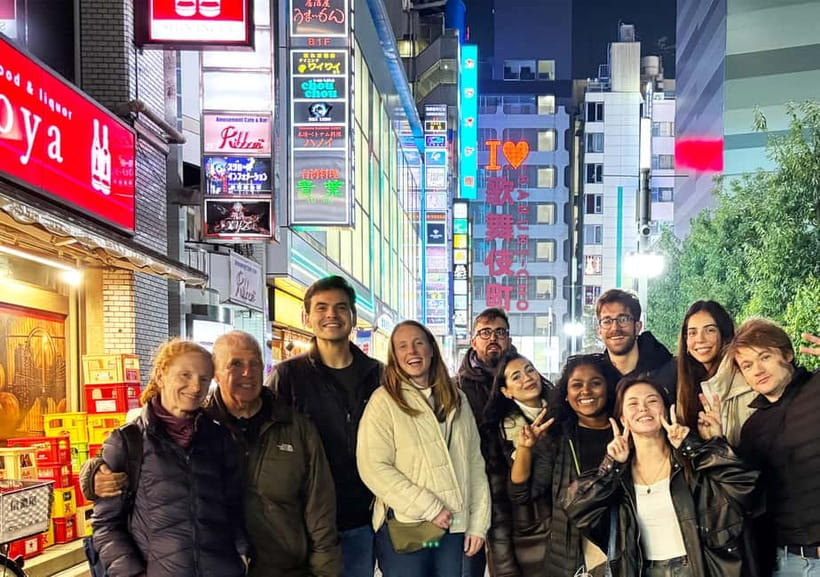
- Shinjuku + karaoke combo: bar hopping starts outdoors, then ends with songs and laughs.
- Local-guide access: you’ll lean on real connections to find spots first-timers often can’t.
- Golden Gai alley maze: tiny lanes with small bars and strong personalities.
- Karaoke that welcomes beginners: you pick songs and sing without needing to be good.
- Drinking rules are strict: only guests age 20 and over can drink alcohol.
- Bring cash: it’s the easiest way to handle drinks and cover charges at small venues.
Why Shinjuku Nights Feel Different Than the Guidebook Version
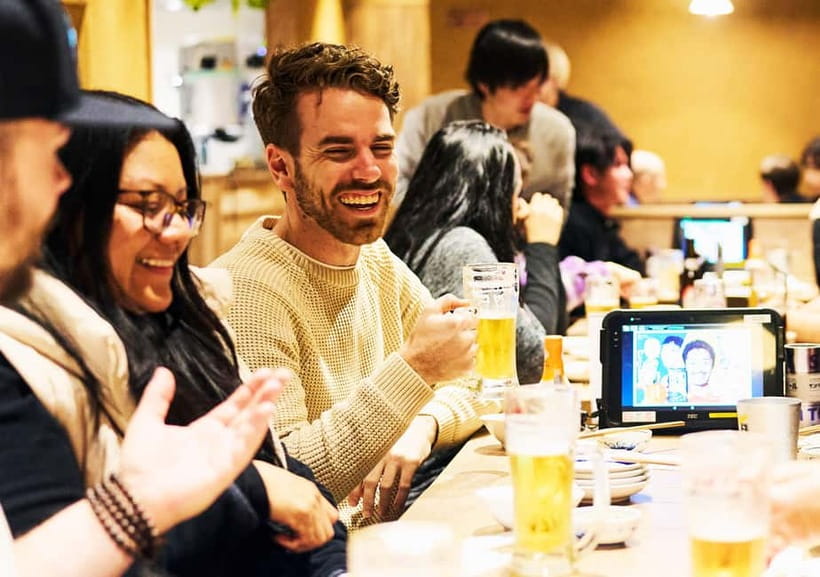
Shinjuku is where Tokyo’s nightlife shows its personality in full volume. The streets can look like chaos from the outside, but this tour gives you a rhythm to follow. You start in the entertainment zone around Kabukicho, where the lights are loud and the bar signs feel like they’re competing for attention.
Then the night shifts into the slower, stranger, more interesting world of Golden Gai. This is the part people love: small alleyways, tiny bars, and a sense that you’re walking into a place that already has a story going. A guide helps you read the vibe fast—who tends to be there, what kind of place it is, and how to order without turning it into a guessing game.
What makes the whole experience worth your time is the blend: you get to see the “main stage” energy, then get guided into quieter micro-worlds. And you finish with karaoke, which is often the moment where language barriers stop mattering.
You can also read our reviews of more evening experiences in Tokyo

Meeting Point, Timing, and What $32 Actually Buys
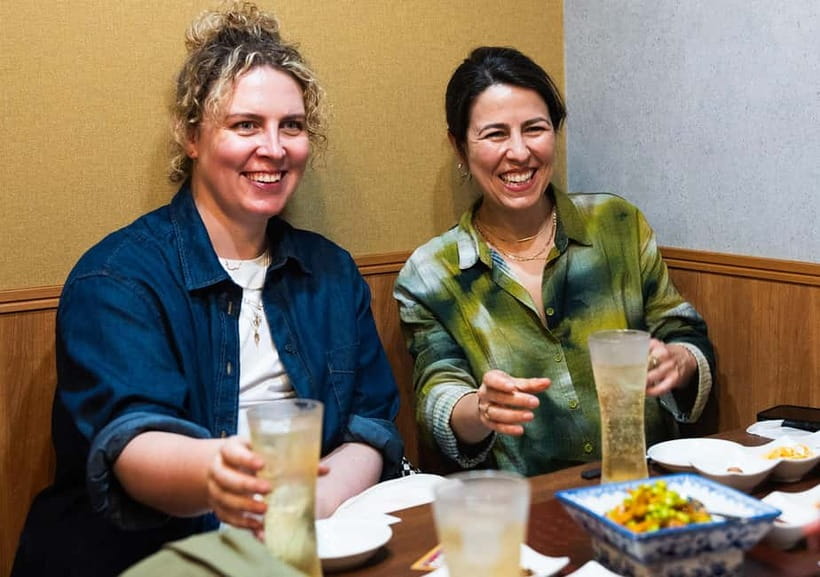
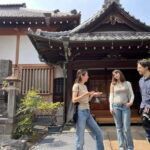
The tour meets at Shinjuku Station East Exit Police Box (3-38-1 Shinjuku, Shinjuku-ku, Tokyo). Plan to show up a few minutes early and keep your phone handy for directions and translation. The good news: the meeting point is clear, and the guide will be easy to spot with a sign that says Local Guide Stars.
This isn’t a drink-all-night package. The listed price covers the walking tour, the local guide, and photos during the tour. Food and drinks are not included, so you’ll pay for what you order inside each bar or restaurant stop. For $32, that still feels like solid value because the guide’s time is doing heavy lifting—route decisions, introductions, and helping you land in the right kinds of places without wasting half your night getting turned around.
Timing matters too. The tour starts on time, even if it’s raining, and if you’re late and miss the group, refunds or reschedules aren’t offered. The upside is that the whole plan is designed to work as a moving night, not a “whenever we feel like it” meetup.
Kabukicho Start: Neon Streets and Fast Trust
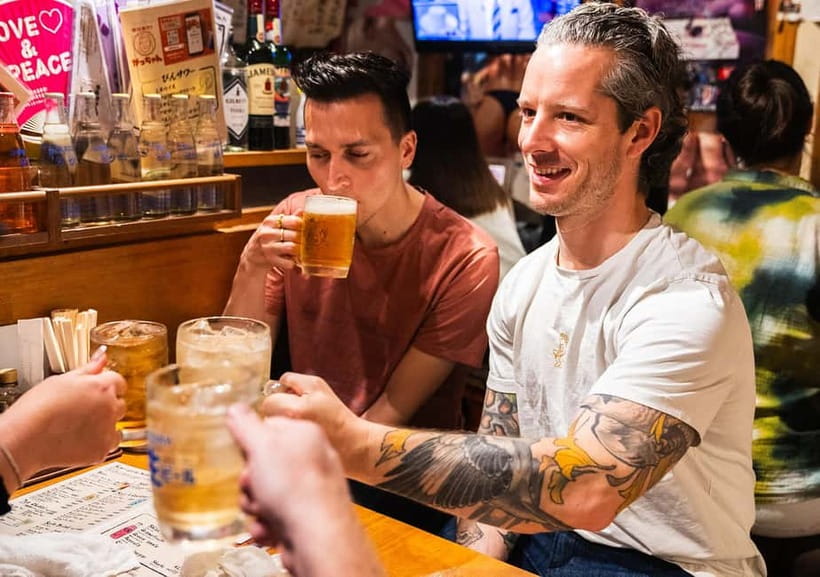
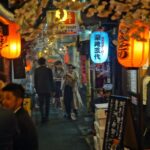
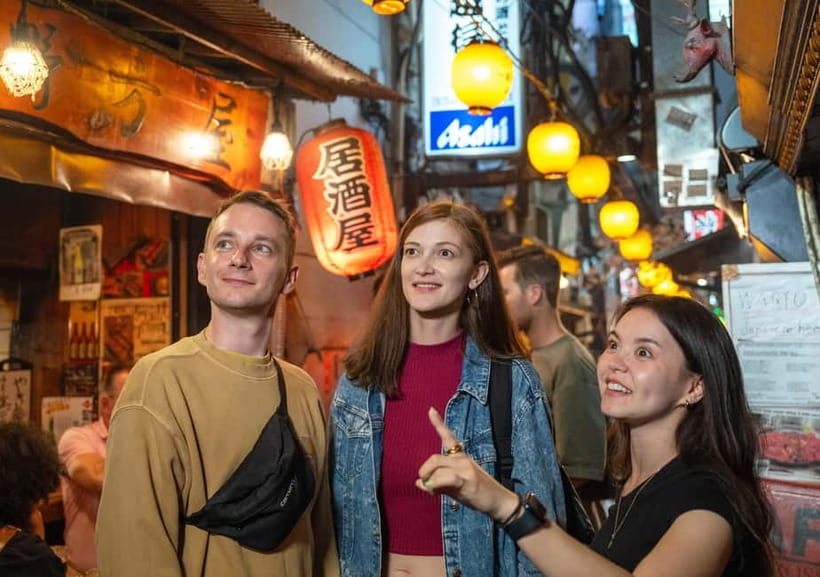
You kick off in Kabukicho, the famous entertainment district where the street energy is immediate. Think neon, loud storefronts, and lots of people doing their own thing. This is a good start because it’s easy to feel Tokyo nightlife in your body right away—your senses are already awake before you sit down anywhere.
What the guide does in this opening stretch is quietly important. They set expectations for how the night works, help your group find the right pace, and take the awkward edge off walking into bars where you might not know what to say. In reviews, guides like Shun and Naoto are praised for putting people at ease, especially around places like Golden Gai where first-timers can worry they don’t belong.
A practical note: bar hopping means you’ll be moving. Comfortable shoes are a must. You’re not just sightseeing; you’re doing the “walk, step in, order, move on” flow that locals recognize as a normal night out.
Golden Gai Back Alleys: Tiny Bars, Big Characters
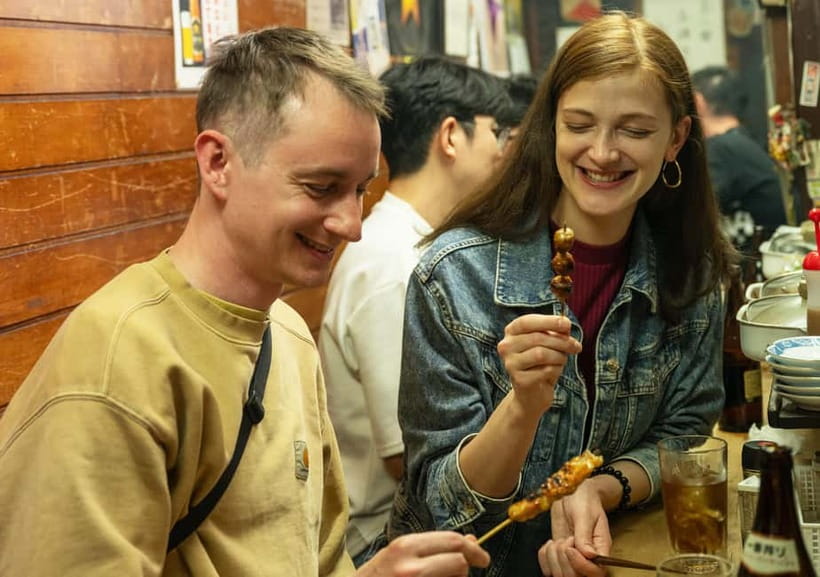
Then the tour usually leans hard into Golden Gai. This area is famous for a maze of narrow lanes packed with tiny bars. Don’t expect big menus or spacious seating. Expect character—sometimes loud, sometimes intimate, and often both.
Why this stop hits so well is that it’s the opposite of the big, branded nightlife you might see elsewhere. Golden Gai feels like Tokyo’s drinking culture, shrunk down to human scale: small rooms, close conversation, and a sense that each bar has its own mood.
A good guide helps here in two ways. First, they help you understand what you’re walking into so you’re not guessing. Second, they can guide your group toward spots that feel welcoming. That matters because some bars are tourist-friendly, but others can be picky—connections make the difference between standing outside and actually experiencing the place.
In one example, the night ended with karaoke in a small hidden-feeling spot in a basement setting. That’s the kind of reward you get when the route is built by people who know where first-timers can realistically have fun.
Local Izakaya Drinking Culture (and the Reality of Ordering)
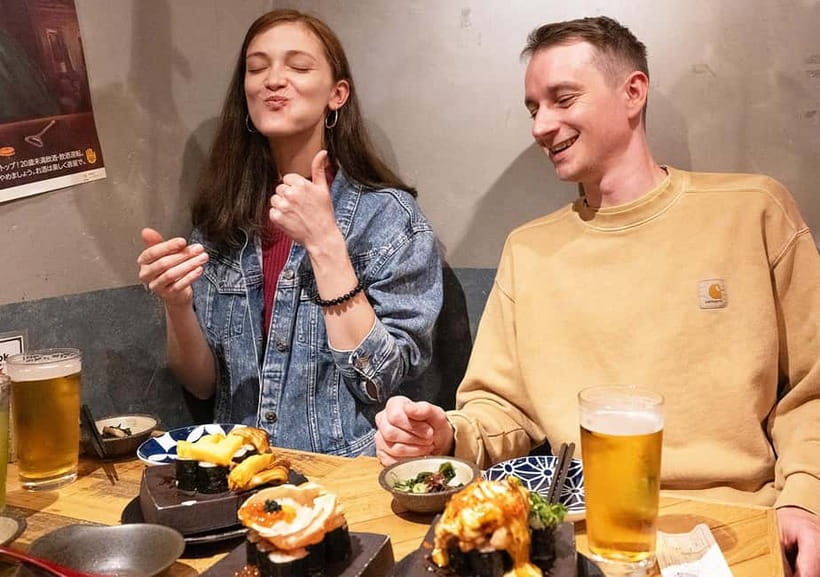
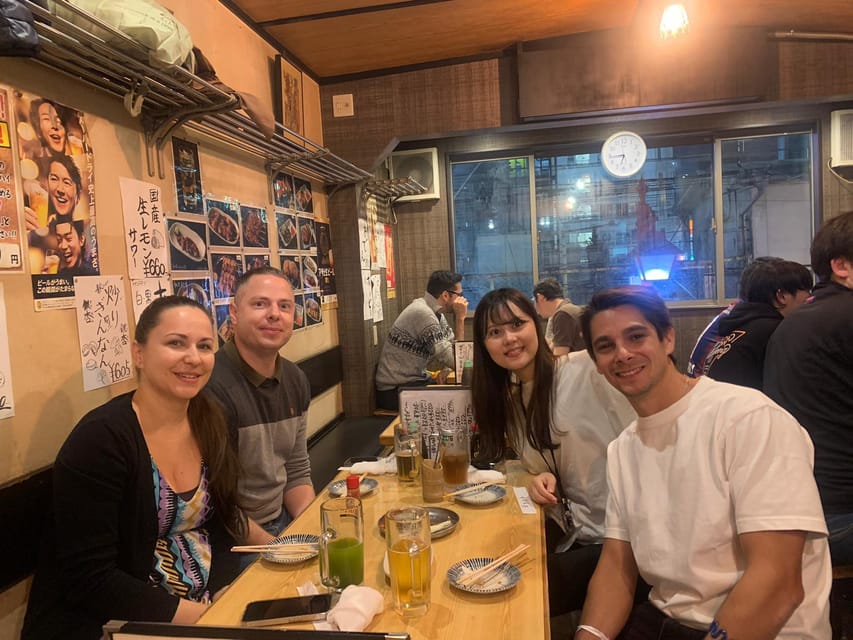
Even if you don’t plan on drinking much, izakaya culture is the point here: casual, social, snack-and-sip dining that turns strangers into conversation partners. You’ll learn how to handle the rhythm—how people order, how the meal-to-drink flow tends to work, and what to do if the menu looks like a wall of mysteries.
Language barriers are part of the experience, and that’s exactly why having a guide helps. Reviews mention how English can still be limited in small venues, so using a translation app can save you stress. You don’t need to be fluent. You just need to feel oriented enough to order and enjoy.
Also, seating can be tight. The tour notes that some places require standing due to limited capacity. So don’t plan this as a “sit comfortably the whole night” outing. Think of it as standing around with good company—then getting your moment to relax when you find the right spot.
You can also read our reviews of more nightlife experiences in Tokyo


Karaoke Night: Picking Songs and Laughing Through the Language Gap
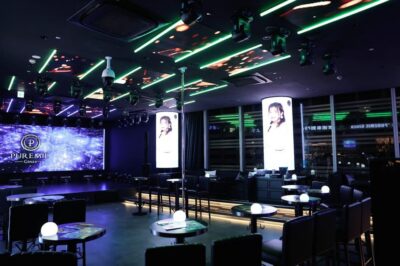
Karaoke is the grand finale, and it’s designed to be approachable. You’ll get to grab a drink, pick a song, and sing with your group. If you’ve never done karaoke before, you’re still the target audience. The whole point is having fun—not sounding perfect.
This is where the social magic happens. Even if you don’t speak much Japanese, karaoke gives you something to do together. The lyrics on screen, the shared rhythm, and the willingness to laugh at mistakes turn the night into an easy conversation starter.
In the kind of karaoke bars you’ll reach on this tour, you’ll likely share the space with other friendly people, including your fellow travelers. Reviews mention the karaoke being a highlight, with guides described as true fans of karaoke who keep the energy up.
One more practical reality: service and pacing can vary. The tour may run a little longer if food or drink service is delayed at a stop. For karaoke, that usually ends up being fine—just keep your evening loose.
Food, Drinks, and the Vegetarian Reality Check
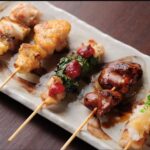
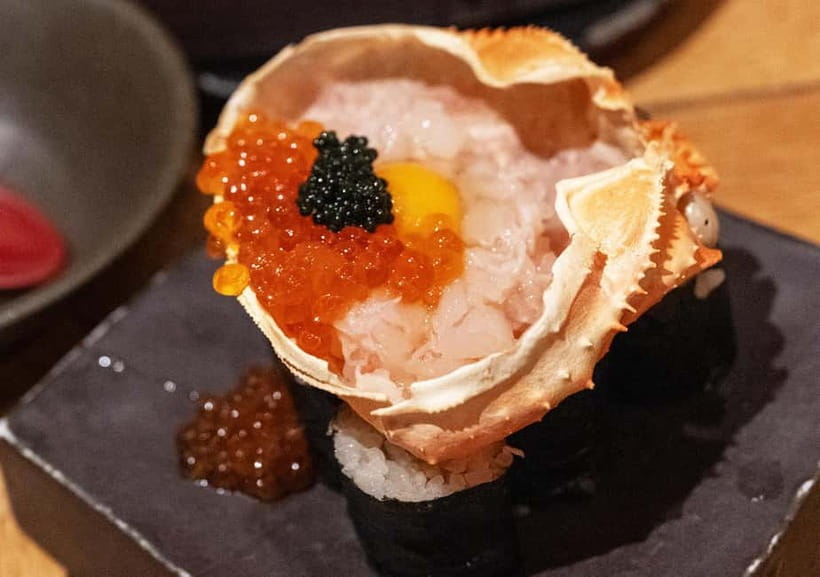
Food and drinks aren’t included in the price. That means you’re choosing what you want to spend as the night goes on. In practice, the tour often includes stops where you can order snacks or small meals (one review describes lots of munchies and splitting bills), but the specifics can change night to night.
If you’re vegetarian, plan carefully. The tour notes that most Japanese restaurants aren’t set up for vegetarian menus, and while vegetarian options are available, they’re limited. So be prepared to work with what’s possible—ask questions, rely on your guide, and don’t expect a full buffet of choices.
For drinking: by Japanese law, only guests aged 20 and over can drink alcohol. If you’re under 20, you can still enjoy the night for the atmosphere and karaoke, but you won’t be able to drink alcohol.
Practical Tips That Make the Night Smoother
A few small things can make the difference between a fun night and a frustrating one.
- Bring cash. Many small bars and restaurants are easier to pay with cash, and the tour explicitly asks you to bring it.
- Wear comfortable shoes. You’ll walk between stops, including alleyways that aren’t made for long, awkward strides.
- Expect some standing room. Limited seating is part of the experience.
- Use a translation app if you can. It reduces awkward gaps when ordering or chatting.
- Go with the pace. Service delays can push the ending time back a bit.
If you’re the type who gets stressed by “plans might change,” this tour is still manageable. The key is that the route is handled for you. You’re not navigating on your own through the maze of neon streets.
Who This Tour Fits Best
This tour fits you if you want Tokyo nightlife with guidance. You’ll especially like it if:
- You’re curious about Shinjuku’s bar culture but don’t want to spend your night figuring out where to go.
- You like the mix of big-energy streets (Kabukicho) and smaller, weirder spaces (Golden Gai).
- You’re open to karaoke as a social activity, even if you’re not a performer.
It’s also a good option for groups who want the night to move but still feel friendly—your guide keeps things organized, and the vibe at each stop is more about people having a good time than following strict rules.
If you hate standing, need very strict food accommodations, or dislike any language barriers at all, you might find parts of the night challenging.
Should You Book This Shinjuku Bar Hopping & Karaoke Tour?
I’d book it if your goal is simple: experience Shinjuku at night in a way that feels local. The guide-driven access to places in and around Golden Gai is the main reason this feels like value, not just a walk around with a ticket.
You should pass if you’re expecting meals and drinks to be covered, or if you absolutely need full vegetarian menus and plenty of seating. This tour is more about the atmosphere and the culture of a night out than about comfort-first luxury.
For most people over 20 who want a lively, guided Tokyo night—plus karaoke at the end—this is a smart pick. Bring cash, wear good shoes, and be ready to laugh. Tokyo nightlife is better when you’re not trying to do it alone.
FAQ
Where does the tour start?
You meet at Shinjuku Station East Exit Police Box at the East Exit. The address listed is 3-38-1 Shinjuku, Shinjuku-ku, Tokyo, and the guide will be holding a sign that says Local Guide Stars.
What’s included in the price?
The price includes a walking tour, a local guide, and photos taken during the tour. Food and drinks are not included.
What should I bring?
Bring cash. Since food and drinks aren’t included, cash is useful for paying at bars and restaurants during the tour.
Can I drink alcohol on this tour?
Only guests aged 20 and over are allowed to drink alcohol by Japanese law.
What about vegetarian options?
Vegetarian options are available, but they’re limited, since most Japanese restaurants aren’t fully equipped to offer vegetarian menus.
Is the tour affected by rain?
The tour proceeds rain or shine. It also starts on time, so it’s important to arrive early so you don’t miss the group.