REVIEW · TOKYO
Tokyo: Mt Fuji Lake Kawaguchiko Tour & Arakuyama Sengen Park
Book on GetYourGuide →Operated by Hakuu Co Ltd. · Bookable on GetYourGuide
Fuji views start before the crowds. This 10-hour day trip packs iconic photo stops like Arakurayama Sengen Park and UNESCO Oshino Hakkai into one smooth schedule, with a guide who helps you line up the best angles. The trade-off is timing: with bus rides and short walks, you’ll want good shoes and patience if the pace feels quick.
You meet at Tokyo Station Marunouchi North Exit with your guide holding a blue flag, then you head out at 8:00. Expect small-group comfort when the roster is up to 13, or a bigger bus if the group fills up, but the plan stays structured.
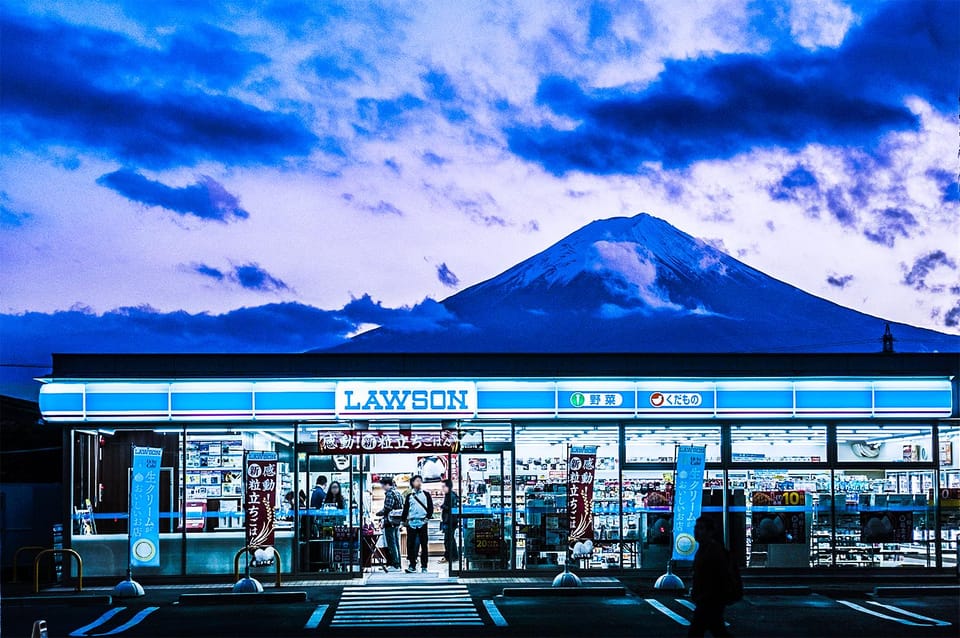
On the way you’ll get scenic Mt Fuji glimpses and a quirky Lawson break for one last street-Fuji photo. Just note there’s no food in the vehicle, and weather controls what you actually see.
In This Review
- Key things to love about this Mt Fuji and Kawaguchiko day trip
- Morning Start at Tokyo Station: how the day begins
- Arakurayama Sengen Park and Chureito Pagoda: the Fuji icon stop
- Hidakaya Clock Street: a calm lane with Fuji at the end
- Oshino Hakkai: the UNESCO ponds that turn down the noise
- A quick break at Lawson Kawaguchiko Station: yes, it’s part of the plan
- Lake Kawaguchi at golden hour: Oishi Park or Maple Corridor
- Pace, group size, and what to pack for a 10-hour day
- Is it good value at around $58 per person?
- Should you book this Mt Fuji and Kawaguchiko tour?
- FAQ
- Where do I meet the guide?
- What time does the tour start and end?
- What are the main stops on the day?
- Is transportation included in the price?
- Are meals included?
- Is there an entrance fee included?
- What should I know about luggage and food on the vehicle?
Key things to love about this Mt Fuji and Kawaguchiko day trip
- Arakurayama Sengen Park and the Chureito Pagoda steps for that classic Mt Fuji frame
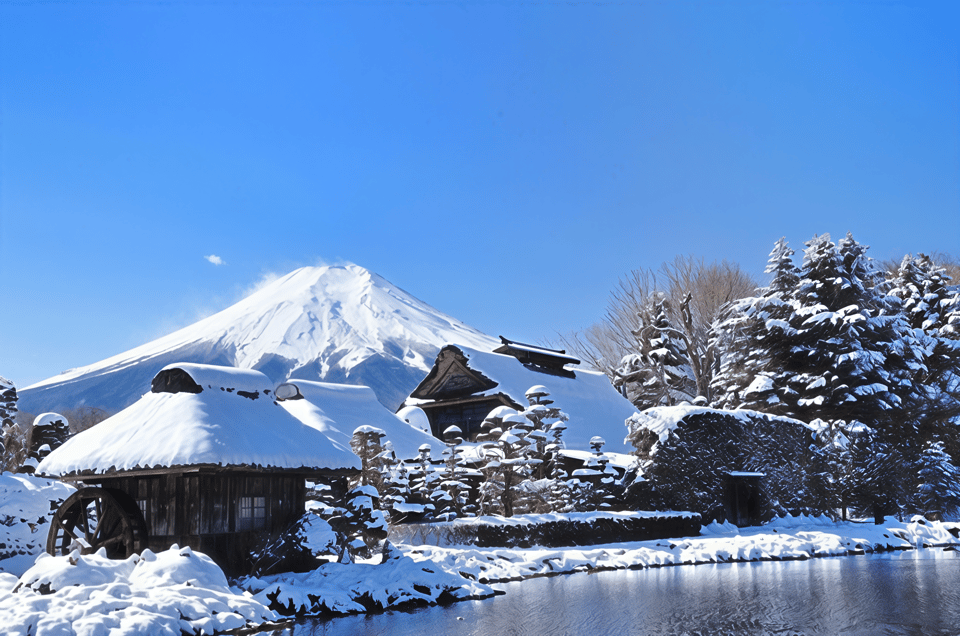
- Oshino Hakkai’s UNESCO ponds where reflections do the talking
- Hidakaya Clock Street for a Fuji-at-the-end-of-the-lane photo moment
- A timed Lawson stop at Kawaguchiko Station for a surprisingly fun street shot
- Season swaps for Lake Kawaguchi (cherry blossom season, or Maple Corridor in late autumn)
- Guide support and clear drop-off points, including messages sent before you go
Morning Start at Tokyo Station: how the day begins
This is a classic Fuji day trip setup: you leave Tokyo early, you spend the main daylight on the mountain side, and you come back before dinner. Meeting is at Tokyo Station, Marunouchi North Exit (your guide holds a blue flag). Your guide contact, flag color, and vehicle plate details should land in your inbox the evening before, so check email and spam.
I like this kind of start because Tokyo is easy to navigate, and Tokyo Station is the one place everyone can find. Still, one small caution: if your message timing gets missed, you could waste minutes hunting for the correct vehicle. If you want a low-stress morning, arrive early and keep your phone handy in case the guide is already out front.
The total day runs about 10 hours, with roughly 105 minutes each way by coach. That’s a lot of seat time, so bring water you buy yourself before boarding, and keep your camera strap ready.
You can also read our reviews of more tours and experiences in Tokyo.

Arakurayama Sengen Park and Chureito Pagoda: the Fuji icon stop
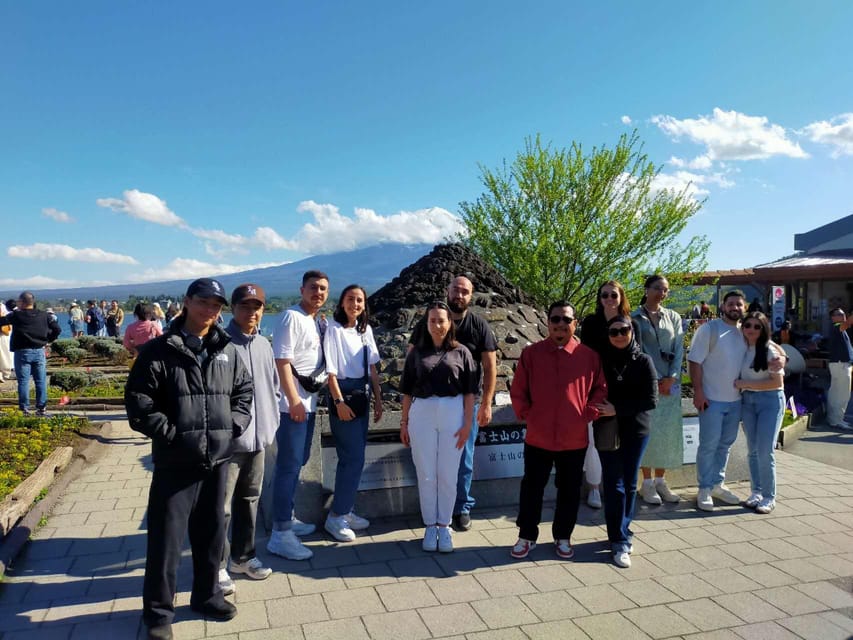
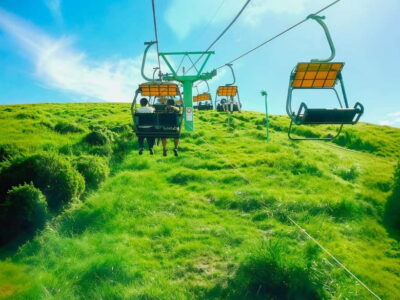
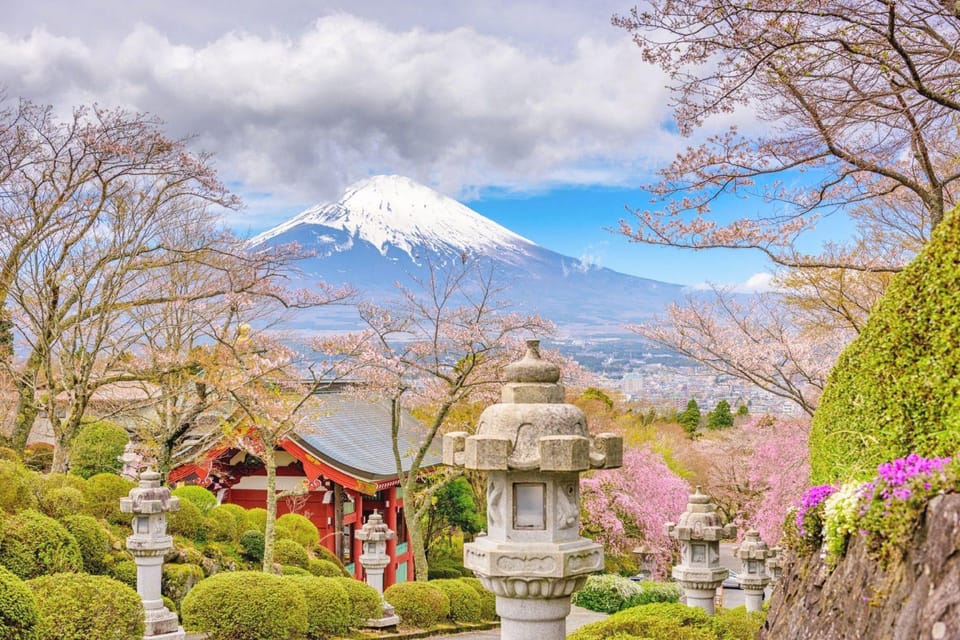
Arakurayama Sengen Park is where Mt Fuji becomes the main character. You’ll spend about an hour in the park area, then your schedule includes a Chureito Pagoda photo stop with additional time to take it all in. The viewpoint is famous for a reason: the pagoda sits in the composition, and Fuji often lines up as the distant centerpiece.
What I like here is how the same place changes with the season. When the weather cooperates, you get a layered view: foreground details (steps, pagoda, trees) plus the mountain in the distance. If you’re visiting in spring, the area can feel like Mt Fuji is framed by sakura season. In autumn, you may see the mountain working with falling color. In winter, clear air can make Fuji look sharper, assuming visibility is good.
Practical advice:
- Wear shoes you can walk in. The route involves steps and uneven footing.
- Plan for short photo bursts rather than one long shoot. Light and visibility can shift quickly.
- If Fuji is obscured early, don’t assume it’s done for the whole day. Some tours run better once the morning clears.
A verified booking noted clear, unobstructed Mt Fuji views during the morning, which matters. If your priority is seeing Fuji clearly, Arakurayama is your best bet on this route because it’s the first major Fuji-framing stop.
Hidakaya Clock Street: a calm lane with Fuji at the end
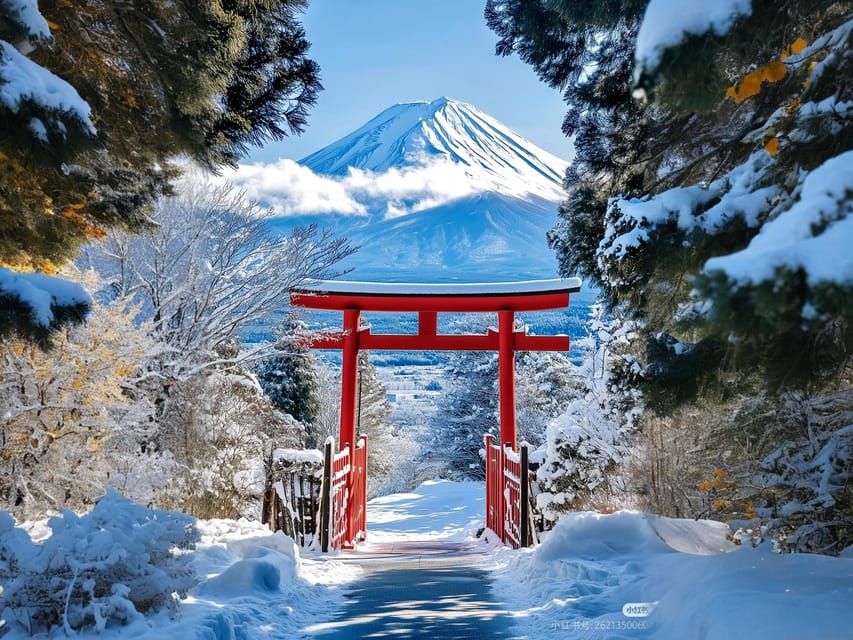
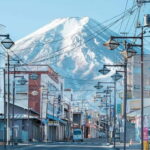
After Arakurayama, you’ll head to Hidakaya Clock Street (often described as a quiet, Fuji-themed photo stroll). Your time here is short—about 20 minutes—so think of it as a photo-and-walk stop, not a long linger.
This lane works well because it’s less about big scenery and more about perspective. You get the classic Fuji-at-the-end-of-the-visual narrative, which is perfect for photos that feel like you planned them. The street atmosphere also gives you something different from the park viewpoint: a more intimate, street-level look with Japan’s traditional vibe.
What to do in the limited time:
- Walk to the point where Fuji aligns in the background (then take multiple angles fast).
- If you want fewer people in your frame, move along the lane rather than waiting in one spot.
- Keep an eye on the group timing. This stop isn’t long enough for slow meandering.
Oshino Hakkai: the UNESCO ponds that turn down the noise
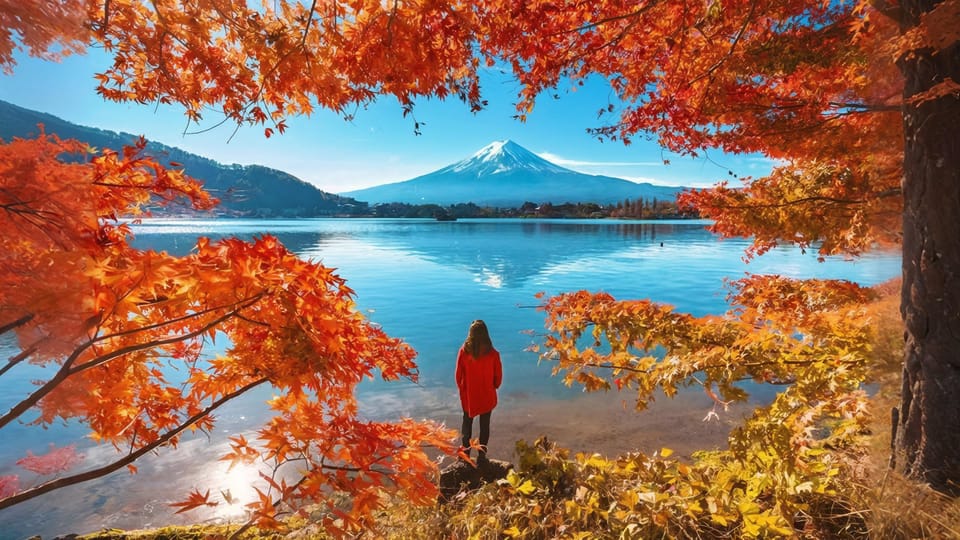
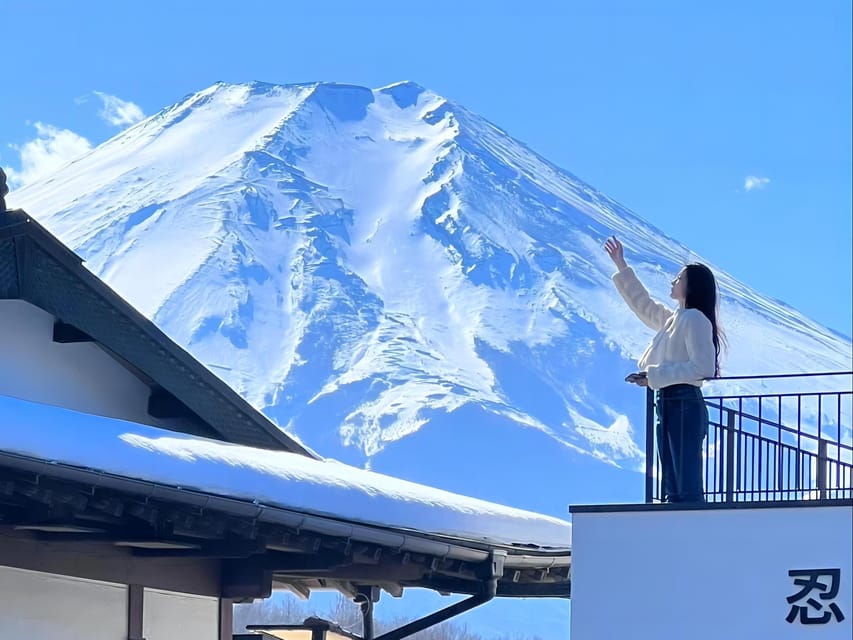
Oshino Hakkai is the “slow down” stop on the day. You’ll spend around 80 minutes here. This is a UNESCO-listed area known for calm, clear ponds fed by spring water, and the best photos come from standing back a bit and letting Fuji reflections do their thing.
I like Oshino Hakkai because it’s not just about what the mountain looks like. It’s about the feeling—quiet water, gentle walking paths, and reflections that can be almost postcard-like when the sky is bright. Even when Fuji isn’t fully visible, the ponds and water textures still make for good images.
Practical notes:
- Bring patience with reflections. They depend on the water surface and light.
- If you’re shooting with a phone, try a couple of heights: standing eye level and slightly lower can change the reflection look.
- Expect crowds in peak seasons. If you want clean reflections, you may need to wait a minute for the water to settle.
This is also a smart stop for anyone who wants variety beyond “Fuji from one viewpoint.” It’s a different scene type, and it balances the day nicely.
A quick break at Lawson Kawaguchiko Station: yes, it’s part of the plan
This is one of those stops you might not expect—until you see the result. The schedule includes a Lawson at Kawaguchiko Station break for about 20 minutes, with photo time and the chance to grab small snacks. You’re likely to be able to buy ice cream or drinks here, which is handy if you don’t plan on bringing food on the coach.
Why it works:
- Convenience store architecture can create a strong “Japan street” photo style.
- It’s a short, low-effort way to get one last Fuji-related shot before the Lake Kawaguchi segment.
One important note: there’s no food in the vehicle, so you’ll want to eat only during designated breaks. Use this Lawson stop to reset—camera batteries, quick snack, then back to the rhythm.
If you’re the kind of traveler who likes practical photos, this is that kind of moment. Not every Fuji trip includes a street-photo angle, and it adds fun without eating up time.
Lake Kawaguchi at golden hour: Oishi Park or Maple Corridor
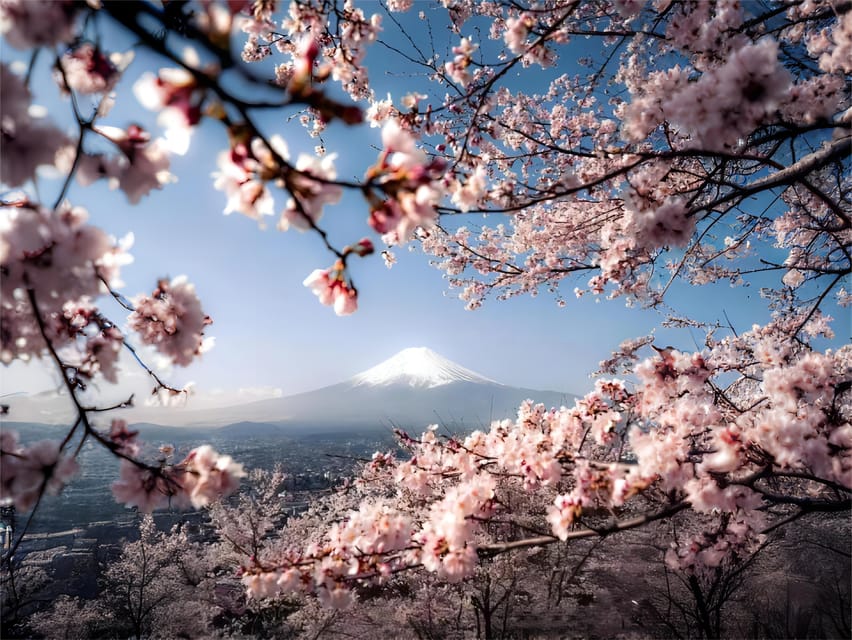
Your final big scenic block is Lake Kawaguchi, with around 50 minutes on the ground and travel time via bus during the approach. This part of the day is built around the idea that Fuji is better when it’s paired with seasonal color.
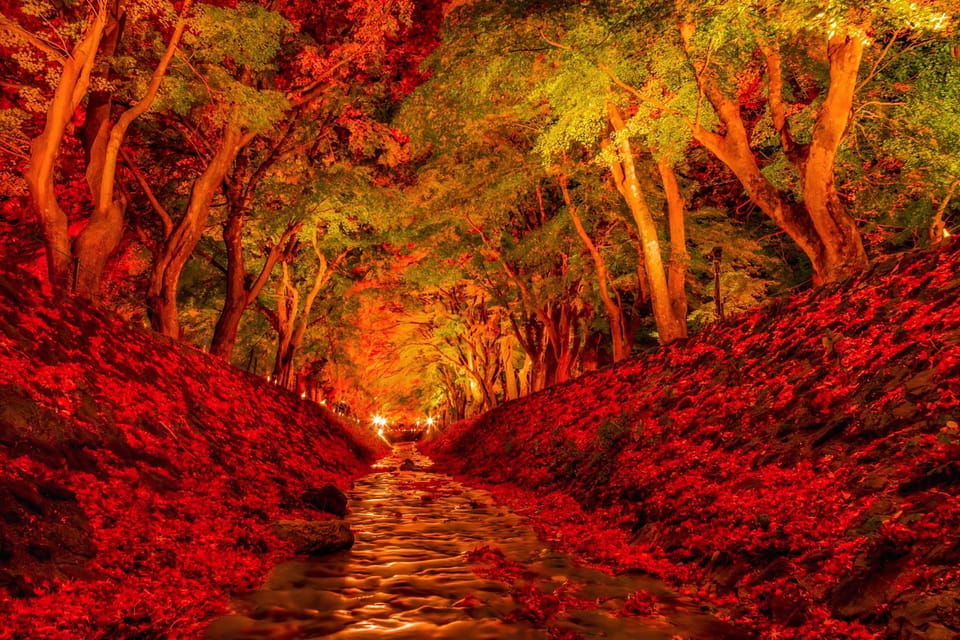
In most seasons, the plan centers on Oishi Park / a seasonal corridor depending on timing. In late autumn, the itinerary changes: from approximately October 30 to November 20, you’ll visit the Kawaguchiko Maple Corridor instead of Oishi Park to focus on autumn colors. The goal is simple—catch the best foliage window your dates can support.
If you’re visiting in spring, the route is aligned with a cherry blossom festival period (about March 30 to April 14), which means Fuji can appear above or behind a sea of pink sakura depending on conditions. If you’re visiting in summer, the plan is geared toward flower-field scenery with Fuji in the background.
What to expect on the ground:
- You’ll likely walk short stretches and look for the main viewpoints quickly.
- Timing matters. If clouds roll in, the mountain may fade.
- Try to keep your plan flexible. Even a small shift in walking location can change your shot.
This stop is also a good wrap-up because it combines: Fuji view, seasonal plants, and open-air space. After the pond calm of Oshino Hakkai, this is where the day ends with a more “wide” feel.
Pace, group size, and what to pack for a 10-hour day
The tour is designed to fit a lot into one day, which is great if you’re short on time in Tokyo. It’s not a slow sightseeing day. With multiple stops and bus time, you’ll have frequent transitions, and some walks are limited to short windows.
Group size can shape your experience:
- If you’re in the small-group bracket (up to 13), you may feel more personal space at viewpoints.
- If you’re in the bigger bus group (14–45), drop-offs and movement can feel more structured and less flexible.
Either way, you’ll want to be ready to move. One verified note criticized the overall rhythm as a bit fast, which tells me the pacing is firm enough that slow walkers should plan to keep up.
Packing suggestions that match the reality of this day:
- Comfortable shoes for steps (Arakurayama) and walking paths (Oshino Hakkai, parks).
- A light layer. Winter mornings and late afternoons near mountain areas can feel cooler than Tokyo.
- A camera or phone with charged battery. You’ll want it for Arakurayama and the reflection spots.
And remember the rules:
- No smoking in the vehicle
- Food isn’t allowed in the vehicle
- Bring only one piece of luggage per person. If you have more (or oversized items), there may be extra fees, so notify in advance.
Is it good value at around $58 per person?
For a day trip priced around $58, the value comes from what’s bundled: transportation from Tokyo, professional guide support, and coverage of fuel/tolls/parking. If you tried to piece together the same sequence on your own, you’d be juggling train/bus connections, route changes, and guide-based help for timing and photo locations.
You’re paying less for logistics and more for the convenience of a prepared route. That matters on a day like this because Fuji visibility depends on timing and weather, and you don’t want to waste your limited daylight figuring out how to get between viewpoints.
Where the value might not feel as strong:
- If you already have your own transport plans and you’re confident navigating the area independently, you might feel the tour is paying for convenience more than unique access.
- If you dislike quick stops, you may wish for longer time at fewer locations.
But if your priority is hitting multiple signature Fuji spots from Tokyo without stress, this price is reasonable for what you get.
Should you book this Mt Fuji and Kawaguchiko tour?
Book it if you want a single-day hit list: Arakurayama Sengen Park, Oshino Hakkai, and Lake Kawaguchi with seasonal color, plus guided support to keep the day efficient. It’s a great fit for first-timers and for anyone who wants to maximize daylight without building an itinerary from scratch.
Skip or reconsider if:
- You hate bus days and short walks.
- You need mobility accommodations (it’s not suitable for wheelchair users).
- You’re pregnant (not suitable as listed).
If you do book, set yourself up for success by checking your guide message the night before, arriving a little early at Tokyo Station, and keeping expectations realistic about Mt Fuji visibility. When the skies are clear, the payoff is huge. When they’re not, you still get the beauty of Oshino’s ponds and the seasonal mood of Lake Kawaguchi.
FAQ
Where do I meet the guide?
You meet at Tokyo Station, Marunouchi North Exit (1-chōme-9-1 Marunouchi, Chiyoda City, Tokyo). Your guide will be holding a blue flag, and you should receive guide contact and vehicle details by message.
What time does the tour start and end?
Meet at 7:50 at Tokyo Station and depart at 8:00. You return to Tokyo Station around 6:50.
What are the main stops on the day?
The route includes Arakurayama Sengen Park (with the Chureito Pagoda viewpoint), Hidakaya Clock Street, Oshino Hakkai, a break/photo stop at Lawson Kawaguchiko Station, and Lake Kawaguchi (Oishi Park or Maple Corridor depending on season).
Is transportation included in the price?
Yes. You get comfortable transportation by coach, with a professional guide and driver for the day.
Are meals included?
No. Meals, beverages, and snacks are not included.
Is there an entrance fee included?
Entrance fees to any optional attractions are not included.
What should I know about luggage and food on the vehicle?
One piece of luggage per person is allowed. Food is not allowed in the vehicle, and smoking is not allowed.