REVIEW · TOKYO
Tokyo: Tsukiji Market Guided Tour & Sushi-Making Experience
Book on GetYourGuide →Operated by True Japan Tour · Bookable on GetYourGuide
Tsukiji still smells like the sea. This guided mix of Tsukiji Outer Market browsing and a hands-on sushi class lets you see how Tokyo’s seafood obsession connects to what ends up on your plate.
Two things I really like: you get pointed guidance through narrow alleys where merchants are actively working, and you don’t just watch—you make sushi yourself with a licensed instructor.
One thing to keep in mind: it’s not a quick, cheap meal. At $177 per person for about 225 minutes, the value depends on whether you want the market experience plus instruction (not just a sushi lunch), and any drinks beyond your sushi aren’t included.
In This Review
- Key Points If You Want the Quick Take
- Entering Tsukiji Outer Market Through a Local-Led Route
- What the Market Guide Adds (Even If You Know Tokyo Markets)
- From Tsukiji to a State-of-the-Art Kitchen Near Tokyo Tower
- The 3 Sushi Styles You’ll Learn: Nigiri, Hosomaki, Gunkanmaki
- Nigiri: The hand-rolled foundation
- Hosomaki: Thin rolls with clean lines
- Gunkanmaki: Nori boat shapes with a soft topping
- Hygiene, Sushi Etiquette, and How You’ll Eat What You Made
- Price and Value: When $177 Makes Sense
- What’s Included (and What You Need to Plan)
- Meeting Point at Tsukiji Hongwanji Temple: Easy Start, Clear Directions
- Should You Book This Tsukiji Tour and Sushi Class?
- FAQ
- Where is the meeting point?
- How long is the tour?
- What sushi types will I learn to make?
- Is public transportation included?
- What’s included in the price?
- Are hotel pickup and drop-off included?
- Is it suitable for babies or for people with mobility impairments?
- Can I cancel for a refund?
Key Points If You Want the Quick Take
- Meet at Tsukiji Hongwanji Temple: super close to Tsukiji Station (Hibiya Line), so you can start on time.
- Outer Market focus: you’ll walk the seafood lanes and learn what top chefs care about when shopping.
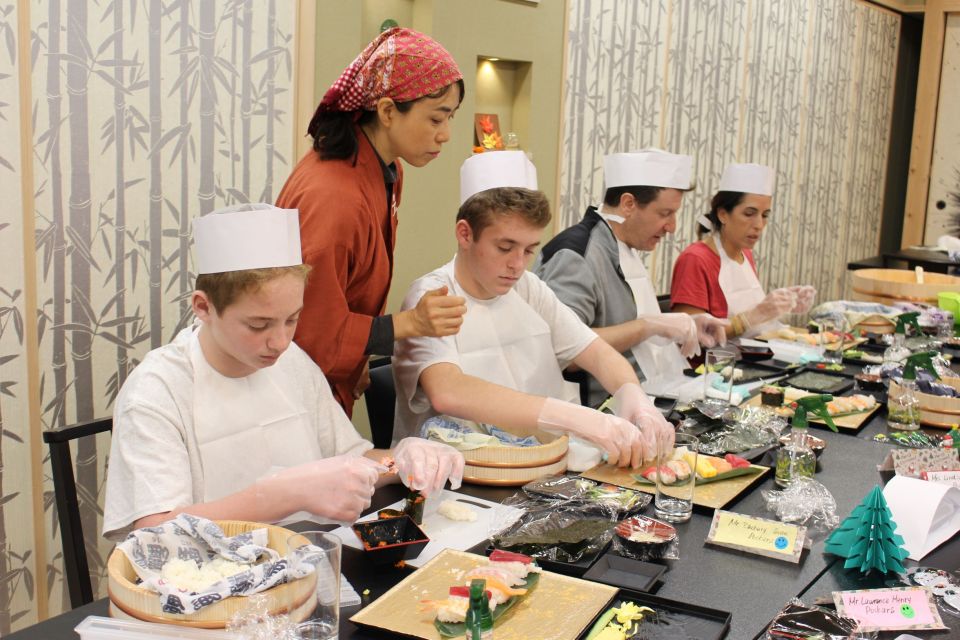
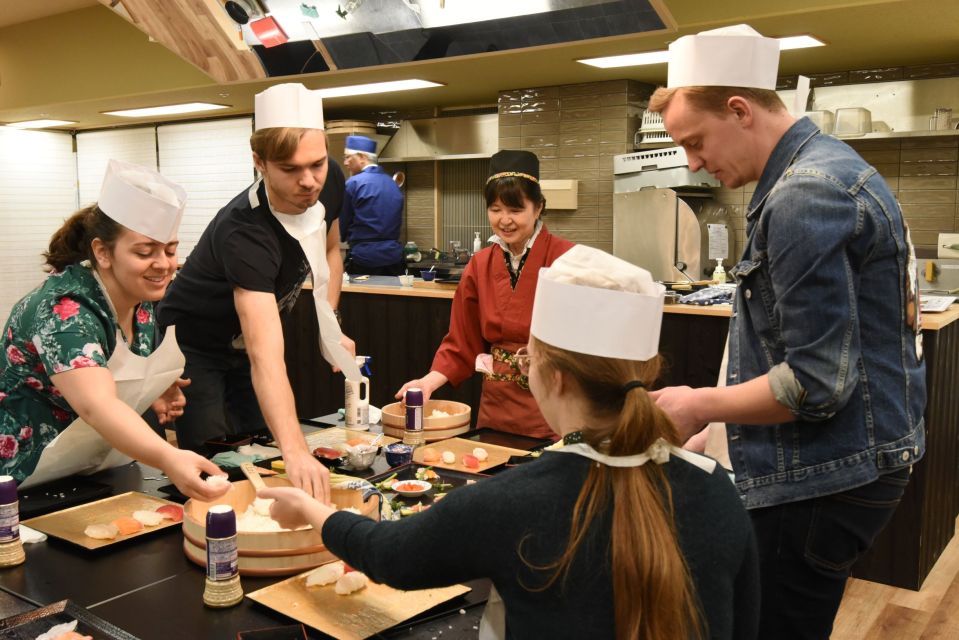
- Small group (up to 10): easier for the instructor to correct your technique as you roll.
- You make 3 sushi styles: nigiri, hosomaki, and gunkanmaki, not just one basic roll.
- All ingredients included + souvenir kit: you leave with the tools and what you need for practice.
- No extra food or drinks provided: plan your own water/snacks if you’ll need them.
Entering Tsukiji Outer Market Through a Local-Led Route
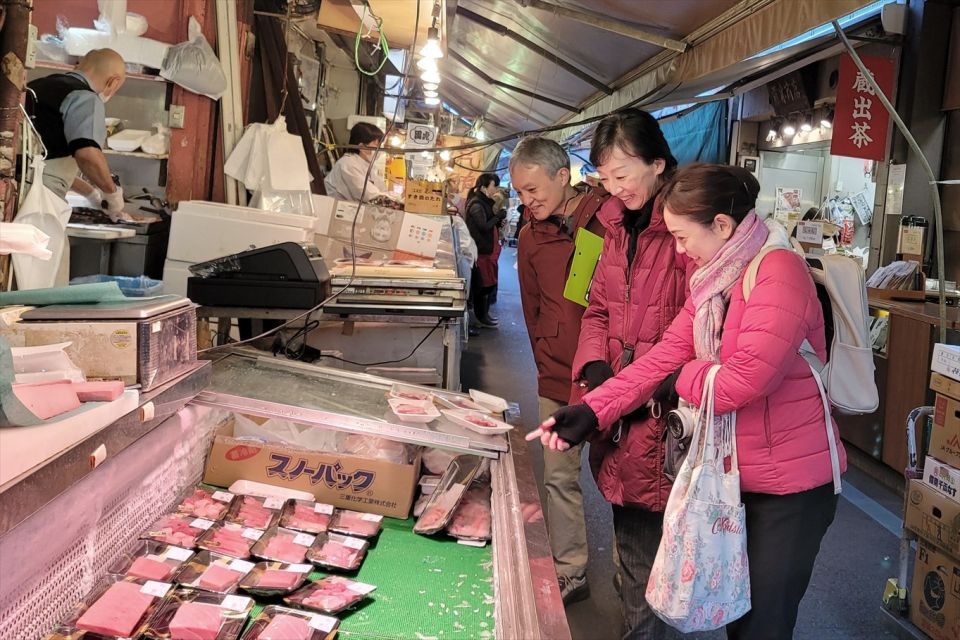
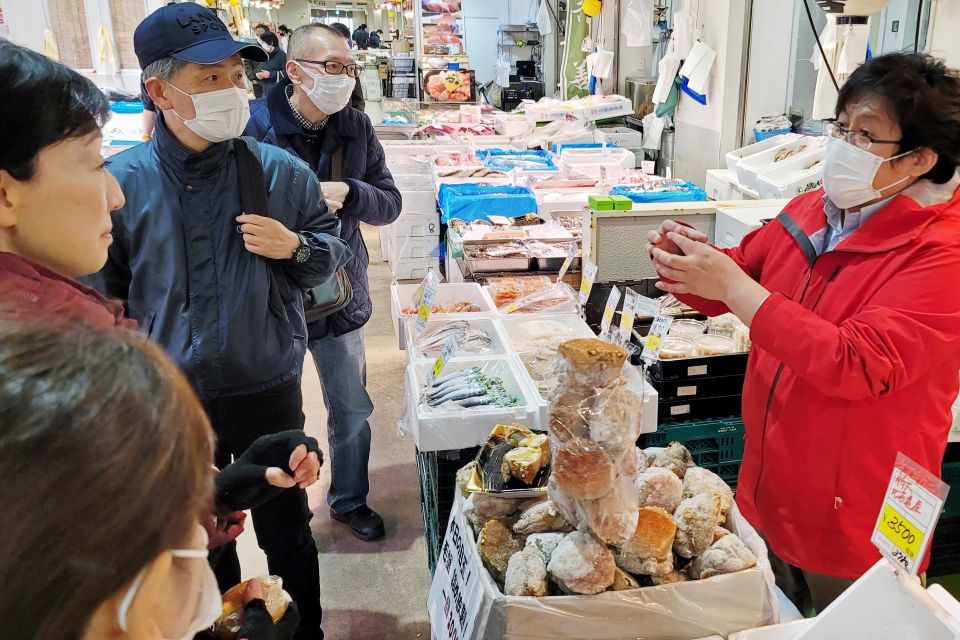
Tsukiji is one of those places where your senses do the tour before your brain catches up. The Outer Market area is where you’ll notice the constant movement—vendors working, shoppers weaving through, and the sharp, clean smell of seafood that makes you instantly understand why this place is famous.
What makes this experience more useful than wandering on your own is the way you’re guided from one kind of stall to the next. You’re not just looking at fish; you’re picking up context: what people buy here, why seafood quality matters, and how chefs think about ingredients. That’s the difference between a photo stop and a food education.
I also like that the tone is practical. You’ll follow your guide through narrow alleys, and you’ll spend time hunting for freshly-caught tuna rather than only seeing static displays. It’s a quick way to learn how to read a market—what’s fresh, what looks handled well, and what merchants pay attention to as they work.
You can also read our reviews of more guided tours in Tokyo
What the Market Guide Adds (Even If You Know Tokyo Markets)
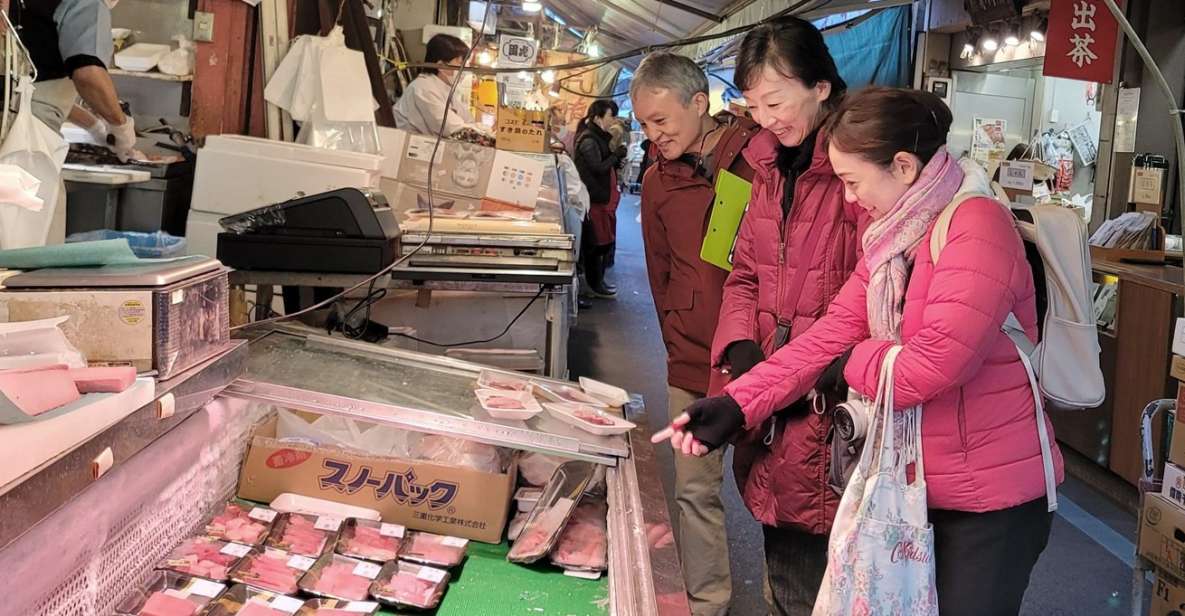
A lot of Tokyo food tours promise history. This one adds something more helpful: how the market functions—and who it serves. As you walk, you’ll pass expert merchants at work and visit shops where Michelin-star chefs buy produce. Even if you never plan to cook at home like a chef, it trains your eyes.
You’ll also cover the market’s backstory: it became known as a major wholesale center in central Tokyo, and that role shaped the habits and expectations around ingredient quality. That matters because sushi isn’t just a set of ingredients. It’s precision. Your tour guide’s explanations give you a reason to care about things like fish freshness and hygiene practices before you ever touch rice.
Another practical benefit: the guide helps you navigate the area’s tight layout. Tsukiji is easier when someone shows you the shortcuts and the lanes that make sense. I’d still recommend comfortable shoes because the ground and crowds can be a lot, but the guided pacing keeps it from turning into stress.
From Tsukiji to a State-of-the-Art Kitchen Near Tokyo Tower
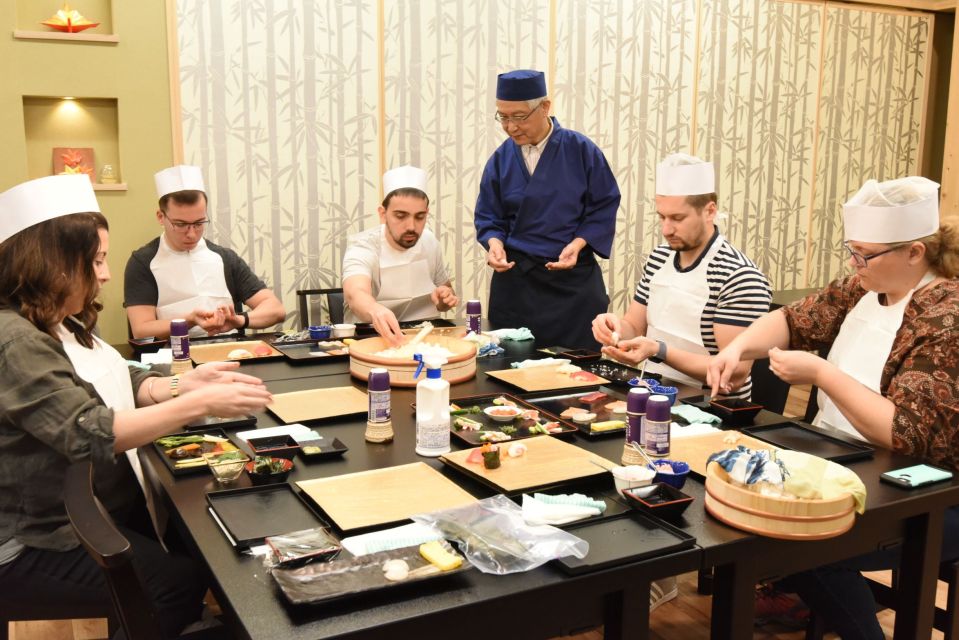
After the market portion, you’ll take public transportation to a kitchen facility. This shift is smart because it changes the experience from observation to skill-building. Walking in Tsukiji trains your senses; being in a proper class setup lets you learn technique without guessing.
The kitchen is described as state-of-the-art and located near Tokyo Tower. That location matters because it’s a central, easy-to-reach area once you’ve moved out of the market zone. Also, getting out of the market and into a controlled space makes the instruction feel serious—in a good way—like you’re learning a craft, not copying a recipe.
One more thing I appreciate: you’re not dropped into the class cold. You’ll get context about how sushi is made, including the hygiene side of it. Sushi cooking is partly about flavor, and partly about safe handling, timing, and clean technique. That’s what you’re being set up for.
The 3 Sushi Styles You’ll Learn: Nigiri, Hosomaki, Gunkanmaki
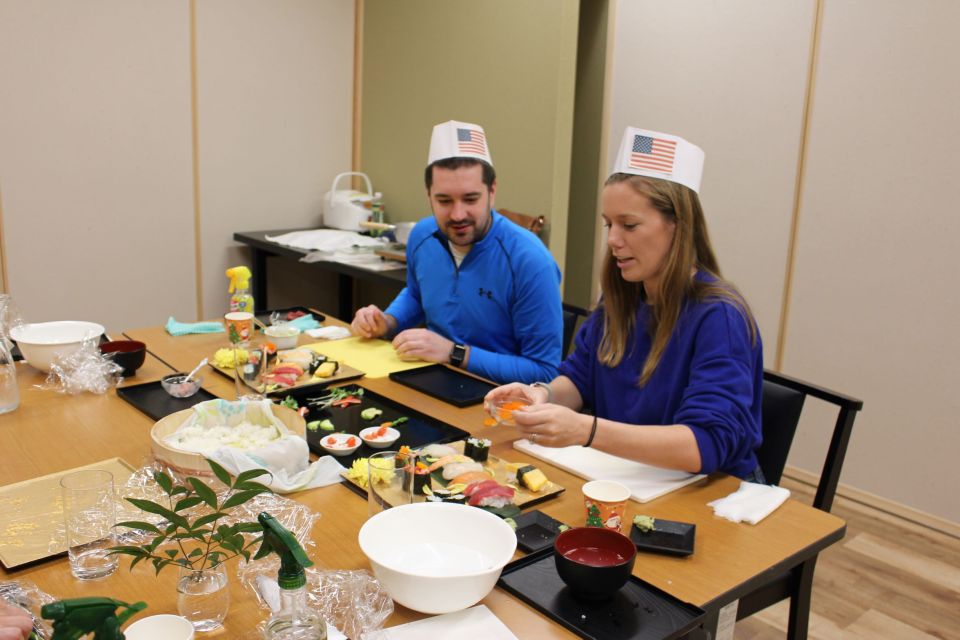
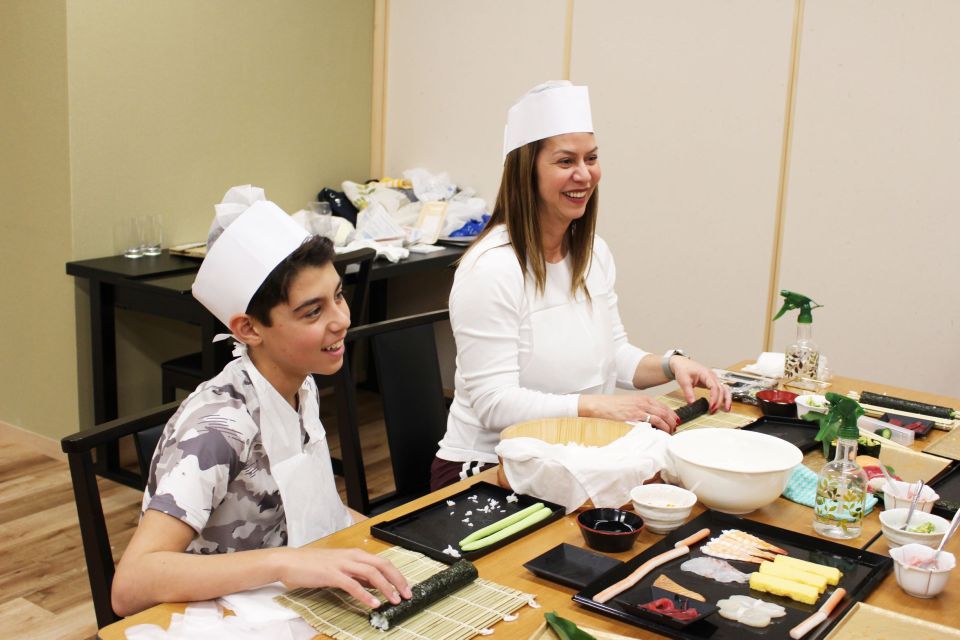
This is the core reason I’d consider booking. You don’t just make one sushi roll. You learn how to make three distinct styles: nigiri, hosomaki, and gunkanmaki.
Nigiri: The hand-rolled foundation
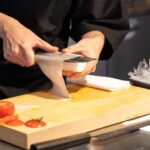
Nigiri is the classic: rice topped with fish, shaped with care. The lesson here is about proportion and control. You’ll learn the feel of the rice, how to handle it without making it mushy, and how to build a topping that sits right.
You can also read our reviews of more shopping tours in Tokyo


Hosomaki: Thin rolls with clean lines
Hosomaki (thin rolls) is where technique becomes obvious. With smaller rolls, tiny mistakes show quickly—too much filling, uneven rolling, or sloppy cuts. This section is ideal if you like structure and step-by-step improvement.
Gunkanmaki: Nori boat shapes with a soft topping
Gunkanmaki is the playful one: sushi wrapped in nori with a soft topping of your choice. It’s a fun style because it balances firmness (nori form) with texture. It also teaches you how to manage toppings that aren’t as solid as slices of fish.
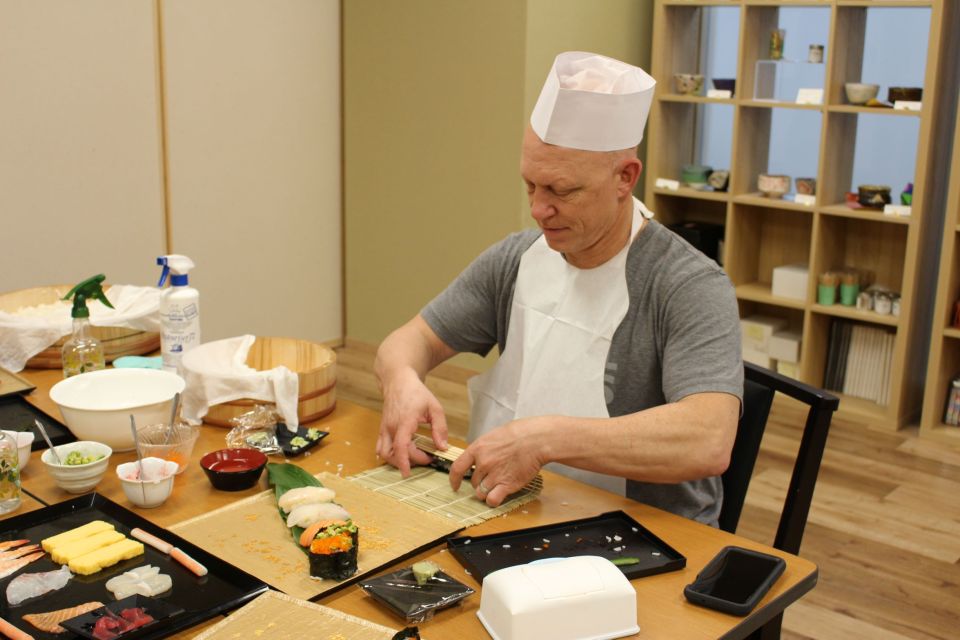
What I like most is that the class isn’t just technical. You’re also learning what goes into sushi-making—why certain practices matter, and how sushi’s components work together. And since the tour includes ingredients, you’re not standing there trying to figure out what you’re missing or what you should buy later.
Hygiene, Sushi Etiquette, and How You’ll Eat What You Made
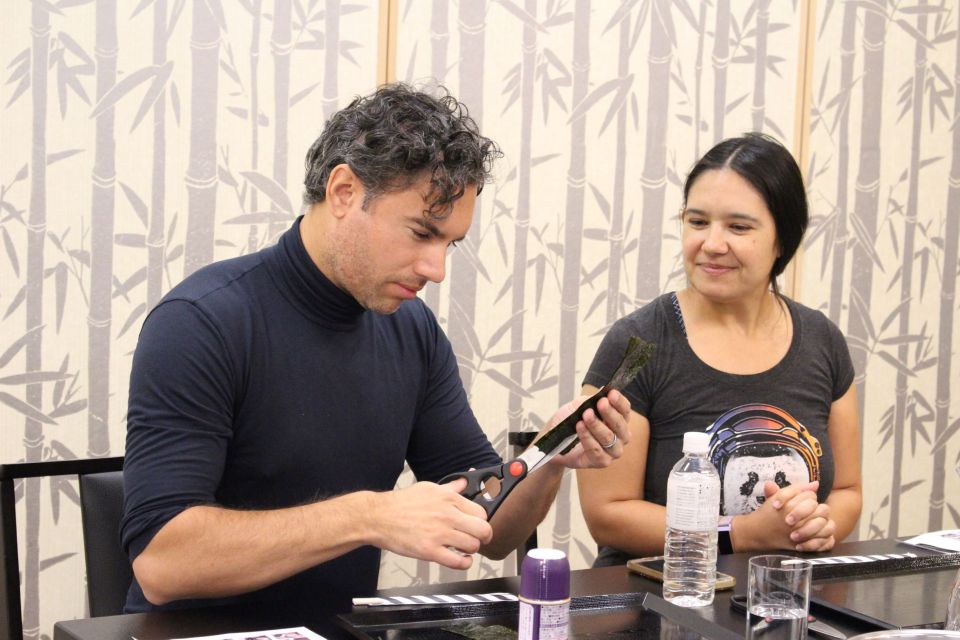
Before you get hands-on, you’ll learn about hygiene techniques and what to do to keep things clean while preparing sushi. That’s not just classroom talk. Sushi is high-standards food, and the course structure clearly treats cleanliness as part of the craft.
Then you’ll get introduced to Japanese dining etiquette. The goal isn’t to turn you into a strict etiquette robot. It’s to help you eat comfortably and correctly in the moments that matter—especially since your sushi is prepared by you and served as your own meal.
Finally, you’ll sit down and enjoy the rich taste of the sushi you made. I like this approach because it closes the loop. You learn why the market matters, you practice the technique, and then you eat the result—so the experience sticks.
Price and Value: When $177 Makes Sense
Let’s talk about the real question: is this worth $177?
For the money, you’re paying for three linked parts:
- A guided market tour with a licensed guide
- A sushi-making masterclass with a licensed instructor
- Public transportation between locations plus ingredients and a sushi souvenir kit
If you only want sushi, you could probably find cheaper meals in Tokyo. But if you want the story behind the food and the skills behind the plate, this pricing starts to look more reasonable. The sushi instruction is where the value really lives, because you’re not just consuming—you’re learning.
That said, you should go in with the right expectations about the market piece. The market segment is described as exploring and learning where chefs go shopping, and finding freshly-caught tuna. But the class portion includes ingredients, and the format doesn’t clearly position the tour as a hands-on fish purchasing event. If you’re hoping for a full market shopping mission where you personally select fish, you might find the market time is more about guidance and observation.
One more “value check”: drinks aren’t included, so you may want to budget for water or other beverages if you’re the type who gets thirsty while walking.
What’s Included (and What You Need to Plan)
Here’s the straightforward breakdown based on what the experience provides:
Included:
- Market tour
- Nationally licensed guide
- Public transportation from Tsukiji to the sushi kitchen
- Sushi-making experience with a licensed instructor
- Sushi ingredients
- A sushi souvenir kit
Not included:
- Hotel pickup and drop-off
- Any other food or drinks
This matters because it affects your day planning. Since there’s no hotel pickup, you’ll want to get yourself to the meeting point with confidence (and build a little time buffer). Also, because the tour is about 225 minutes, think of it as a half-day activity, not a quick add-on.
What to bring:
- Comfortable shoes. Tsukiji isn’t a place for stiff sandals.
About dietary needs:
- The info says most dietary restrictions and requirements can be accommodated. If you have specific needs, you’ll want to mention them ahead of time so the instructor can plan appropriately.
Weather note:
- The activity may be canceled due to bad weather. With Tokyo in mind, that usually means checking the forecast on the day and having a backup plan.
Meeting Point at Tsukiji Hongwanji Temple: Easy Start, Clear Directions
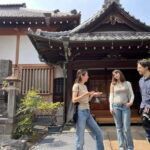
The meeting point is at the entrance of Tsukiji Hongwanji Temple. It’s about a 30-second walk from Exit 1 of Tsukiji Metro Station on the Hibiya Line.
This is one of those details that makes tours feel smoother. You’re not trying to decipher a confusing street corner or chase a moving target. If you’re taking the metro, the exit-based meetup helps you get your bearings fast and arrive without turning the morning into a scavenger hunt.
Group size is capped at 10 participants, and that small number matters once you start rolling sushi. Smaller groups mean more attention at the station and less waiting while you figure out what comes next.
Should You Book This Tsukiji Tour and Sushi Class?
Book it if:
- You want the Tsukiji Outer Market experience with guidance, not just a loose walk.
- You care about sushi beyond eating it—you want to learn how to make nigiri, hosomaki, and gunkanmaki.
- You like small groups where the instructor can correct your technique.
- You want a structured half-day with ingredients provided and a meal included.
Skip it (or think twice) if:
- You only want a sushi meal and prefer paying less for dinner or lunch.
- You’re expecting a hands-on fish selection or shopping mission in the market as the main event.
- You don’t want to spend about 225 minutes on one activity.
One practical note before you decide: the info lists both wheelchair accessibility and also says it’s not suitable for people with mobility impairments. If mobility is a concern, it’s worth checking directly with the provider so you can confirm how the walking routes and class layout work on the day.
If your goal is to leave Tokyo not just fed, but with real sushi technique and a better understanding of how top chefs shop in Tsukiji, this tour is a solid choice.
FAQ
Where is the meeting point?
Meet your guide at the entrance of Tsukiji Hongwanji Temple, which is about a 30-second walk from Exit 1 of Tsukiji Metro Station on the Hibiya Line.
How long is the tour?
The duration is listed as approximately 225 minutes.
What sushi types will I learn to make?
You’ll learn to make nigiri sushi, hosomaki sushi, and gunkanmaki sushi.
Is public transportation included?
Yes. Public transportation from Tsukiji to the sushi kitchen is included.
What’s included in the price?
Included are the market tour, a nationally licensed guide, the sushi-making experience with a licensed instructor, public transportation, sushi ingredients, and a sushi souvenir kit.
Are hotel pickup and drop-off included?
No. Hotel pickup and drop-off are not included.
Is it suitable for babies or for people with mobility impairments?
It’s not suitable for babies under 1 year. The info also lists wheelchair accessibility, but it says it is not suitable for people with mobility impairments—so you should confirm details with the provider before booking.
Can I cancel for a refund?
Yes. You can cancel up to 24 hours in advance for a full refund.