REVIEW · TOKYO
Private Toyosu & Tsukiji Market Adventure with Tuna Auction
Book on GetYourGuide →Operated by MACHI TOUR JAPAN · Bookable on GetYourGuide
Dawn at Toyosu feels like live theater. This private Tokyo market adventure pairs the fast, high-stakes bluefin tuna auction with a guided walk through Tsukiji’s old lanes, where you can shop and eat at your own pace. I like how the morning turns seafood sourcing into something you can actually understand.
My favorite part is the human explanation. Guides such as Nobby and Sachiyo tend to translate the auction rhythm into clear, practical steps, so you know what buyers are doing and why the bidding is so intense.
The one real drawback is logistics and timing. You’ll start very early, subways and buses aren’t running, and the taxi to Toyosu is on you, plus the 1st-floor auction observation lottery is optional and not guaranteed.
In This Review
- Key things to know before you go
- Early mornings, real access, and why the taxi matters
- Toyosu tuna auction: what you’re actually watching
- The private guide effect: less confusion, better timing, smarter choices
- Market shopping that makes sense: knives, matcha tools, pottery
- Sushi or seafood breakfast: how to think about it
- Tsukiji Outer Market: street food, small shops, and a local pace
- Price and value: what $153 buys you
- Who should book this tour
- Should you book the Private Toyosu and Tsukiji Adventure?
- FAQ
- What time does the tour start?
- How long is the tour?
- Is the tuna auction viewing guaranteed?
- Where do I meet the guide?
- Do I need to pay for breakfast or drinks?
- Do I need a passport or ID?
Key things to know before you go
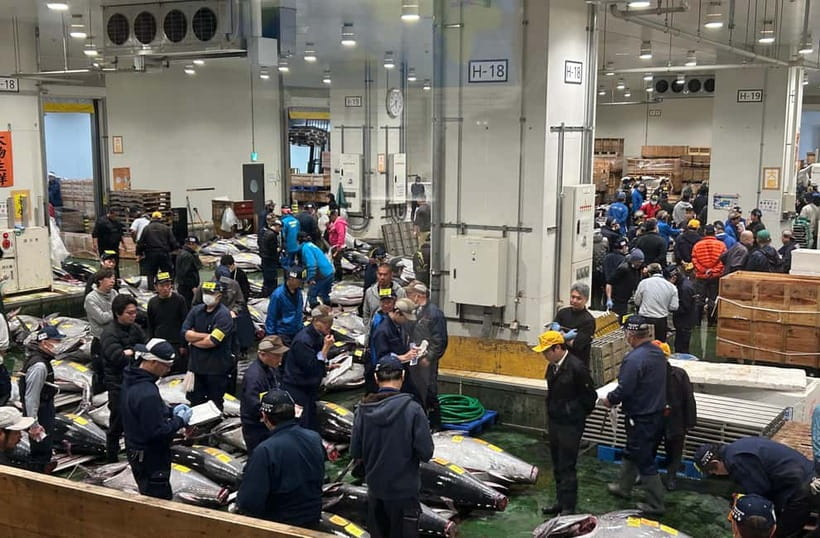
- Bluefin auction viewing is lottery-based for the 1st-floor deck, with a backup view from the 2nd floor if you don’t win
- Guides bring visuals (like Sachiyo’s binder or Yumi’s graphs) so you can follow the auction without guessing
- You’ll shop for tools, not souvenirs: knives, chopsticks, matcha whisk, wasabi grater, pottery, and more
- You get a guided food path through Tsukiji so you spend less time hunting and more time eating
- Very early starts mean taxis are part of the plan, since early public transit isn’t operating
Early mornings, real access, and why the taxi matters
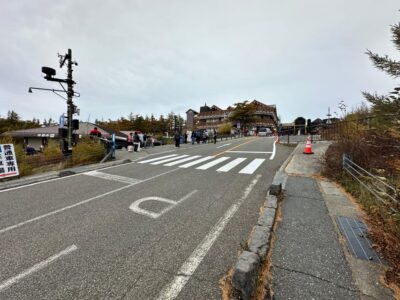
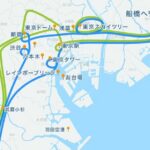
This tour is built around the early hours, because that’s when Toyosu’s auction atmosphere is strongest. Meeting can be either at your hotel lobby (your guide will meet you there) or at the Shijō-mae Station ticket gate on the Yurikamome Line. If you choose the station start, plan for the escalator shutters not opening until 5:00 am, so using stairs or the elevator to the 2nd-floor gate can save you stress.
Here’s the practical truth: in the darkest, earliest window, you’ll need a taxi. Subways and buses aren’t running in the early morning hours, and that taxi fare is not included. Many people make this easier by staying in the Toyosu, Tsukiji, or Ginza areas, so your ride is shorter and cheaper.
If you value a smooth start with less wandering in the cold, this “meet + taxi + guided flow” setup is exactly what you want.
You can also read our reviews of more private tours in Tokyo
Toyosu tuna auction: what you’re actually watching
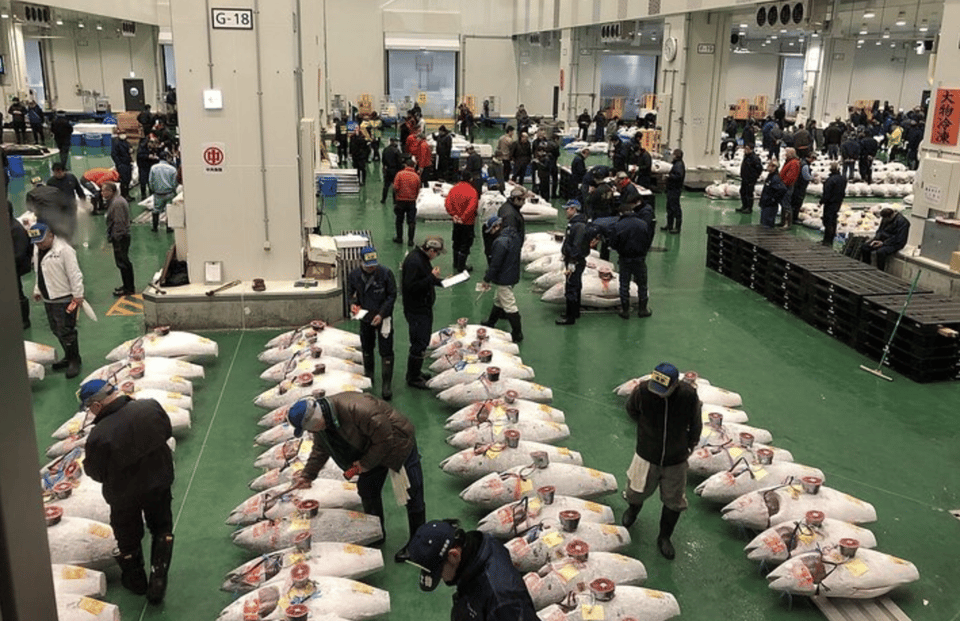
Toyosu Market is famous for its bluefin tuna auction, and the tour is timed so you can see the action live. The auction is not just a spectacle. It’s a working system where professional buyers evaluate fish quality and then bid in a tight sequence that moves fast. What makes the experience worthwhile is having someone who can translate what your eyes are seeing.
Guides like Nobby, Sachiyo, and Mayumi have a pattern that works well for first-timers: they explain the process clearly first, then guide your attention to the details that matter. In some cases, you’ll even see visual aids. For example, Sachiyo has used a binder with pictures and diagrams, and other guides have used graphs to help you understand the flow without getting lost in the noise.
Even if you do not win the lottery for 1st-floor observation, you’re still able to watch the auction from the 2nd floor. The tour also notes a key seasonal detail: at the end of December, the 1st-floor lottery does not take place, so you’ll observe from the 2nd floor. That doesn’t make it a consolation prize. It just changes how close the view feels.
One more pro tip: if you do win the lottery for 1st-floor viewing, bring your passport or ID card on the tour day, since it’s required for entry.
The private guide effect: less confusion, better timing, smarter choices
This isn’t a “follow the crowd and hope” kind of tour. It’s private for up to 10 people, which means the guide can pace the market walk around your interests. That matters because Toyosu and Tsukiji are big, and early mornings can be disorienting.
In guides I’ve seen highlighted in this experience (Nobby, Eriko, Emi, Yumi, Hiroshi, and others), the strongest skill isn’t just market facts. It’s keeping the tour readable. You’ll get context as you walk, plus practical direction on what to look for and where to go next.
A common thread in the feedback is that the guide gets you to good places early, before things get more chaotic. That can also affect your food choices, because when you know what’s worth trying, you’re not stuck picking the first stall you see with a long line.
Market shopping that makes sense: knives, matcha tools, pottery
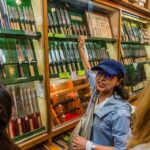
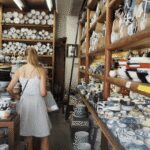
After the auction, the tour shifts into market mode: Japanese kitchenware and ingredient shops. This is where the experience starts to feel more useful for everyday life, not just a morning photo session.
In Toyosu and around the market areas, the tour highlights shopping for items like:
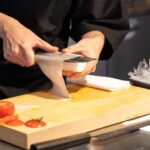
- Japanese knives
- Pottery
- Chopsticks and tableware
- Matcha tools such as a matcha whisk
- A wasabi grater
- Ingredient-focused shops such as matcha and miso areas, plus pickles and other dry goods
What makes this shopping feel “worth it” is that you’re not doing it blind. A good guide can point you toward stores where the products fit what you actually want to cook with. And since this is early, you’re more likely to move smoothly through narrow aisles rather than fighting peak-hour foot traffic.
If you’re the kind of person who likes bringing home something practical, this part is the payoff.
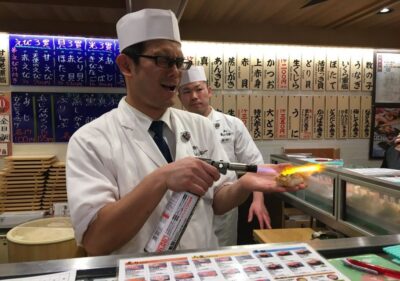
Sushi or seafood breakfast: how to think about it
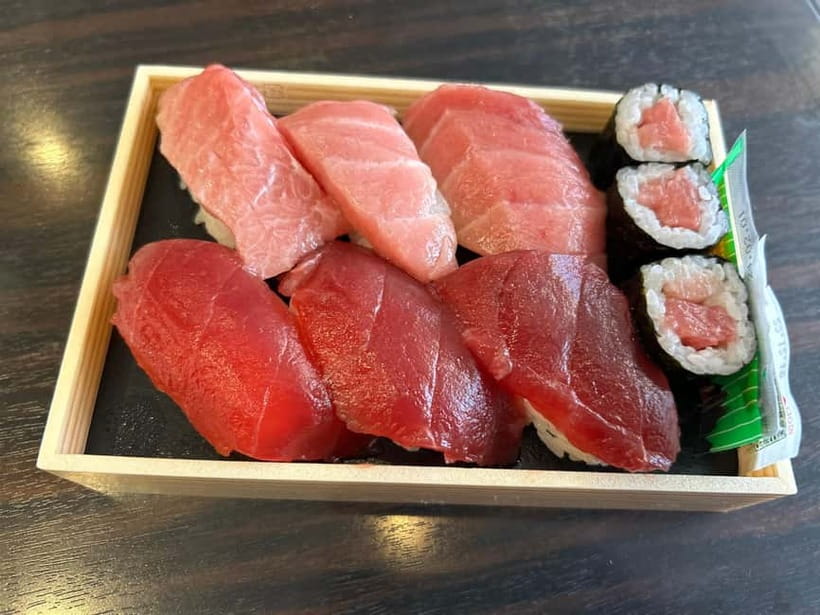
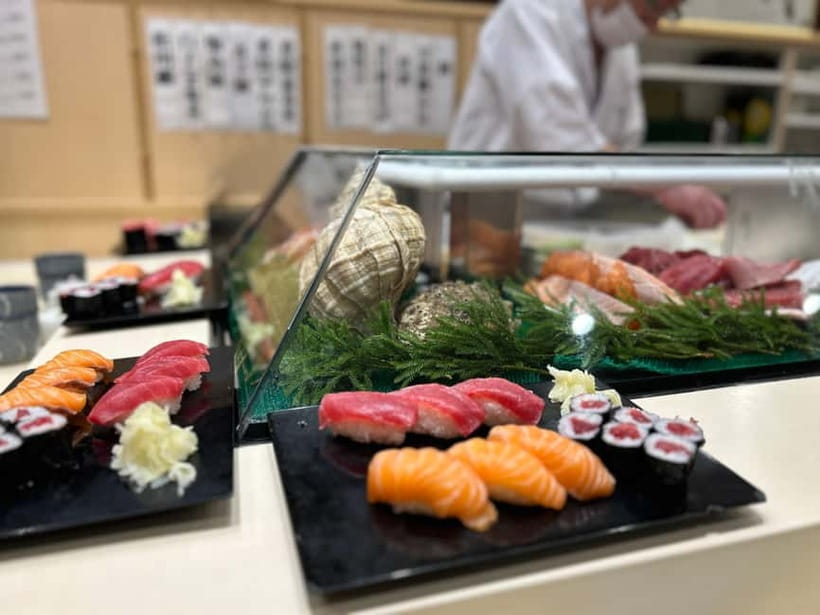
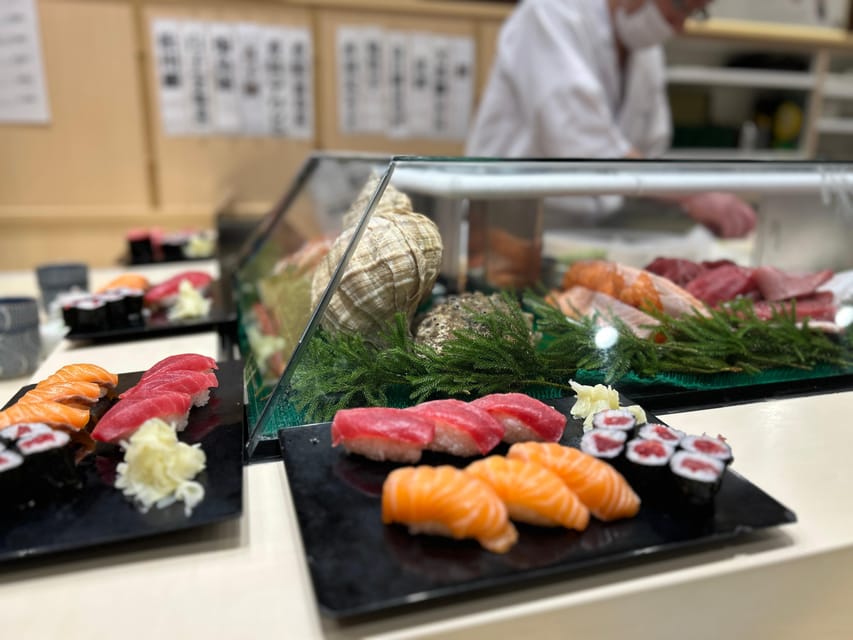
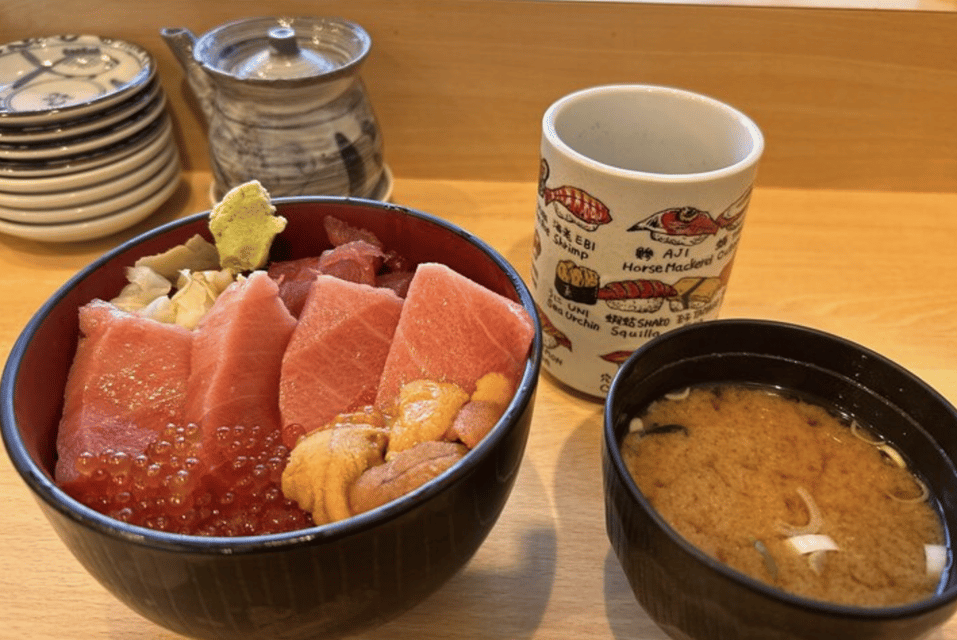
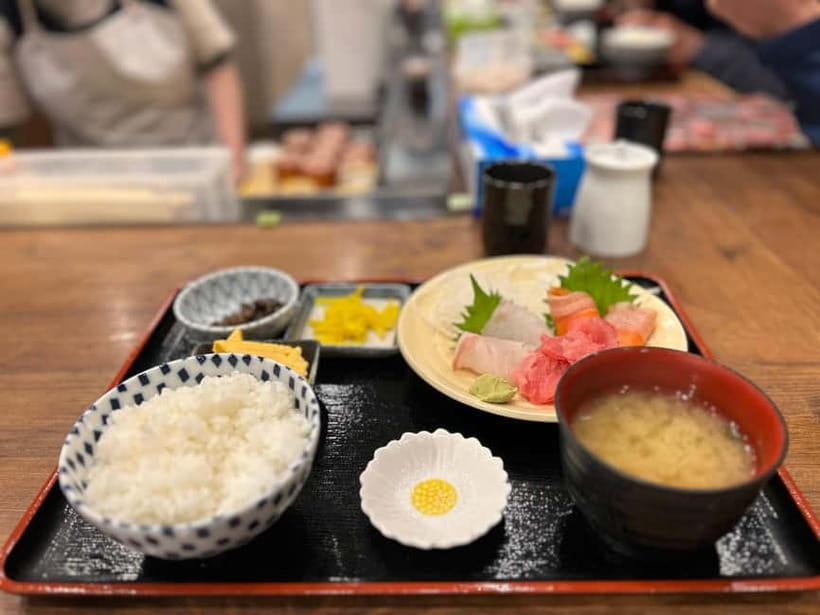
Breakfast is one of the flexible moments on this tour. The plan includes the chance for sushi or a seafood breakfast either around Toyosu or after you shift toward Tsukiji. However, breakfast itself is listed as not included, and you’ll pay for what you choose.
This is also one of the areas where a private guide helps you avoid common mistakes. With local direction, you can pick options that match the market vibe and still keep the experience moving. Some guides also recommend places with great fresh sashimi or sit-down sushi, and the experience tends to work best if you treat breakfast as part of the guided journey rather than a separate plan.
If you have dietary preferences, the tour data says vegetarian and vegan guests are welcome, and the guide will help you find suitable ingredients.
You can also read our reviews of more shopping tours in Tokyo


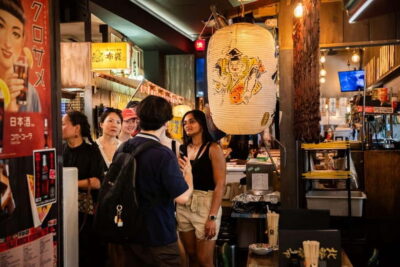
Tsukiji Outer Market: street food, small shops, and a local pace
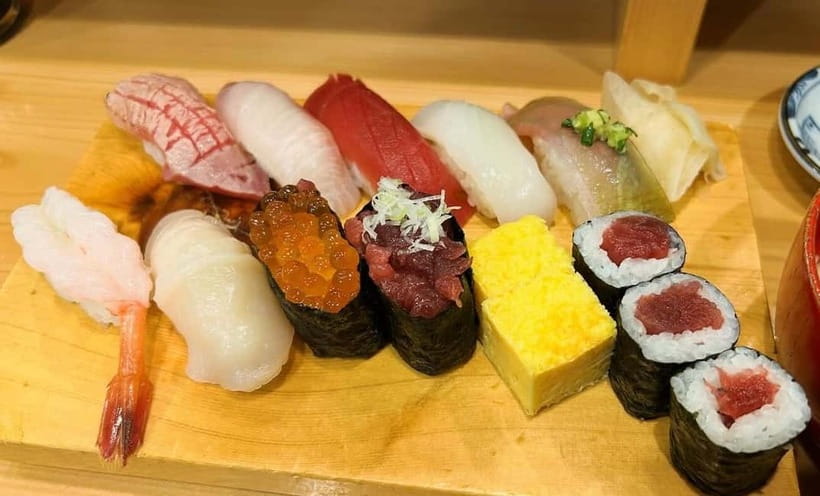
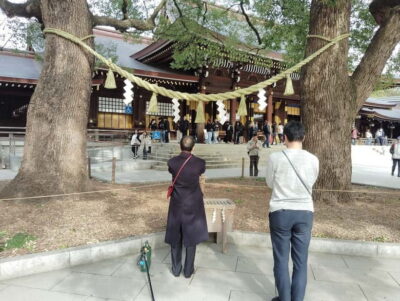
After Toyosu, you take a local bus to Tsukiji’s Old Outer Market area. This is where the tour becomes more “Tokyo morning life” and less “auction theater.” You’ll spend a guided stretch in Tsukiji’s outer lanes, and the plan includes an optional stop at a local shrine.
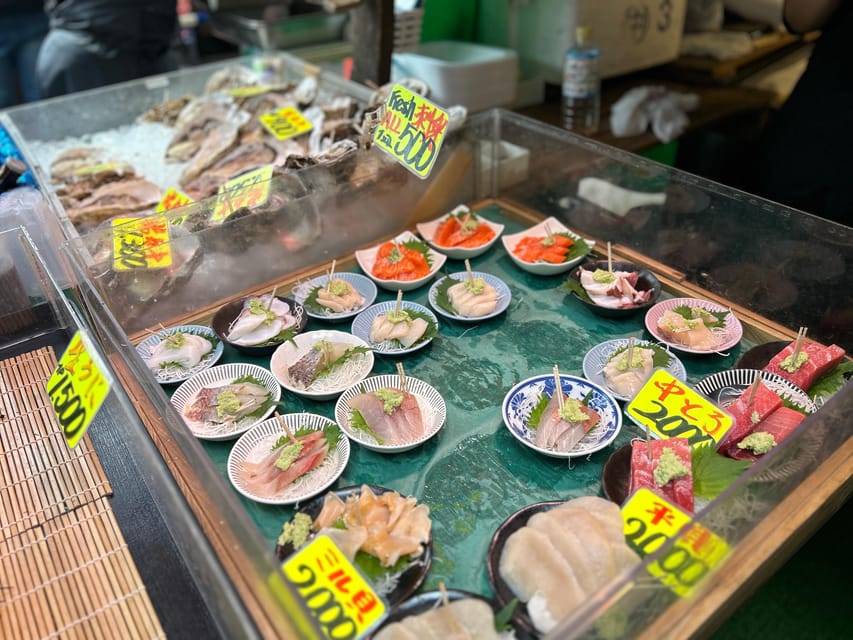
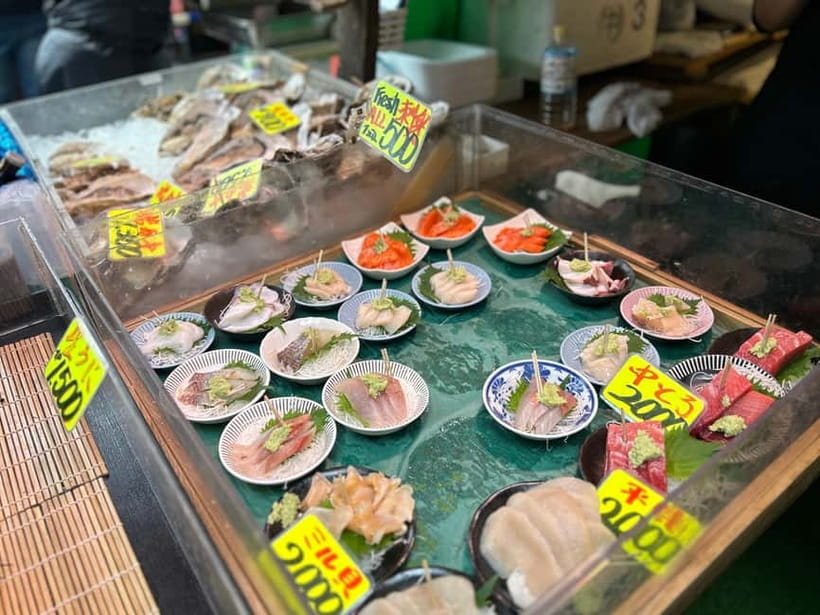
The shopping here leans small-store energy: quick tastings, snack-size bites, and impulse buys that actually fit into real kitchens. Think about items like:
- Mochi
- Grilled eel
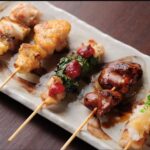
- Yakitori
- Tamago (often part of the egg-based sweets or savory egg dishes)
- Tuna stake and sliced seafood options
- Mochi and seasonal fruit/vegetable finds from small shops
- Pottery stores and kitchenware counters
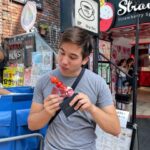
Food tasting is part of the Tsukiji portion, and it’s often where people end up learning what they like most. The guide’s role is to keep your choices efficient. Instead of sampling randomly, you’ll get a path that matches the morning’s flow and your tastes.
And yes, Tsukiji is a classic place to eat early. The best strategy is to go with curiosity and let the guide steer. Markets are noisy; guidance reduces wasted steps.
Price and value: what $153 buys you
At $153 per person for a 3-hour private tour (up to 10 people), you’re paying mostly for three things:
- Access and timing for the bluefin tuna auction window
- An English-speaking private guide who can interpret what you’re seeing
- Guided market shopping + food stops so you don’t lose time guessing
If you were to do this on your own, you would still face major friction: the early-morning transport problem, the auction viewing uncertainty (lottery), and the lack of context for what buyers are actually evaluating. This tour packages those headaches into a single plan.
It’s also strong value for families and small groups because it stays private while the group size is capped at 10. If you’re traveling with 3 to 6 people, the per-person cost can start to feel like a bargain compared to paying separately for entry logistics, a guide, and multiple meals at different locations.
The one cost you should budget for separately is transportation. Taxi fare to Toyosu and the bus fare from Toyosu to Tsukiji are not included.
Who should book this tour
This is a great match if you:
- Want a Tokyo seafood experience that’s more than eating sushi and taking pictures
- Like markets but prefer structure in the early hours
- Plan to buy kitchen tools (knives, chopsticks, matcha accessories) and want help choosing
- Are traveling with kids or want a guide who can handle questions without rushing you
If you hate early mornings, this won’t be your favorite day. But if you can handle a very early start, this tour gives you a clear storyline: auction, evaluation, buying, and then food.
Should you book the Private Toyosu and Tsukiji Adventure?
I’d book it if you want the auction explained in real time and you care about the “how it works” part, not just the sight of fish. The private guide effect is the difference between watching chaos and understanding a system.
I’d think twice if you’re trying to minimize extra spending, because the taxi to Toyosu is on you and the auction viewing lottery can change where you stand. Still, even without the 1st-floor deck, the tour keeps moving and Tsukiji’s market portion gives you plenty to do and taste.
If you’re choosing between only watching the auction or doing both markets, this pairing is the smarter use of a Tokyo morning. You get the high-drama auction first, then the practical kitchenware and street food side of the story.
FAQ
What time does the tour start?
The guide can pick you up at around 5:00 am, and the meeting point guidance notes that escalator access at Shijō-mae Station only opens at 5:00 am.
How long is the tour?
The duration is 3 hours.
Is the tuna auction viewing guaranteed?
No. There is an optional lottery for 1st-floor observation. Winning is not 100% guaranteed, and if you don’t win, you can still view the auction from the 2nd floor.
Where do I meet the guide?
You meet at the ticket gate of Shijō-mae Station on the Yurikamome Line, or the guide can meet you at your hotel lobby/front entrance depending on the pickup option.
Do I need to pay for breakfast or drinks?
Breakfast and drinks are not included.
Do I need a passport or ID?
If you win the lottery for 1st-floor viewing, you must bring a passport or ID card.