REVIEW · TOKYO
Tokyo: Samurai Kendo Practice Experience
Book on GetYourGuide →Operated by Park for us Co.,Ltd · Bookable on GetYourGuide
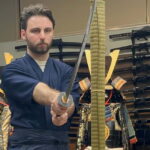
Bamboo swords, real discipline, zero movie fluff. This 2-hour Samurai kendo practice is about etiquette and controlled contact, not watching from the sidelines. You’ll wear full kendo armor and learn how real strikes look and feel inside a working dojo.
What I love most is getting instruction that’s built for beginners but still treats you like you’re joining a real practice. The session is led by a kendo professional (names you may hear include Nagamatsu-sensei and Kenshi-san), and you’ll work through basic techniques and then apply them with guided sparring.
One consideration: this is contact training, and the instructor can be strict, so you should be ready for the physical reality—helmet strikes can feel surprisingly strong even when it’s meant to be safe.
In This Review
- Key things to know before you go
- Step into a real Tokyo dojo in Arakawa
- Two hours of kendo: what happens from hello to first spar
- Gear check: wearing kendo armor feels different than you expect
- The core practice: men, kote, and do, plus counters
- Light sparring games: action, safety, and respect
- Coaching in English and Japanese: how to handle fast instruction
- Price and value: why $116 can actually be fair
- Who should book this kendo session?
- What to pack and what to wear
- Should you book Samurai Kendo Practice in Tokyo?
- FAQ
- How long is the Tokyo Samurai Kendo Practice Experience?
- Where is the meeting point?
- What is the price per person?
- Is food included?
- Is hotel pickup included?
- What’s included in the experience?
- Is this a small group?
- What languages are used?
- Can I wear glasses during the training?
- What should I wear or bring?
- What’s the cancellation and payment policy?
Key things to know before you go
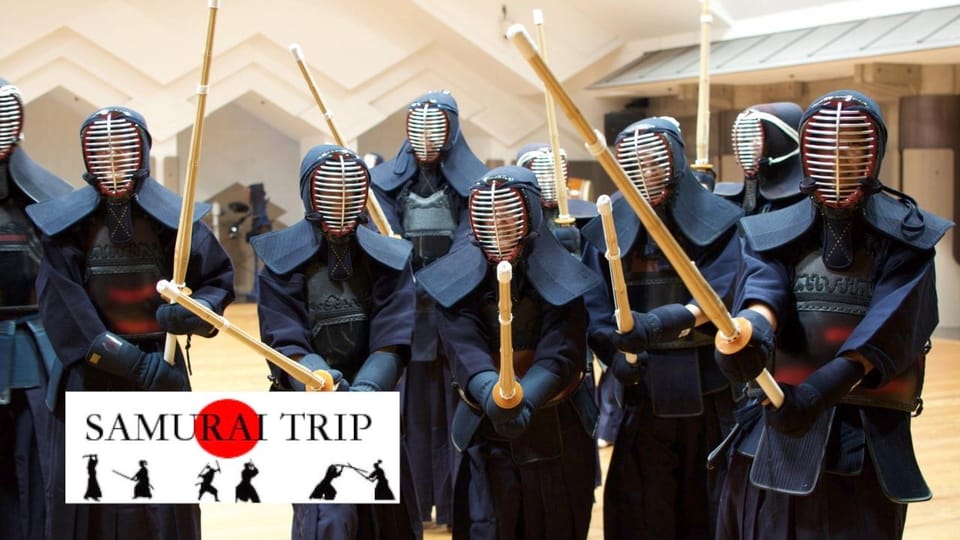
- Small group (up to 6) keeps the coaching direct and the pace understandable
- Full kendo armor and gear rental means you don’t need to shop for equipment
- You’ll practice real basic strikes (men, kote, do) and counters, not just stand-and-watch demos
- The dojo emphasizes etiquette and form, which makes the training feel serious in a good way
- Expect a friendly but disciplined vibe from your sensei (often with fast, clear corrections)
- The session includes mineral water and a towel gift so you’re not going in dry
Step into a real Tokyo dojo in Arakawa
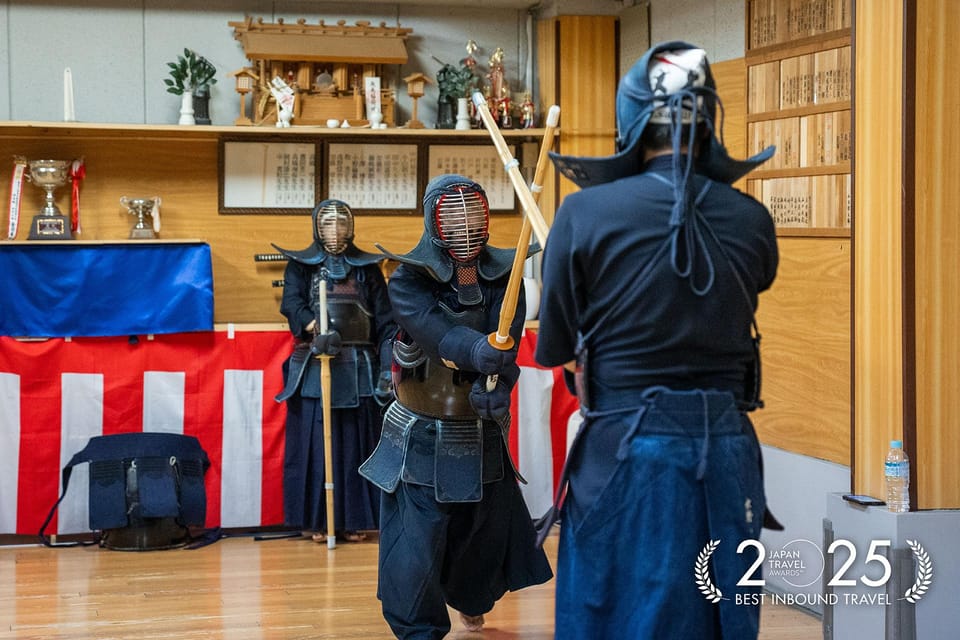
Tokyo has plenty of cool “samurai” experiences that are heavy on photos and light on practice. This one is different because it’s built around a working dojo rhythm: bow, rules, gear, then reps. Meeting at 誠道館 (Seidokan), you’re not just buying a show—you’re joining training for two hours.
The location is handy if you’re already in the northeast Tokyo rail orbit. You’ll meet 10–12 minutes from JR Uguisudani Station North exit, then walk to 4-7-2, Higashinippori, Arakawa-ku, Tokyo. It’s also described as a house-run dojo setup, which can throw people off on first find. Give yourself a few extra minutes so you can arrive calm.
You’ll also like the group size. With a limit of 6 participants, you’re less likely to feel swallowed by a crowd. That matters in kendo, because small corrections—stance, timing, distance—are everything.
You can also read our reviews of more tours and experiences in Tokyo.

Two hours of kendo: what happens from hello to first spar
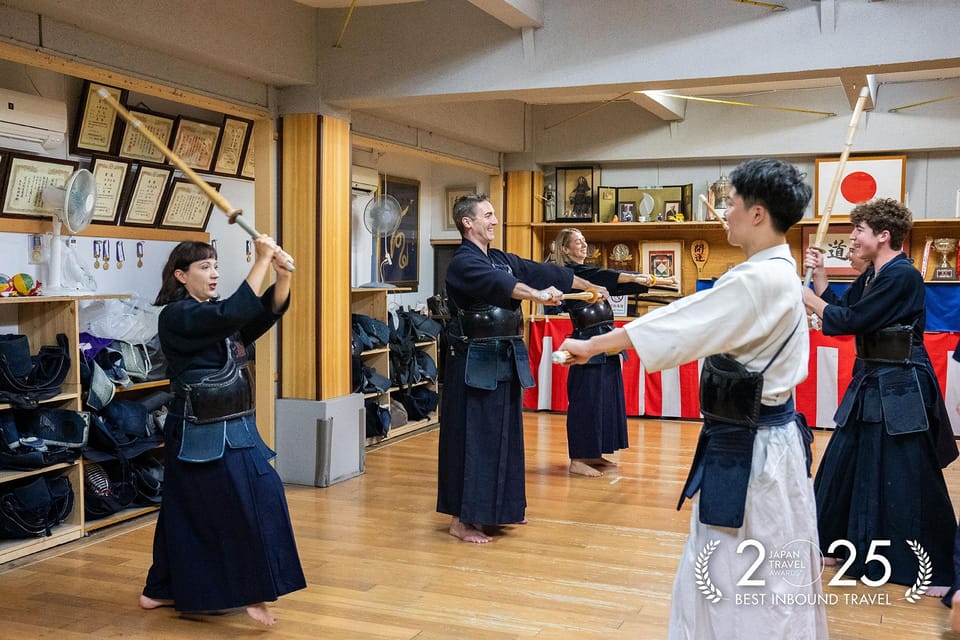
In practice, this is not a “museum talk” followed by a vague workout. It’s a progression: learn the parts, practice them in short bursts, then apply them with light sparring games.
Here’s the flow you should expect:
- Arrival and safety/etiquette setup in the dojo environment
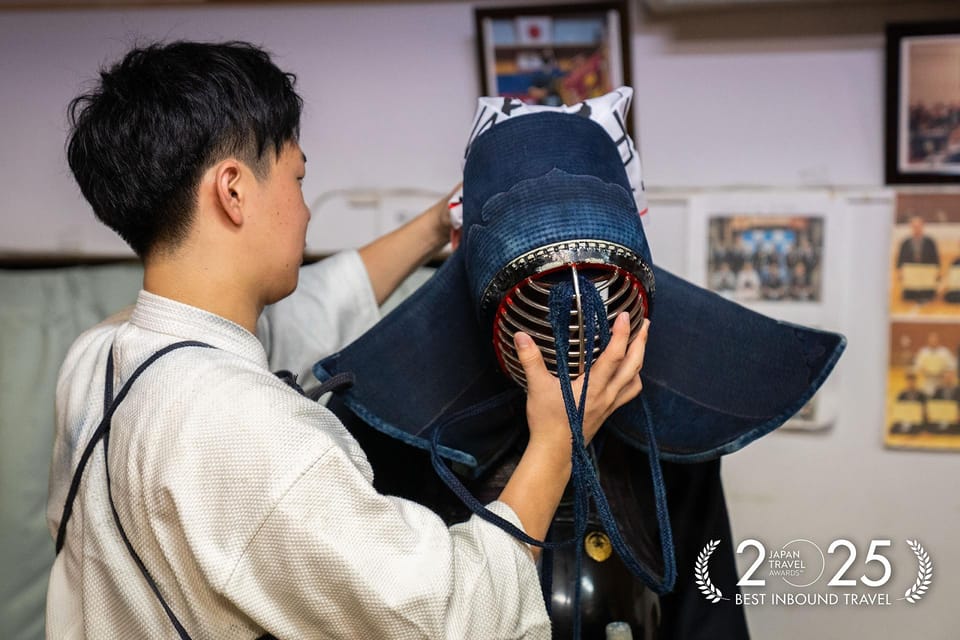
- Armor fitting and gear check, so your kit sits correctly for training
- Technique instruction using kendo basics (especially the main targets)
- Guided drilling where the sensei corrects footwork and striking line
- Playful-but-real sparring or controlled fight-style games with teammates/instructor
The highlight is that you’re not stuck with only solo drills. Many people come in thinking it will feel like choreography. Then the training begins, and you realize kendo is a timing sport disguised as a martial art—accuracy and footwork show up immediately.
If you’ve never done martial arts before, the good news is that you’ll be guided “as if in a real game,” but in a safe, beginner-ready way. That balance is the secret sauce: you get action, but you don’t get chaos.
Gear check: wearing kendo armor feels different than you expect
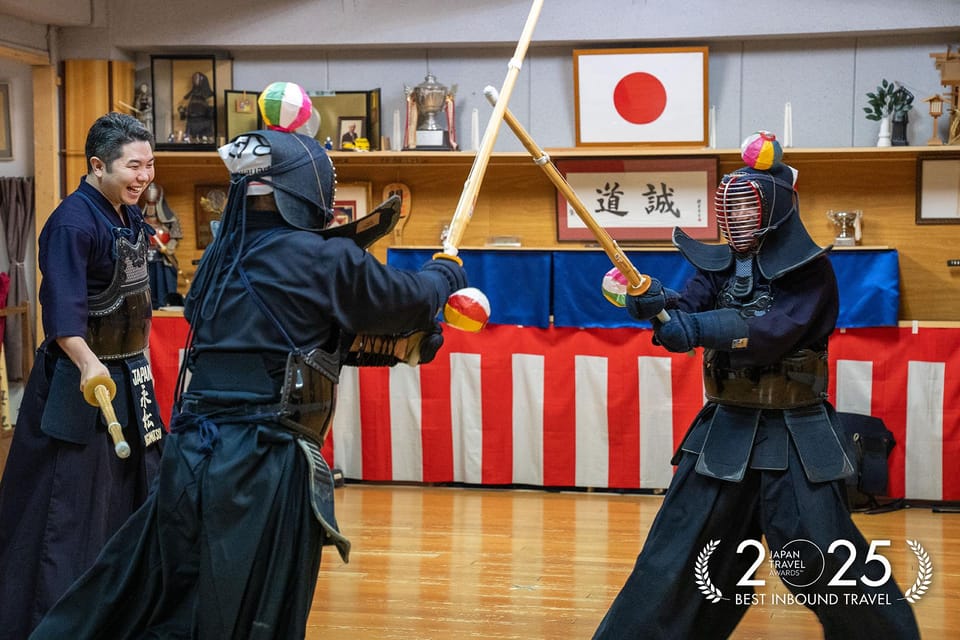
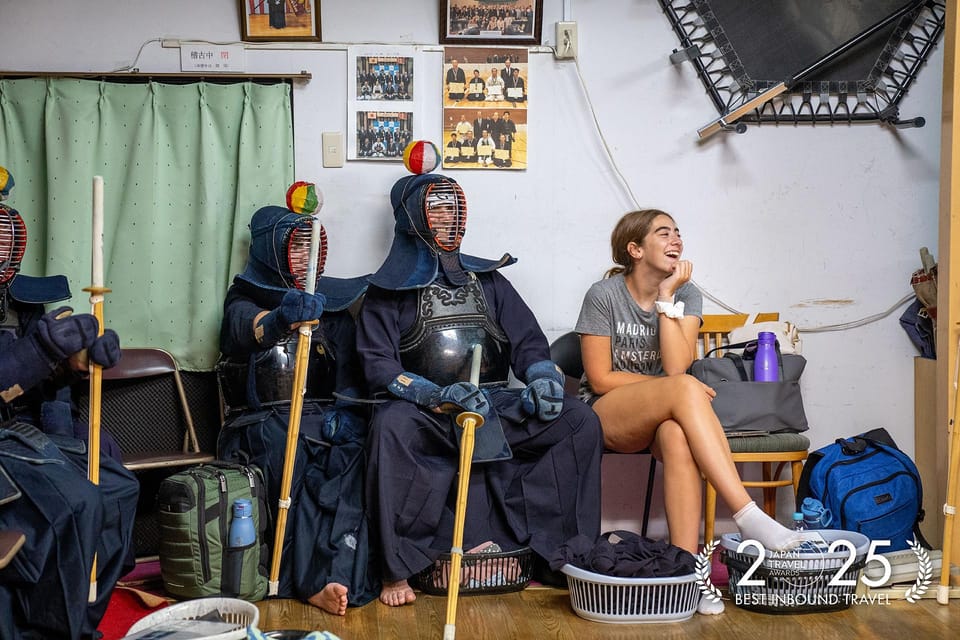
The biggest “wow” factor is the armor. You’ll rent the full kendo armor and equipment, which is included in the price. That means you show up with loose clothing and leave wearing a full training kit—mask (men) plus protective armor—like you actually belong there.
What I find valuable for your experience: renting gear removes the biggest friction point of trying a martial art. You’re not chasing sizes, buying a budget set, or hoping something fits.
That said, there are two practical cautions:
1) Glasses are not recommended during head armor use. There’s a real risk of difficulty wearing the helmet properly and possible damage to spectacles. If you wear glasses, plan on bringing contact lenses instead, since contact lenses are mentioned as the better option.
2) Your clothing should be loose and stretchy. The instruction is to wear or bring loose fitted exercise clothes if possible. Sometimes there may not be the right size for the rental uniform, or the supply may be limited, and you may be asked to practice using your own clothing for parts of the session. So don’t show up in stiff jeans and hope for the best.
You don’t need to be athletic already. But you do need to be comfortable moving and ready to sweat.
The core practice: men, kote, and do, plus counters
This experience is built around the foundation targets of kendo. You’ll learn the basic striking techniques—men, kote, do—and you’ll also get some counter techniques, not just one-off moves.
Why this matters for you: kendo basics are simple to name and tough to execute. The sensei’s job is to help you understand what your body should do so the strike becomes automatic. Early on, you’re likely to focus on:
- Footwork (getting the distance right)
- Timing (striking at the right moment)
- Line and posture (staying balanced so your strike travels cleanly)
You may also notice that instruction can move fast. One review flagged that explanations were sometimes too quick and could feel rushed. That’s not unusual in martial arts teaching, especially when instructors are also running a live drill. If English is your first language, don’t panic—small group size helps, and you’ll usually get visual cues too.
In some sessions, instructors are described as helpful and patient, especially with brand-new students. In others, the tone is more strict and blunt. Both styles can still be effective. The key is what your body is doing, not the volume of the lesson.
Light sparring games: action, safety, and respect
Kendo training has rules for contact. In this session, you’ll go beyond static practice. You’ll get a chance for light sparring or controlled games, where you can apply what you learned.
This is where the experience stops being “interesting” and starts being memorable. You’re protected, you’re taught how to engage, and suddenly you’re fighting back and forth in a controlled way. Several people described it as more action than expected—exactly because you don’t just hold a bamboo stick and rehearse poses.
Also, pay attention to the atmosphere. The dojo is described as a place of tranquility and etiquette—so even when the action ramps up, it’s still respectful. That respect is part of the point of kendo. You’re learning how to hit properly, but also how to train properly.
If you’re worried about the contact feeling too intense, know this: even with safety gear, helmet strikes can feel strong. One note called the instructor rough for some family members. That doesn’t mean it’s unsafe—it means you should take the sport seriously and listen carefully when the sensei adjusts distance and timing.

Coaching in English and Japanese: how to handle fast instruction
Your session is run in English and Japanese, with the instructor capable in both. That helps a lot if you’re starting from zero.
Still, here’s the practical mindset I recommend: treat the lesson like learning a new sport, not like sitting in a classroom. Watch the instructor’s stance, copy the motion, then correct your timing. The sensei’s corrections are usually short and physical: move here, adjust there, strike on the count.
If you freeze when commands come quickly, you’ll feel it during drills. A couple of reviews suggest the explanation pace could be fast. The good news: the small group setup means you’ll likely get enough attention to fix the biggest mistakes.
Also, you may spend some time taking pictures and talking. That’s good for decompressing and absorbing what you just did, because kendo can be mentally loud even when it’s controlled.
Price and value: why $116 can actually be fair
At $116 per person for 2 hours, the obvious question is: what do you get for the money besides the “costume moment”?
You’re getting four big value components:
- A professional instructor/guide
- Full rental of kendo armor and equipment
- Mineral water and a Japanese hand towel gift
- Small group limit of 6, which keeps coaching personal
If you’ve ever tried martial arts in Tokyo, you’ll know equipment and instruction can be expensive. Here, the equipment rental is baked into the price, which makes this easier to justify. And because you’re not in a huge group, you’re more likely to get corrections that actually change your results.
So the price feels more reasonable if your goal is real learning and real practice. If your goal is mostly sightseeing, you might find two hours of training less aligned with your travel mood. But if you want something physical and culturally grounded, it’s strong value.
Who should book this kendo session?
This is a great fit if you want:
- An authentic, hands-on introduction to Japanese martial arts
- A workout with real structure, not random gym play
- A small group cultural activity where etiquette matters
It’s also a good choice for families and mixed experience levels. Multiple people mentioned that the experience was family friendly, and even parents with pre-teens seemed to enjoy the training and rules explanation.
One more fit note: one review stated the experience may not be ideal for plus size participants, which likely connects to rental uniform availability. If sizing is a concern, you should message the provider ahead of time to understand what sizes are typically available.
What to pack and what to wear
Keep it simple. Bring:
- Loose exercise clothing (or wear it)
- Contact lenses if you don’t want to remove your vision aid (glasses are not recommended)
- Comfortable clothes you don’t mind getting sweaty
Also, plan to carry some fresh clothes for after. At least one review specifically suggested you expect to sweat a lot. That’s normal. Kendo is more physical than people guess.
If you’re the type who likes photos, bring your phone. You may get time to take pictures and talk during the session, but don’t rely on that schedule for long.
Should you book Samurai Kendo Practice in Tokyo?
Book it if you want a real training experience with armor, instruction, and controlled sparring—not a staged performance. The small group setup, included rental gear, and pro-led teaching make the time feel focused and worth it.
Skip it or adjust expectations if you:
- Are sensitive to contact intensity (helmet strikes can feel strong)
- Need glasses for safe vision and don’t want to use contact lenses
- Expect a relaxed, purely observational activity
If your travel style is “do one hands-on thing that I’ll actually remember,” this lands in the sweet spot. Two hours, real discipline, and a sport you can feel in your muscles afterward.
FAQ
How long is the Tokyo Samurai Kendo Practice Experience?
The experience lasts 2 hours. The scheduled time is an approximation, and the full program might run a bit more or less depending on the situation.
Where is the meeting point?
Meet at 誠道館 (Seidokan), 4-7-2, Higashinippori, Arakawa-ku, Tokyo. It’s about 10–12 minutes from JR Uguisudani Station North exit.
What is the price per person?
The price is $116 per person.
Is food included?
No. Food is not included.
Is hotel pickup included?
No. Hotel pickup is not included.
What’s included in the experience?
Included are a professional guide/instructor, rental of kendo armor and equipment, free mineral water, and a free Japanese hand towel.
Is this a small group?
Yes. It’s a small group with a limit of up to 6 participants.
What languages are used?
The instructor works in English and Japanese.
Can I wear glasses during the training?
Glasses are not advisable because wearing head protection can be difficult and there’s a possibility of damage. The guidance is to bring contact lenses.
What should I wear or bring?
Bring or wear loose fitted exercise clothing. If there isn’t a suitable size for the kendo wear or if uniforms are limited, you may be asked to practice using your own personal cloth.
What’s the cancellation and payment policy?
You can cancel up to 24 hours in advance for a full refund. The option reserve now & pay later is available.