REVIEW · TOKYO
Tokyo: Kintsugi Art Repair Workshop
Book on GetYourGuide →Operated by H.I.S. Co Ltd(TIC) · Bookable on GetYourGuide
Gold makes broken pottery look better. In a small Nihonbashi workshop, you learn hands-on Kintsugi from a professional instructor with English interpretation as you repair a ceramic using lacquer and gold.
I love that materials are provided, so you can arrive with only comfortable clothes and still leave with a finished, one-of-a-kind takeaway. The main drawback to consider is timing: 90 minutes can be tight if you bring a vessel with bigger damage, and the session can’t run long for items that aren’t finished.
In This Review
- Key highlights to know before you go
- Nihonbashi Studio Setup: Finding the Workshop Without Stress
- What to wear
- Kintsugi in Plain Terms: Why Gold Goes on Cracks
- How Your 90 Minutes Actually Unfold: From Break to Gold Line
- Step 1: Set up the repair
- Step 2: Join and fill gaps
- Step 3: Sand and prep for finishing
- Step 4: Add lacquer and metallic finish
- Step 5: Final touches and packaging
- What You Can (and Can’t) Repair: Vessel Limits That Affect Your Outcome
- If you’re bringing your own item
- If you’re using a provided souvenir piece
- Take Home Value: Decorative Art, Plus Dry-Food Use
- English Support and Small-Group Comfort (Up to 5)
- Price and Value in Tokyo: Is $125 Worth It?
- Who This Workshop Suits Best (And Who Might Feel Frustrated)
- Great fit if you are
- Not ideal if you are
- Plan Your Timing: How to Fit It Into a Tokyo Day
- The Bonus Stuff in the Store: Gifts You’ll Actually Want
- Should You Book the Kintsugi Workshop in Tokyo?
- FAQ
- How long is the Kintsugi workshop in Tokyo?
- Is the workshop taught in English?
- Do I need to bring tools or materials?
- Can I bring my own ceramic vessel to repair?
- What types of items can’t be repaired?
- What size and damage limits should I know about?
- Who is the workshop for?
- Can I cancel and get a full refund?
Key highlights to know before you go
- Small group of up to 5 so you get real attention while you work
- English instructor support plus translation during the hands-on steps
- Lacquer and gold used to highlight cracks instead of hiding them
- Take-home ceramic artwork created in a short, schedule-friendly class
- Works within clear limits (ceramic vessels only, up to φ15cm and 15cm tall, 1–2 cracks)
Nihonbashi Studio Setup: Finding the Workshop Without Stress
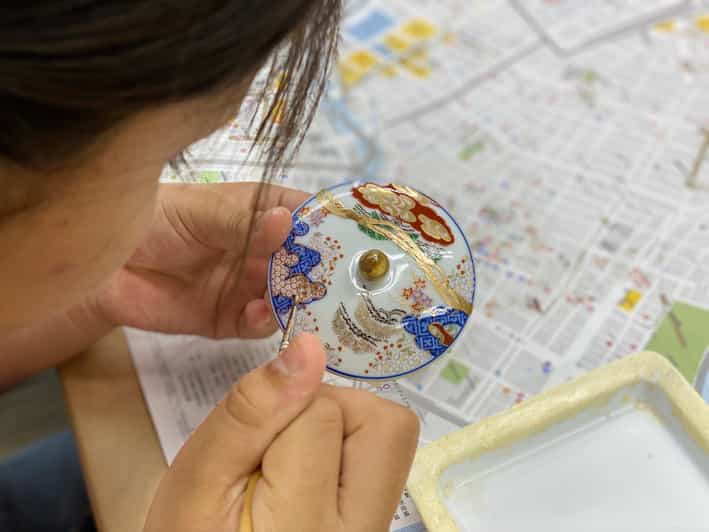
This class is based in downtown Tokyo, near Nihonbashi, at Nihonbashi Mutoh Main Store (日本橋滄浪閣 Bldg.)—a practical meeting point if you’re also doing nearby sightseeing. If you’re coming from Asakusa, it’s about 15 minutes by subway, which makes it one of those workshops that fits cleanly between your morning and afternoon plans.
Plan to arrive about 5 minutes early. The experience begins promptly, so showing up late can mean you miss the first steps of choosing and setting up your piece. Once you’re inside, the workshop atmosphere is meant to feel calm and focused, not like a factory line—small-group, hands-on, and guided.
You can also read our reviews of more tours and experiences in Tokyo


What to wear
Go simple: comfortable clothes. You’ll be working carefully at a table, and you don’t want to be worrying about what you’re sitting in or stepping into.
Kintsugi in Plain Terms: Why Gold Goes on Cracks
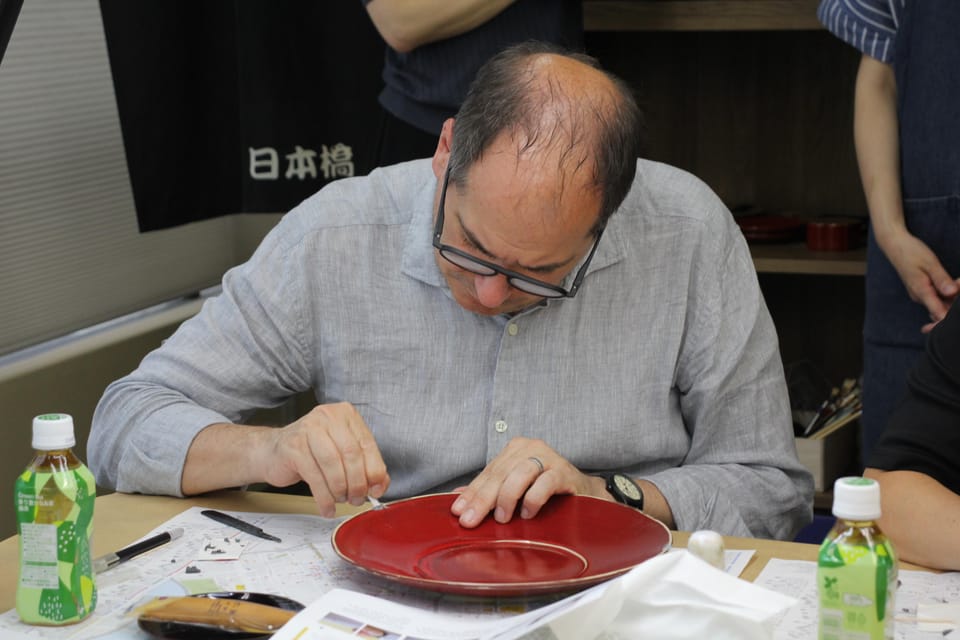
Kintsugi is the Japanese art of repairing broken pottery with lacquer and metallic accents—usually gold—so the repaired lines become part of the object’s story. Instead of treating damage as something to erase, you treat it like the artwork’s next chapter.
That idea matters because it changes what you’re actually doing in class. You’re not just doing a craft hack. You’re learning a repair philosophy: the break is transformed, then made visually intentional. In a workshop setting, that philosophy becomes practical. Every step you take—alignment, filling, smoothing, and applying the metallic line—is about making the repair both sturdy and beautiful.
How Your 90 Minutes Actually Unfold: From Break to Gold Line
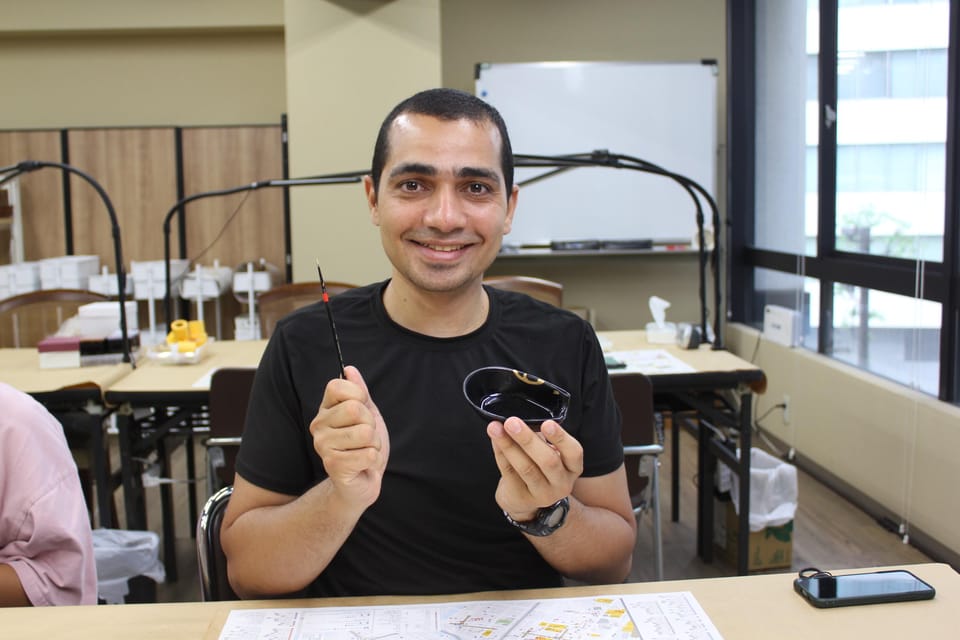
The session runs about 90 minutes, and that structure is the difference between a rushed souvenir-making class and a real skill-building workshop. You’ll move through the full chain of steps, with an instructor guiding you as you work.
Here’s the flow you should expect, in the order that typically makes sense for Kintsugi repairs:
Step 1: Set up the repair
If you’re working with the workshop’s provided ceramic piece, you’ll start by reviewing the cracks and chips and deciding where the repair focus goes. The class is designed around manageable damage (usually 1–2 cracks, and within size limits).
If you bring your own ceramic vessel, the process still follows the same logic: you’re aligning the broken parts so the repair looks deliberate rather than accidental.





Step 2: Join and fill gaps
Kintsugi isn’t only about “gluing it back.” You may see (and do) steps like applying putty or filling larger missing sections. This is where the repair becomes structural and smooth enough to finish properly.
For larger chips, you might use fillers and then shape and smooth the surface. This matters because the final gold line should look like it was meant to be there—not like a raised bump.
Step 3: Sand and prep for finishing
Sanding is part of the workflow because you want the surface to be comfortable to handle and visually clean. The goal is a repair that feels integrated. If your object is too rough, the gold line can look messy instead of crisp.
Step 4: Add lacquer and metallic finish
This is the signature moment. You’ll apply the metallic look along the repaired seams using the workshop materials. That’s the “wow” step: the cracks stop reading as damage and start reading as design.
Step 5: Final touches and packaging
When you finish, you take your piece home. If your repair needs extra curing time, the staff can pack it safely so you can transport it without worrying about knocks or smudges.
One important timing reality: the shop can’t extend the end time for items that aren’t finished. So if you bring a heavily damaged vessel, it’s smart to treat this as a learning session where you might not reach every possible stage if the break is complex.
What You Can (and Can’t) Repair: Vessel Limits That Affect Your Outcome
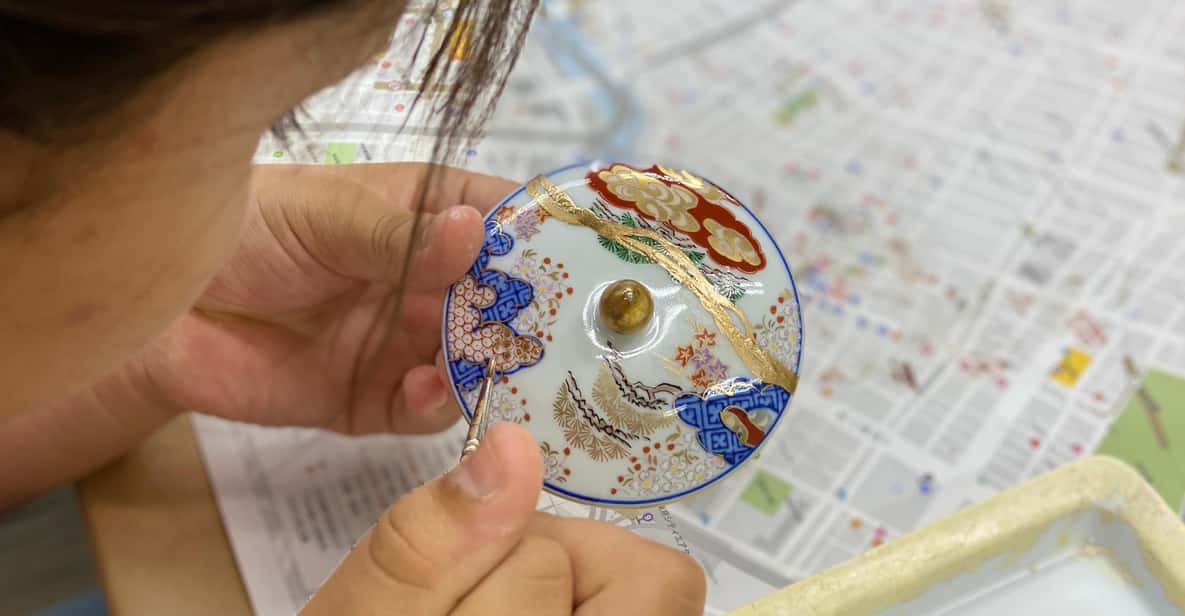
This workshop is focused on ceramic vessels only. That’s not a small detail—it’s a boundary that shapes the type of project you can choose.
If you’re bringing your own item
You’ll want to check these limits ahead of time:
- Size limit: up to φ15cm (diameter) and 15cm height
- Damage limit: 1–2 cracks
- Material: ceramic vessels only
- Not repairable: chipped or cracked mug handles
- Crack size matters: if your crack or chip is large, your object might not be fully completed within 90 minutes
The “not completed in time” part is the big consideration for self-bringers. Even with excellent instruction, some repairs simply need more work cycles. And since the workshop can’t run late for unfinished pieces, you should pick an item that’s realistically doable inside the allotted time.
If you’re using a provided souvenir piece
You avoid the complexity of match-fit damage sizes. The workshop’s approach is designed to fit the session length, so you’re more likely to finish to the point where you can take a complete piece home.
Take Home Value: Decorative Art, Plus Dry-Food Use
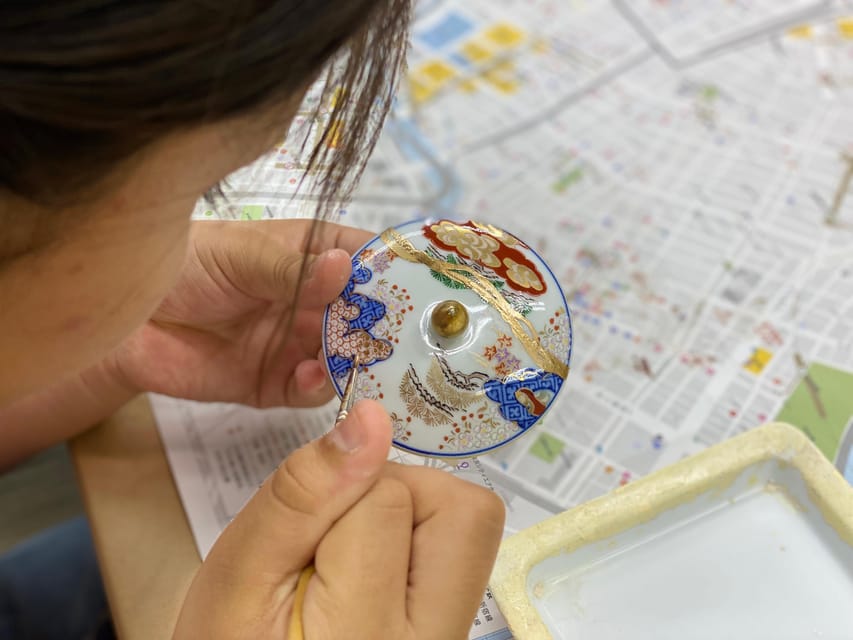
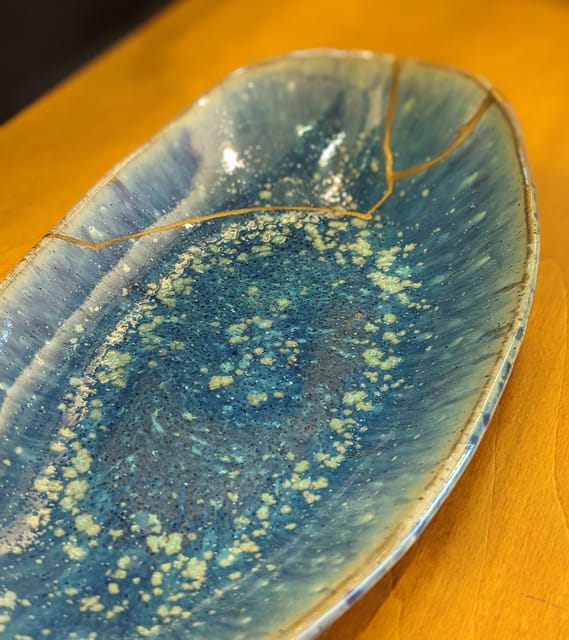
You leave with a completed piece of Japanese art. That’s the heart of the value here: you’re not just buying a souvenir. You’re taking home something you worked on, step by step.
The finished item is primarily meant for decorative purposes, but it can also be used to hold dry food items. That’s useful if you want it to sit on a shelf and still feel functional.
If you bring your own vessel, be aware that repairs may require curing time, and the shop may box your work for safer transport. The exact curing schedule isn’t specified for every scenario, but the key takeaway for planning is simple: treat your repaired piece like something that should rest and set properly after the workshop.
English Support and Small-Group Comfort (Up to 5)
The class is taught with English interpretation, and the workshop keeps groups small—up to 5 participants. That size matters more than it sounds. It means your instructor can watch what you’re doing, slow down when needed, and correct technique before you lock in a mistake.
Some classes run with two people, and the pace can feel more personal when there aren’t many seats filled. Either way, you can count on patient step-by-step guidance.
A nice touch: the instruction style often includes you doing the work while the teaching staff demonstrate or model key actions. That mix helps you learn faster than watching from across the room.
Price and Value in Tokyo: Is $125 Worth It?
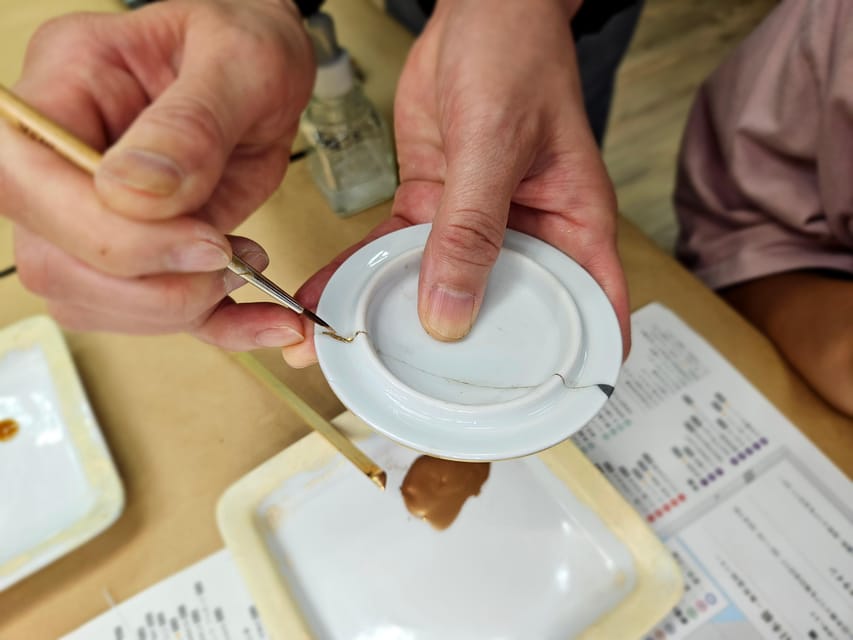
At $125 per person for a 90-minute hands-on workshop, you’re paying for three things:
- Professional instruction (not just a passive demo)
- Materials and experience fees (so you don’t need to shop for anything)
- A take-home souvenir that isn’t mass-produced
In Tokyo, craft experiences can range from fun but brief to genuinely skill-building. What justifies this price is the format: the class is short enough for a tight schedule, but it’s still structured to walk you through the major stages of a real Kintsugi repair.
Also, the “materials provided” part reduces friction. You don’t need to bring tools, special supplies, or prior knowledge. You just show up, work carefully, and leave with something you can display.
Who This Workshop Suits Best (And Who Might Feel Frustrated)
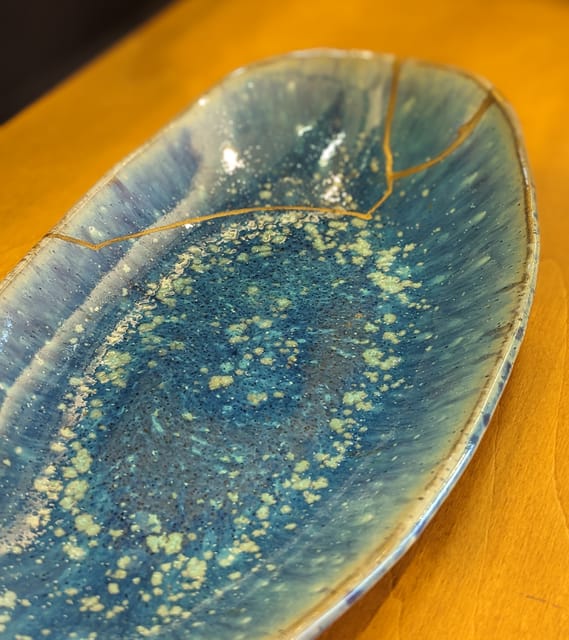
This is best for people who want a creative experience with a clear cultural idea behind it. It works particularly well if you like crafts, design, and the kind of learning that feels calm instead of hectic.
Great fit if you are
- Going to Tokyo on a schedule and want something that fits in 1 to 1.5 hours
- Interested in Japanese aesthetics and repair traditions
- Traveling with a partner and want a focused shared activity
- Looking for a souvenir with real meaning, not just a shop-bought item
Not ideal if you are
- Planning to bring a mug with a damaged handle (handles aren’t repairable)
- Expecting every brought-in object to finish perfectly within 90 minutes
- Trying to bring something outside the stated ceramic size and crack limits
Age-wise, it’s 13 and up. Minors need a guardian, and the activity is only recommended for those over age 13.
Plan Your Timing: How to Fit It Into a Tokyo Day
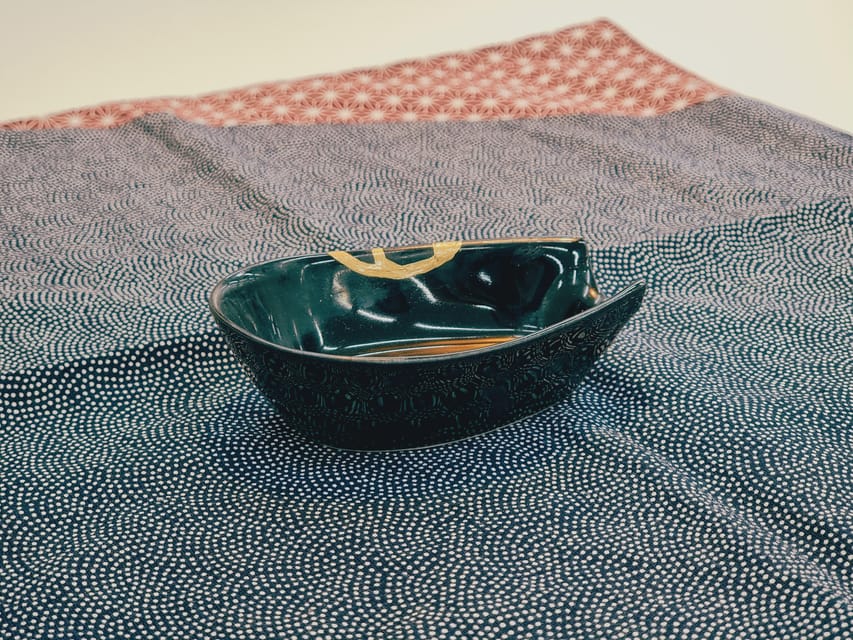
This workshop’s biggest advantage is how easy it is to slot into a day. It’s only 90 minutes, so you can pair it with morning sightseeing and then still have time for shopping, snacks, and other Tokyo must-dos.
The meeting point is in downtown Nihonbashi, and it’s about 15 minutes by subway from Asakusa. That means you can choose your sightseeing base and still get to class without a half-day detour.
One small practical note: because the workshop starts promptly and doesn’t extend to finish unfinished repairs, you should keep your day flexible enough that you aren’t rushing across Tokyo right before class.
The Bonus Stuff in the Store: Gifts You’ll Actually Want
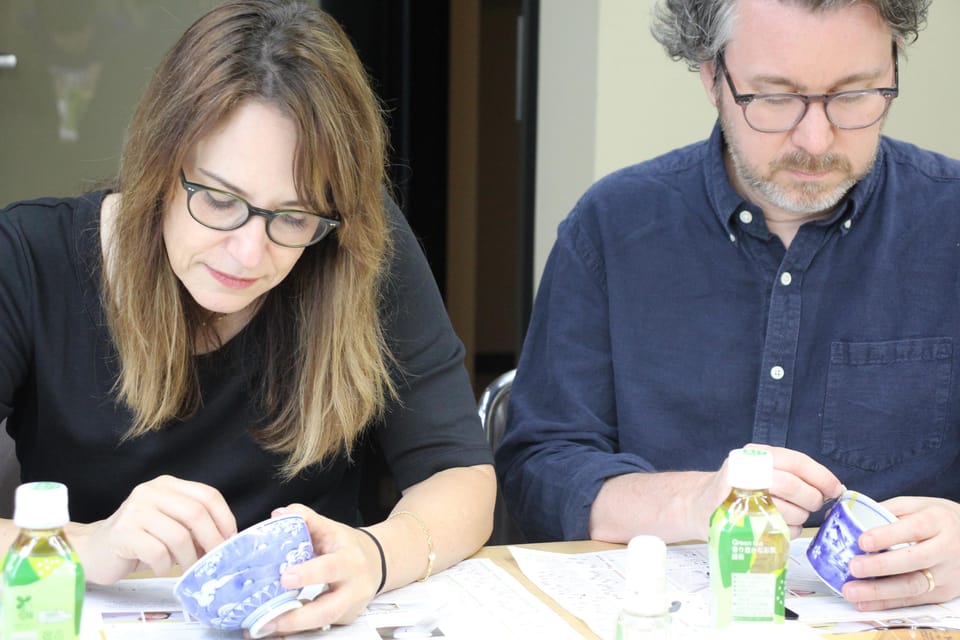
Part of the experience is that the workshop takes place in a shop setting, not a blank studio. While you wait or finish up, you can browse items like lacquerware and ceramics, plus practical Japanese gifts.
A few specific examples you might see include tenugui (Japanese cloth), chopstick sets with rests, table linens, and bento boxes. This is the kind of store where you can pick up something small and useful without guessing what will look good.
If you’re the type who likes to match your souvenir to your experience, this matters. The repair you made becomes the “main event,” and the store helps you round out the day with a few extras that fit the same aesthetic world.
Should You Book the Kintsugi Workshop in Tokyo?
If you want a short, meaningful craft class that results in a take-home artwork, I think this is an easy yes—especially because the setup is small-group, guided in English, and includes materials. The $125 price makes more sense when you treat it as paying for instruction plus a real repaired piece, not just paying to sit in a class.
Book it if:
- You’re 13+ and can work within the ceramic vessel limits
- You want the gold-on-cracks look with hands-on coaching
- You need something that fits a busy Tokyo itinerary
Skip it (or bring less-damaged items) if:
- Your object has a mug handle issue
- You’re counting on finishing a very complex break inside 90 minutes
- You want a longer, traditional curing timeline in-class (this session is short by design)
If you’re aiming for a calm, skill-building Tokyo experience with a souvenir that feels personal, this Kintsugi workshop is the kind of thing that makes your trip feel different in a good way.
FAQ
How long is the Kintsugi workshop in Tokyo?
The workshop lasts 90 minutes.
Is the workshop taught in English?
Yes. The instructor provides English interpretation.
Do I need to bring tools or materials?
No. The workshop provides the materials and the experience setup, so you only need comfortable clothes.
Can I bring my own ceramic vessel to repair?
Yes, you can restore ceramic vessels you bring. Just note the repair limits and that bigger damage may not finish within 90 minutes.
What types of items can’t be repaired?
Chipped and cracked mug handles are not repairable. The workshop is also limited to ceramic vessels.
What size and damage limits should I know about?
The vessel size is limited to up to φ15cm diameter and height up to 15cm, with 1–2 cracks. Repair completion can depend on how large the crack or chip is.
Who is the workshop for?
It’s recommended for ages 13 and up. Minors must be accompanied by a guardian.
Can I cancel and get a full refund?
Yes. You can cancel up to 3 days in advance for a full refund.