REVIEW · TOKYO
Tokyo: Private Day Trip to Mount Fuji and Hakone
Book on GetYourGuide →Operated by Sky Land · Bookable on GetYourGuide
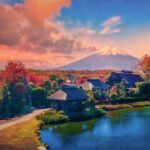
Fuji in one long, photo-heavy day. That’s what makes this private trip work so well. You line up several famous viewpoints and quiet stops around Mount Fuji and then pivot into Hakone for lake and volcanic scenery.
I especially like that it’s private with a dedicated English-speaking driver, so you’re not stuck with the stop-and-go chaos of a big group. And I like the pacing between viewpoints and walks: enough time to actually see, snap photos, and reset your eyes before the next climb.
One consideration: it’s a long day with cold air at higher elevation. If you have back issues or mobility limits, the walking plus uneven outdoor ground may be a rough fit.
In This Review
- Key Things That Make This Day Trip Special
- From Tokyo Pickup to Fuji: A Long Drive That Actually Pays Off
- Chureito Pagoda and Kitaguchi-hongu Fuji Sengen Shrine: Classic Fuji, Close-Up
- Oshino Hakkai: Small Ponds, Big Calm (and a Short Time Window)
- Fuji 5th Station and Saiko Iyashi no Sato Nenba: High Altitude Meets Old-World Japan
- Arakura Fuji Sengen Shrine and the Fuji View Loop
- Lake Kawaguchi and Oishi Park: Fuji by the Water
- Mt. Kachi Kachi Ropeway and Narusawa Ice Cave: Fun Detours Around Fuji
- Hakone Ropeway to Lake Ashi and Owakudani Valley: Volcano Views, Not Just Photos
- Gotemba Premium Outlets: The Practical Ending for a 10-Hour Day
- Private Vehicle, Entrance Fees, and the $100-Per-Person Value Question
- What to Pack and How to Make the Most of the Stops
- Who This Tour Fits Best (and Who Might Feel Uncomfortable)
- If You Should Book: My Honest Call
- FAQ
- How long is the Mount Fuji and Hakone private day trip?
- Where do you pick up and drop off?
- What’s included in the price?
- Are drinks included?
- What should I bring for the trip?
- Is smoking allowed in the vehicle?
- Can I cancel for a full refund?
- Is this tour suitable for wheelchair users?
Key Things That Make This Day Trip Special
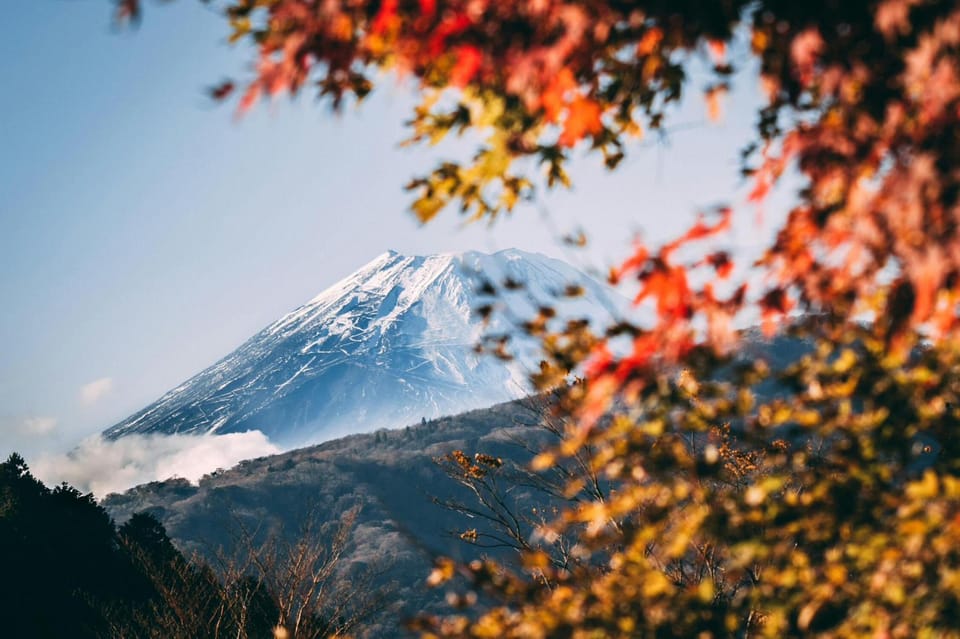
- Multiple Mount Fuji photo angles in one run: Chureito Pagoda, Arakura Fuji Sengen Shrine, Fuji 5th Station, and lake-area viewpoints
- Oshino Hakkai ponds and village streets: a short visit that still feels calm and photogenic
- Fuji 5th Station above 3000 meters: the highest vehicle-accessible stop, with a safety briefing and big-altitude reality
- Hakone by ropeway and lake: Hakone Ropeway, Lake Ashi, and Owakudani Valley for volcano drama
- A planned rhythm, not a nonstop sprint: timed photo stops, free time, and breaks that help you avoid fatigue
- Gotemba Premium Outlets at the end: a practical shopping stop when you’re already in the area
From Tokyo Pickup to Fuji: A Long Drive That Actually Pays Off
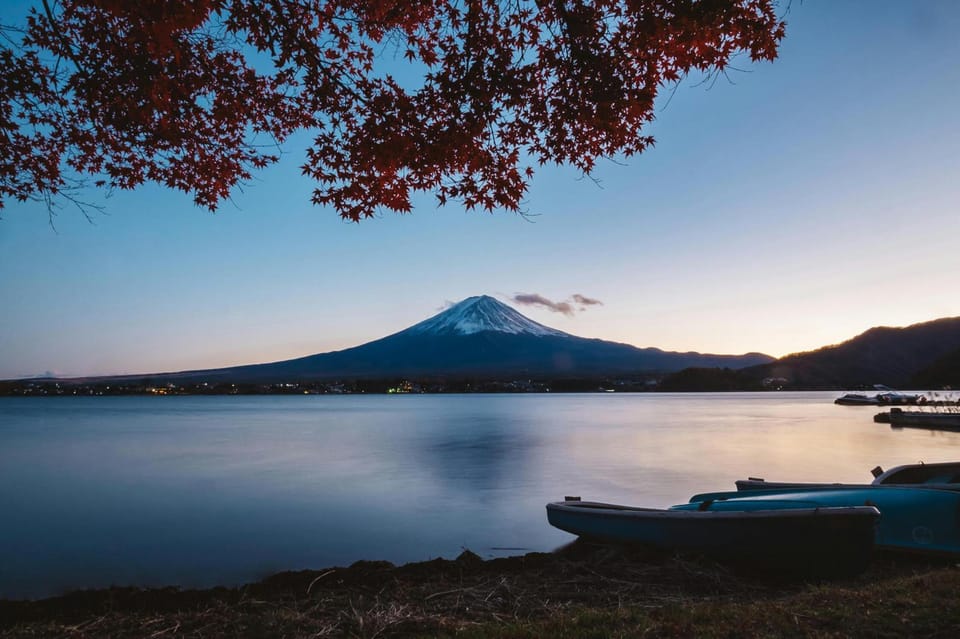
This trip is built around one key idea: get out of Tokyo early enough to have a shot at clear views, then keep moving while the day is still young. You start with pickup from a set of Tokyo areas (including major neighborhoods like Shibuya, Shinjuku, and Chuo), and you end with drop-off at designated locations back in Tokyo’s wards or the broader Mt. Fuji area.
That private-vehicle setup matters more than it sounds. Instead of spending time figuring out trains and transfers, you spend it looking out the window. And once you’re on the road, you’re not guessing where the best roadside photo pull-offs are—your driver handles the timing so you’re at stops when they’re useful.
You can also read our reviews of more private tours in Tokyo
Chureito Pagoda and Kitaguchi-hongu Fuji Sengen Shrine: Classic Fuji, Close-Up
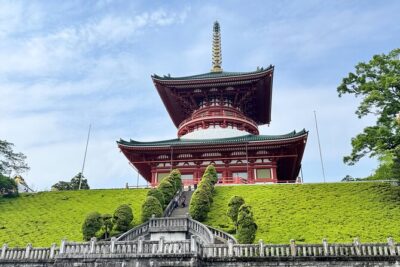
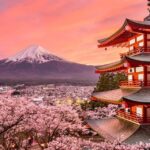
The day begins with a photo-focused stop at Chureito Pagoda, where you’ll get a walk and sightseeing time. This is one of those places where the photo is the whole point, but standing there in person is different: you see the scale, the angle, and why the composition works.
From there, you head to Kitaguchi-hongu Fuji Sengen Shrine. Expect a mix of photo time, walking, and visiting. Fuji Sengen shrines are all about respectful calm—think ritual spaces, quiet corners, and the feeling that people are still following long-standing traditions around the mountain.
Practical tip: wear comfortable shoes. These stops are not marathon walks, but you will move around outside, and some sections can be uneven.
Oshino Hakkai: Small Ponds, Big Calm (and a Short Time Window)
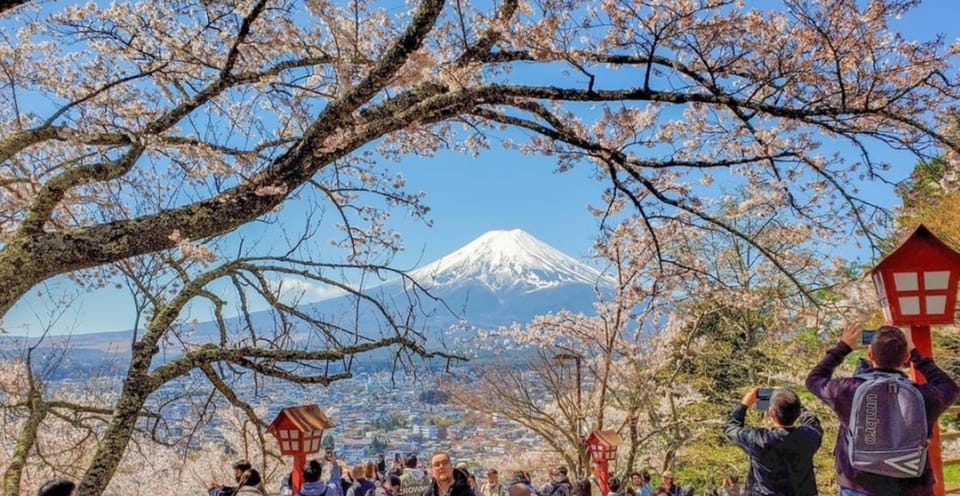
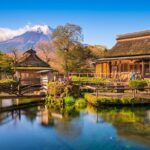
Next comes Oshino Hakkai, a peaceful village centered on water ponds fed by Mount Fuji. The visit is brief—enough time to see, take photos, and walk through the area, but not so long that you feel stuck in one spot.
What makes this stop satisfying is the contrast. You’ve had pagoda views and shrine spaces. Now you get water—still ponds, traditional houses, and a quiet vibe that’s great for slowing your brain down for a moment.
A short visit is a double-edged sword. It’s efficient, but if you love wandering and people-watching, you’ll probably wish you had more time. Still, for a 10-hour day that includes Hakone and Lake Ashi, it’s a smart use of time.
Fuji 5th Station and Saiko Iyashi no Sato Nenba: High Altitude Meets Old-World Japan
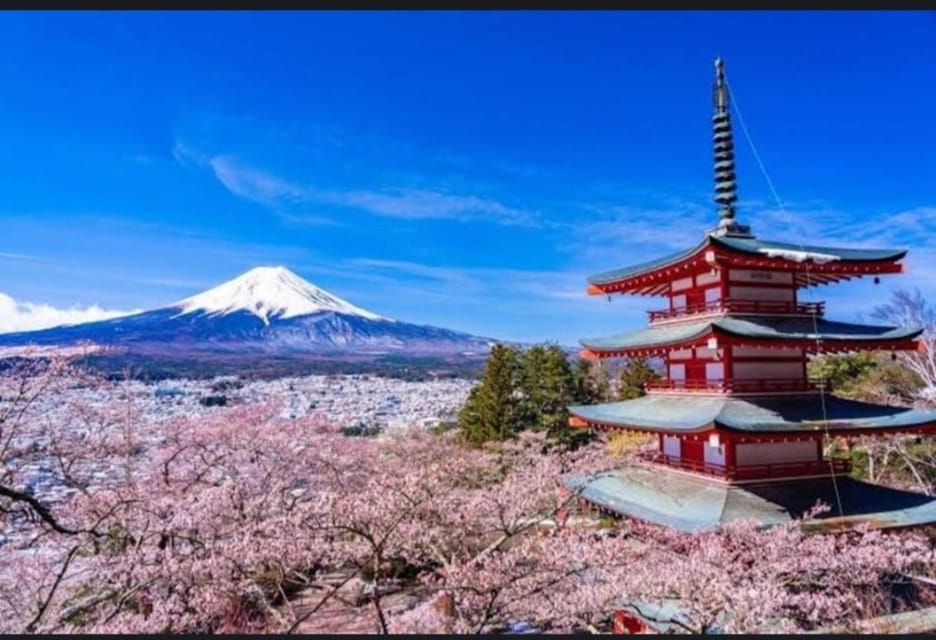
This is the moment a lot of people really want: Mount Fuji 5th Station. It’s the highest vehicle-accessible point (over 3000 meters). You’ll have photo time, sightseeing time, and a walk, plus a safety briefing.
At this elevation, reality hits fast. It can feel colder and windier than you expect, even if Tokyo feels mild. Bring warm clothing. If you don’t, you’ll spend half your time wishing you had.
Before or around the 5th Station window, you’ll also spend time at Saiko Iyashi no Sato Nenba, where there’s a demonstration about how ancestors lived in a village. Even if you’re not fluent in the details, you get the shape of daily life—how spaces worked, what people valued, and why this region developed a specific cultural rhythm around the mountain.
This segment is also where a good driver earns their keep. Weather can change fast, and if visibility is poor, you need a plan that still lets you feel like you got something out of the day.
Arakura Fuji Sengen Shrine and the Fuji View Loop
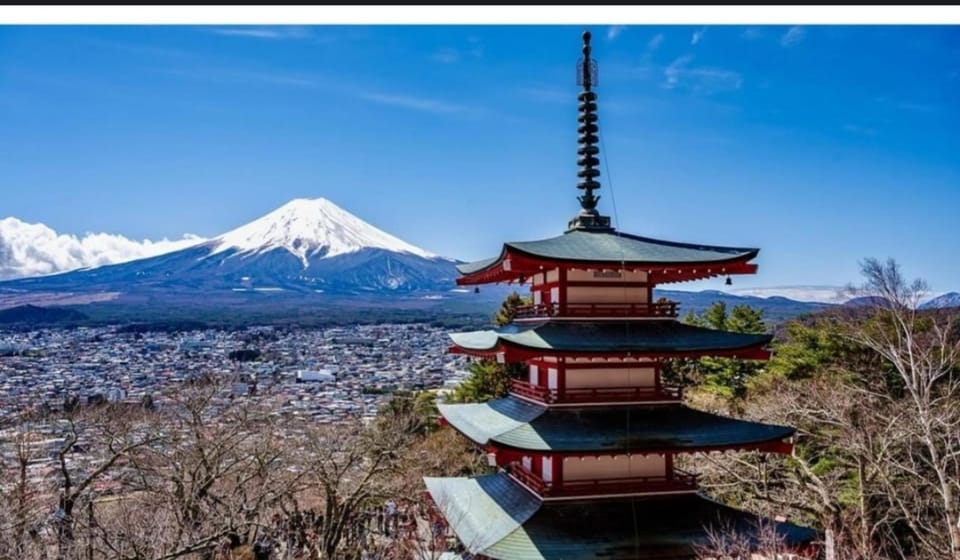
After the 5th Station area, you’ll return to the shrine world, this time with Arakura Fuji Sengen Shrine. You get a visit with free time and a longer break (around 45 minutes). This is a strong payoff stop for people who want Fuji views without the altitude stress.
Arakura is a classic “look up, frame the mountain” kind of place. You’ll likely find yourself checking the light, waiting for a clearer slice of sky, and taking the kind of photos you can’t fake with a phone selfie stick.
If you’re traveling with camera gear, this is where you’ll feel glad you brought it. A tripod might be overkill for most people, but a careful phone or compact camera setup can make a huge difference in postcard-style results.
You can also read our reviews of more tours and experiences in Tokyo

Lake Kawaguchi and Oishi Park: Fuji by the Water
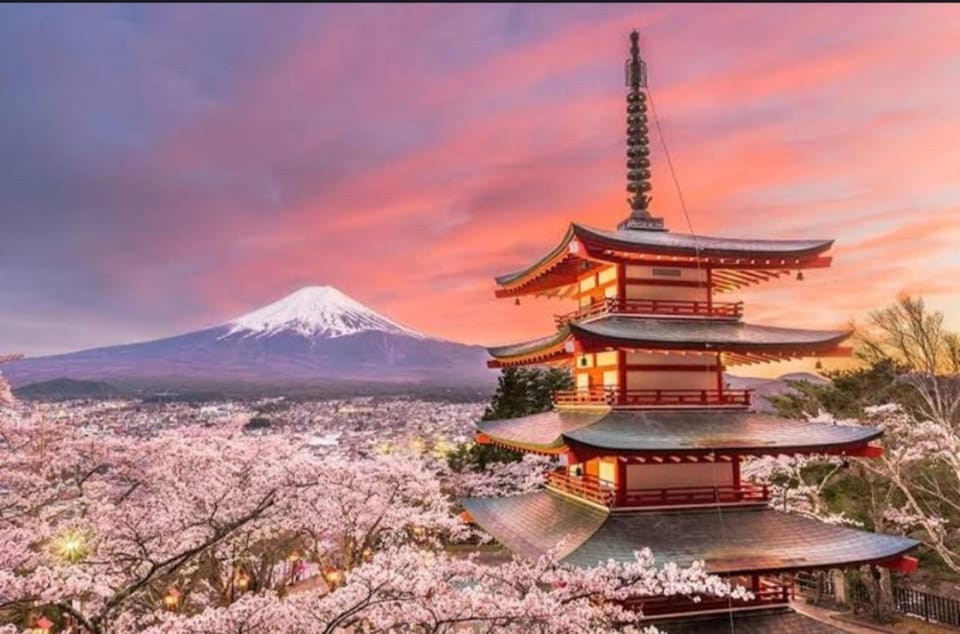
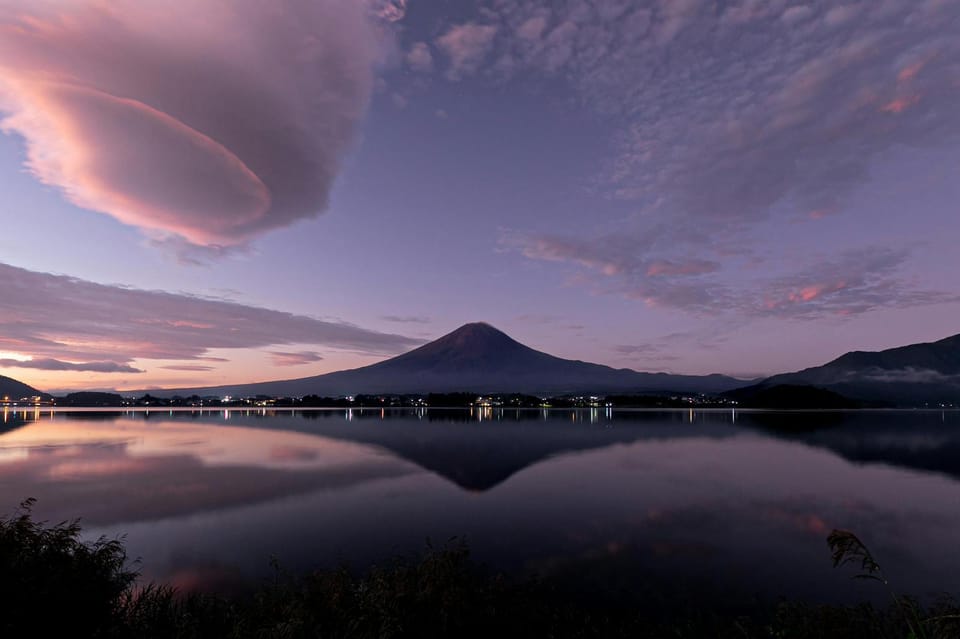
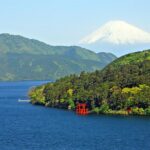
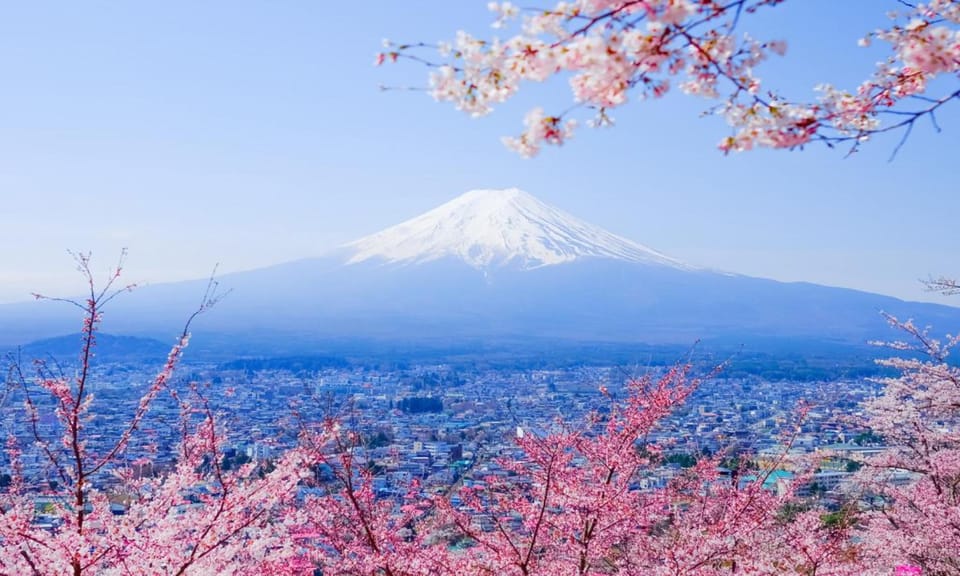
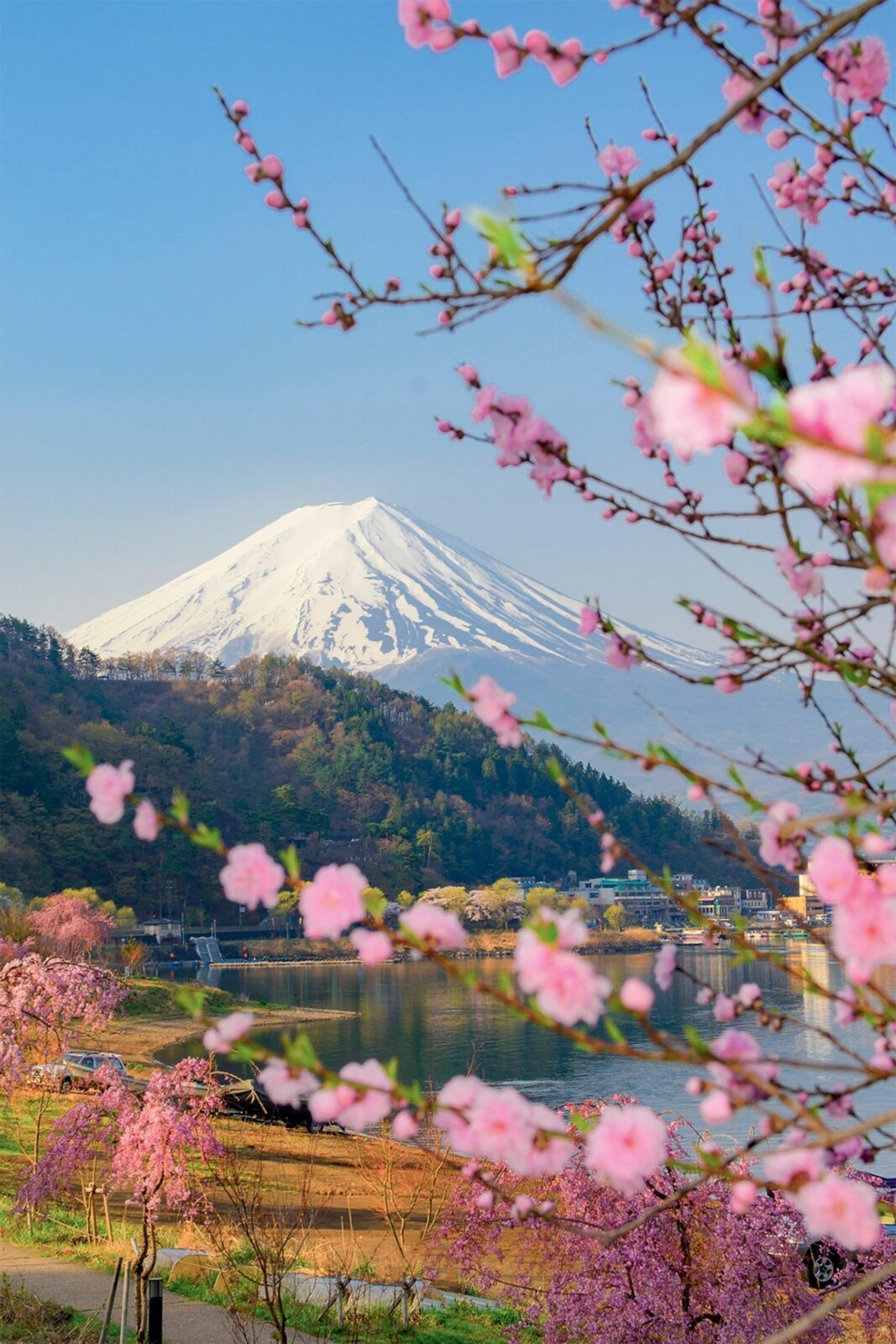
Then the route turns toward the lake views—this is where Mount Fuji often looks its most dramatic. Lake Kawaguchi is a key stop for photo time, walking, and sightseeing. After that, you’ll also visit Oishi Park, typically with time for flowers and Fuji views.
Season matters here. When the flowers are in full blossom, Oishi Park can be extra photogenic. Even when the mountain isn’t fully visible, the lake area still gives you a calmer, wider feeling than the shrine stops.
One thing I’d plan for: this part of the day is visually addictive. You’ll want to keep “just one more photo” going. That’s normal. But do make time to walk the paths you’re given, because the views change as you move.
Mt. Kachi Kachi Ropeway and Narusawa Ice Cave: Fun Detours Around Fuji
The itinerary adds a couple of regional attractions that keep the day from turning into only shrines and lakes.
At Mt. Kachi Kachi Ropeway, you’ll spend about 1.5 hours with photo time, visit time, and sightseeing. Ropeways can be a nice break from walking while still giving broad views.
Then there’s Narusawa Ice Cave, another stop that’s more about experience than a single iconic photo. You’ll get photo time, sightseeing, and a walk through.
These two are a good choice for people who don’t want the whole day to hinge on whether Fuji shows its face perfectly. Even when clouds move in, you still get things to do and places that feel different from each other.
Hakone Ropeway to Lake Ashi and Owakudani Valley: Volcano Views, Not Just Photos
Now you switch from “Fuji sightseeing” to “Hakone character.”
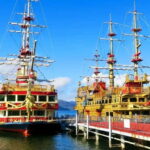
You’ll take the Hakone Ropeway with a cable car ride and a hop-on hop-off style stop (about an hour). This is a quick way to see the Hakone region without committing to a lot of foot travel.
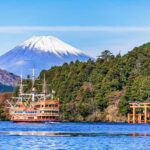
After that comes Lake Ashi for sightseeing (about an hour). It’s one of those places where the water + surrounding scenery give you a totally different mood than the Fuji lakeside points earlier in the day.
Then you get Owakudani Valley. You’ll have a break time and sightseeing (around an hour). This is the volcano zone, and it brings the “Hakone why people come here” factor. If you like atmosphere—steam, geology, and that unmistakable volcanic setting—you’ll feel it here.
Tip: in colder mountain air, layered clothing helps. Also, keep your camera ready, because these views don’t ask permission.
Gotemba Premium Outlets: The Practical Ending for a 10-Hour Day
A lot of Fuji-and-Hakone days end with a tired stomach and a “what now?” feeling. This one solves that with Gotemba Premium Outlets, giving you about two hours for shopping, sightseeing, and walking.
You’re not going there for culture. You’re going there to reset. If you need snacks, a warm layer, or last-minute gifts, this stop is handy. And if shopping isn’t your thing, it’s still a low-stress stretch of time before the drive back.
Just remember: you still have a ride back to Tokyo, and the day adds up.
Private Vehicle, Entrance Fees, and the $100-Per-Person Value Question
At about $100 per person for a 10-hour private day trip, value comes from what’s included.
You get:
- A private English-speaking driver
- Pickup and drop-off from designated areas
- Transport in a Jeep/SUV or van
- Entrance fees covered
Not included: drinks. That’s about it. So you won’t get hit with a long list of surprise costs once you’re outside.
Is it “cheap”? Not compared to DIY train plans. But DIY has real friction: transfers, timing stress, and the risk of missing a stop when Fuji clouds roll in. For many people, paying for a private route means you buy back energy and clarity.
And for groups of two or more, private transport can become a very reasonable way to do a complex day without turning it into a logistics project.
What to Pack and How to Make the Most of the Stops
This tour works best when you treat it like a weather-and-walking day.
Bring:
- Comfortable shoes
- Warm clothing (it can be cooler at higher elevations)
- Camera
- Water
And follow the rules:
- No smoking in the vehicle
- No food in the vehicle
- No alcohol in the vehicle
You’ll spend time walking at multiple stops, including shrines, parks, and caves. Also, the highest point is over 3000 meters, so treat “warm layers” as non-negotiable, not optional.
Who This Tour Fits Best (and Who Might Feel Uncomfortable)
This private day trip is a strong match if you want:
- A tight, organized day with major Mount Fuji and Hakone highlights
- A comfortable vehicle and clear driver handling between stops
- English-language communication at key moments
- Time for photography at the big scenic points
It’s not a great fit if you’re:
- Pregnant
- Dealing with back problems
- Using a wheelchair
That’s not about anyone being “too fragile.” It’s just that the day includes walking on outdoor ground and a long vehicle schedule with mountain stops.
If you’re the type who gets cranky when the plan changes, the weather reality is also worth noting. Fuji can disappear behind clouds. When it does, your driver can still route you through scenic, worthwhile stops so the day doesn’t feel wasted.
If You Should Book: My Honest Call
Book this tour if you want a classic Mount Fuji + Hakone day without the headache of routing, transfers, and time crunch. The combination of Fuji viewpoints, Oshino Hakkai, and Hakone’s ropeway-lake-volcano sequence is exactly the kind of “greatest hits” day that’s hard to build yourself.
Skip it (or rethink) if you hate long days, don’t handle colder high altitude well, or need a low-walking itinerary.
If your priority is stunning Fuji photos and you’re okay layering up and walking a bit, this is one of the more efficient ways to do it—comfortable, organized, and built to keep the day moving even when the mountain plays hard to read.
FAQ
How long is the Mount Fuji and Hakone private day trip?
The duration is 10 hours.
Where do you pick up and drop off?
Pickup and drop-off are available in designated Tokyo wards and areas, including Tokyo locations such as Shibuya, Shinjuku, and Chuo. Drop-off is also offered at designated locations back in the Tokyo area and Mt. Fuji area.
What’s included in the price?
Included are a private English-speaking driver, pickup and drop-off at designated locations, transport by Jeep/SUV or van, and all entrance fees.
Are drinks included?
No. Drinks are not included.
What should I bring for the trip?
Bring comfortable shoes, warm clothing, a camera, and water.
Is smoking allowed in the vehicle?
No. Smoking is not allowed in the vehicle.
Can I cancel for a full refund?
Yes, you can cancel up to 24 hours in advance for a full refund.
Is this tour suitable for wheelchair users?
No, it’s not suitable for wheelchair users.