REVIEW · TOKYO
Tokyo: Private Custom Walking Tour with Local Guide
Book on GetYourGuide →Operated by Guydeez · Bookable on GetYourGuide
Tokyo feels chaotic until you have a local. This private custom walking tour helps you turn that first-day overwhelm into a clear route, with guides like Enrique steering you through fan-favorite spots and the surrounding streets you’d skip if you only followed maps. I especially like the way your guide shapes the day around what you actually want to see, not a one-size-fits-all loop.
Second, I like the practical side: getting comfortable with trains and neighborhoods while you learn what to do and how to do it. You’ll often get help with stuff like using local public transport and even basics that make temples feel more meaningful. The only real catch is that it’s still a walking-and-transit experience, so wear good shoes and plan for attraction tickets that aren’t included.
In This Review
- Key highlights worth planning around
- Why a private Tokyo walk beats guessing with a map
- How the 2 to 8 hour format fits real travel days
- What you’ll actually see: icons, streets, and the museum option
- Asakusa and Senso-ji style areas: classic Tokyo with meaning
- Sky Tree and tower viewpoints: see Tokyo in one glance
- Imperial Palace Gardens and Marunouchi: a quieter contrast stop
- Shinjuku and Shibuya: shopping, energy, and how to navigate it
- Akihabara and modern niche interests: tech-meets-life sightseeing
- Getting around Tokyo trains: the confidence part you’ll feel later
- Price and value: what $53 per person really buys
- How to plan your request so your guide nails it
- Should you book this private Tokyo walking tour?
- FAQ
- How long is the Tokyo private custom walking tour?
- Is the tour private?
- Can the route be customized to what I want to see?
- What languages are the guides available in?
- Is hotel pickup included?
- Does the tour include public transport?
- Are food and drinks included?
- Are attraction tickets included?
- What’s the cancellation policy?
- Is the tour wheelchair accessible?
Key highlights worth planning around
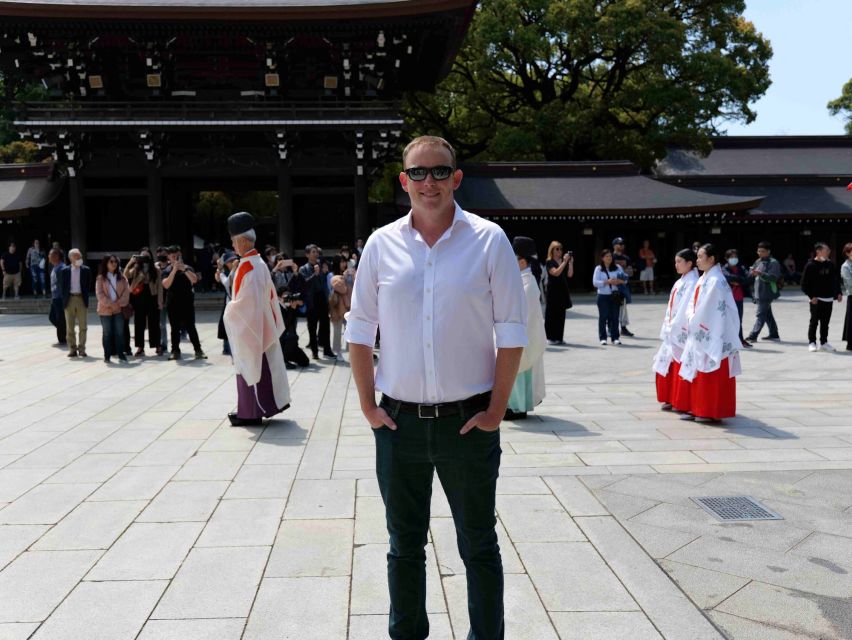
- Private and customizable route: tell your guide what matters, and they build the flow.
- Hotel pickup when you’re in Tokyo: you start with less friction, especially on day one.
- Walking plus public transport: you learn how to move through Tokyo instead of just seeing stops.
- Museum-adjacent options: your guide can adjust to include a museum visit if you want it.
- Real local guidance: from transit tips to etiquette, you leave with confidence.
- Flexible duration (2 to 8 hours): easy to match jet lag, energy, or a tight schedule.
Why a private Tokyo walk beats guessing with a map
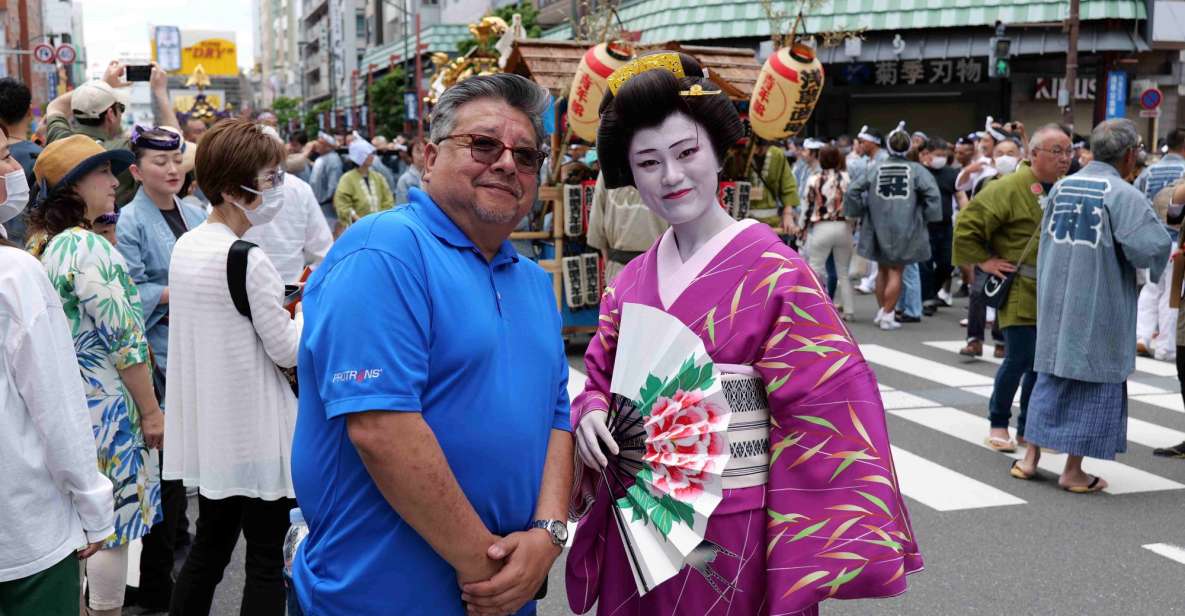
Tokyo is amazing, but it can also feel like you’re sprinting through a video game. Stations look similar. Signs change languages mid-sentence. And the train lines you need can feel like they were designed by a committee of origami artists.
That’s exactly why I like the private setup here. With your guide walking at your pace, you get a plan that makes sense geographically, not just a checklist of landmarks. The tour is built to show you major sights you choose—then add nearby streets, venues, and the everyday Tokyo rhythm that turns sightseeing into understanding. If your guide is someone like Francine or Balsan Victor, the day tends to mix big names (temples, palace-area gardens, major districts) with smaller routes that feel more lived-in than staged.
One more benefit: you’re not limited to what’s popular at that exact moment. If you want to swap out one stop for another, the tour can adjust. That’s a big deal in Tokyo, where “must-see” can change depending on weather, crowds, and energy.
You can also read our reviews of more walking tours in Tokyo


How the 2 to 8 hour format fits real travel days
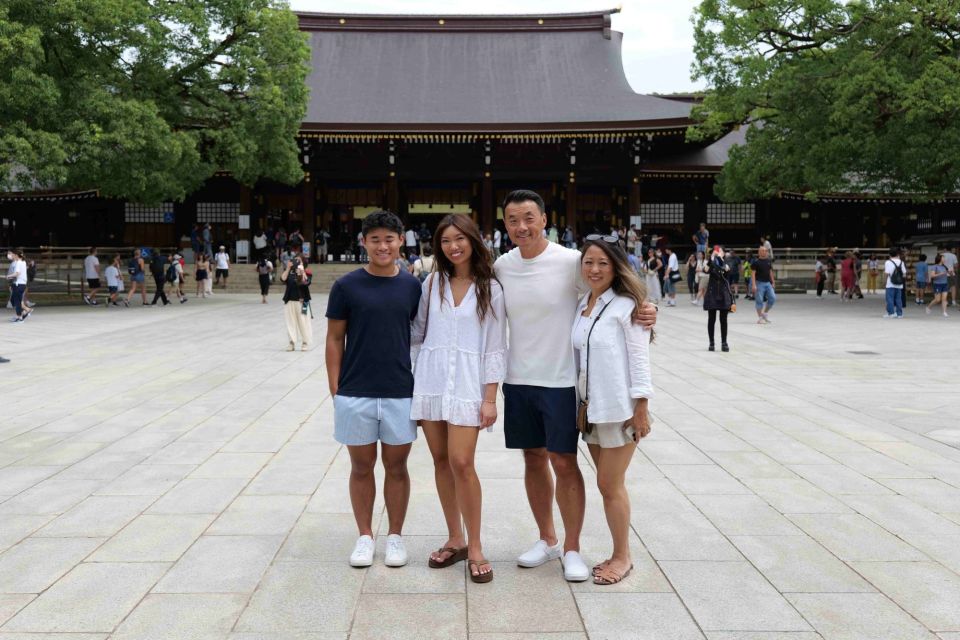
This is not a strict, hour-by-hour production. The duration runs from 2 to 8 hours, and that range matters because Tokyo travel isn’t always smooth. Some days you’ll be fresh. Other days you’ll be running on jet lag and vending-machine snacks.
A 2–3 hour version is a smart move when:
- you want a first orientation walk without burning your whole day
- you’re pairing it with another activity later
- you want transit confidence fast
A longer 6–8 hour tour works well if you’re trying to cover multiple neighborhoods without rushing, especially if you’re interested in things like:
- temple streets plus a view stop
- shopping districts plus calmer side streets
- a mix of iconic highlights and practical “how to function here” guidance
The guide’s flexibility shows up most when you set expectations early. Tell them what energy level you want and what you want to learn. Then they’ll build the route so you’re not just walking, walking, walking with no payoff.
What you’ll actually see: icons, streets, and the museum option
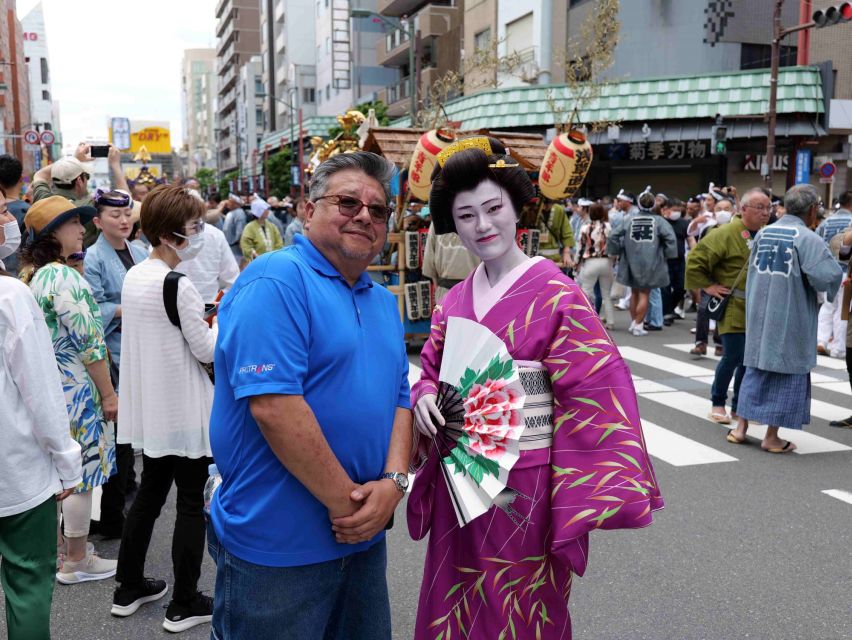
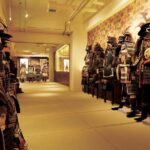
You’ll get the exterior of monuments, and you can include museums if you want—just make your preference clear ahead of time. That’s useful because Tokyo has a lot of “you can see it from outside” landmarks that still feel special. You don’t lose the atmosphere by skipping inside visits; you just keep the day moving.
Based on what this tour tends to cover with different guides, you should expect a mix like this:
- Temple areas and traditional streets: great for photography, context, and learning temple etiquette so you don’t accidentally do it wrong.
- Skyline or tower viewpoints: ideal when you want Tokyo to feel big fast, even if you only have a few hours.
- Major business and palace-area surroundings: a calmer contrast to neon districts.
- Shopping and tech districts: perfect if you love people-watching and want to see modern Tokyo habits up close.
One recurring theme: your guide is good at picking the order of stops so the day flows. Tokyo can be a maze, and a good route reduces backtracking.
Asakusa and Senso-ji style areas: classic Tokyo with meaning
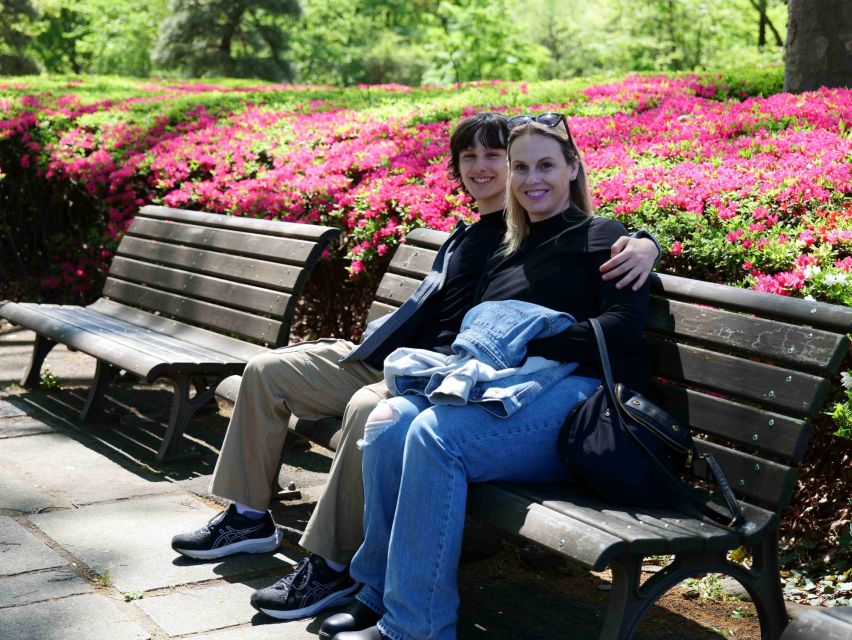
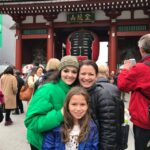
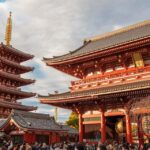
If your itinerary includes Asakusa and the Senso-ji temple area, you’re choosing one of Tokyo’s most memorable “first wow” zones. This is the kind of neighborhood where you’re not only looking at a landmark. You’re walking through the city’s older vibe—streets, stalls, and the feel of people taking their time.
What makes this work better with a guide is not just access. It’s the guidance around how to behave respectfully and how to navigate the area without feeling lost. When you know what you’re looking at, a temple visit becomes more than pictures.
A possible drawback: this area can get busy. That means the timing and the route order matter. With a local guide, you can often structure the walk so you spend more time moving through the atmosphere and less time waiting in circles.
Sky Tree and tower viewpoints: see Tokyo in one glance
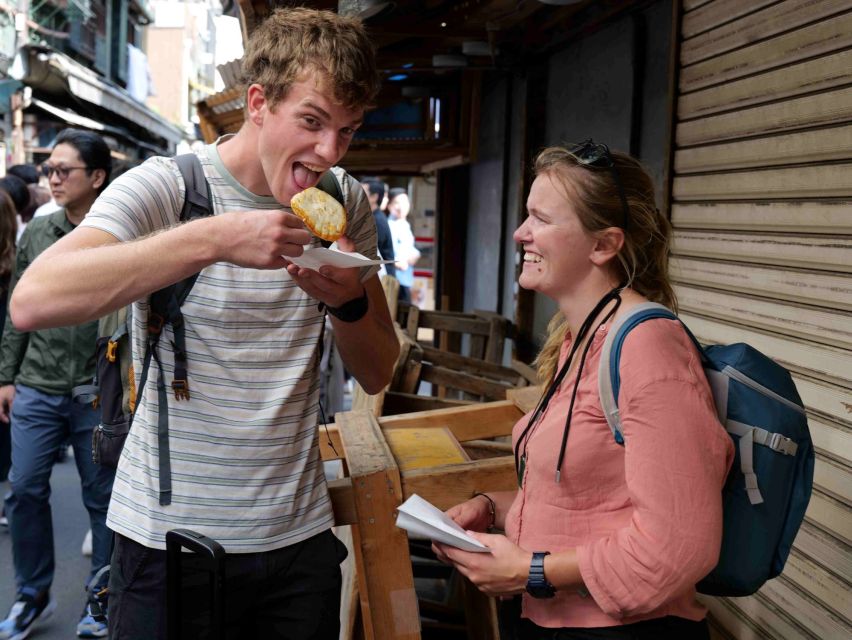
Tokyo towers and observation decks can be tempting, but lines and timing can make or break the experience. When your guide works tower time into your day, it gives you something practical: scale.
A stop like Tokyo Skytree Tower (often paired with Asakusa-area sightseeing) helps you connect districts that otherwise feel unrelated. You look down, then later on your own you start recognizing neighborhoods instead of chasing random landmarks.
Even if you’re not obsessed with heights, viewpoints are a shortcut to orientation. And guides often know good ways to structure your route so you’re not rushing in the wrong direction after your view time.
You can also read our reviews of more guided tours in Tokyo

Imperial Palace Gardens and Marunouchi: a quieter contrast stop
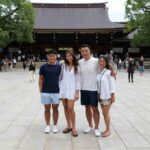
If your day includes the Imperial Palace Gardens and the surrounding Marunouchi area, you get a different Tokyo mood. It’s less about neon and more about space, layout, and the sense of Tokyo’s long timeline.
This is also where a private format helps. Gardens and palace-area walks tend to feel best when your guide explains what you’re seeing and why it matters, then lets you take it in at a human pace. If you’re visiting in winter, the light can be striking, and the atmosphere is often calmer than the busiest shopping streets.
Possible drawback: this isn’t the most “action-heavy” stop. If you only want crowds, food stops, and constant motion, you might feel slightly bored. But if you want balance, it’s one of the best counters to Tokyo’s faster districts.
Shinjuku and Shibuya: shopping, energy, and how to navigate it
Shinjuku and Shibuya are where Tokyo looks like Tokyo. They’re busy, visually loud, and full of tiny decisions: which street leads where, what station entrance you need, and how to get from point A to B without wasting an hour.
A private guide turns that confusion into momentum. You’ll walk through areas of Shinjuku and Shibuya, often hitting iconic sights and also slipping into quieter pockets. Guides also tend to share practical answers to the questions that matter most in these neighborhoods:
- what to do first to avoid getting turned around
- how to choose routes on local trains and subways
- how to read signs faster than you could alone
If you’re traveling with kids, this style of tour can work well because your guide can handle quick detours and breaks without killing the whole schedule. If you love shopping and street scenes, these districts shine. If you hate crowds, just be clear about that early so your guide can manage the timing.
Akihabara and modern niche interests: tech-meets-life sightseeing
Akihabara is the district for electronics, pop-culture energy, and the feeling that Tokyo runs on imagination. If your guide includes it, you’re not just seeing stores. You’re learning how the district fits into Tokyo’s modern identity.
This is also a great place for a custom tour because you can steer the day toward what you enjoy. Some people want sights tied to gaming and anime. Others want the tech side and the street-level vibe. Either way, a guide helps you move efficiently through the area so it stays fun, not exhausting.
Possible drawback: if you’re not into tech or pop culture, Akihabara can feel like sensory overload. Tell your guide what you like, and they’ll adjust the balance.
Getting around Tokyo trains: the confidence part you’ll feel later
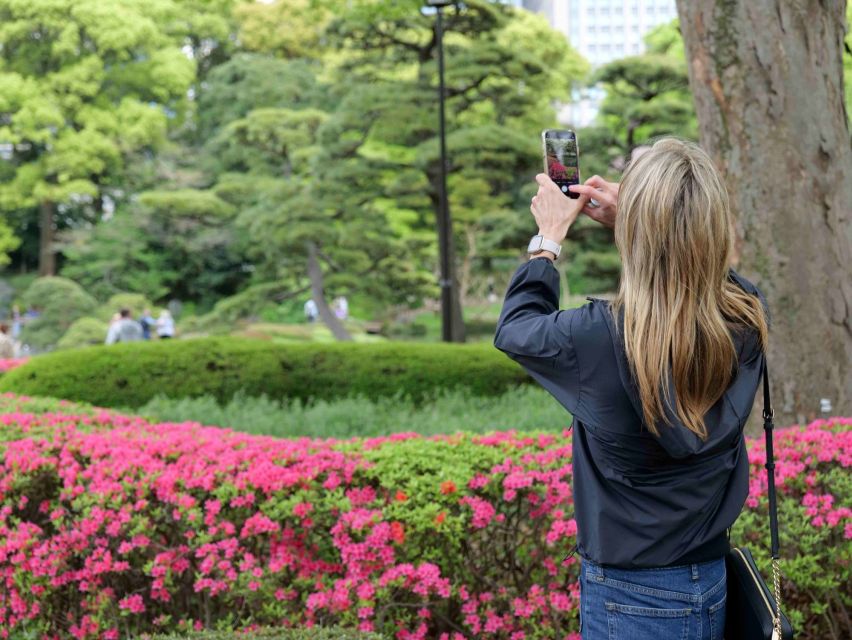
One of the biggest reasons people book this kind of tour is the “after” effect. The guide helps you use public transport and understand how to move between stations, so your remaining days feel less like guesswork.
In past tour days, guides have helped with:
- learning how to use the subway/train system efficiently
- figuring out transit basics like buying or using transport cards and planning routes
- handling small practical needs like finding the right kinds of breaks during a long day
Here’s the practical mindset: Tokyo is easier after you’ve already done it once with a local. You stop fearing the station labyrinth, and you start treating it like a tool instead of a problem.
Price and value: what $53 per person really buys
At $53 per person, you’re paying for more than someone walking with you. You’re paying for:
- a private, customizable plan
- guided navigation through dense neighborhoods
- help booking tickets when you choose attraction visits
- a local’s way of making choices in real time
The tour does not include food and drinks, and attraction tickets are not included. But that’s also why the pricing can stay accessible. You’re not paying for a bundle of paid entries you may not want. Instead, you can direct your budget toward the stops that matter most to you.
In simple terms: if you’re the kind of traveler who wants to save time, reduce stress, and see Tokyo in a smarter order, this is good value. If you want to roam at random with no guidance, you’d spend less. But you’d also likely lose the confidence and structure that make Tokyo easier for the rest of your trip.
How to plan your request so your guide nails it
To get the best out of a custom tour, I’d email or message your preferences with three parts:
- Must-sees: name the neighborhoods or landmarks you don’t want to miss.
- Your pace: say if you want fast and efficient or slower and scenic.
- Your interests: temples, skyline views, food streets, shopping, history, or practical culture tips.
Also think about your day’s mood. If you’re in Tokyo for the first time, start with orientation neighborhoods and a viewpoint. If you’ve already done the big obvious sights, shift toward areas like Akihabara or calmer palace-area walks where your guide can add context.
Finally, be honest about constraints. If you want lots of photos, tell them. If you need more breaks, say so. Private means your comfort is part of the plan.
Should you book this private Tokyo walking tour?
I think you should book it if you want a guided Tokyo day that actually helps you function. It’s a strong match for first-timers, solo travelers who want confidence, couples who want a memorable route without group chaos, and families who need flexibility.
Skip it if your ideal Tokyo day is pure wandering with no structure at all, and you don’t care about learning transit tricks or etiquette. A tour like this is most valuable when you want your time shaped.
If you’re on the fence, here’s my rule of thumb: if Tokyo’s scale and complexity make you even slightly nervous, a private custom guide will pay off fast.
FAQ
How long is the Tokyo private custom walking tour?
The tour duration options range from 2 to 8 hours, depending on availability and your selected timing.
Is the tour private?
Yes. It’s listed as a private group, so you won’t be joining strangers.
Can the route be customized to what I want to see?
Yes. The tour is described as customizable, and your guide can adjust the itinerary based on your interests. If you want to add a museum visit, tell them in advance.
What languages are the guides available in?
Guides are available in English, French, Italian, Japanese, Spanish, and Portuguese.
Is hotel pickup included?
Hotel pickup is included if your hotel is located in Tokyo. If your hotel is outside the city center, you’ll meet at a convenient city-center location instead.
Does the tour include public transport?
Walking is included, and public transport is included as well, except if you select one of the options that changes transport inclusion.
Are food and drinks included?
No. Food and drinks are not included.
Are attraction tickets included?
No. Tickets for attractions are not included, though the provider can help book tickets for desired visits.
What’s the cancellation policy?
Free cancellation is available up to 24 hours in advance for a full refund.
Is the tour wheelchair accessible?
Yes. The tour is listed as wheelchair accessible.