REVIEW · TOKYO
Tokyo: Open Top Panoramic Sightseeing Bus with Audio Guide
Book on GetYourGuide →Operated by VIP Japan Tour · Bookable on GetYourGuide
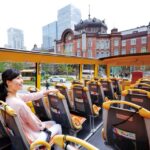
Tokyo looks best from above traffic, at street level. This open-top panoramic bus tour is a simple way to see the city’s major landmarks without wrestling with transfers, and the GPS-enabled audio guide keeps you moving with useful context.
Two things I’d flag right away: you get the open-top views (especially for places like Tokyo Tower and the Rainbow Bridge) and the GPS-tracked audio is built to match where the bus is on the route. One consideration: you’re riding in the elements, so rain can mean the roof is closed and comfort changes fast.
In This Review
- Key things I’d plan around
- Why an Open-Top Bus Makes Sense for First-Time Tokyo
- GPS Audio Guide: What You Actually Hear and How It Helps
- Bay Course: Tokyo Bay to Odaiba, With Rainbow Bridge Moments
- City Course: Imperial Palace Area to Roppongi Skyscrapers and Ginza
- Stops You’ll Remember, Even If You Don’t Get Off
- Meeting Point by Tokyo Station: Tokyo VIP Lounge Details That Matter
- Weather, Comfort, and the Photo Rules You Must Follow
- Value for $11: What You’re Paying For (and What You’re Not)
- Who This Tour Fits Best
- Should You Book This Open-Top Bus and GPS Audio?
- FAQ
- How long is the open-top bus tour?
- Which languages are available on the audio guide?
- Do I need to bring headphones?
- Where do I meet the bus near Tokyo Station?
- What should I know about rain?
- Are there items I can’t bring on the bus?
Key things I’d plan around
- GPS audio that follows the bus: it switches what you hear based on location.
- Two route options, two different Tokyo moods: Bay Course or City Course.
- Open-top comfort depends on weather: rain can close the roof, and temperature still matters.
- Headphones are optional: plan for the audio jack setup (3.5mm mini plugs).
- Strict vehicle rules: no selfie sticks, food, or umbrellas onboard.
Why an Open-Top Bus Makes Sense for First-Time Tokyo
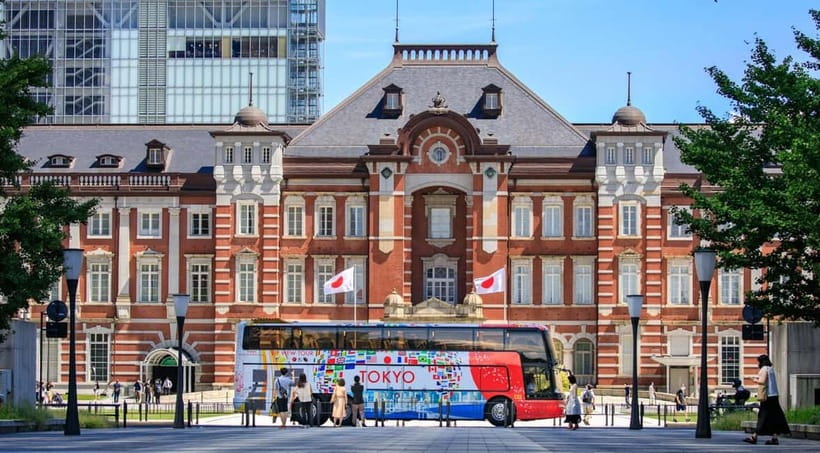
If it’s your first day in Tokyo, you’ll appreciate how quickly this type of tour gets your bearings. Instead of hopping from stop to stop, you get a continuous loop past landmarks that most visitors only manage to string together with a lot of planning. For 70 minutes, it’s an efficient way to see both classic icons and modern Tokyo in one sitting.
I like that the experience is relaxed. You’re not racing to hit every photo angle. You’re getting a steady, guided perspective while the bus does the navigation work. And because the audio guide is GPS-driven, you’re not stuck listening to the same general spiel the whole time.
The other big win is the view. An open-top ride turns Tokyo’s “wow” factors into something you can actually take in, like the broad approach to Tokyo Tower and the long, recognizable stretches around Ginza and Odaiba.
You can also read our reviews of more guided tours in Tokyo
GPS Audio Guide: What You Actually Hear and How It Helps
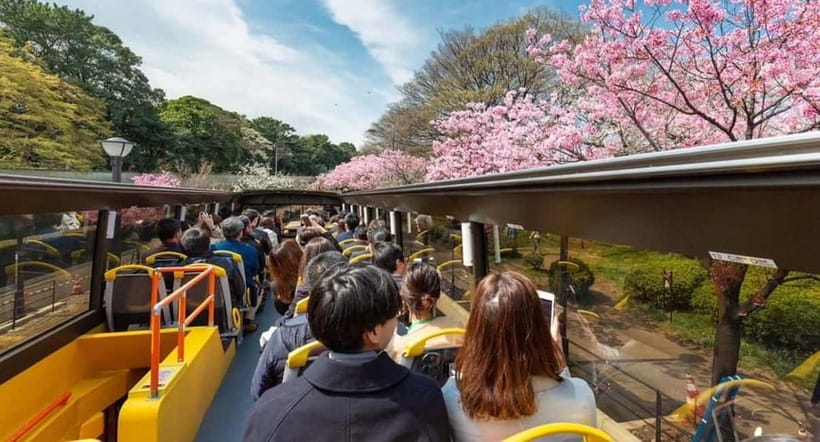
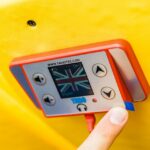
This tour uses a GPS-enabled audio system designed to deliver sightseeing information automatically as the bus moves. It supports Japanese, English, Chinese, French, Korean, Vietnamese, and Thai, with the system delivering audio in three languages based on the current location.
That matters more than it sounds. Tokyo’s route patterns change based on roads and traffic, and the system is designed to stay accurate even with those changes. Practically, it means you’re more likely to connect the story to what you can see outside your window rather than guessing what the guide is referring to.
A couple of practical notes to keep your expectations realistic:
- Headphones aren’t included. You can buy headphones on-site for 100 yen, and the jack supports 3.5mm mini plugs.
- Some audio experiences can feel a little noisy between segments, depending on how the music level is set compared with the spoken track. If you’re sensitive to that kind of thing, you may want to bring your own headphones so you can control comfort and sound quality.
Also, there’s Japanese-speaking staff available for assistance, but the tour’s main guidance is still the audio system, not a continuous live English guide.
Bay Course: Tokyo Bay to Odaiba, With Rainbow Bridge Moments
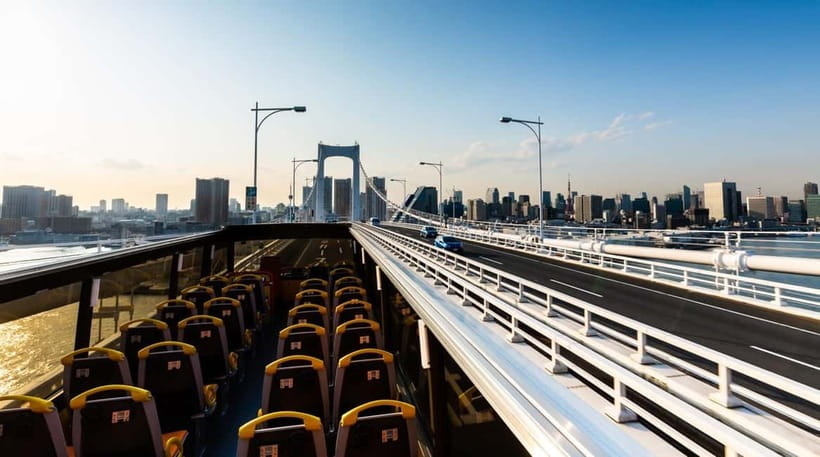
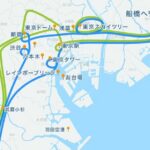
The Bay Course is the route I’d pick if you want Tokyo’s water-and-skyline side. You’ll move between sea views and city landmarks, with standout visual beats that are easy to recognize even if you’re not a Tokyo expert.
Here’s what you can expect, in the order you’ll see it:
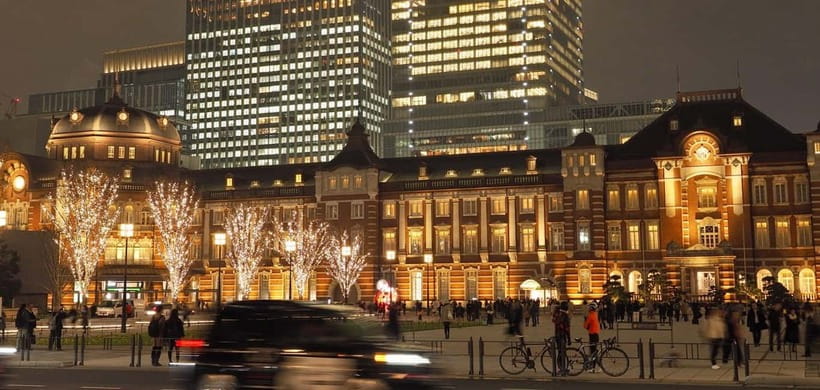
- Tokyo Station Red Brick Station Building → Marunouchi: You start with a classic Tokyo landmark area. It’s a good warm-up and a recognizable frame for later skyline views.
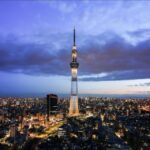
- Zojoji Temple → Tokyo Tower: Zojoji is a great contrast point, and Tokyo Tower is one of those sights that looks best with a wide approach. From an open-top bus, you get the scale without crowd pressure.
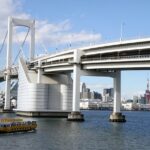
- Shibaura Rainbow Bridge (1st Level): This is a “you’re actually there” moment. Even from the bus, the bridge gives you that iconic Tokyo Bay look.
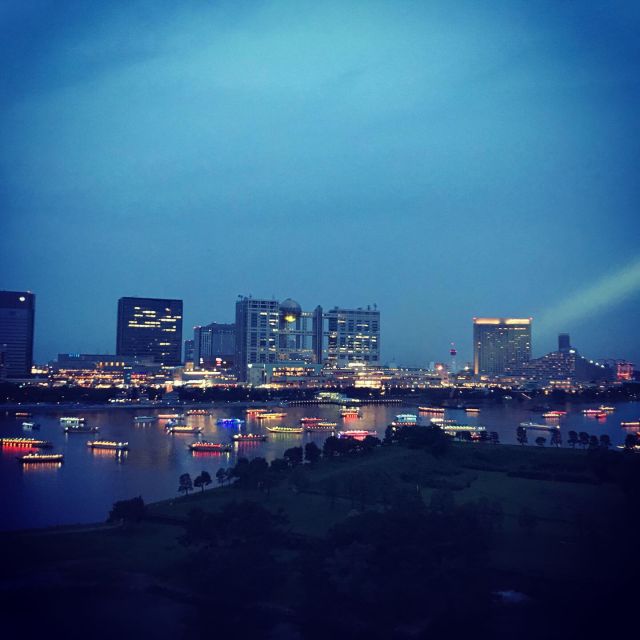
- Fuji TV Building → Statue of Liberty → Odaiba Seaside Park: Odaiba is modern Tokyo in a different key—designed for views, waterfront walks, and big landmark silhouettes. The bus ride gives you the big-picture glance; you can decide later whether you want to stop longer.
- Rainbow Bridge (2nd Level) → Shiodome → Ginza: The second pass is the payoff for people who like repeating landmarks from different angles. Then you transition back into Ginza’s energy.
One smart way to use this route: after the bus passes an area you like, consider stepping out afterward if you still have energy. The tour description explicitly encourages you to visit spots that catch your attention, and that flexibility is part of the value.
City Course: Imperial Palace Area to Roppongi Skyscrapers and Ginza
If the Bay Course feels like Tokyo’s outer-circuits, the City Course feels like the center of the action. You’ll get classic Tokyo landmarks plus the dense skyline look around places like Roppongi and Tokyo Midtown.
Your route goes roughly like this:
- Tokyo Station Red Brick Station Building → Marunouchi: The same start gives you a known reference point.
- Chidorigafuchi → Akasaka State Guest House: These areas add a more formal, ceremonial Tokyo feel compared with purely commercial districts.
- Meiji Jingu Gaien → Tokyo Midtown: This is a good combo of cultural context and contemporary architecture. You’ll see the “Tokyo blend” quickly.
- Roppongi → Tokyo Tower: Expect a strong skyline feel, followed by the Tower again, this time framed by different city density.
- Hibiya → Ginza: You finish in one of Tokyo’s most recognizable shopping-and-streets areas.
Choose the City Course if you want a “greatest hits” slice of central Tokyo. It’s also a good choice if you’re staying near Tokyo Station or Marunouchi, because the start and finish rhythm makes your day easier to shape.
Stops You’ll Remember, Even If You Don’t Get Off
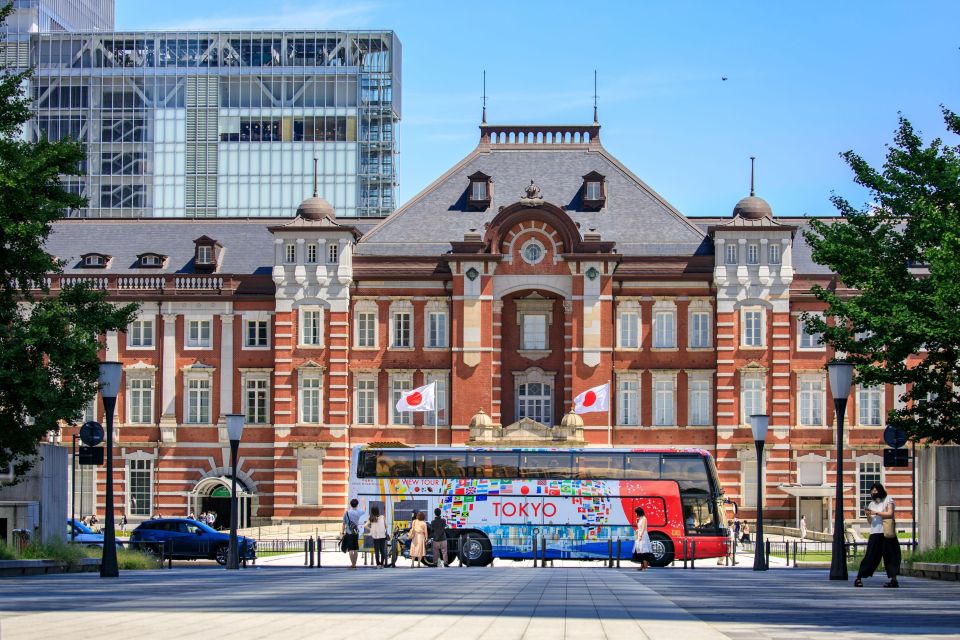
The tour isn’t about 20 separate mini-sightseeing missions. It’s about catching the main shapes of Tokyo from a moving open-top platform.
A few stops that tend to work particularly well from this style of ride:
- Tokyo Tower: tall, clear silhouette, and easy to photograph without standing in one exact spot all day.
- Rainbow Bridge: bridges read well from passing angles, so the bus format fits.
- Ginza: you get to feel the district’s scale quickly, and you can decide later if you want to shop or just stroll.
Even if you don’t step out, you come away with a clearer mental map. That’s useful for the rest of your trip, especially if you’ll be using trains afterward and need to understand where things sit relative to each other.
You can also read our reviews of more tours and experiences in Tokyo

Meeting Point by Tokyo Station: Tokyo VIP Lounge Details That Matter
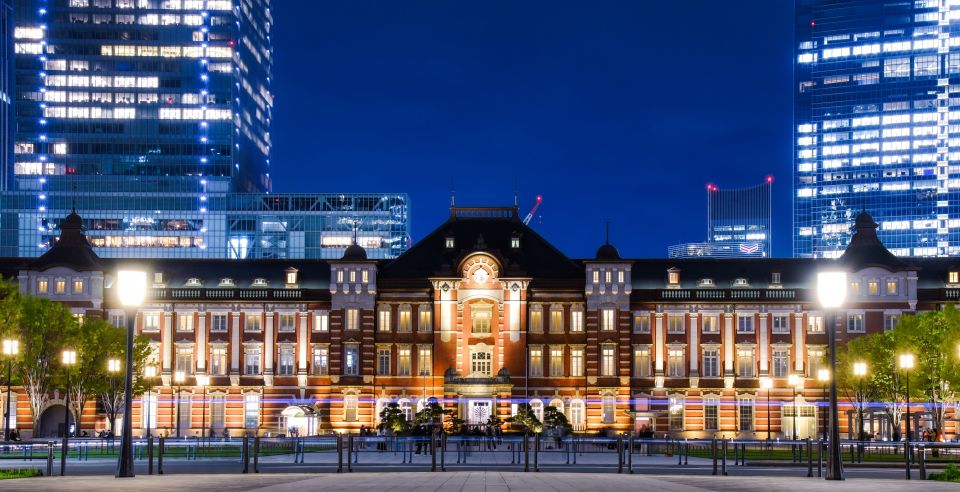
This is one of those tours where finding the meeting point on time decides how smooth your day feels.
The pickup is at Tokyo VIP Lounge, on the 2nd and 3rd floors of the building. There’s a FamilyMart on the ground floor, and it’s about a 5-minute walk from Tokyo Station’s Yaesu North Exit. The coordinates provided are 35.681763, 139.7713517, and there are map links for getting there.
Plan for a real buffer: check in 20–40 minutes before departure. The meeting place is a paid facility, but open-top bus customers can use it for free starting 40 minutes before departure. If you show up much earlier, you may need to pay the facility fee depending on the time window.
It’s also described as a shared space with other general users, so keep your expectations calm and orderly. Think of it as a staging area where you wait your turn, not a private lounge.
Weather, Comfort, and the Photo Rules You Must Follow
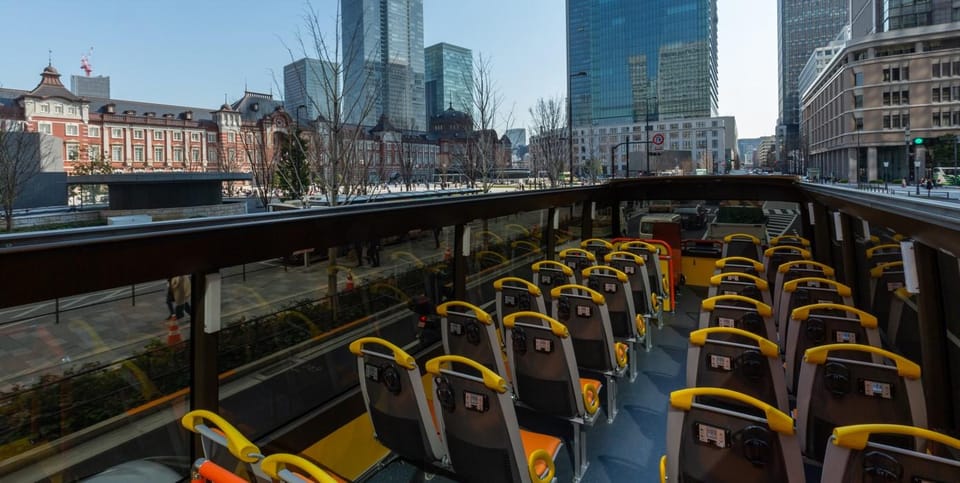
This ride runs rain or shine, but the open-top roof can be closed if it rains. That affects the experience in two ways:
1) you lose some of the “open view” feeling, and
2) it can get colder or hotter depending on the weather conditions and whether the roof stays open.
So dress like you’re going to spend 70 minutes outside. If you know you’ll be uncomfortable in wind or rain, bring layers that you can tolerate for the whole ride.
Also, the tour has clear rules for the vehicle:
- No smoking
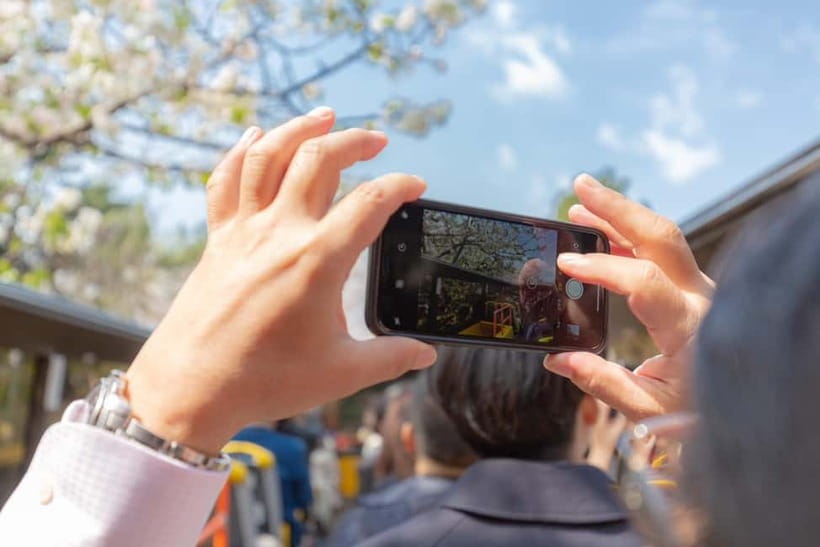
- No selfie sticks
- No food in the vehicle
- No umbrellas
That’s worth noting because it affects how you prepare for photos and snacks. If you’re the type who always carries an umbrella for Tokyo weather swings, you’ll want a plan for where it goes once onboard.
Value for $11: What You’re Paying For (and What You’re Not)
At $11 per person for 70 minutes, the value comes from what’s included:
- an open-top bus tour
- a multi-language GPS audio guide
- Japanese-speaking staff available for assistance
What you’re not paying for:
- headphones (optional, 100 yen)
- a live guide in the sense of continuous commentary
For many first-timers, this is a smart tradeoff. You’re paying for access to the route and the audio context without the higher cost that comes with a full live guide service. And because the audio system is GPS-tracked, you get more than generic sightseeing facts—you get location-matched commentary.
If your priority is a deep, conversational explanation or a Q-and-A style guide, you might feel the limits. But if your priority is to see a lot of Tokyo quickly while learning enough to make sense of what you later explore on your own, this price is hard to beat.
Who This Tour Fits Best
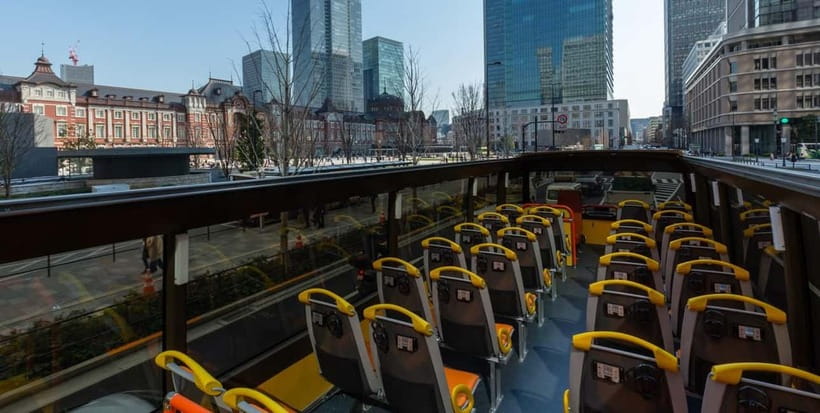
This is a good match for:
- First-time visitors who want an instant Tokyo map in their head
- Travelers with limited time who still want to hit major landmarks
- Anyone who prefers audio guidance over relying on a live guide’s schedule
- People who like the feeling of open-air sightseeing, at least when weather cooperates
It may not be ideal if:
- You’re very sensitive to sound balance (for example, if music between segments is distracting to you)
- You need extra space for comfort; some seating can feel tight for longer rides
- You’re expecting the roof to always be open, since rain can close it
Should You Book This Open-Top Bus and GPS Audio?
I’d book it if you want a low-effort, high-visibility way to understand Tokyo’s layout. The combination of open-top viewing plus GPS-matched audio is exactly what helps on a short visit. At $11 for 70 minutes, you’re also buying a lot of clarity for not much money.
Before you book, decide which mood you want:
- Pick Bay Course for Tokyo Bay energy, Tokyo Tower, Rainbow Bridge, and the Odaiba waterfront vibe.
- Pick City Course for Imperial-area streets, Roppongi skyline, and the Ginza finish.
If the weather in your travel window is questionable, pack for temperature swings and remember the rules (no umbrellas, no selfie sticks). Do that, and this tour becomes one of those practical first-day moves you’ll be glad you made.
FAQ
How long is the open-top bus tour?
The tour duration is 70 minutes.
Which languages are available on the audio guide?
The GPS audio guide supports Japanese, English, Chinese, French, Korean, Vietnamese, and Thai. The system delivers sightseeing information in three languages based on the bus’s current location.
Do I need to bring headphones?
Headphones are not included. Headphones are available for 100 yen, and the headphone jack supports 3.5mm mini plugs.
Where do I meet the bus near Tokyo Station?
You meet at Tokyo VIP Lounge on the 2nd and 3rd floors of the building with a FamilyMart on the ground floor. It’s about a 5-minute walk from Tokyo Station’s Yaesu North Exit.
What should I know about rain?
The tour operates rain or shine, but if it rains the open top may be closed. Cancellations are only mentioned for extreme weather such as typhoons.
Are there items I can’t bring on the bus?
Yes. Smoking, selfie sticks, food in the vehicle, and umbrellas are not allowed.